
Contents
- Steel Wheels: Durability and Savings
- Main Characteristics of Steel Wheels
- Advantages of Steel Wheels
- Ideal Driver Profile for Steel Wheels
- Aluminum Alloy Wheels: Lightness and Versatility
- Composition and Characteristics of Alloy Wheels
- Types of Alloy Wheels by Manufacturing Process
- Ideal Applications for Each Type of Alloy Wheel
- Carbon Fiber Wheels: The Cutting Edge in Performance
- Characteristics of Carbon Fiber Wheels
- Advantages and Disadvantages of Carbon Fiber Wheels
- Optimal Applications for Carbon Fiber Wheels
- Conclusions
When we talk about wheels, we usually do so solely to evaluate aesthetics. A bigger set of “shoes” typically gives any car a more attractive look. However, not many people realize that wheels also have a major impact on vehicle performance.
There is a wide variety of designs and materials available, so choosing the right set can feel overwhelming. Nevertheless, it is essential to understand that not all wheels are suitable for every driving style. The manufacturing material plays a decisive role in their suitability for different applications.
In this article, we will analyze the main types of materials used in wheel manufacturing and how they affect cost, construction, and performance. This information will help you make the right decision based on your specific driving needs the next time you are using any car configurator.
Steel Wheels: Durability and Savings

Steel wheels have long been the default choice for many automakers, especially on entry-level models and commercial vehicles.
Their popularity stems from a combination of factors that make them particularly appealing for certain types of drivers and applications. Let’s explore in detail the characteristics, advantages, and ideal user profile for these rugged and affordable wheels.
Main Characteristics of Steel Wheels
Steel wheels are the most common on the market and serve various roles in wheel design. Their main characteristics are:
- Affordable: Ideal for commercial fleets and entry-level vehicles.
- Heavy: Significantly heavier than other materials.
- Limited design: They offer fewer aesthetic options.
- Durable: Resistant to cracks and impact damage.
Advantages of Steel Wheels
Despite their limitations, steel wheels offer significant advantages:
- Low cost: They are the most affordable option on the market.
- Durability: They withstand heavy use and rough terrain well.
- Ease of repair: If damaged, they tend to bend rather than crack, making them much easier to repair.
- Aesthetic resurgence: They have gained popularity on off-road vehicles and pickup trucks for their “retro” look.
Ideal Driver Profile for Steel Wheels
Steel wheels are especially well-suited for:
- Budget-conscious off-road drivers: Since they offer strength without a high price tag.
- Retro style enthusiasts: Perfect for those seeking a classic look on their vehicles.
- Users who prioritize durability: Ideal for those who frequently drive on rough terrain.
It is important to note that the added weight of steel wheels is less problematic in off-road driving than on the road, where it could negatively affect the performance of sports cars or muscle cars.
Aluminum Alloy Wheels: Lightness and Versatility

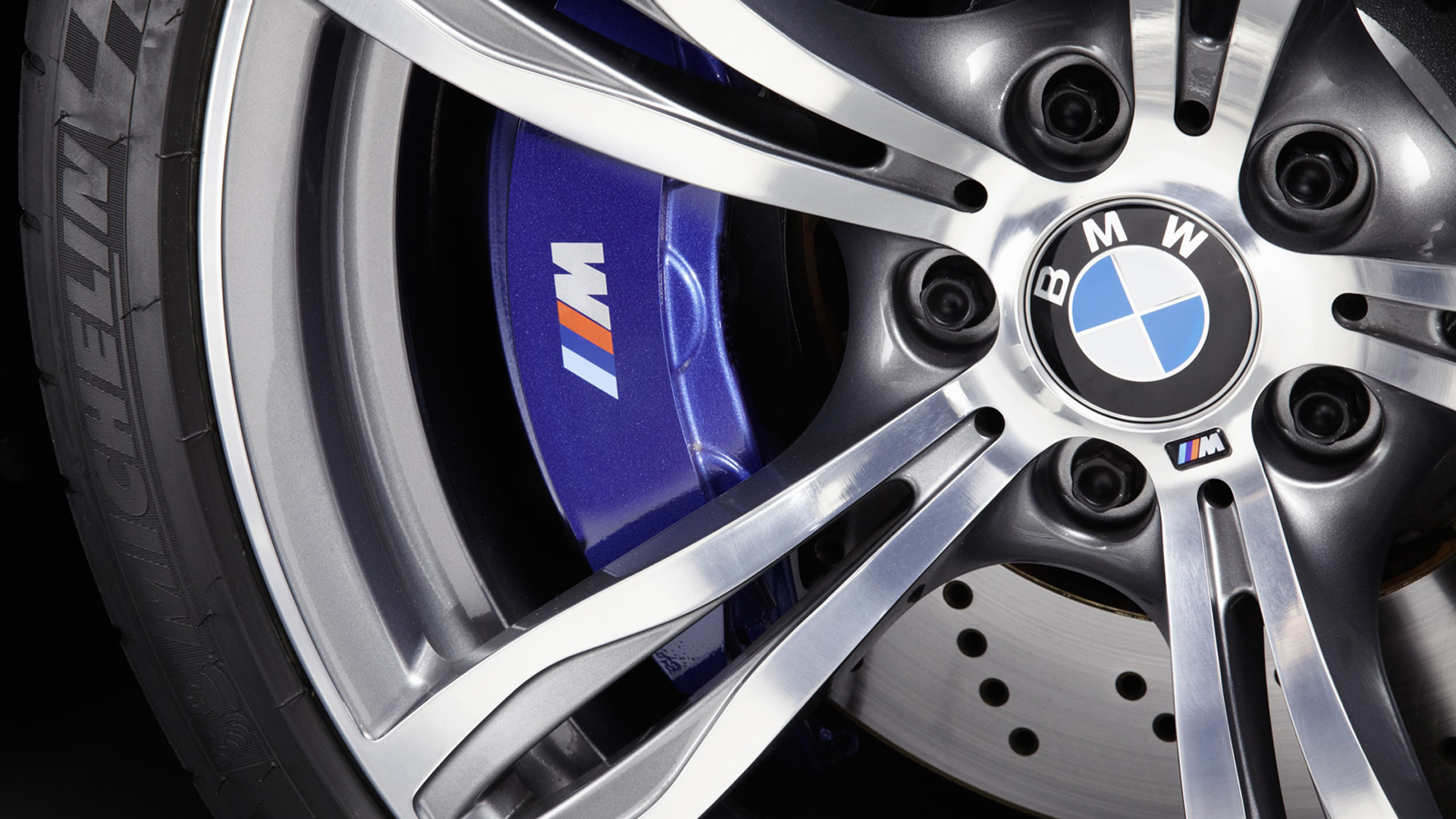
Aluminum alloy wheels represent a significant leap in technology and performance over traditional steel wheels. Their introduction to the automotive market has revolutionized both the aesthetics and performance of modern vehicles.
These wheels offer a unique combination of lightness, strength, and design flexibility that has made them the preferred choice for a wide range of applications, from daily drivers to high-performance cars.
Composition and Characteristics of Alloy Wheels
Alloy wheels are manufactured from a blend of aluminum and other metals, typically nickel or magnesium. Their main characteristics include:
- Lightness: Considerably lighter than steel wheels.
- Design variety: They offer a wide range of styles and finishes.
- Performance improvement: Their lower weight contributes to better acceleration, handling, and braking.
- Variable strength: Their durability depends on the manufacturing method.
Types of Alloy Wheels by Manufacturing Process
Generally speaking, aluminum alloy wheels can be divided into three distinct categories:
- Cast wheels: The most affordable, though the least strong.
- Flow-formed wheels: They offer a great balance between strength and cost.
- Forged wheels: The strongest and lightest, though also the most expensive.
Ideal Applications for Each Type of Alloy Wheel
Alloy wheels are the most common overall, and each type within this group is designed for a distinct set of applications:
- Cast wheels: Perfect for daily driving and light off-road use.
- Flow-formed wheels: Suitable for drivers seeking improved performance without an excessive cost.
- Forged wheels: Ideal for spirited driving enthusiasts and demanding off-road drivers.
Carbon Fiber Wheels: The Cutting Edge in Performance

At the pinnacle of wheel technology are those manufactured from carbon fiber. These wheels represent the ultimate in innovation and performance in the automotive world.
Originally developed for elite motorsport, carbon fiber wheels have found their way onto high-performance and luxury vehicles, offering unique advantages that clearly set them apart from their metal counterparts. However, their use also comes with special considerations that must be kept in mind.
Characteristics of Carbon Fiber Wheels
Carbon fiber wheels represent the most advanced technology in the wheel industry. Their main attributes are:
- Extremely lightweight: Up to 50% lighter than aluminum alloy wheels.
- High strength: Up to five times stronger than steel.
- Excellent stiffness: They provide razor-sharp steering and driving response.
- Thermal resistance: They handle high temperatures efficiently.
- Aerodynamic design: They allow for complex shapes that improve aerodynamic efficiency.
Advantages and Disadvantages of Carbon Fiber Wheels
The strengths and weaknesses of wheels made of carbon fiber are as follows:
Advantages:
- Significant reduction in unsprung weight.
- Noticeable improvement in acceleration, braking, and handling performance.
- Superior aerodynamic efficiency.
Disadvantages:
- Extremely high cost: Much more expensive than forged aluminum wheels.
- Brittleness under extreme impacts: They tend to shatter or splinter rather than bend.
- Difficulty of repair: If damaged, they generally require a full replacement.
Optimal Applications for Carbon Fiber Wheels
Carbon fiber wheels are best suited for:
- Motorsport racing: Where every fraction of a second counts.
- High-performance vehicles: For owners seeking maximum performance regardless of cost.
- Track use: Ideal for track days and amateur racing.
It is important to keep in mind that for daily street driving, the drawbacks of carbon fiber wheels (cost and fragility against potholes or curbs) usually outweigh their benefits.
Conclusions
Choosing the right wheel material is a crucial decision that can have a significant impact on your vehicle’s performance, efficiency, and safety. Each type of material offers a unique set of pros and cons, and the optimal choice will largely depend on your specific needs, driving style, and budget.
There is no single perfect choice, although the truth is that most users will be more than satisfied with aluminum alloy wheels, as they offer the best balance between price, customization, and performance.
In any case, the final decision comes down to your personal priorities. Whether you are looking for durability, performance, aesthetics, or a combination of these factors, there is a type of wheel that will fit your needs perfectly. With the information provided in this article, you are now better equipped to make an informed decision that will optimize your driving experience.