
Contents
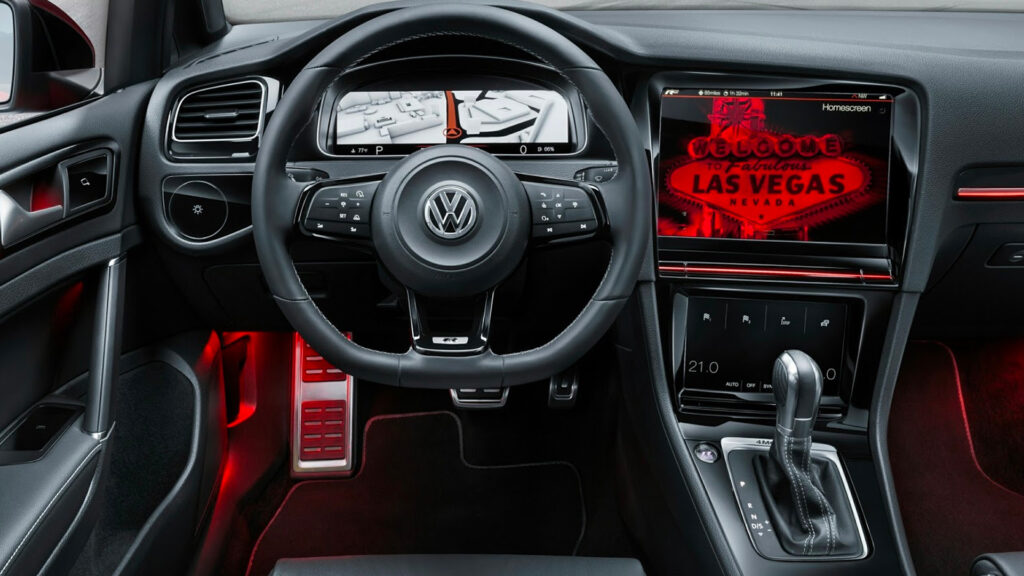
Not many vehicle manufacturers end up admitting their blunders. However, Volkswagen did indeed chant a mea culpa this week. The company’s CEO, Thomas Schäfer, has admitted that his predecessor Herbert Diess’s strategy of betting on touch controls instead of physical buttons has caused significant damage to the brand’s image.
Why did Volkswagen abandon physical buttons?

Volkswagen’s decision to abandon physical buttons was an attempt to modernize its vehicles and follow the trend of digitalization. A decision that was surely made thinking about the images that brands usually sell us of the concept of the ‘future’. However, the move did not turn out for Wolfsburg as they had imagined.
The decision to eliminate the buttons was heavily criticized in the first instance by many journalists. Then, it was the turn of the customers, who found that the touch controls were less intuitive and harder to use, especially when driving at night.
Schäfer acknowledged that this frustration has damaged the brand’s reputation, and that they are working to rectify this mistake. Something logical, since touch interfaces do not take advantage of ‘muscle memory’ and in most cases, you have to look before touching. A new distraction that no one wants to have while driving.
Volkswagen’s new approach
The German brand is working on a new approach that combines the best of both worlds: the modernity of touch controls and the functionality of physical buttons. They are classifying the most important functions for customers and deciding which ones should be controlled by physical buttons and which ones can be controlled through the screen.
Schäfer has promised that the upcoming Volkswagen ID.2 will showcase the results of this new paradigm. The vehicle will focus on ensuring that controls are placed intuitively, so customers are less likely to have to consult the owner’s manual to change something.
Fads are never good advisors

Volkswagen is not the first brand to discover that touch interfaces are not made for being behind the wheel. BMW already criticized a few weeks ago the fad of filling the entire interior of vehicles with screens, and asserted that this trend is close to disappearing.
The automotive industry often sins by being guided solely by fashion. We see it daily with body styles like the SUV, which are not as practical as they want us to believe. Or electric cars, which, no matter how much they want to sell them to us, we should put the fad aside and make sure first that our countries establish the necessary infrastructure to be able to move freely with them just like with a combustion vehicle.