
Contents
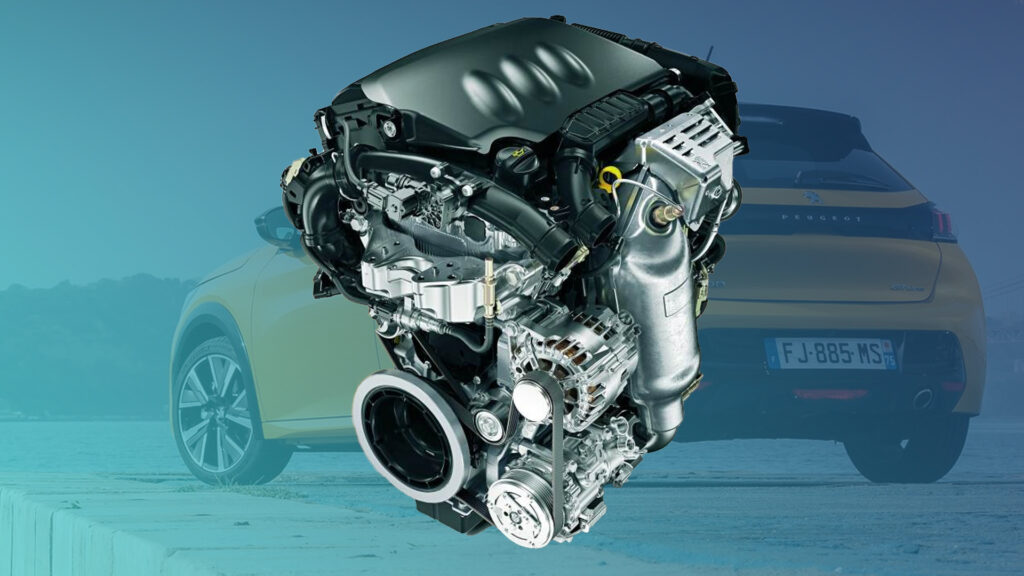
The PureTech engine has been heavily questioned in recent years regarding its reliability. Although the PSA Group has been using it for many years, its true problems began to surface after the launch of new revisions of the engine. A poor design of what appears to be the anti-pollution system caused the vehicle’s timing belt to deteriorate in a short time, blocking oil circulation and causing irreparable damage, or breakdowns that are really expensive to fix.
We knew perfectly well that the Stellantis Group (the conglomerate in which the PSA Group is now integrated) could not turn a blind eye to customer complaints. After all, the manufacturer has bet very heavily on this engine, using it in brands such as Peugeot, Opel, Citroën, DS, Fiat, and Jeep.
Extended warranty for all PureTech engines

Stellantis itself has acknowledged that they took too long to react. What seemed like a problem affecting a few users ended up snowballing. Given the manufacturer’s passivity, we already informed you a few months ago that there was a class action lawsuit to claim compensation for 1.2 PureTech engines. Luckily, we now know that the brand will take responsibility for this damage caused.
The solution proposed by Stellantis is to offer a warranty period of 10 years or 175,000 kilometers to all vehicles affected by these EB PureTech engine defects.
The warranty will cover all vehicles with PureTech engines manufactured until June 2022, the date when the third generation of these engines was introduced. To qualify for the warranty, owners must prove that they have correctly followed the vehicle maintenance plan, either at an official dealership or an independent workshop.
What happens to third-generation PureTech engines?
According to Stellantis, third-generation PureTech engines no longer suffer from these problems. These are the ones sold from that date of July 2022 onwards. The solution involved fixing the flaw that caused gasoline to enter the oil sump, which solves the problem at its root. On the other hand, vehicles with the 1.2 Puretech microhybrid (MHEV) engine have been using a timing chain since that date.
Shorter maintenance intervals
Another decision they have made to minimize the risk of damage to the wet belt is to shorten maintenance intervals. In addition to the extended warranty, the group has reduced the belt maintenance intervals, going from a replacement every 8 years or 160,000 kilometers to one every 6 years or 100,000 kilometers.
Furthermore, they recommend that all owners of vehicles with these engines follow these recommendations:
- Strictly follow the vehicle’s maintenance plan
- Check the belt at every oil change or service
- Do not ignore low oil warning lights or engine alarms
- In the event of a red alarm, stop the vehicle as soon as possible to avoid major damage
What is the future of the PureTech engine?

Stellantis assures that the PureTech has already made a transition to a timing chain. This means that all new models sold from now on with the third-generation engine should not have this problem. Although they were slow to respond, they seem to have studied the origin of the design flaw that the engine had. In any case, the company has not made public the origin of the problem that disintegrated the belts, although many mechanics claimed it was due to gasoline entering the oil because of a poorly designed anti-pollution system.
Aside from this, the PureTech engine should not cause any more problems than what we have been seeing so far. In fact, although there has been a lot of noise about this issue, only a small percentage of vehicles using this engine have suffered belt problems.
In any case, as we said, Stellantis will provide this warranty retroactively and thus compensate users who have had the misfortune of experiencing these failures in their engines, or who develop breakdowns within the new timeframes they have established.