
Contents
The automotive industry has undergone countless changes over the years. Vehicle manufacturers have always worked hard to stand out from their competitors or to adapt to changing regulations. We see this today with the transition to electric vehicles, just as it happened in the past with anti-pollution laws and tax penalties on high-consumption vehicles.
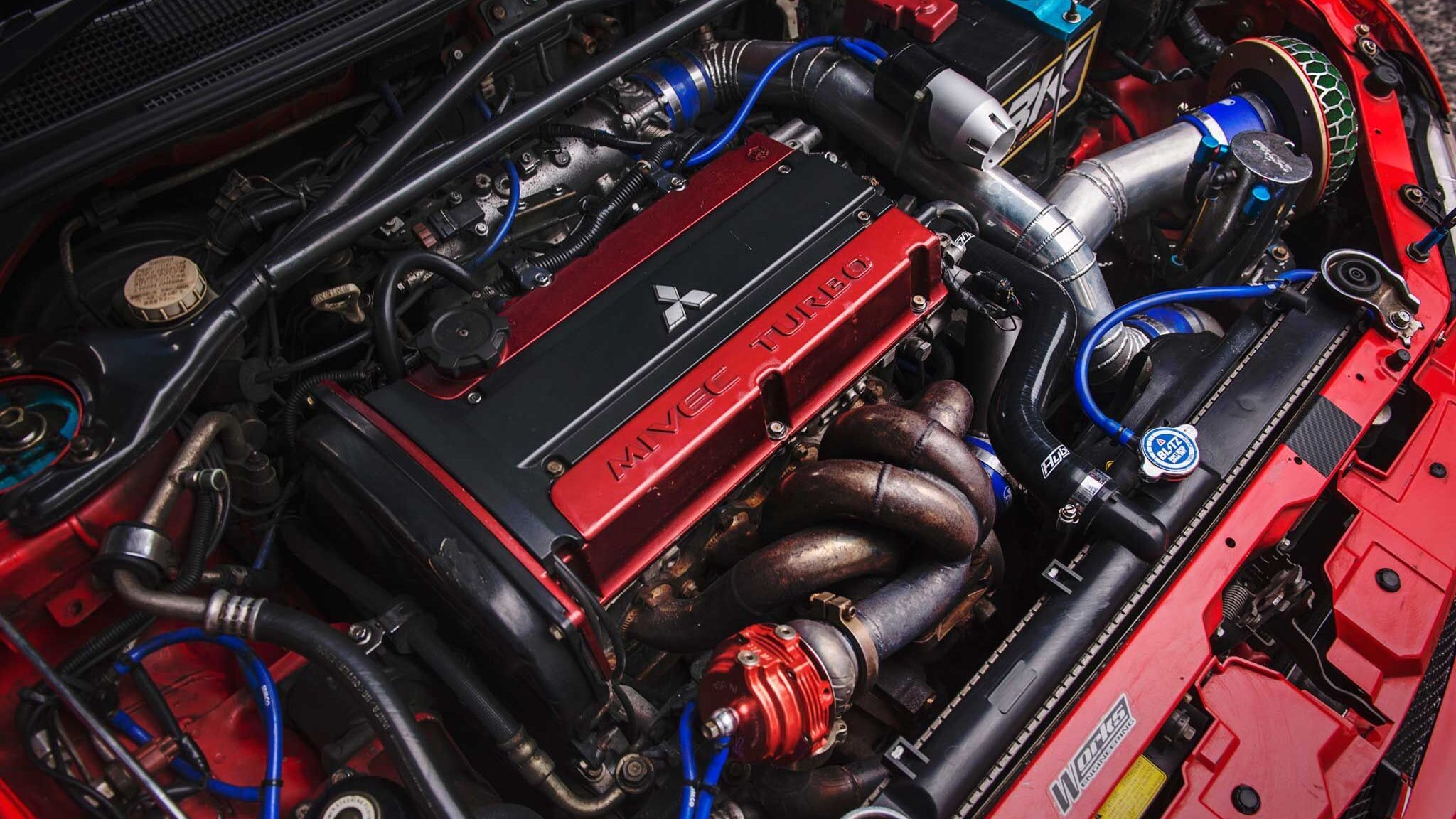
Like many other manufacturers, Mitsubishi also developed its own variable valve timing system, which was first launched in 1992 in the Mirage. The engine was designed not only to achieve high performance, but also to reduce the carbon footprint of automobiles. This technology, known as MIVEC, has evolved significantly since then and remains one of the Japanese brand's greatest selling points.
Let's learn more about MIVEC engine technology and how it works to ensure optimal performance in Mitsubishi vehicles:
What Does MIVEC Stand For?
MIVEC stands for "Mitsubishi Innovative Valve timing Electronic Control system." In essence, we could say it means practically the same thing as VVT (Variable Valve Timing), which is the generic term used by other manufacturers.
How Does Mitsubishi's MIVEC Valve Timing Work?

Just as with other valve timing systems, MIVEC technology makes it possible to precisely adjust the opening and closing of the valves, thereby optimizing each step of the four-stroke cycle. Instead of controlling air intake solely via a throttle valve, MIVEC powerplants open the intake and exhaust valves simultaneously. In doing so, they prevent power loss and achieve better fuel economy.
Additionally, MIVEC technology overlaps the valves to reduce air intake resistance. At the same time, as exhaust air exits through the exhaust valve, fresh air begins to enter the engine, stabilizing the combustion process. This reduces the volume of exhaust gas, lowering carbon dioxide emissions.
Main Features of the MIVEC Engine

Since MIVEC technology is one of the most advanced—developed around the concepts of power, smoother operation, fuel economy, and reduced carbon emissions—the engine utilizes the following key elements:
- Electronically controlled valves: The valves in the MIVEC engine are electronically controlled, allowing for precise, real-time adjustments to valve timing and lift. This electronic control ensures greater efficiency in engine operation, optimizing air and fuel intake as well as exhaust gas expulsion according to driving conditions and driver demands.
- Direct-acting valvetrain: MIVEC powerplants use a direct-acting valvetrain, meaning the valves open and close directly via the actuation mechanisms without the use of pushrods or other intermediate components. This reduces friction and energy loss, resulting in greater efficiency, better performance, and faster engine response.
- Intake manifold and cylinder head cover made of resin components: The intake manifold and cylinder head cover of the MIVEC engine are manufactured using resin components, making them lighter and more heat-resistant. This innovative design reduces engine weight and improves thermal efficiency, translating into better fuel economy and a lower environmental impact.
Furthermore, to reduce the weight of the engine block by more than 10%, aluminum is used in its manufacturing. Thanks to this weight reduction, overall size is minimized and the additional costs of manufacturing heavy engine blocks are cut. Moreover, the lower weight contributes to fuel economy and enhances the driving experience.
Likewise, the engines are developed using the Mitsubishi Motors Development System (MMDS) and vehicle development processes to guarantee the reliability and high performance of the MIVEC engine.
Advantages of Mitsubishi's MIVEC Technology
Here are the benefits of MIVEC technology:
- Reduced engine height
- Smaller engine block size and weight
- High performance and reliability
- Low carbon dioxide emissions, contributing to a greener environment
- Improved fuel economy
Problems Related to MIVEC Engines

Although we are talking about very reliable engines, mechanical complexity is undeniably linked to a higher likelihood of experiencing failures. Engines with MIVEC valve timing, much like Toyota's VVT-i units, are highly reliable. However, to ensure that reliability, it is necessary to keep up with routine vehicle maintenance.
Some of the most common problems in cars equipped with this valve timing system include the following:
Carbon Buildup in the Cylinder Head
If the engine is not revved properly, carbon can build up in the cylinder head, which may cause a blockage and affect overall engine performance. Carbon buildup can lead to issues such as power loss, increased fuel consumption, and higher emissions. To prevent this problem, it is important to maintain proper acceleration habits and perform periodic engine maintenance.
It should be emphasized that this issue is not unique to these engines, and depends more on the driver's habits than on the design of the powerplants themselves.
Altered Valve Timing When Replacing the ECU
The Engine Control Unit (ECU) is responsible for managing and controlling valve timing in the MIVEC engine. If the ECU is swapped out without being properly replaced and programmed, the valve timing may be affected, which can result in poor engine performance, higher fuel consumption, and increased emissions. To avoid this problem, it is essential to ensure that the ECU is replaced properly by trained professionals.
Clogged Fuel Injectors
Some Mitsubishi vehicles equipped with a MIVEC engine have experienced issues with clogged fuel injectors. Fuel injectors are responsible for delivering the proper amount of fuel into the combustion chambers.
When they become clogged, fuel flow is compromised, which can cause poor engine performance, loss of power, and increased fuel consumption. To resolve this issue, it is important to perform regular maintenance on the fuel injection system and use high-quality fuel to prevent dirt and residue from building up in the injectors.