
SAAB 9000Timing chain or Belt?
About SAAB 9000
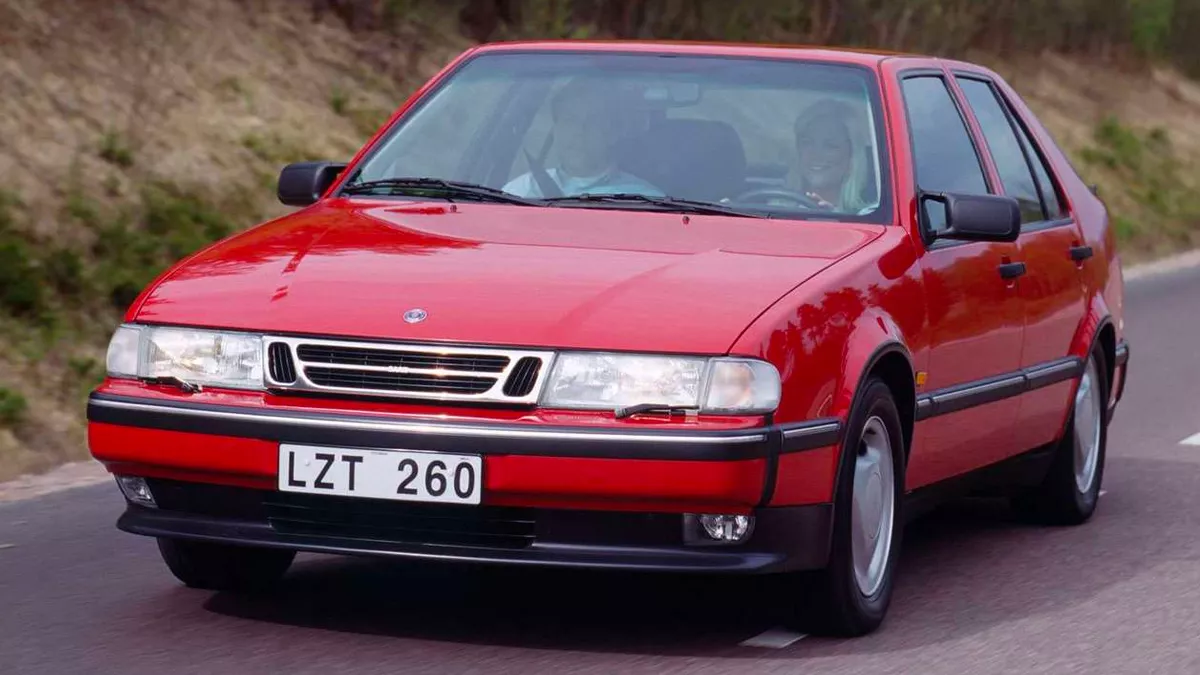
The Saab 9000 is an executive-class car produced by the Swedish manufacturer Saab between 1984 and 1998. It represents the brand's foray into the executive sedan segment. It was developed thanks to the success of the turbocharged 99 and 900 models. The 9000 remained in production until May 1998, when it was replaced by the Saab 9-5 in late 1997, although some final units were assembled in 1998. It was available only with gasoline engines, in two 5-door hatchback body styles and a 4-door notchback sedan.
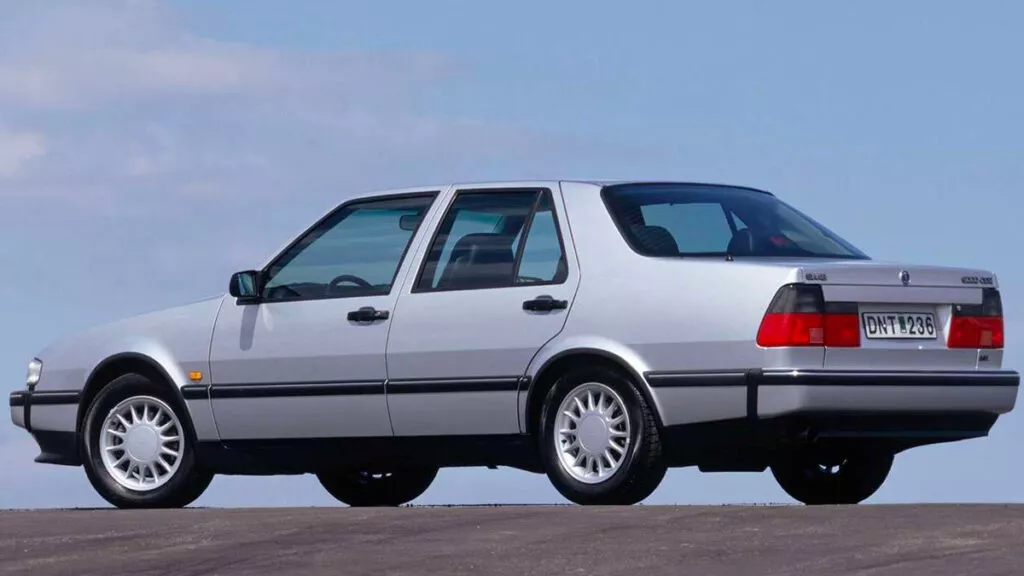
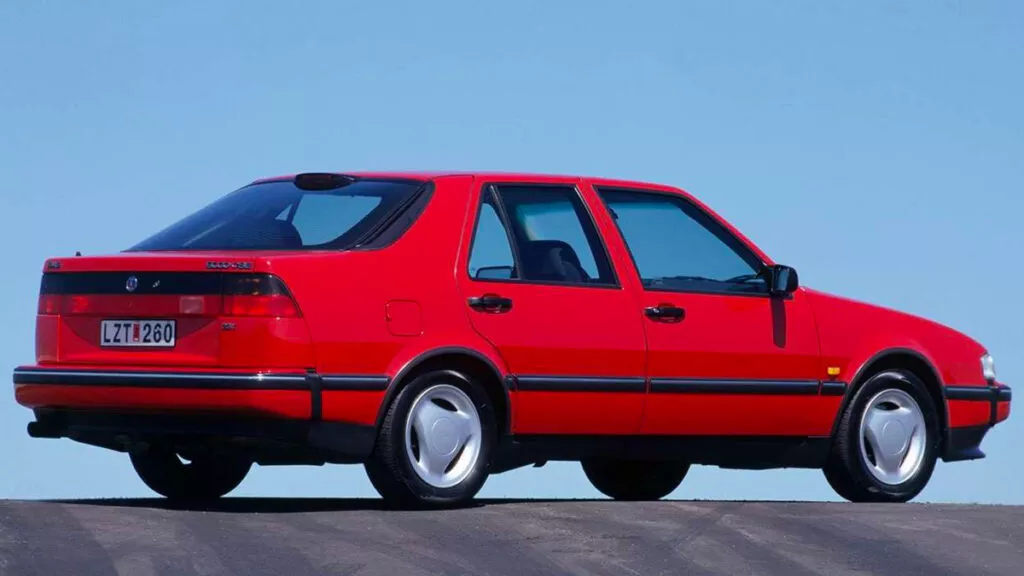
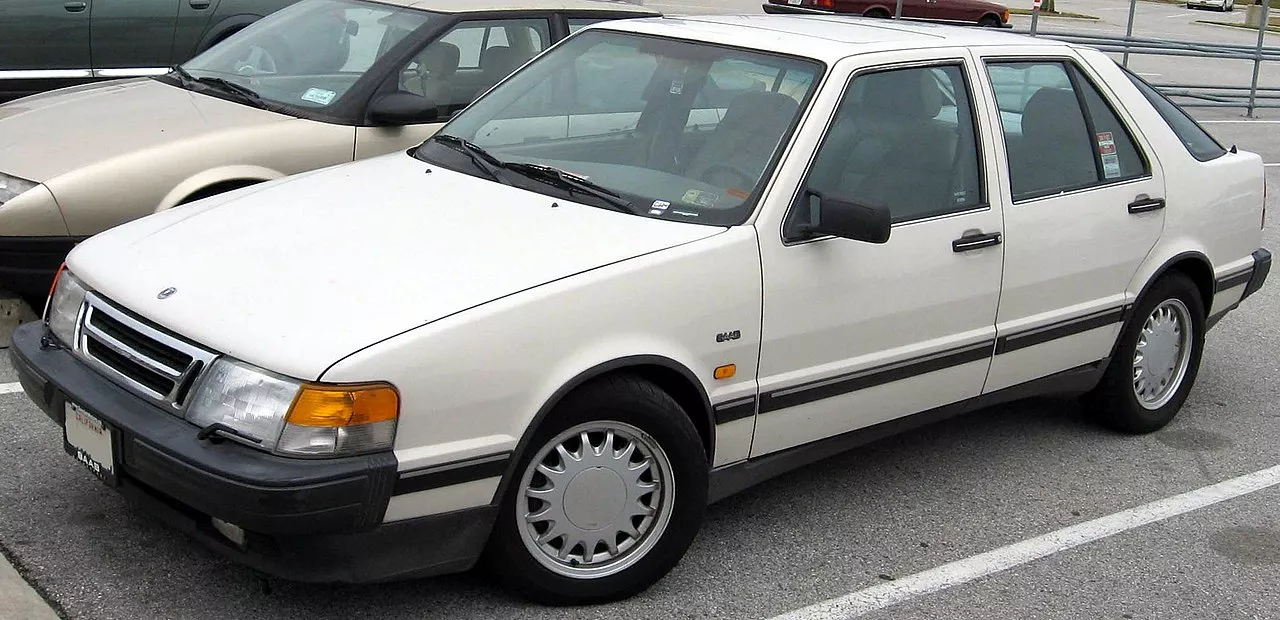
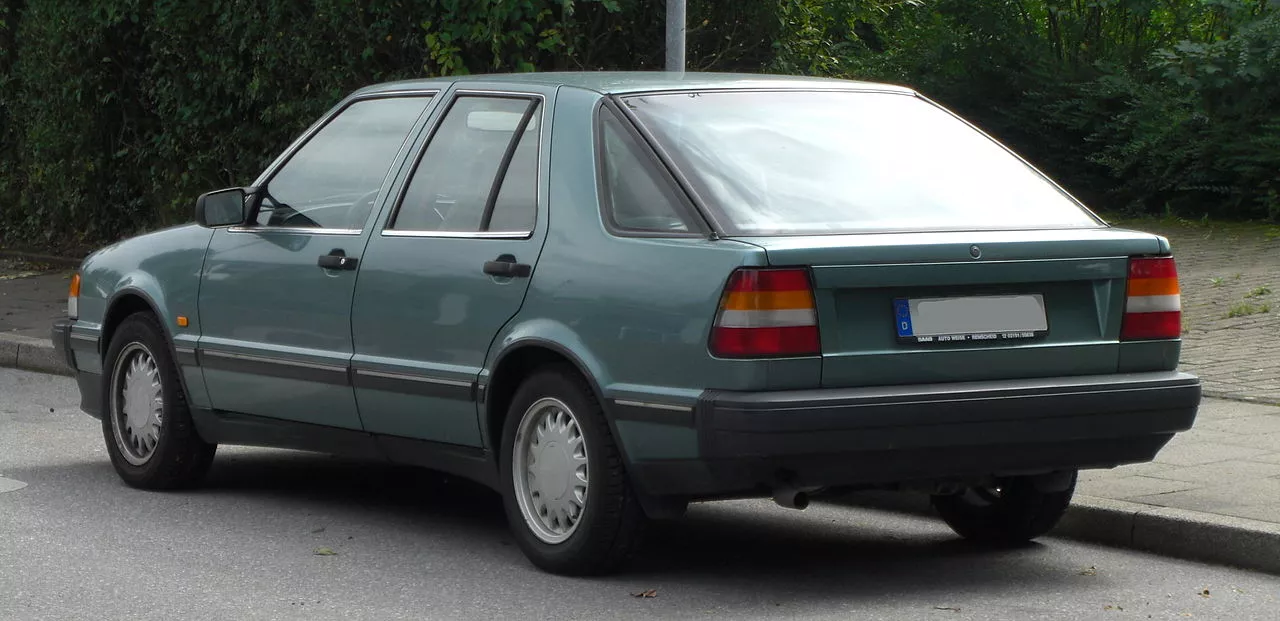
The first generation of the Saab 9000 was introduced in 1984 and remained in production until 1991. It was characterized by a straighter and more vertical front design, initially available only as a 5-door liftback. Engines included a 2.0L turbocharged inline 4-cylinder with 160 hp (118 kW) and a naturally aspirated 125 hp (92 kW) engine. In 1988, a 4-door sedan variant called the CD was added.
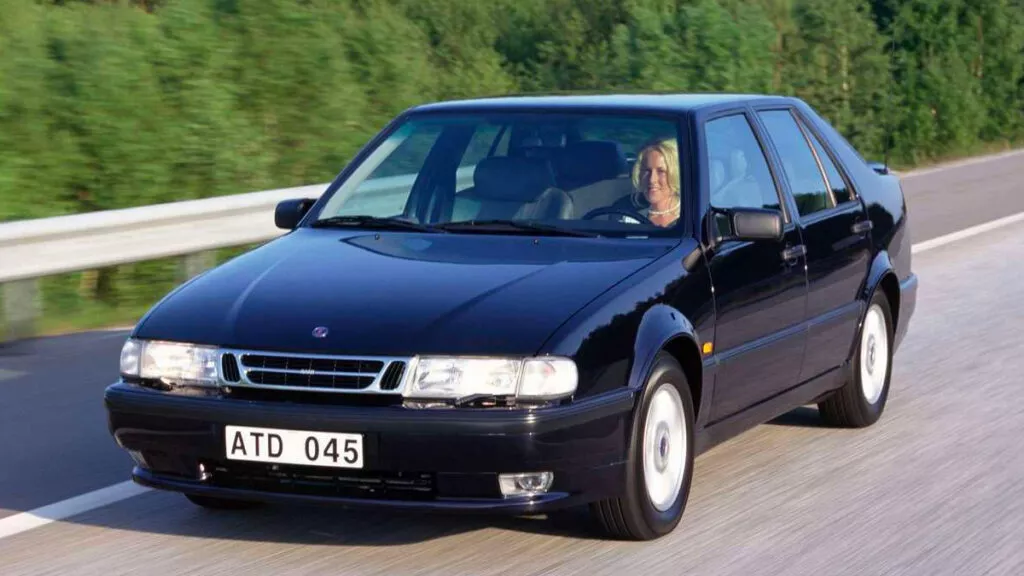
The second generation was introduced in 1991 with a more aerodynamic front redesign for both the liftback and the sedan. New engines were introduced, such as the 2.3L turbocharged engine with 195 hp (143 kW) and the 3.0L V6 with 210 hp (154 kW). The sporty Aero variant featured a boosted version of the 2.3L turbo engine with 225 hp (165 kW). All versions used the Type Four platform developed in conjunction with Fiat.
Among the limited versions of the Saab 9000, the Talladega, Carlsson, and Griffin stand out, featuring sports equipment and higher power. Prototypes were also built, such as a convertible version and a 7-seater station wagon based on the 9000. In terms of technology, Saab experimented with joystick steering in the 1993 Prometheus project.
The main competitors of the Saab 9000 in its segment were German models like the BMW 5 Series, Mercedes E-Class, and Audi A6. These offered greater refinement, technology, and driving dynamics, but the Saab stood out for its practicality and comfort. The Volvo 850 was also a more conservative Scandinavian alternative.
Jump to a generation:
#1SAAB 9000 - Generation I(1984)
Hatchback / Liftback
#2SAAB 9000 - Generation II(1991)
Sedan / Liftback