
SAAB 9-5Timing chain or Belt?
About SAAB 9-5
The Saab 9-5 is an E-segment executive car produced by the Swedish manufacturer Saab. It was marketed between 1997 and 2012 across two different generations, replacing the successful Saab 9000. The name 9-5 refers to the English pronunciation "nine five" and should not be confused with the Saab 95, a historic model of the brand.
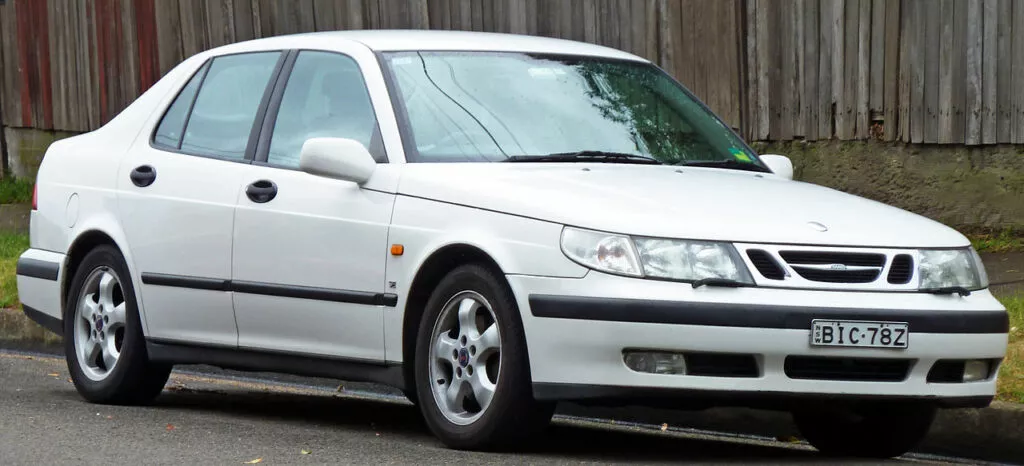
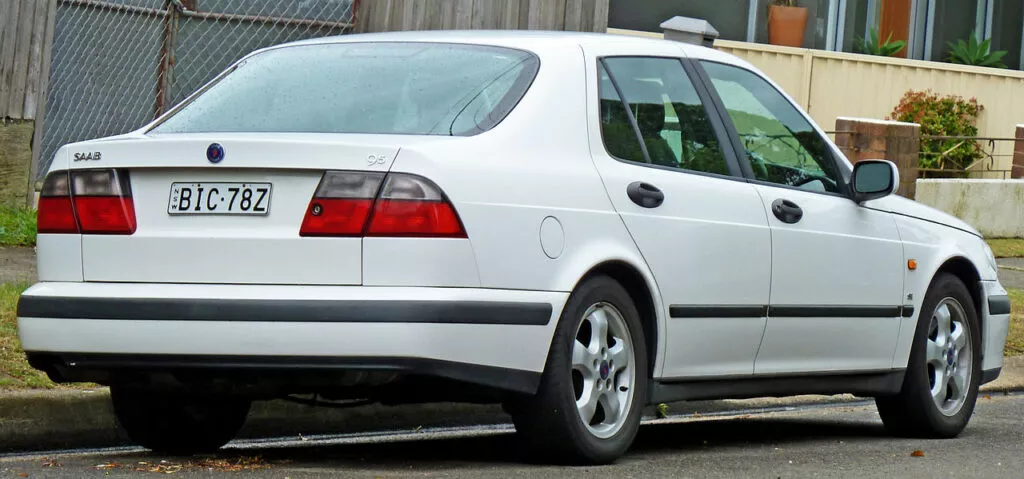
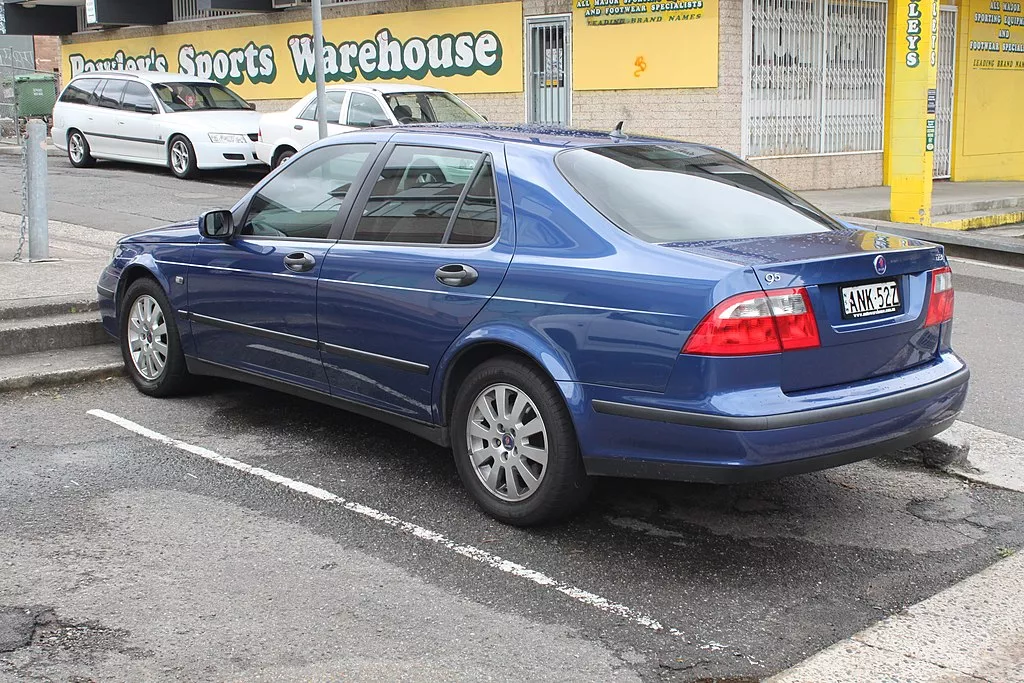
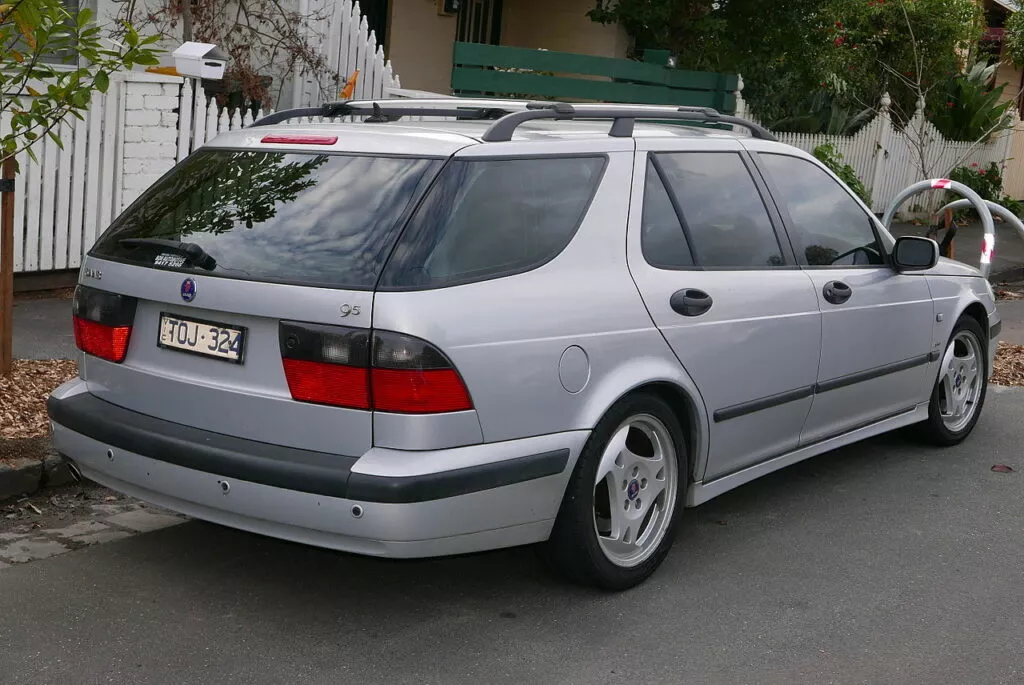
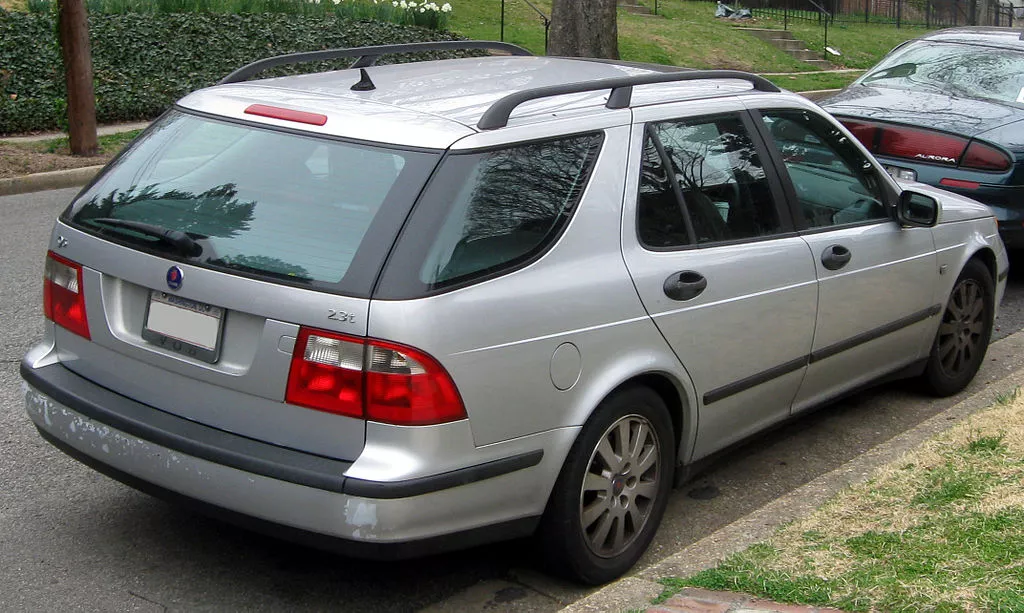
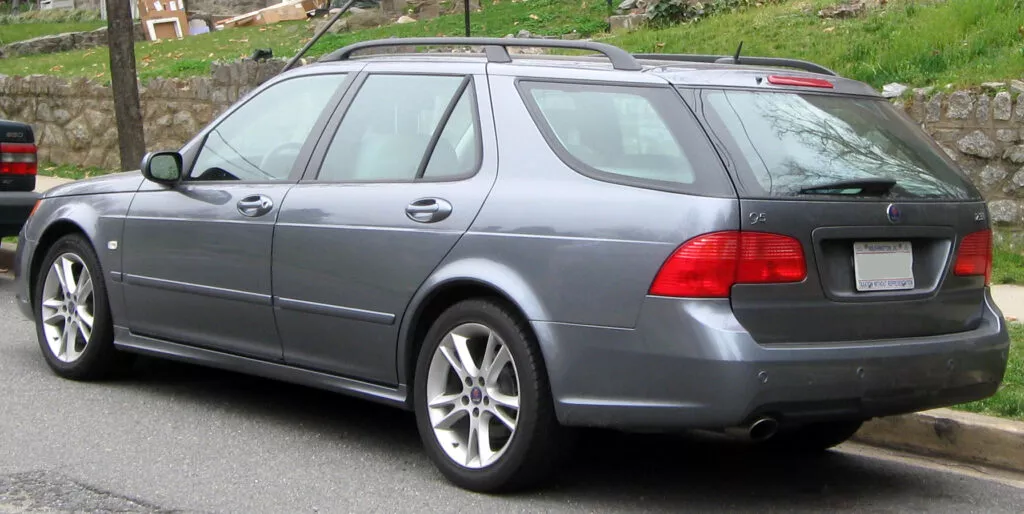
The first-generation Saab 9-5 was available in 4-door sedan and 5-door station wagon (SportCombi) body styles. It was built on the GM2900 platform, shared with General Motors group models such as the Opel Vectra, Saturn L-Series, and Cadillac Catera.
This 9-5 offered a wide range of gasoline and diesel engines, both naturally aspirated and turbocharged. The gasoline engines ranged from 150 hp for the 2.0 turbo to 230 hp for the powerful 2.3 turbo of the Aero sports trim. In diesel, there were options of 120 hp, 158 hp, and even a 177 hp V6 twin-turbo.
It was a highly innovative model, especially in terms of safety. It was a pioneer in coming standard with active head restraints (SAHR) to prevent whiplash in the event of a rear-end collision. It was also one of the first to offer Electronic Stability Program (ESP) in 2002.
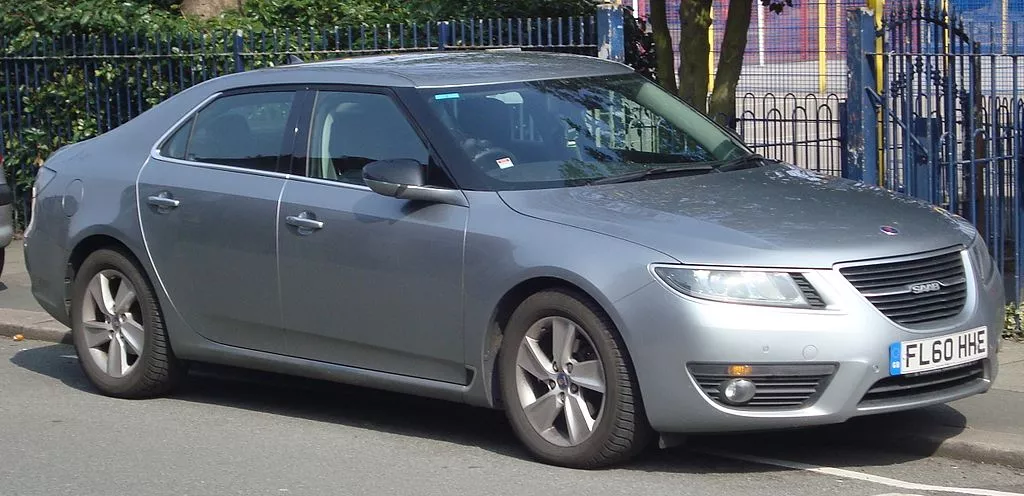
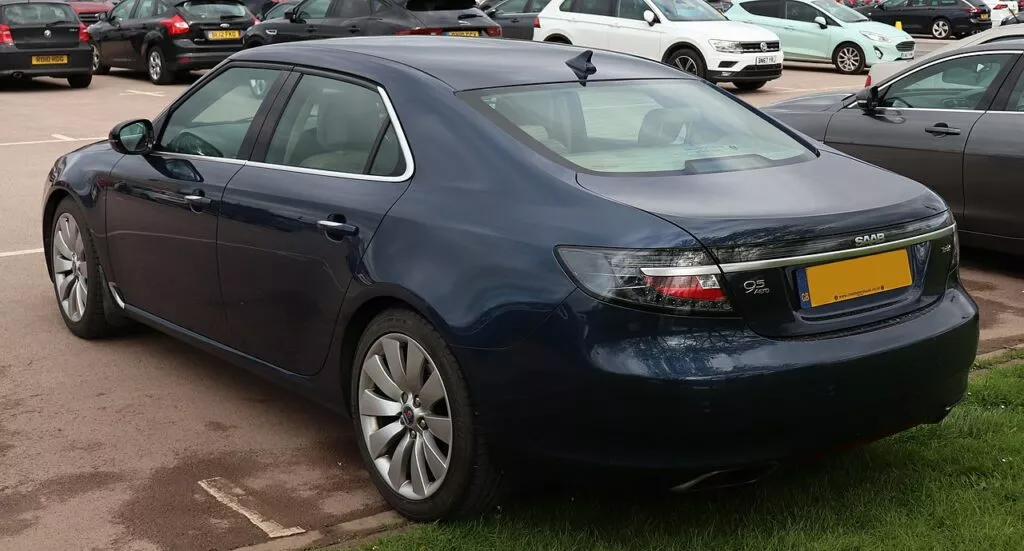
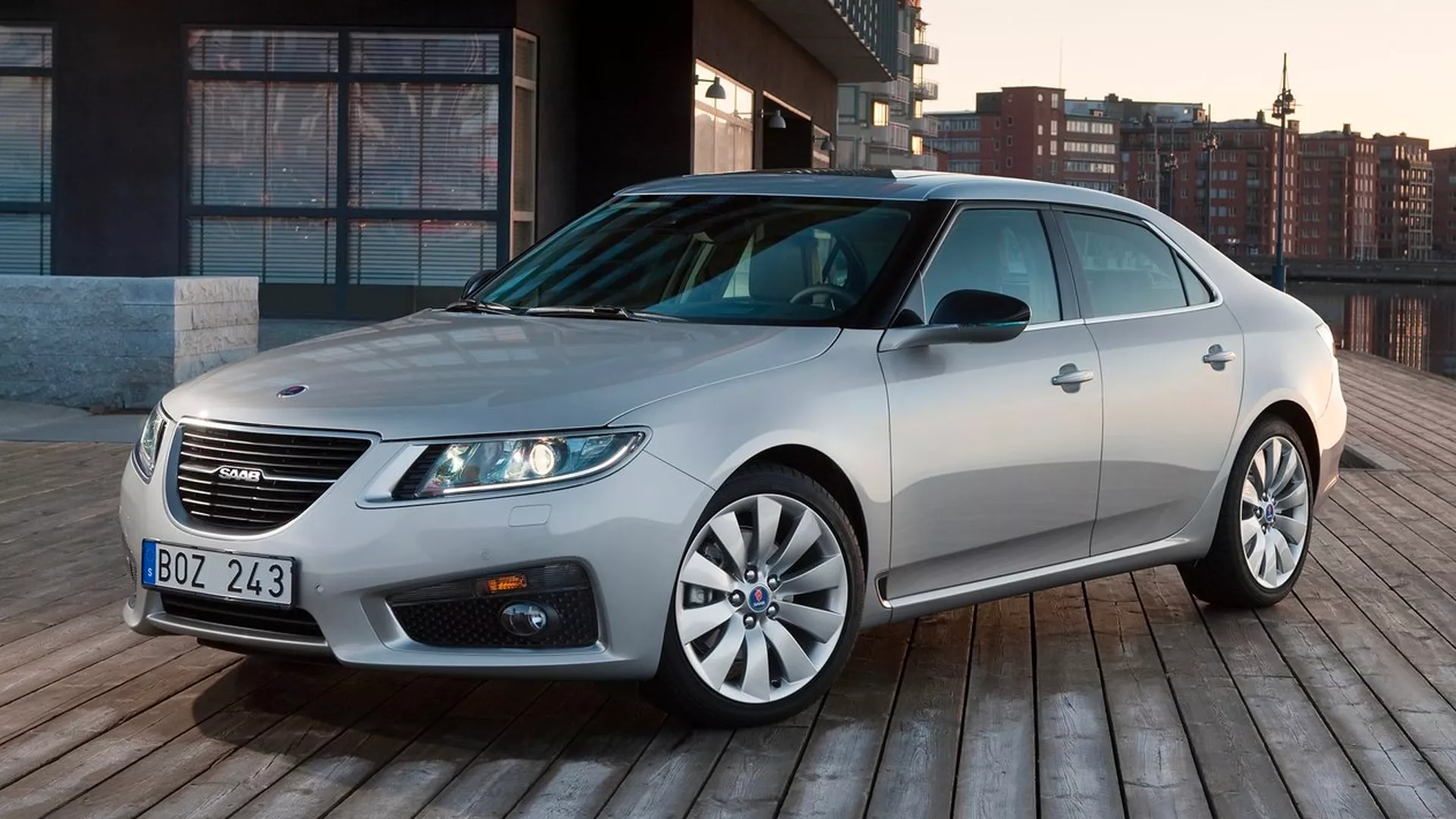
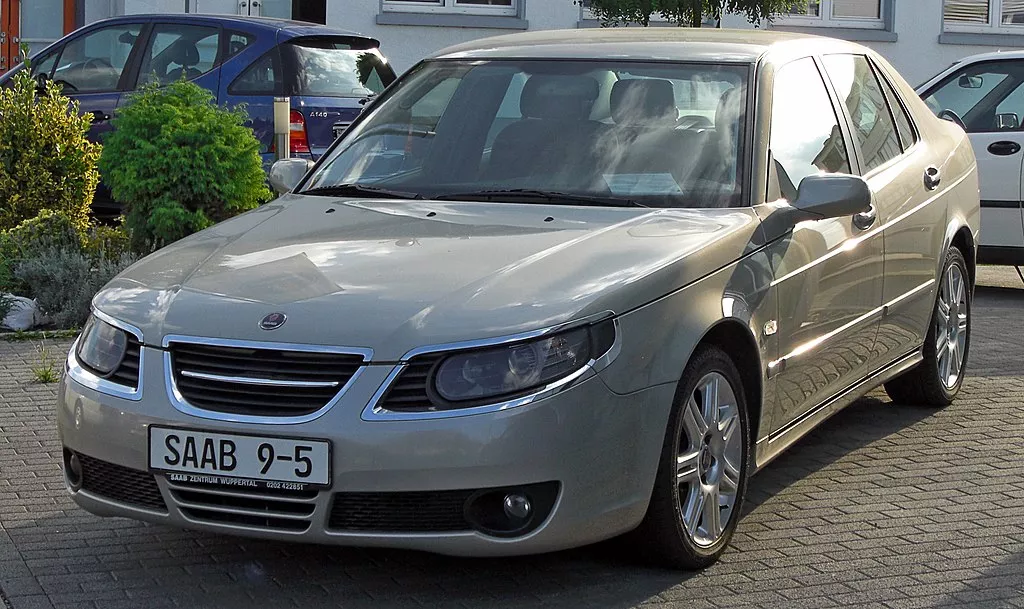
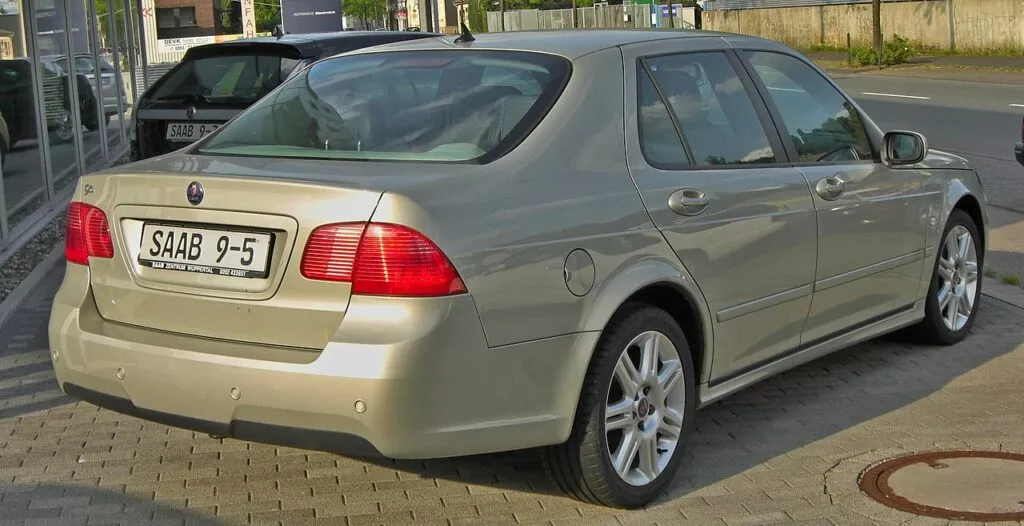
The second generation changed radically by using GM's Epsilon II platform, shared with models like the Opel Insignia and Chevrolet Malibu. It grew in dimensions, improving interior space, and debuted an evolution of Saab's characteristic design.
This short-lived generation of the 9-5 retained the 4-cylinder turbocharged gasoline and diesel engines, with outputs ranging between 180 hp for the 1.6 and 220 hp for the 2.0. The big novelty was the addition of a powerful 300 hp 2.8 V6 turbo, which allows it to accelerate from 0 to 100 km/h in just 6.9 seconds.
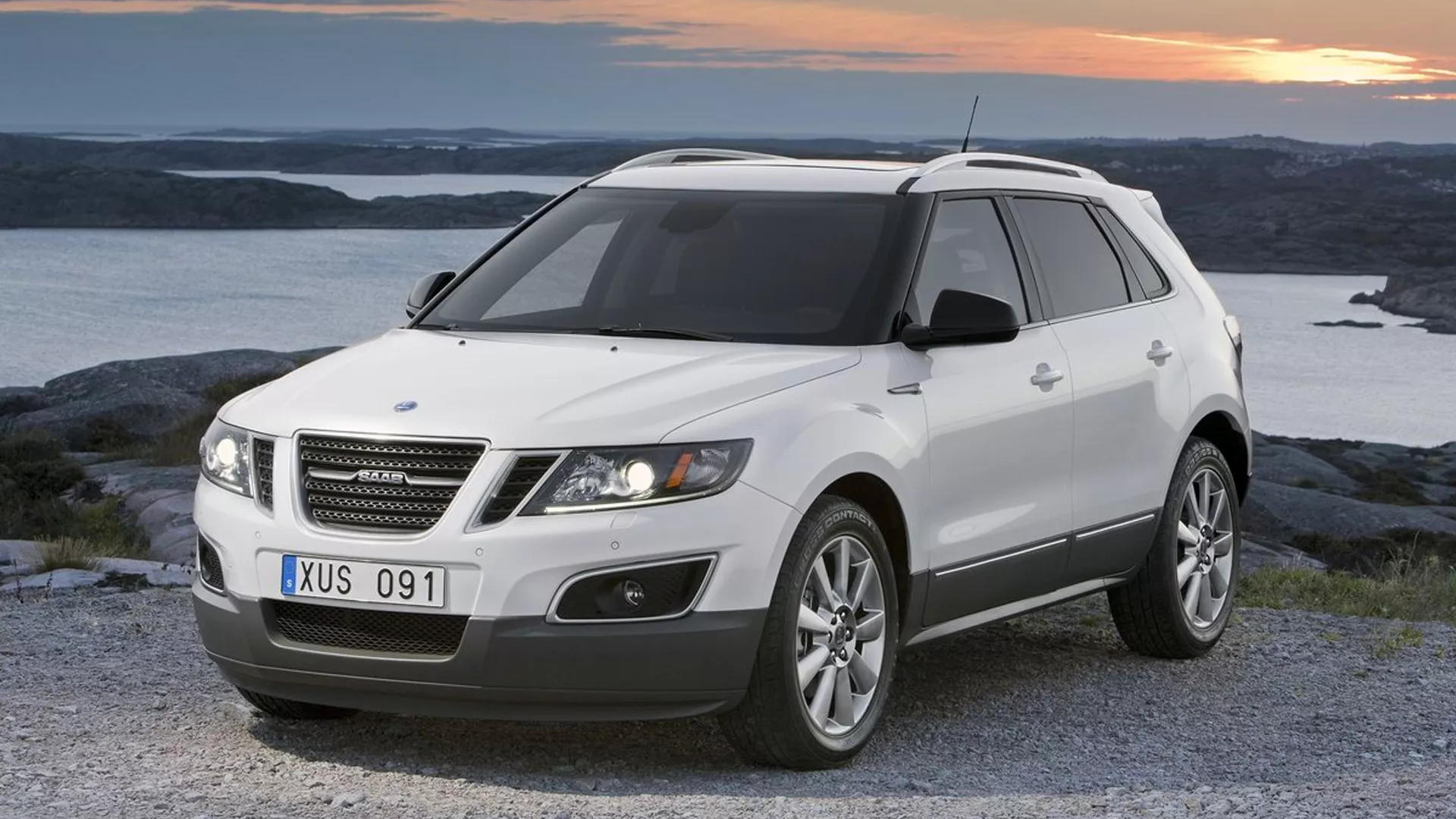
At the end of 2011, Saab went bankrupt, meaning many of these 9-5s never reached dealerships. Unfortunately, the liftback and SUV versions of this vehicle, which were planned for later years, were never produced.
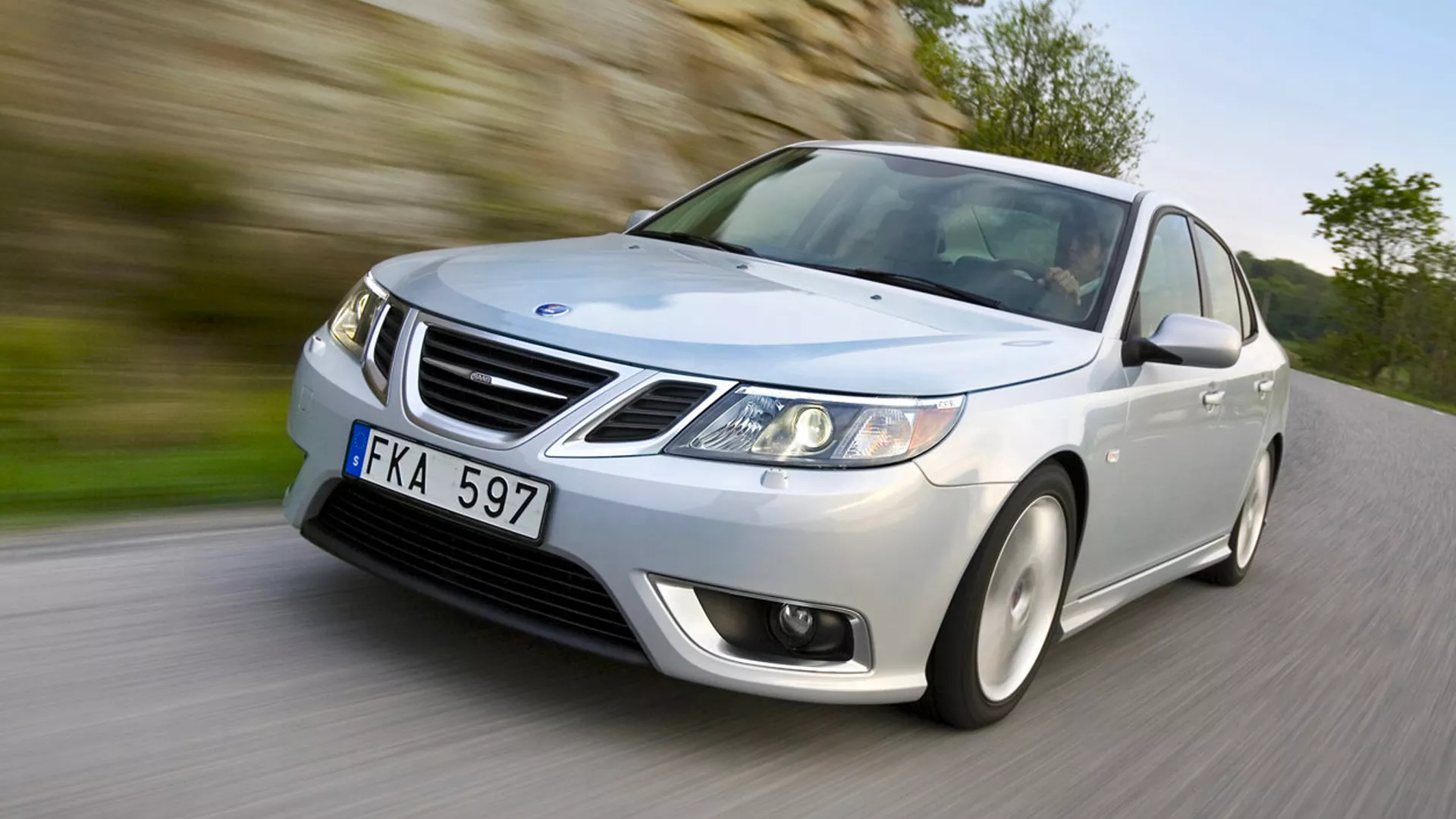
As an E-segment executive sedan, the Saab 9-5 competed with German premium models such as the BMW 5 Series, Audi A6, Mercedes E-Class, and Volvo S80. All of them offered similar high-end proposals, featuring luxury finishes, powerful engines, and plenty of technology.
Jump to a generation:
#1SAAB 9-5 - Generation I(1998)YS3E
BerlinaYS3E
FamiliarSportCombi
#2SAAB 9-5 - Generation II(2010)YS3G
BerlinaYS3G