
SAAB 9-3Timing chain or Belt?
About SAAB 9-3
The Saab 9-3 is a D-segment car produced by the Swedish company Saab. It has had 2 generations since its introduction to the market in 1997, succeeding the Saab 900. The Saab 9-3 has been marketed in three- and five-door hatchback, estate, and convertible versions.
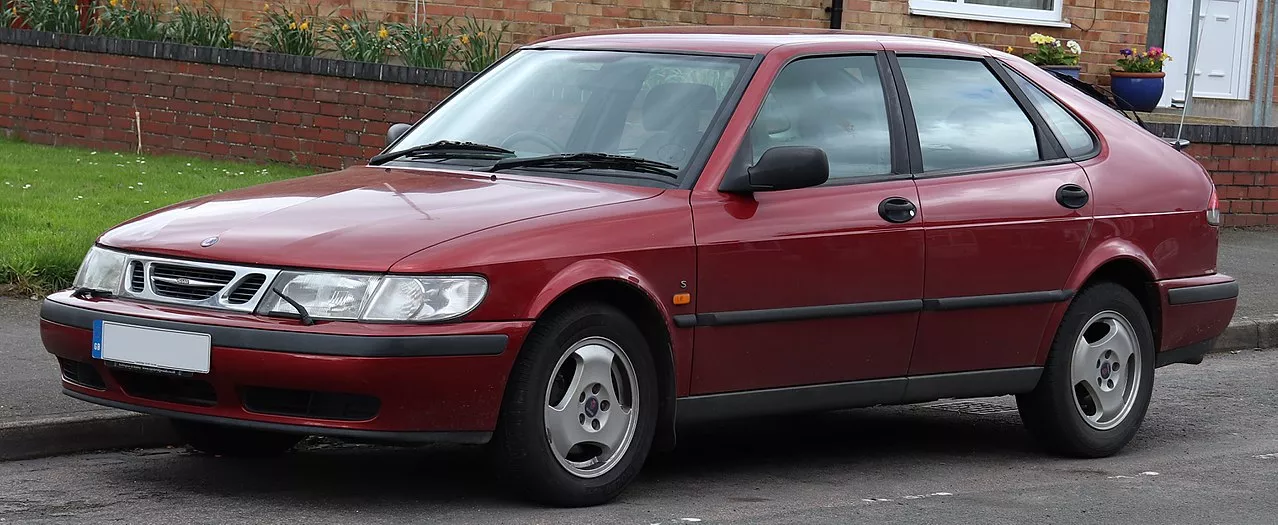
The first generation of the Saab 9-3 was introduced in 1998, essentially being a redesigned Saab 900. It featured four-cylinder gasoline and diesel engines ranging from 115 to 230 hp. The lineup included naturally aspirated and turbocharged versions. The diesel engines came from the partnership with Opel. In terms of safety, it incorporated side airbags and active headrests to reduce whiplash. Another innovation was the Night Panel system, which allowed the dashboard lights to be turned off to reduce distractions during night driving.
In 2001, the sporty Viggen version arrived, powered by a 2.3 turbo engine with 230 hp and prepared by the firm Tom Walkinshaw Racing. Fewer than 5,000 units were manufactured, which are now highly coveted.
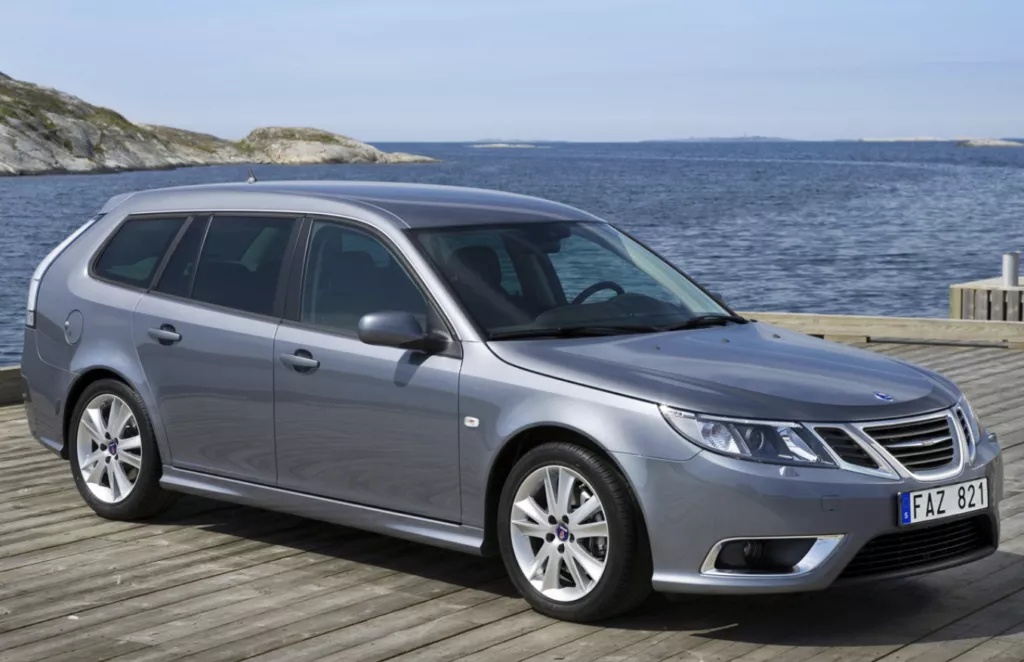
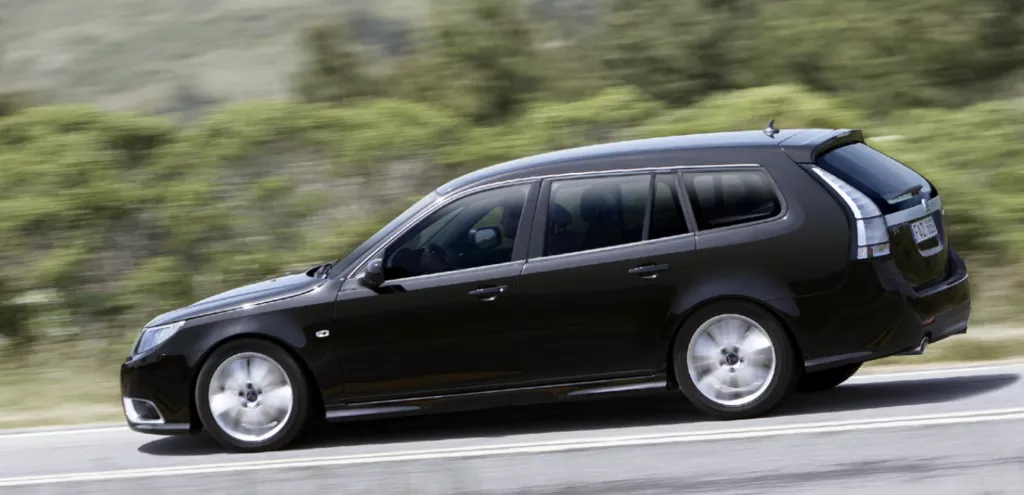
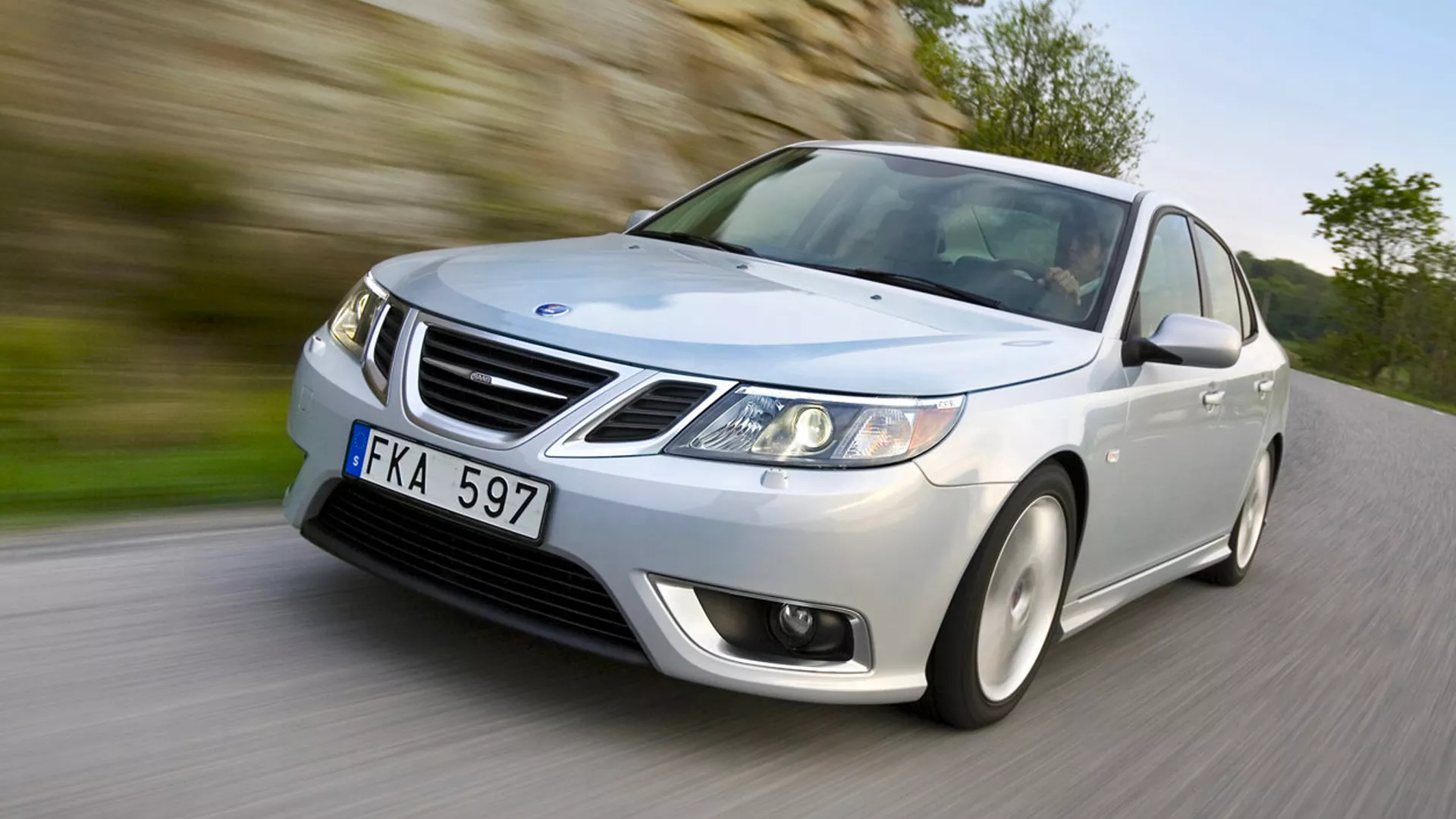
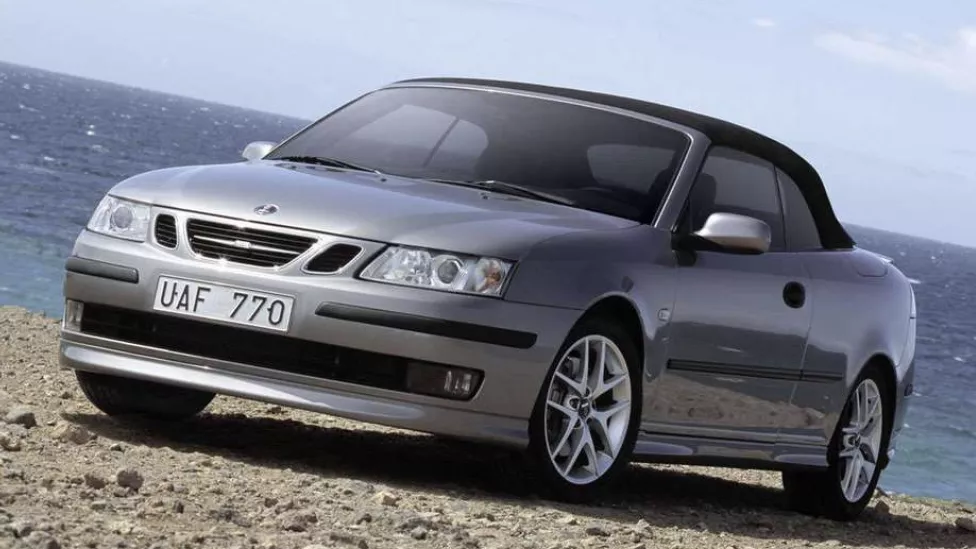
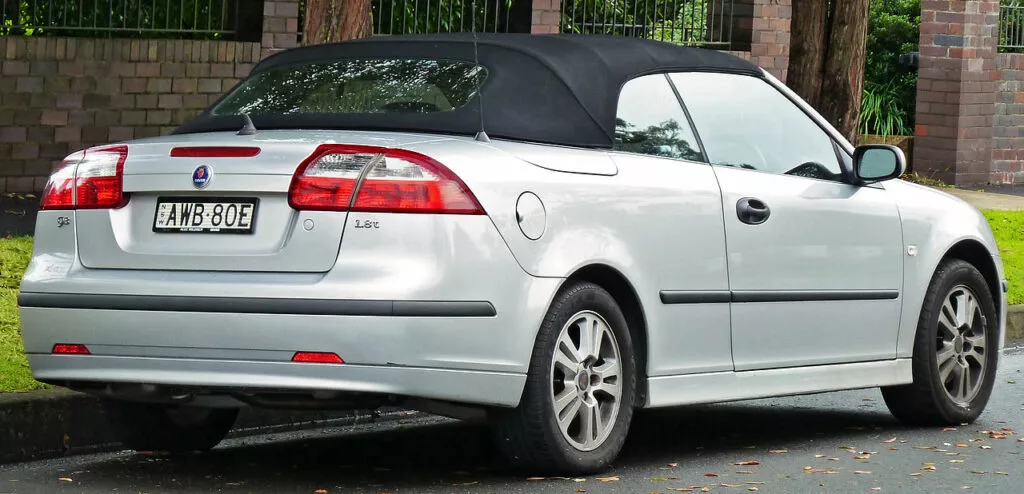
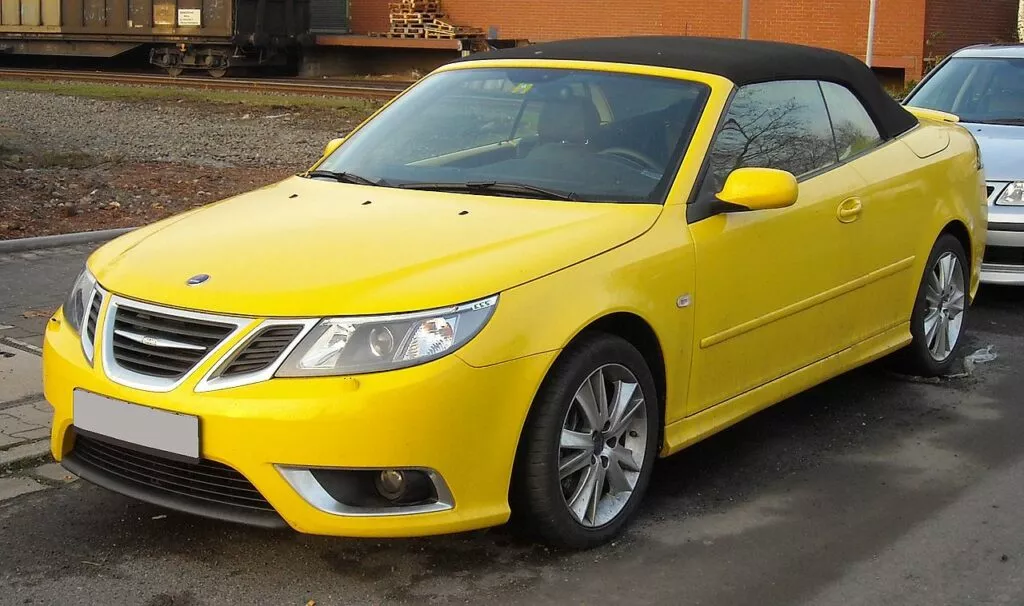
The second generation switched to the GM Epsilon platform, shared with other General Motors models. The gasoline engines were now Ecotec ranging from 120 to 280 hp. The diesel range was also renewed with Fiat JTD engines. In 2004, the long-awaited two-door convertible version arrived, while in 2005 the SportWagon estate was added. Already in 2006, a powerful 250 hp turbocharged V6 engine was introduced and in 2008 the innovative Saab XWD all-wheel drive system. The model received a slight restyling in 2008, with changes to the front end and new headlights.
Following Saab's bankruptcy, some units were briefly produced in 2013 and 2014, now under the ownership of NEVS. It maintained the 220 hp turbocharged gasoline engine and minor aesthetic changes, such as a grille without the Saab logo for legal reasons. Fewer than 200 units were manufactured before production stopped again in 2014.
The Saab 9-3 stood out for offering agile and sporty driving, thanks to its well-balanced chassis. The Viggen and Turbo X versions offered extra power for the most demanding drivers. Inside, it stood out for its good finish and comfort.
The main rivals of the Saab 9-3 have been models like the BMW 3 Series, Mercedes C-Class, Audi A4, and Volkswagen Passat. It also competed with Japanese sedans like the Honda Accord or the Toyota Avensis. In terms of sportiness, it rivaled the Subaru Impreza WRX or the Mitsubishi Lancer Evo.
Jump to a generation:
#1SAAB 9-3 - Generation I(1998)NGYS3D
Sedán / LiftbackYS3D
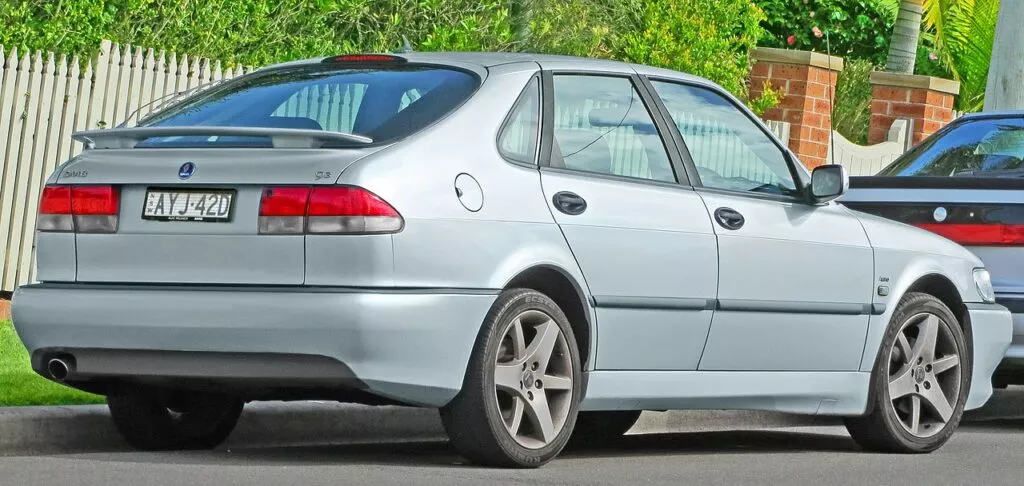
CabrioletDescapotable
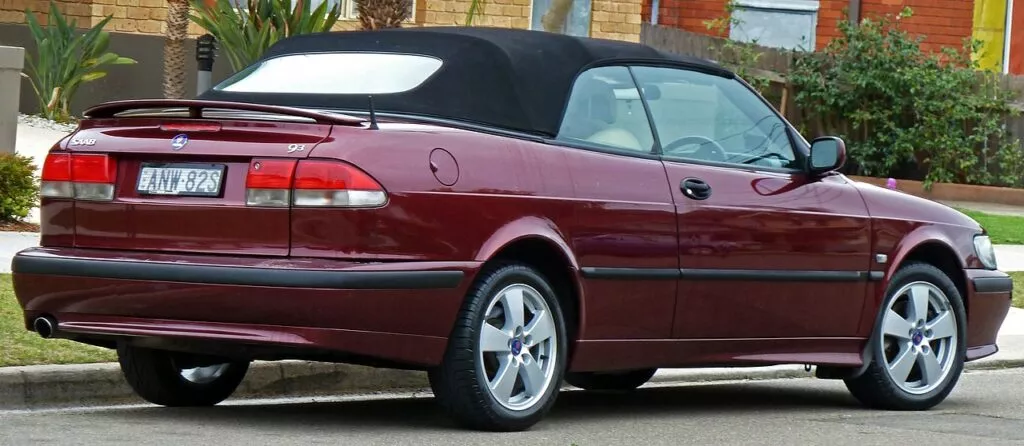
#2SAAB 9-3 - Generation II(2002)YS3F
Hatchback / SedanYS3F
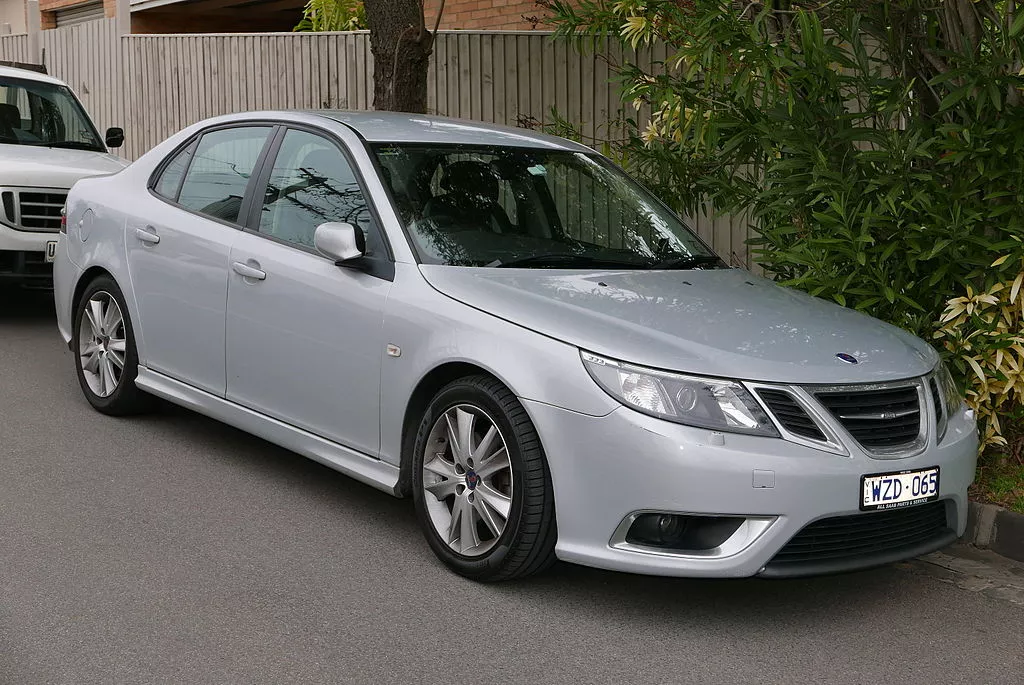
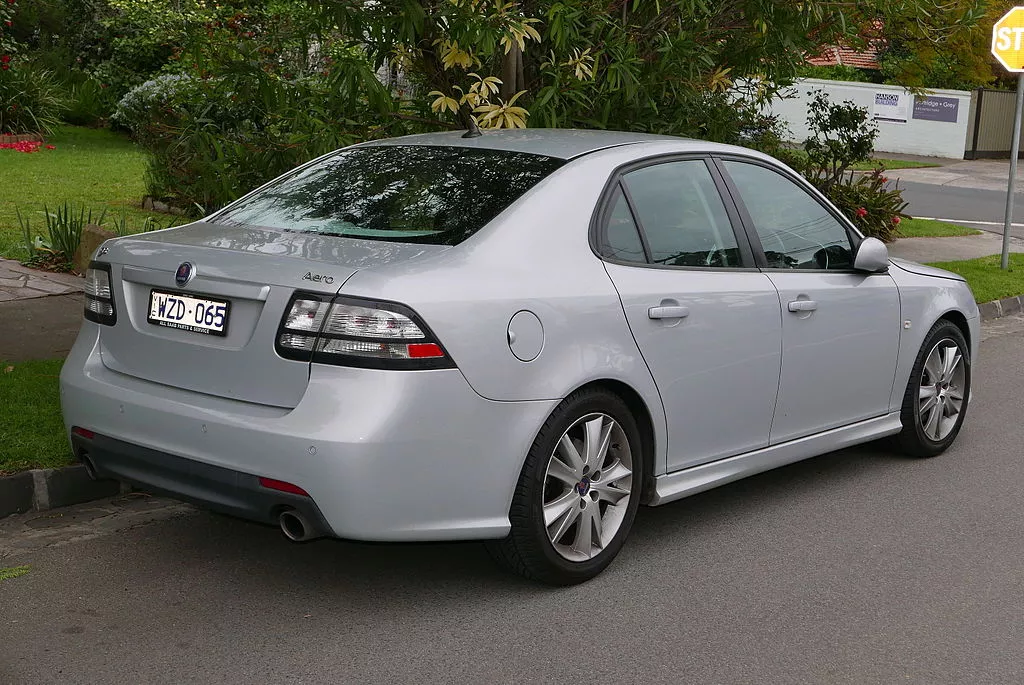
ConvertibleYS3F

SportCombi / Estate / FamiliarE50