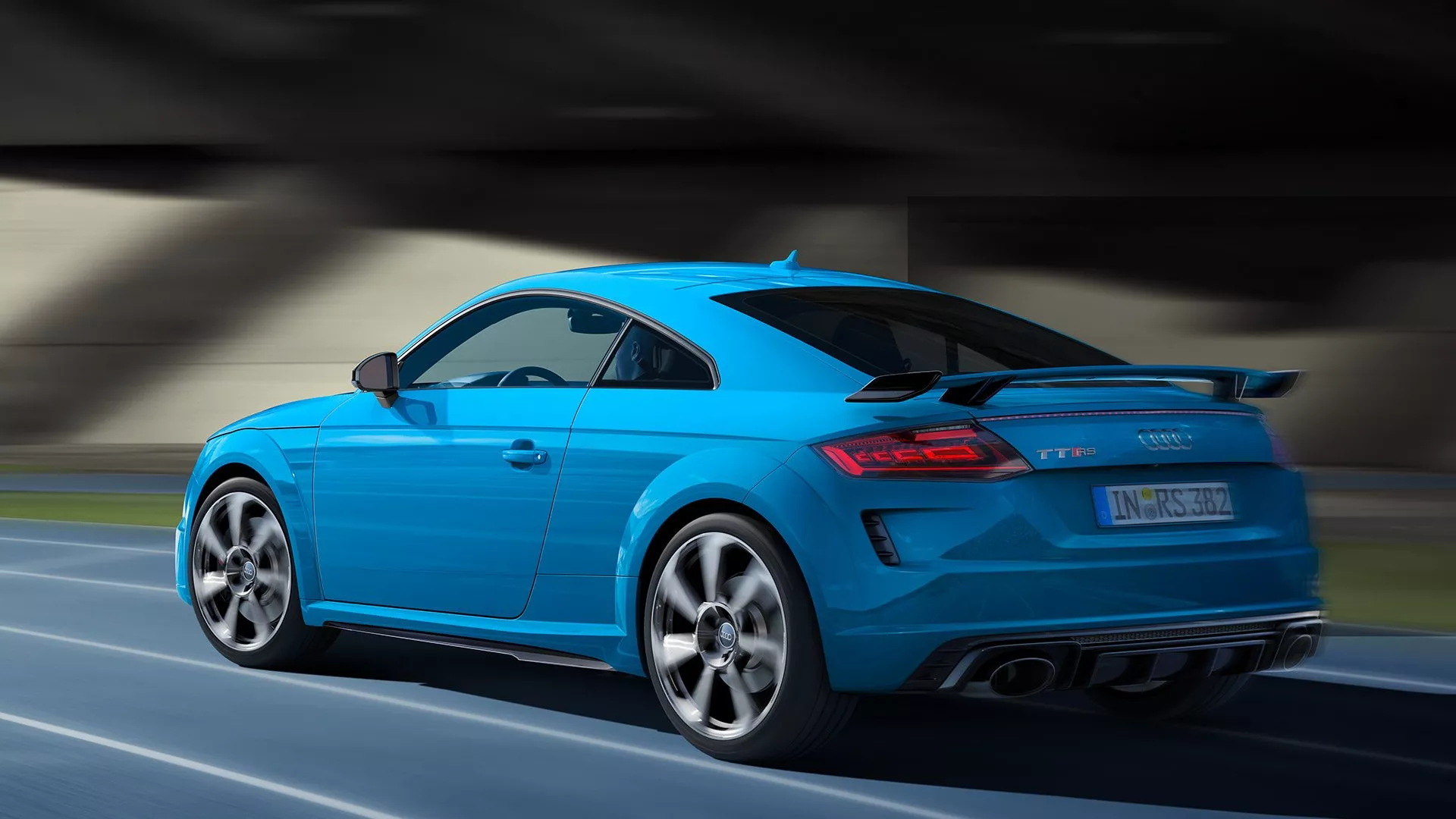

AUDI 100Timing chain or Belt?
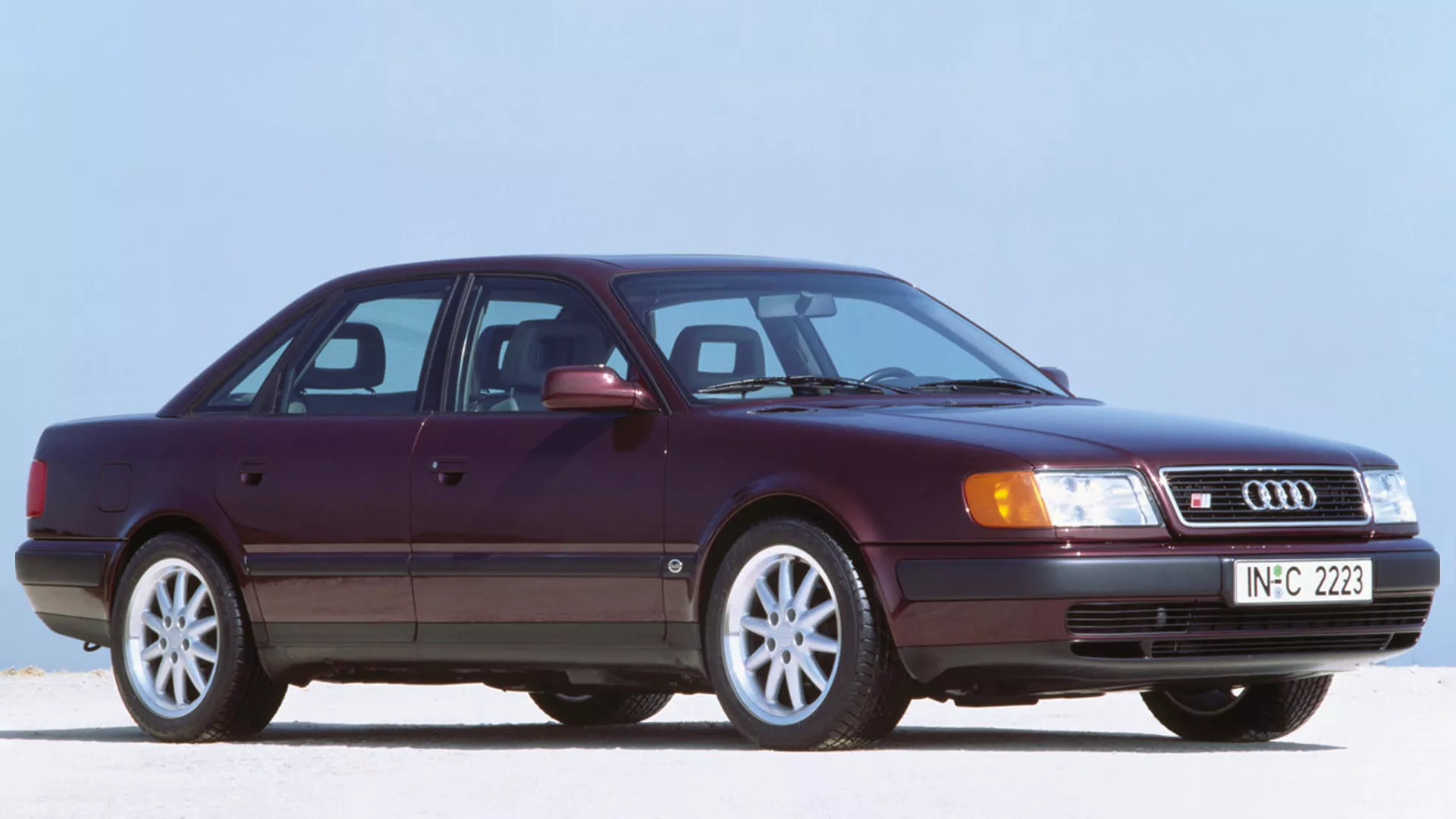
About AUDI 100
The Audi 100 is an executive luxury car in the E-segment manufactured by the Audi division of the Volkswagen Group. It was produced from 1968 to 1997 across 4 generations (C1-C4), with a two-door version available in the first and second generations. In North America, the C2 and C3 were marketed as the Audi 5000 between 1978 and 1988.
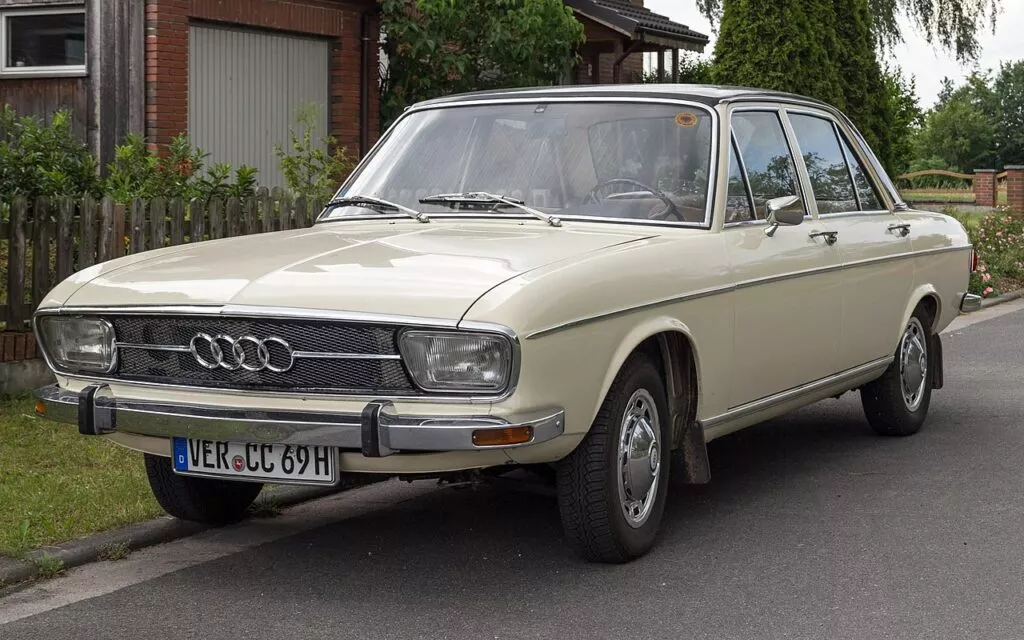
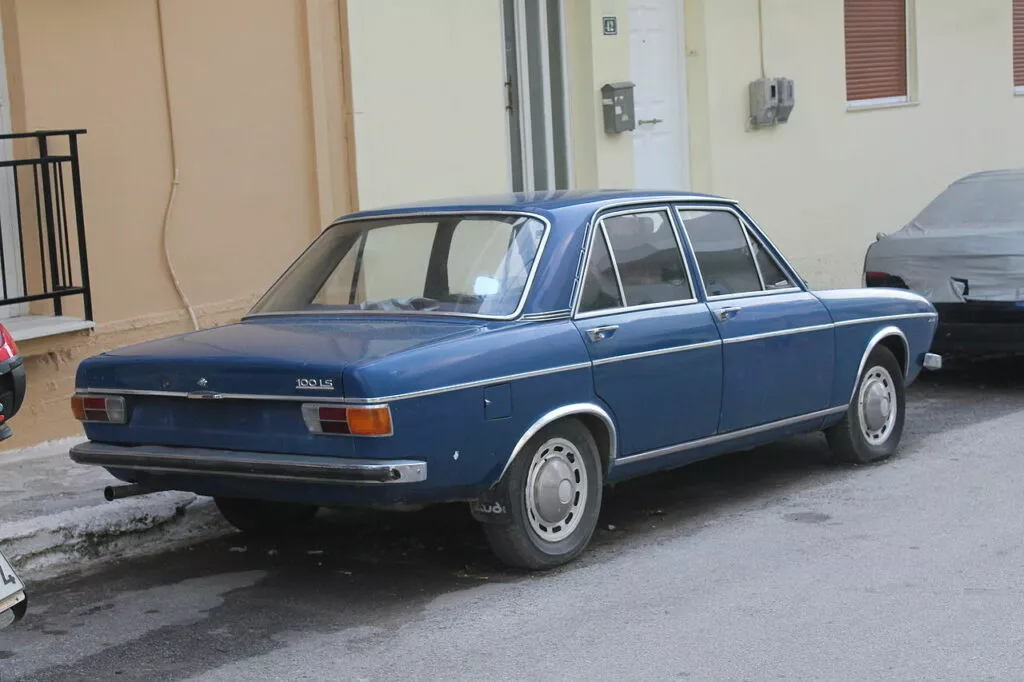
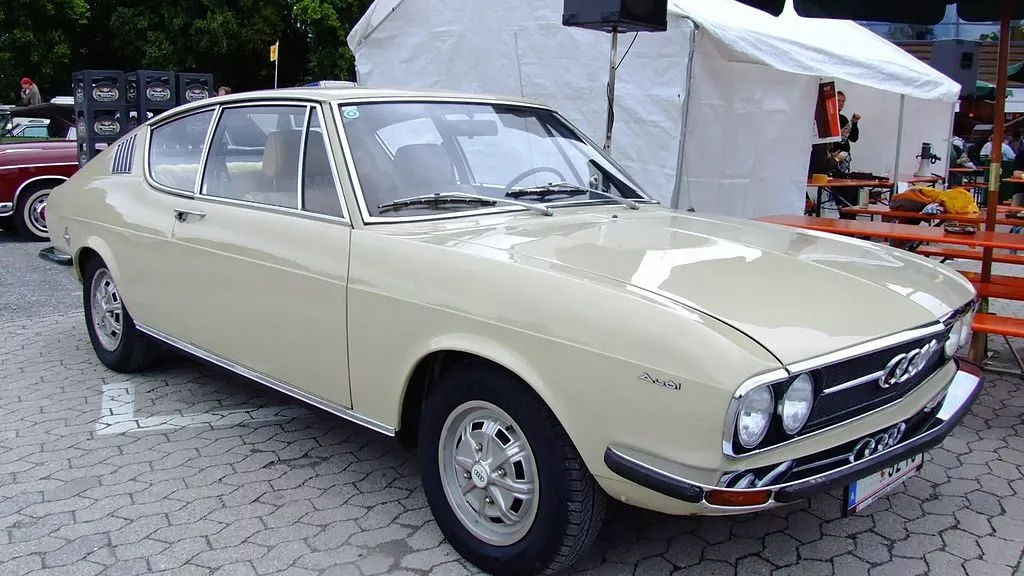
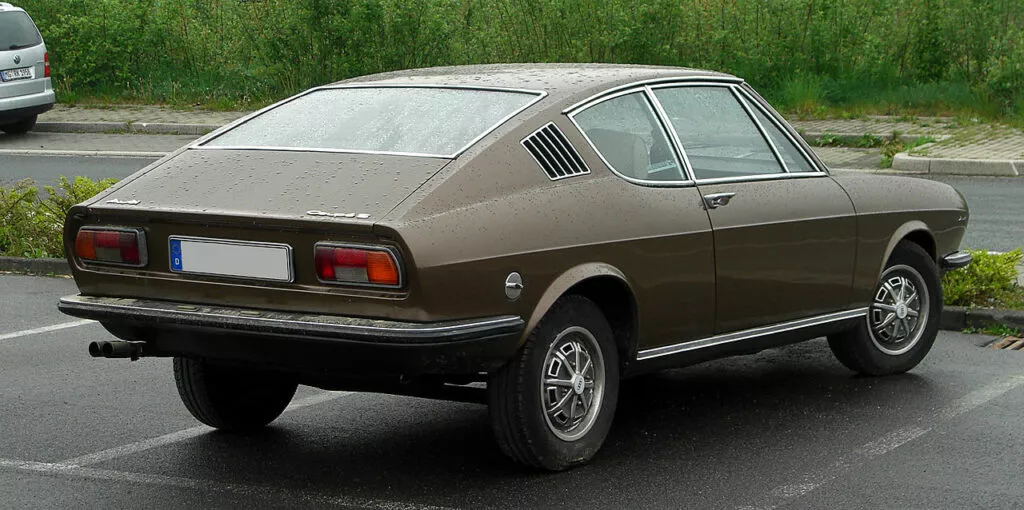
The first generation (C1) of the Audi 100 was introduced in 1968 with a 4-door sedan body style and a 1.8-liter inline 4-cylinder engine that produced between 75 and 115 hp. In 1973 it received a cosmetic facelift featuring square headlights and leaf spring rear suspension. The interior was spacious and the finishes were quite simple. Regarding safety, it only included front seatbelts. It was well-received for its comfort and habitability. A total of 796,787 units of the sedan were manufactured, along with 30,687 of the Coupé S, a 2-door fastback body style introduced in 1970.
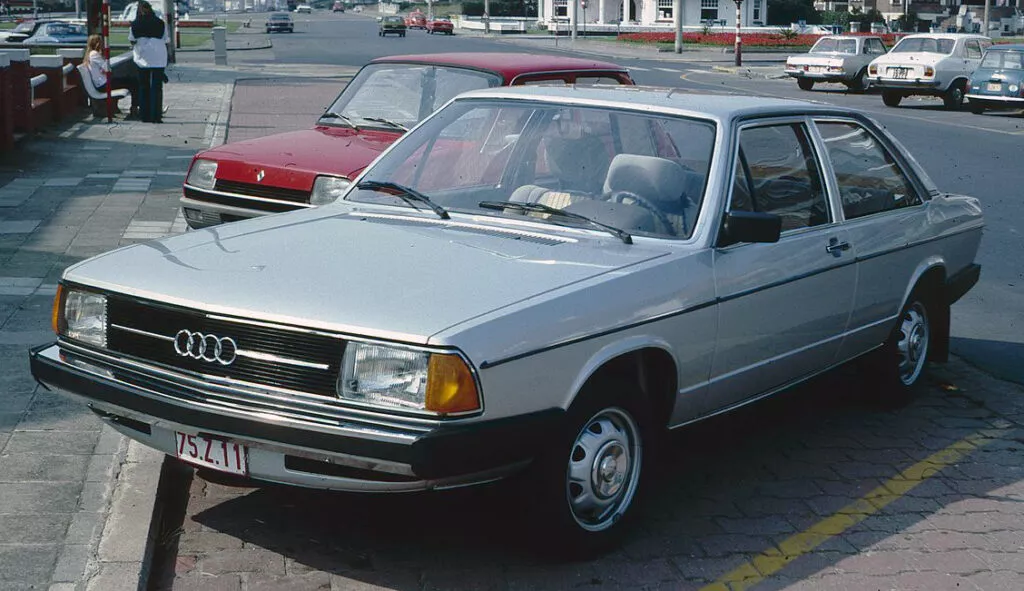
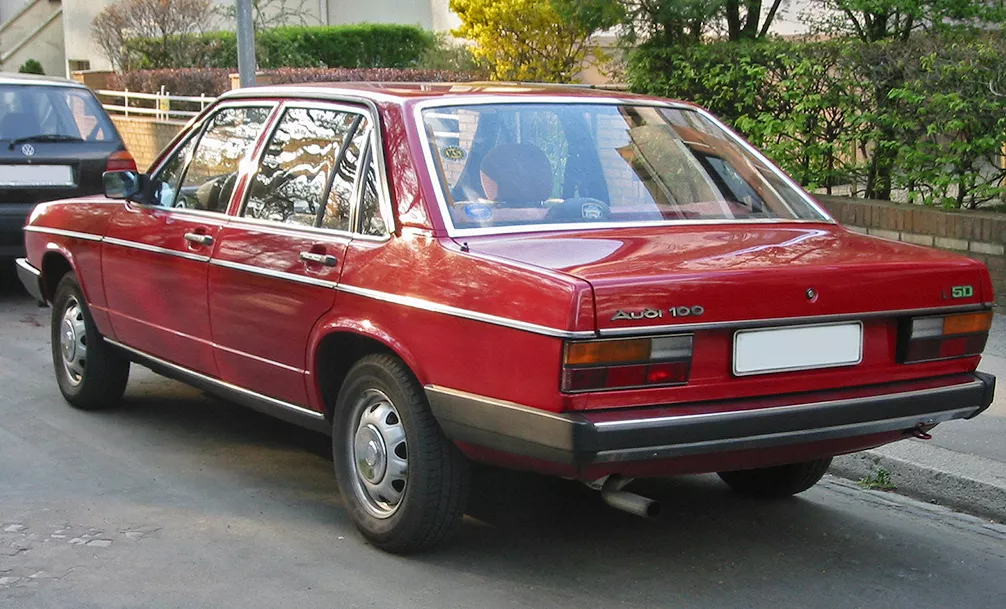
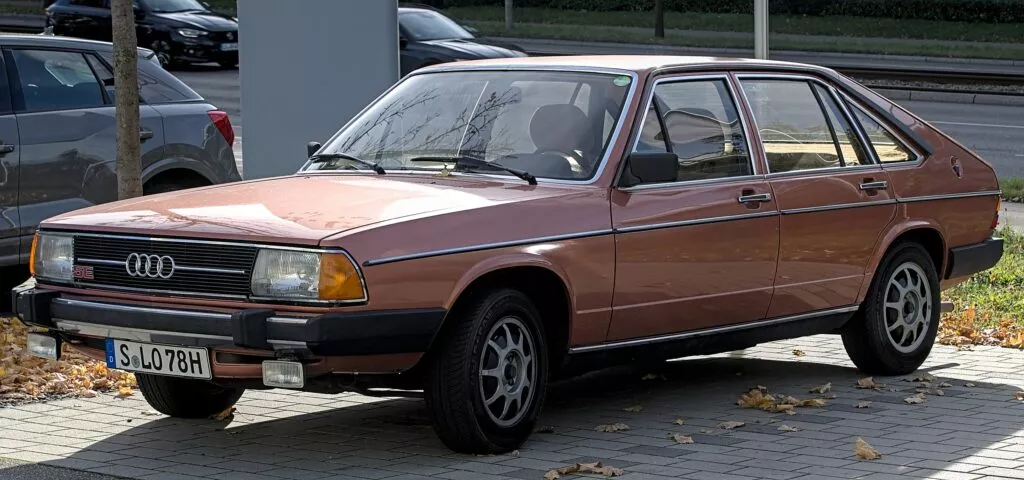
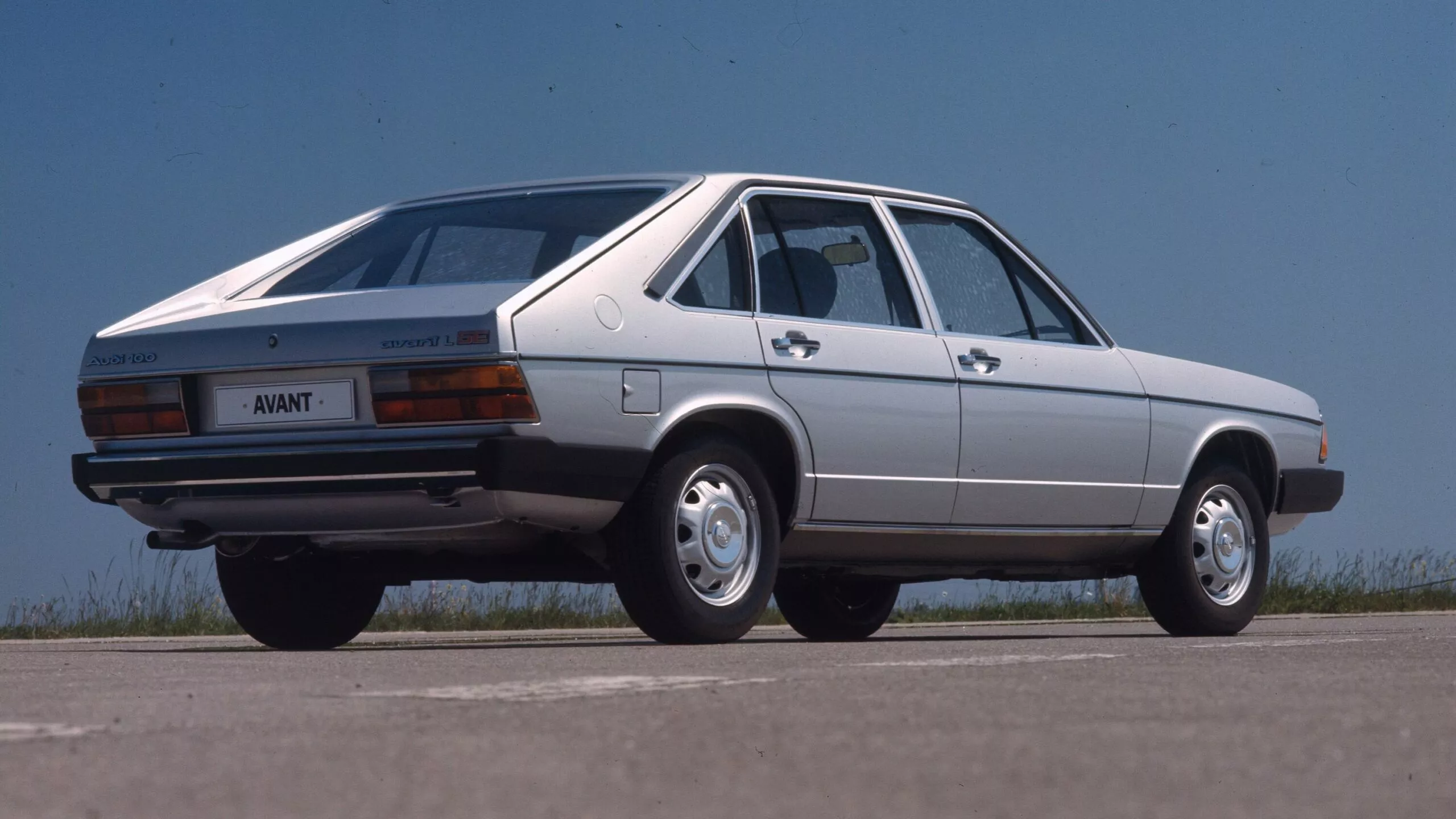
The second generation (C2) arrived in 1976 with an innovative 5-cylinder inline engine producing 136 hp. In 1977, the Avant variant with a 5-door station wagon body style was introduced. The interior was more luxurious than the previous model. This model evolved in terms of safety, incorporating three-point front seatbelts and two-point rear seatbelts.
In 1979, the 200 version appeared with a turbocharged engine ranging from 170 to 200 hp. It was a sales success with nearly one million units, including the Avant station wagon variant.
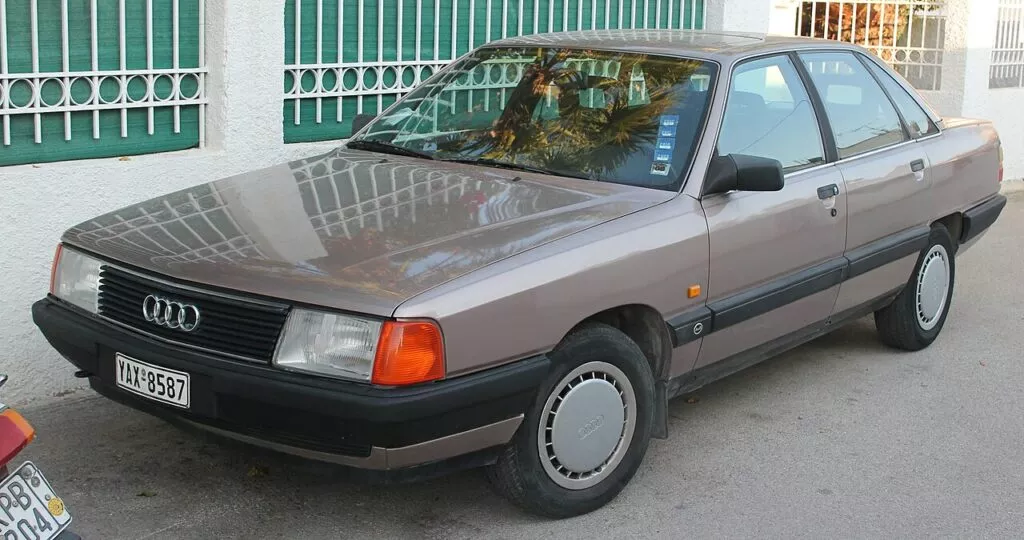
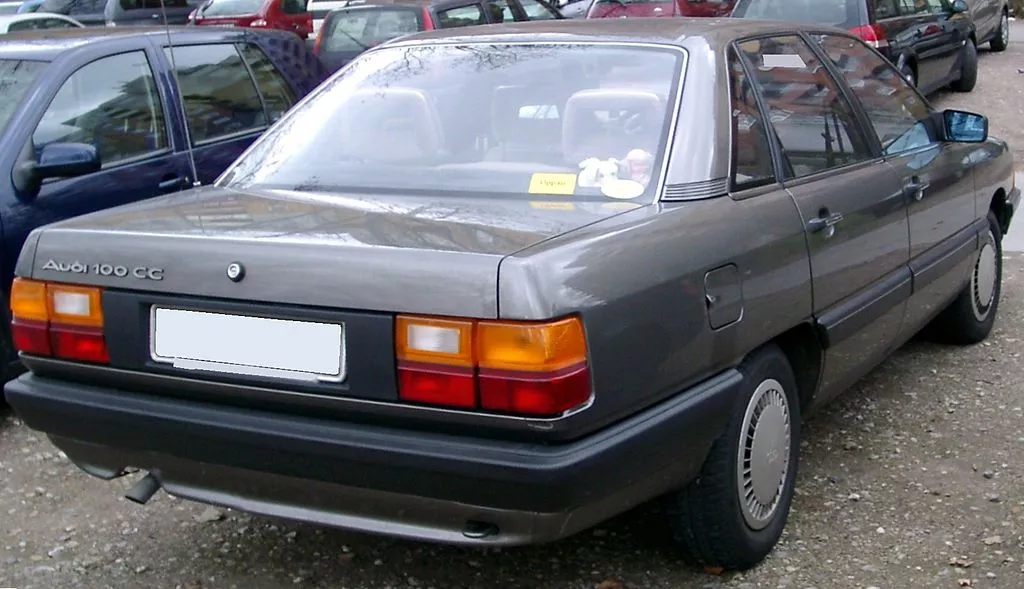
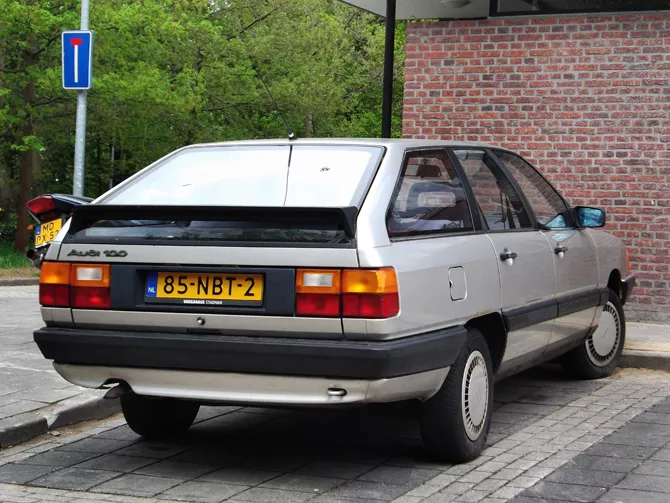
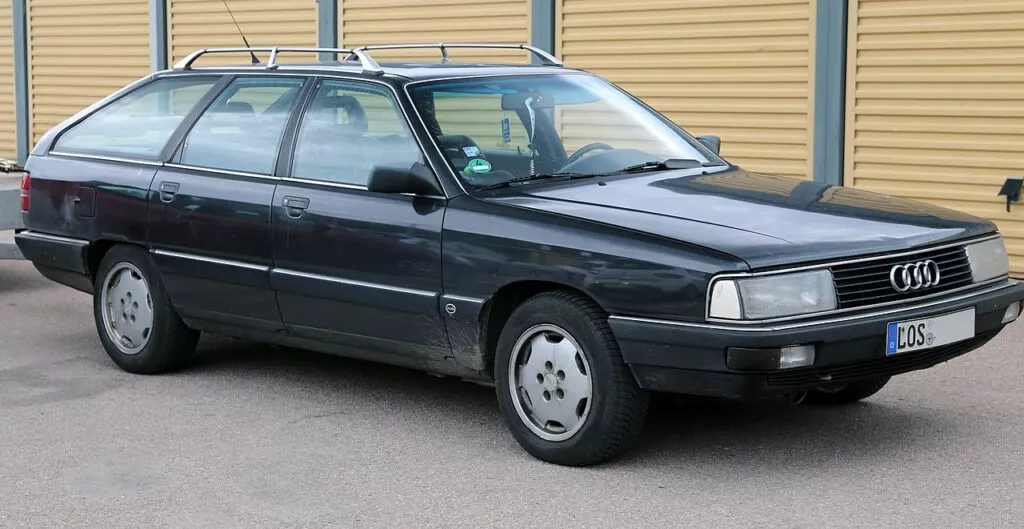
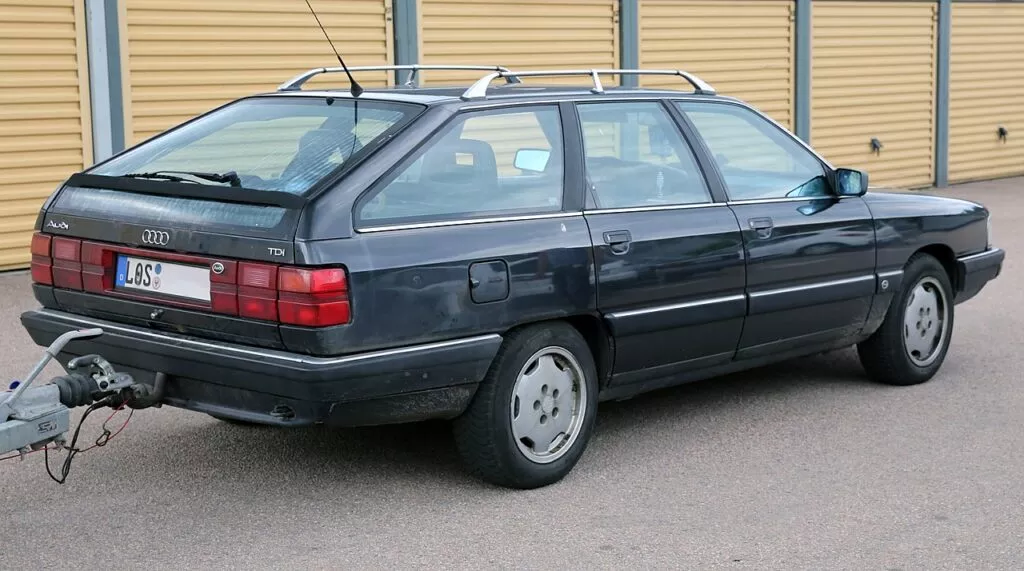
The third generation (C3) from 1982 featured an aerodynamic body with a drag coefficient of 0.30. It offered 4- and 5-cylinder engines ranging from 75 to 220 hp. In 1983, quattro all-wheel drive arrived. Inside, it was more spacious and quieter. This much more modern model incorporated front and side airbags, ABS, and traction control.
The Audi 100 C3 experienced issues in the US due to cases of sudden unintended acceleration, which damaged its reputation, although theories point to driver error rather than mechanical problems.
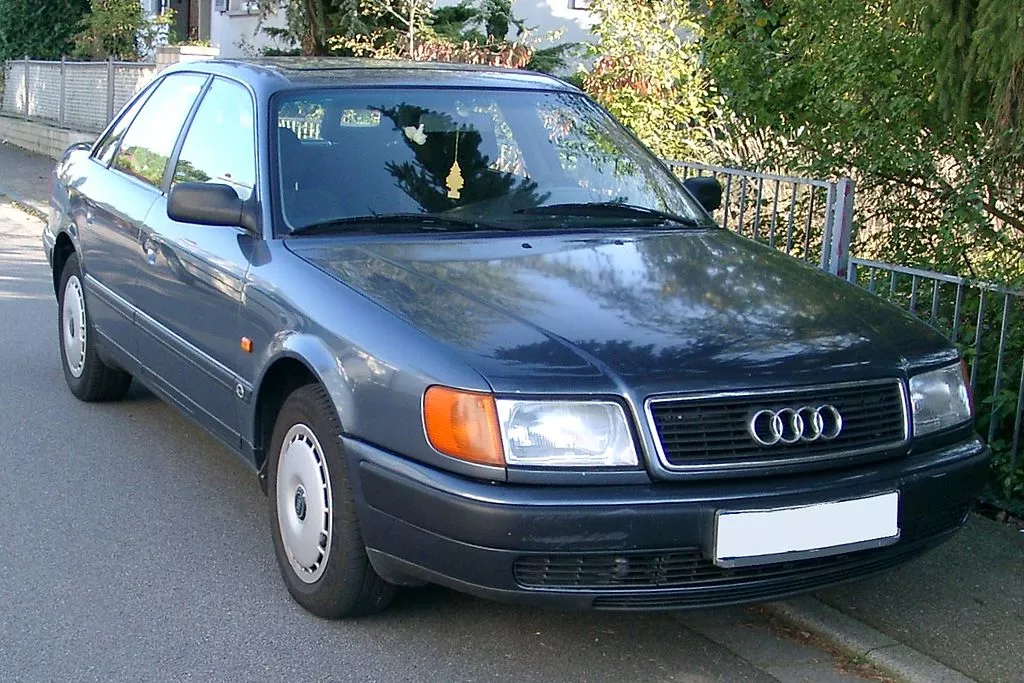
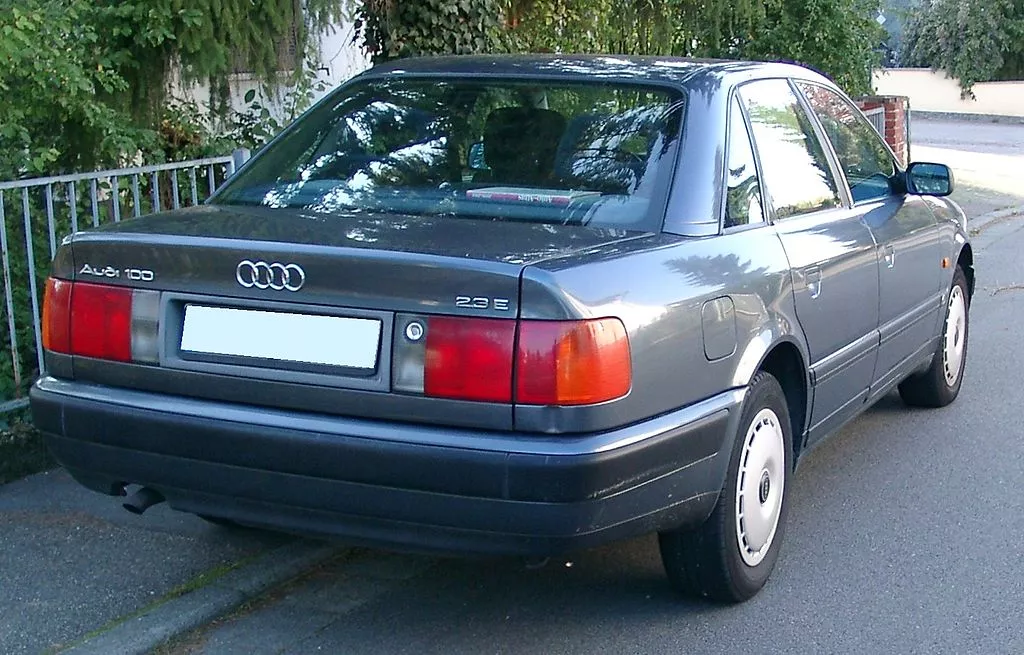
The fourth and final generation of the Audi 100 (C4) arrived in 1990. It adopted ellipsoidal headlights and would eventually be renamed the Audi A6 in 1994. This generation introduced the innovative 120 hp TDI engine. Its interiors were even more spacious and quiet. In terms of safety, it featured 8 airbags. Just over 700,000 units were manufactured before it was replaced by the A6 C5.
Among the competitors of the Audi 100 at the time, other German sedans such as the Mercedes-Benz E-Class or the BMW 5 Series stand out.
Jump to a generation:
#1AUDI 100 - Generation I(1968)C1F104
Berlina801803805807811813F104
Coupé817
#2AUDI 100 - Generation II
Berlina431433434
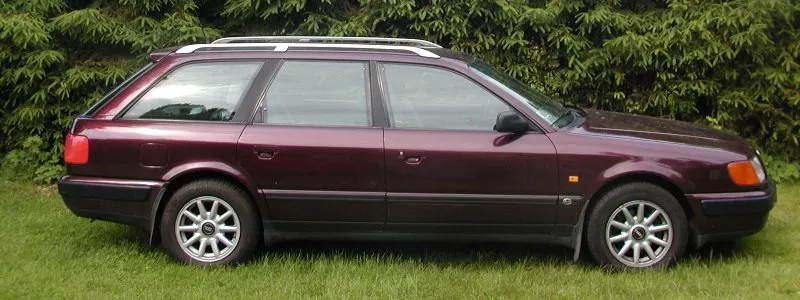
Avant (Familiar)435436
#3AUDI 100 - Generation III(1982)C344
Sedán443444
Avant (Familiar)445446
#4AUDI 100 - Generation IV(1990)C44A
Berlina4A2
Avant (Familiar)4A5