
NISSAN QUESTTiming chain or Belt?
About NISSAN QUEST
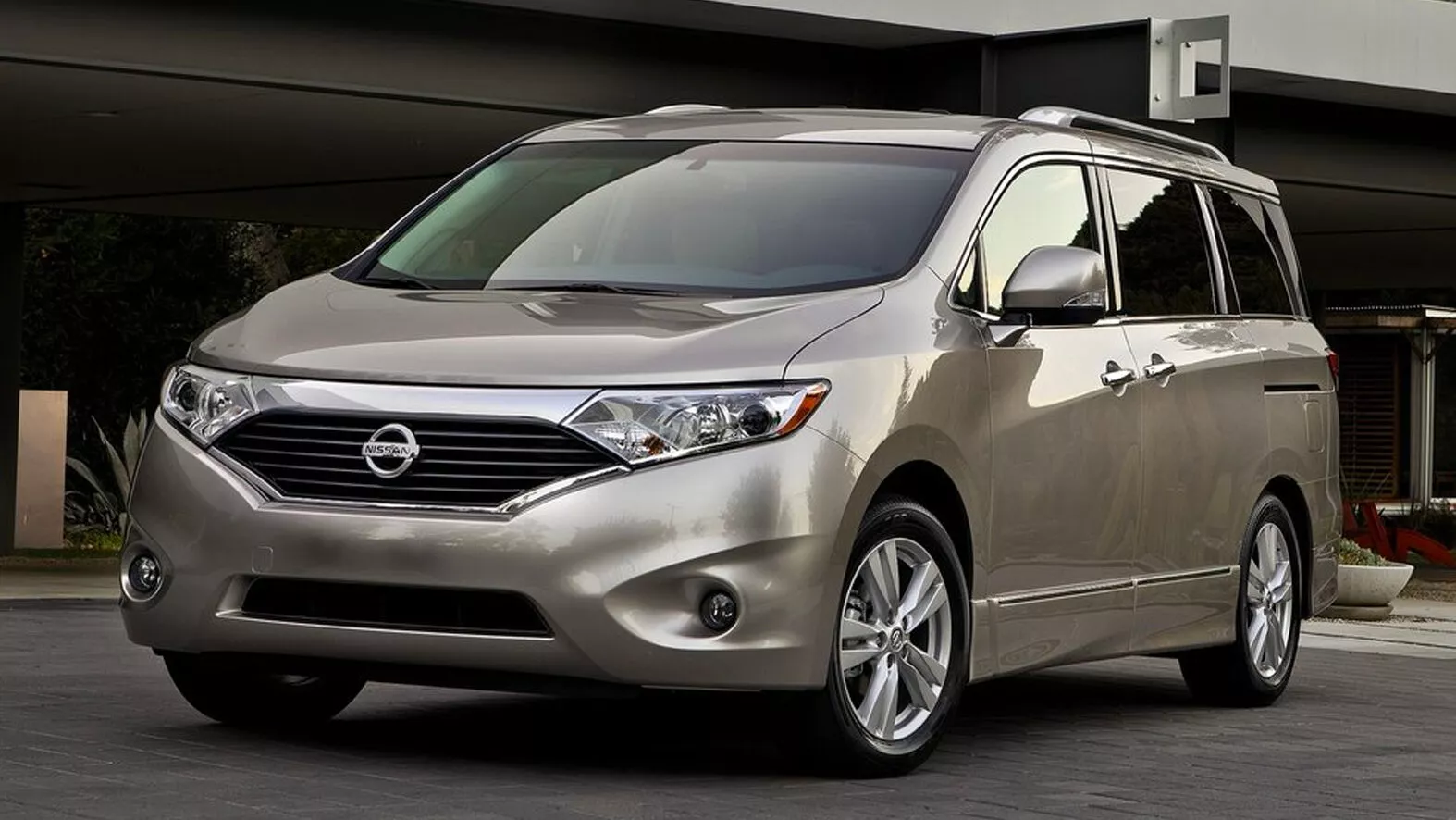
The Nissan Quest is a D-segment minivan produced by the Japanese manufacturer Nissan. Throughout its history, the Quest has had a total of 4 generations, beginning with the 1993 model year and ending with the 2017 model year. The predecessor to the Quest in North America was the Nissan Vanette, also known as the Nissan Van C22 (Vanette), Nissan Largo, and Nissan Serena. In some markets, the Quest was also sold under the name Mercury Villager, as part of a joint venture with Ford. Following declining minivan sales in North America, Nissan decided to cease production of the Quest after 2017, with its successor being the Nissan Elgrand.
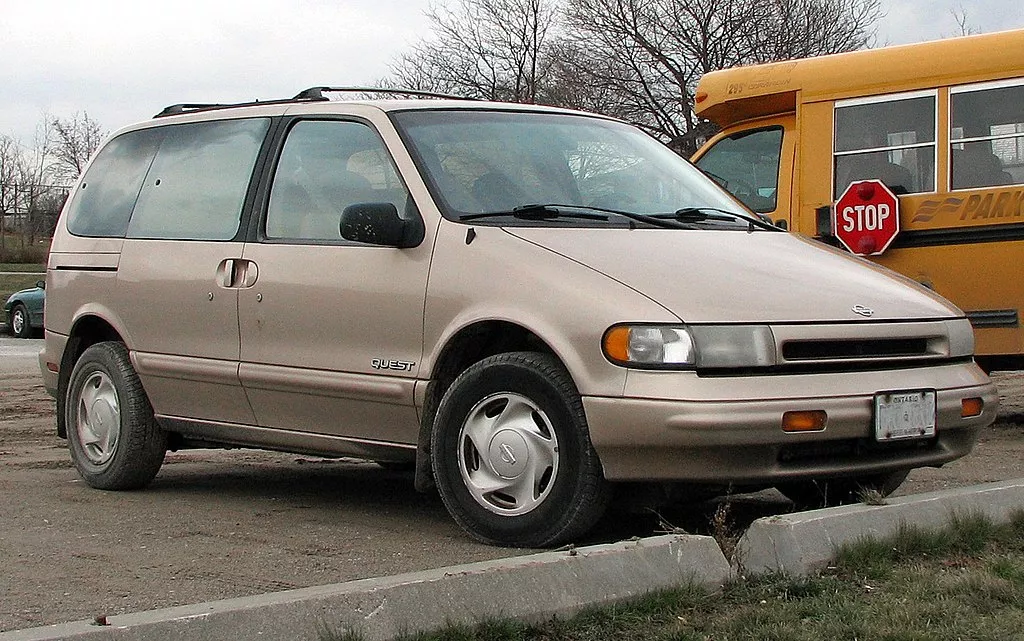
The first generation of the Nissan Quest (V40), produced from 1993 to 1998, was developed and manufactured in collaboration with Ford, using the Ford VX54 platform. This model was equipped with a 3.0-liter VG30E V6 engine and a 4-speed automatic transmission. It stood out for its innovative design and for being the successor to the Nissan Axxess and the rear-wheel-drive Vanette. The first generation was also sold in China under different names and was assembled in the United States and China.
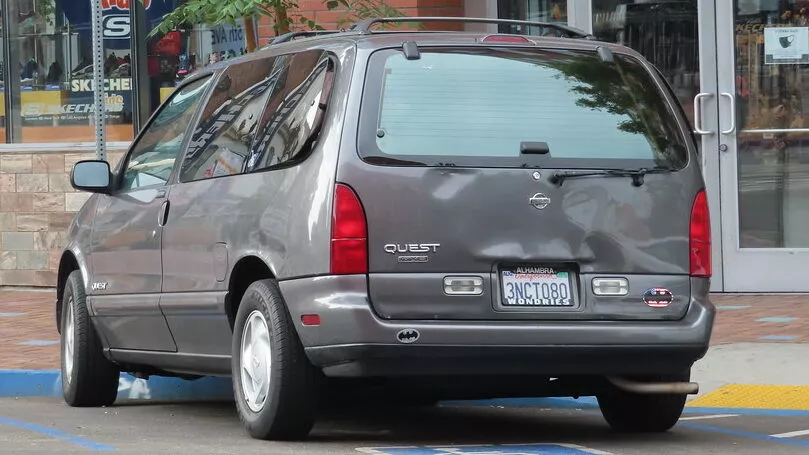
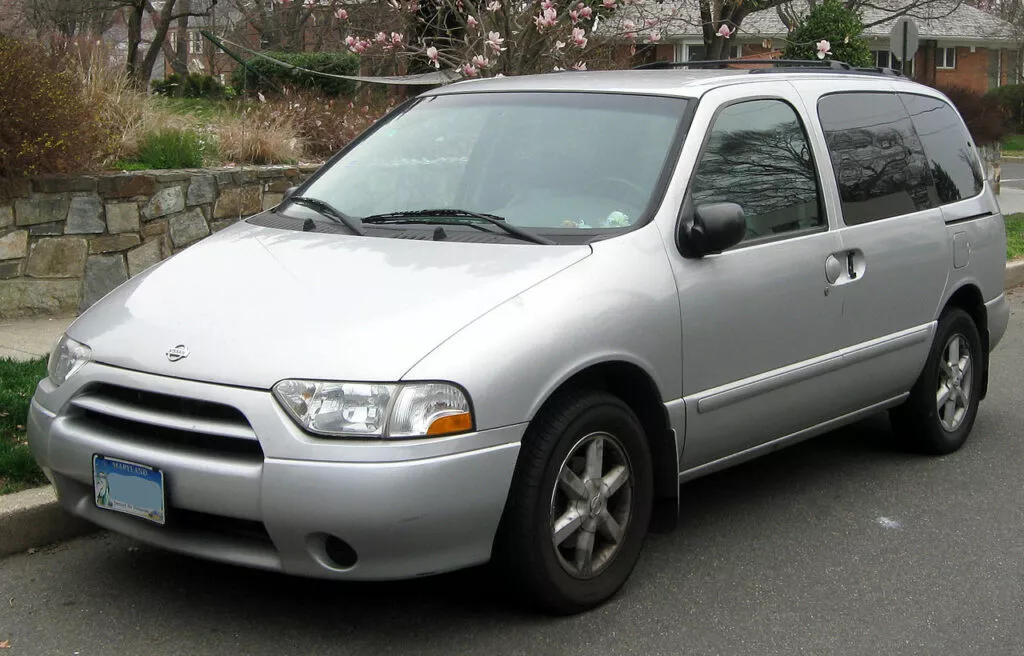
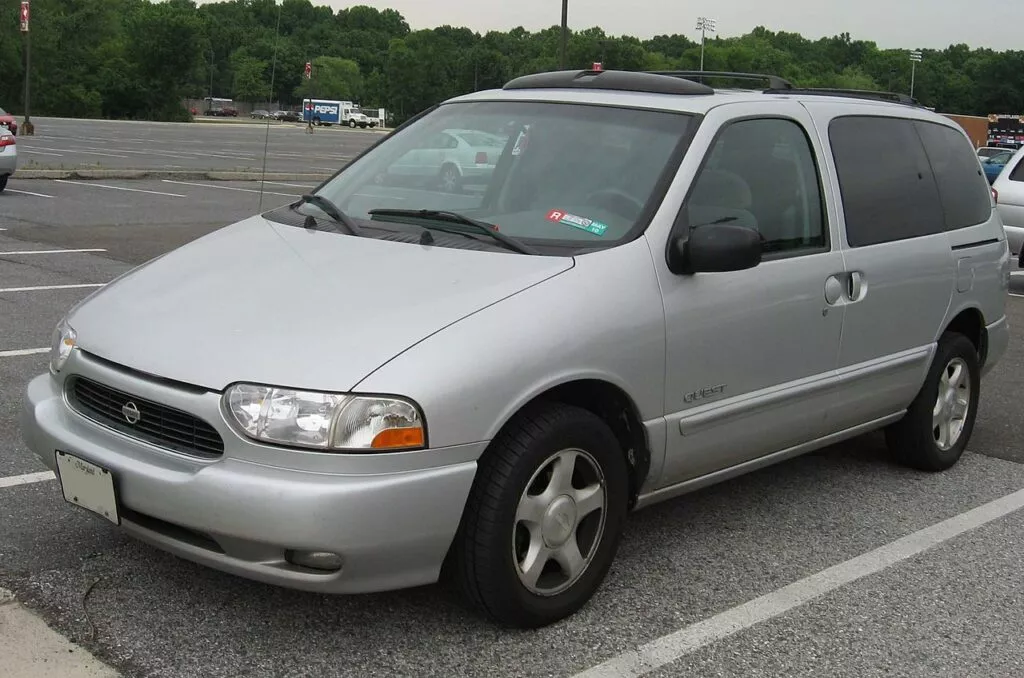
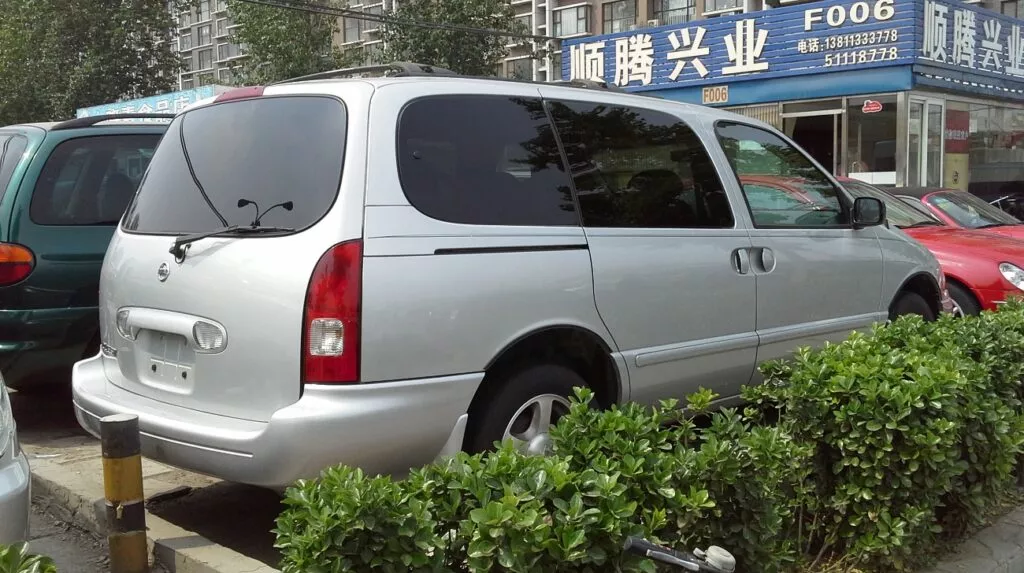
The second generation (V41) was essentially a restyling of the original model, which is why it was only sold between 1999 and 2002. It featured a more aerodynamic design and a sliding door on the driver's side. With a 3.3-liter VG33E V6 engine, this generation offered increased power and new trim configurations, including the GLE and SE models.
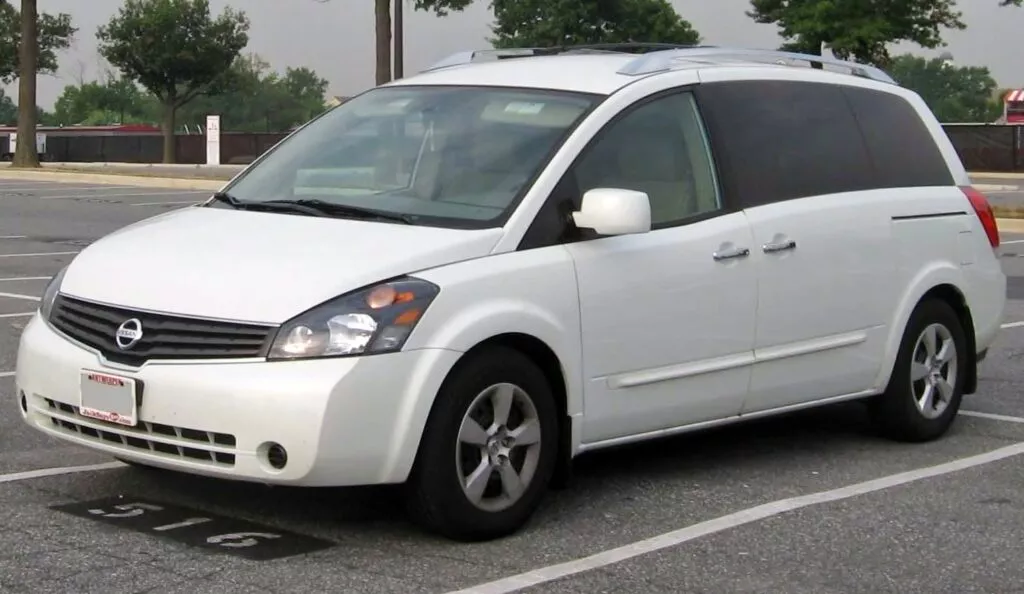
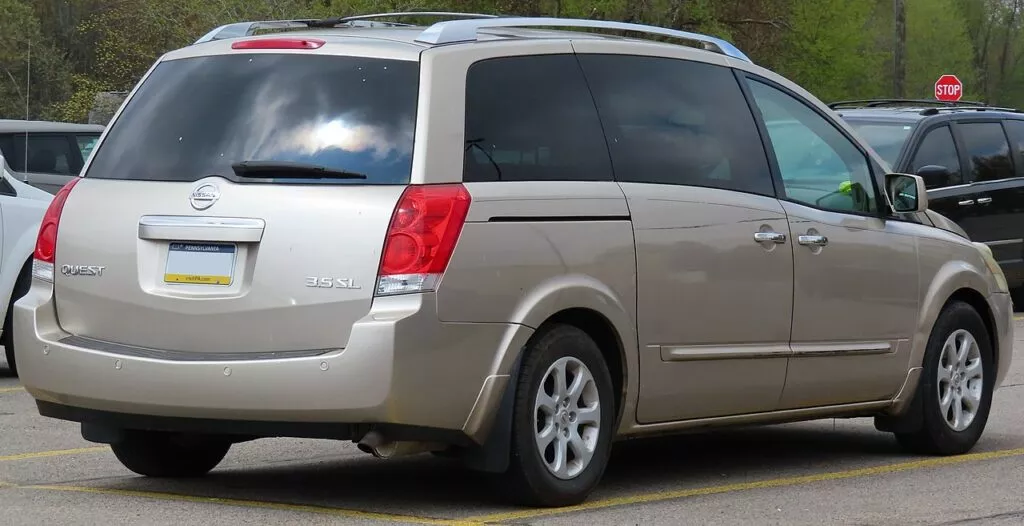
The third generation (V42), produced from 2004 to 2009, marked a significant shift by abandoning the joint venture with Ford and utilizing the Nissan FF-L platform, shared with models such as the Nissan Altima and Nissan Maxima. Featuring a more modern design and a 3.5-liter VQ35DE V6 engine, this generation offered improved performance and a more versatile seating configuration. It was manufactured at Nissan's plant in Canton, Mississippi.
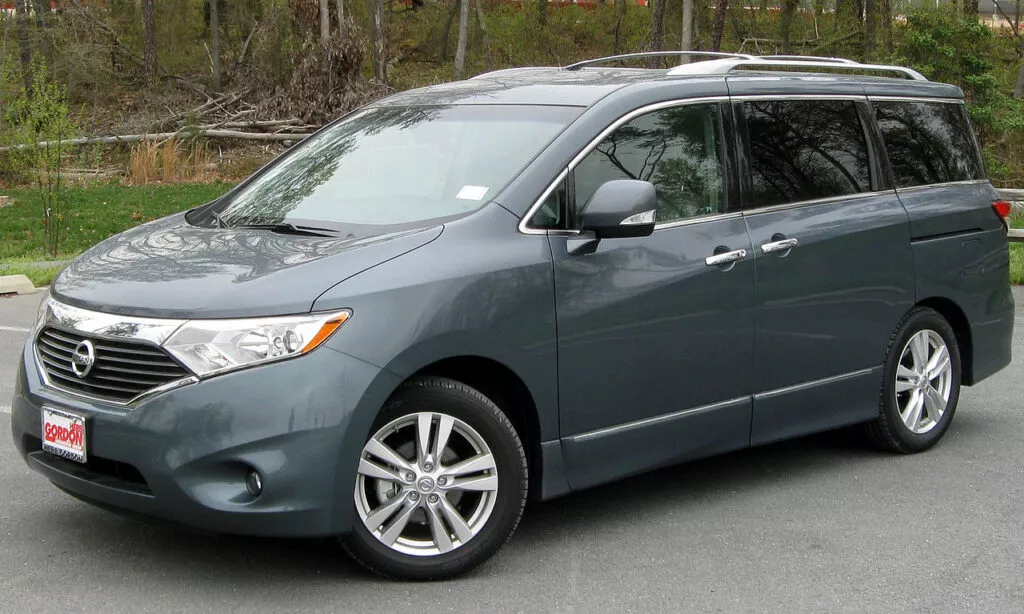
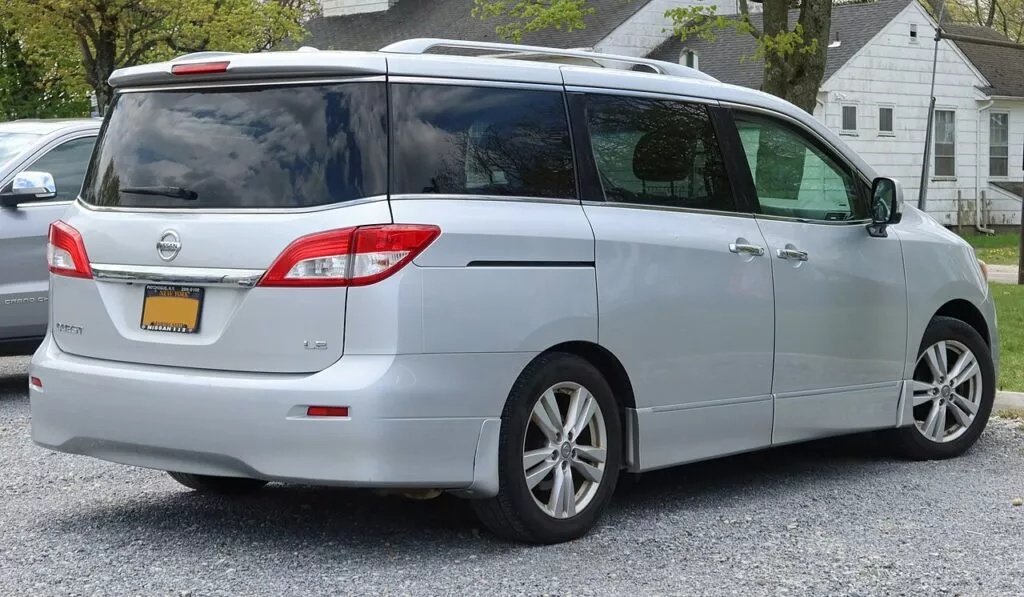
Finally, the fourth and final generation (RE52), which ran from 2011 to 2017, was based on the Nissan D platform and was a widened variant of the Japanese Nissan Elgrand. Featuring a 3.5-liter V6 engine and a CVT transmission, the fourth-generation Quest offered a design inspired by the Nissan Forum concept and was manufactured in Japan. Despite its modern features, sales declined and the model was discontinued after the 2016 model year, with limited production in 2017 for the fleet market.
The Nissan Quest stood out for its unique design and focus on family comfort, offering features such as fold-flat seating and passenger entertainment systems. Throughout its generations, the Quest was recognized for its agile handling and powerful V6 engine, although it also faced criticism regarding aspects of safety and seat flexibility compared to its competitors.
The main competitors of the Nissan Quest in the minivan market included alternatives such as the Chrysler Voyager, Kia Sedona, Toyota Sienna, and Honda Odyssey in North America. In other markets, it also competed with the Toyota Alphard and Honda Elysion.
Jump to a generation:
#1NISSAN QUEST - Generation I(1993)V40
MonovolumenMPV
#2NISSAN QUEST - Generation II(1999)V41
MonovolumenMPV
#3NISSAN QUEST - Generation III(2004)V42
MonovolumenMPV
#4NISSAN QUEST - Generation IV(2011)RE52
MonovolumenMPV
View more models from NISSAN
 NISSAN
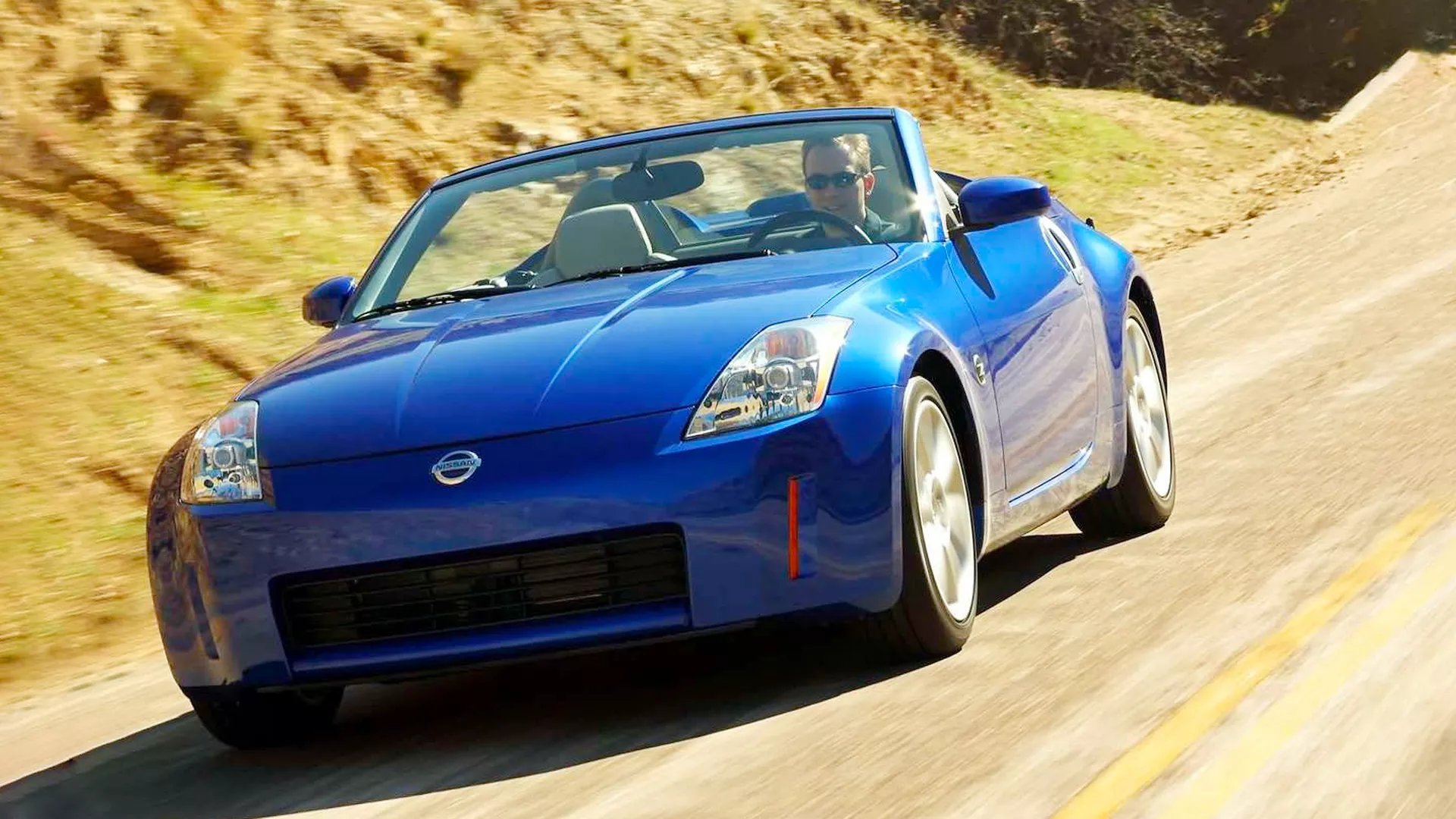
350Z
View model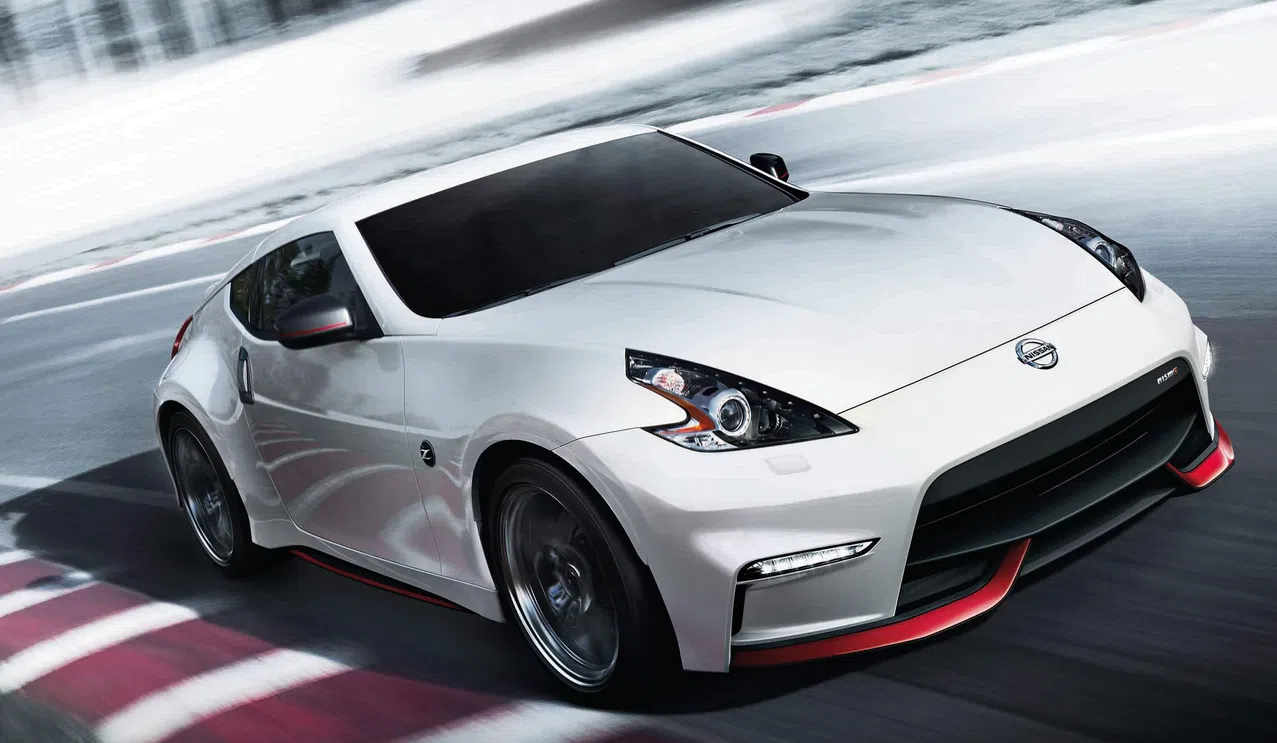 NISSAN
370Z
View model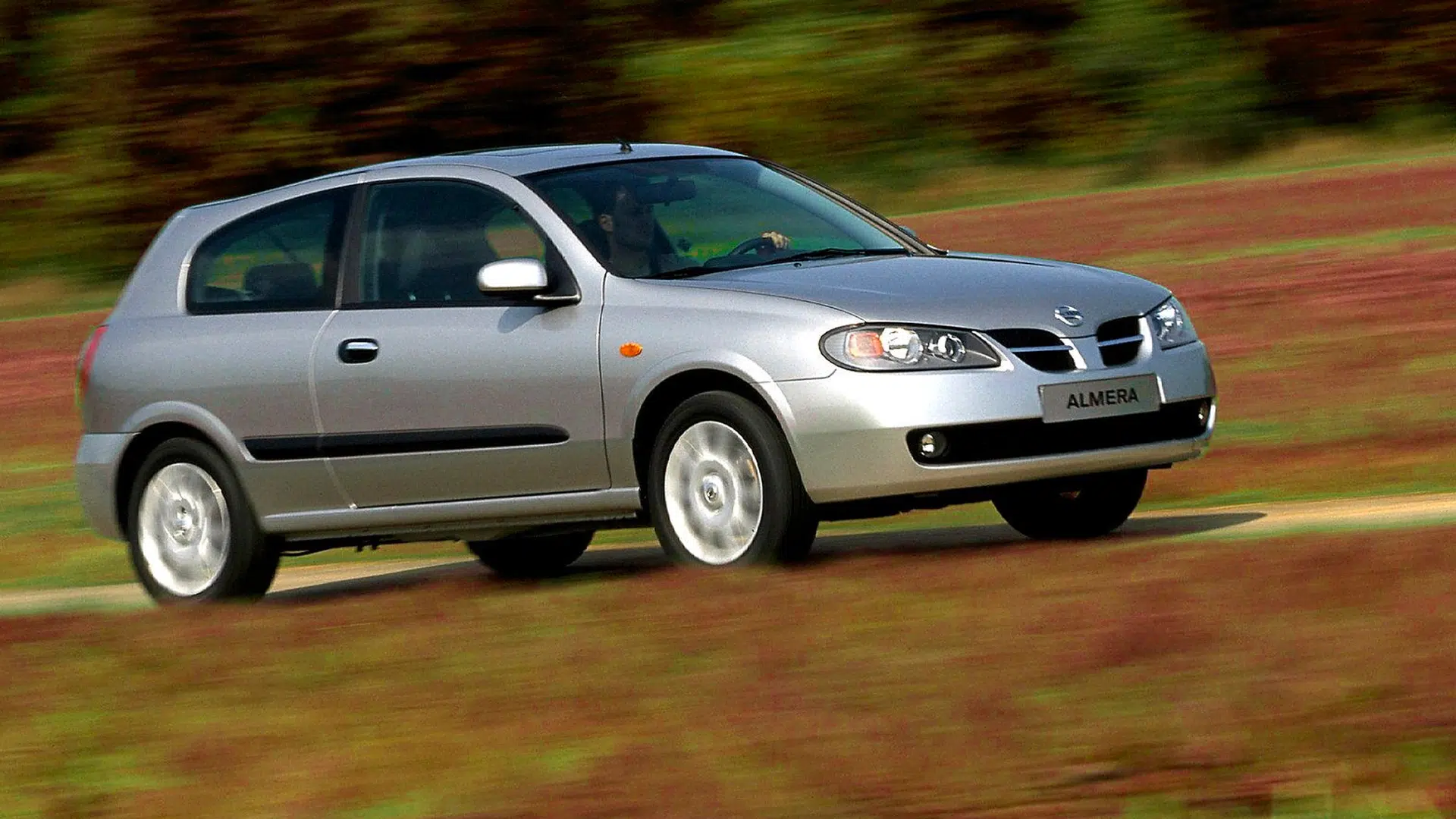 NISSAN
Almera
View model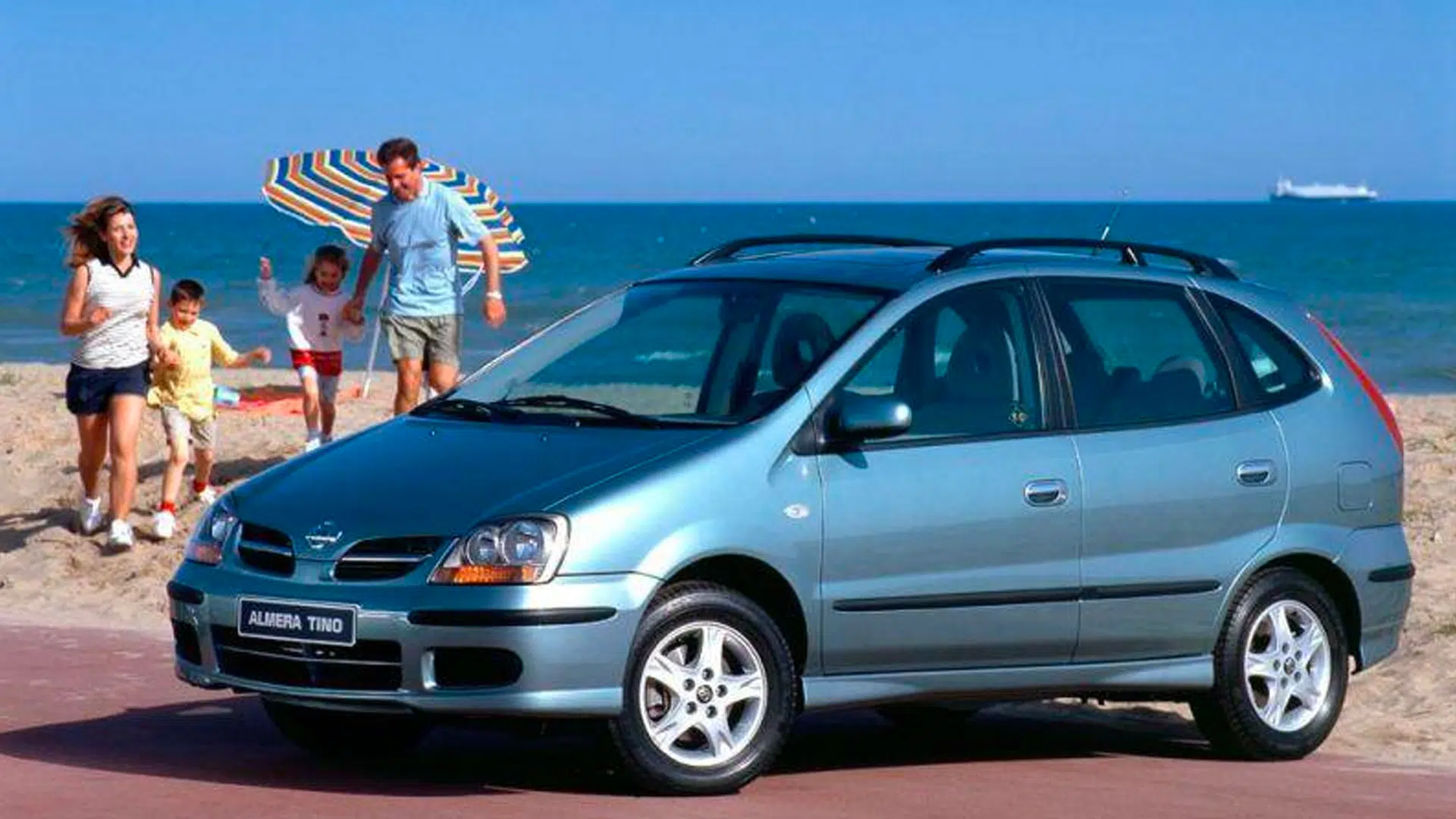 NISSAN
ALMERA TINO
View model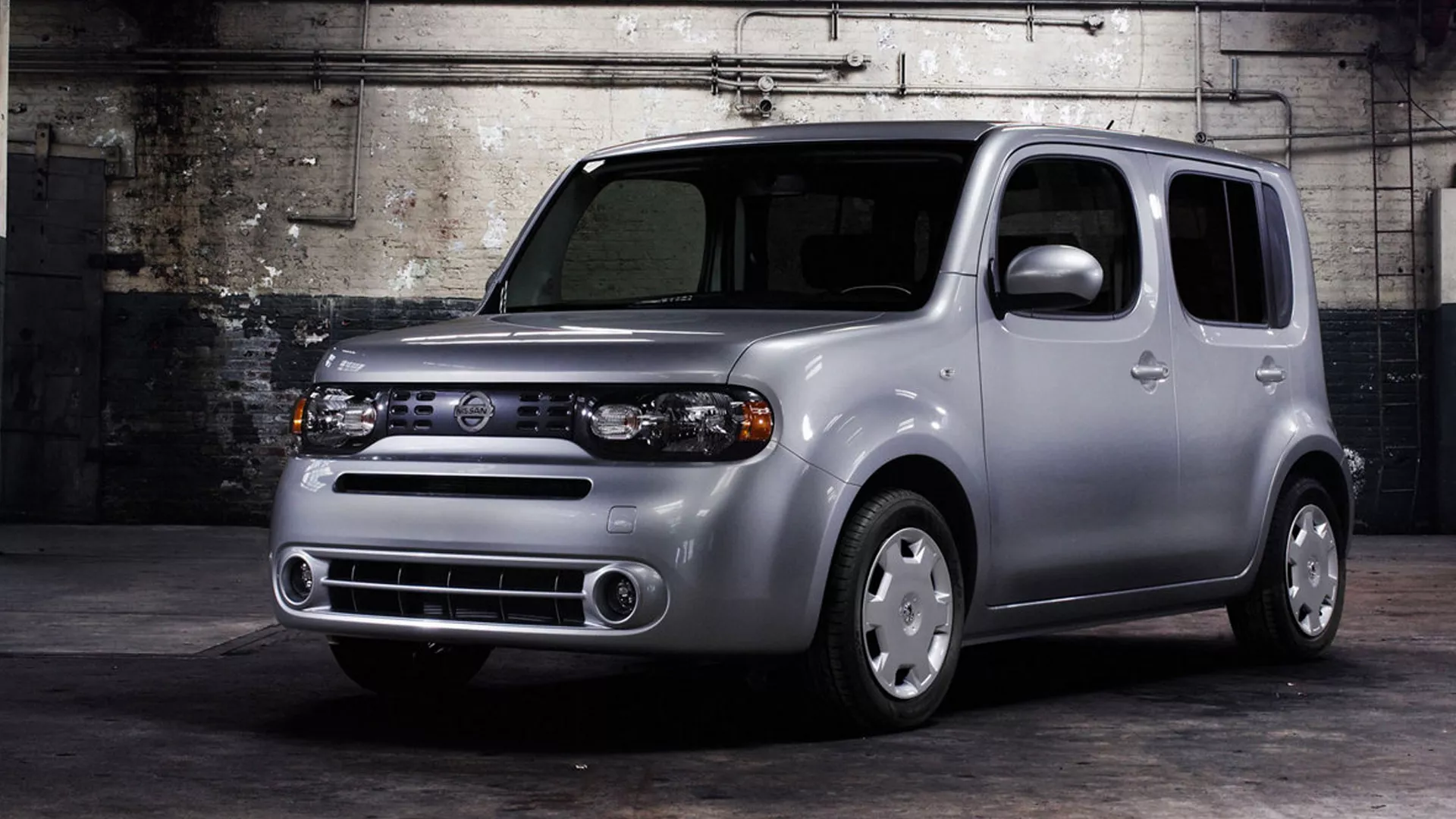 NISSAN
CUBE
View model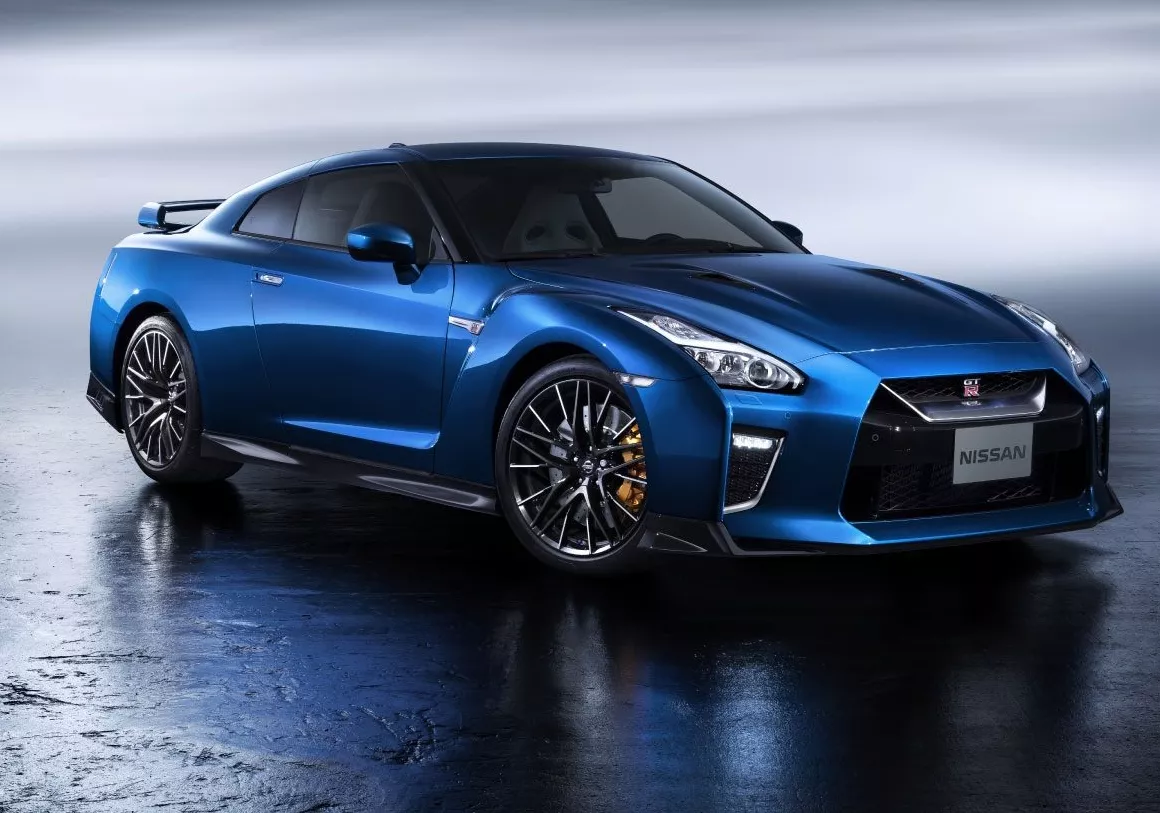 NISSAN
GT-R
View model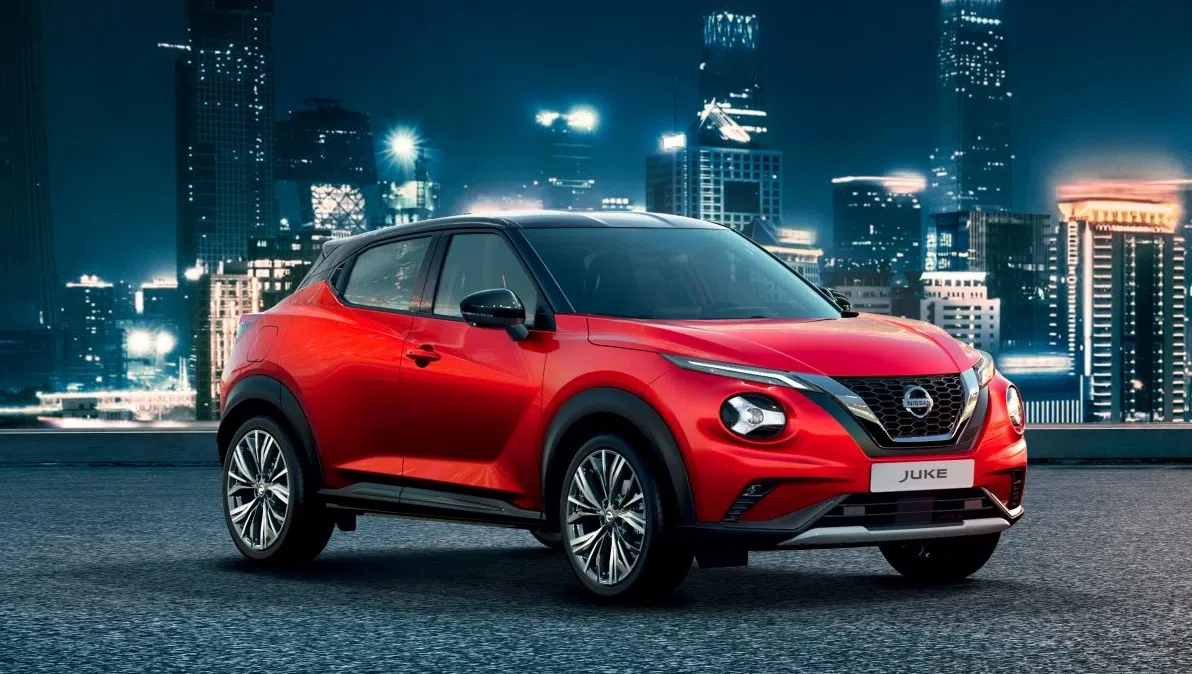 NISSAN
JUKE
View model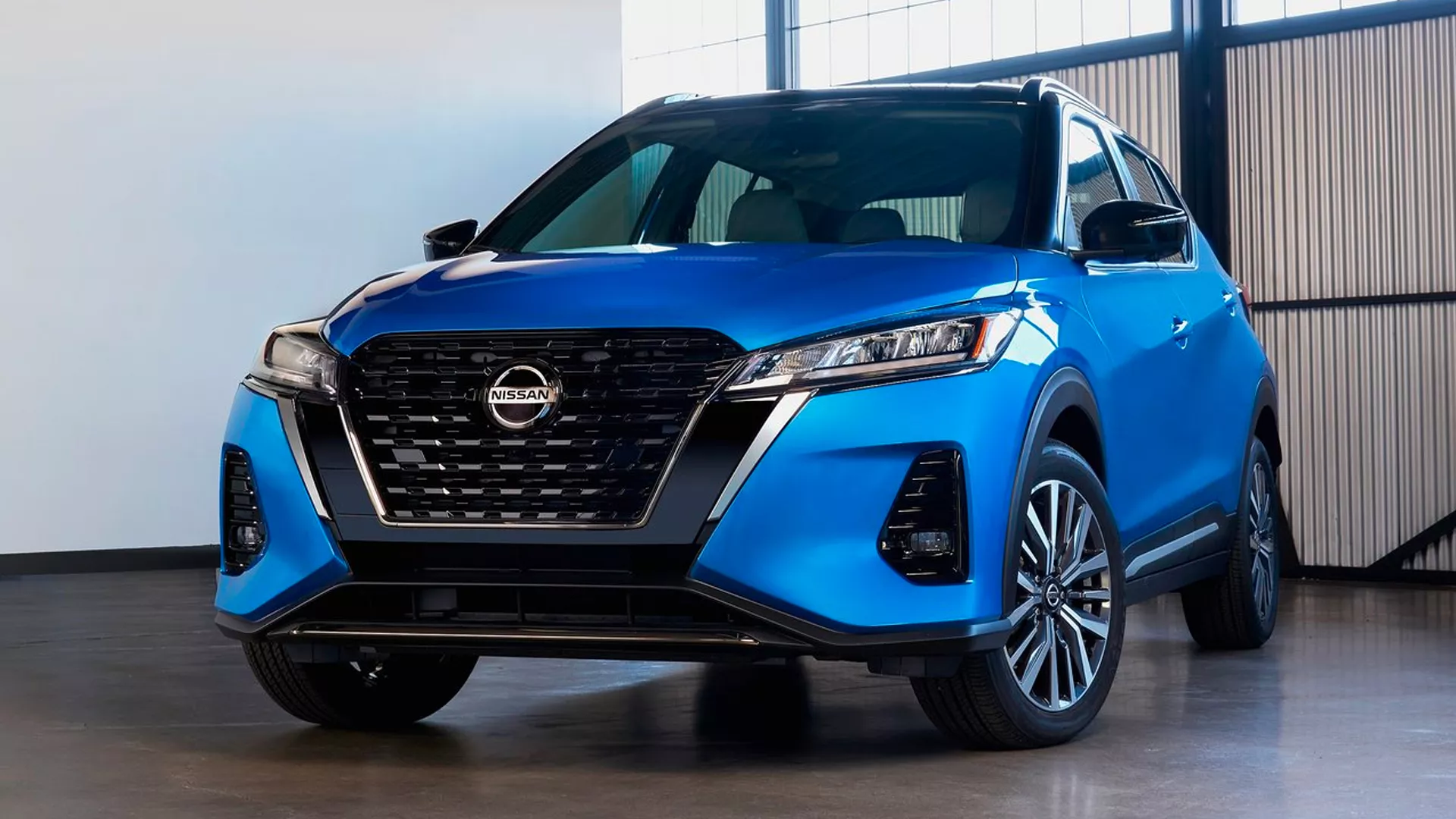 NISSAN
KICKS
View model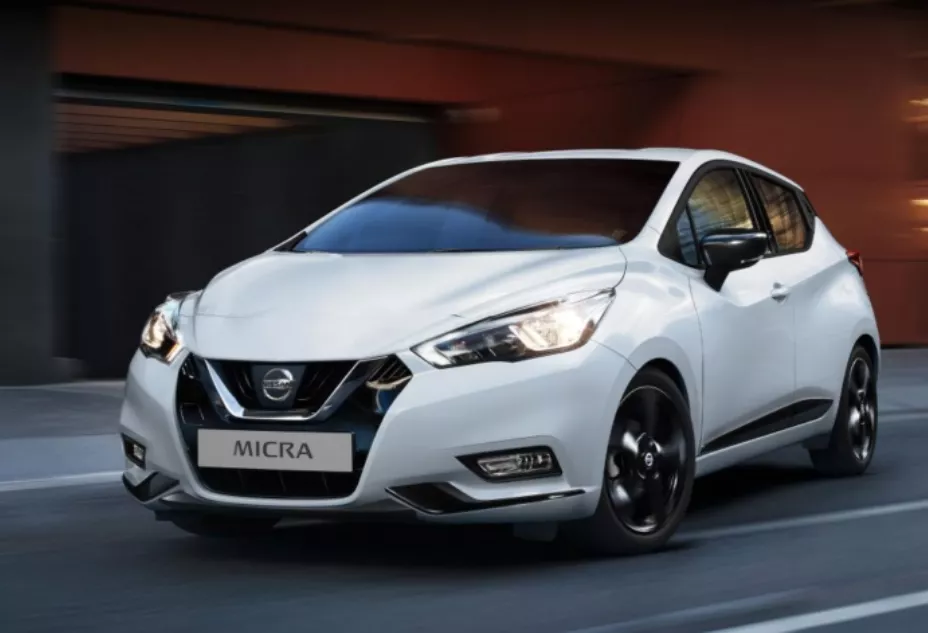 NISSAN
MICRA / MARCH
View model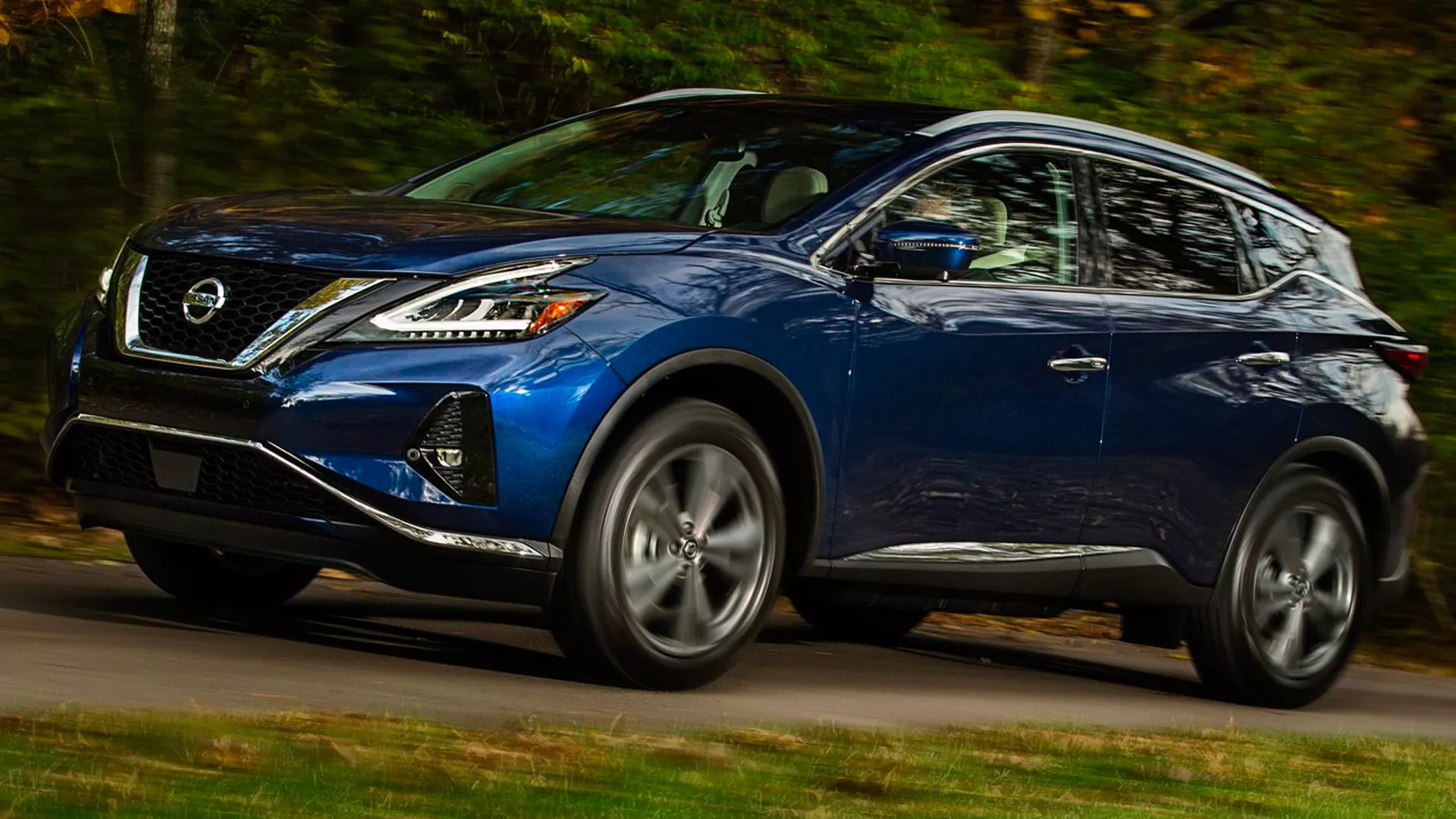 NISSAN
MURANO
View model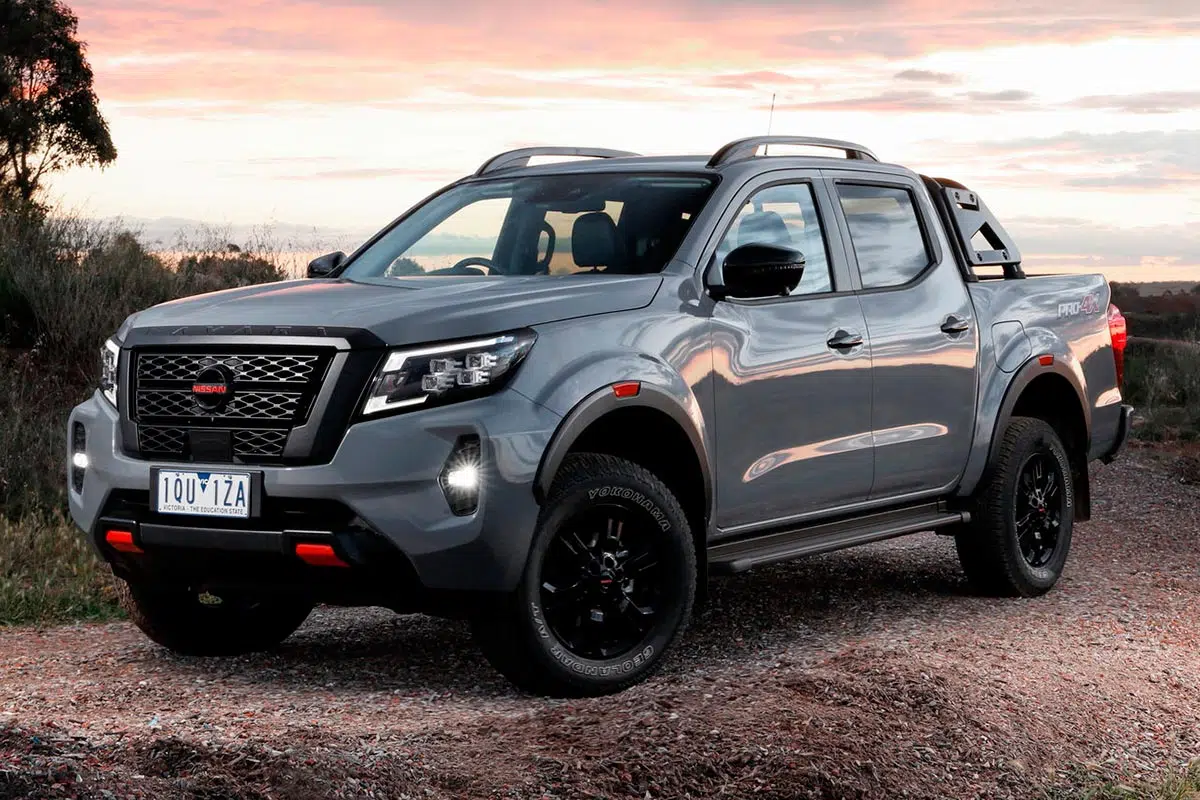 NISSAN
NAVARA
View model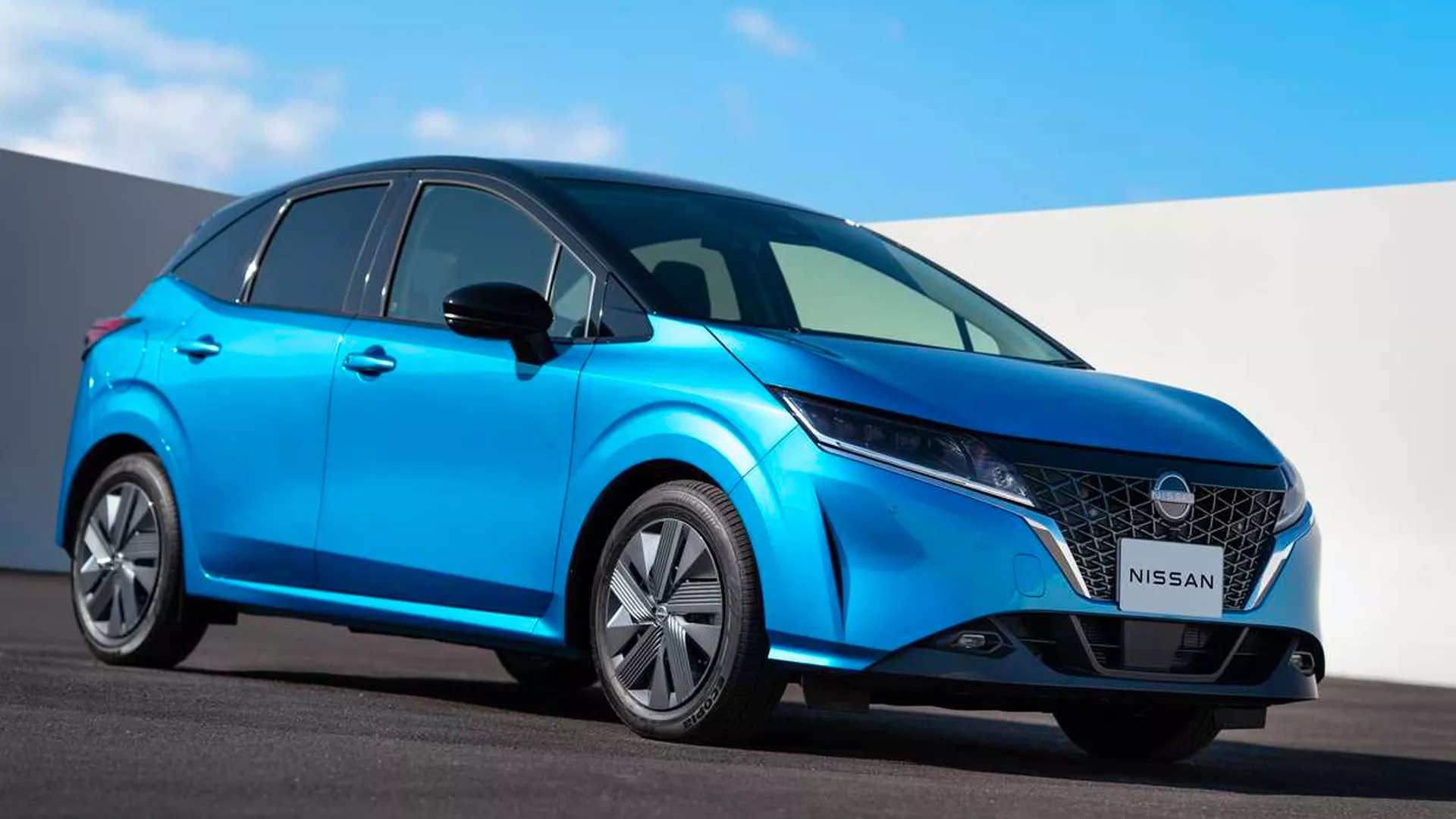 NISSAN
NOTE
View model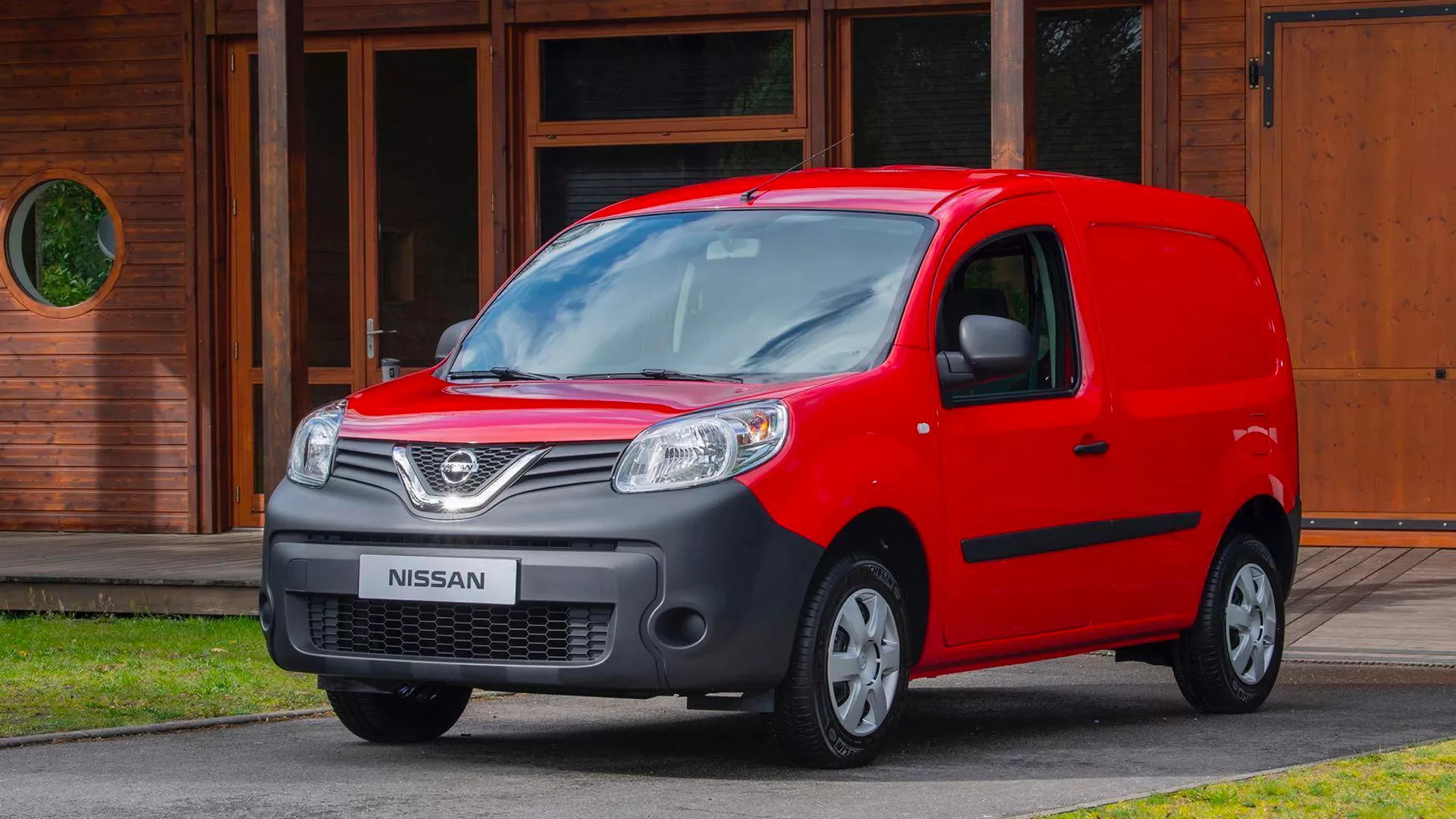 NISSAN
NV250
View model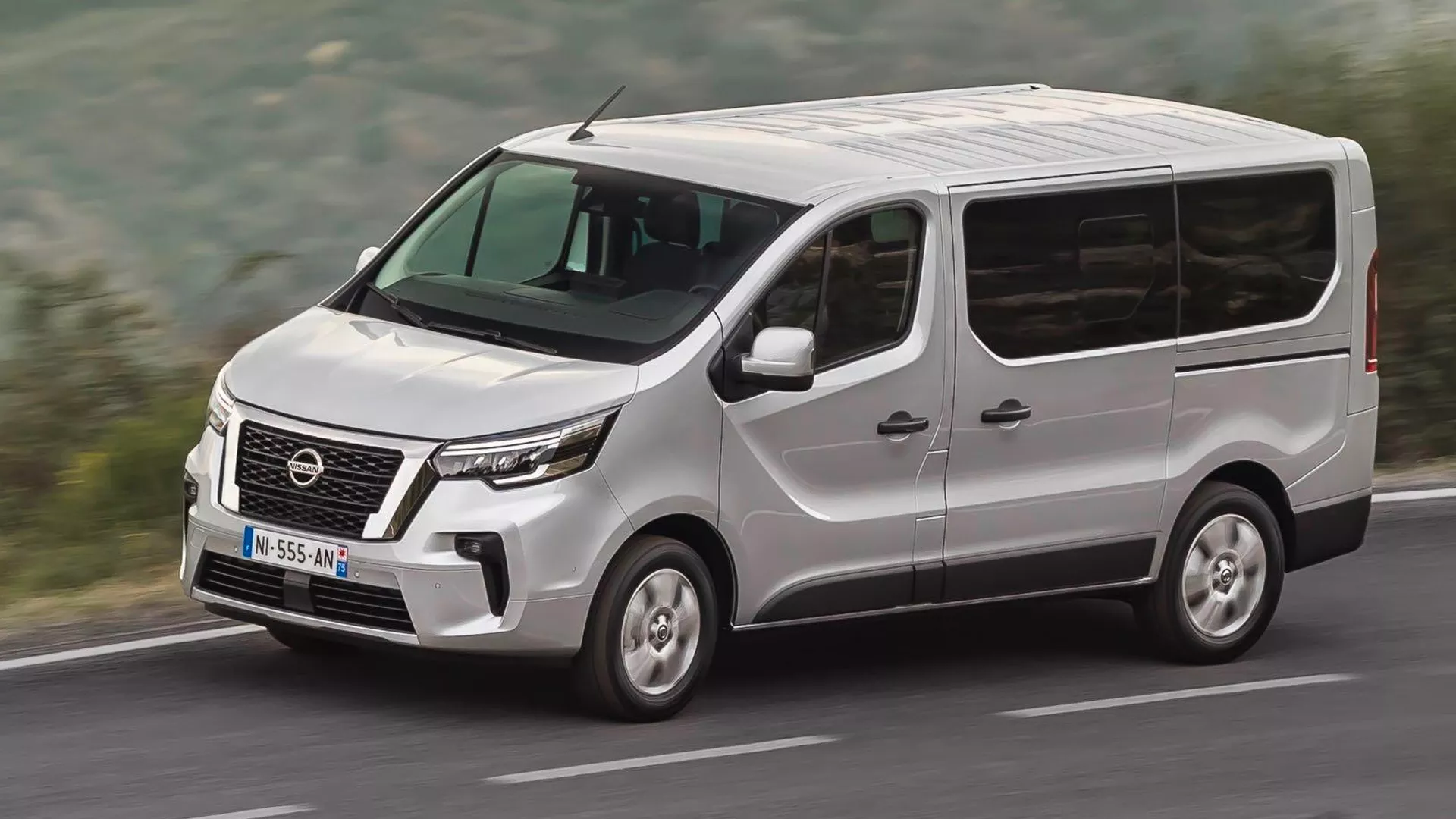 NISSAN
NV300
View model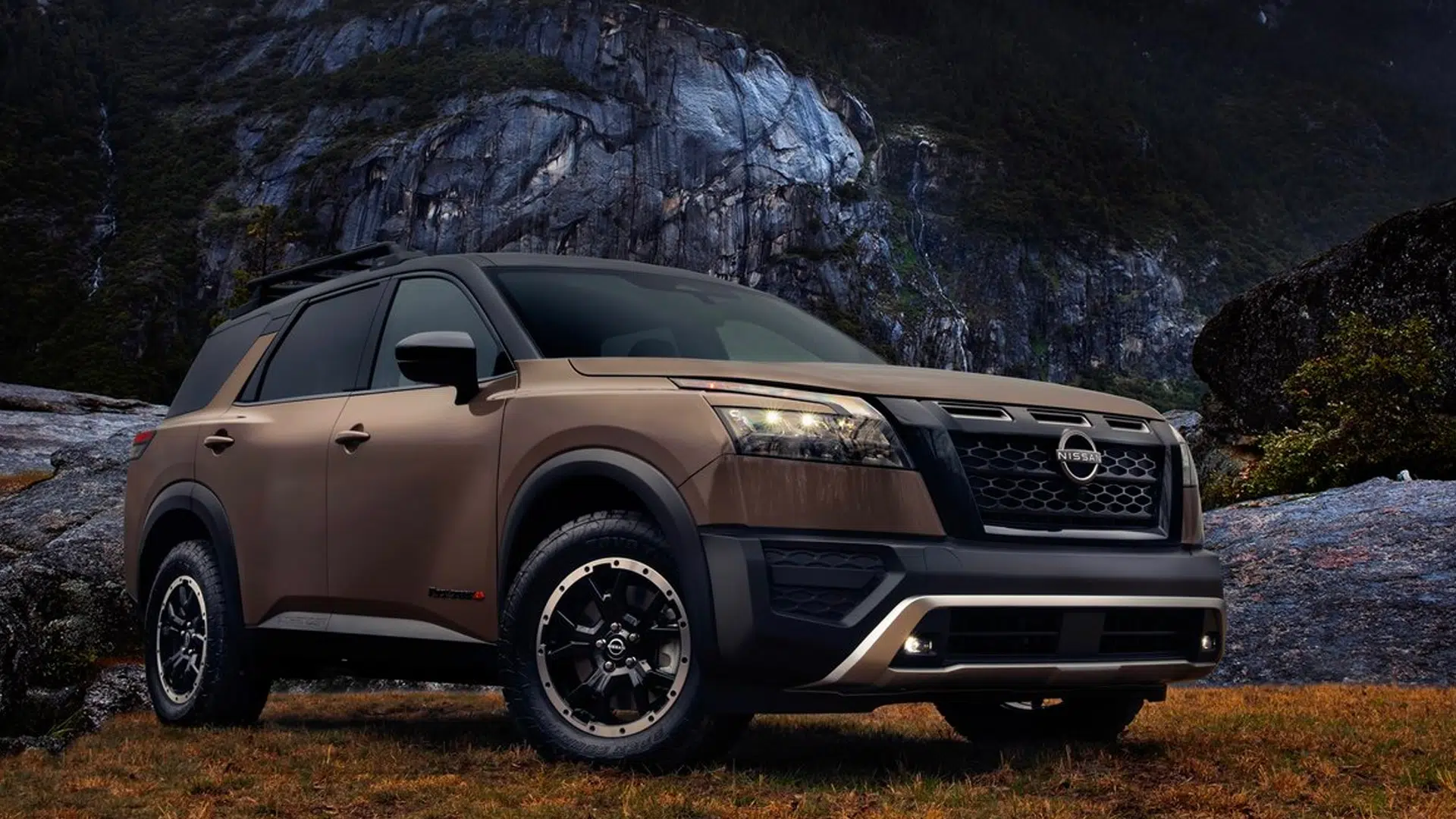 NISSAN
PATHFINDER
View model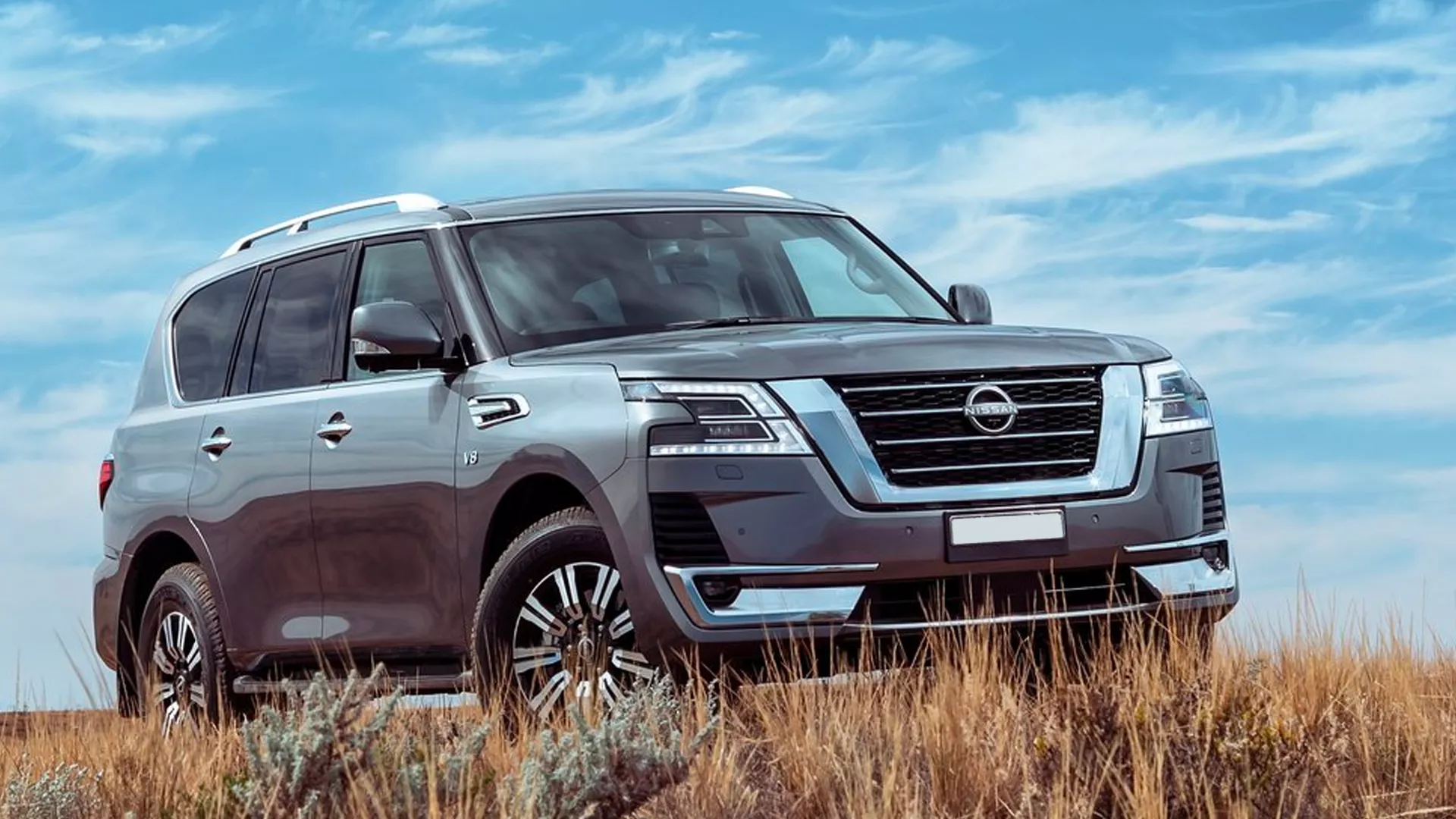 NISSAN
PATROL
View model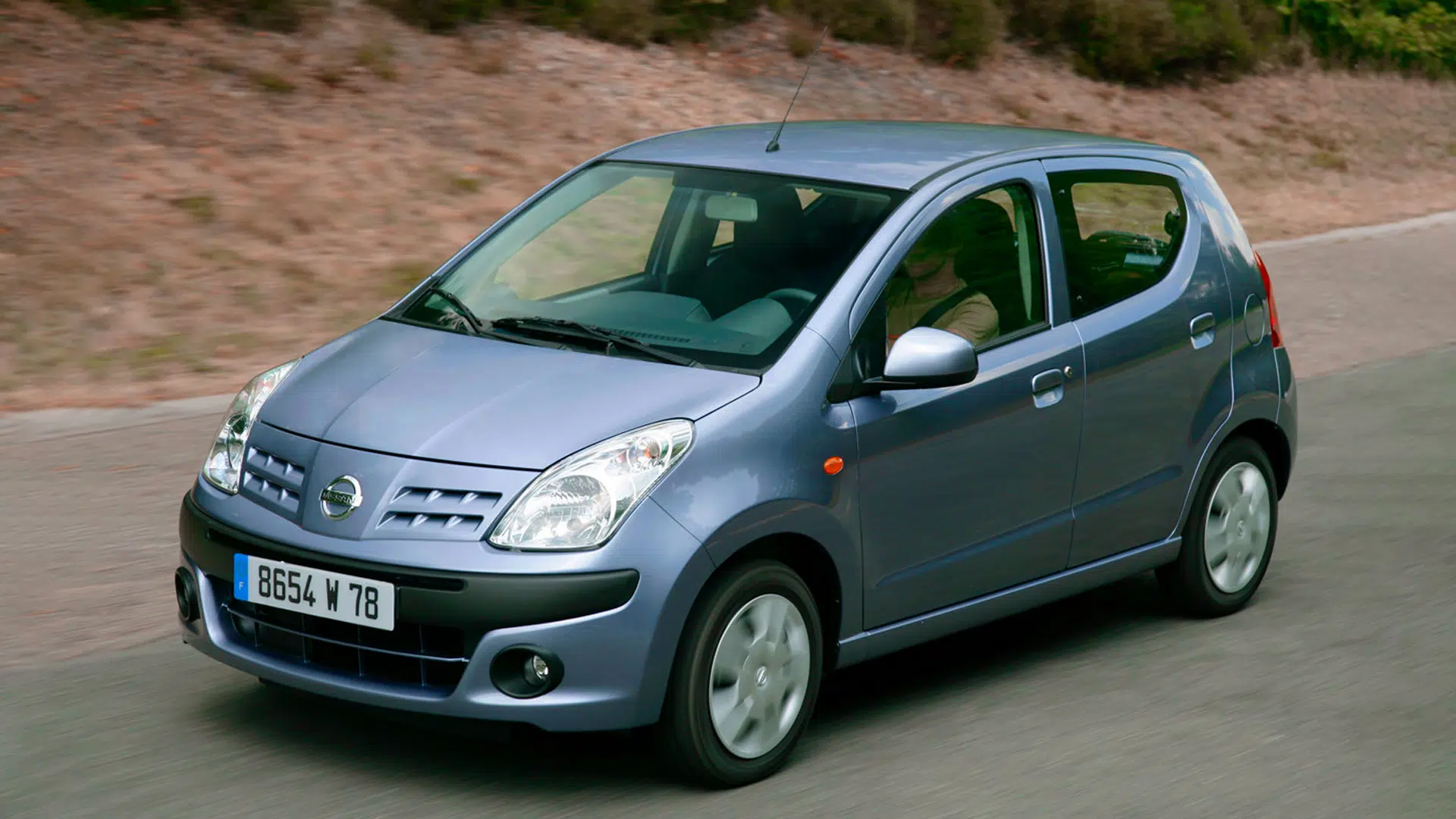 NISSAN
PIXO
View model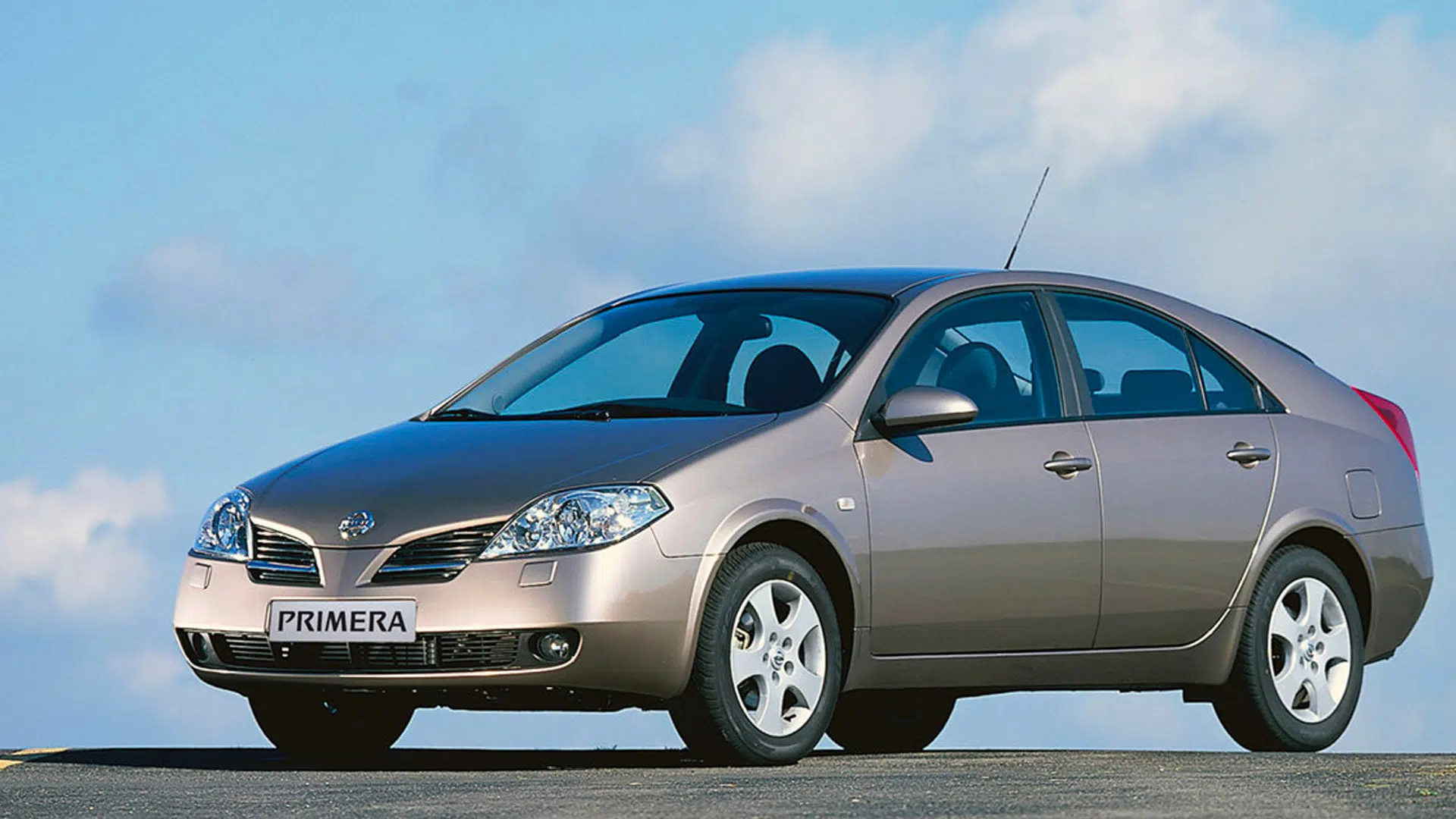 NISSAN
PRIMERA
View model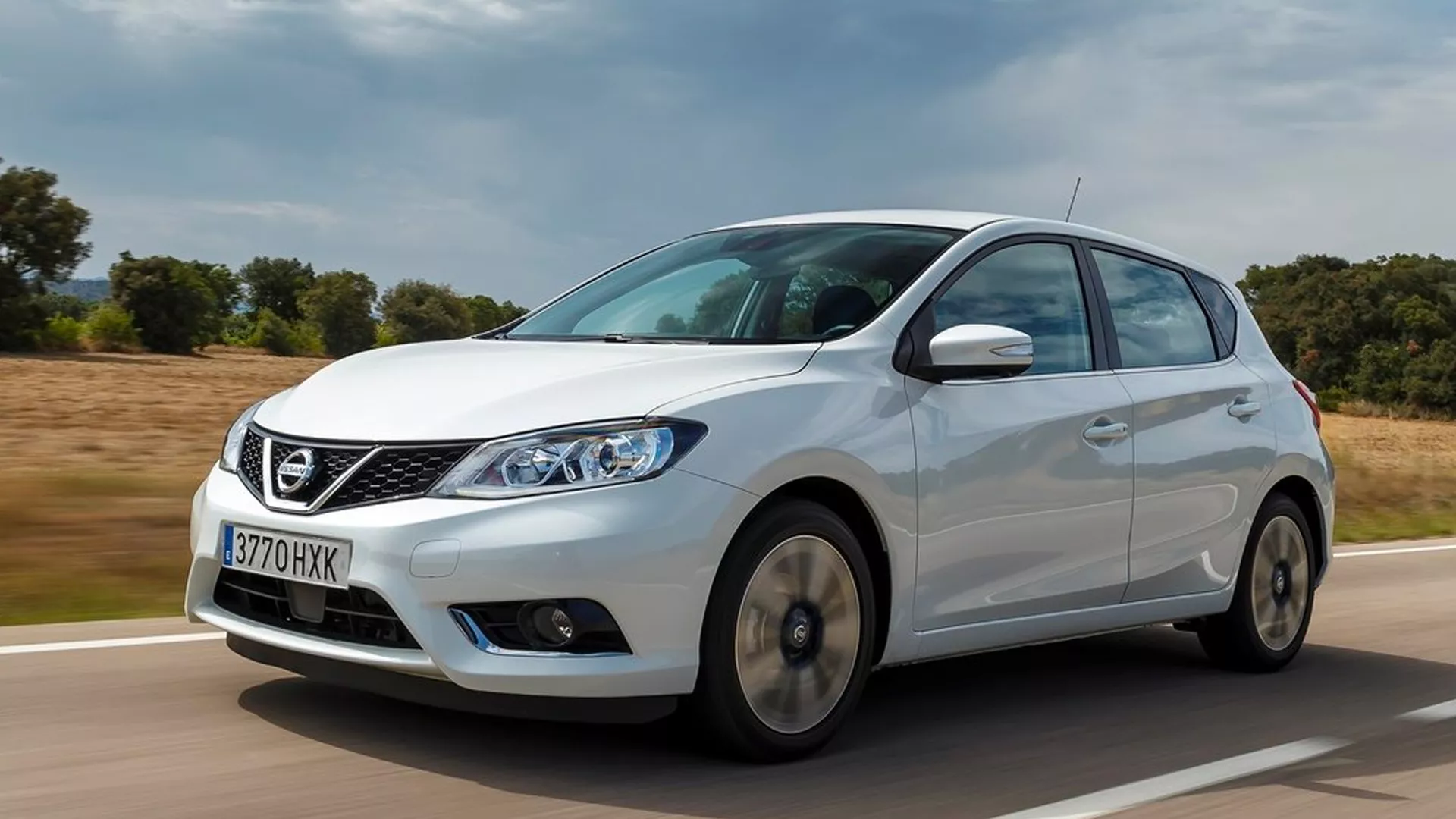 NISSAN
PULSAR
View model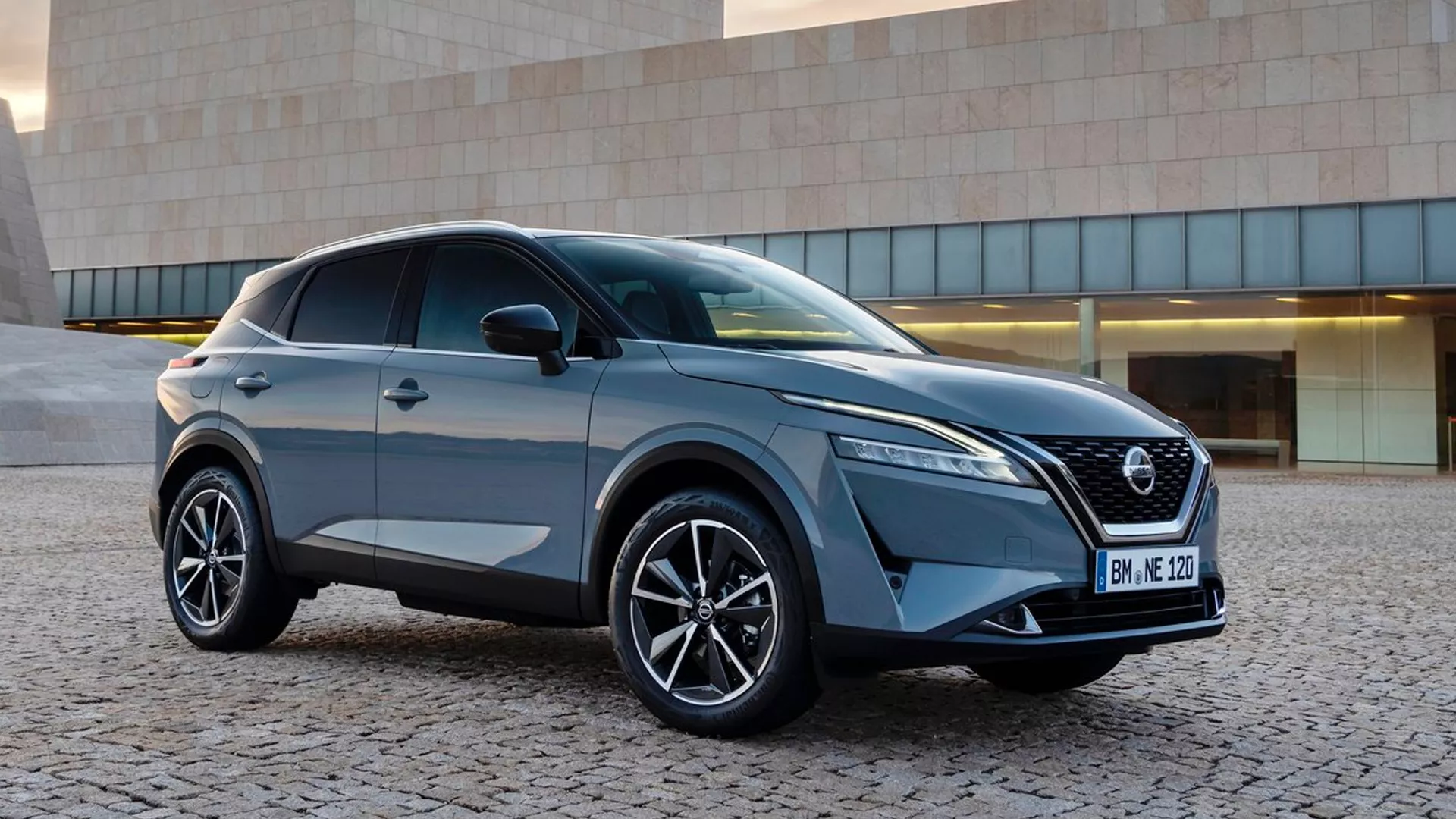 NISSAN
QASHQAI
View model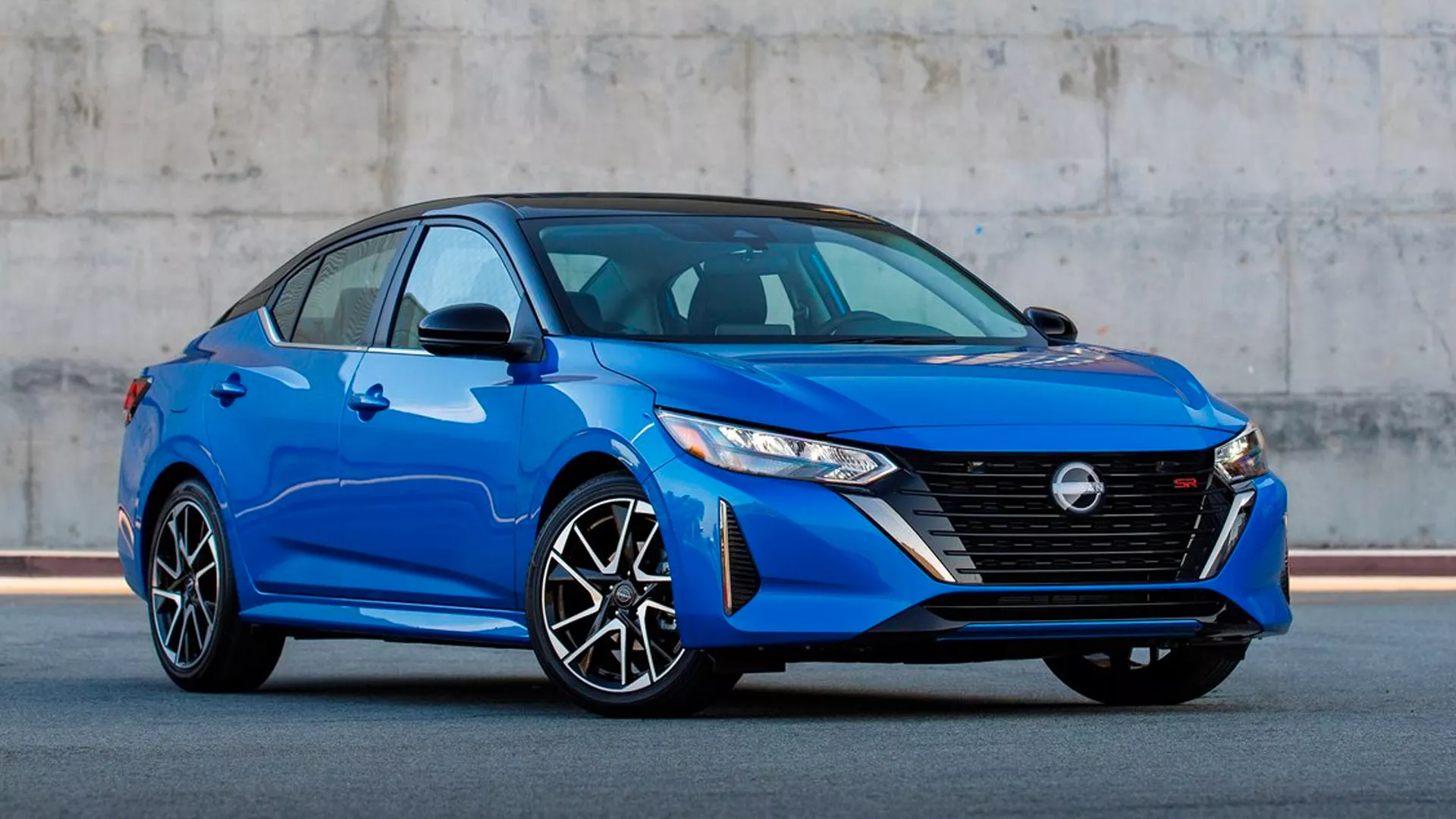 NISSAN
SENTRA
View model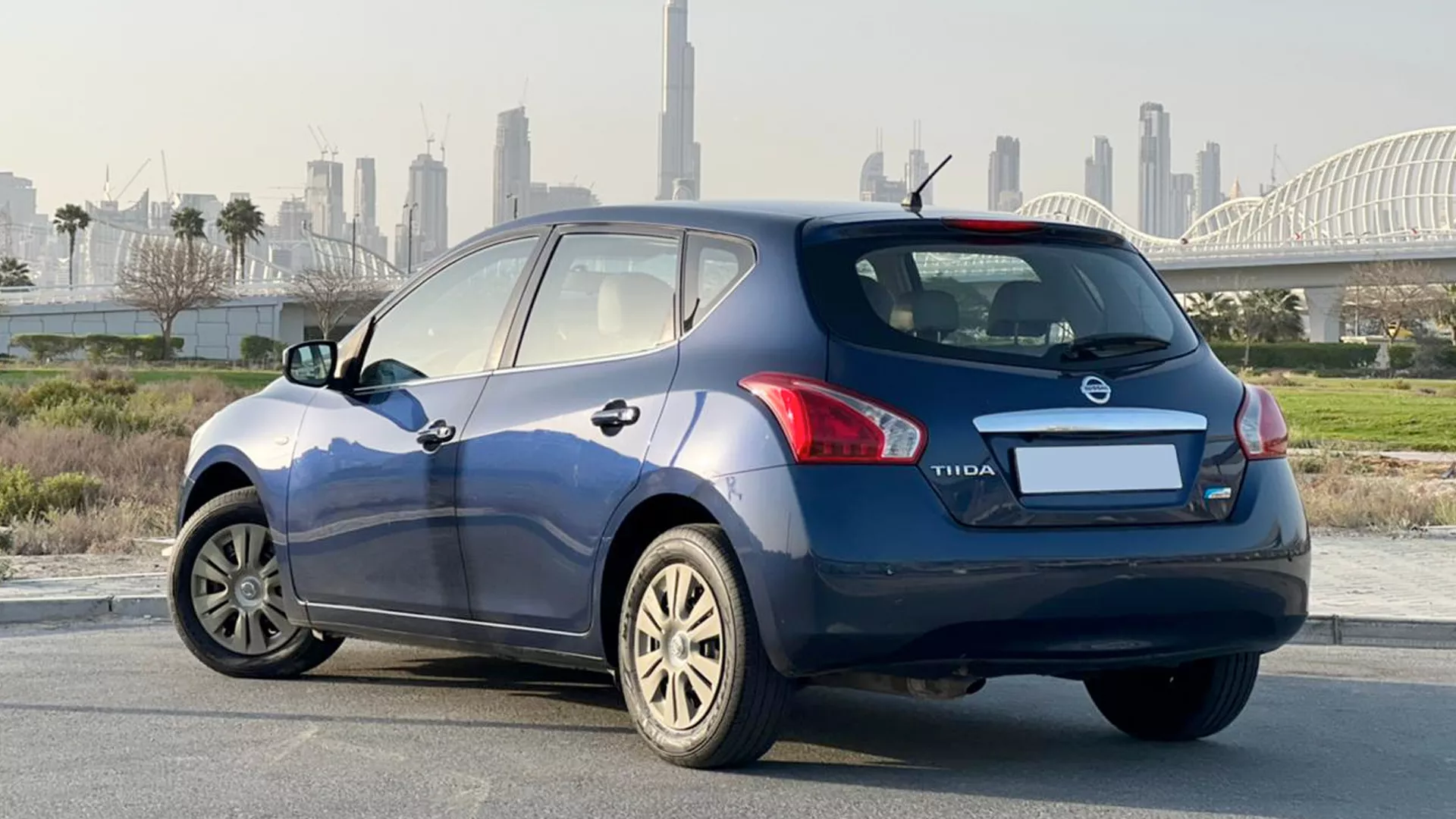 NISSAN
TIIDA
View model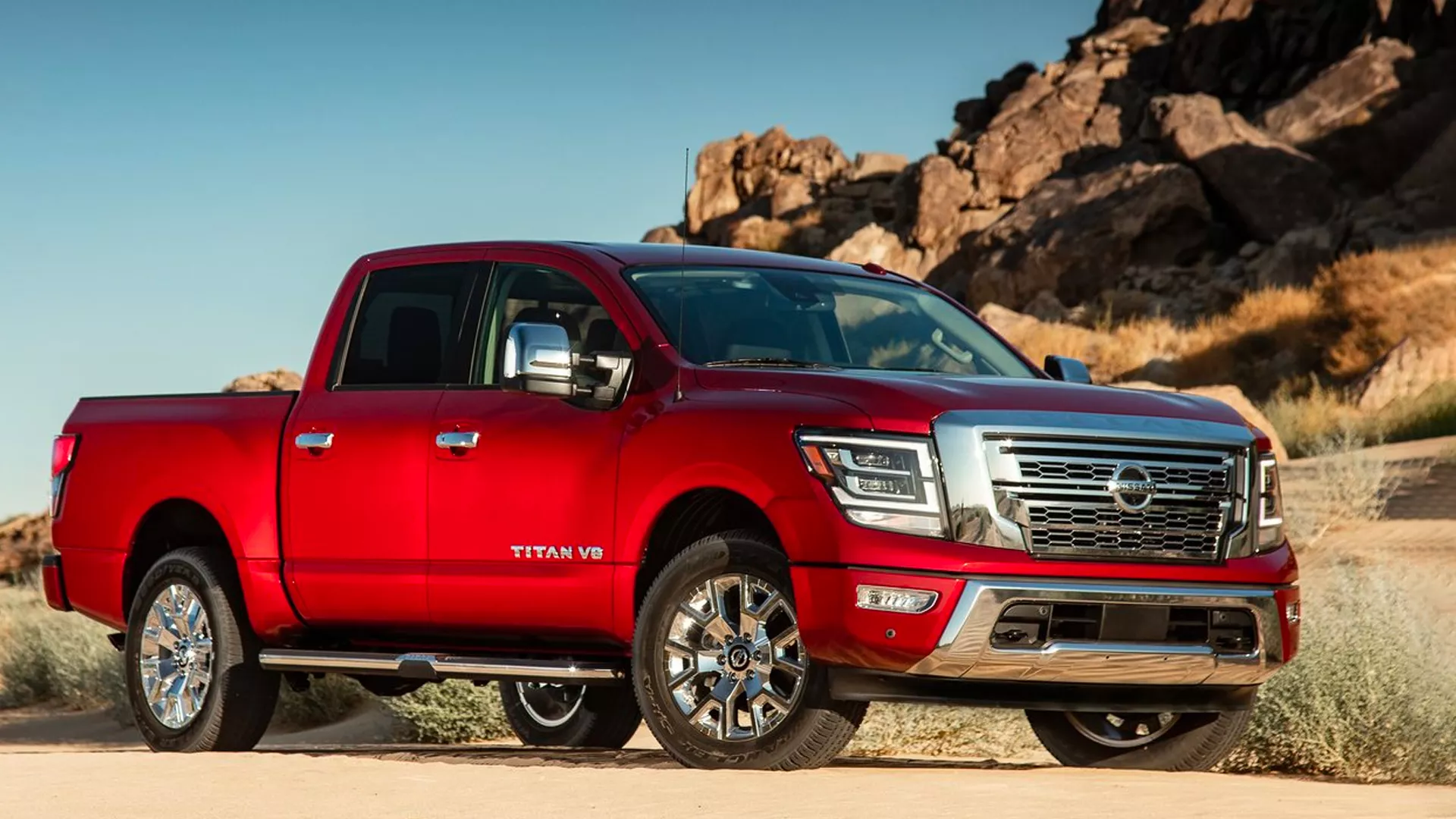 NISSAN
TITAN
View model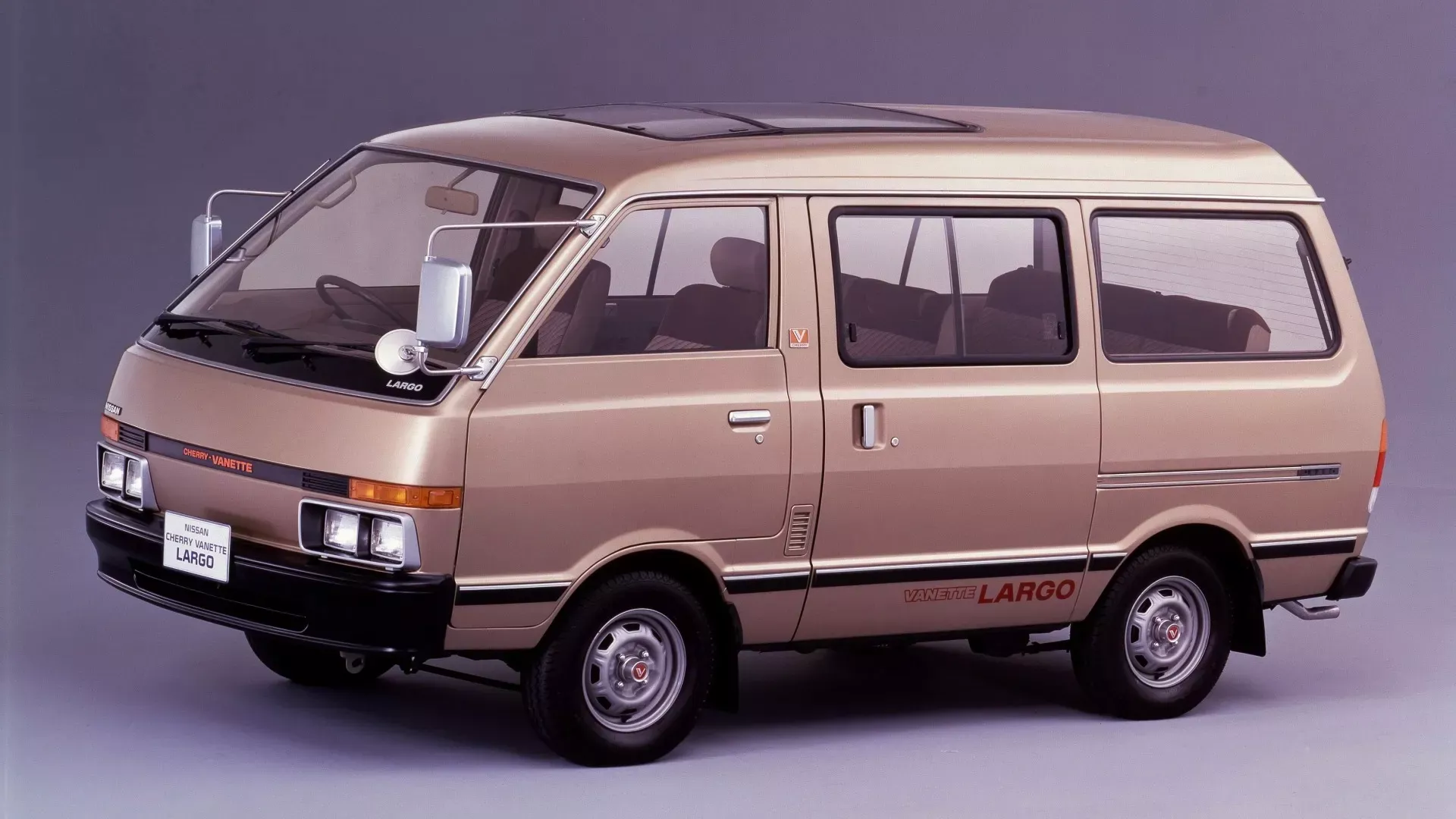 NISSAN
VANETTE
View model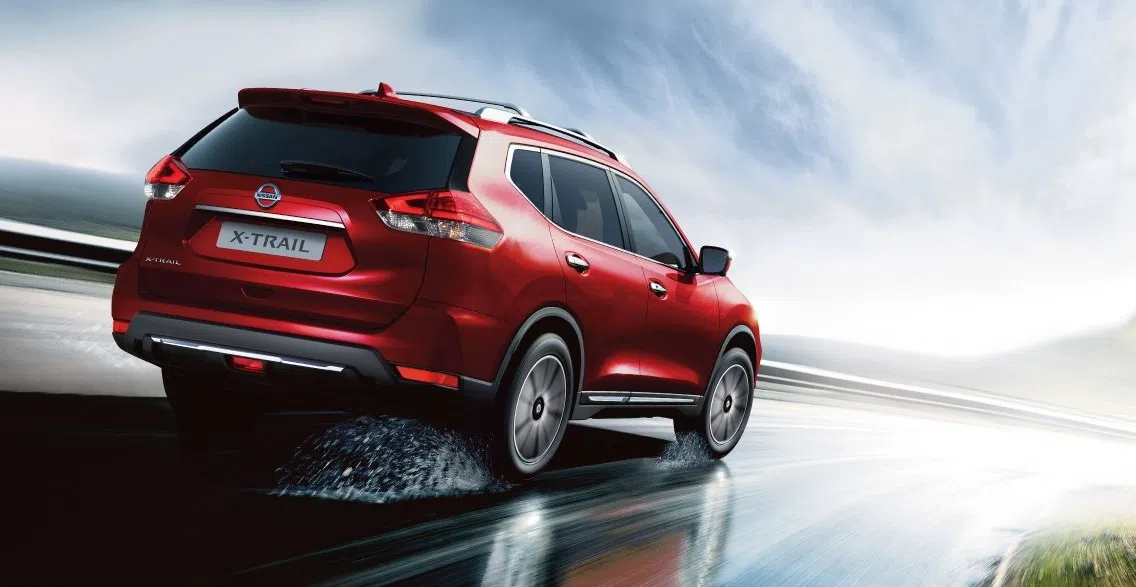 NISSAN
X-TRAIL
View model- NISSAN
View all models