
NISSAN SENTRATiming chain or Belt?
About NISSAN SENTRA
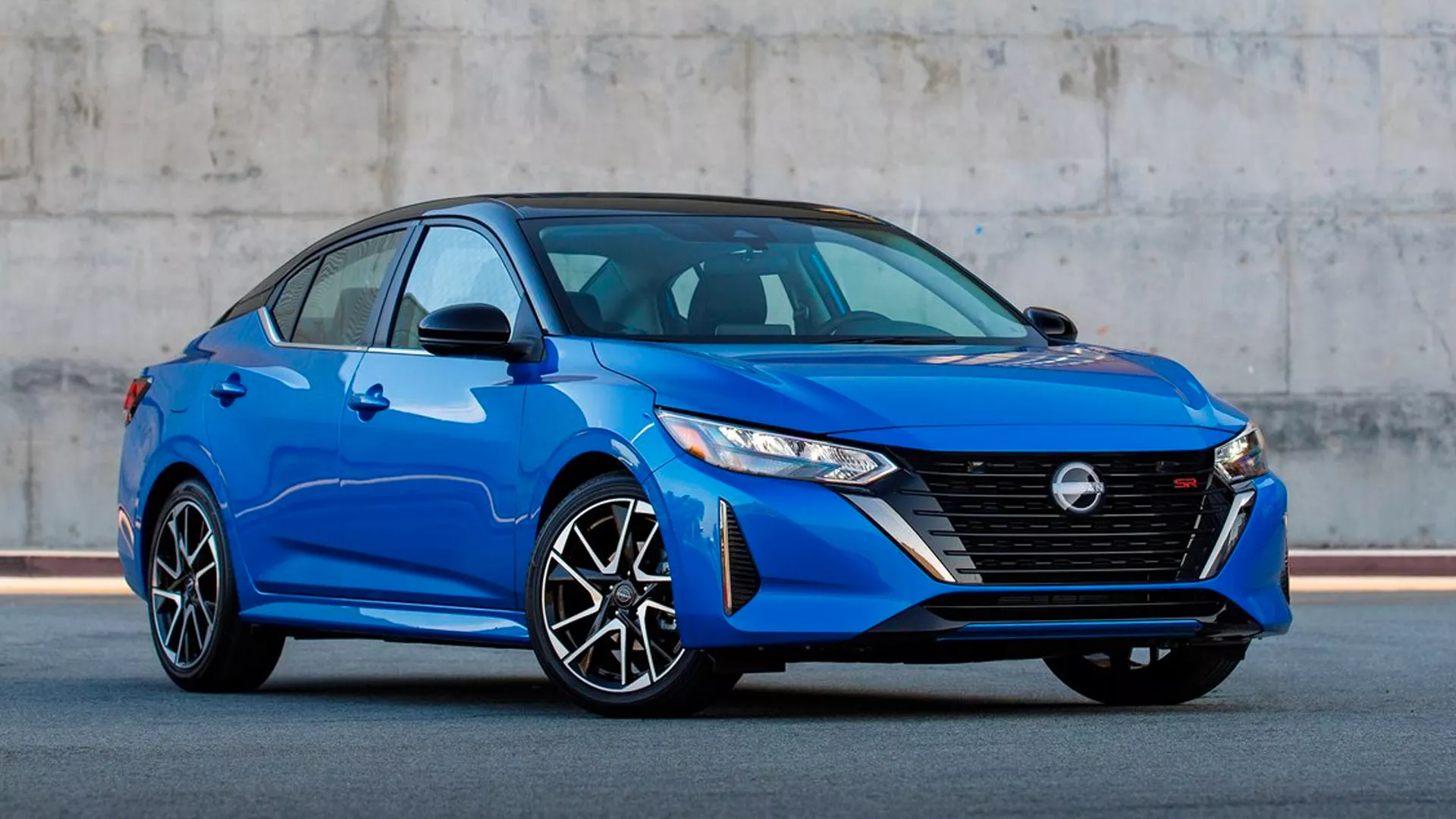
The Nissan Sentra is a C-segment passenger car manufactured by the Japanese automaker Nissan. It is undoubtedly one of Nissan's longest-running models, with its first generation dating back to 1982. The predecessor to the Sentra was the Datsun Sunny (B310). In different markets and eras, the Sentra has also been known by other names, such as Nissan Sunny, Nissan Tsuru, Nissan Sylphy, and Nissan Pulsar.
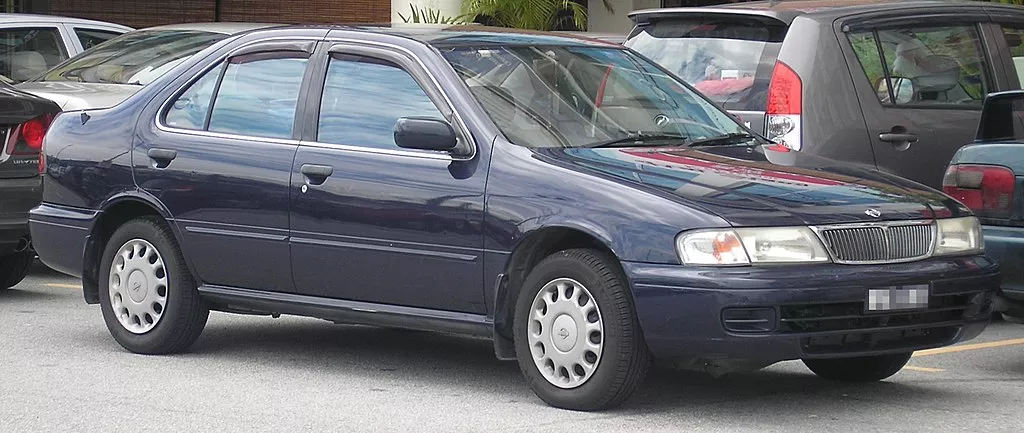
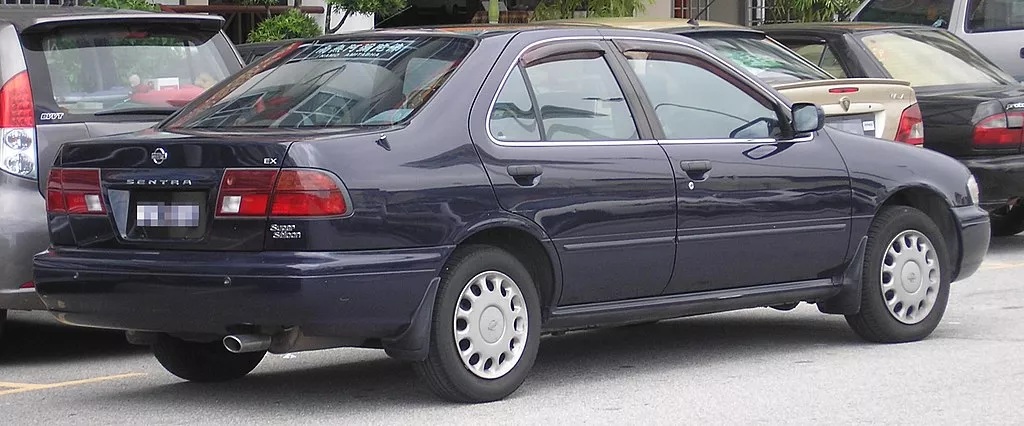
The fourth generation of the Sentra arrived in 1995 exclusively as a 4-door sedan. It was offered with 1.6-liter and 2.0-liter gasoline engines. Aesthetically, it was conservative, although it did feature significant improvements, such as the adoption of a torsion beam rear suspension.
This generation was very well received in the United States for its reliability, efficiency, and value for money. In 1997, it was the second best-selling import in the market.
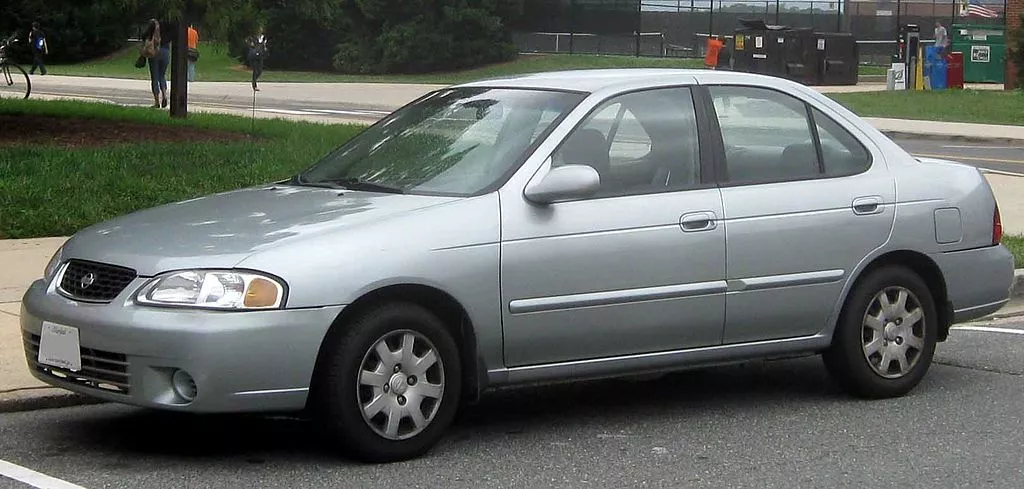
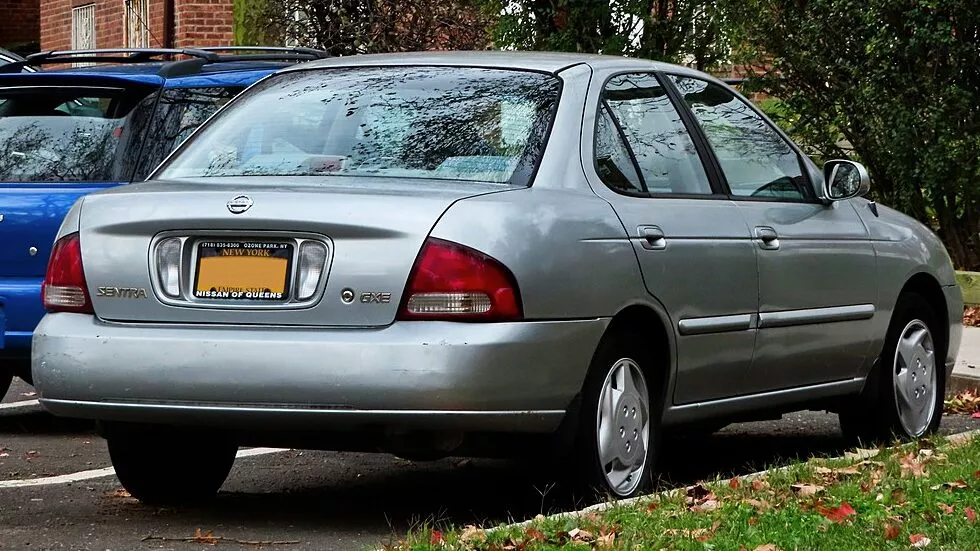
The fifth generation went on sale in the year 2000. It incorporated 1.8-liter, 2.0-liter, and 2.5-liter gasoline engines, with an upgraded version of the latter for the range-topping Spec V producing 175 hp. Relevant changes included the adoption of an independent multi-link rear suspension to improve comfort, and the addition of 6 airbags and ABS as safety features.
Aesthetically, this generation presented a more elegant and sporty image than its predecessor, prioritizing functionality, space, and material quality in the interior.
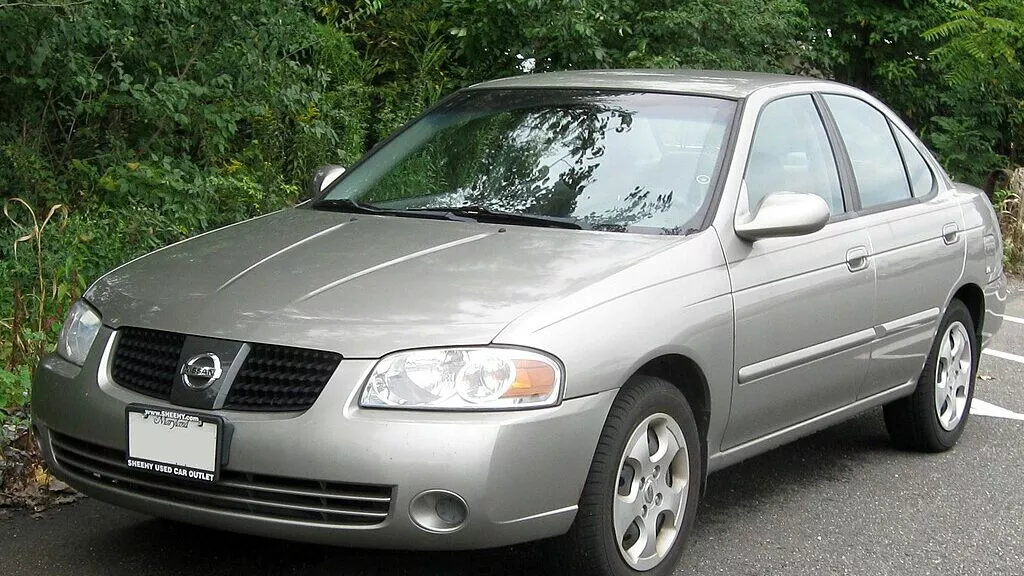
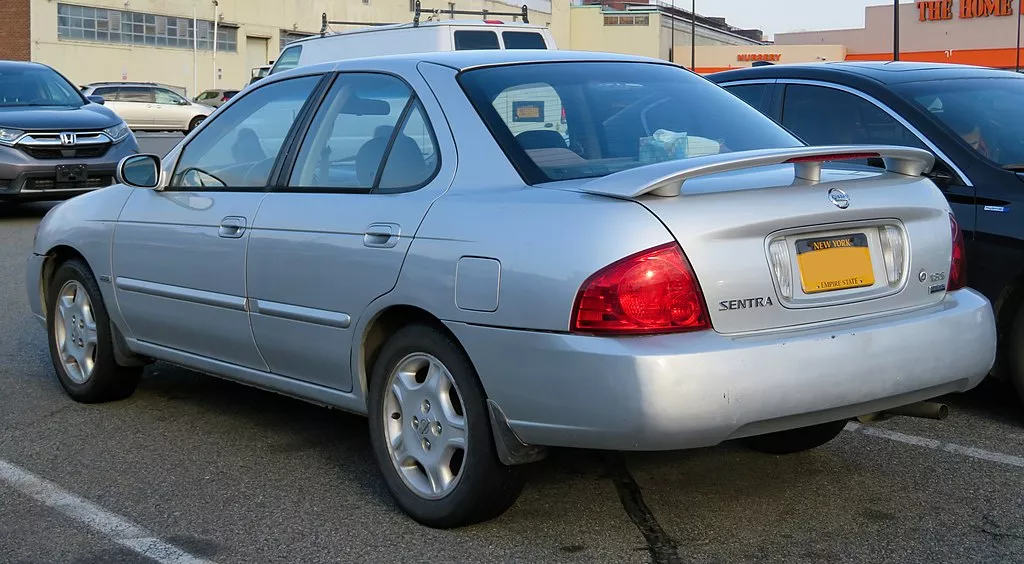
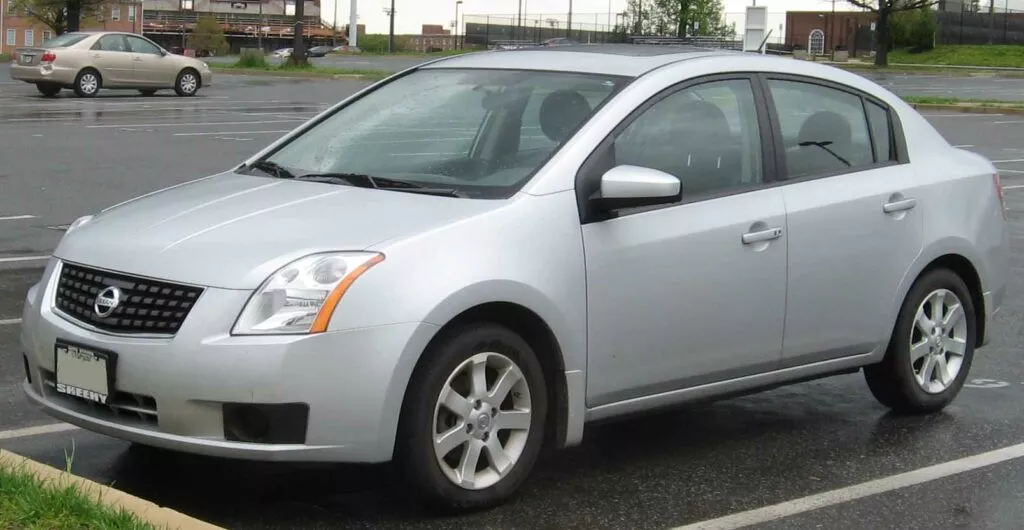
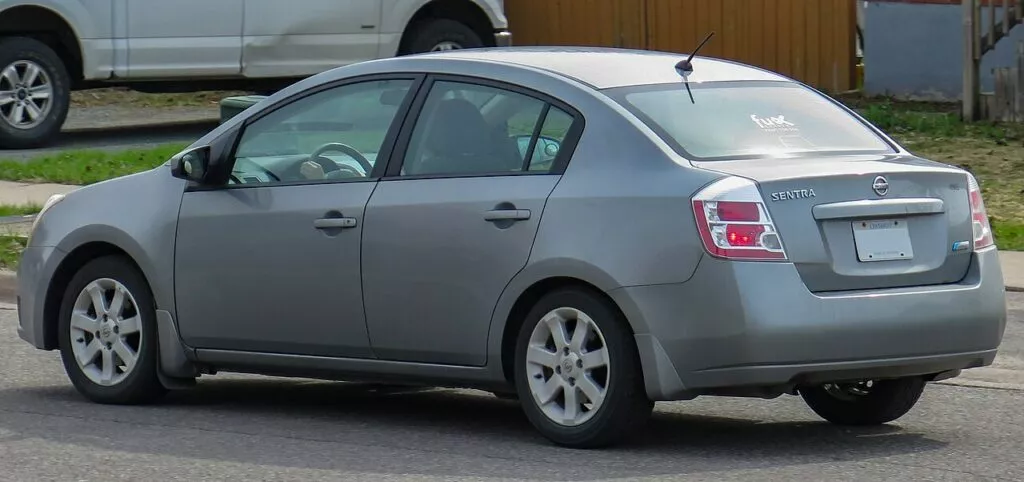
The sixth-generation model arrived in 2006 and also marked a shift in Nissan's North American lineup, with the Versa replacing the Sentra as the entry-level model. Based on the Renault-Nissan Alliance C platform, the Sentra is powered by a 2.0-liter gasoline engine producing 140 hp, mated to a 6-speed manual transmission or a continuously variable transmission (CVT).
In 2010, this model received a mid-cycle refresh, featuring aesthetic changes such as a new Altima-inspired grille and slightly redesigned headlights.
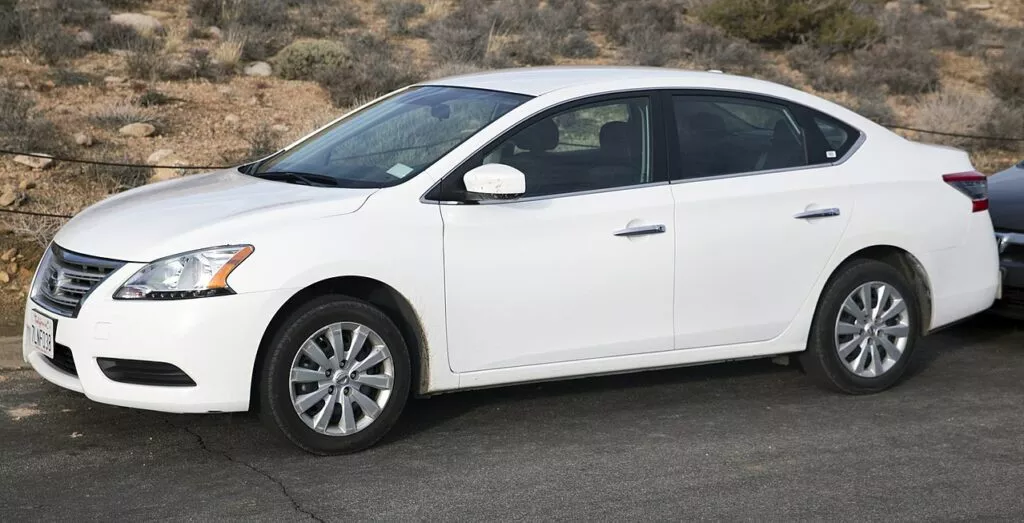
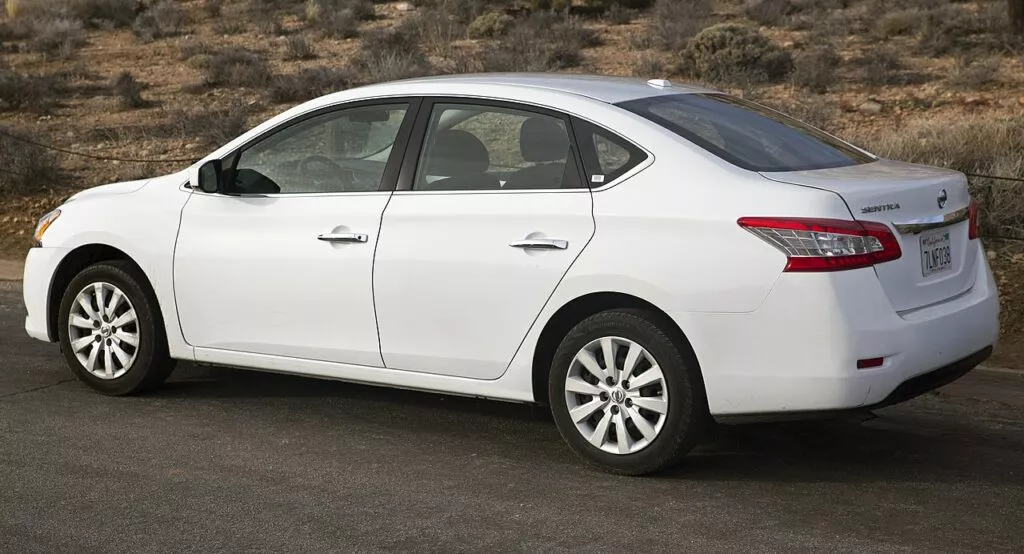
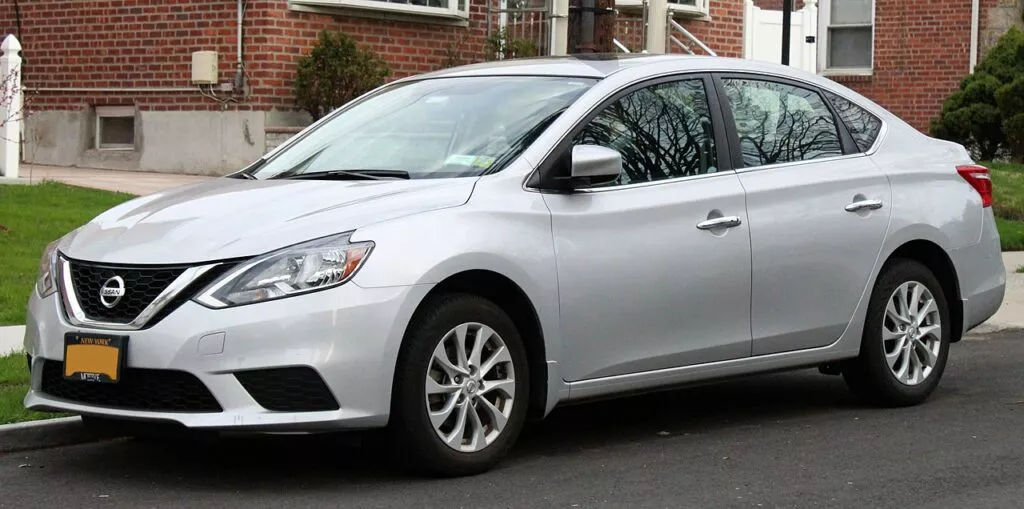
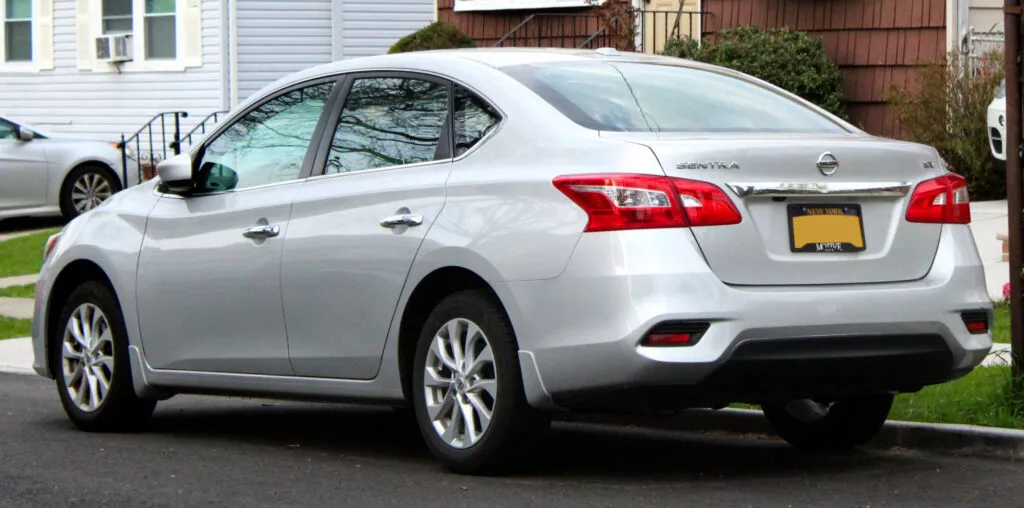
The seventh generation was built on the Nissan V platform and was characterized by its aerodynamic design and premium features. It offered generous interior space and a class-leading trunk. In terms of engines, the Sentra B17 featured gasoline engine options that included a 1.6 (naturally aspirated and turbo), a 1.8, and a 2.0 (the latter for Brazil and ethanol-compatible). There was also a 1.5 Renault diesel option. Available transmissions included 5- and 6-speed manuals, 5- and 6-speed automatics, and the continuously variable transmission (CVT).
In 2016, the Sentra received a redesign that brought it more closely in line with the styling of Nissan's larger sedans, the Maxima and the Altima. Additionally, in 2017, two new trims were added: SR Turbo and NISMO, both featuring the 188 hp MR16DDT turbocharged engine.
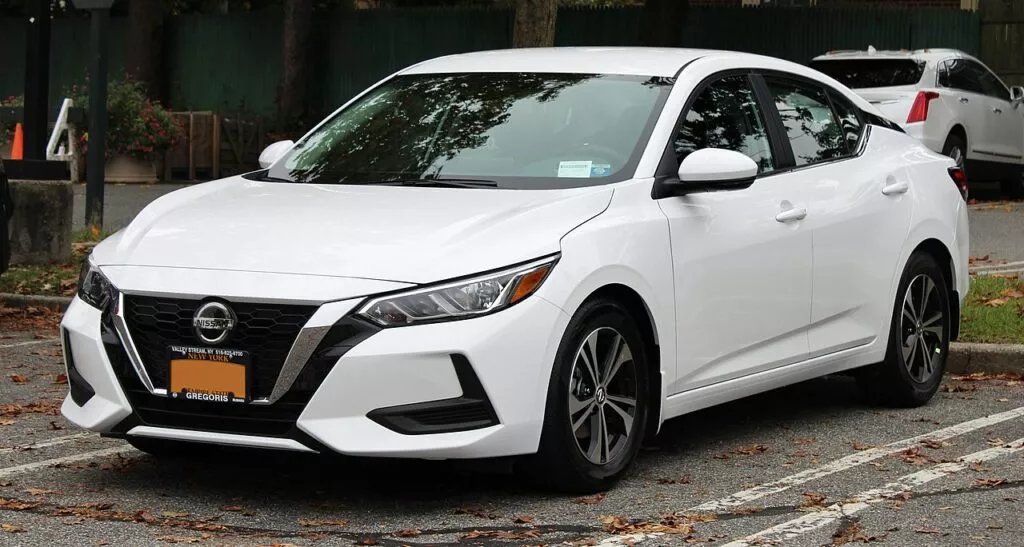
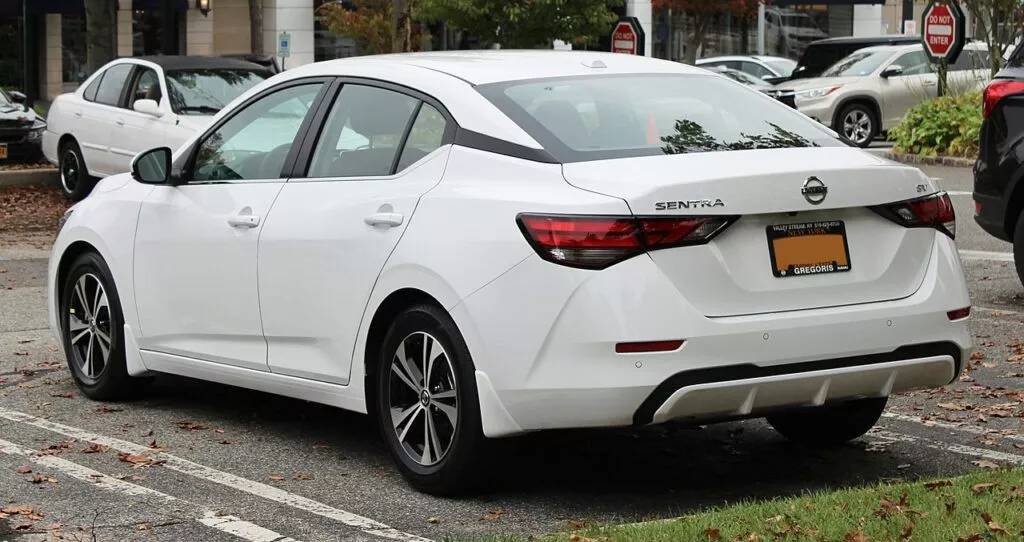
The eighth and current generation of this sedan was introduced in 2019 and went on sale in early 2020. It is built on the Renault-Nissan CMF-CD platform and offers a 2.0-liter gasoline engine paired with an Xtronic continuously variable transmission (CVT). The model was lightly updated in 2023. In China and Taiwan, where it is sold as the Nissan Sylphy, a simpler torsion beam suspension was chosen, and a different CVT7 WR transmission is used instead of the Sentra's CVT8. Furthermore, the Sylphy e-Power was launched in China in September 2021 with a thorough redesign of the front end and dashboard.
The Nissan Sentra has had a total of 8 generations. Currently, some of its alternatives include the Mazda 3 sedan, the Hyundai Elantra, the Volkswagen Jetta, the Toyota Corolla Sedan, and the Honda Civic Sedan, among many others.
#4NISSAN SENTRA - Generation IV(1995)B14
SedánB14
#5NISSAN SENTRA - Generation V(2000)B15
SedánB15
#6NISSAN SENTRA - Generation VI(2006)B16
SedánB16
#7NISSAN SENTRA - Generation VII(2012)B17
SedánB17
#8NISSAN SENTRA - Generation VIII(2019)B18
SedánB18
View more models from NISSAN
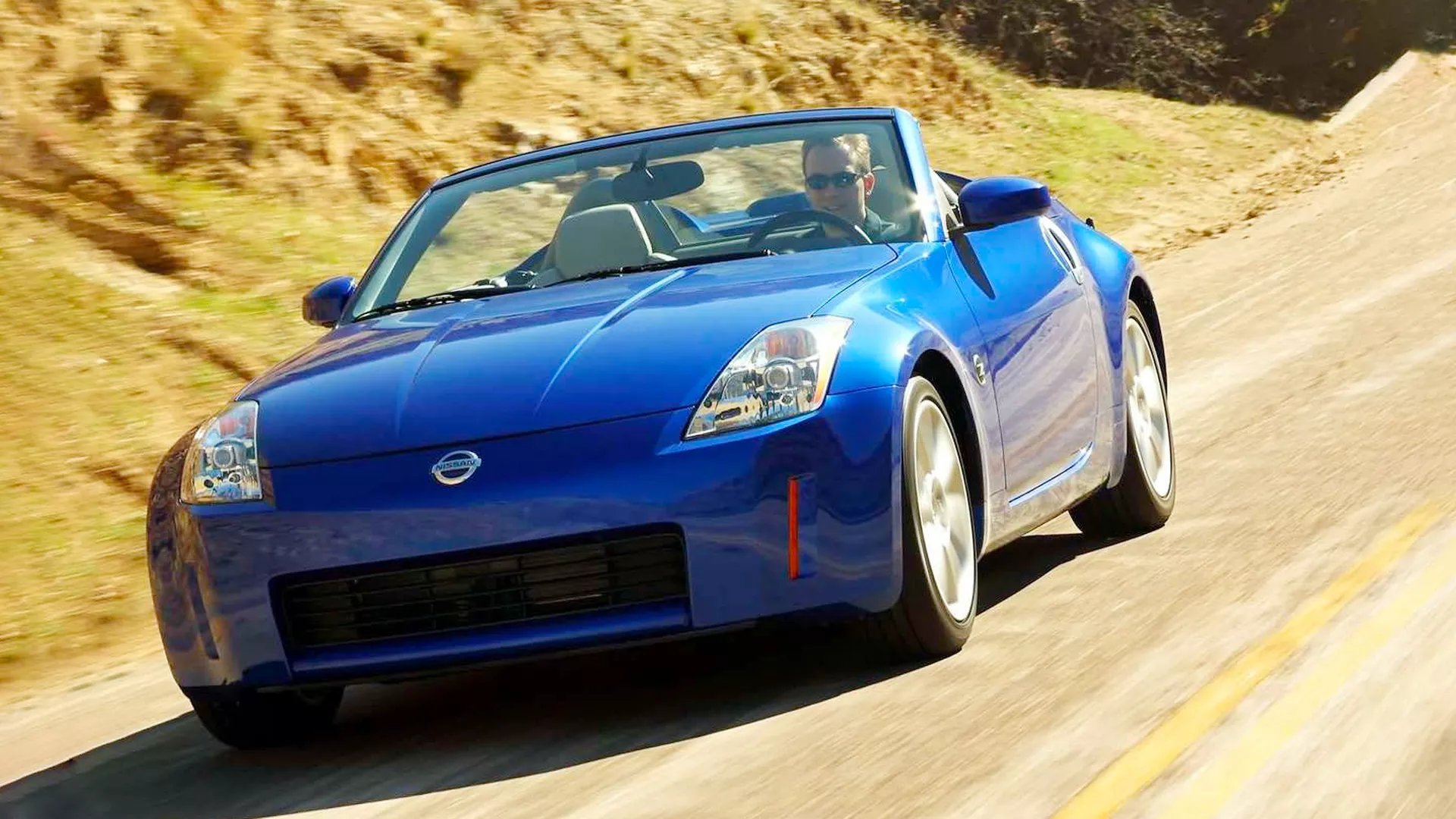 NISSAN
350Z
View model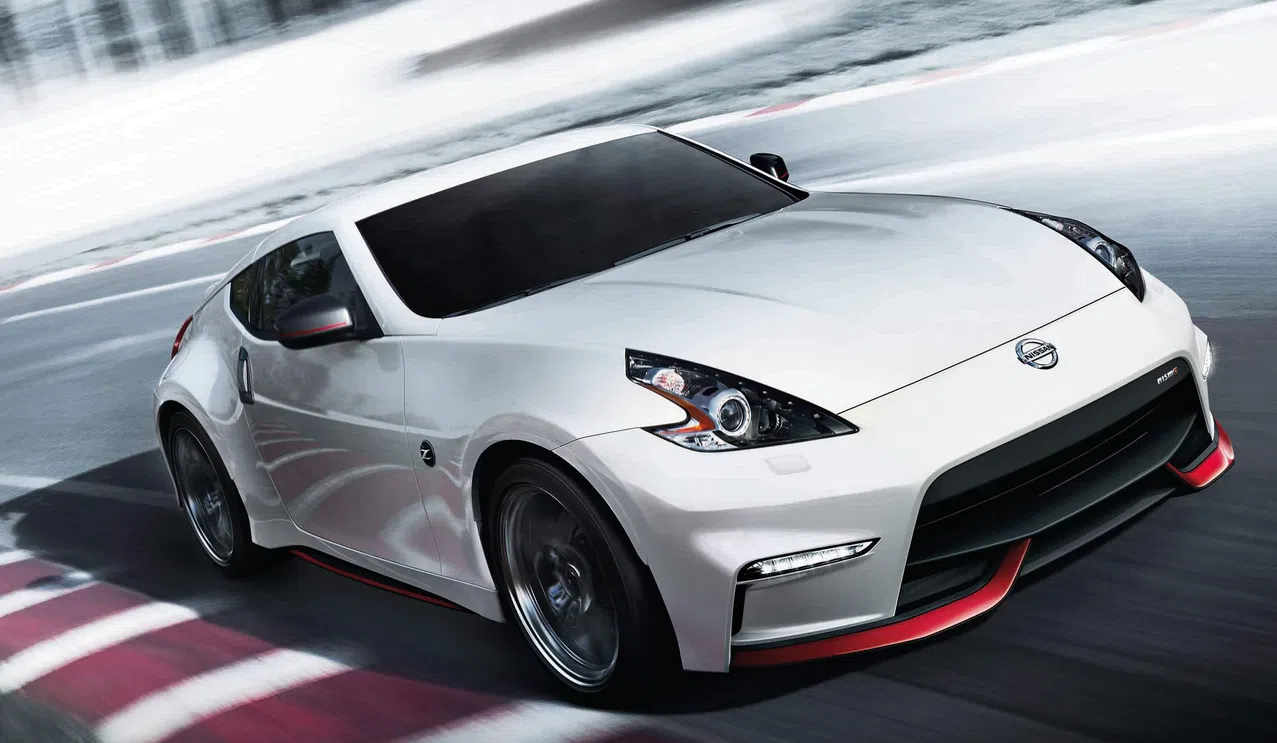 NISSAN
370Z
View model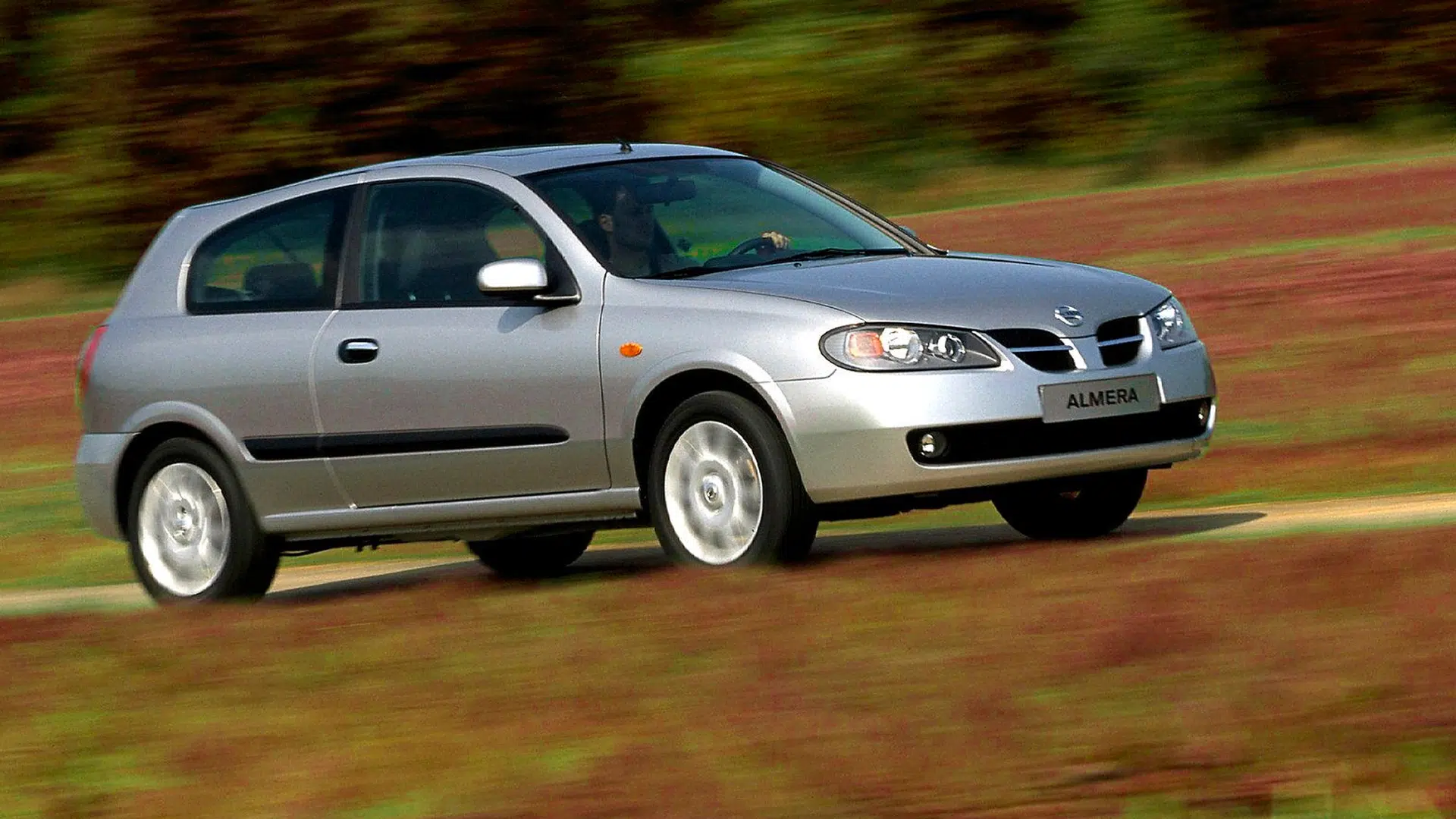 NISSAN
Almera
View model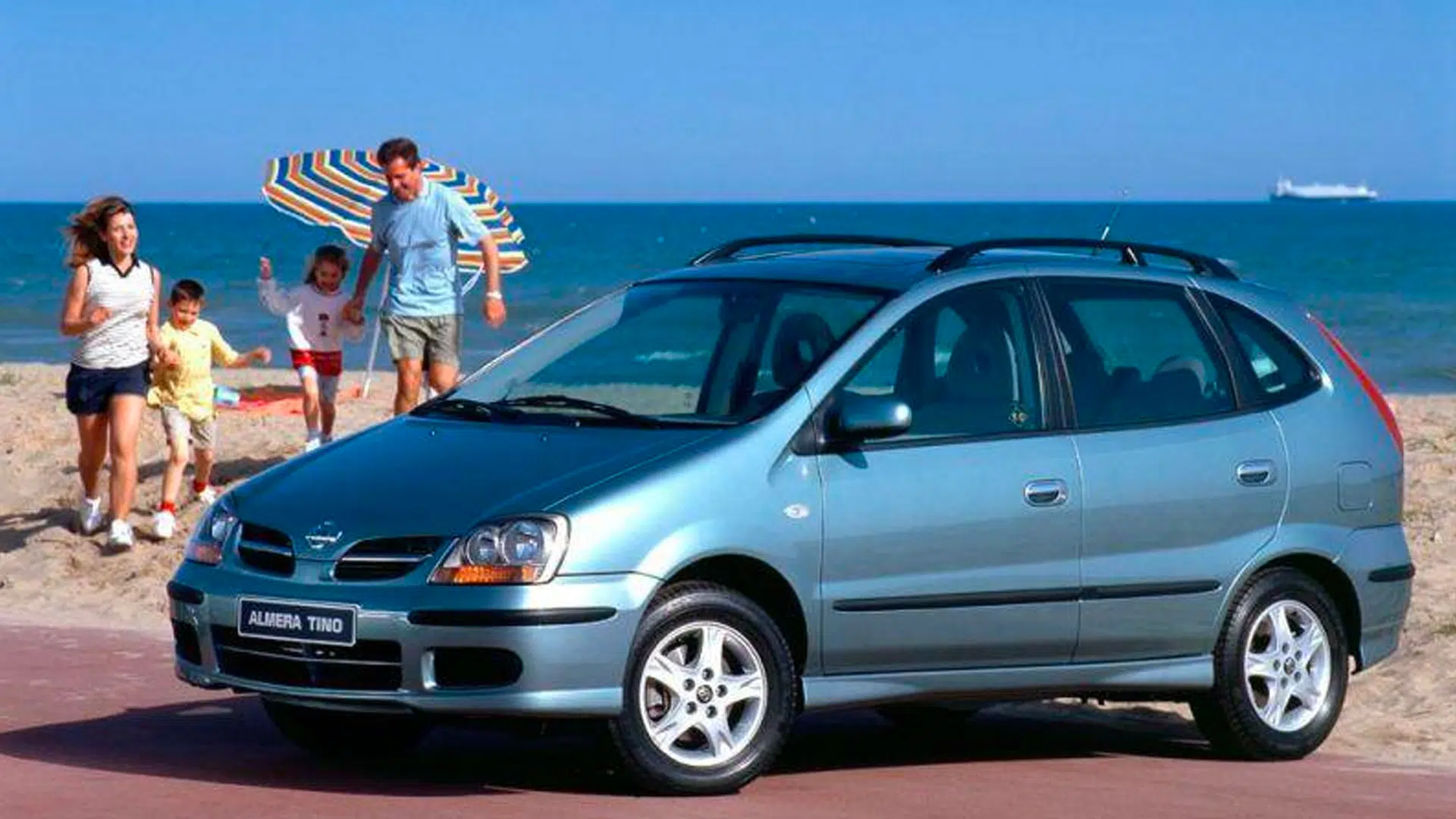 NISSAN
ALMERA TINO
View model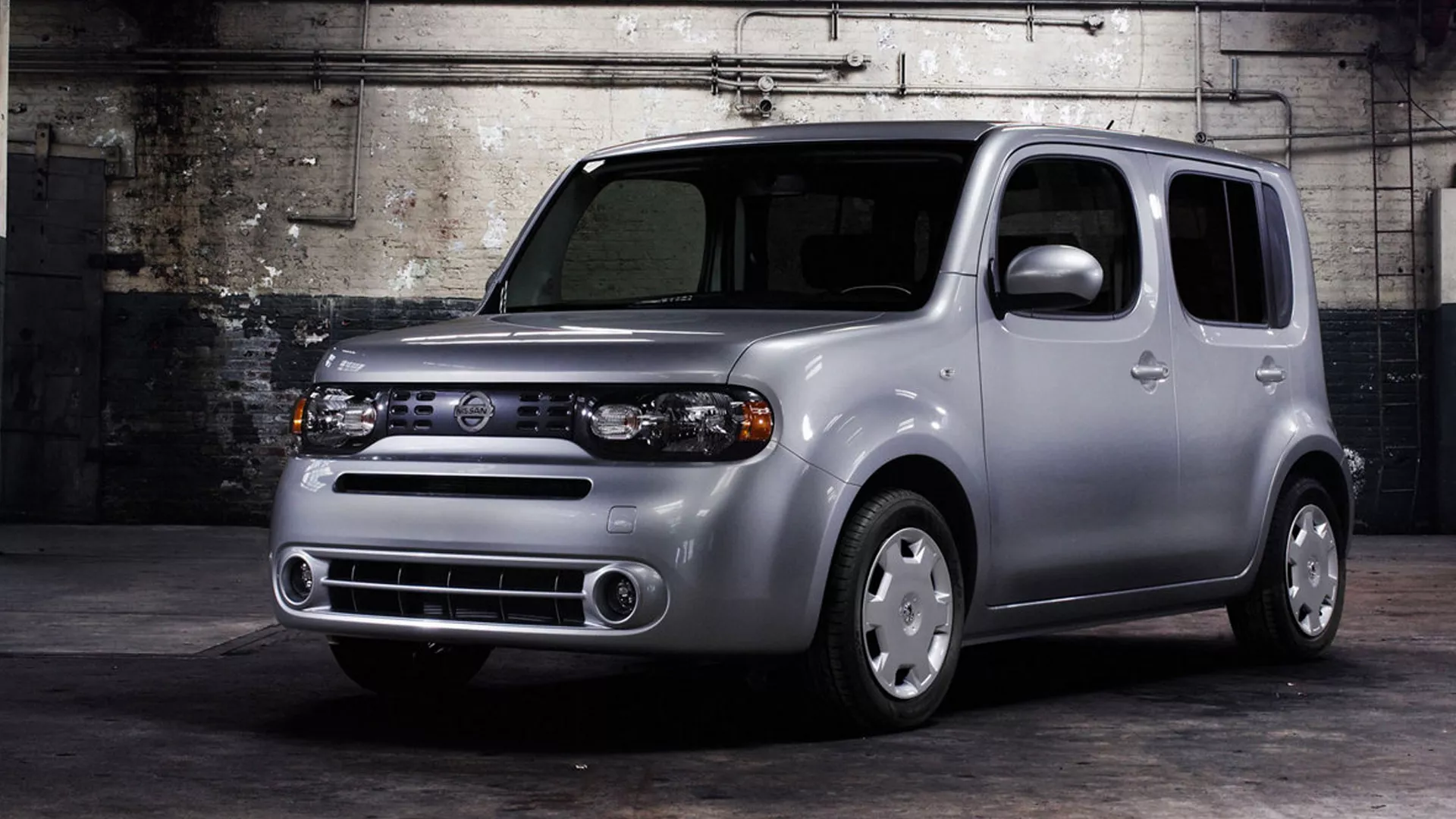 NISSAN
CUBE
View model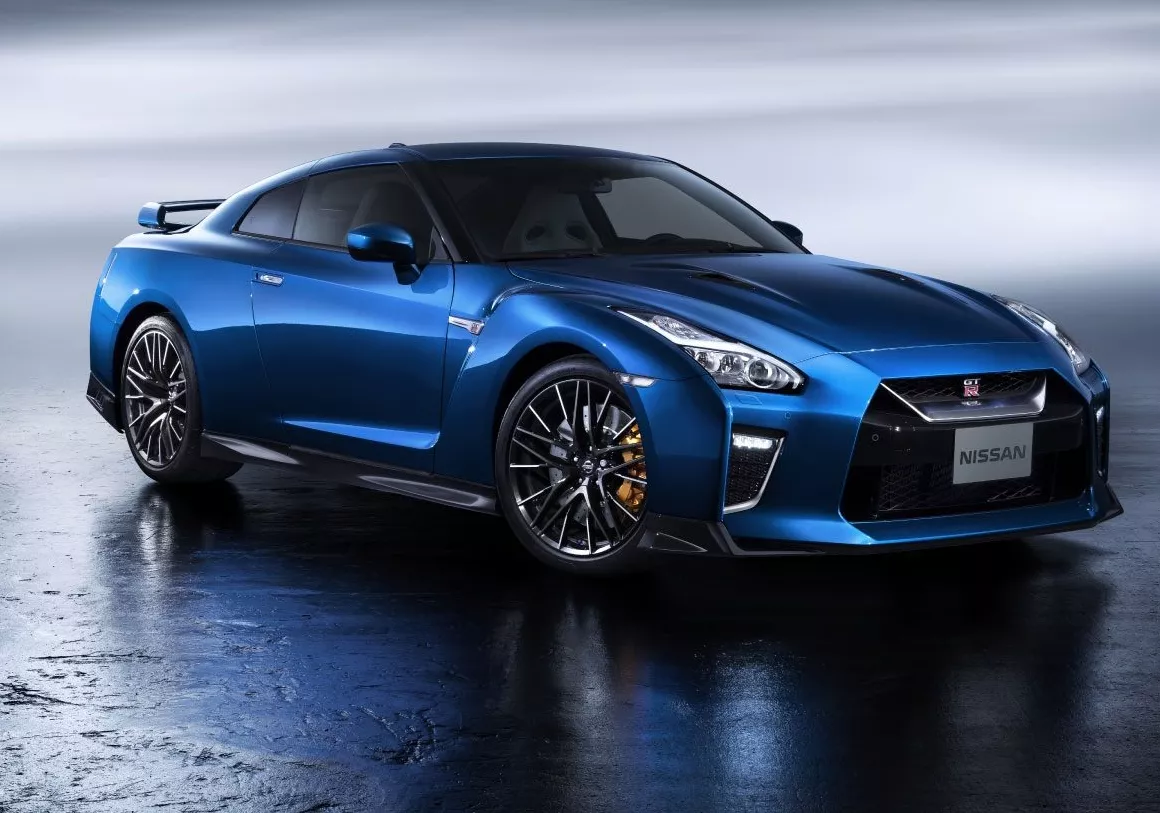 NISSAN
GT-R
View model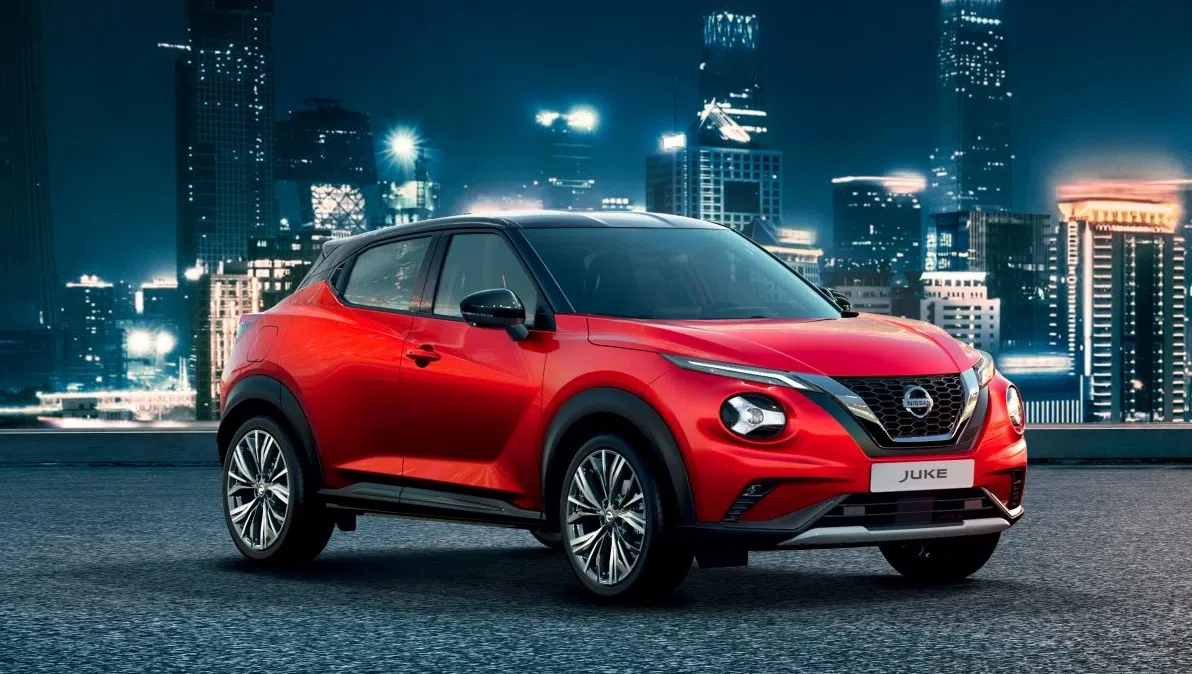 NISSAN
JUKE
View model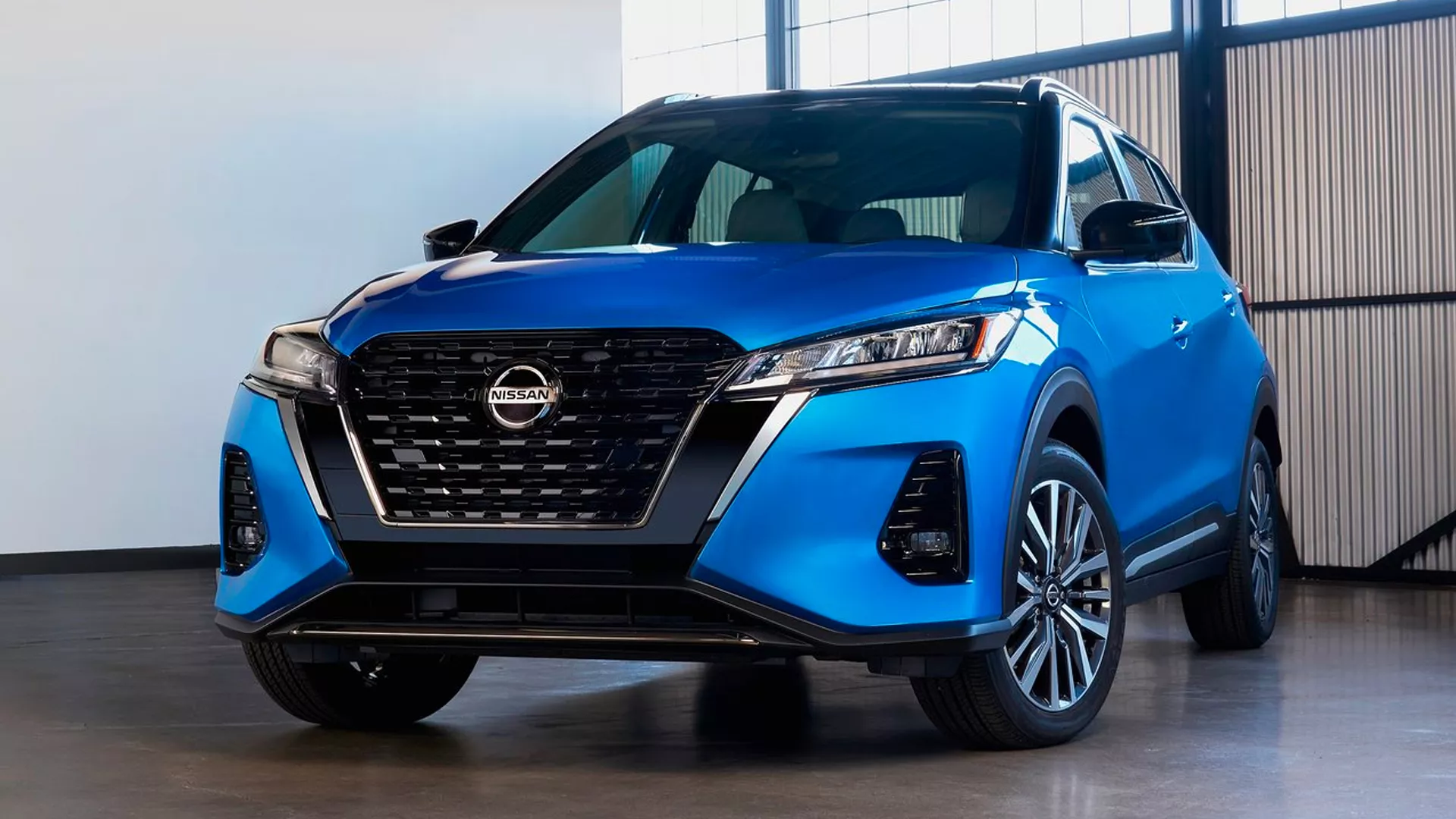 NISSAN
KICKS
View model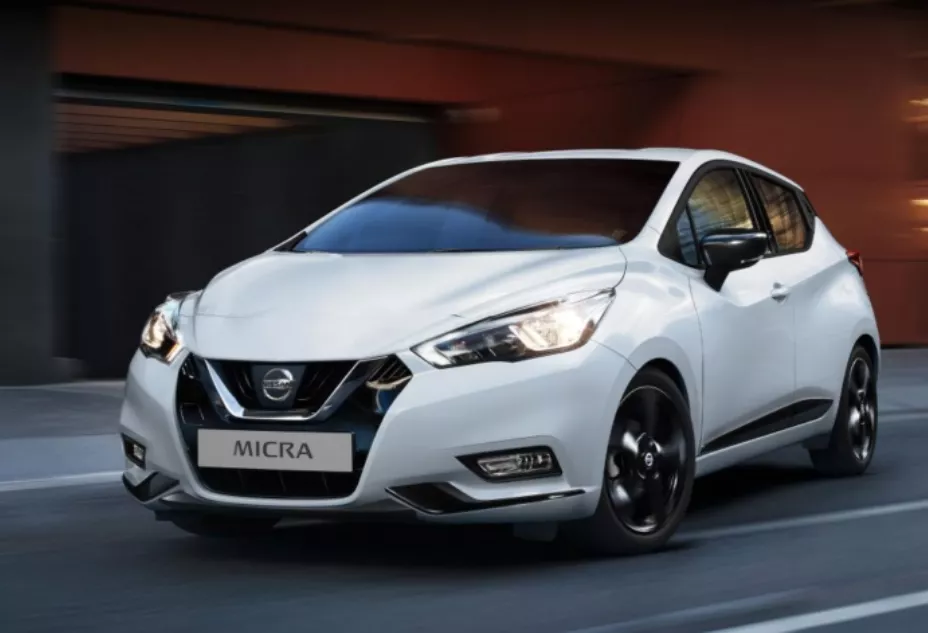 NISSAN
MICRA / MARCH
View model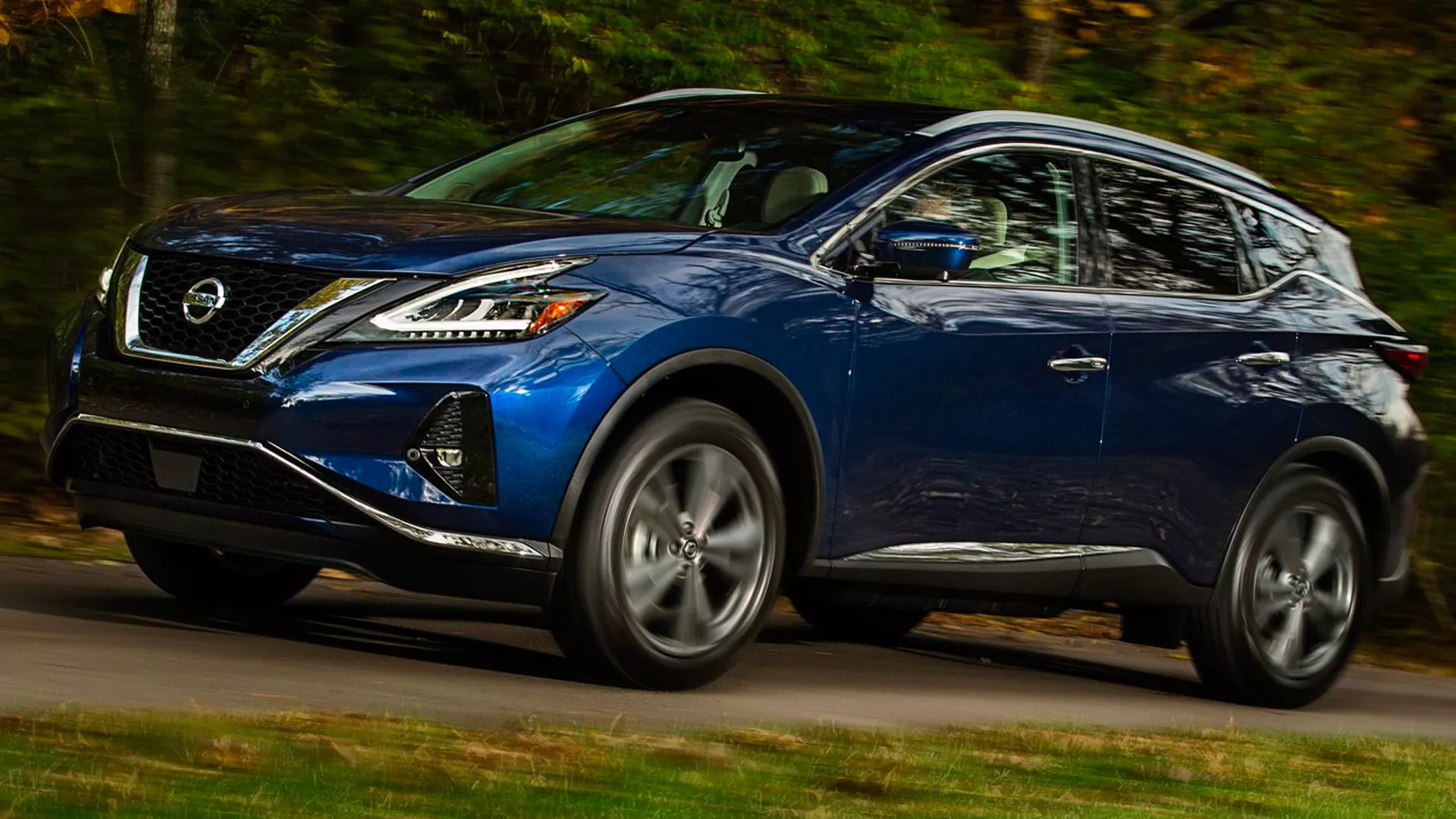 NISSAN
MURANO
View model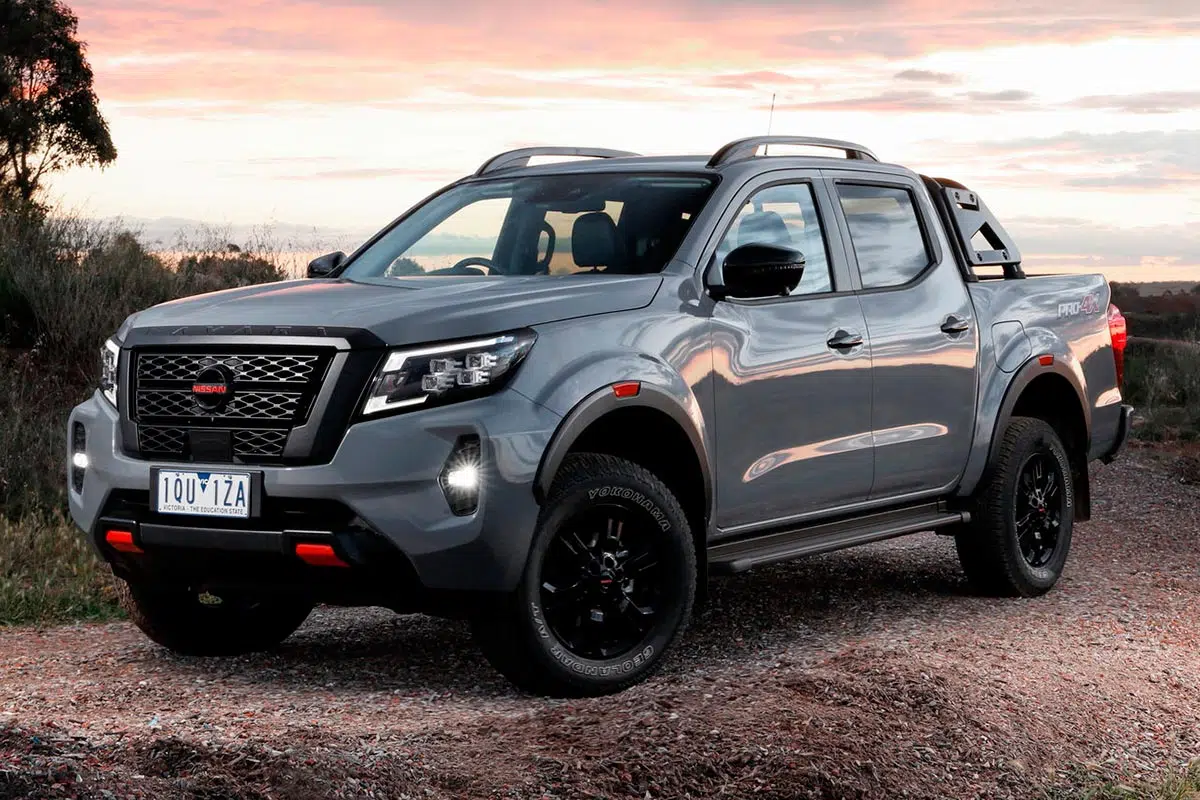 NISSAN
NAVARA
View model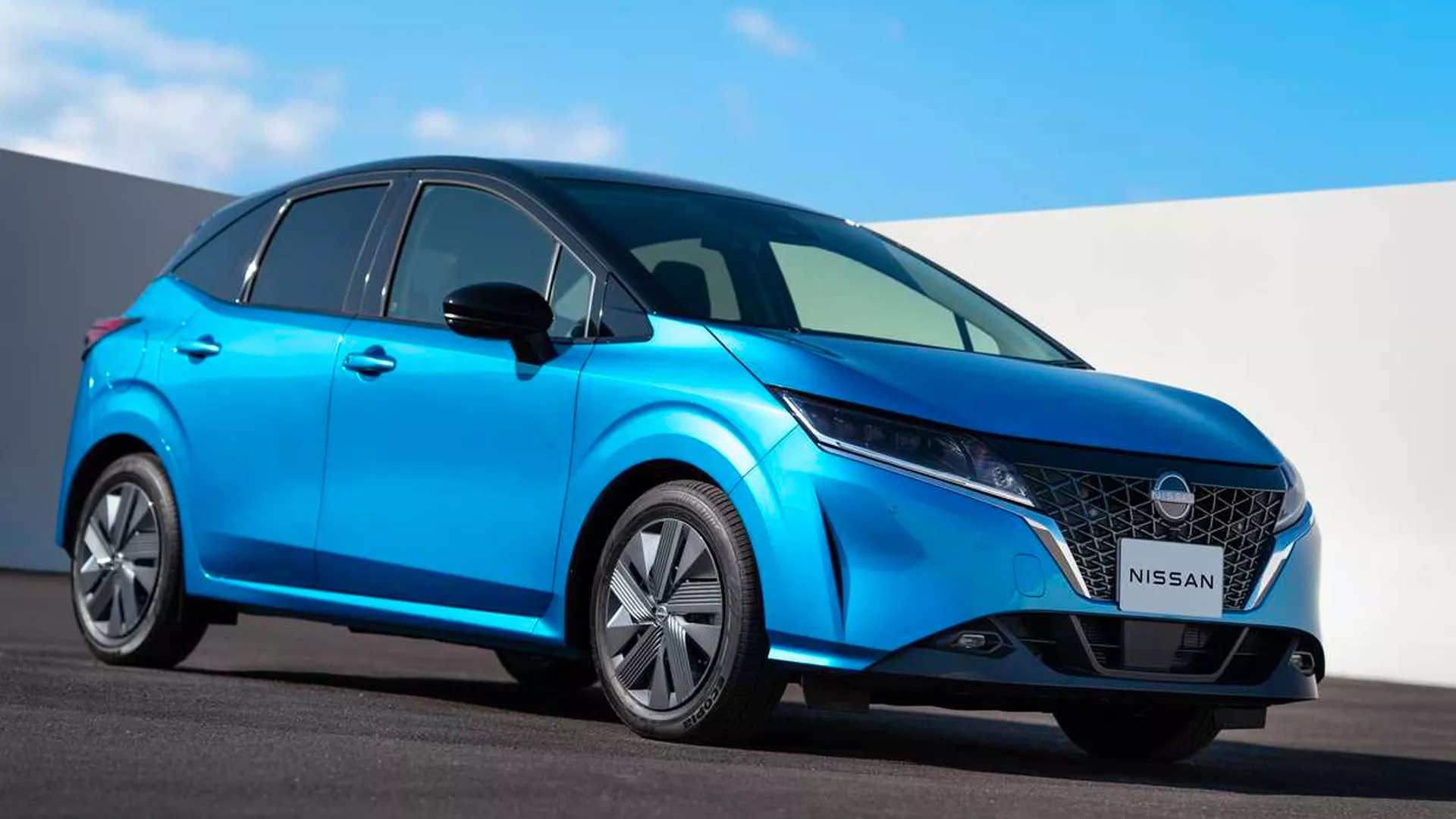 NISSAN
NOTE
View model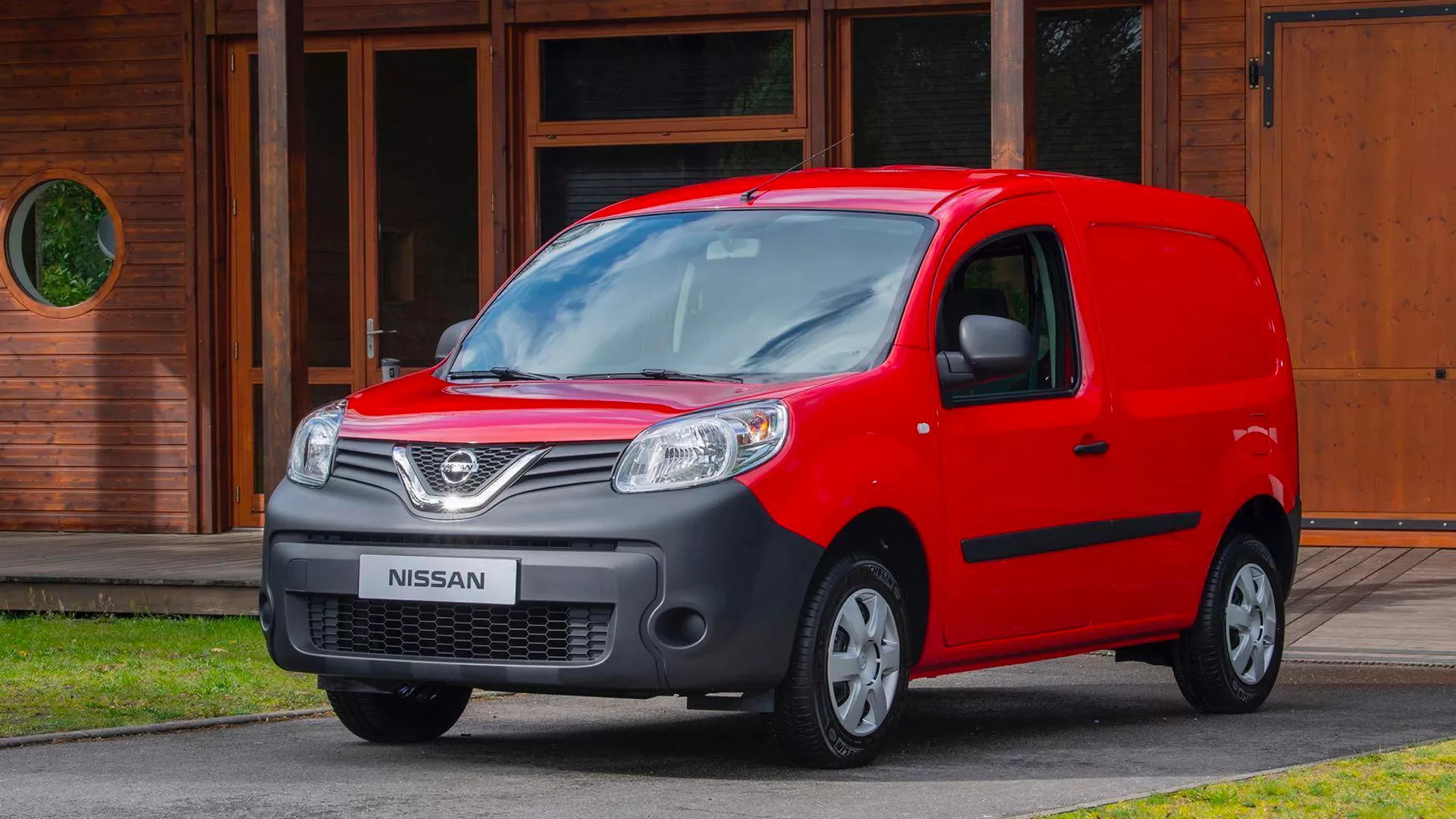 NISSAN
NV250
View model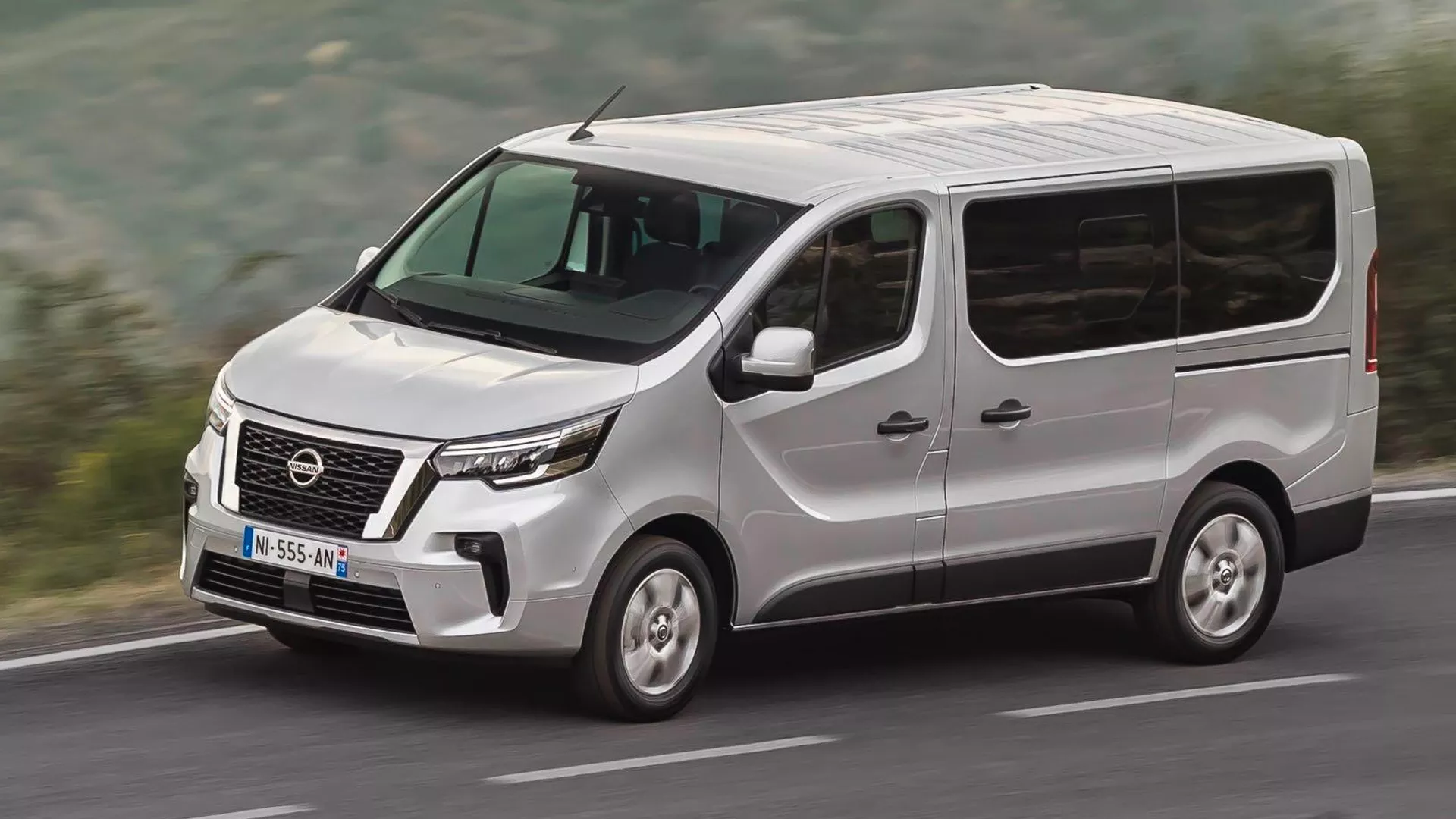 NISSAN
NV300
View model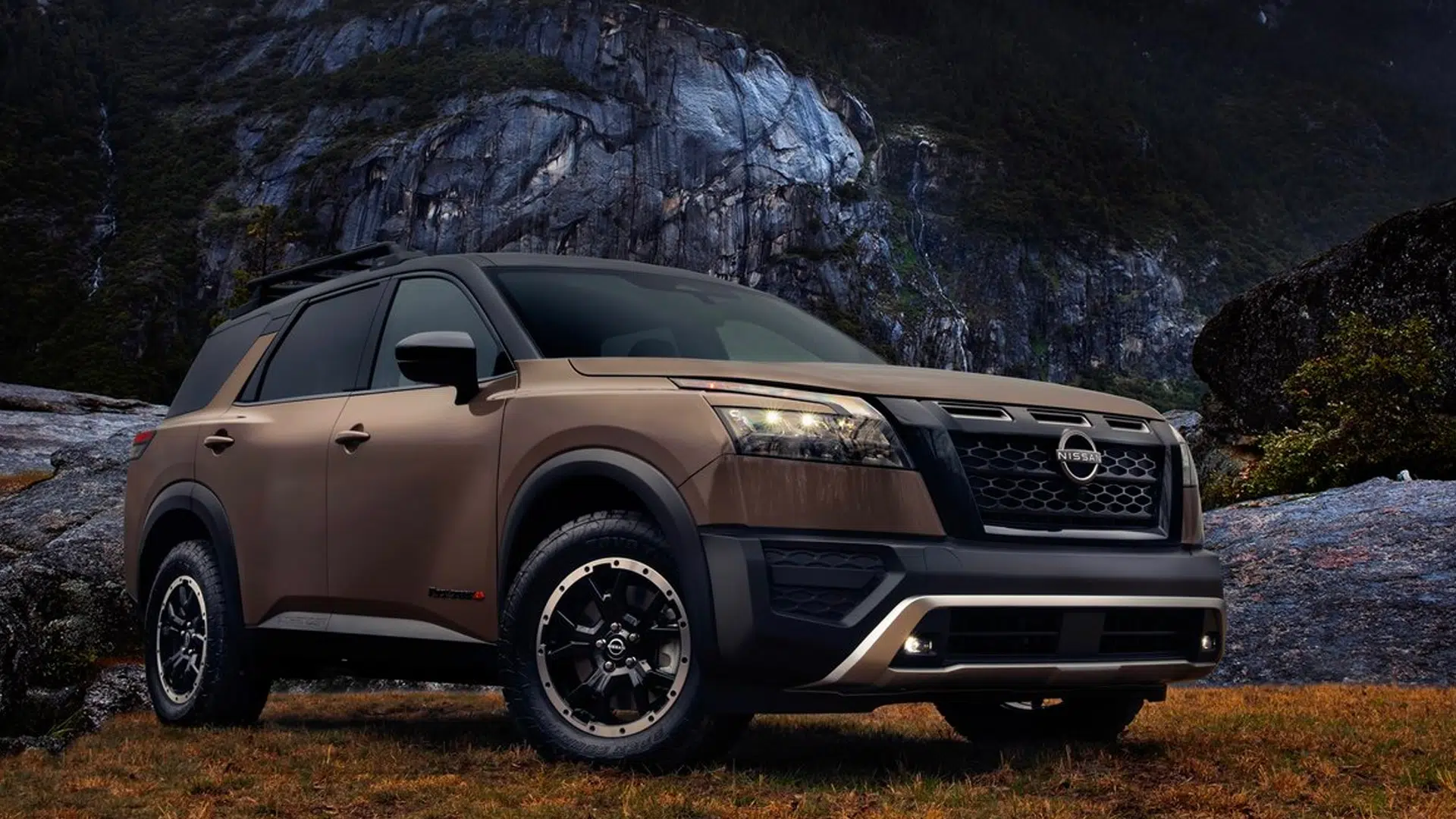 NISSAN
PATHFINDER
View model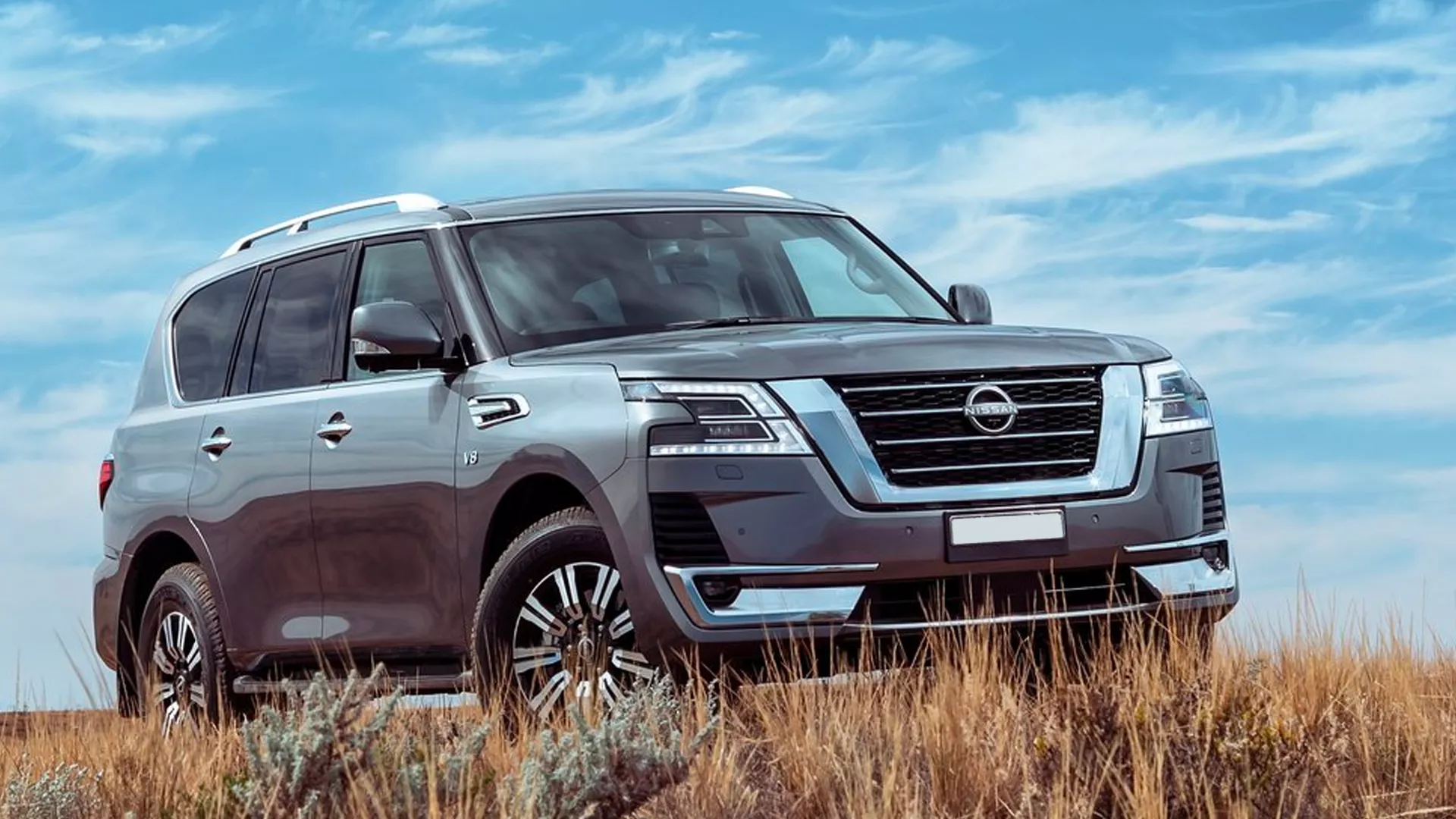 NISSAN
PATROL
View model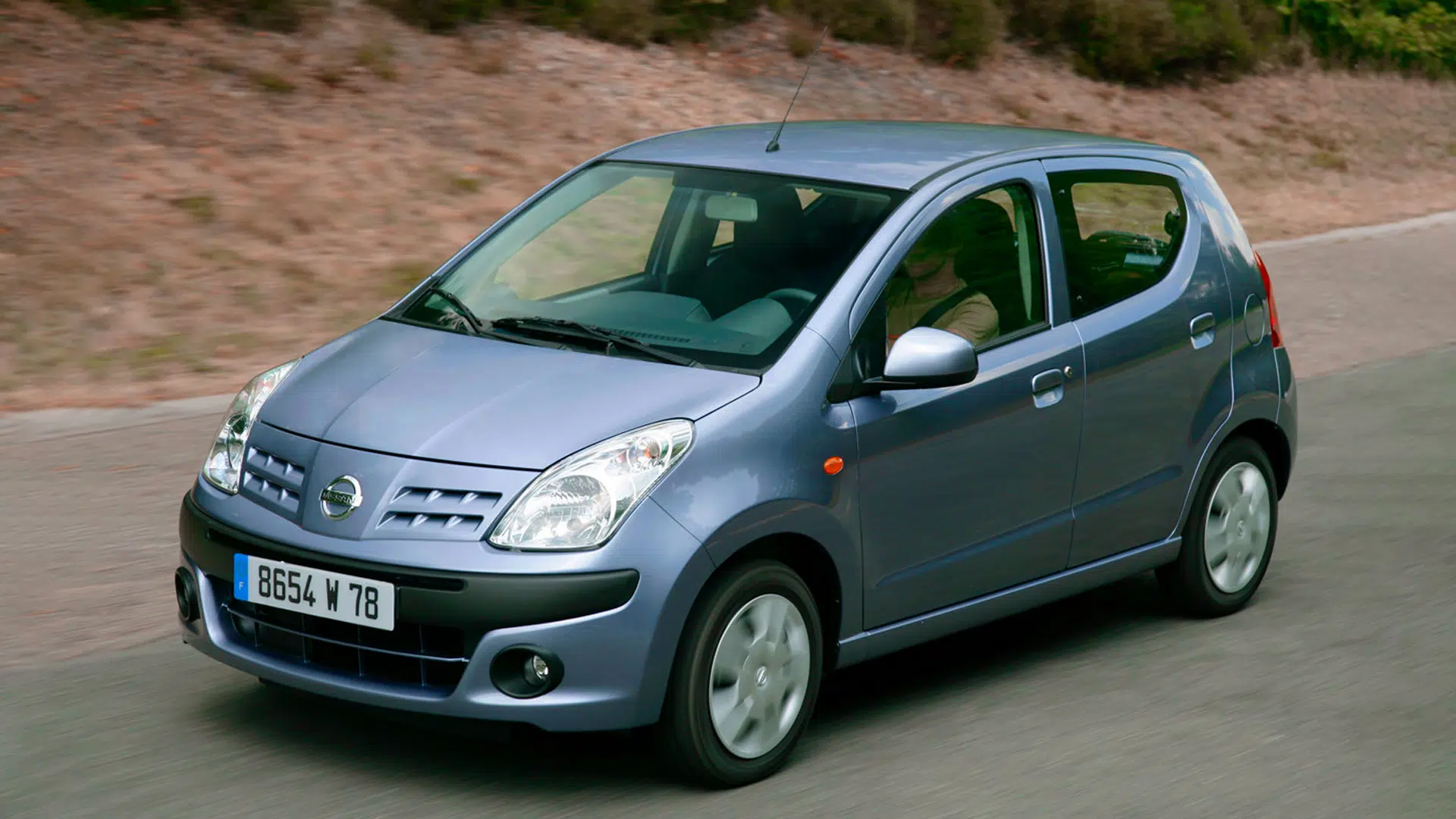 NISSAN
PIXO
View model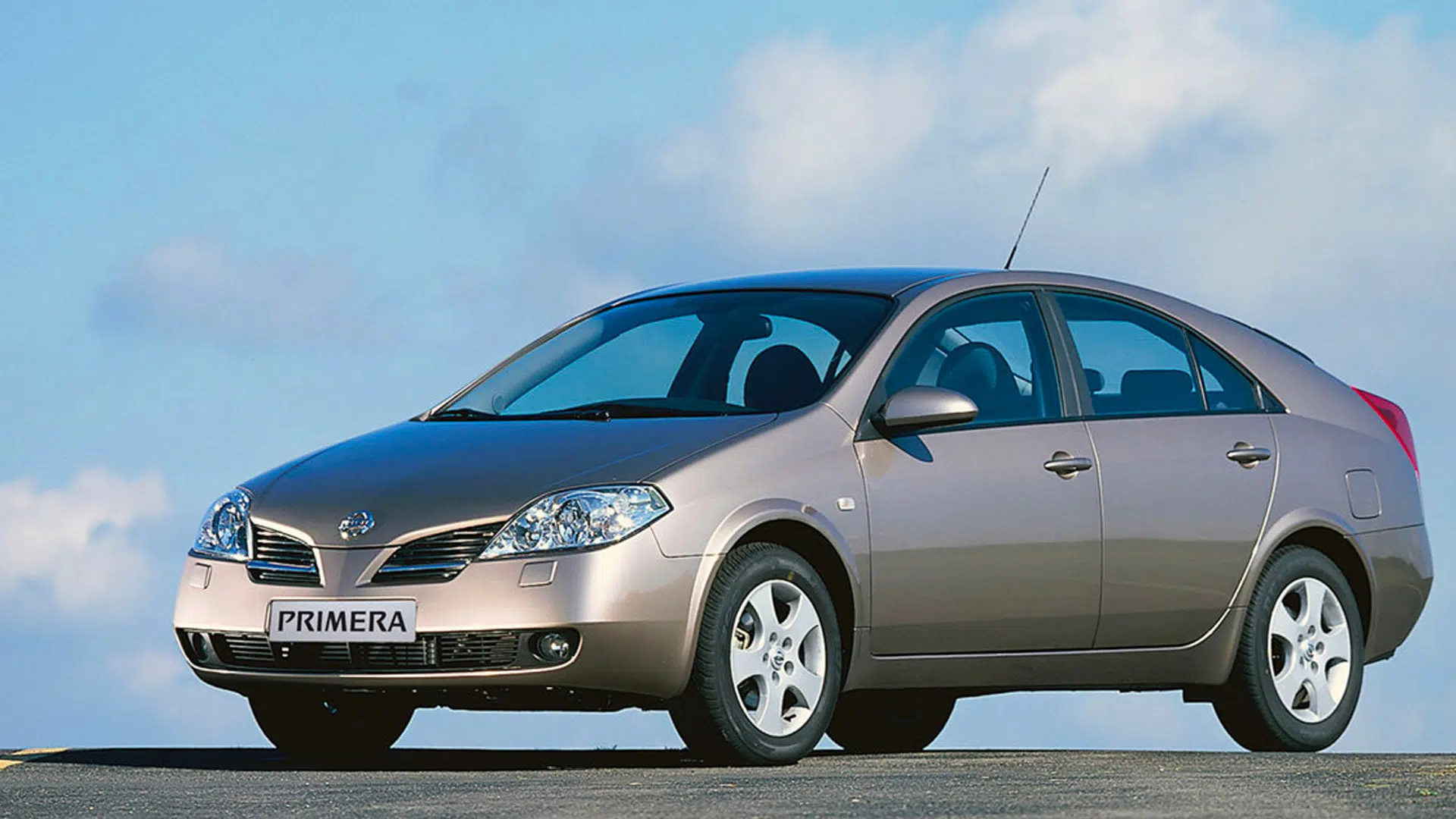 NISSAN
PRIMERA
View model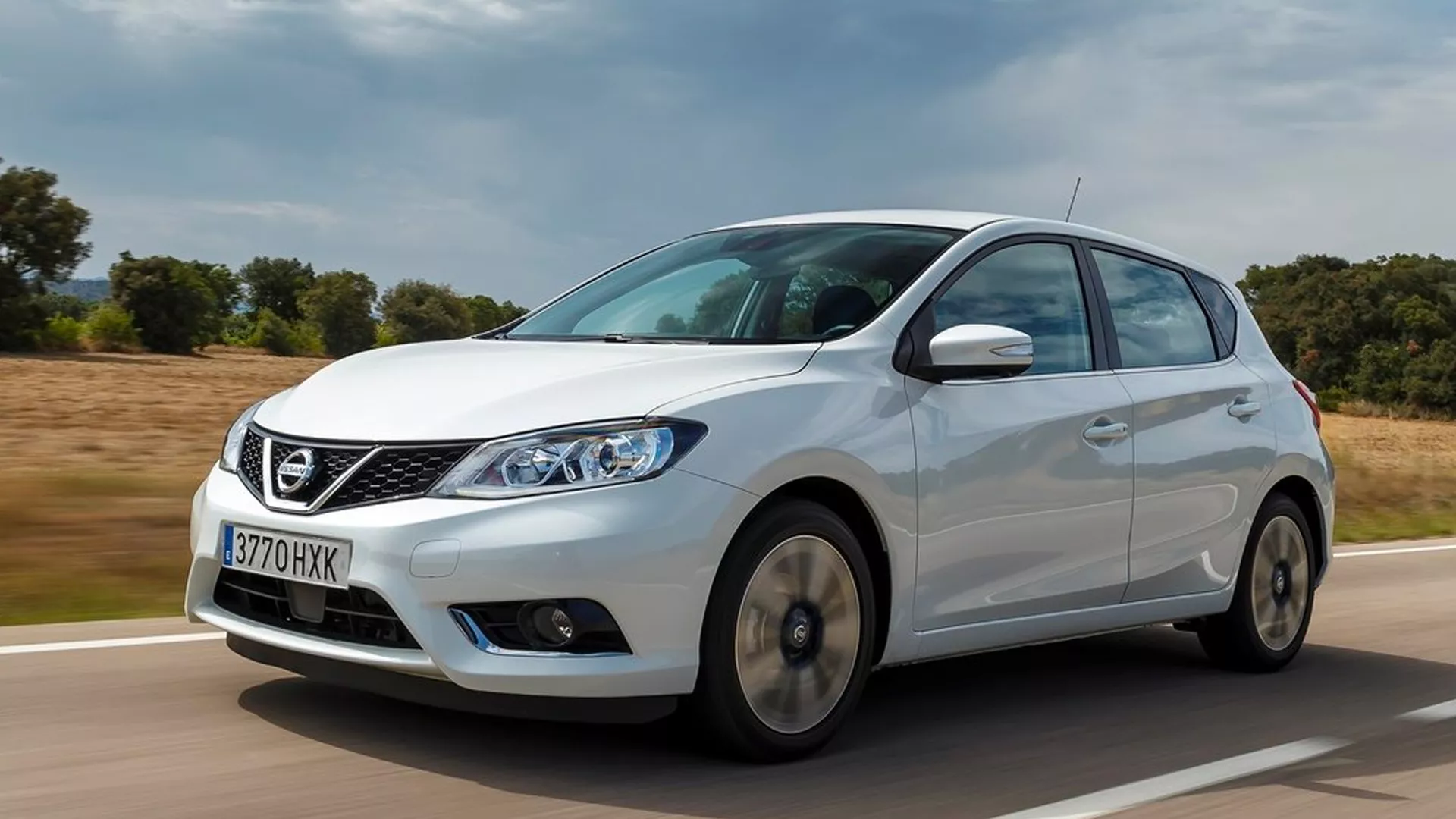 NISSAN
PULSAR
View model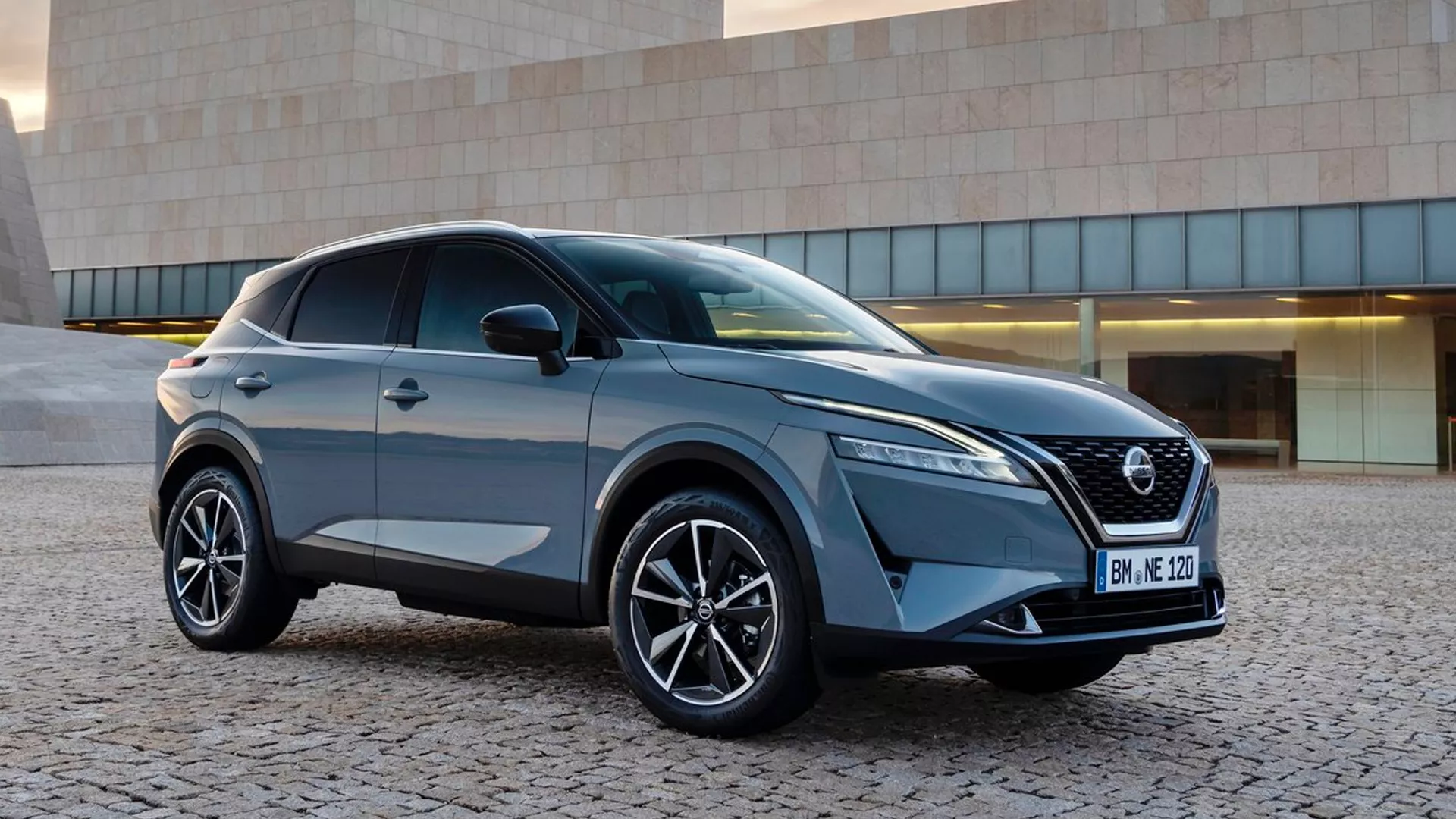 NISSAN
QASHQAI
View model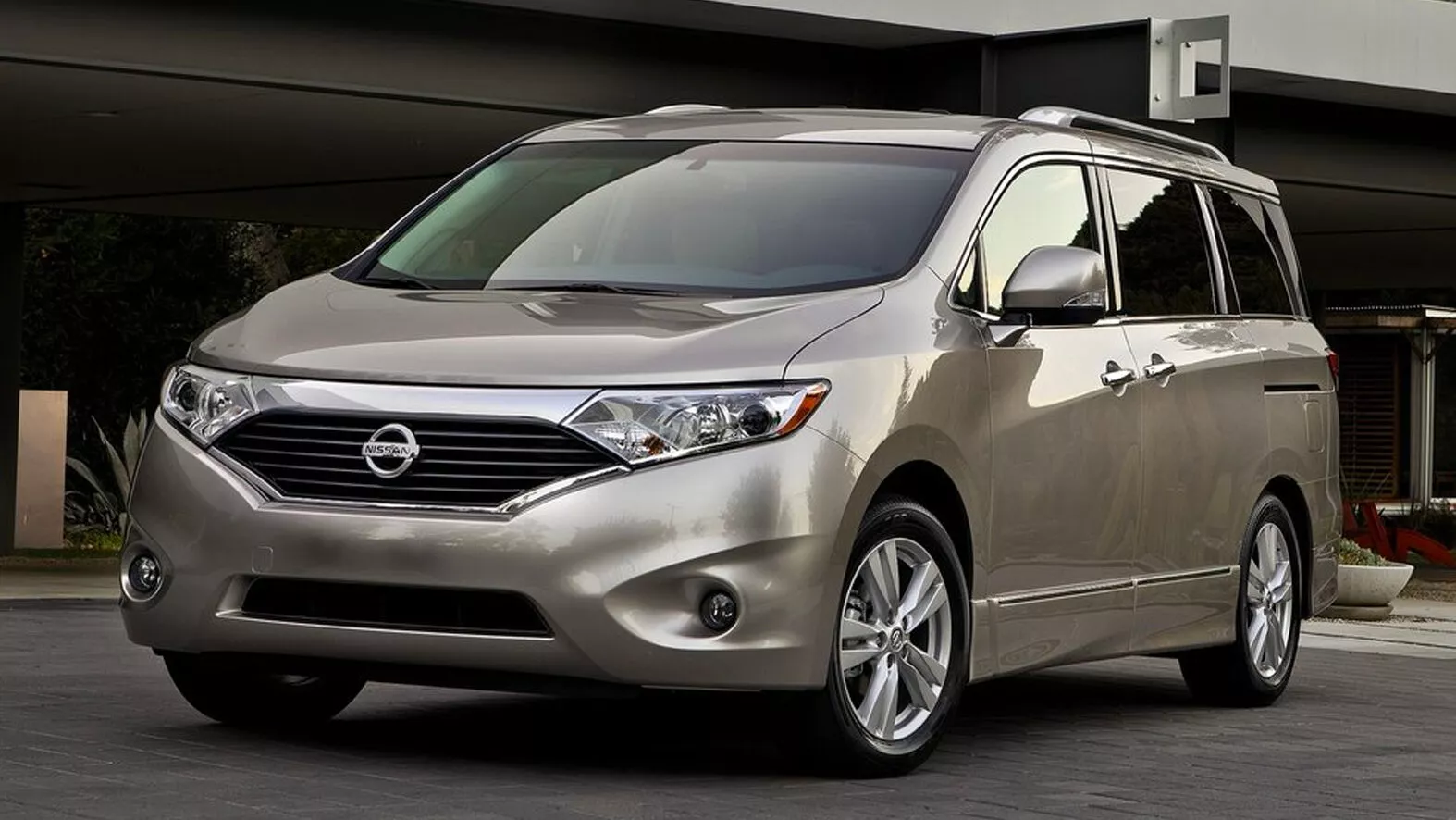 NISSAN
QUEST
View model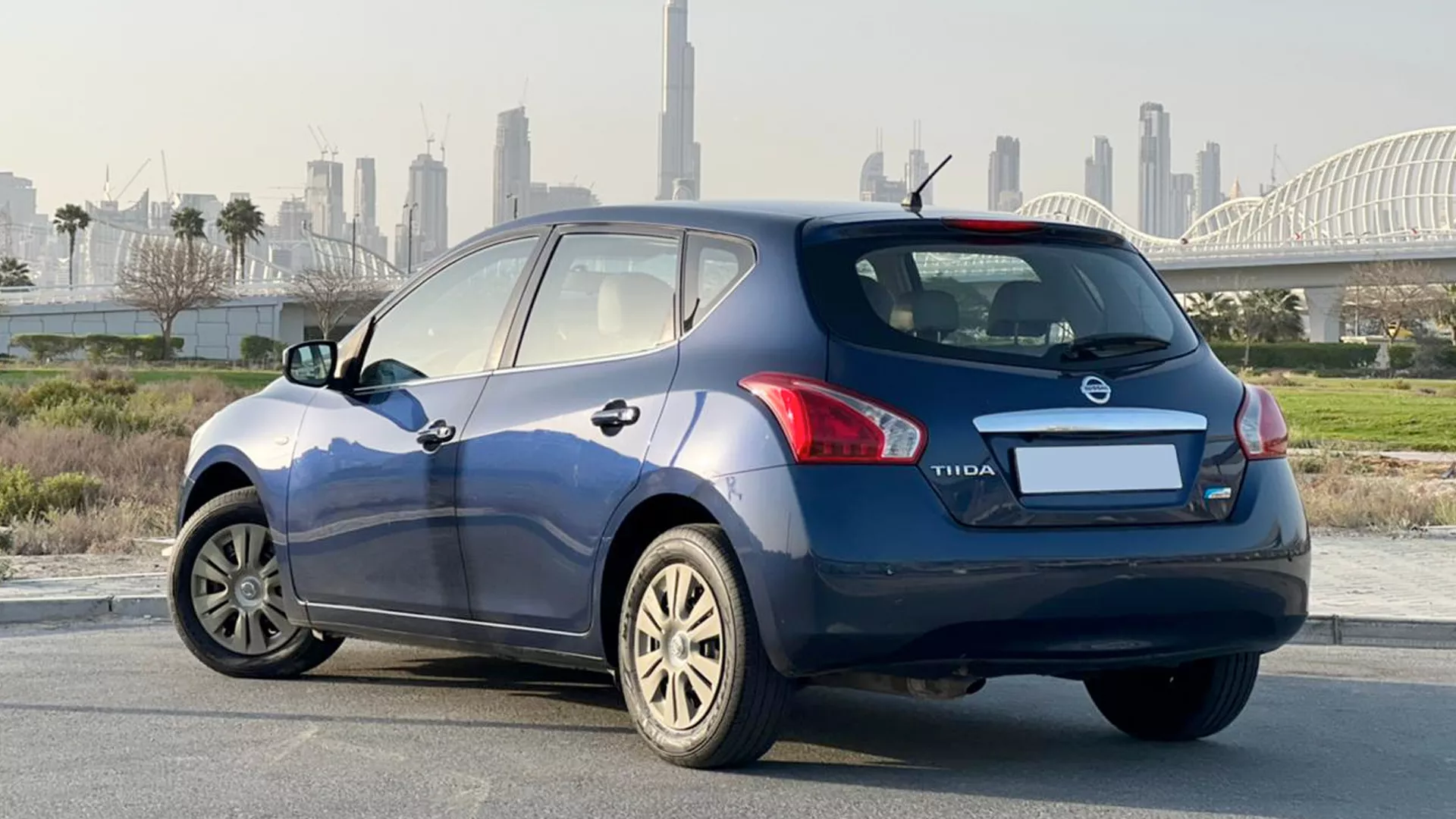 NISSAN
TIIDA
View model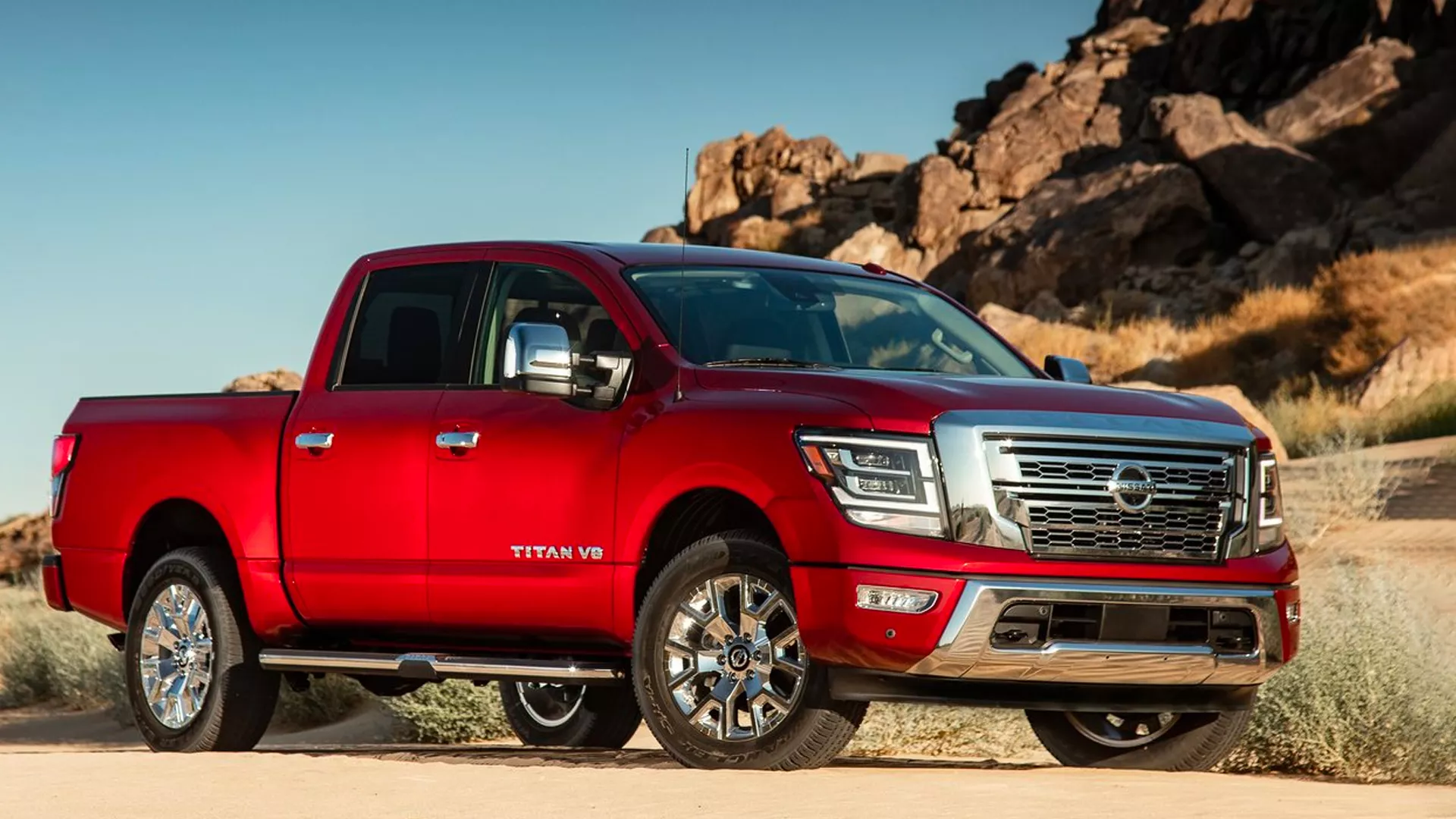 NISSAN
TITAN
View model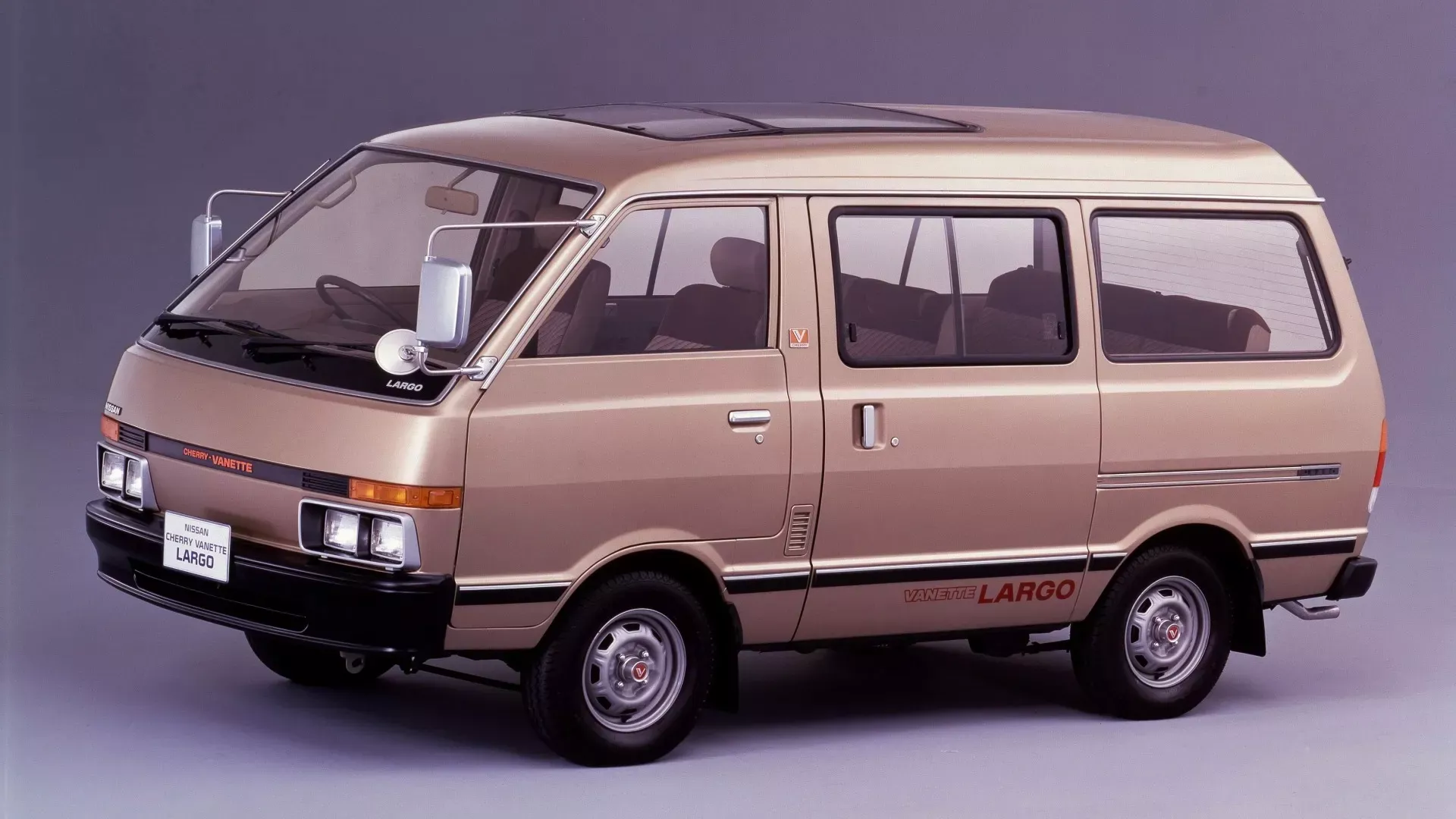 NISSAN
VANETTE
View model NISSAN
X-TRAIL
View model- NISSAN
View all models