
RENAULT FUEGOTiming chain or Belt?
About RENAULT FUEGO
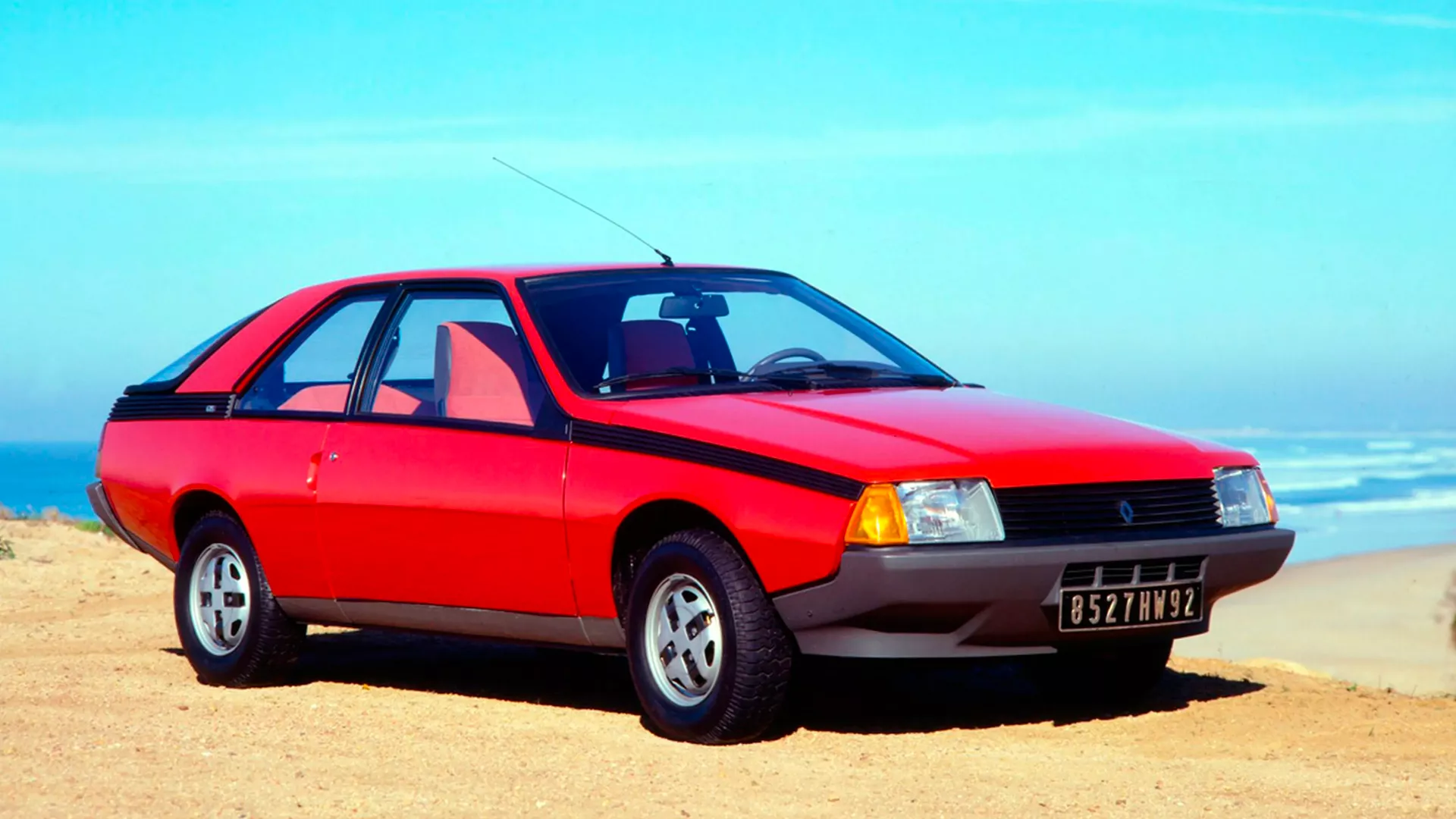
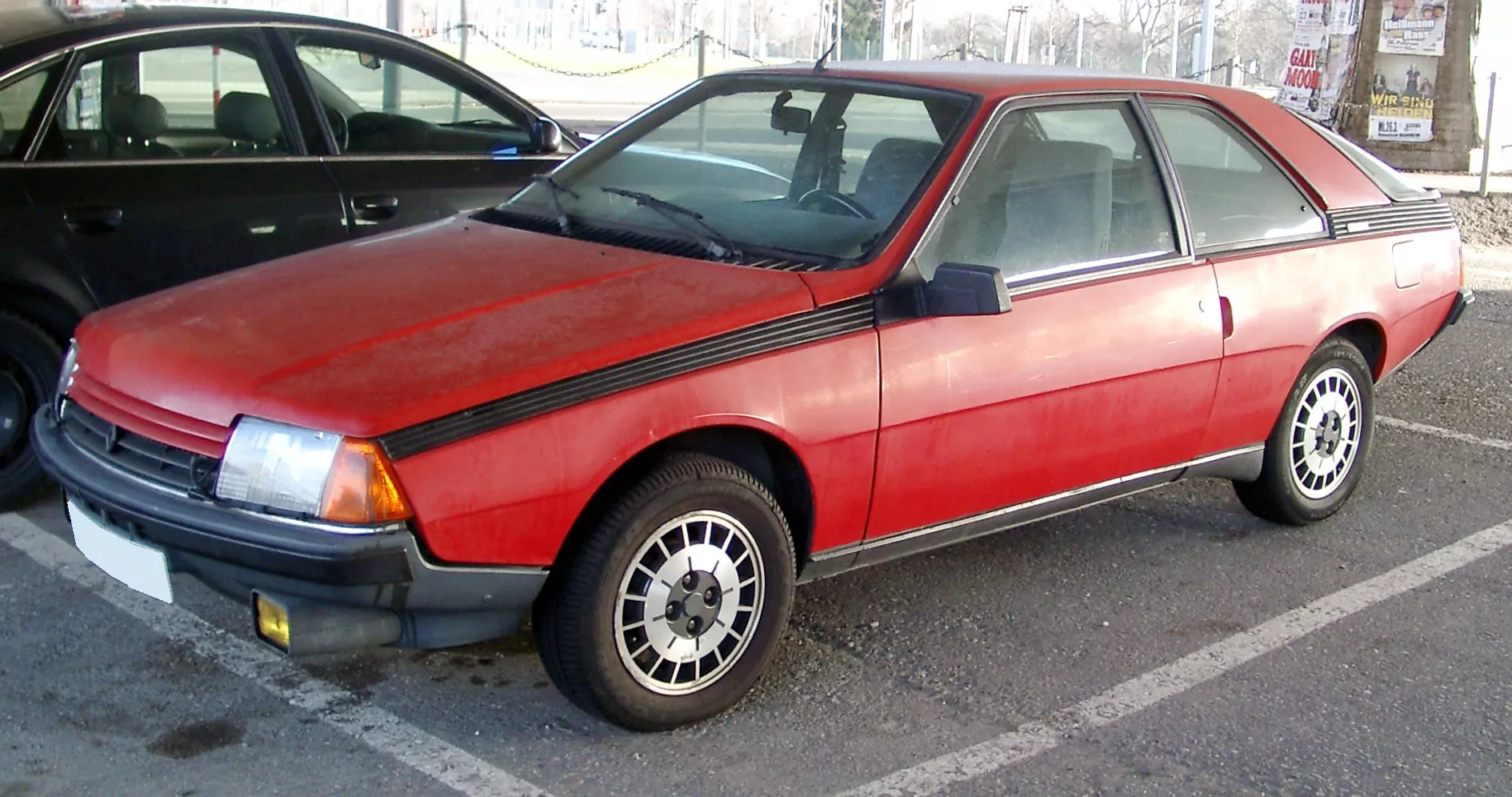
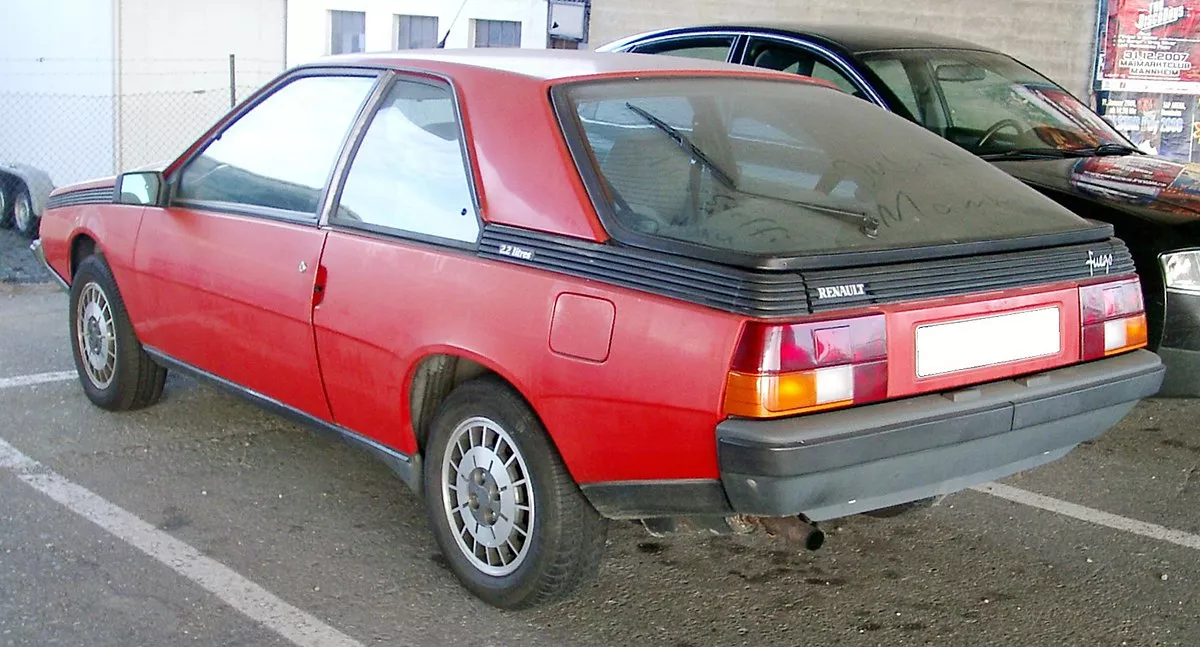
The Renault Fuego is a sports car with a three-door liftback body style from the French manufacturer Renault. This model was produced between 1980 and 1986 in Europe and until 1992 in South America. It succeeded the Renault 15 and 17 coupés of the 1970s.
The Renault Fuego was designed by Michel Jardin and Francois Lampreia, under the direction of Robert Opron. It was largely based on the Renault 18, sharing its platform and drivetrain. Although it did not share parts, its design retained the double wishbone layout of the Renault 18 and incorporated a negative scrub radius geometry. The Fuego's suspension, which was later added to the redesigned Renault 18 and with minor modifications to the Renault 25, was developed from the larger Renault 20/30.
The Fuego was available with 1.4, 1.6, 2.0, and 2.2-liter engines. A turbocharged version with a 1.6-liter displacement was also produced. In 1982, the Fuego turbo diesel became the fastest diesel car in the world, with a top speed of 180 km/h.
The Renault Fuego was one of the first cars to offer a remote-controlled central locking system, available from September 1982. It was also the first to have steering wheel-mounted controls for the audio system.
Among the alternatives to the Renault Fuego are the Opel Manta and the Ford Capri. In the United States, the Fuego was marketed through American Motors Corporation (AMC) dealerships from 1982 through 1985 inclusive.
Jump to a generation:
#1RENAULT FUEGO - Generation I(1980)136
Liftback / Coupé136
View more models from RENAULT
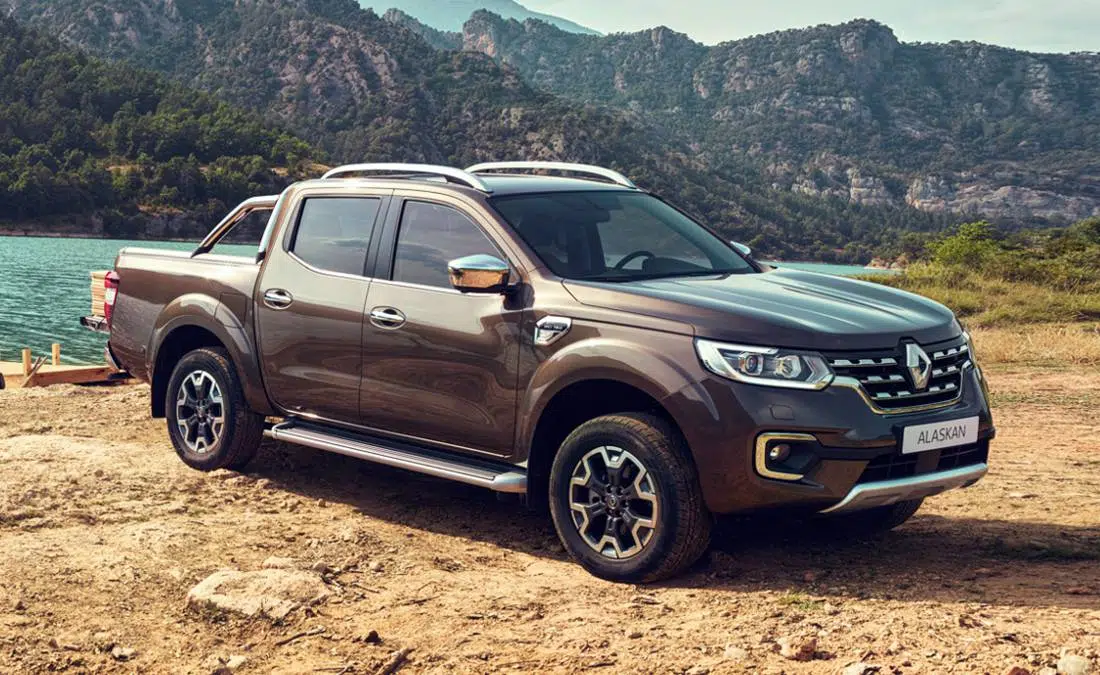 RENAULT
ALASKAN
View model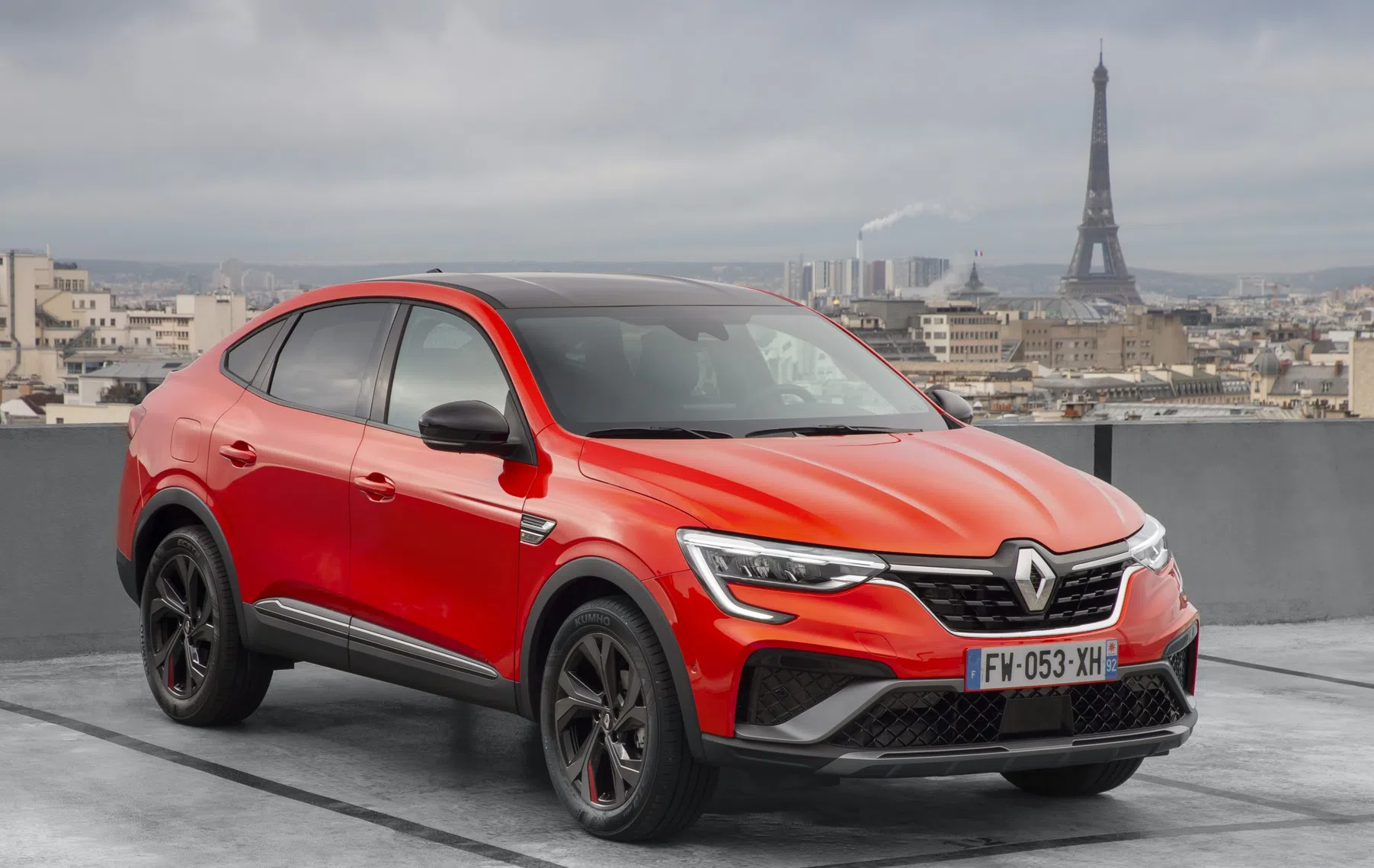 RENAULT
ARKANA
View model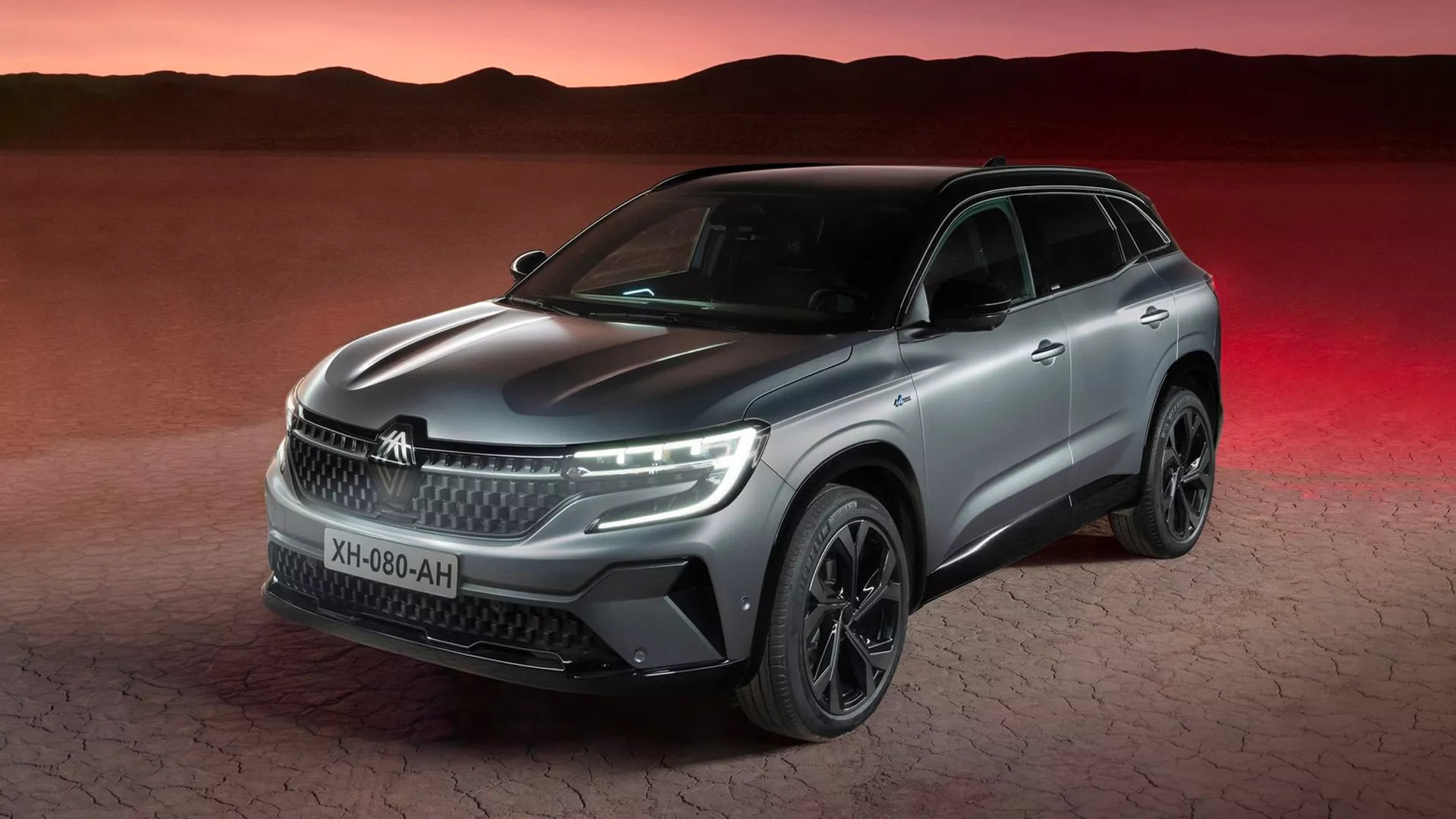 RENAULT
AUSTRAL
View model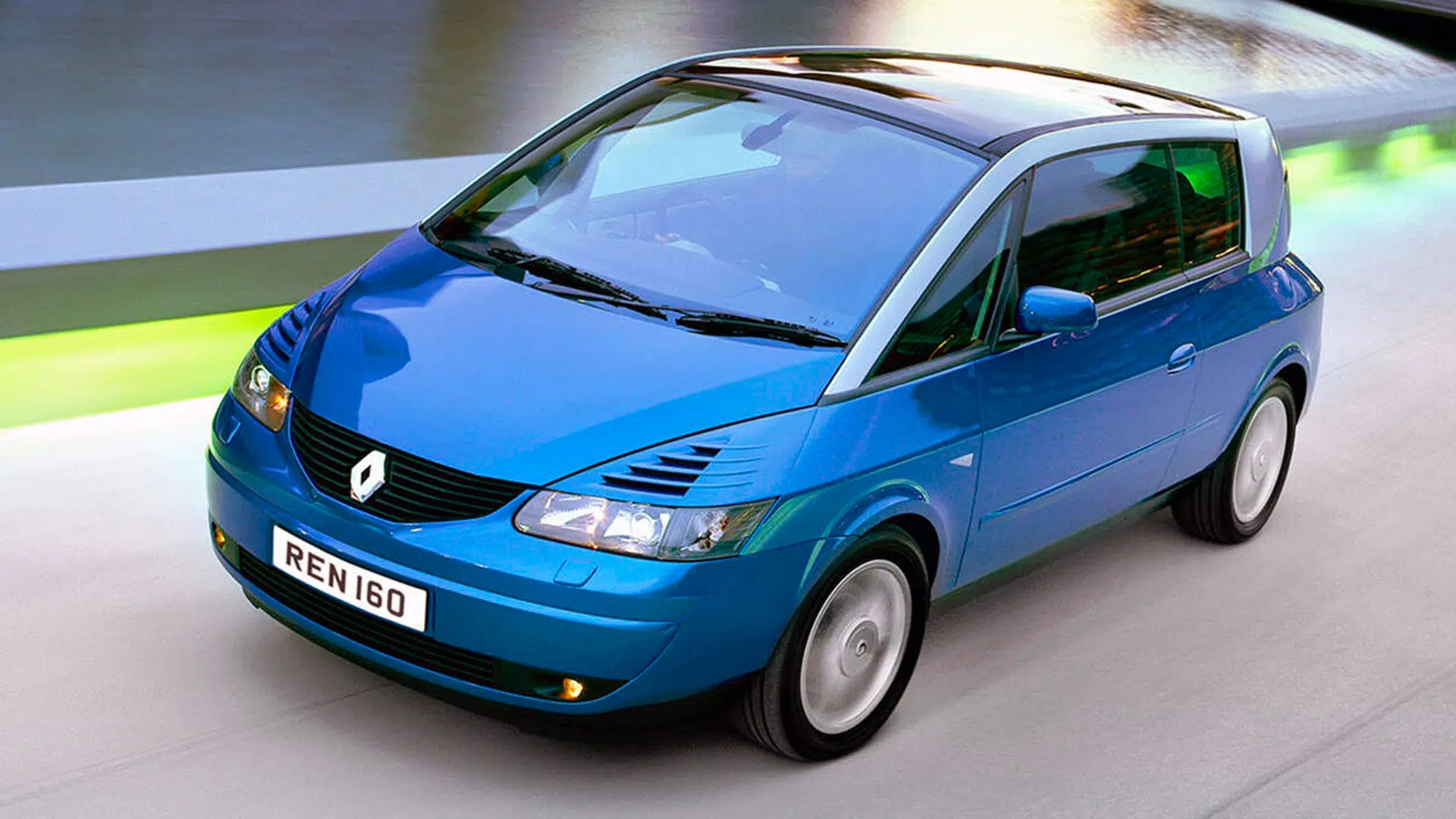 RENAULT
AVANTIME
View model RENAULT
BOREAL
View model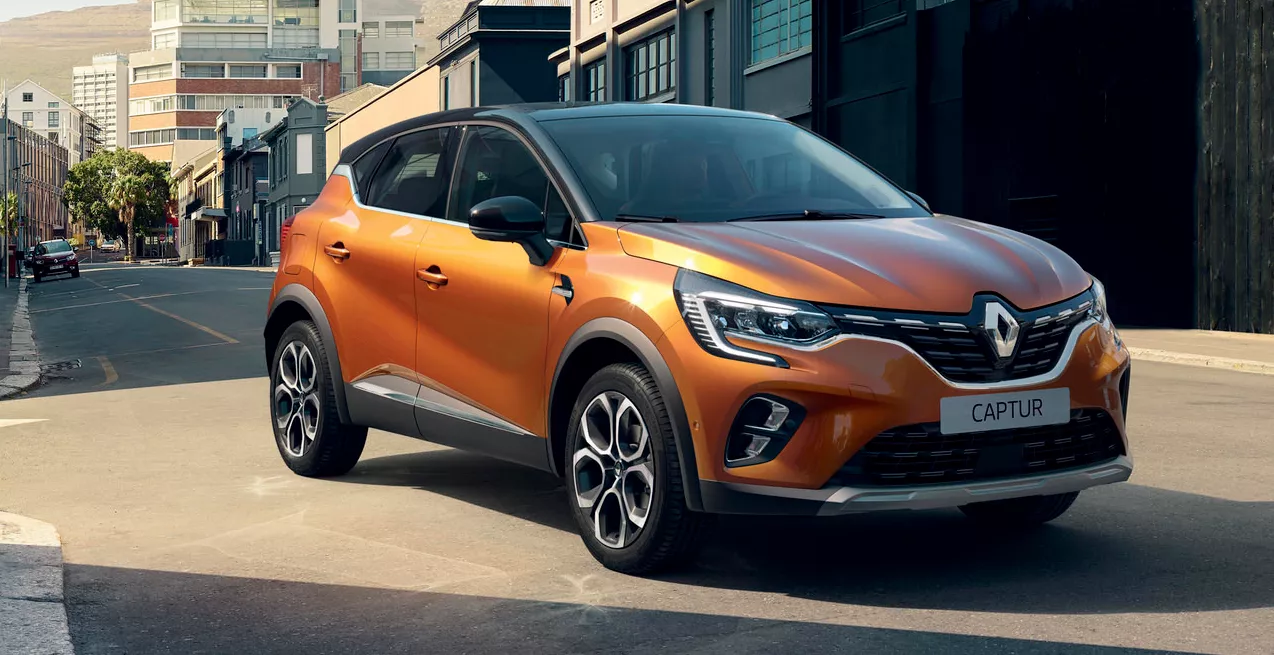 RENAULT
CAPTUR
View model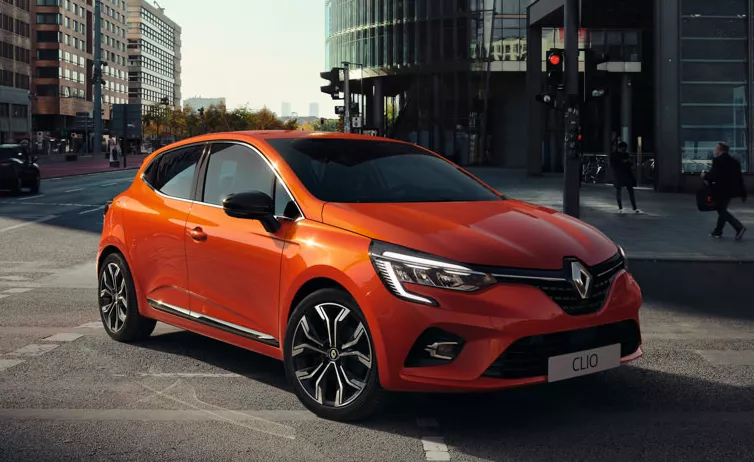 RENAULT
CLIO
View model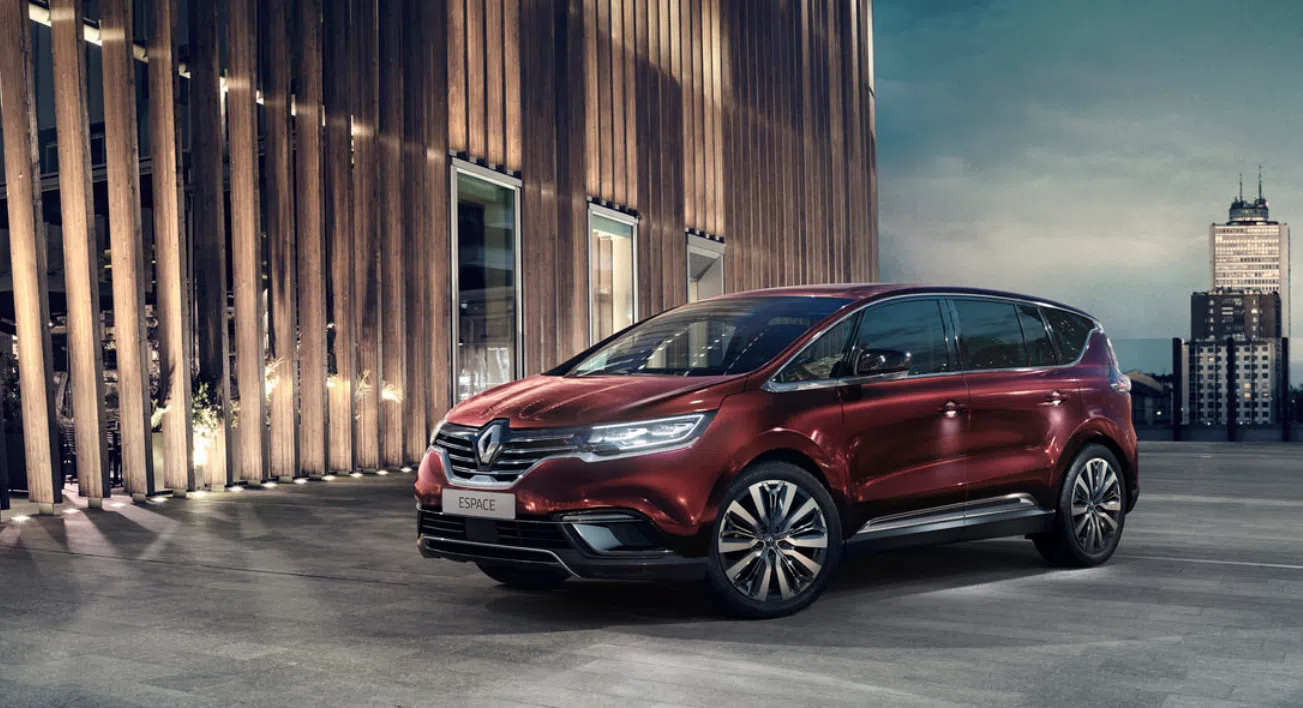 RENAULT
ESPACE
View model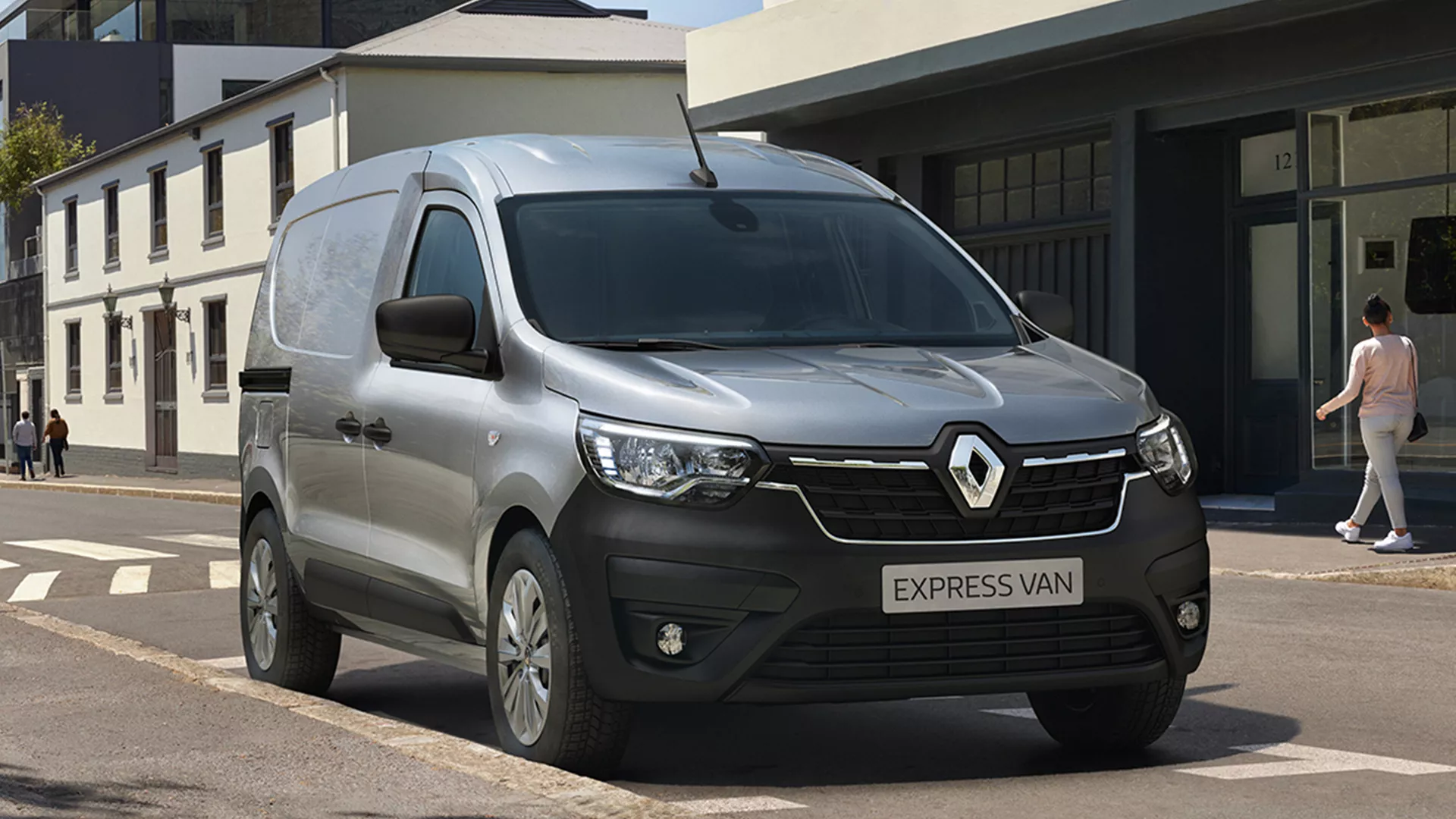 RENAULT
Express
View model RENAULT
FILANTE
View model RENAULT
FLUENCE
View model RENAULT
KADJAR
View model RENAULT
KANGOO
View model RENAULT
KARDIAN
View model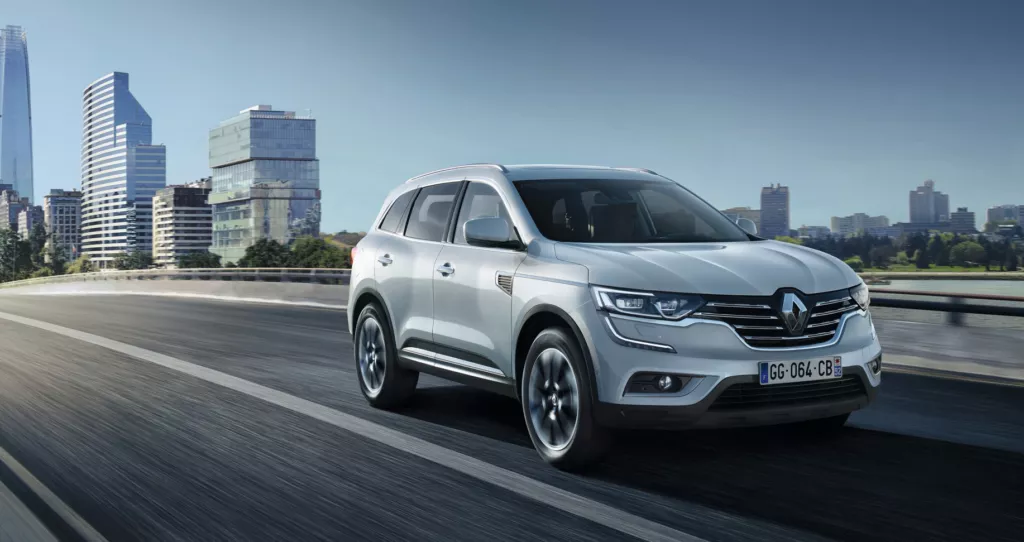 RENAULT
KOLEOS
View model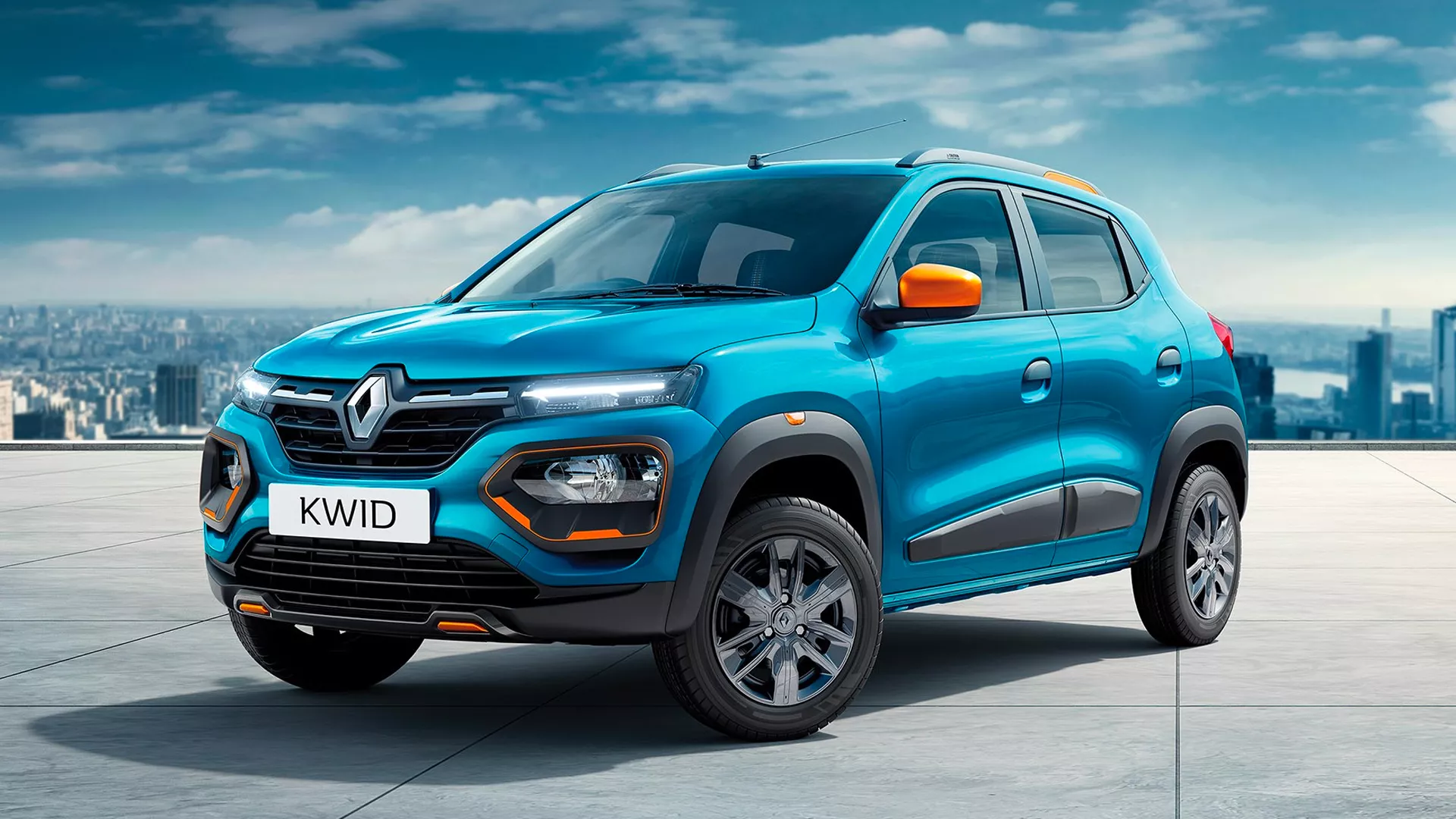 RENAULT
KWID
View model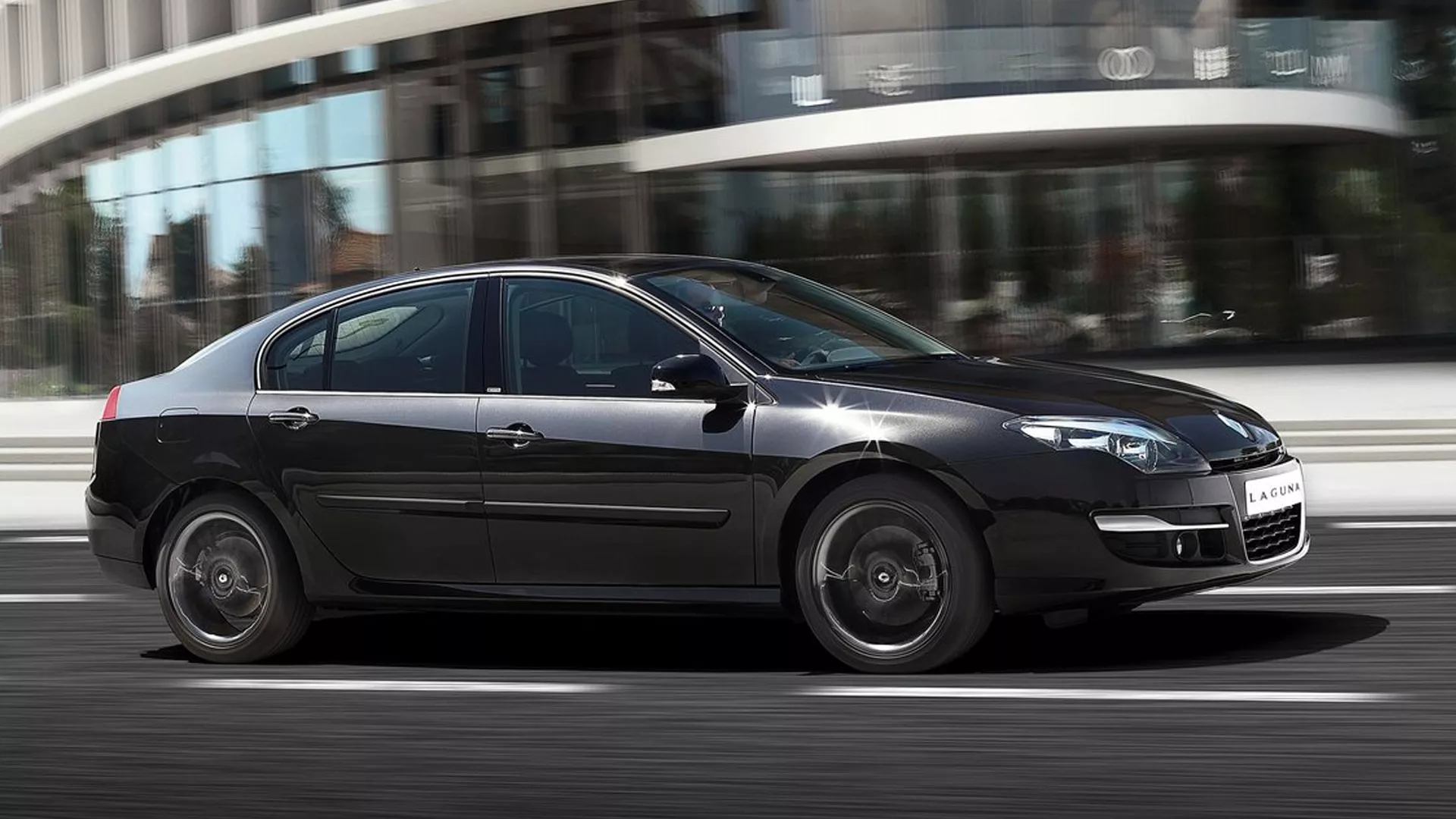 RENAULT
Laguna
View model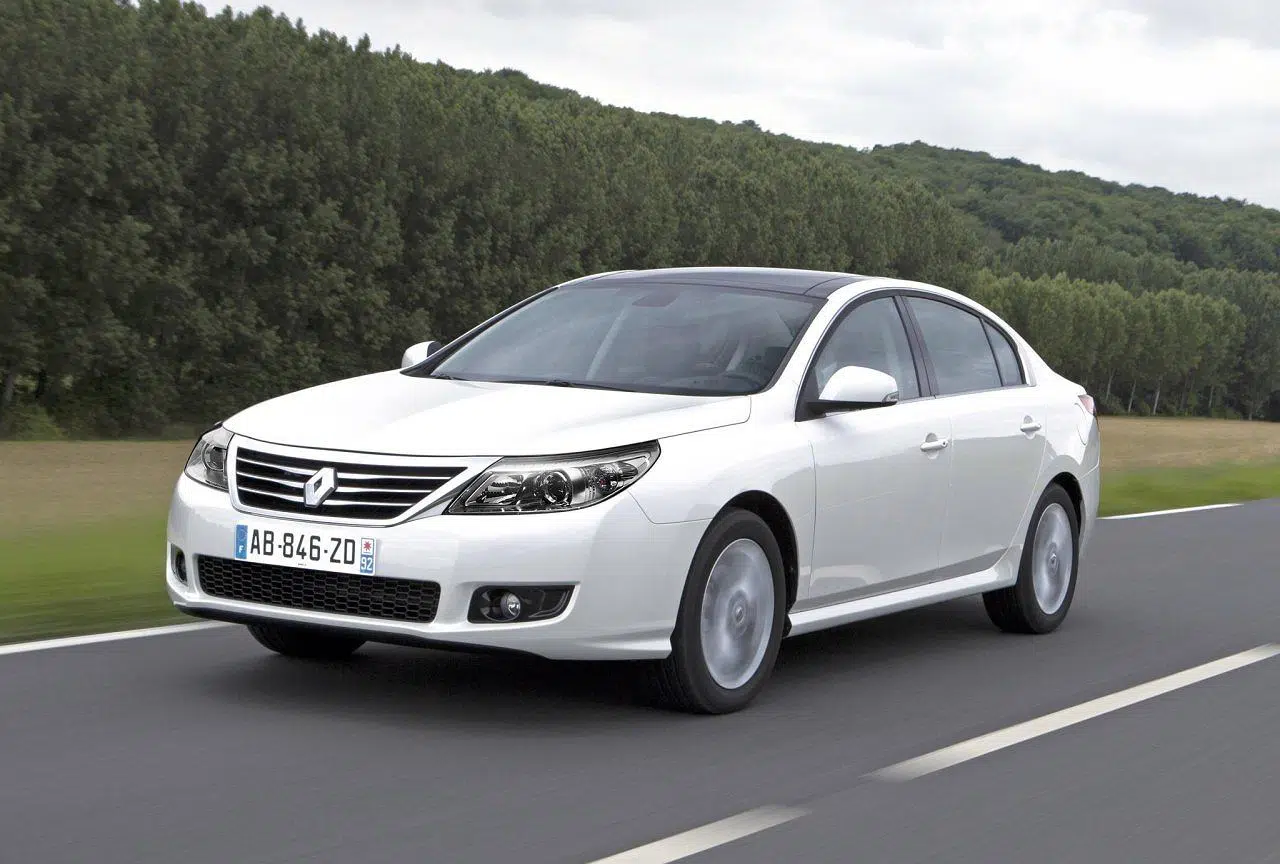 RENAULT
LATITUDE
View model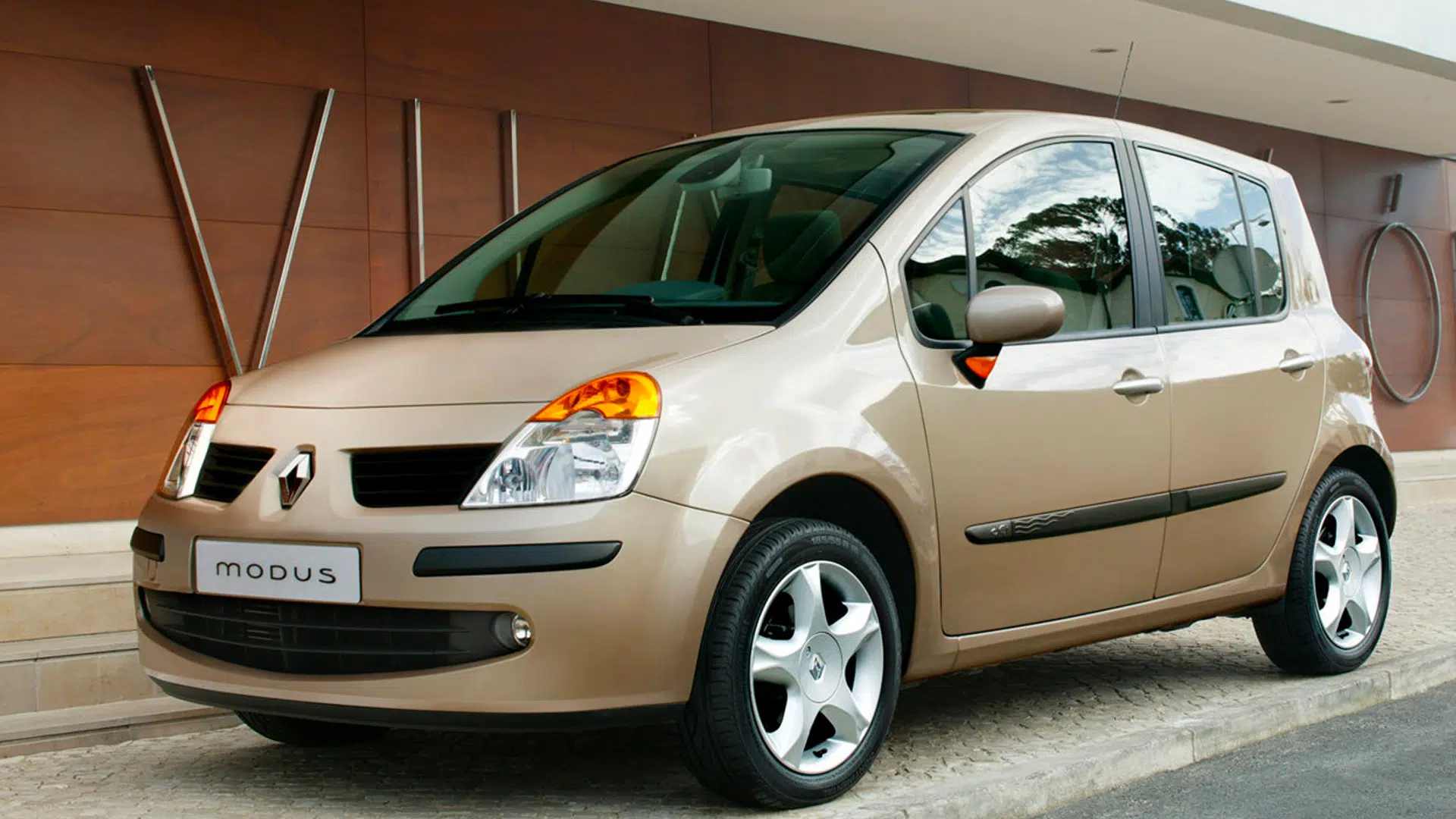 RENAULT
MODUS
View model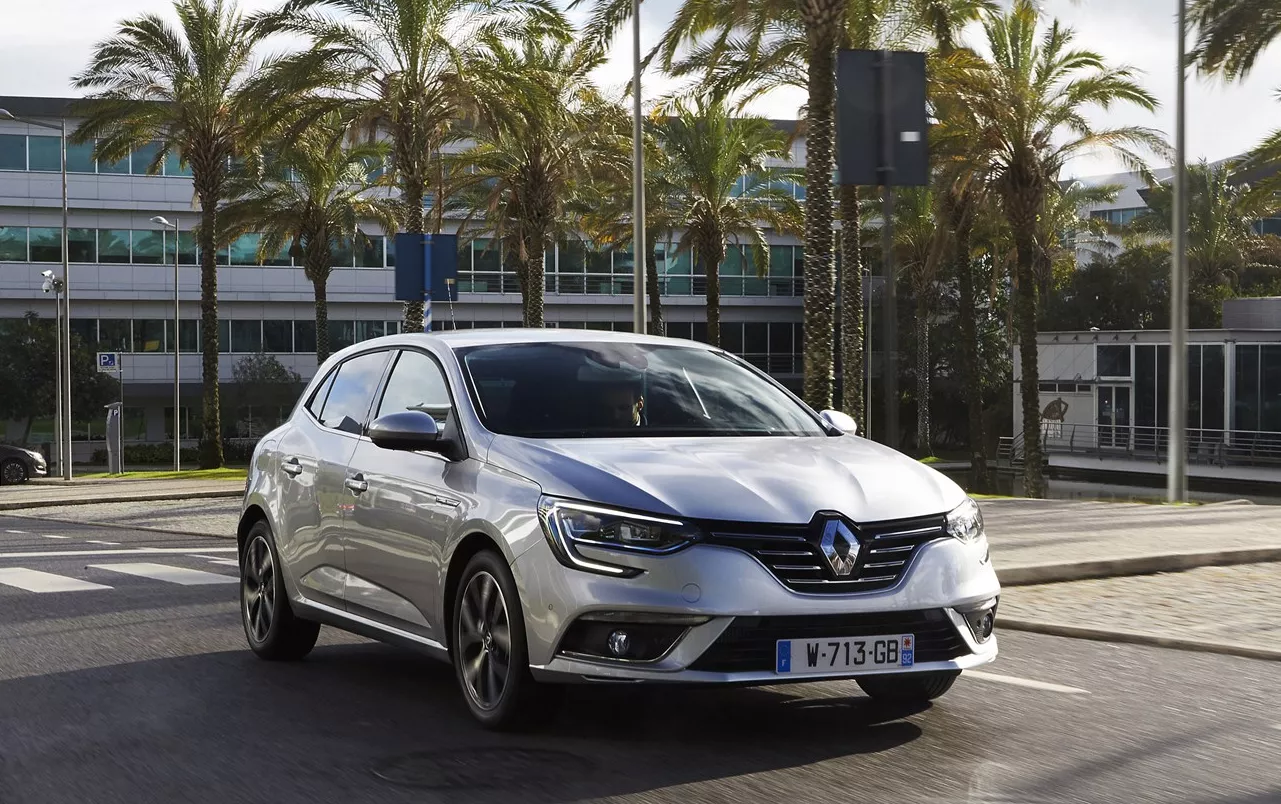 RENAULT
MÉGANE
View model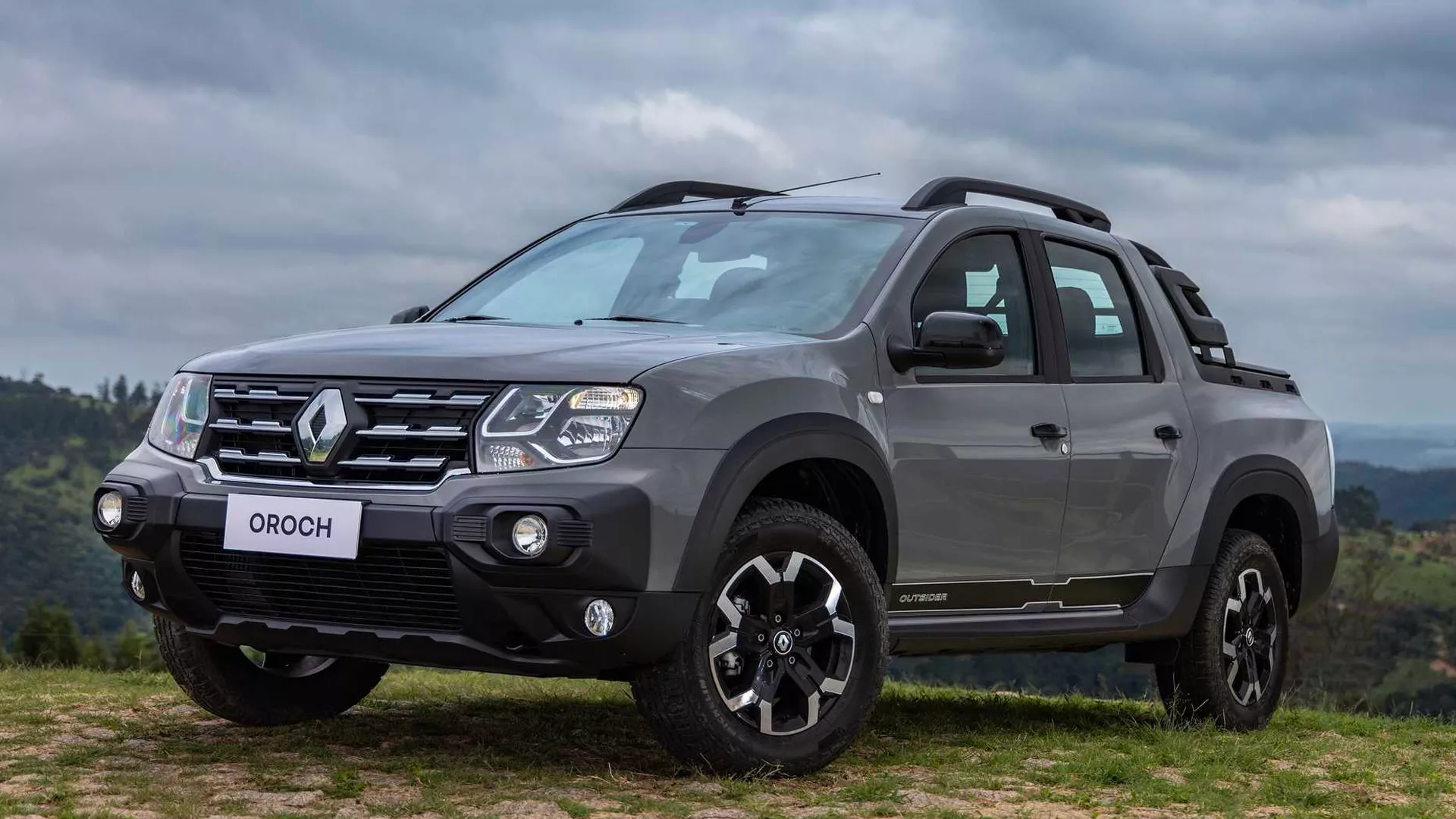 RENAULT
OROCH
View model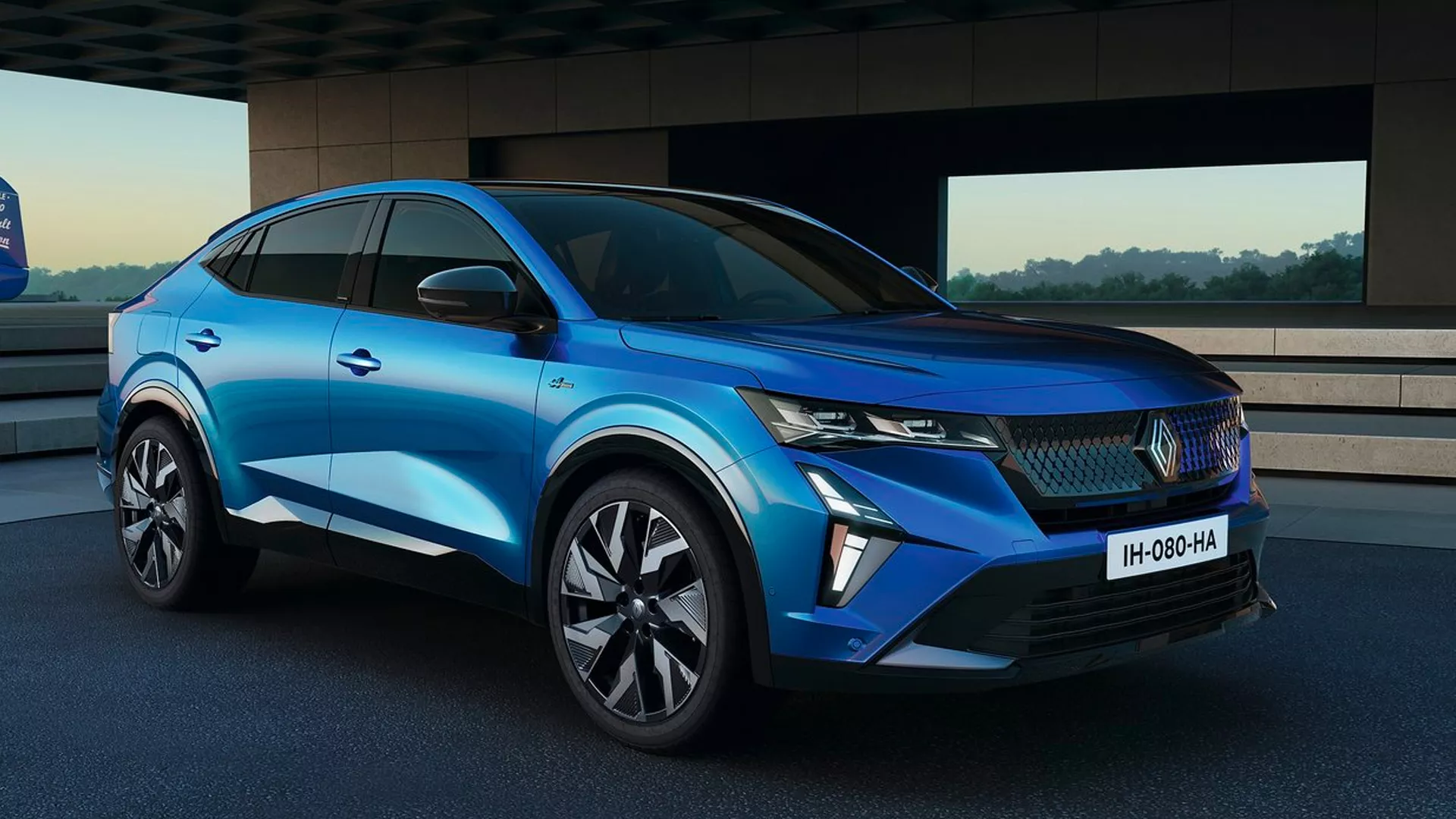 RENAULT
RAFALE
View model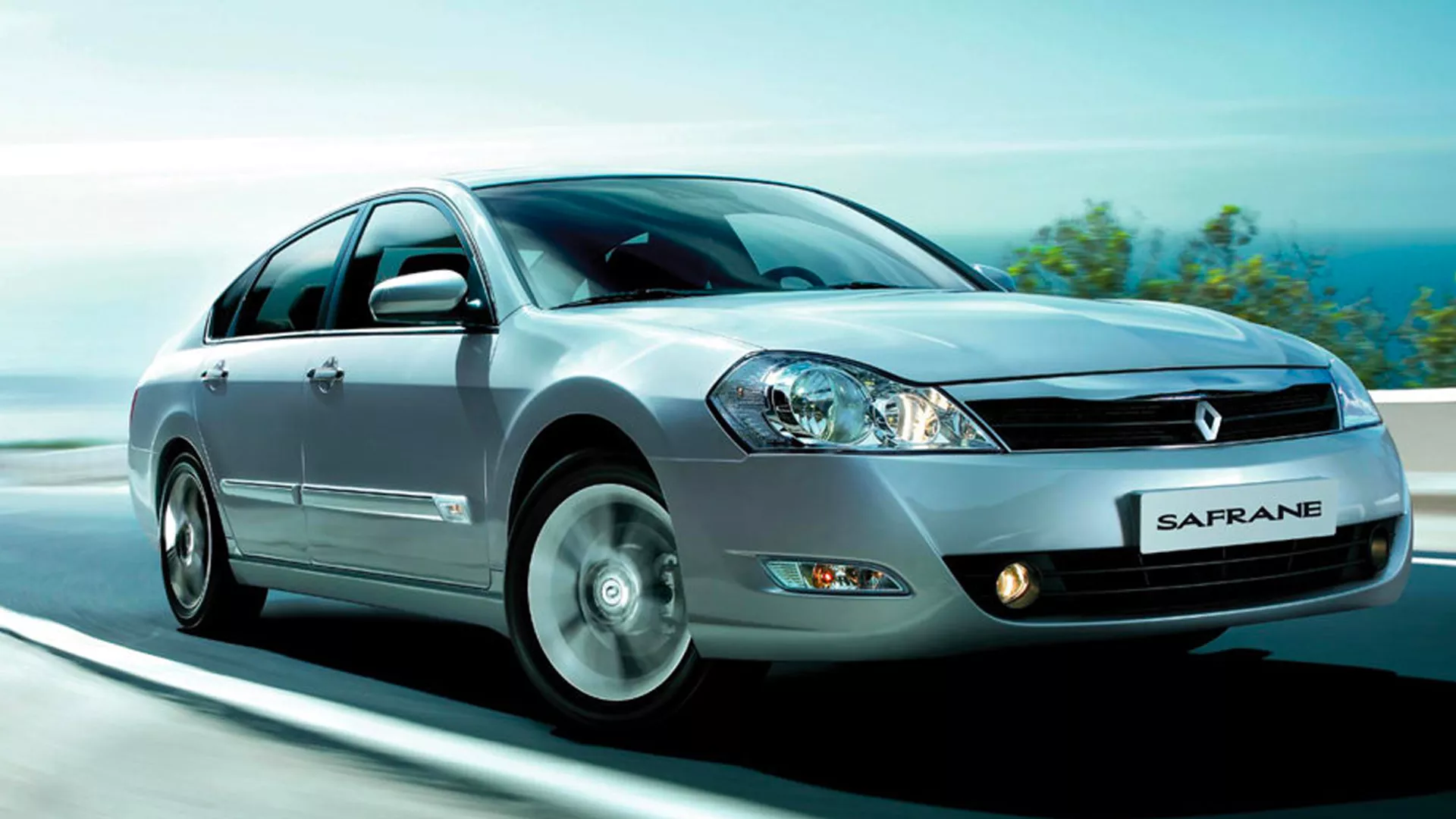 RENAULT
SAFRANE
View model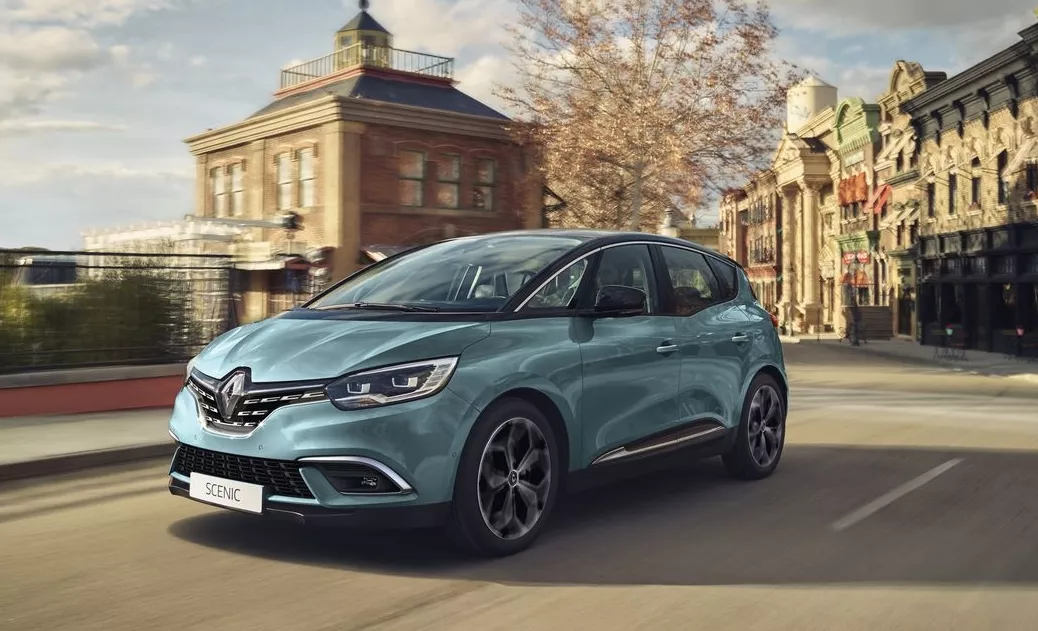 RENAULT
SCÉNIC
View model- RENAULT
SYMBIOZ
View model 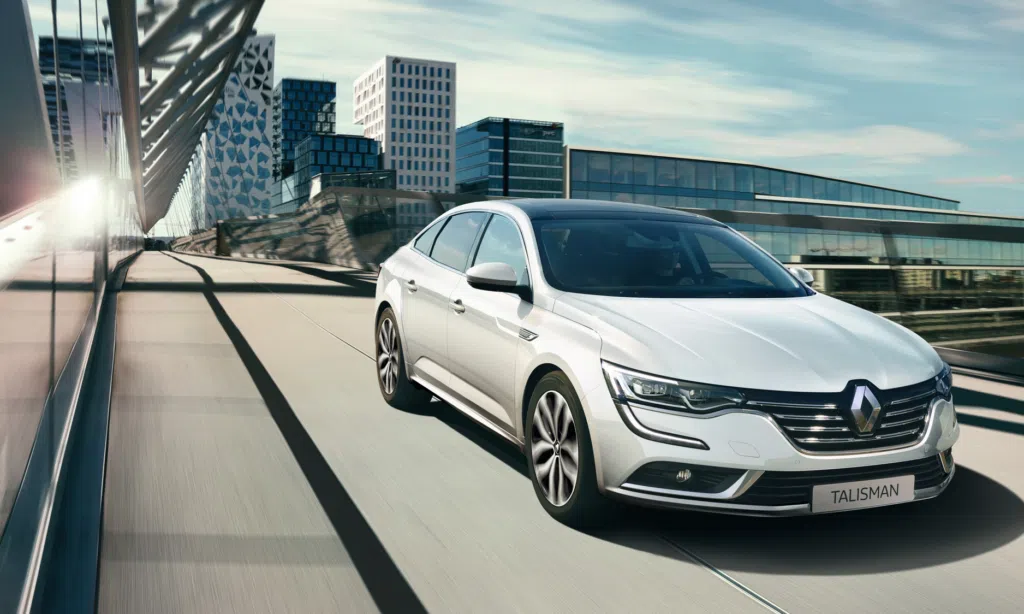 RENAULT
TALISMAN
View model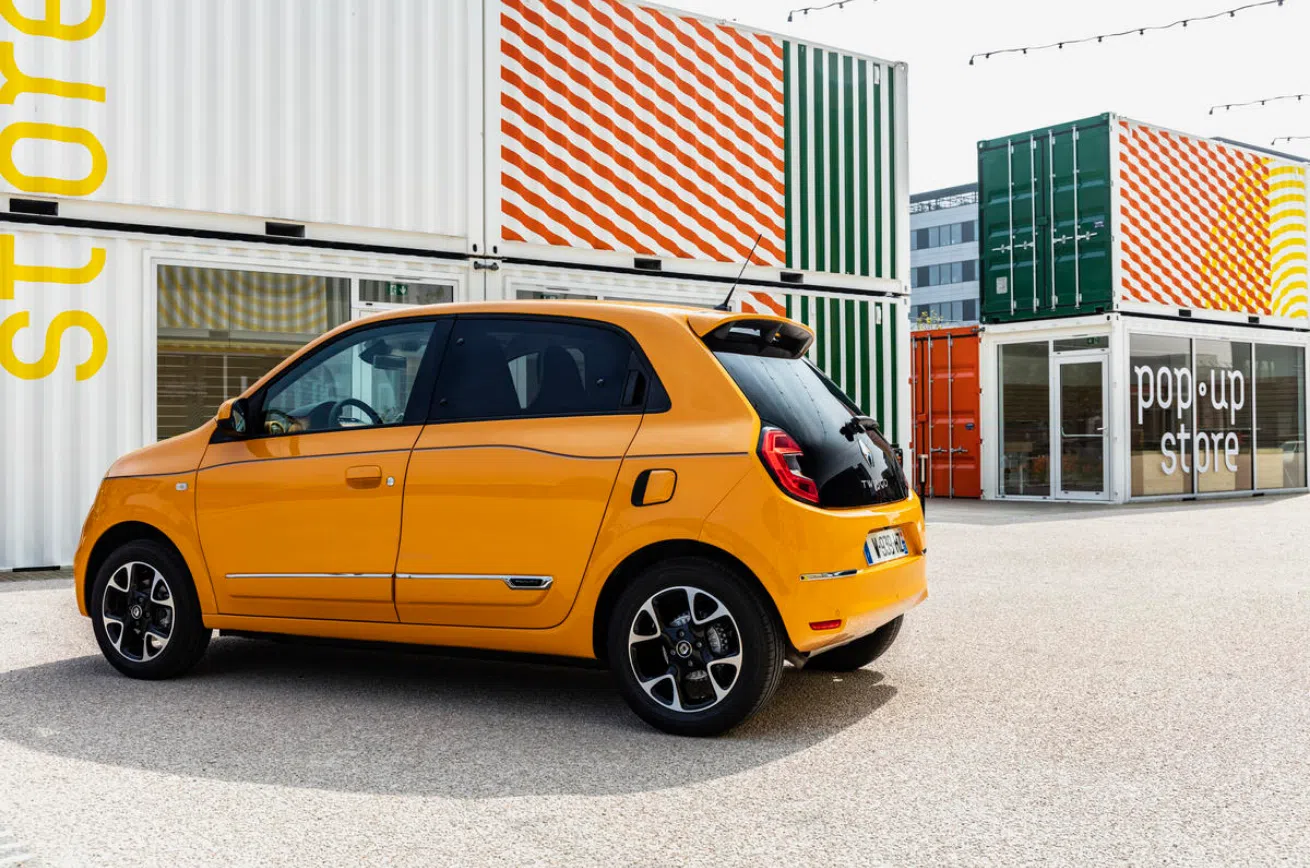 RENAULT
TWINGO
View model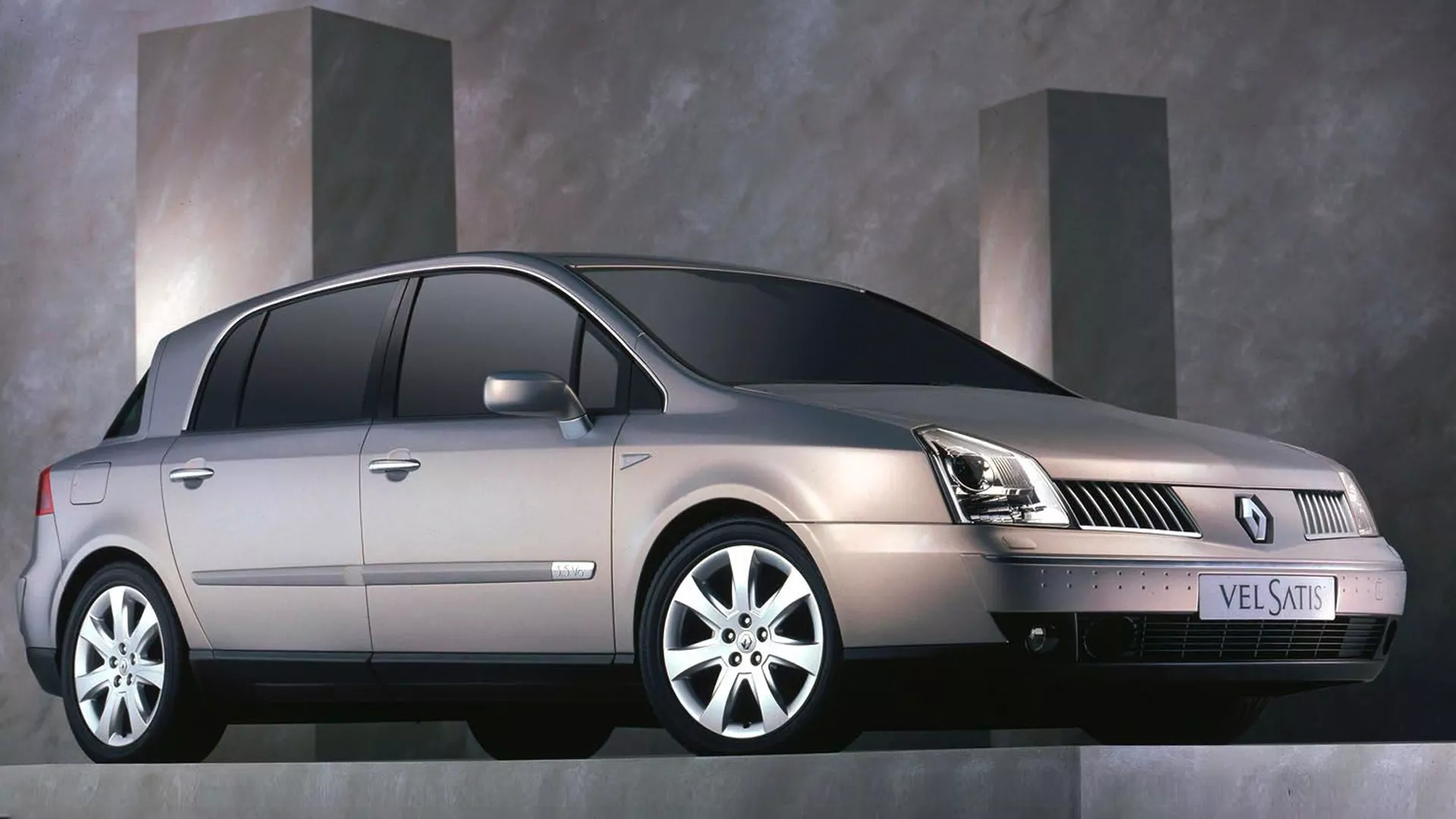 RENAULT
VEL SATIS
View model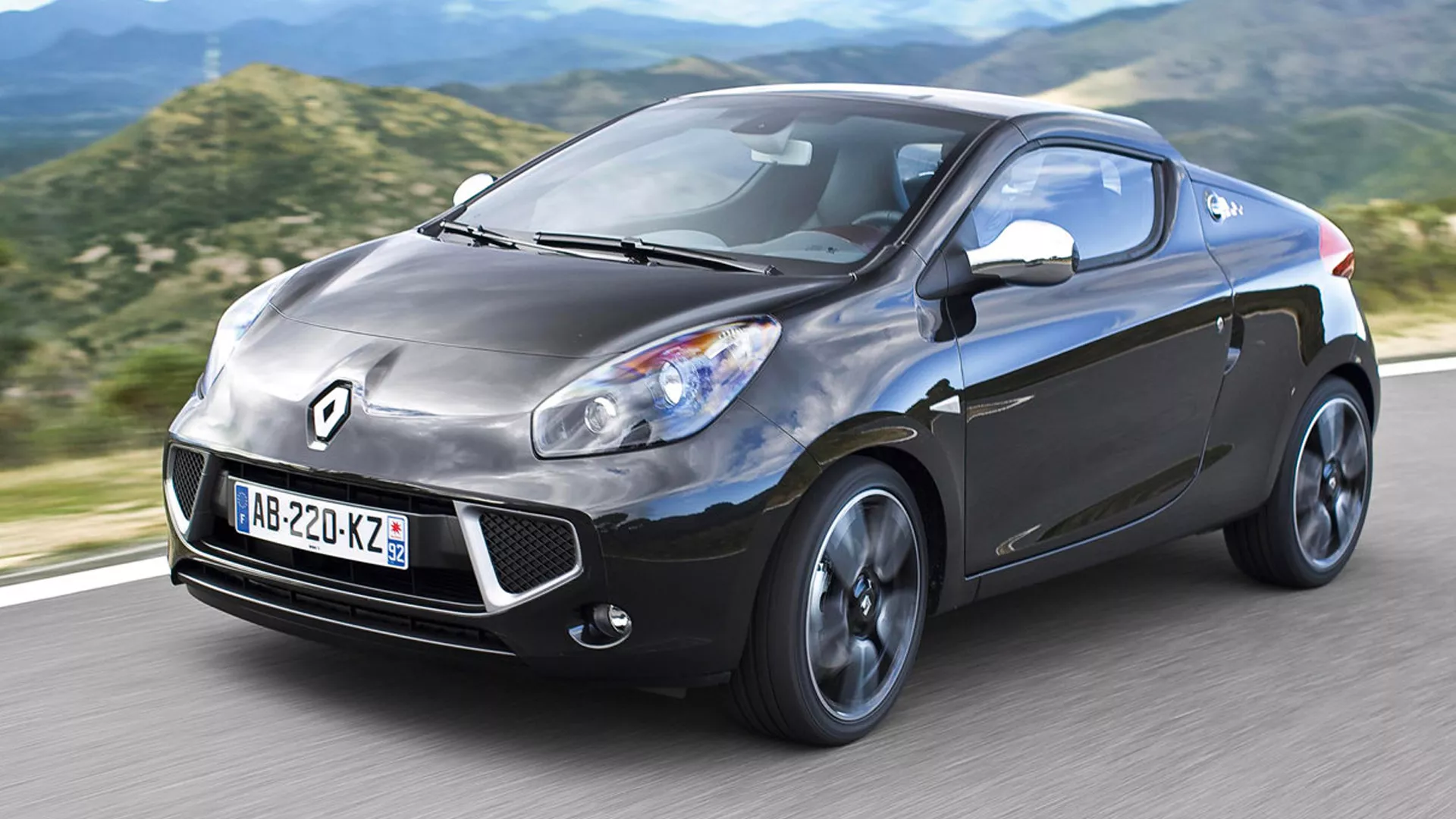 RENAULT
WIND
View model- RENAULT
View all models