
OPEL OMEGATiming chain or Belt?
About OPEL OMEGA
The Opel Omega is an executive car (E-segment) produced by the German brand Opel between 1986 and 2004. It had two generations throughout its commercial life. It was the successor to the veteran Opel Rekord, a model that had been in production since the 1960s.
The Omega arrived to modernize Opel's lineup and compete with more premium models like the BMW 5 Series or the Mercedes E-Class. It was very well received upon its debut, winning the 1987 European Car of the Year award. During its years on the market, rebadged versions of the Omega were also sold, such as the Cadillac Catera in the United States, the Chevrolet Omega in South America, and the Vauxhall Omega in the United Kingdom. Both generations were available in sedan and station wagon body styles.
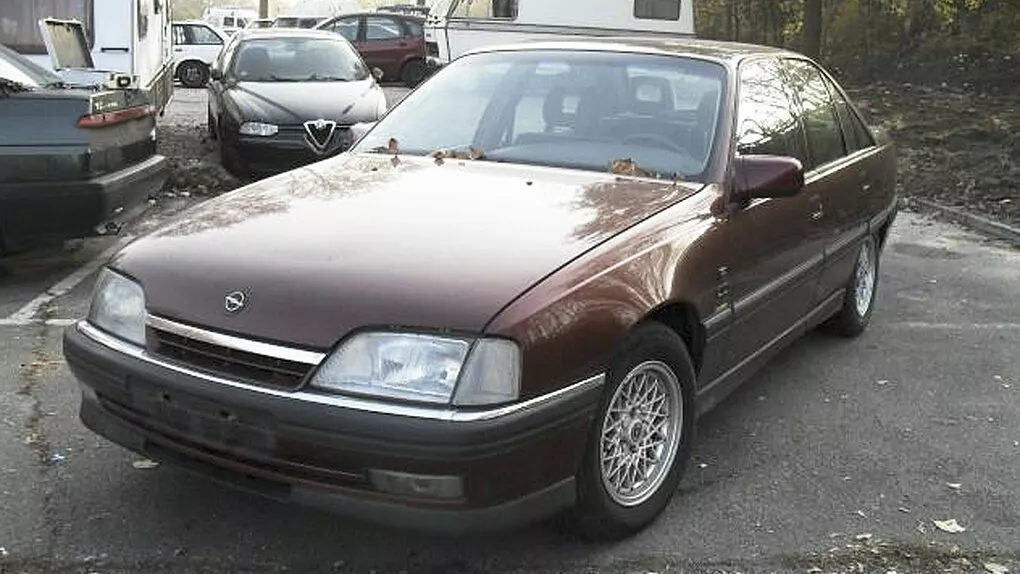
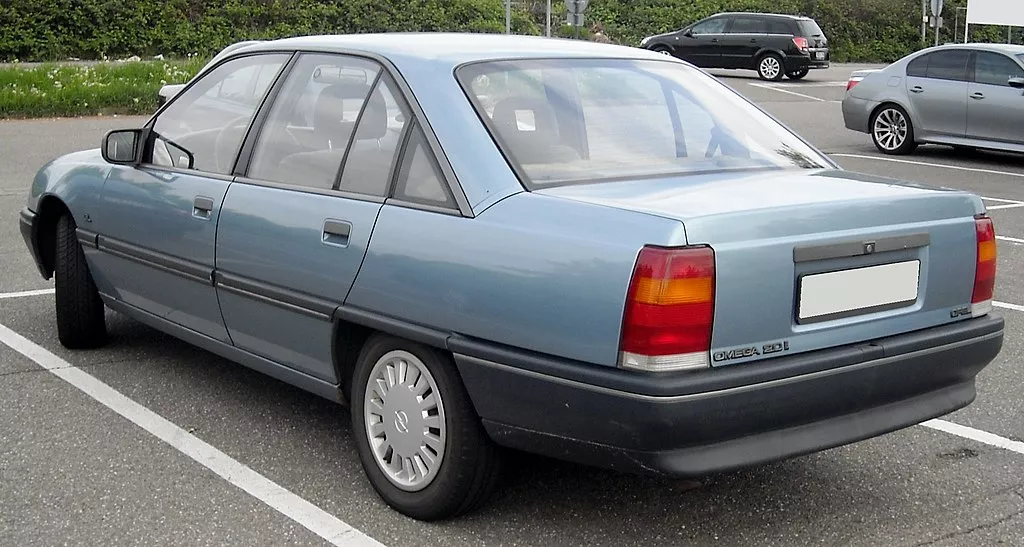
The first generation, known as the Omega A, debuted in 1986 and remained in production until 1993. It offered a range of 4-cylinder gasoline engines (1.8, 2.0, and 2.4 liters), as well as 2.3-liter diesel engines and 6-cylinder gasoline engines (2.6 and 3.0 liters). Esthetically, the Omega A featured an aerodynamic design typical of its era, with a drag coefficient of 0.28. Standout sporty versions included the 177 hp Omega 3000 and, above all, the Lotus Omega, developed with the English firm Lotus, which reached 377 hp thanks to a powerful 3.6-liter twin-turbo 24-valve engine.
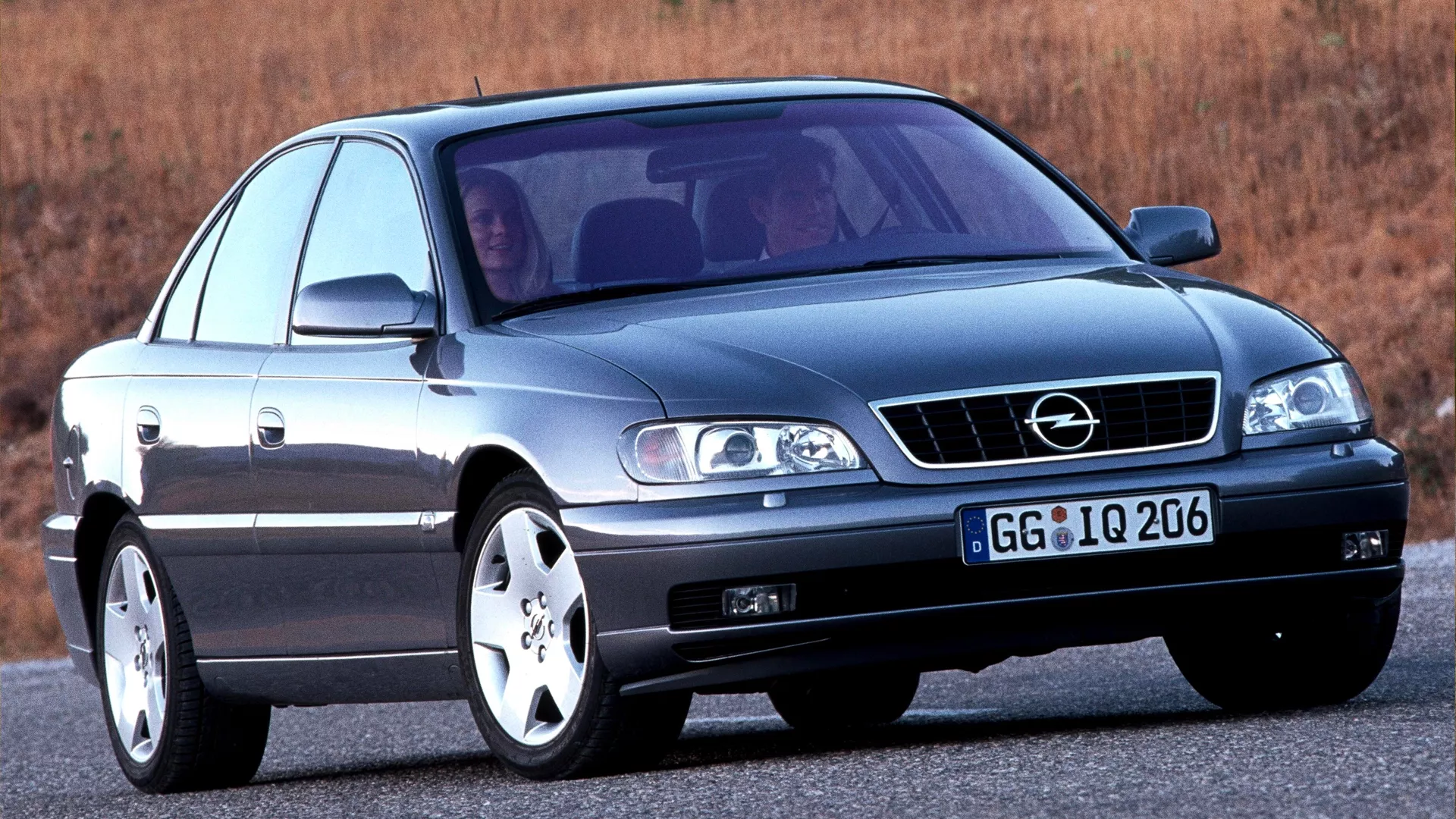
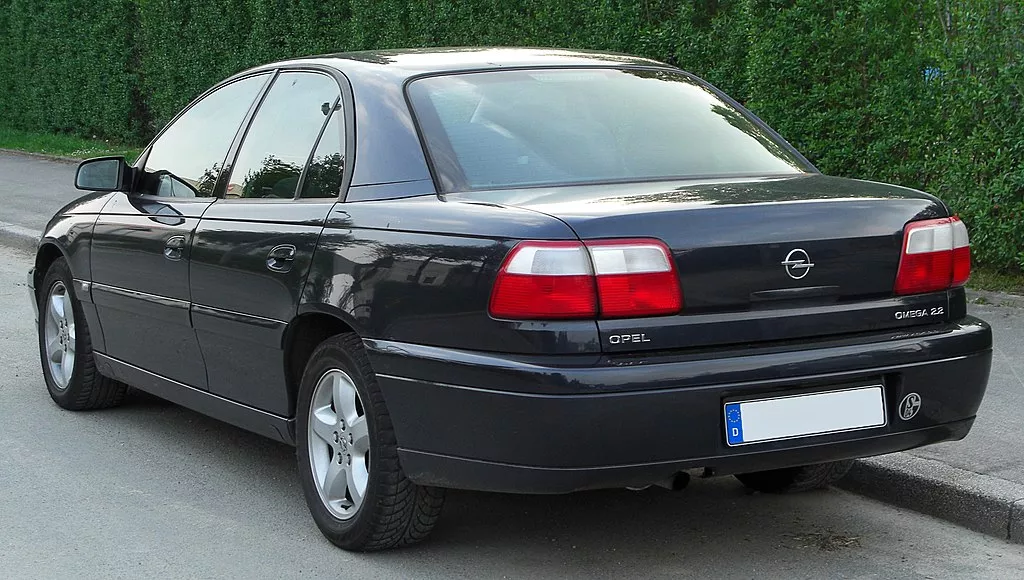
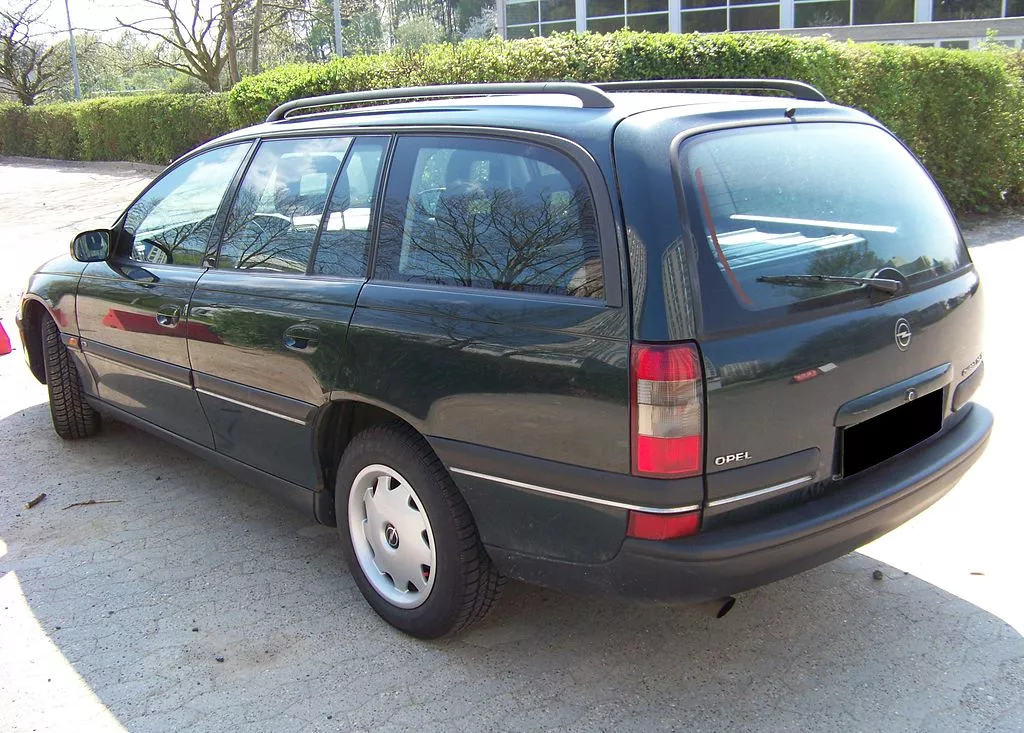
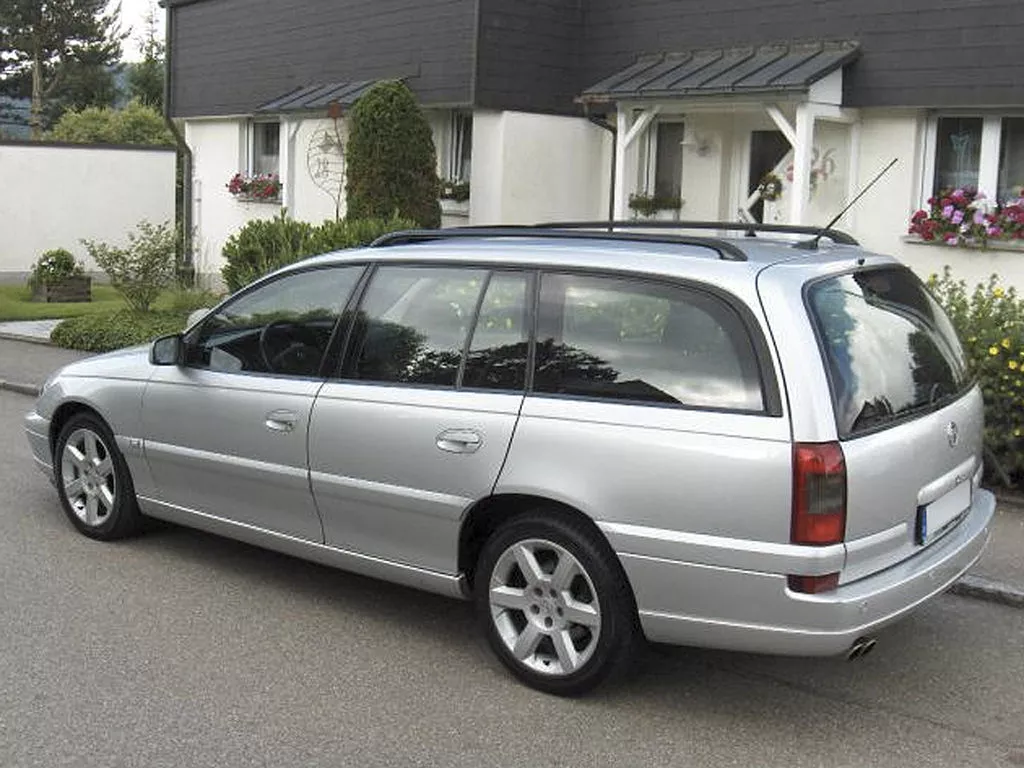
The second generation (Omega B) was introduced in 1994 with a complete design and mechanical overhaul. The engine lineup grew compared to its predecessor, offering 4-cylinder gasoline engines (2.0 and 2.2 liters) and V6 engines (2.5, 3.0, and 3.2 liters). The diesels included 4-cylinder (2.0 and 2.2 liters) and 6-cylinder (2.5 liters) units. This generation had its most exclusive version in the Cadillac Catera, sold in the United States. It received a restyling in 1999 before production ceased in 2003.
Throughout the Omega's lifespan, several interesting prototypes and special versions were produced. For example, in 1999 Opel introduced the Omega V8 equipped with a powerful 5.7-liter V8 engine of Corvette origin, although it ultimately did not reach production due to transmission durability issues.
In terms of sales, the Omega was a success, especially in the United Kingdom. Despite certain reliability and residual value issues, the Omega was very popular with British buyers, even in diesel versions.
The main rivals of the Opel Omega were upper-mid-range German cars such as the Ford Scorpio, the Rover 800, and the BMW 5 Series and Mercedes E-Class. After its production ended in 2003, the Omega left a gap in Opel's lineup that would be partially filled by the Opel Signum in 2003. However, it could be said that after the production of the Omega, Opel stopped selling cars in this segment.
Jump to a generation:
#1OPEL OMEGA - Generation I(1986)V87
Sedán / BerlinaV87
FamiliarCaravan
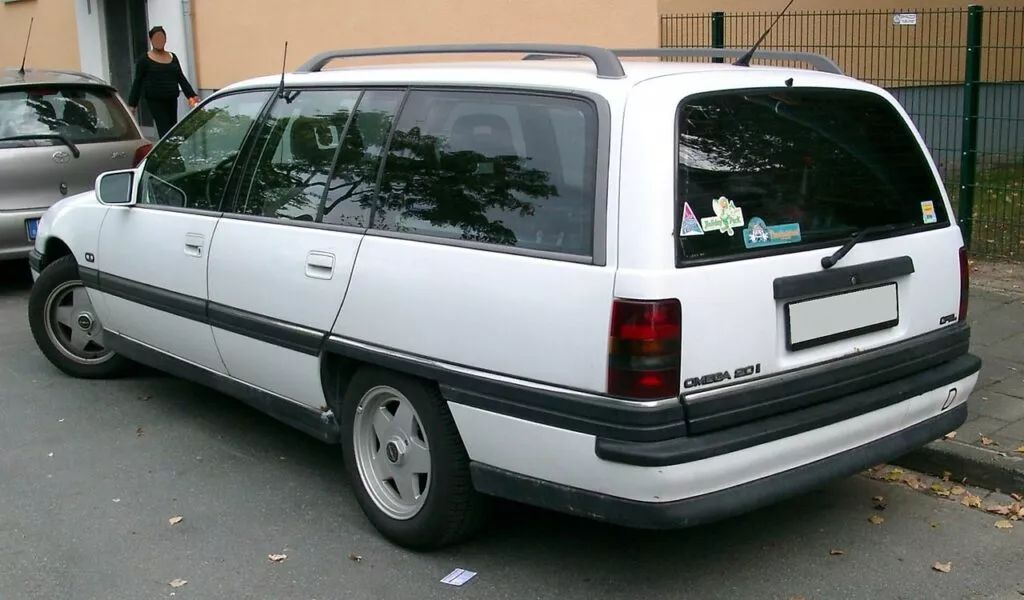
#2OPEL OMEGA - Generation II(1994)V94
Sedán / BerlinaB1
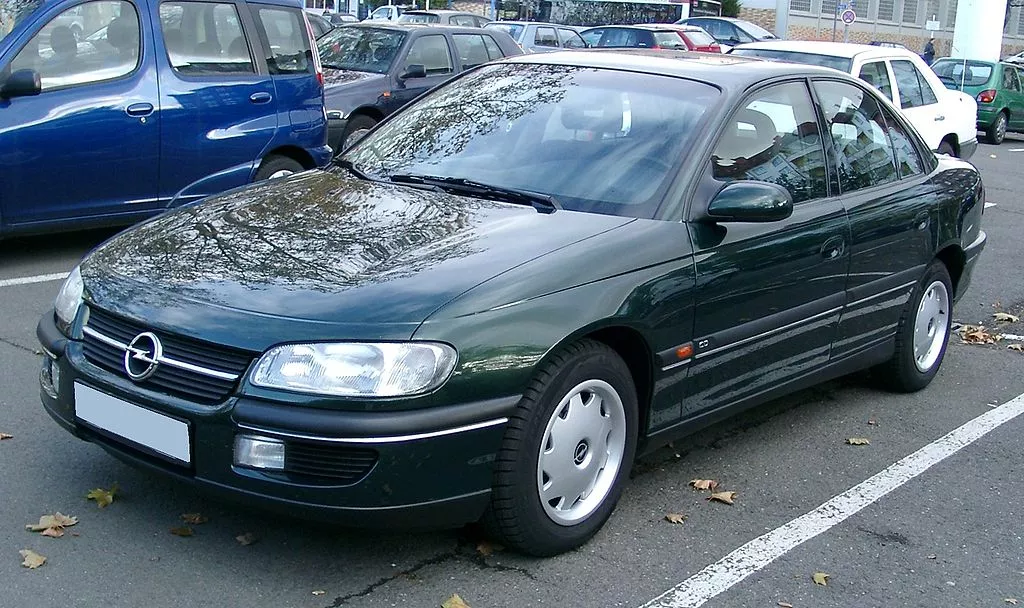
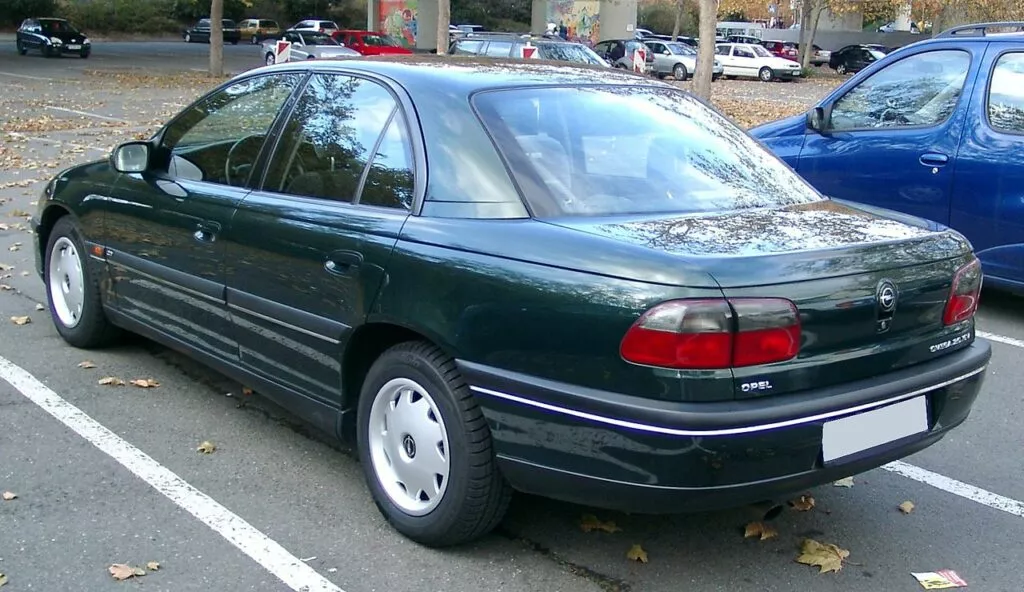
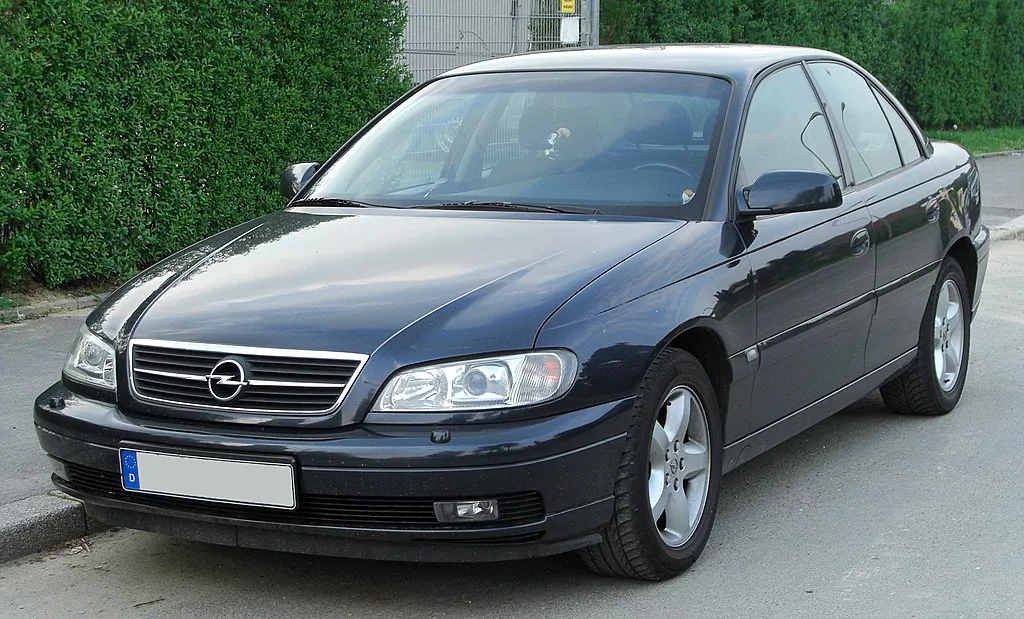
FamiliarCaravan
View more models from OPEL
 OPEL
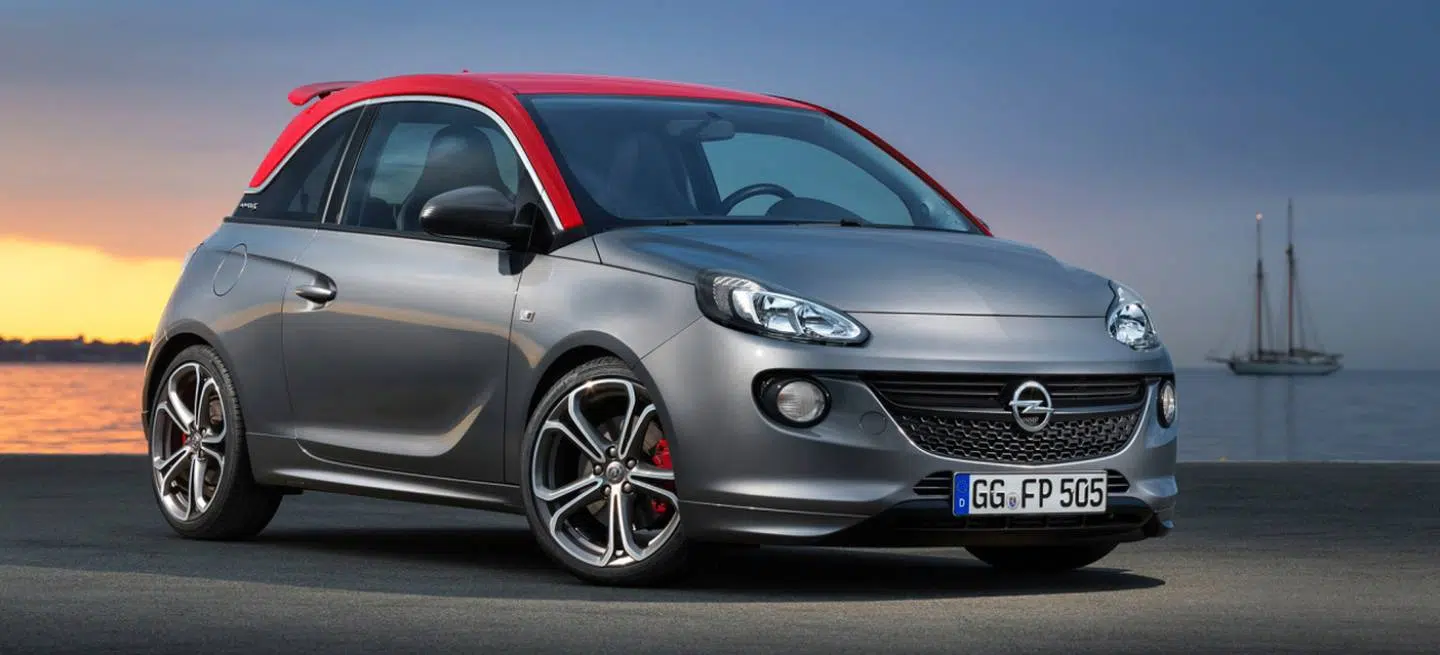
ADAM
View model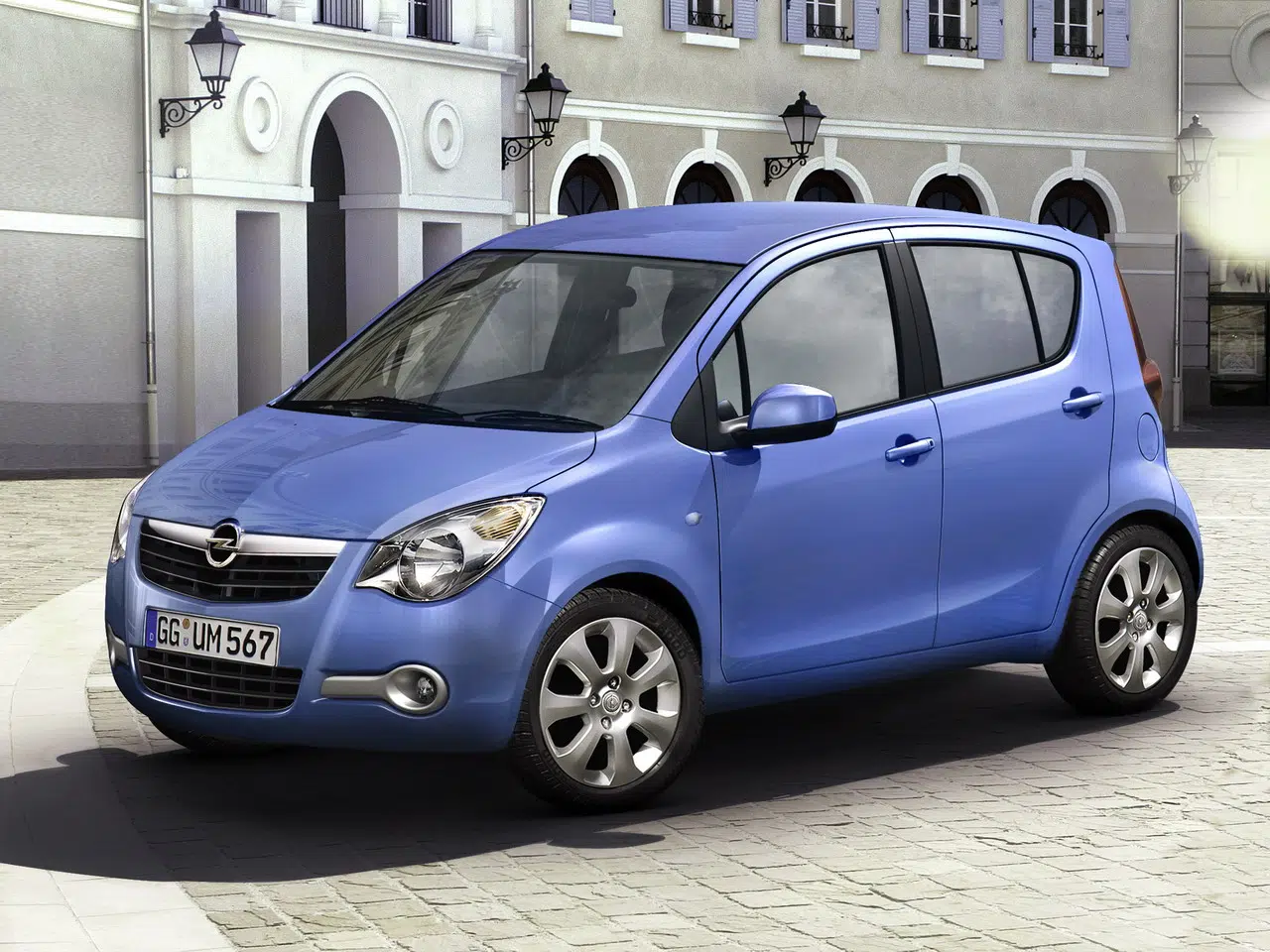 OPEL
AGILA
View model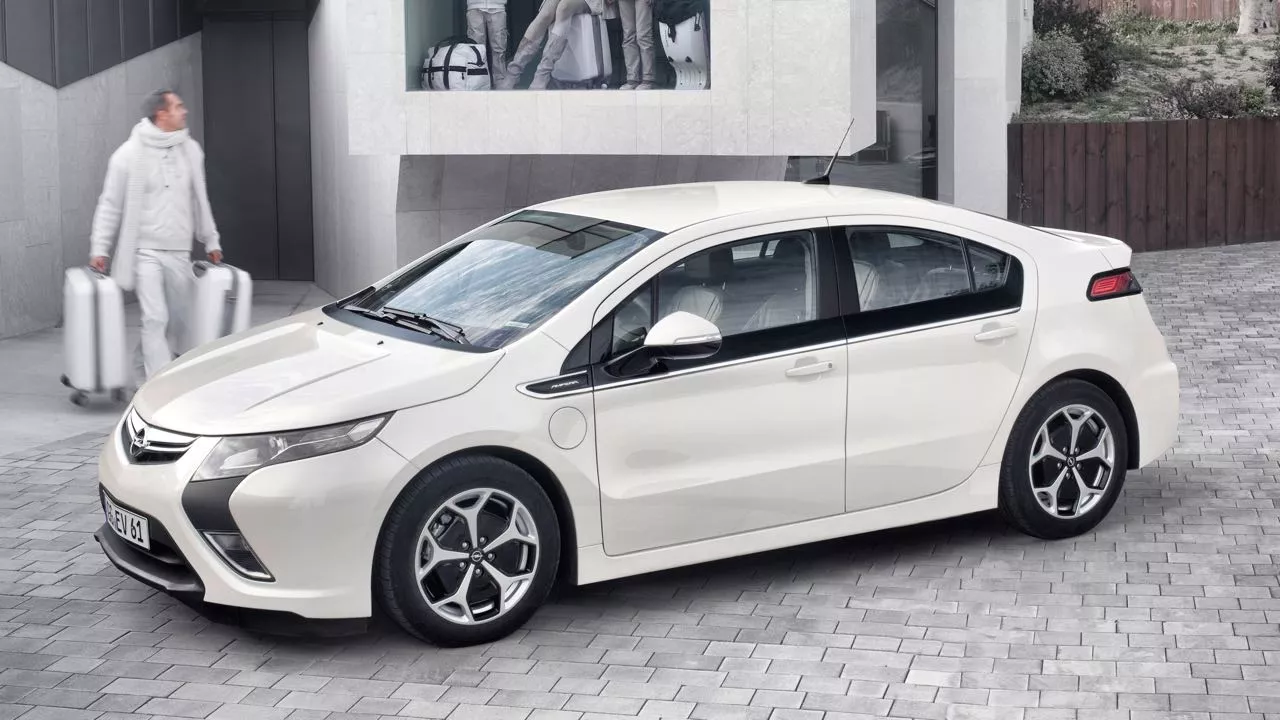 OPEL
AMPERA
View model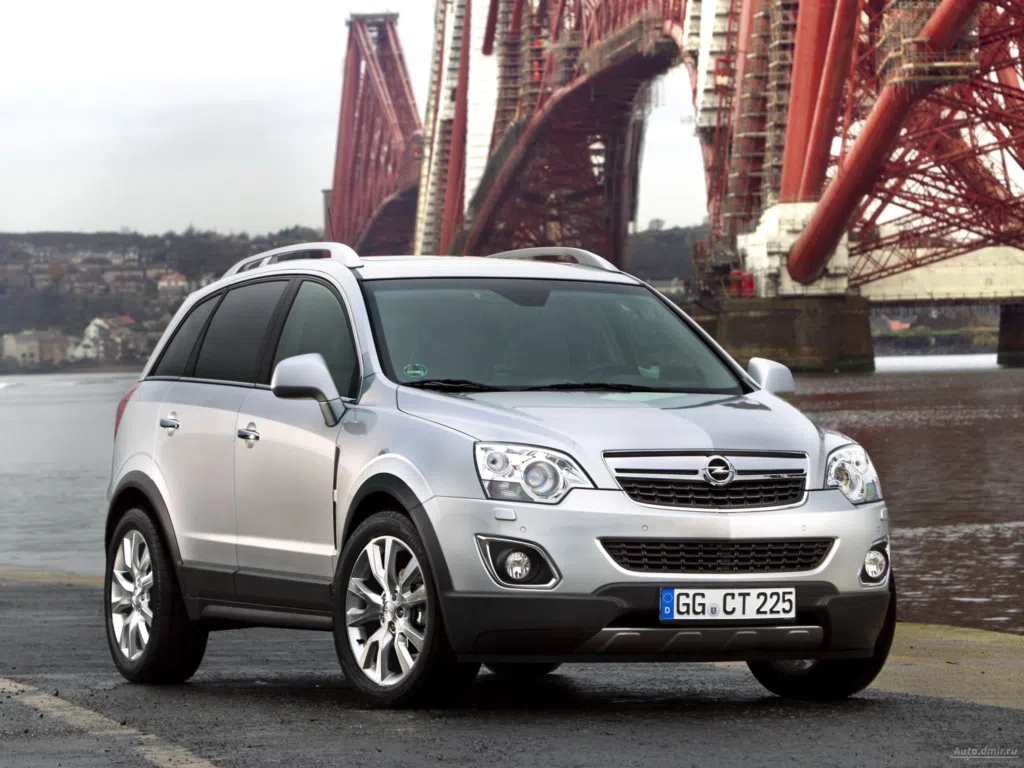 OPEL
ANTARA
View model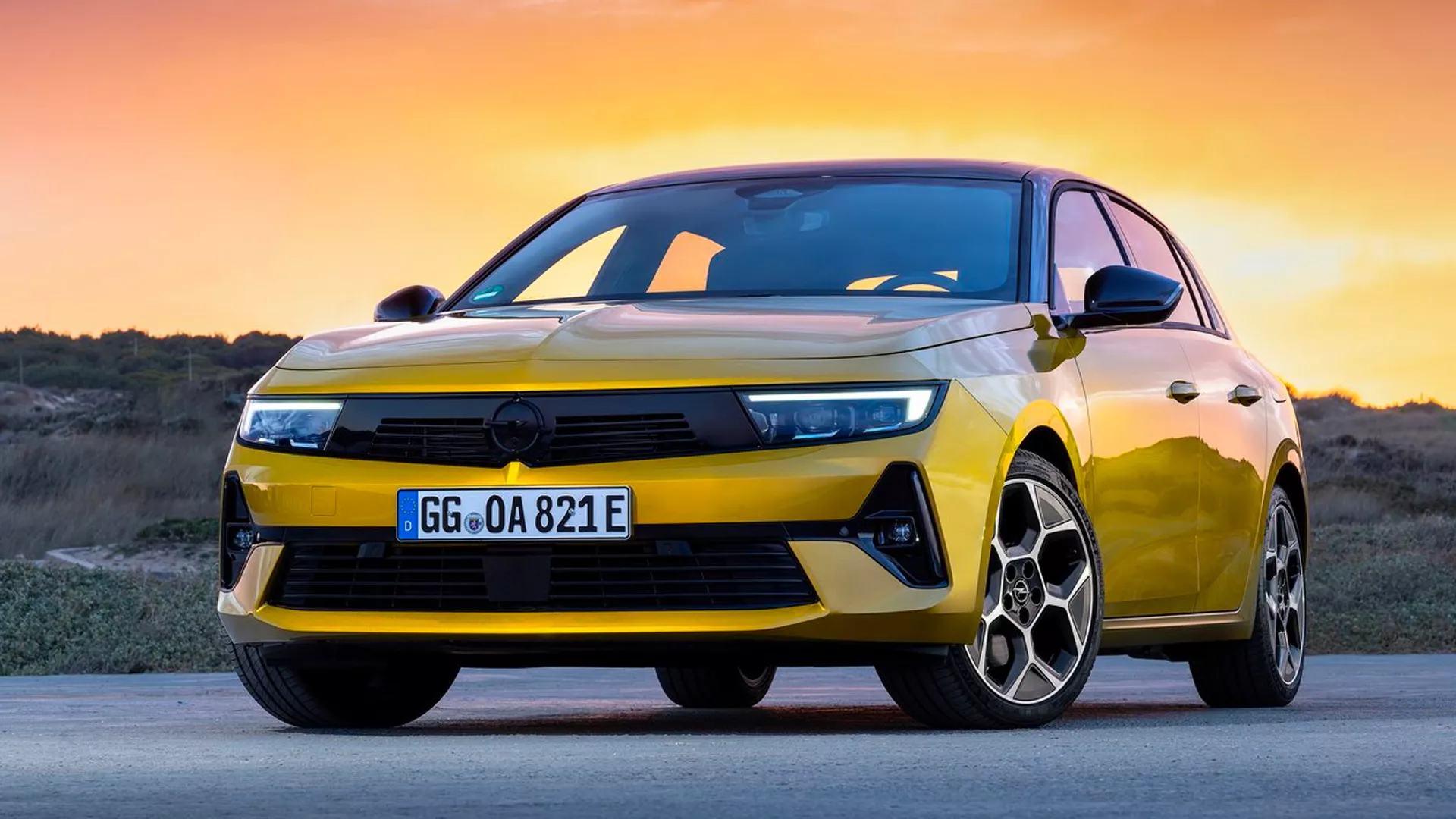 OPEL
ASTRA
View model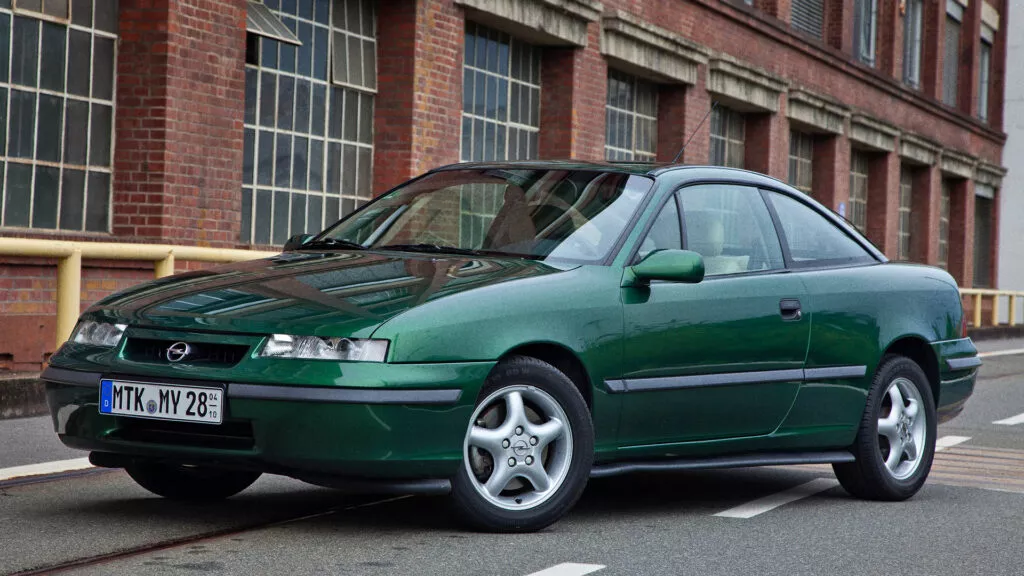 OPEL
CALIBRA
View model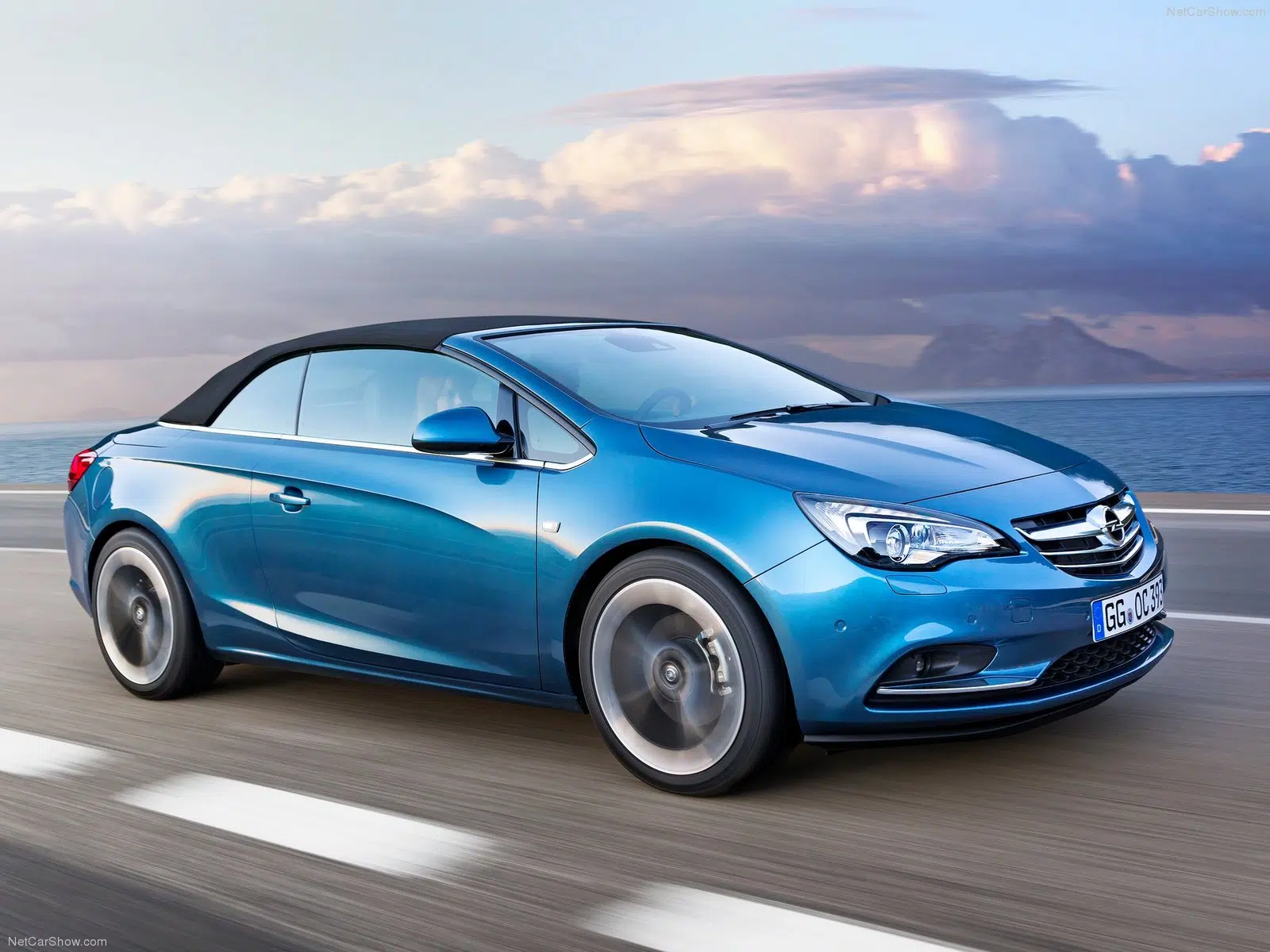 OPEL
CASCADA / CABRIO
View model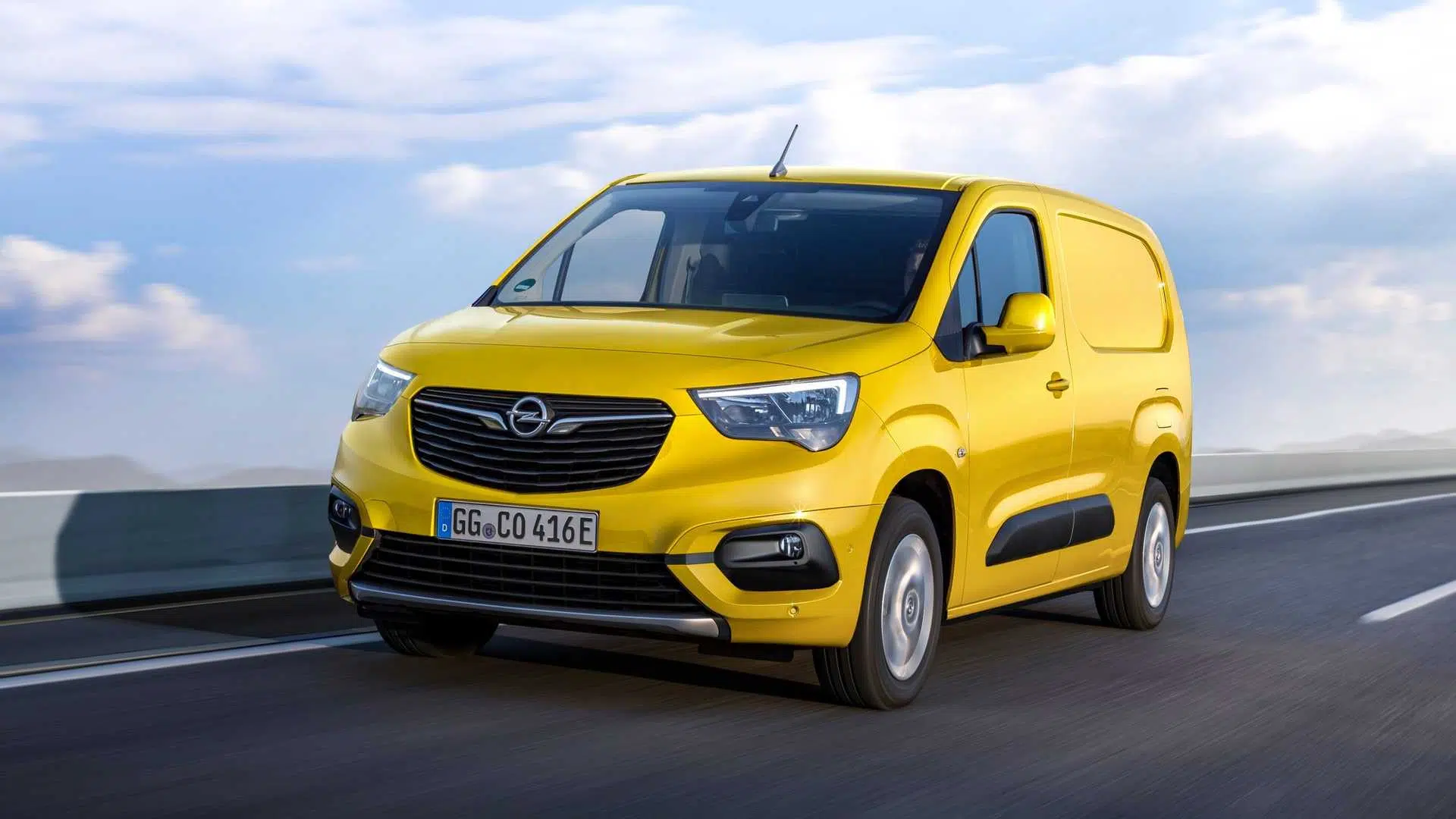 OPEL
COMBO
View model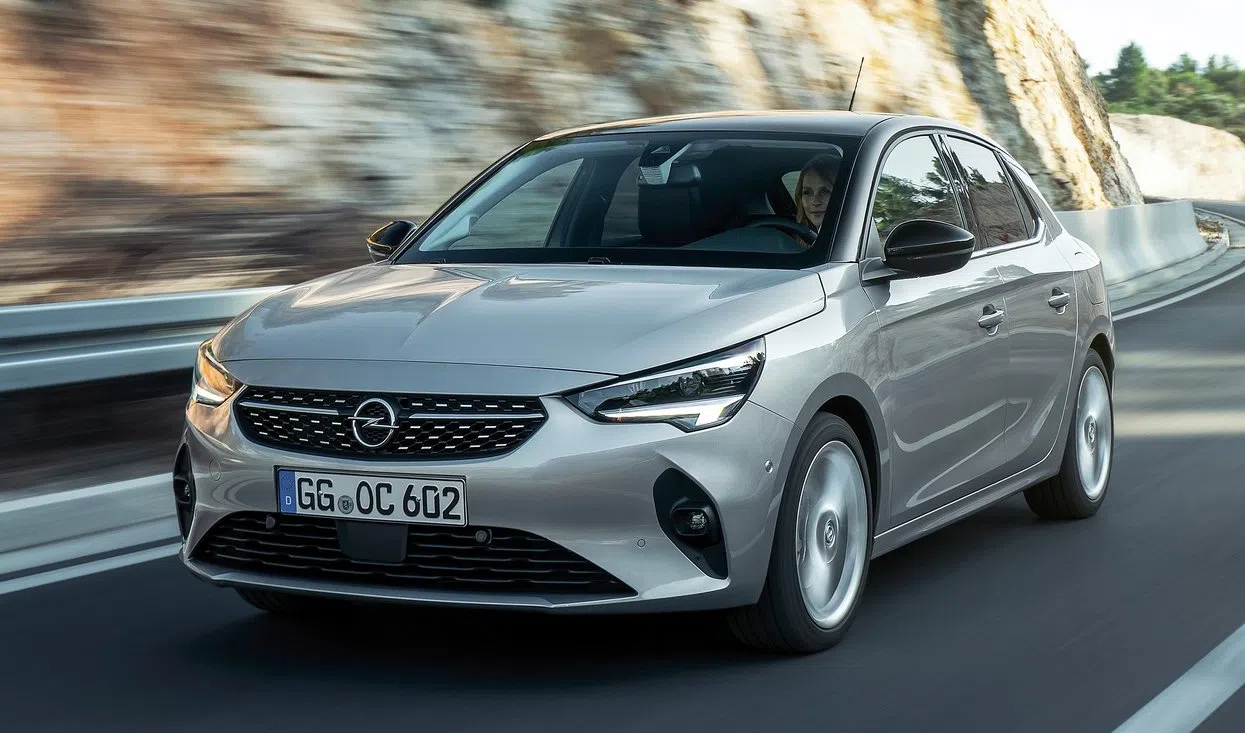 OPEL
CORSA
View model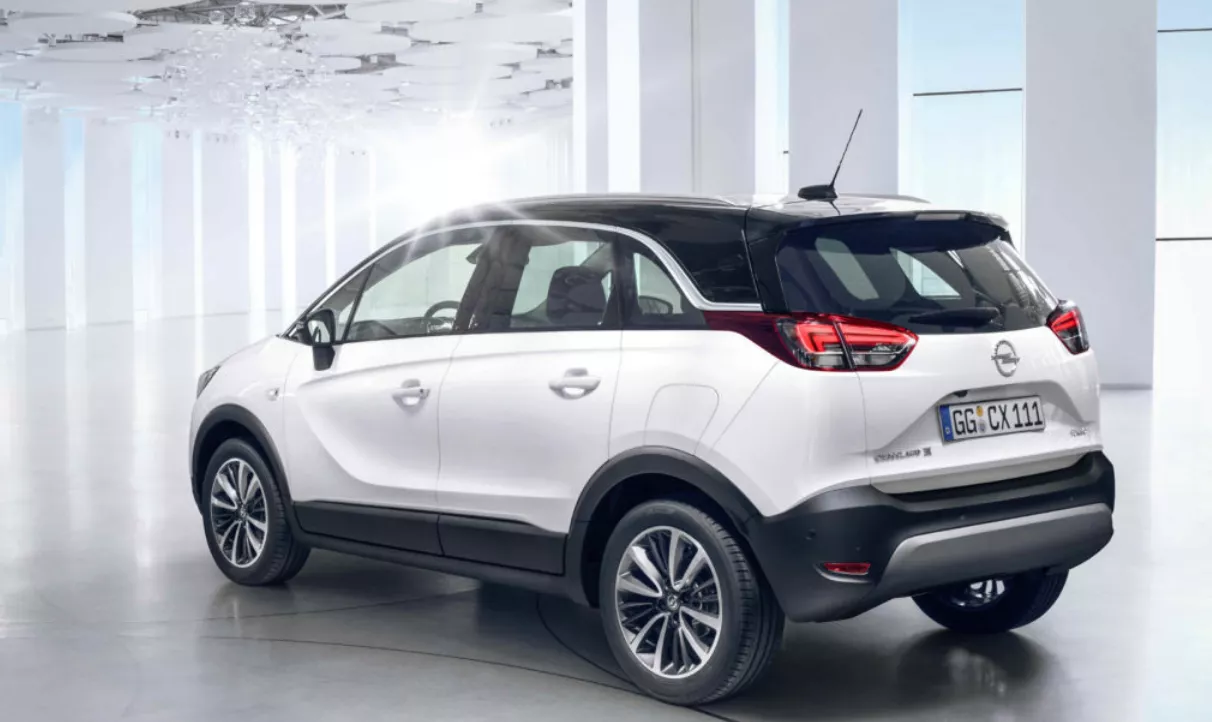 OPEL
CROSSLAND
View model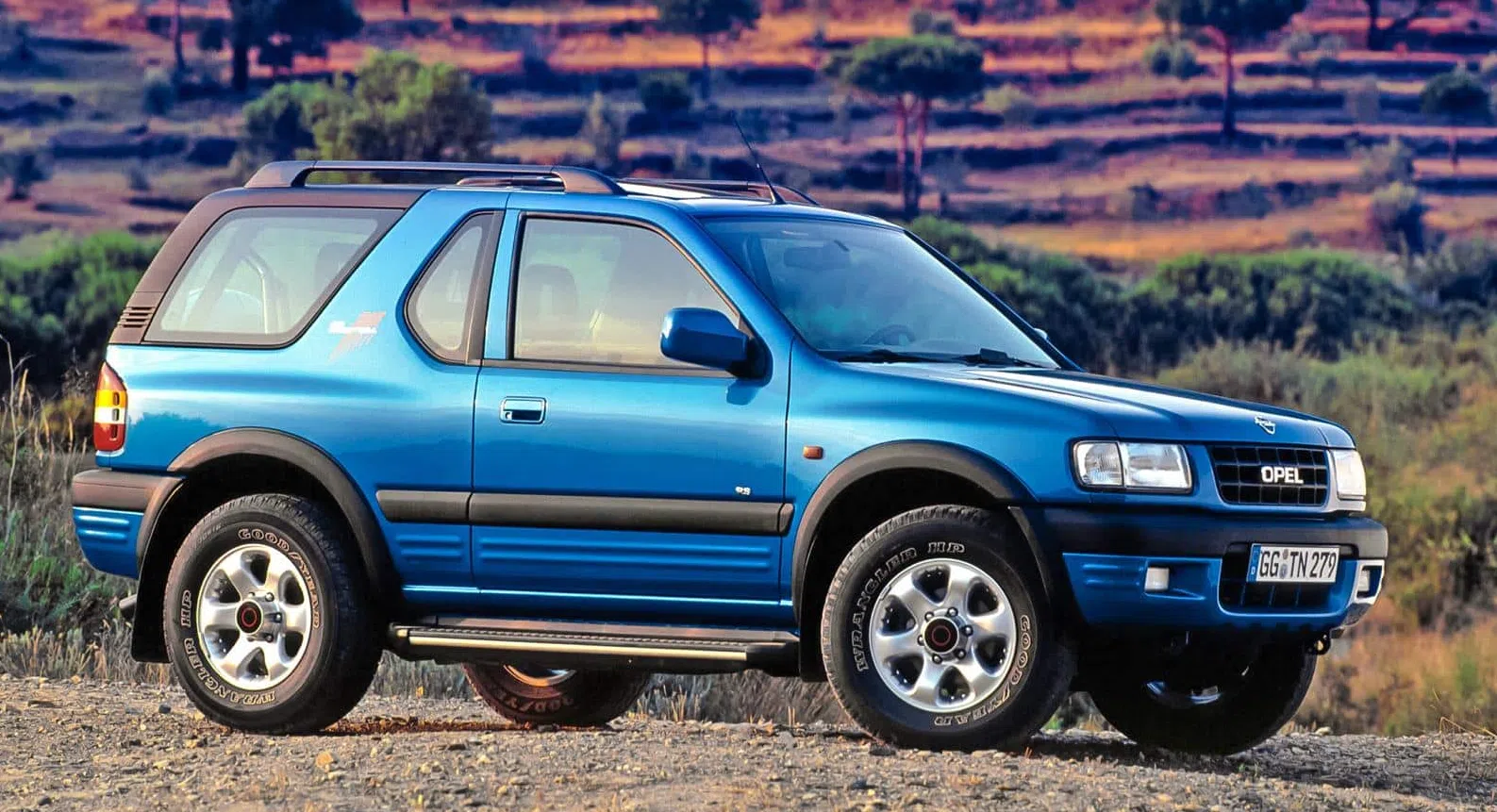 OPEL
FRONTERA
View model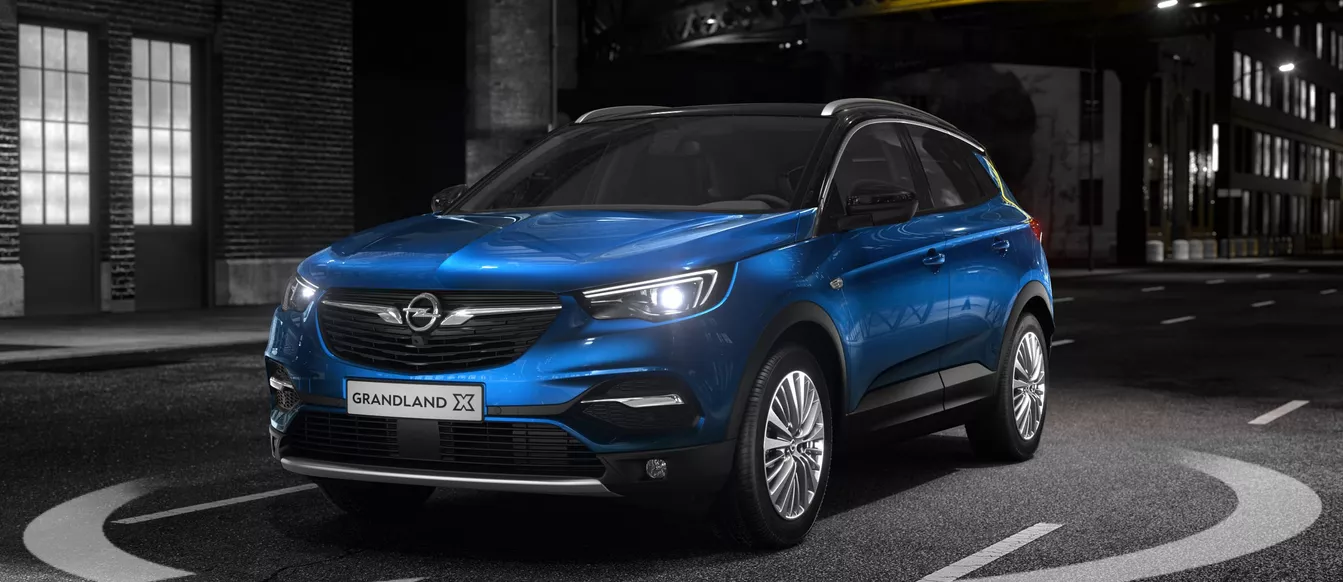 OPEL
GRANDLAND X
View model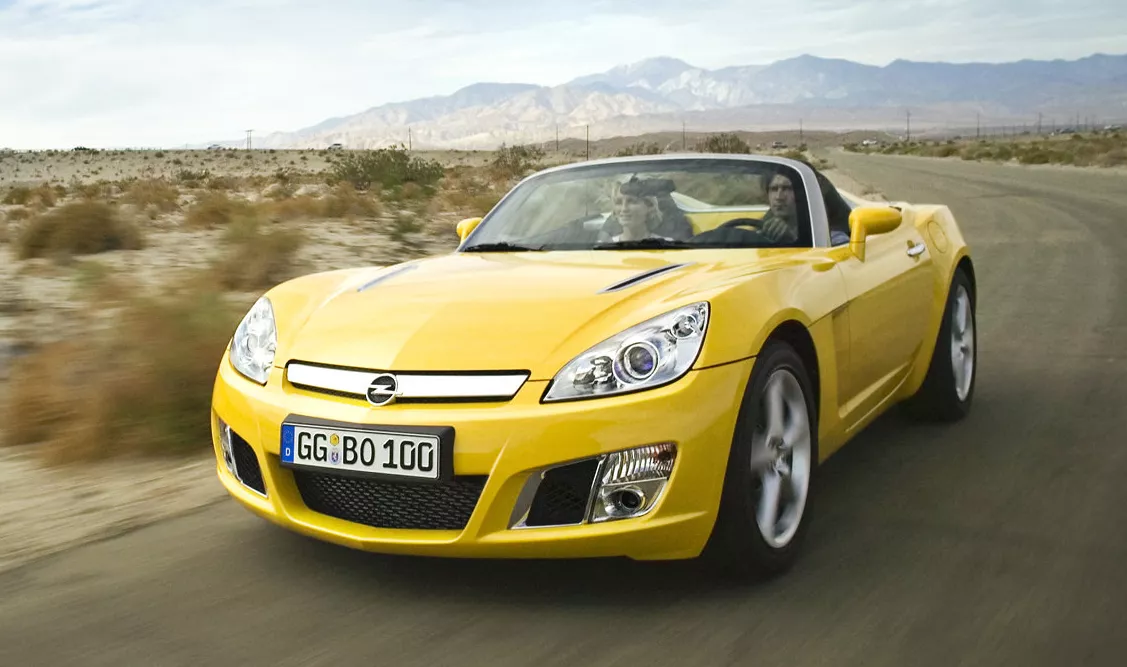 OPEL
GT
View model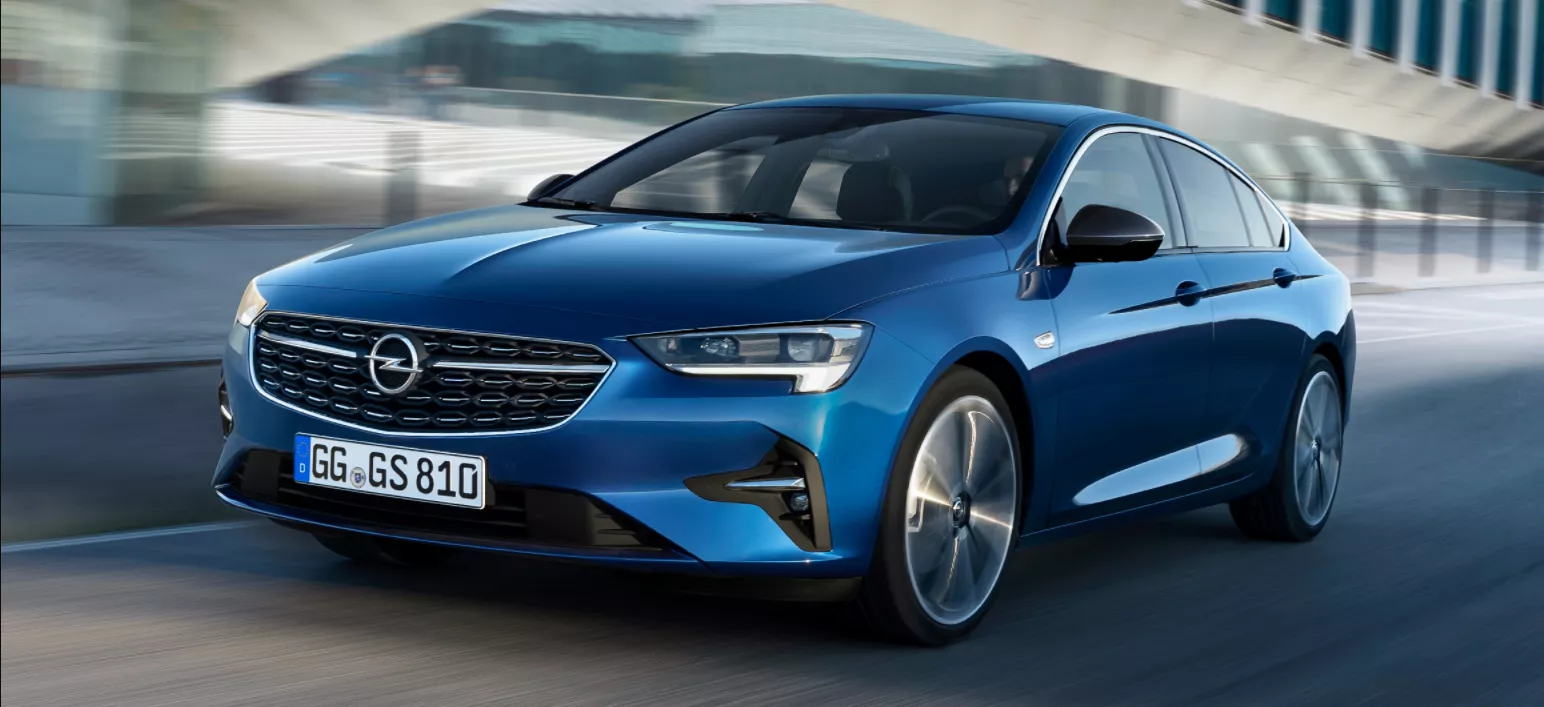 OPEL
Insignia
View model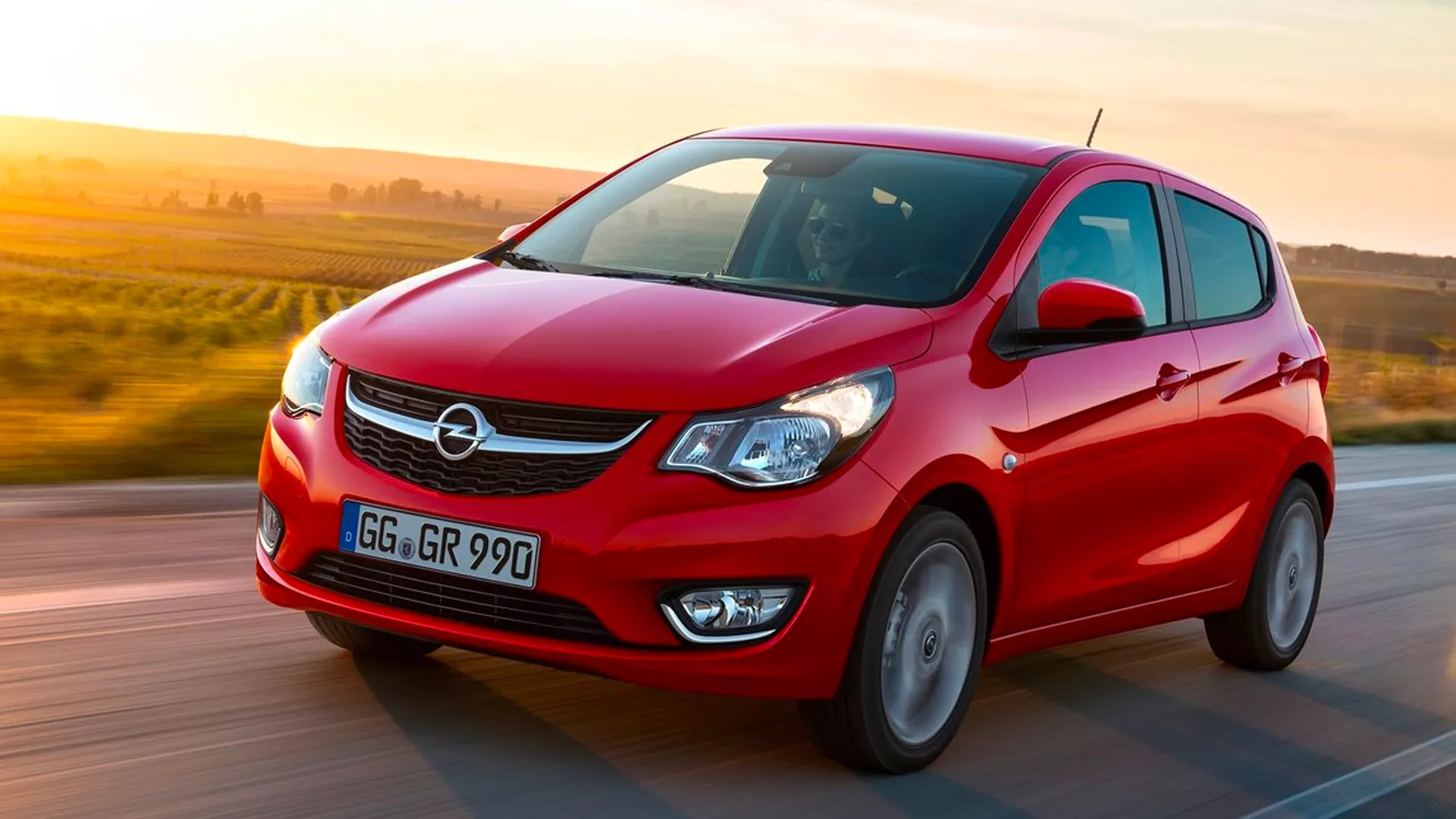 OPEL
KARL
View model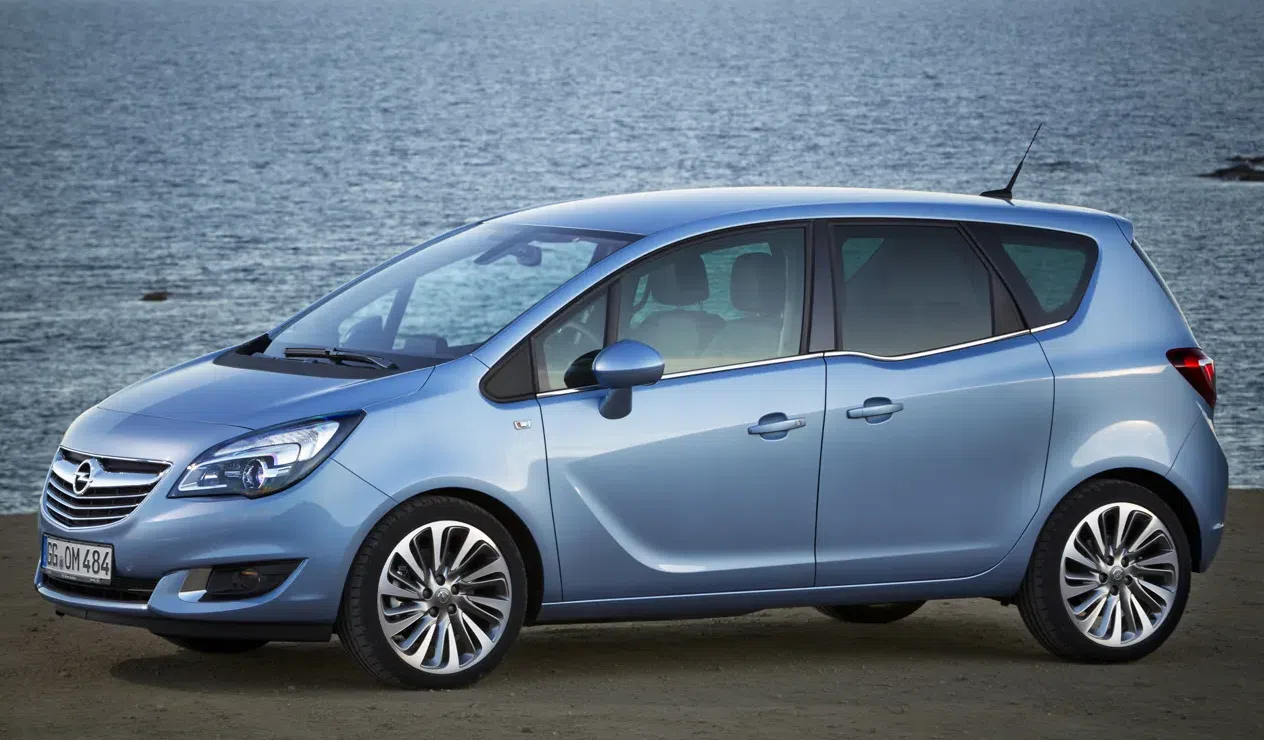 OPEL
MERIVA
View model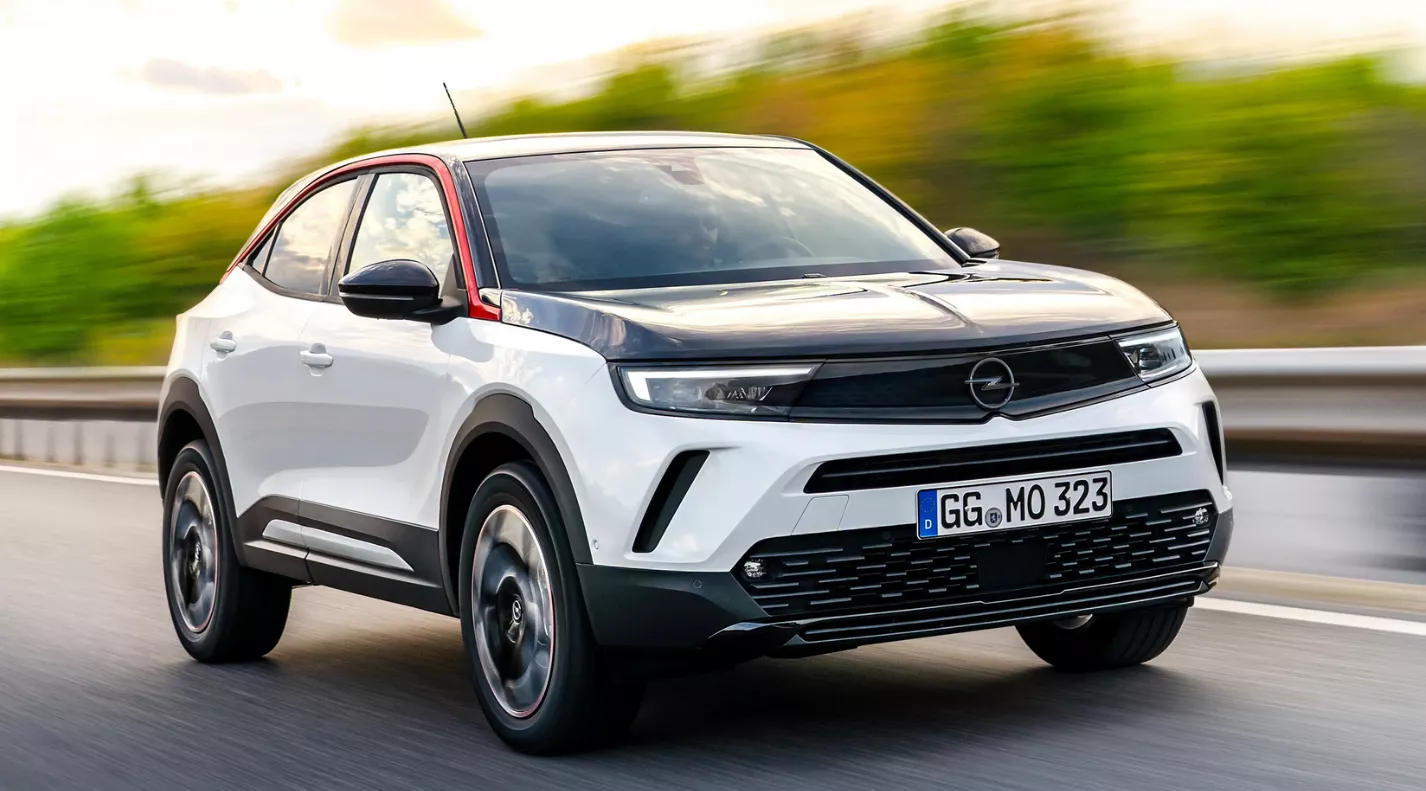 OPEL
MOKKA
View model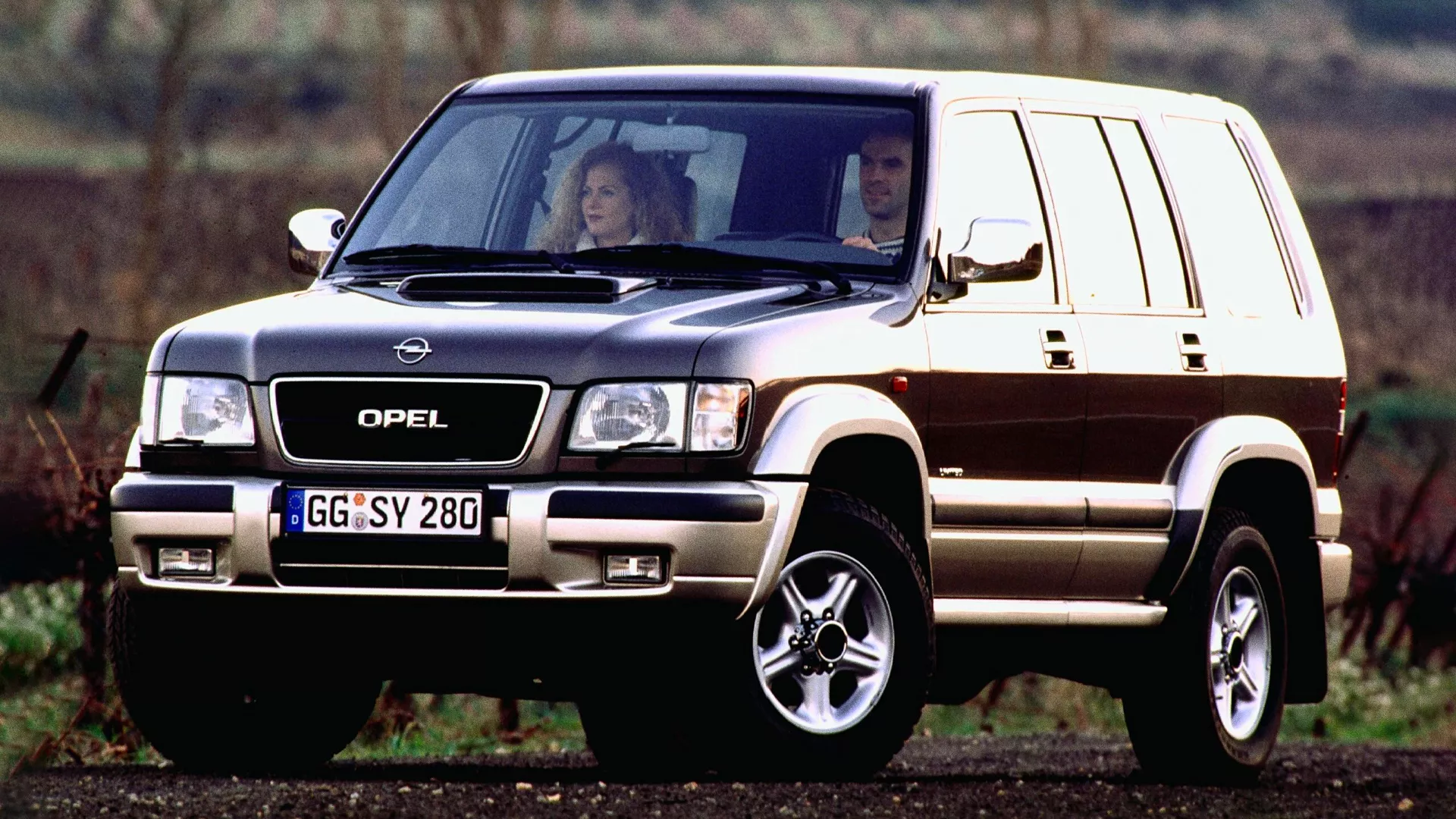 OPEL
MONTEREY
View model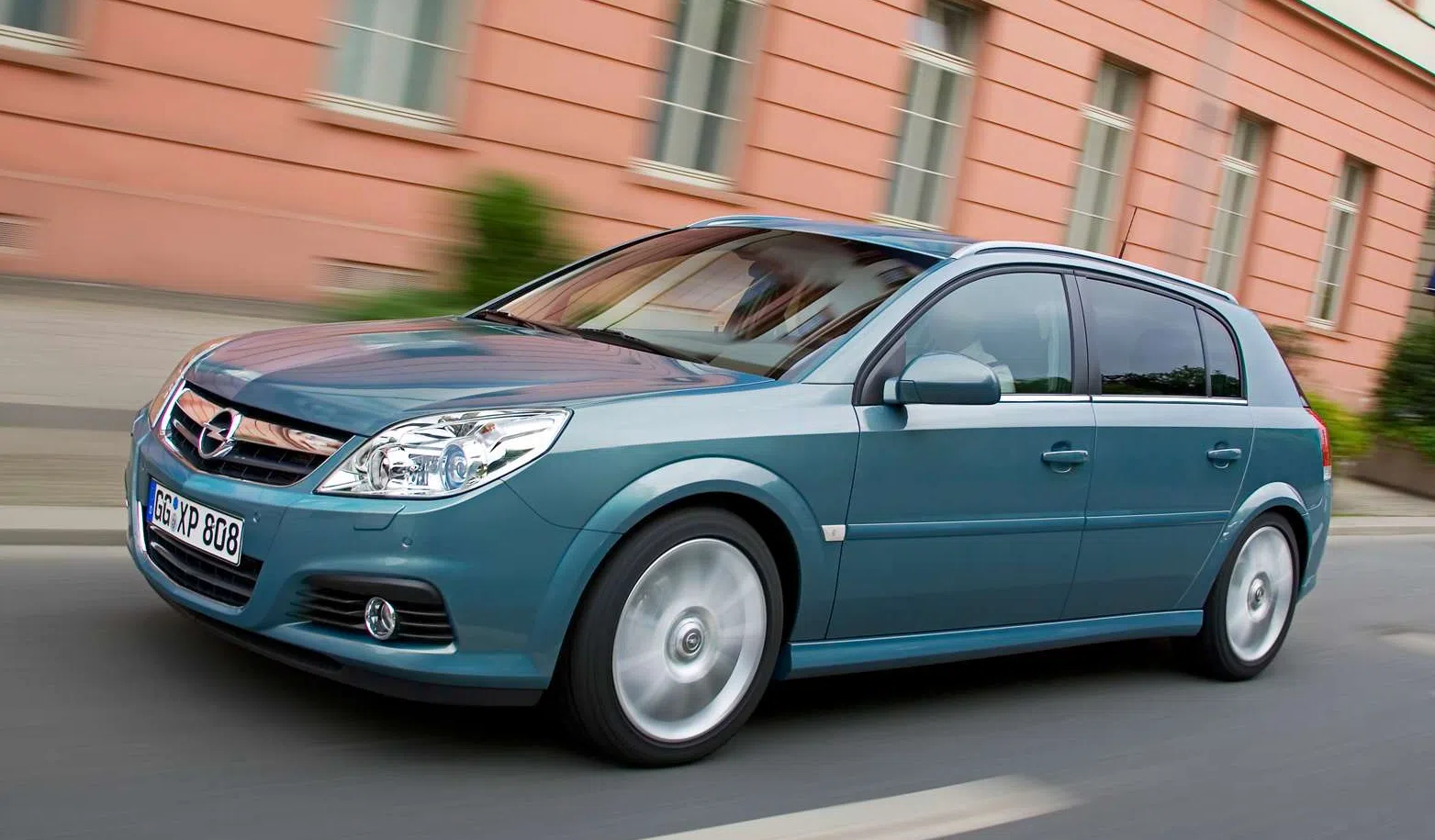 OPEL
SIGNUM
View model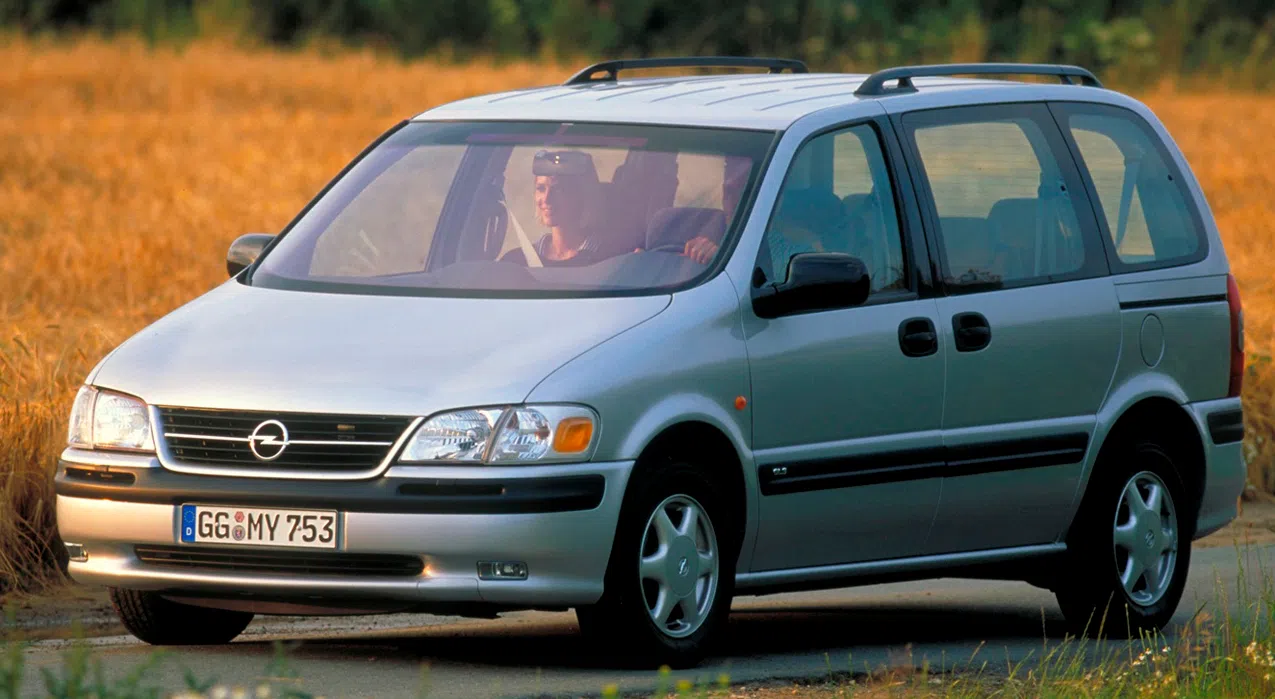 OPEL
SINTRA
View model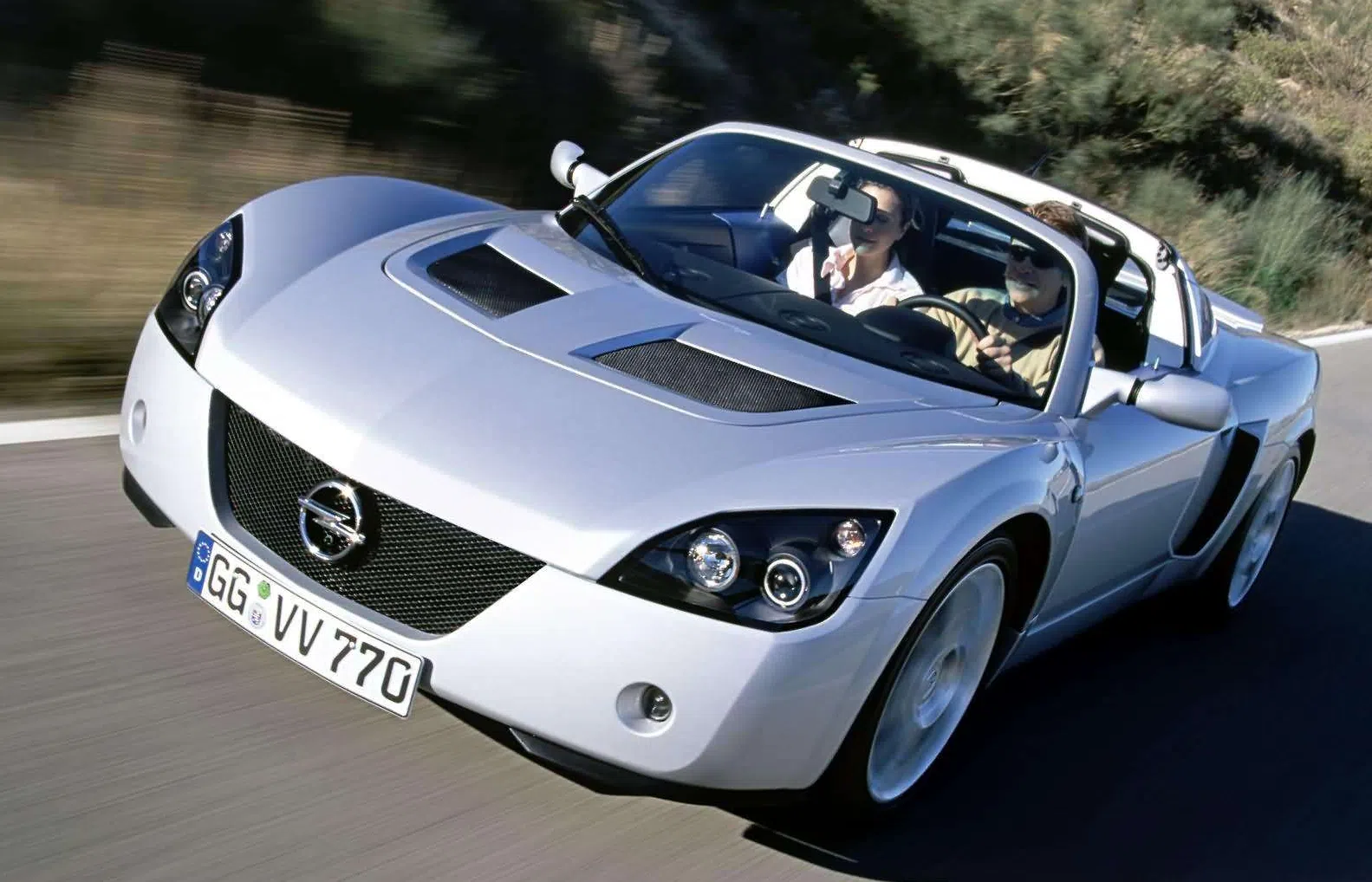 OPEL
SPEEDSTER
View model OPEL
TIGRA
View model OPEL
VECTRA
View model OPEL
VIVARO
View model OPEL
ZAFIRA
View model OPEL
ZAFIRA LIFE
View model- OPEL
View all models