
OPEL CALIBRATiming chain or Belt?
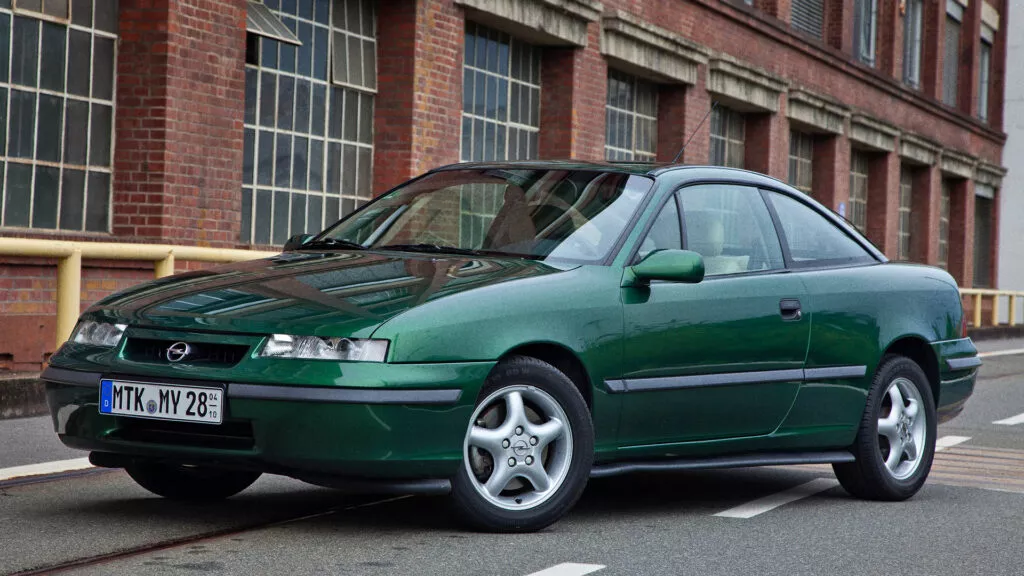
About OPEL CALIBRA
The Opel Calibra is a D-segment sports coupé produced by the German brand Opel between 1989 and 1997. It was the successor to the Opel Manta. It was also marketed as the Vauxhall Calibra in the United Kingdom, Chevrolet Calibra in South America, and Holden Calibra in Australia and New Zealand.
The Calibra was developed on the Vectra A platform and was designed by Erhard Schnell. It was manufactured in plants in Germany and Finland. Production did not reach a quarter of a million units. The Calibra stood out for its low aerodynamic drag coefficient of 0.26, which allowed it to reach high speeds. It mounted 4-cylinder engines, both naturally aspirated and turbocharged, as well as a V6 engine. The most powerful versions were the 204 hp Calibra Turbo and the 170 hp V6.
Originally, the Calibra was launched with front-wheel drive. Starting in 1990, a four-wheel-drive (4x4) version was introduced, which improved grip and handling in difficult conditions.
Despite its short run, it could be said that the Opel Calibra had a decent reception in Europe. However, it did not succeed in other markets such as the United States. Where this sports car truly triumphed was in the world of tuning and modifications. Many of the people who took an interest in this Opel did so solely to transform them into "fake cars". Unlike the Toyota MR2, used to make "Fakerraris", the Opel Calibra has been used to make Aston Martin replicas.
As for the Calibra's main rivals at the time, they included models like the Ford Probe, Toyota Celica, Nissan 200SX, and Mazda MX-6. It is worth noting that there was only one generation of the Opel Calibra. It had no direct successor until the Opel Speedster in the year 2000.
Jump to a generation:
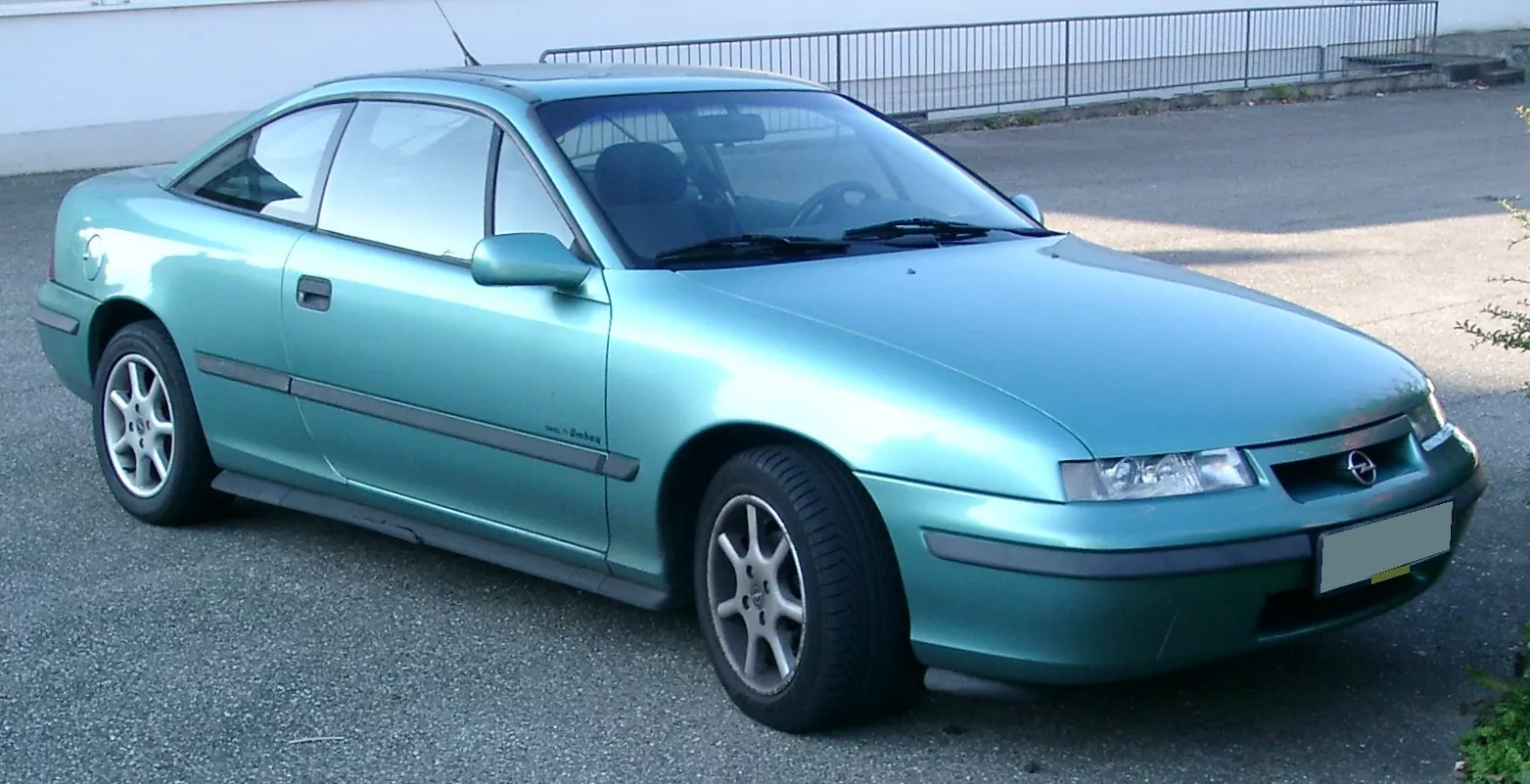
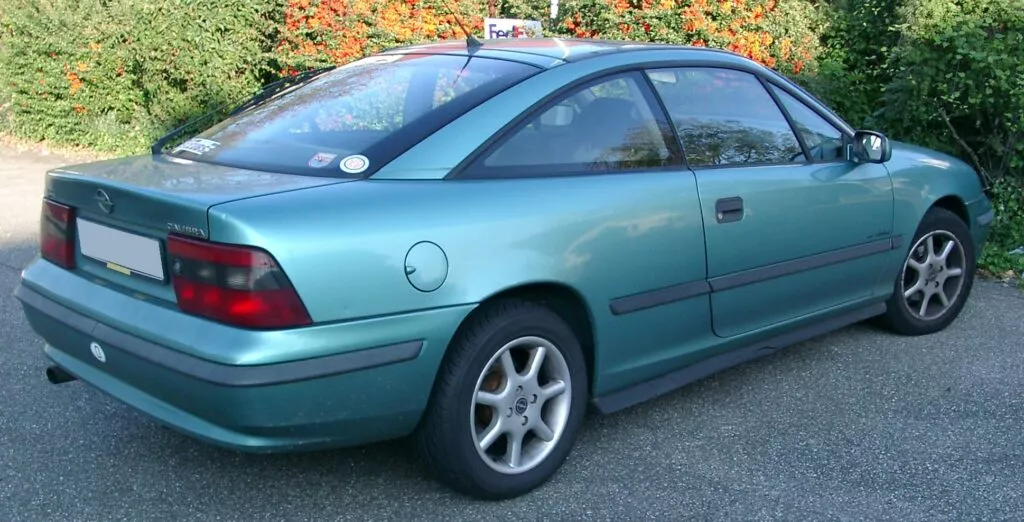
#1OPEL CALIBRA - Generation I(1989)C89
CoupéC89
View more models from OPEL
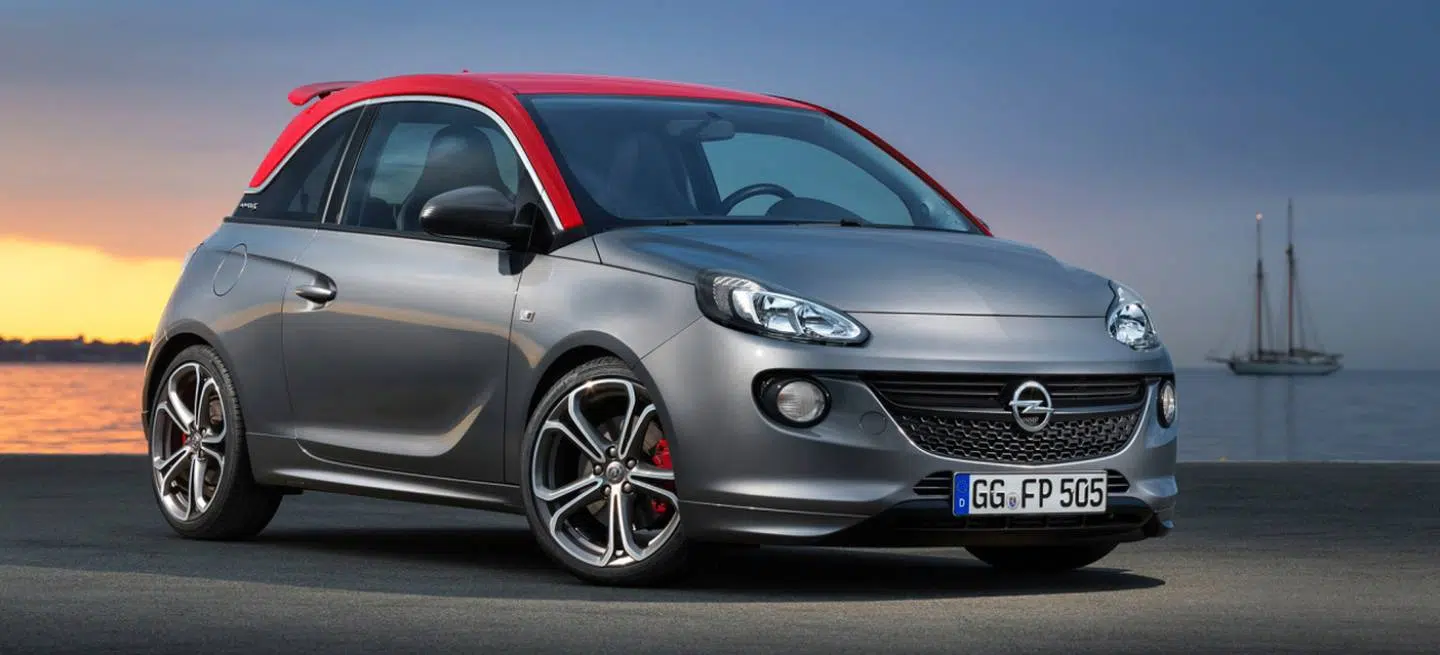 OPEL
ADAM
View model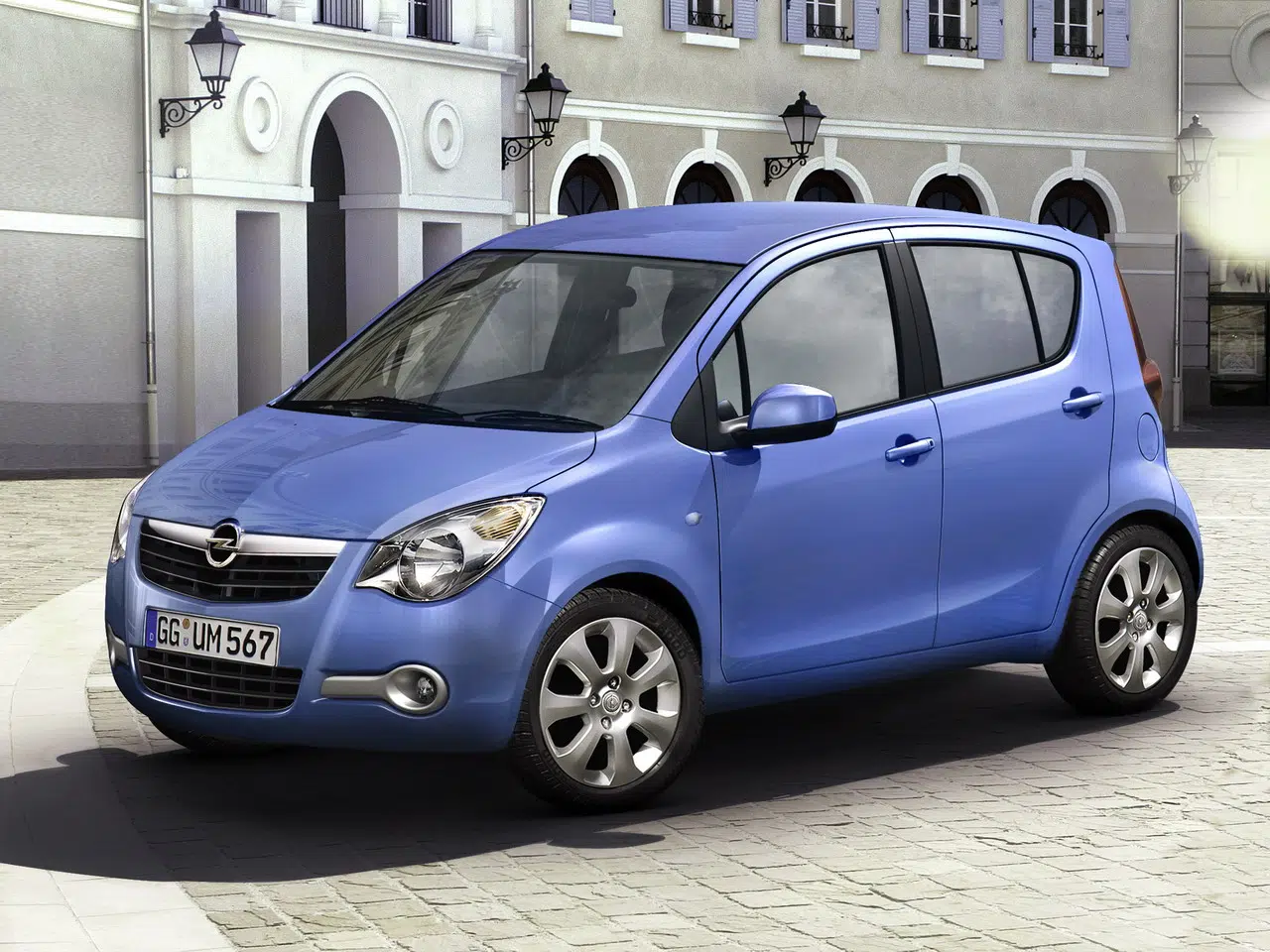 OPEL
AGILA
View model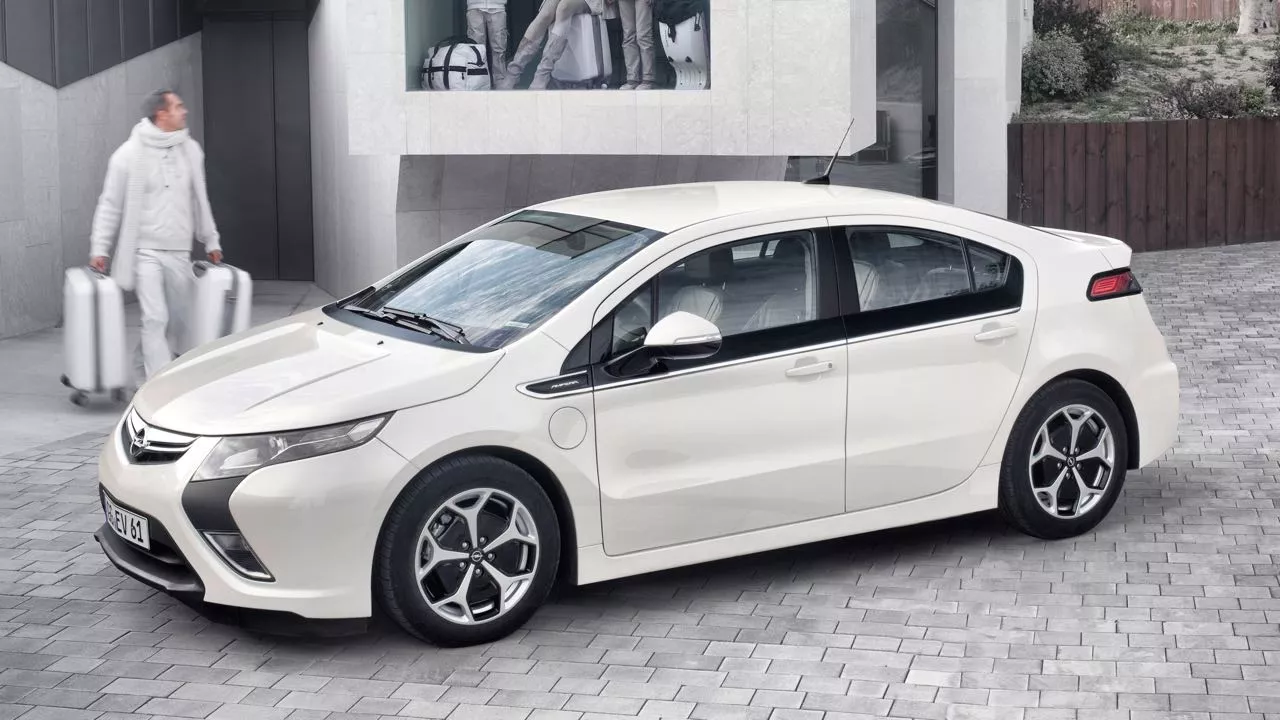 OPEL
AMPERA
View model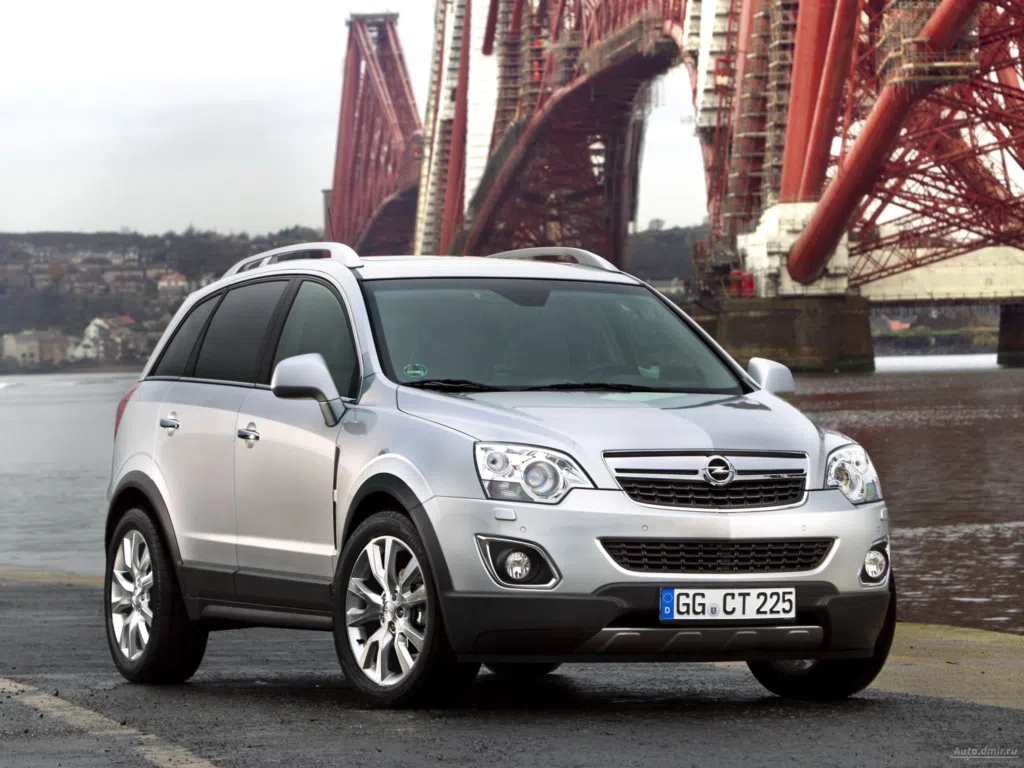 OPEL
ANTARA
View model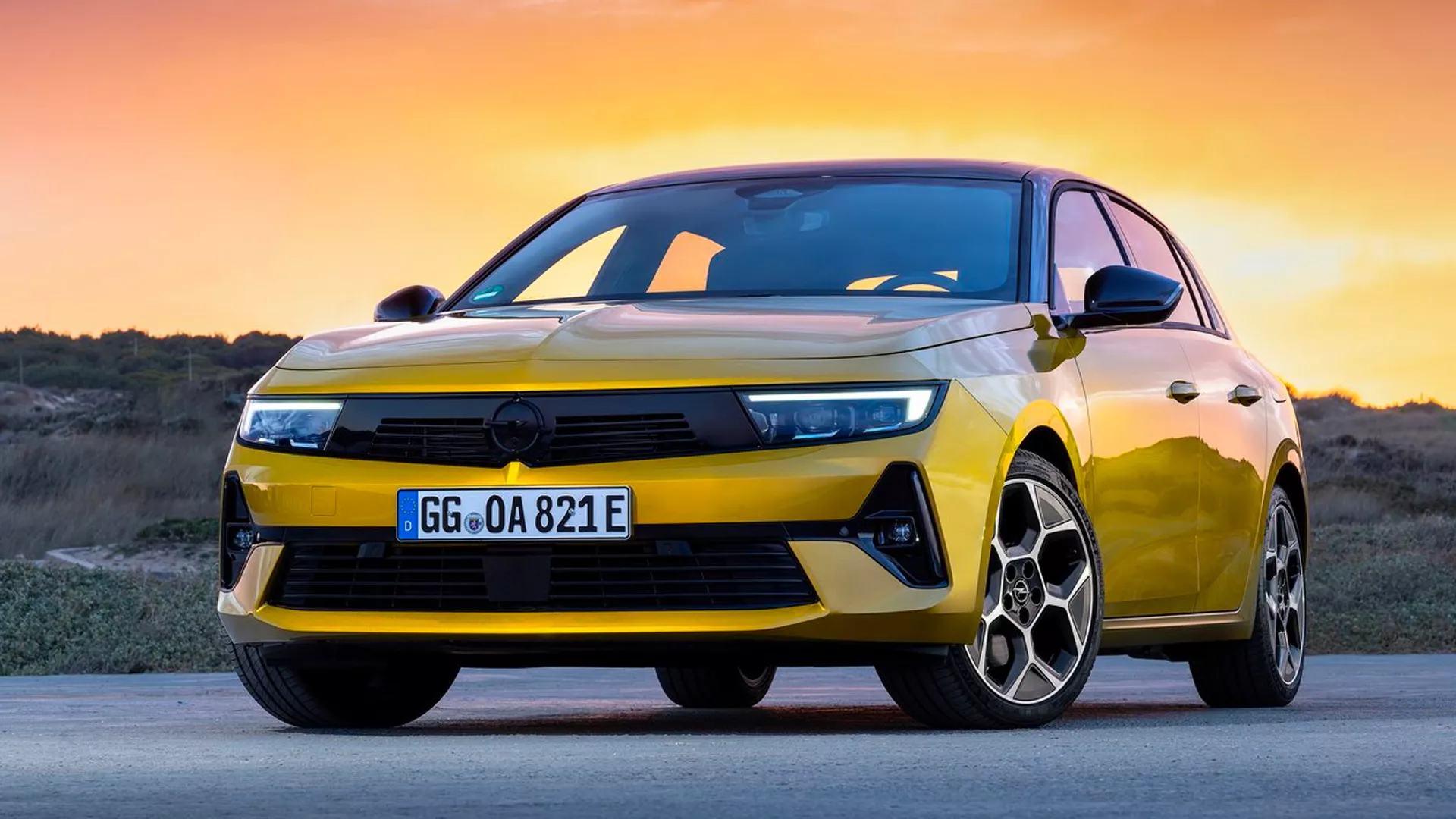 OPEL
ASTRA
View model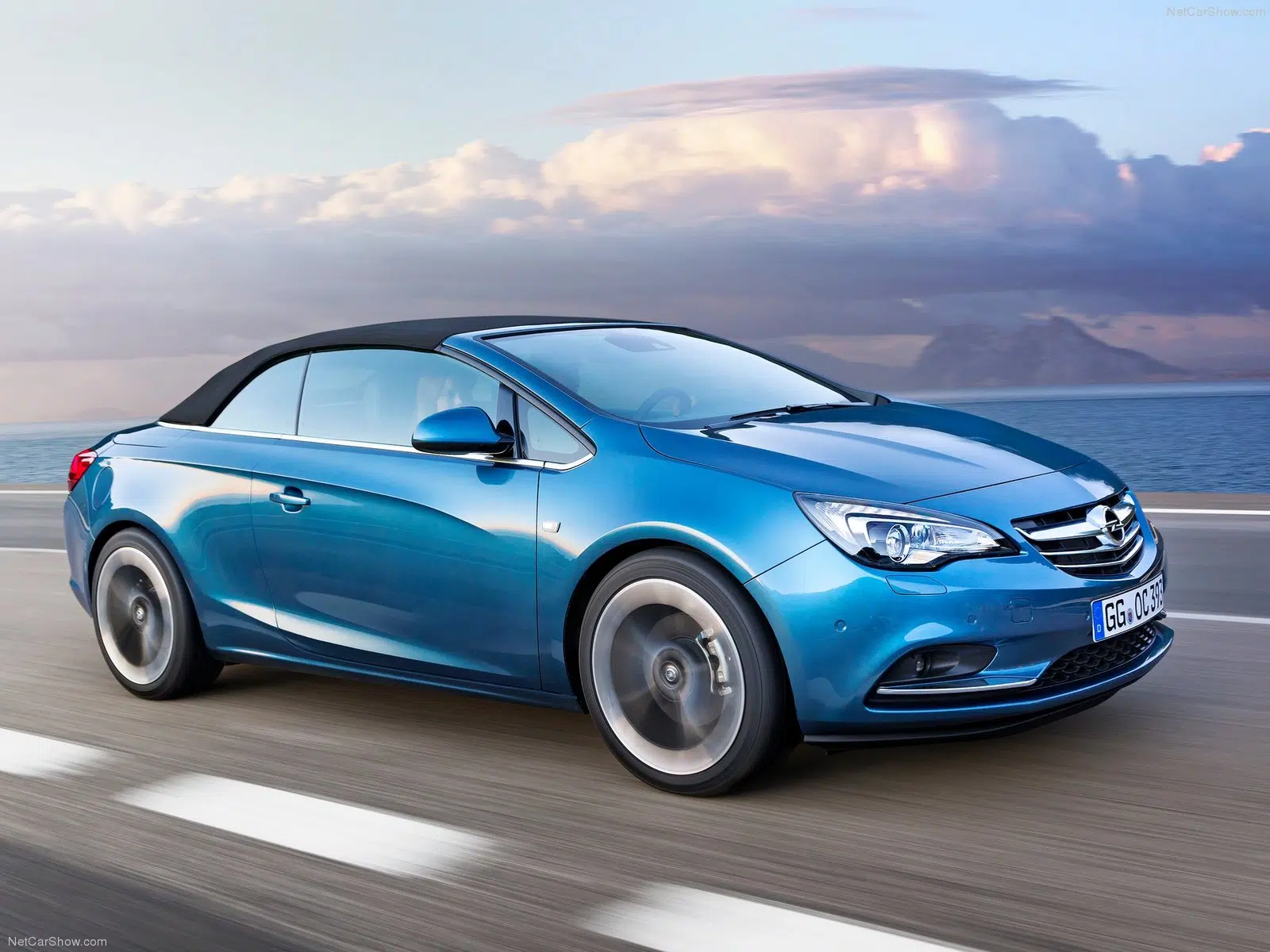 OPEL
CASCADA / CABRIO
View model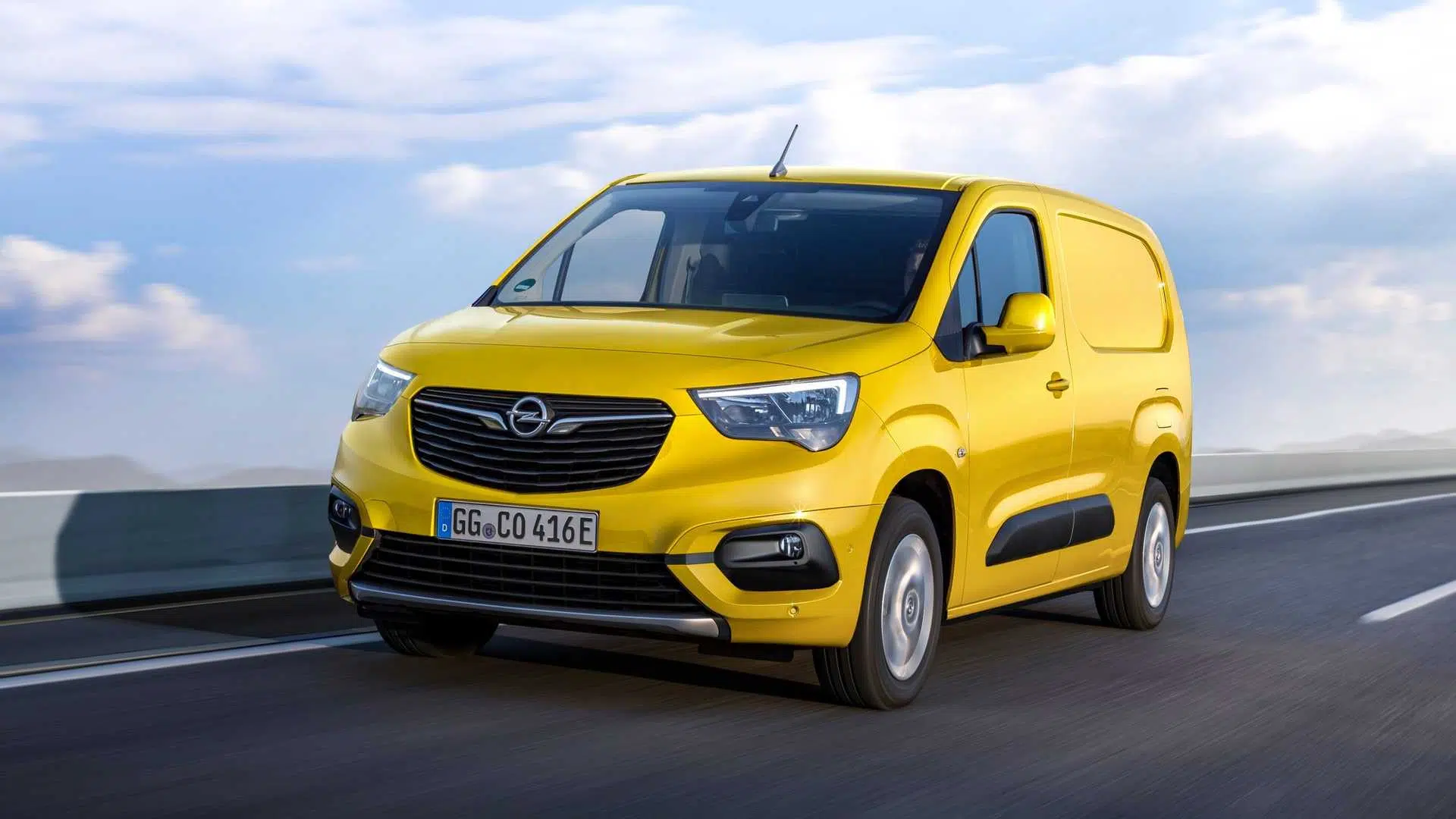 OPEL
COMBO
View model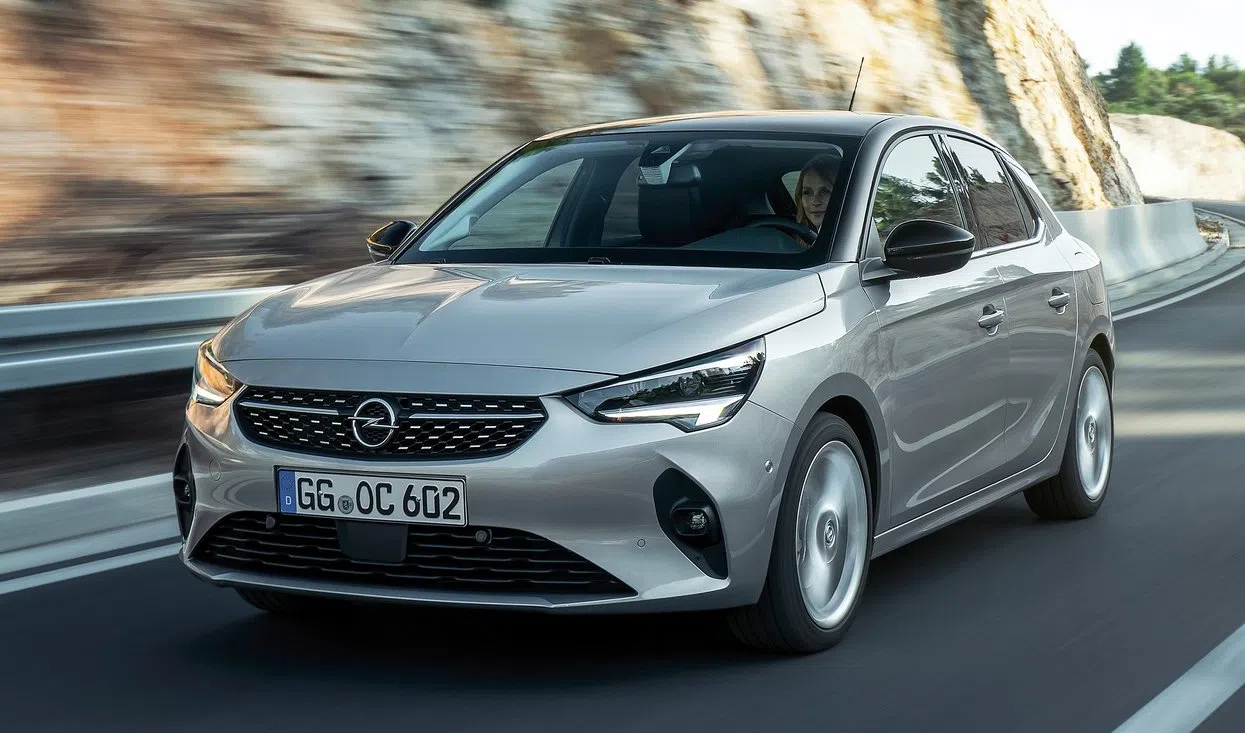 OPEL
CORSA
View model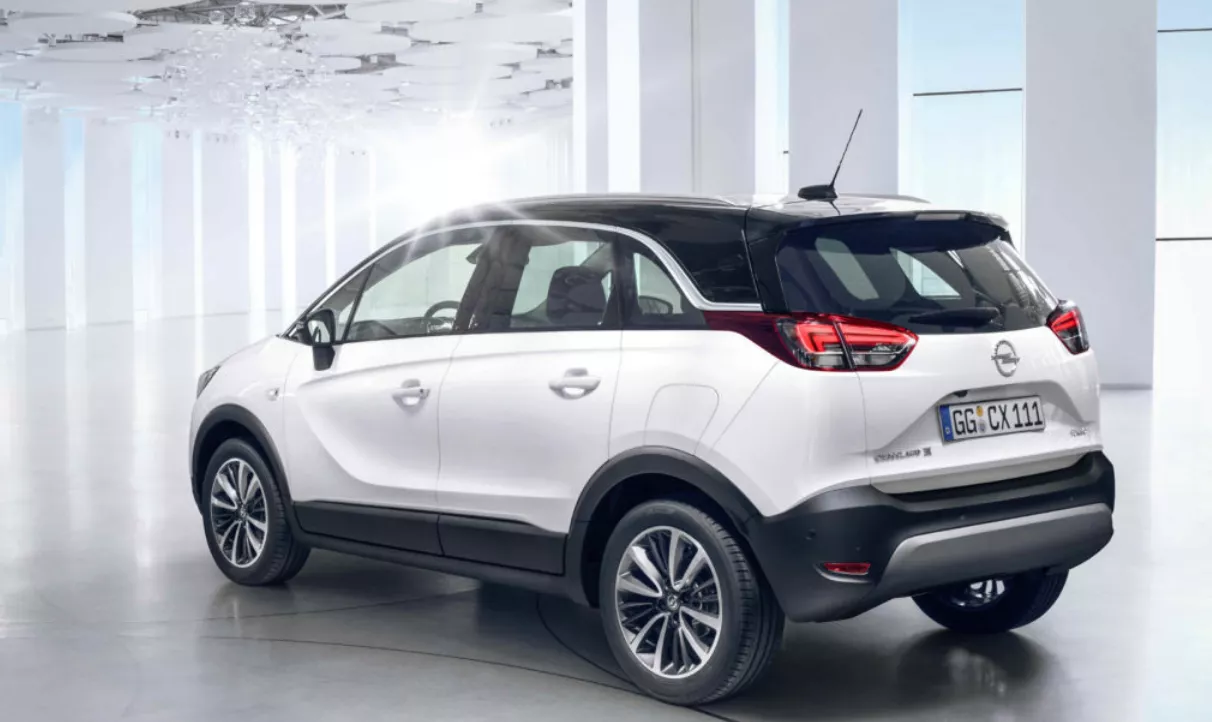 OPEL
CROSSLAND
View model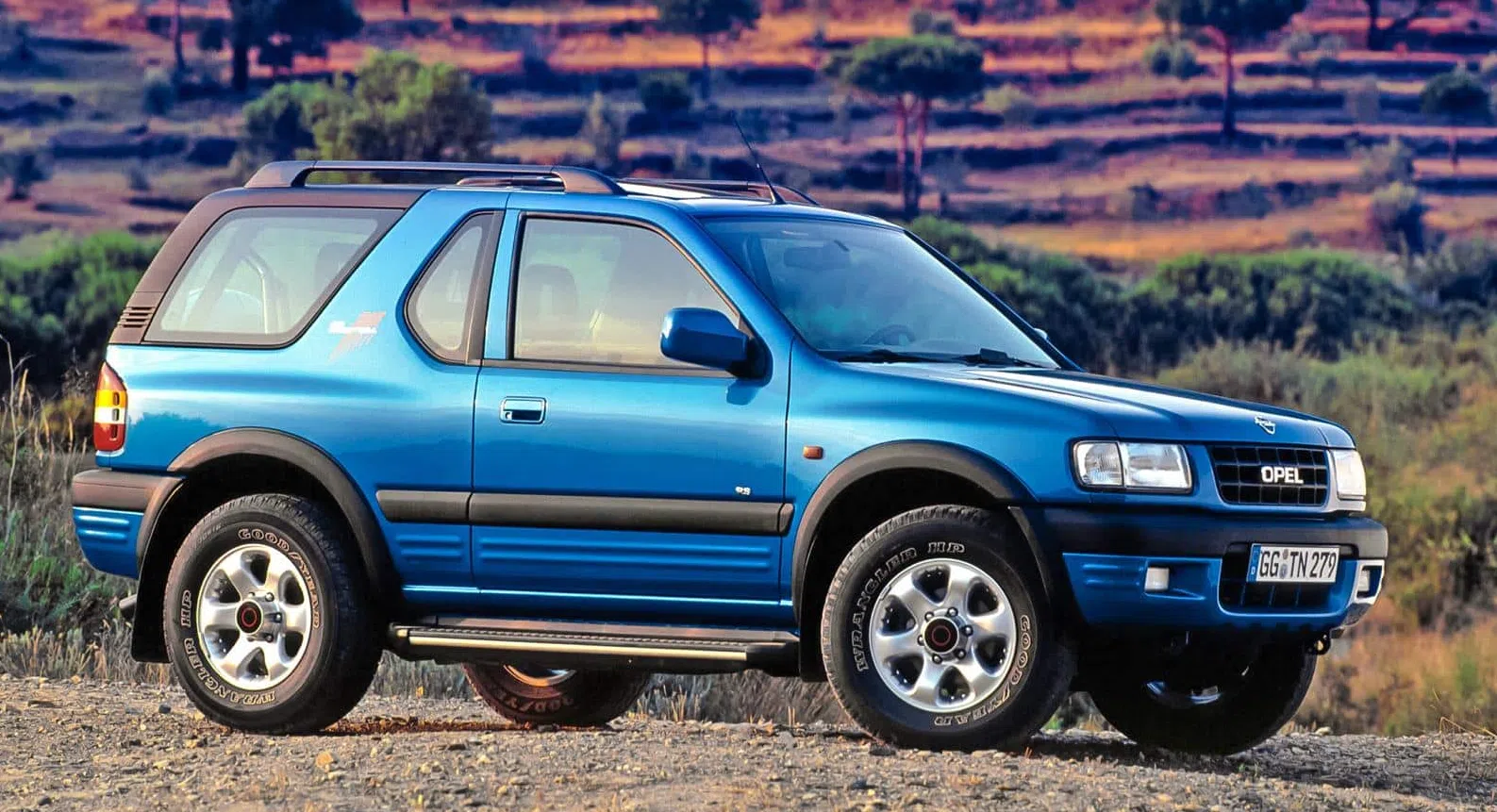 OPEL
FRONTERA
View model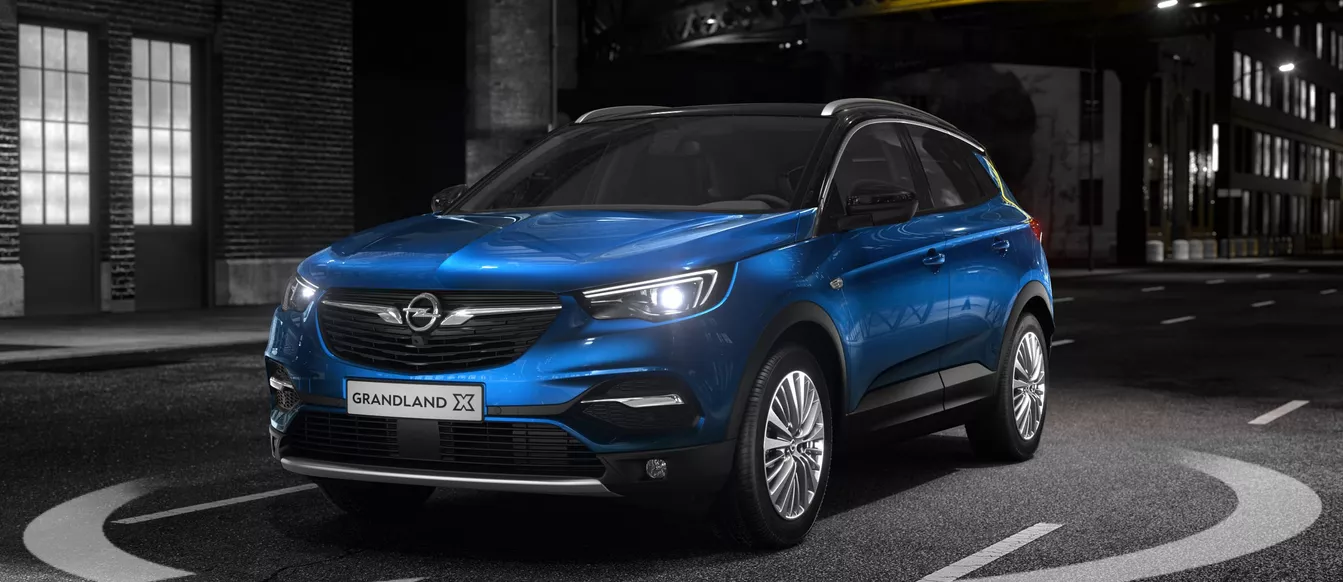 OPEL
GRANDLAND X
View model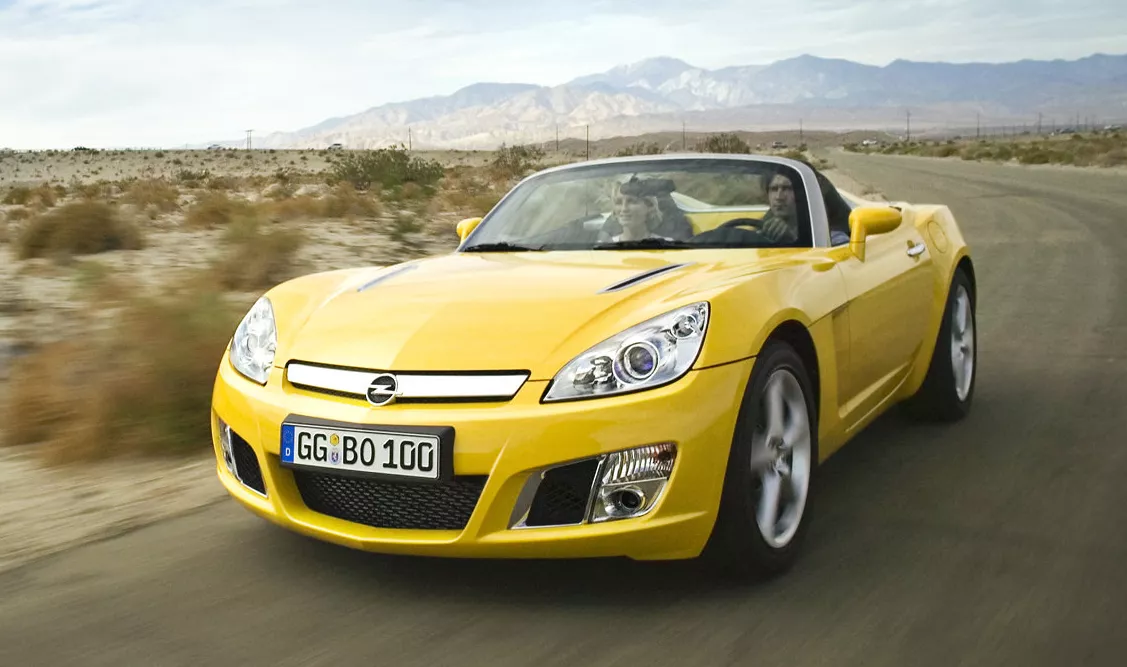 OPEL
GT
View model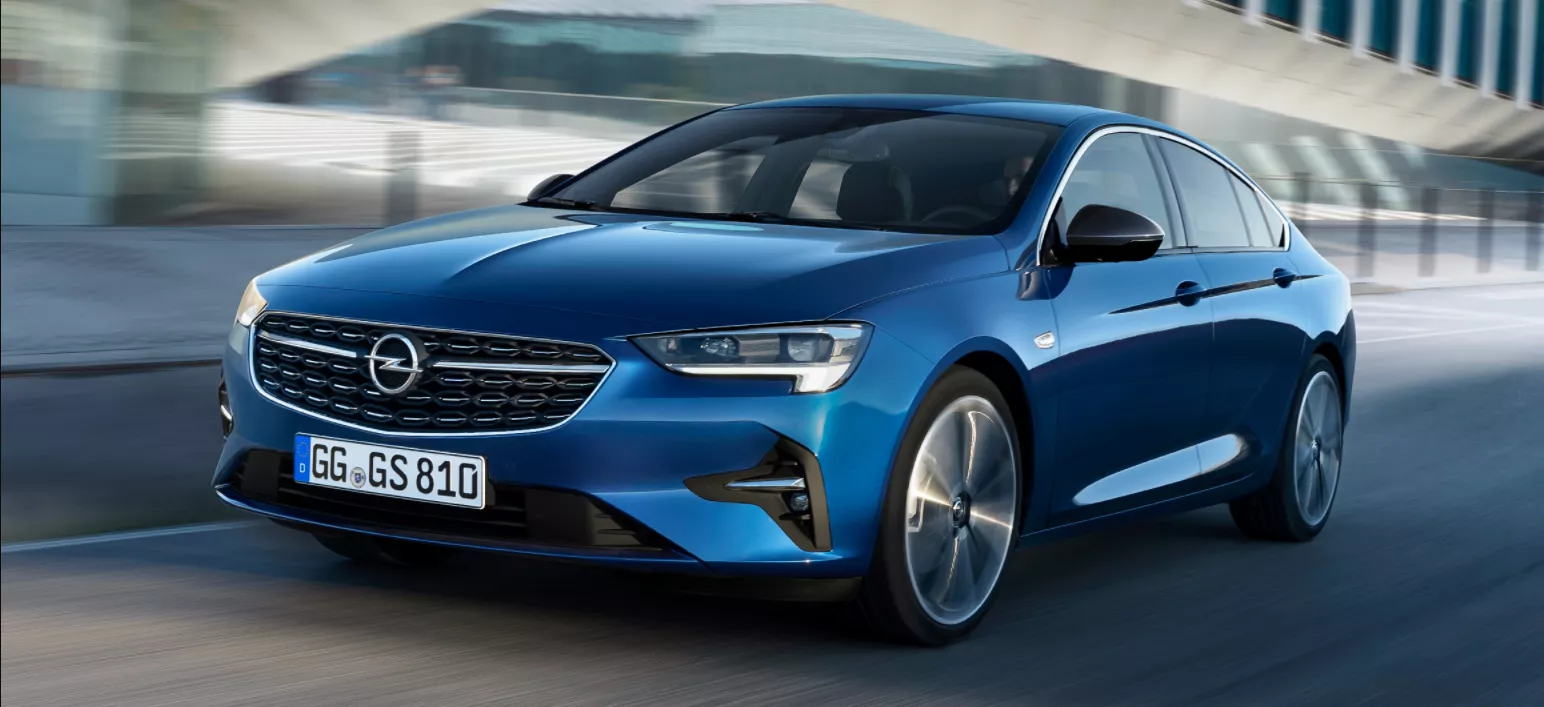 OPEL
Insignia
View model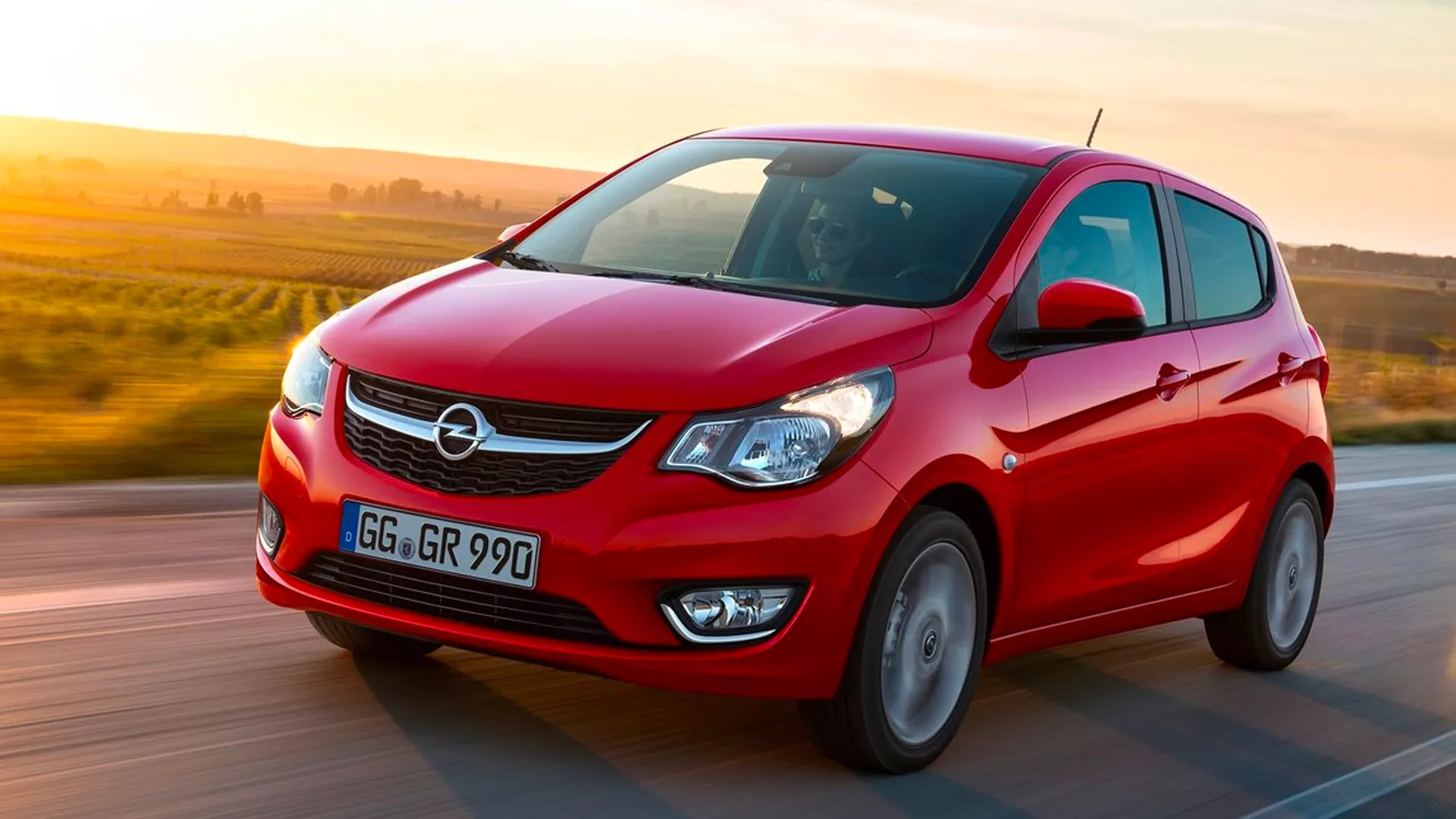 OPEL
KARL
View model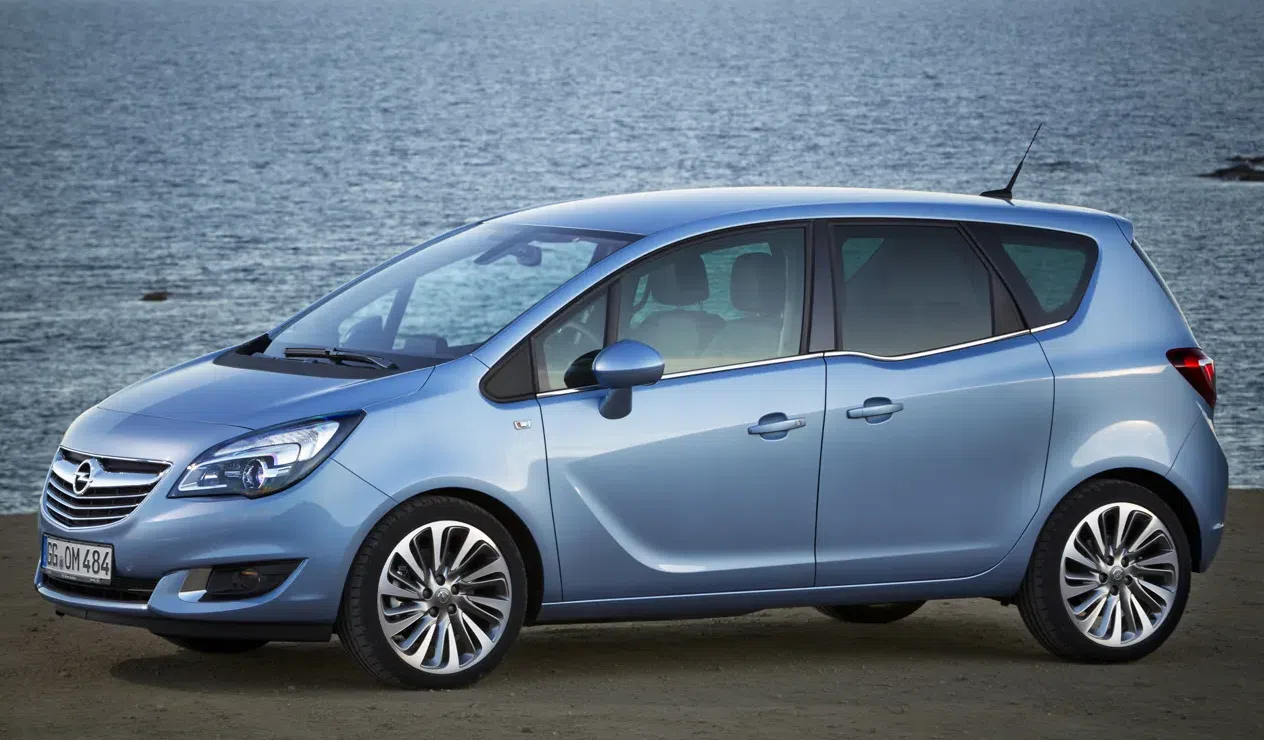 OPEL
MERIVA
View model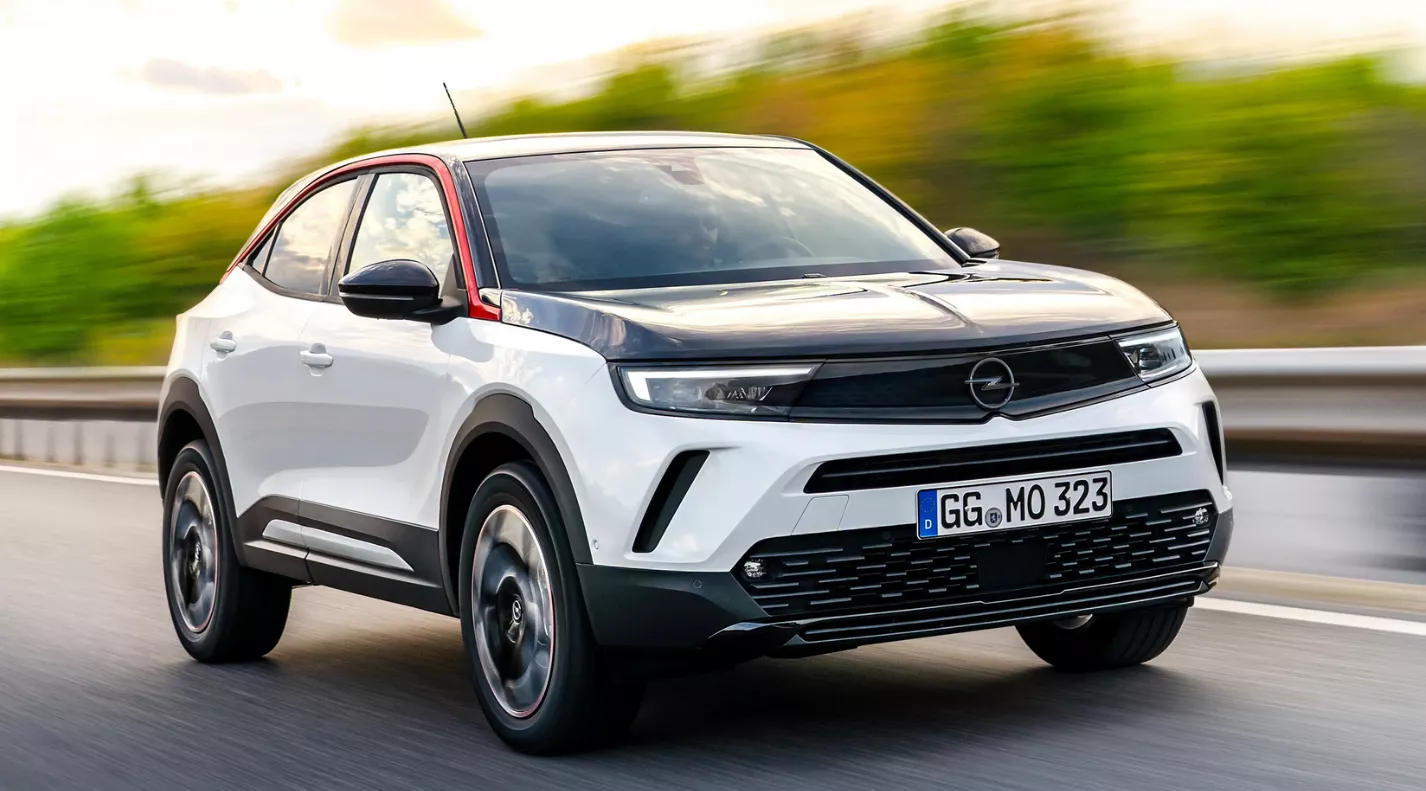 OPEL
MOKKA
View model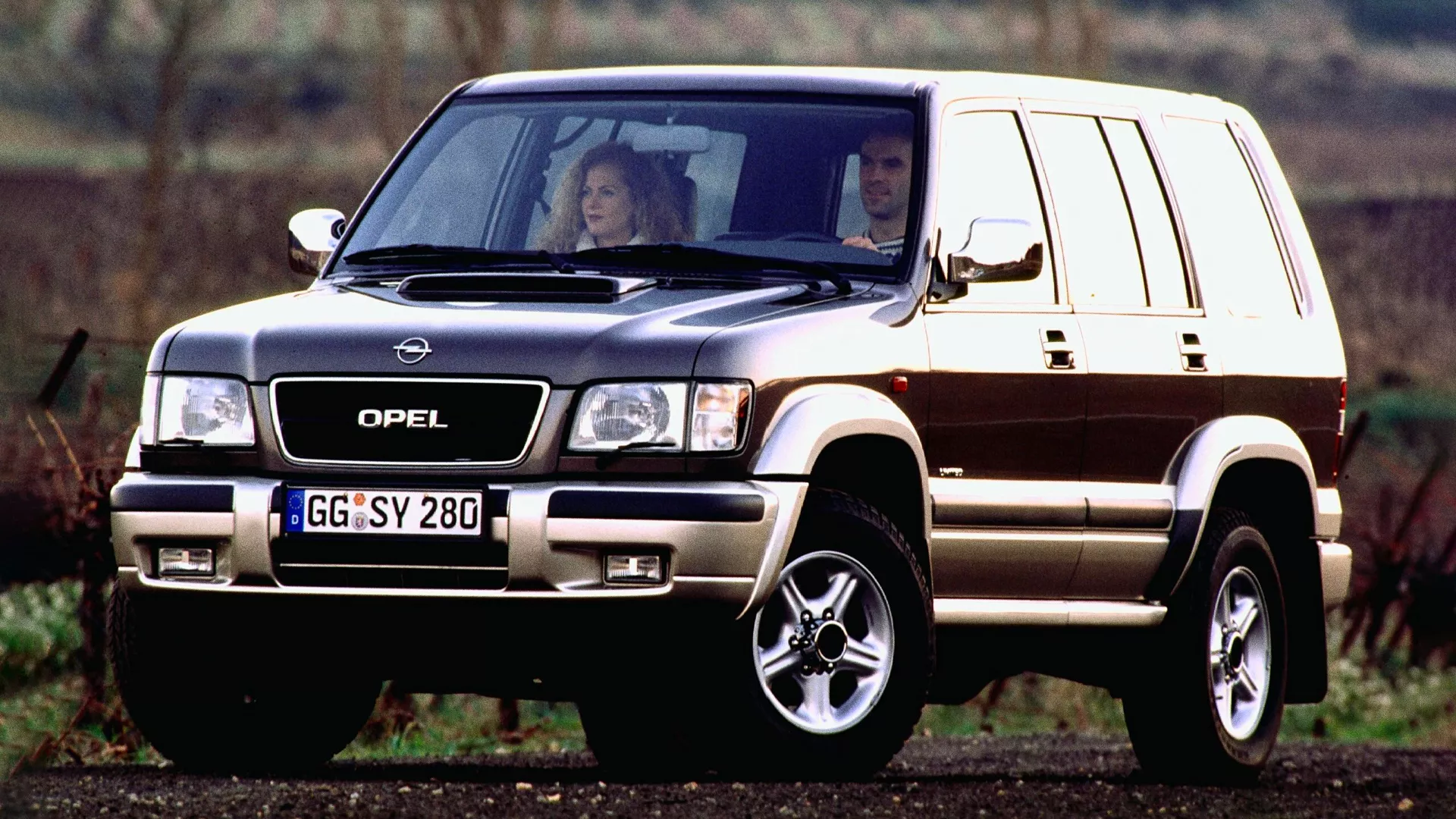 OPEL
MONTEREY
View model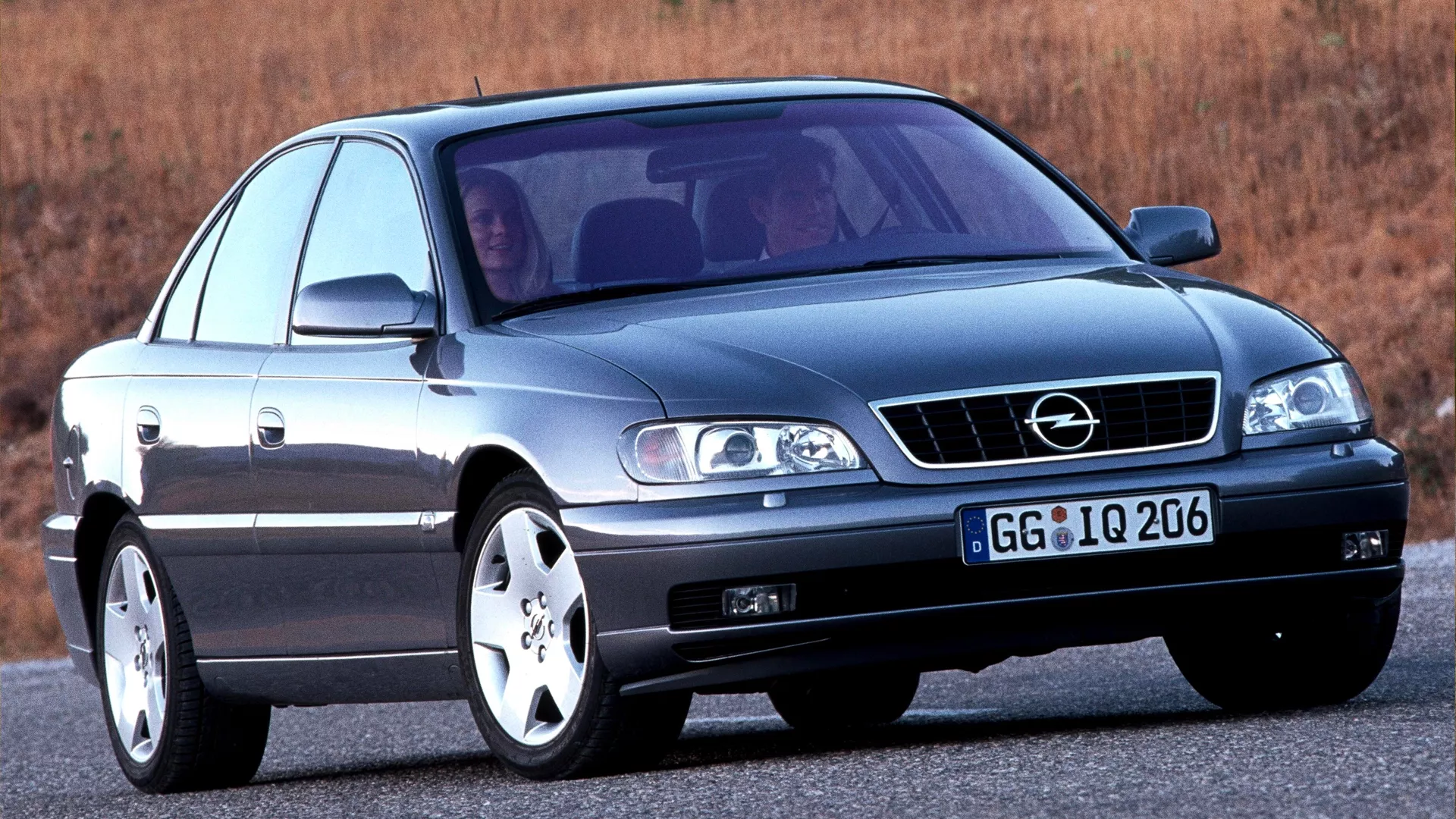 OPEL
OMEGA
View model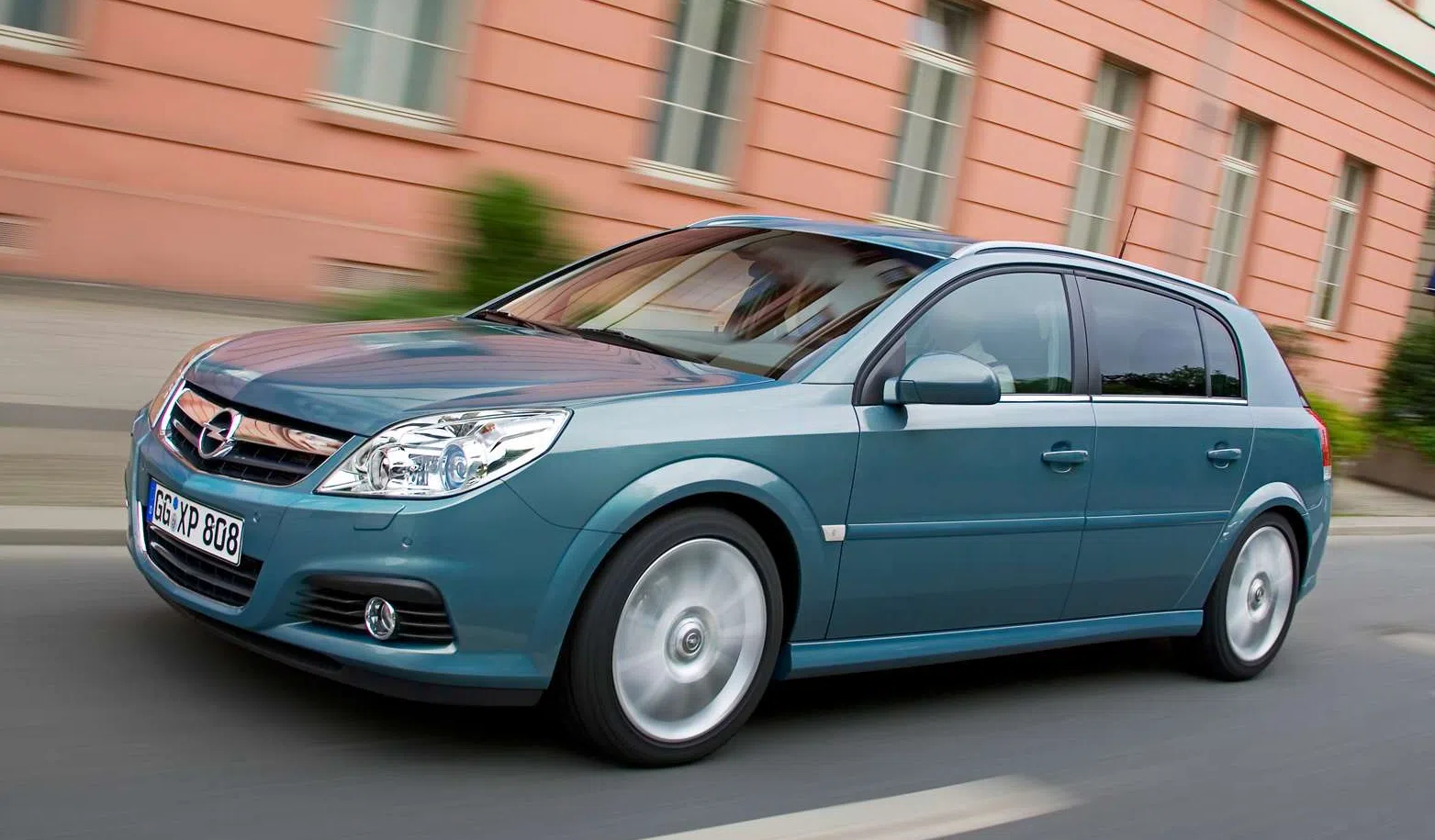 OPEL
SIGNUM
View model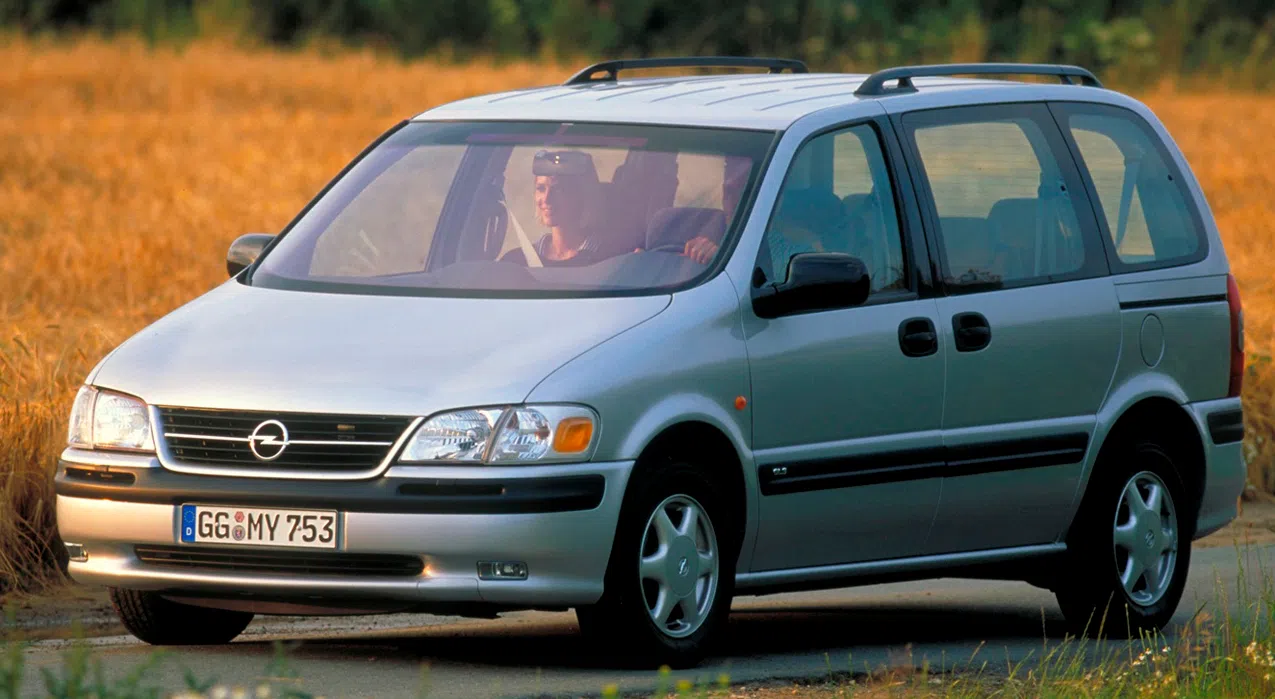 OPEL
SINTRA
View model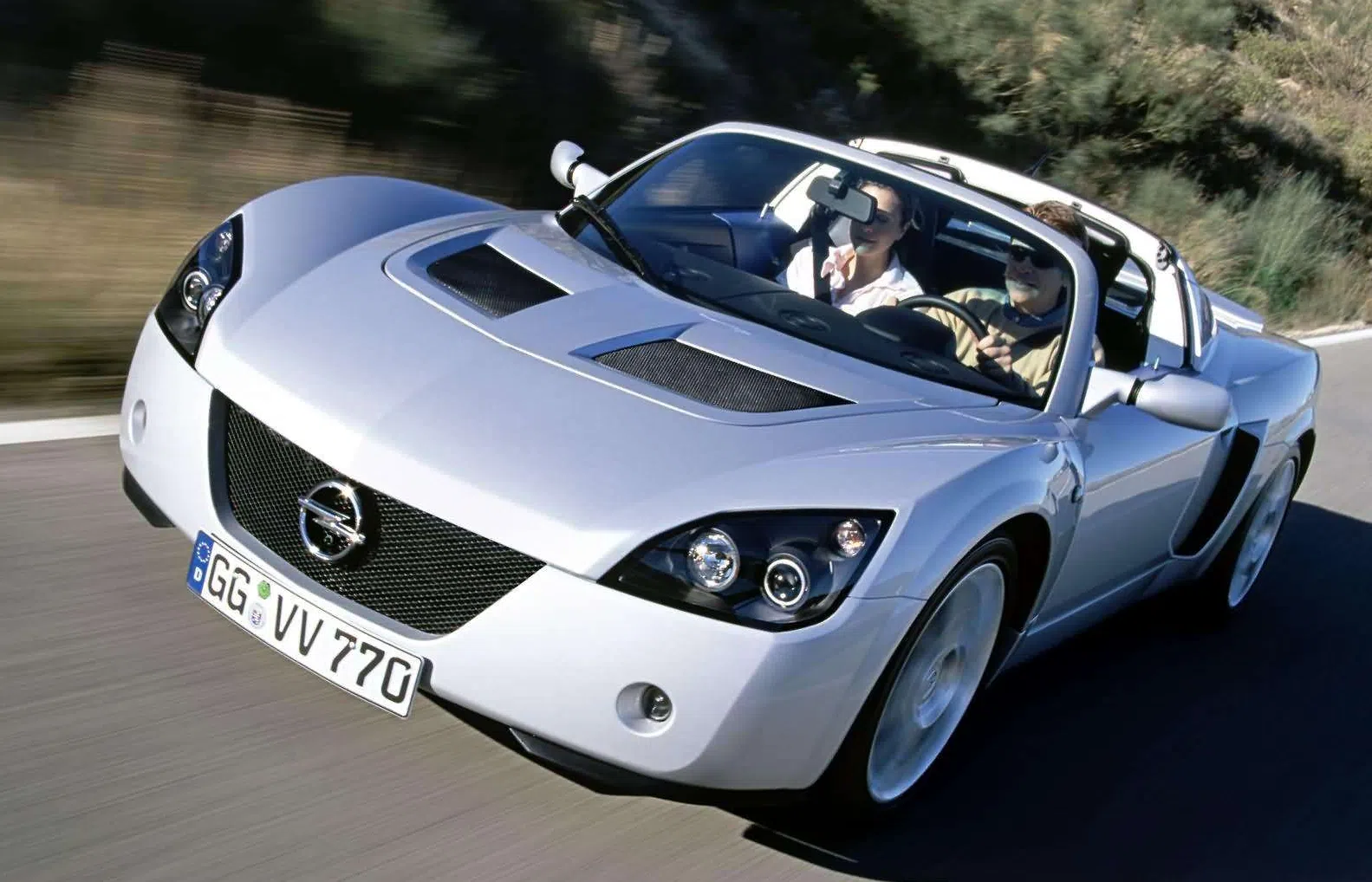 OPEL
SPEEDSTER
View model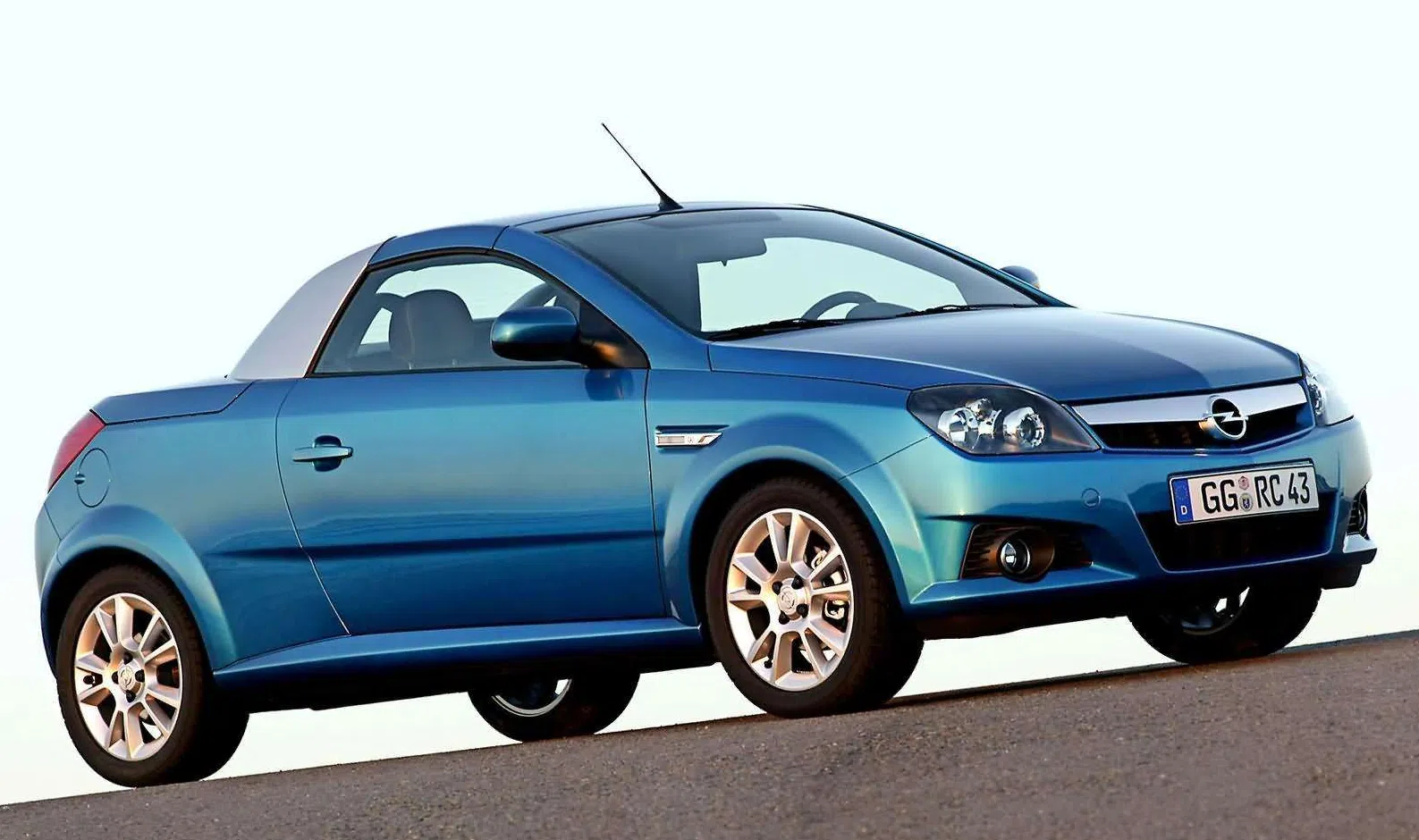 OPEL
TIGRA
View model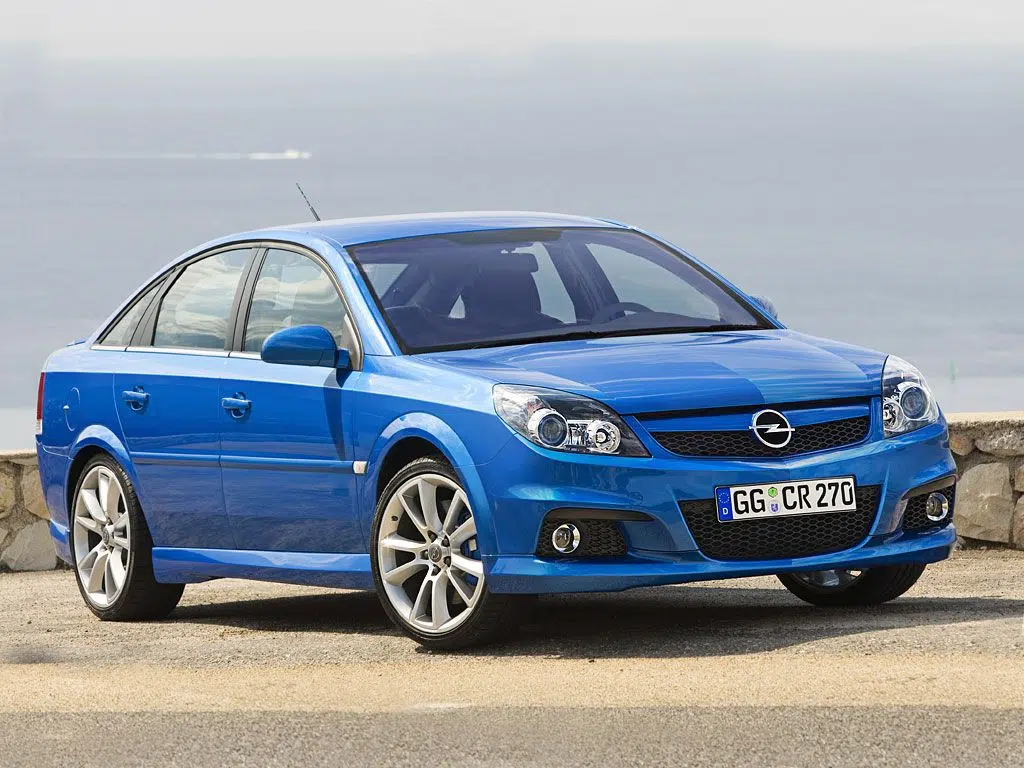 OPEL
VECTRA
View model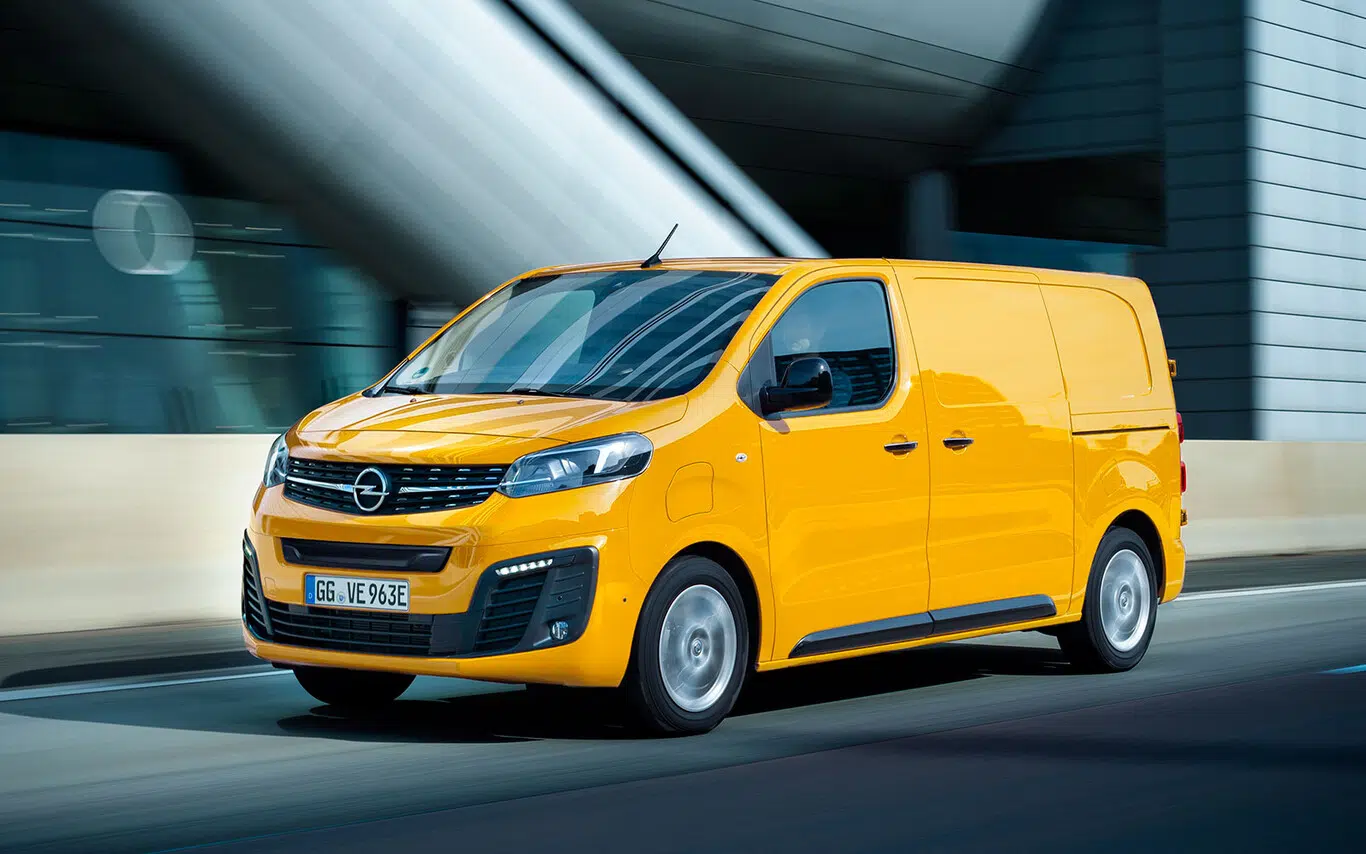 OPEL
VIVARO
View model OPEL
ZAFIRA
View model OPEL
ZAFIRA LIFE
View model- OPEL
View all models