
OPEL VIVAROTiming chain or Belt?
About OPEL VIVARO
The Opel Vivaro is a mid-size van from the German brand Opel. It has been produced for 3 generations since 2001. The first two generations (Vivaro A and Vivaro B) were produced in collaboration with Renault and are a variant of the Renault Trafic. Starting with the third generation, production began at the Sevel facilities, owned by PSA.
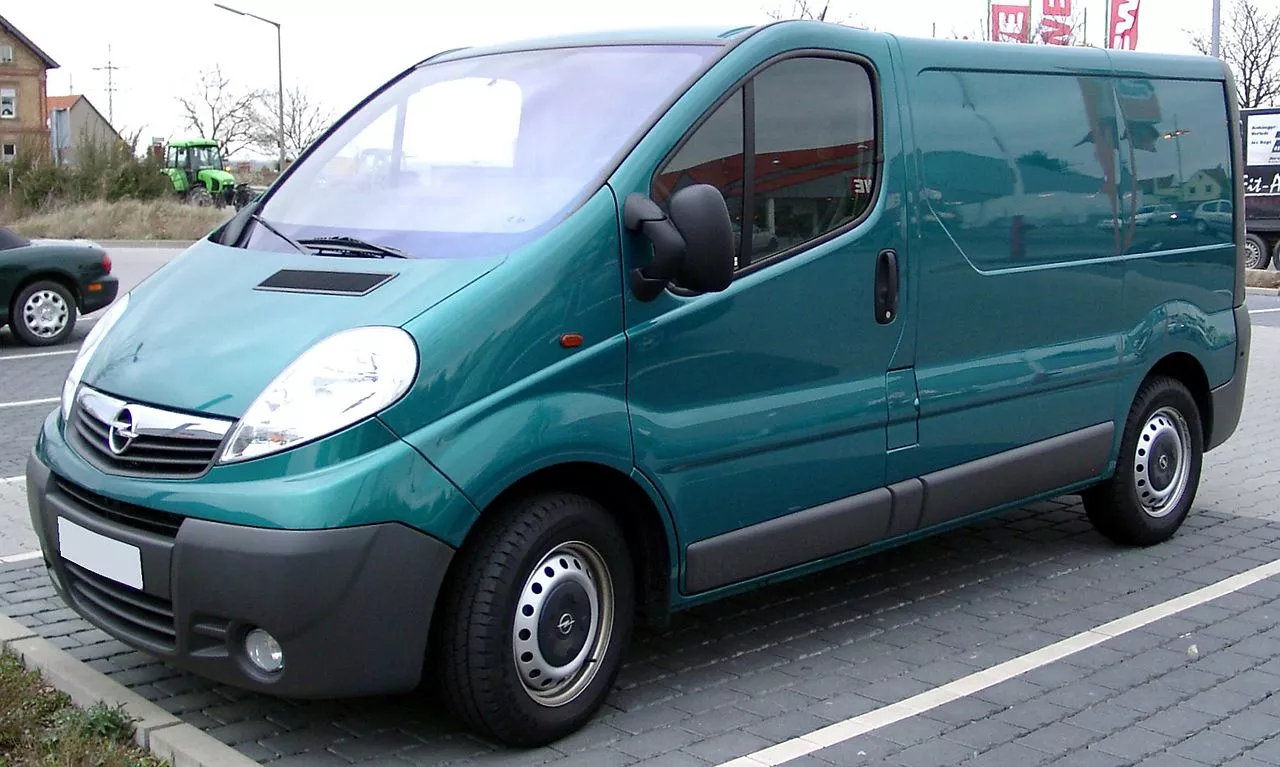
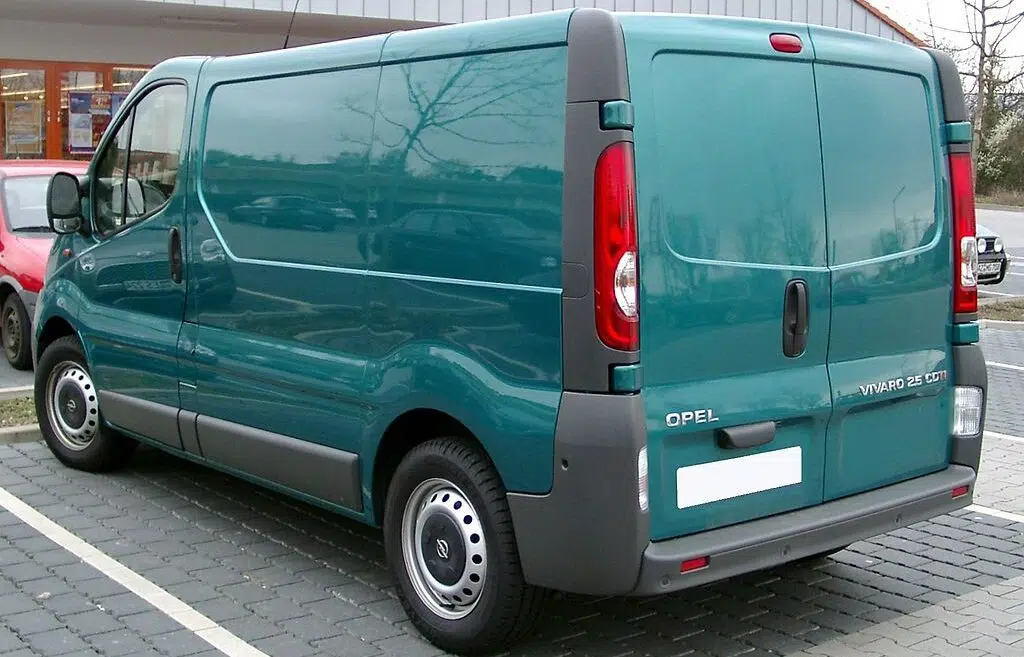
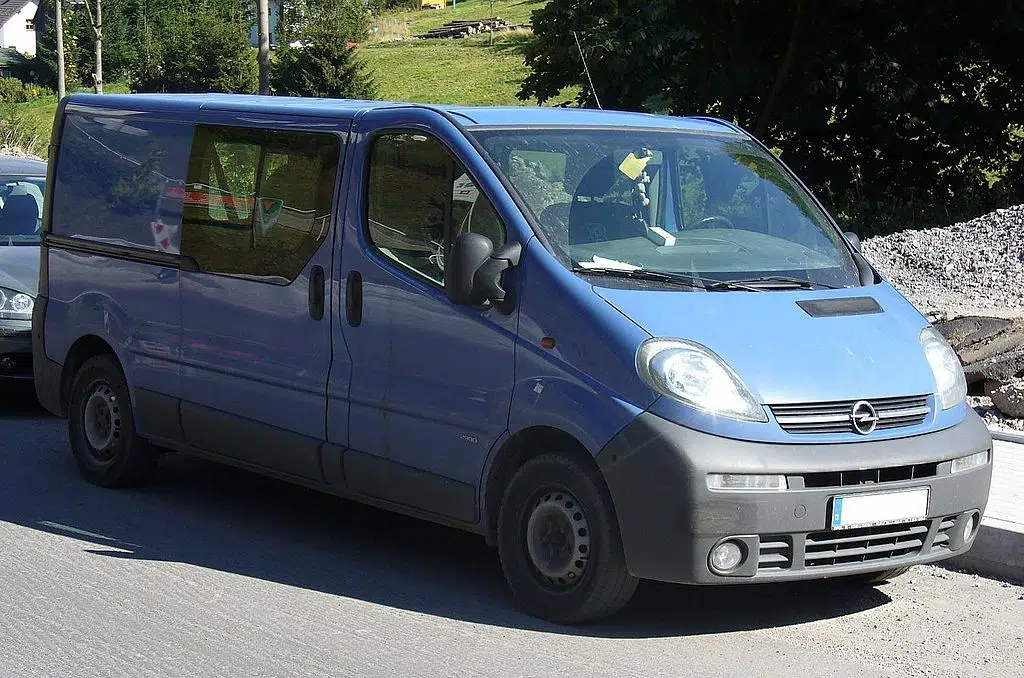
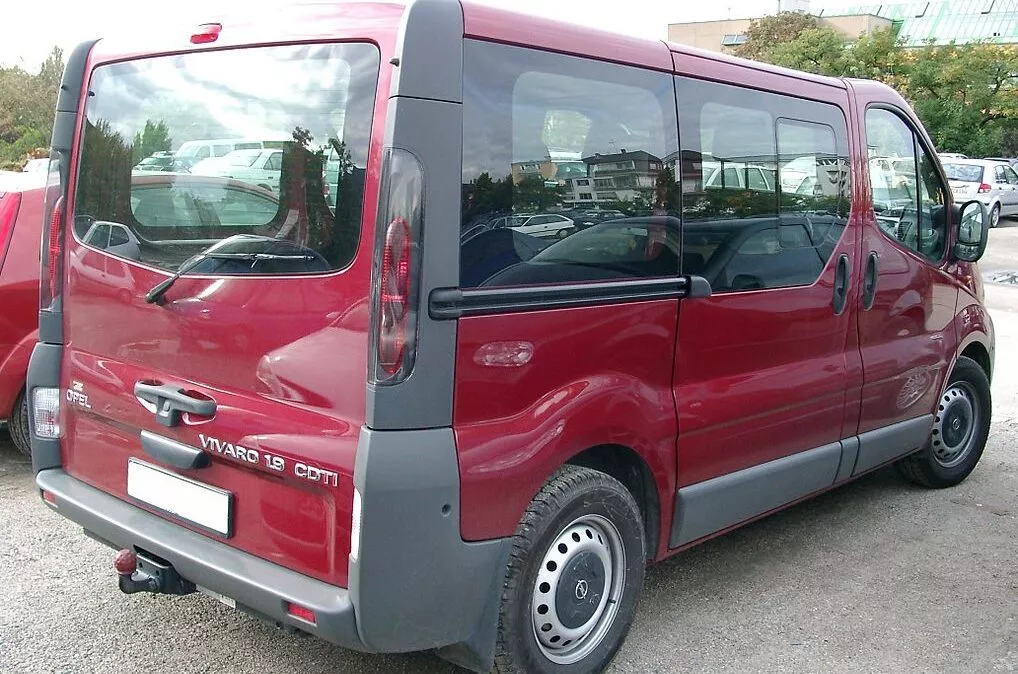
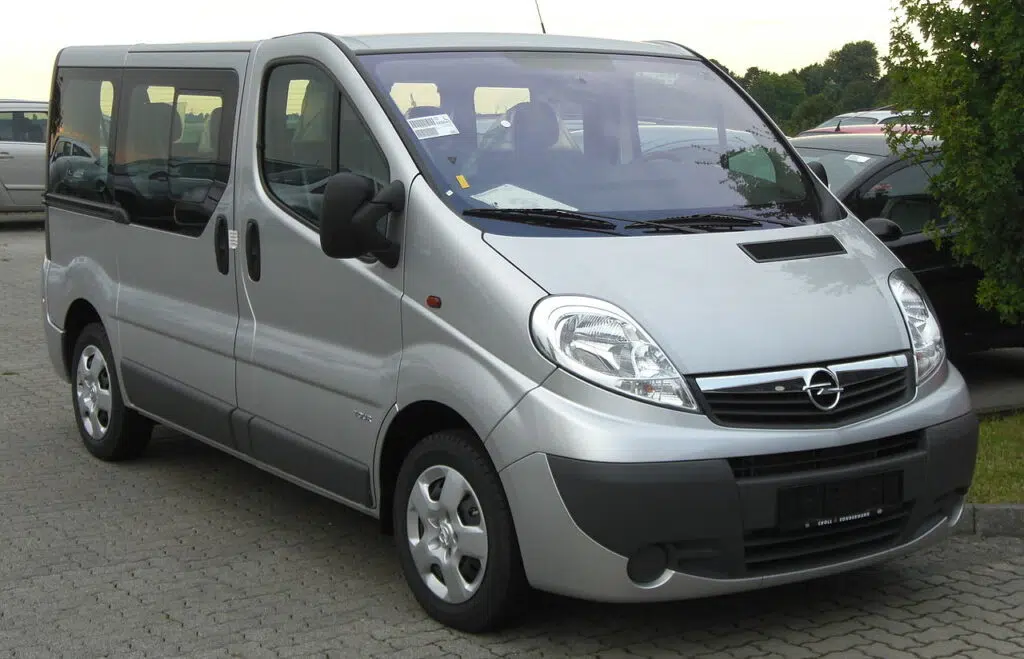
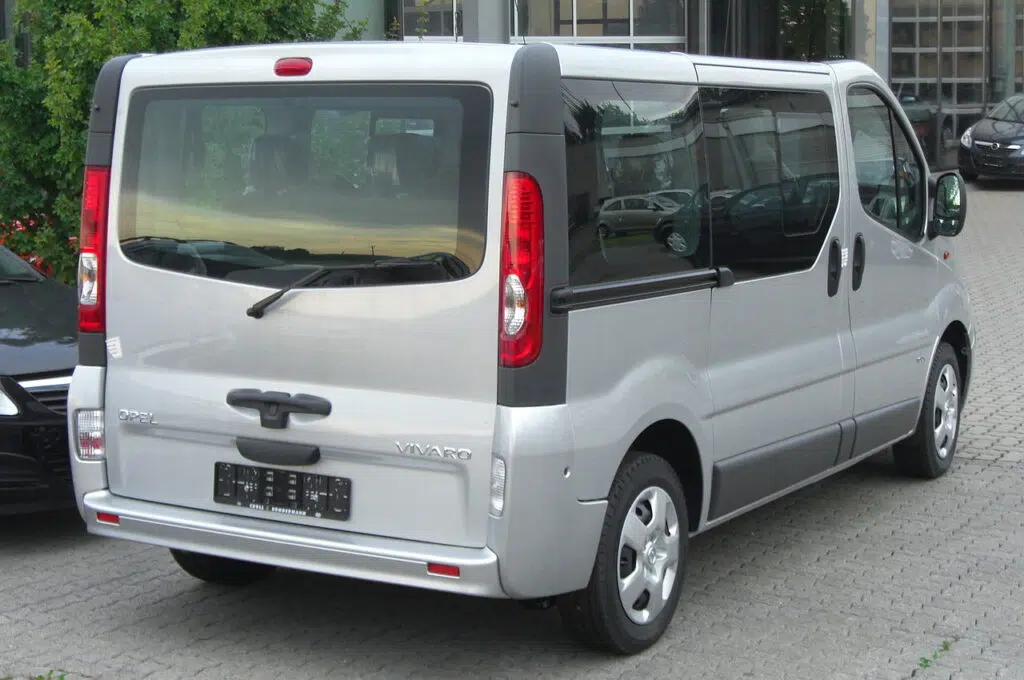
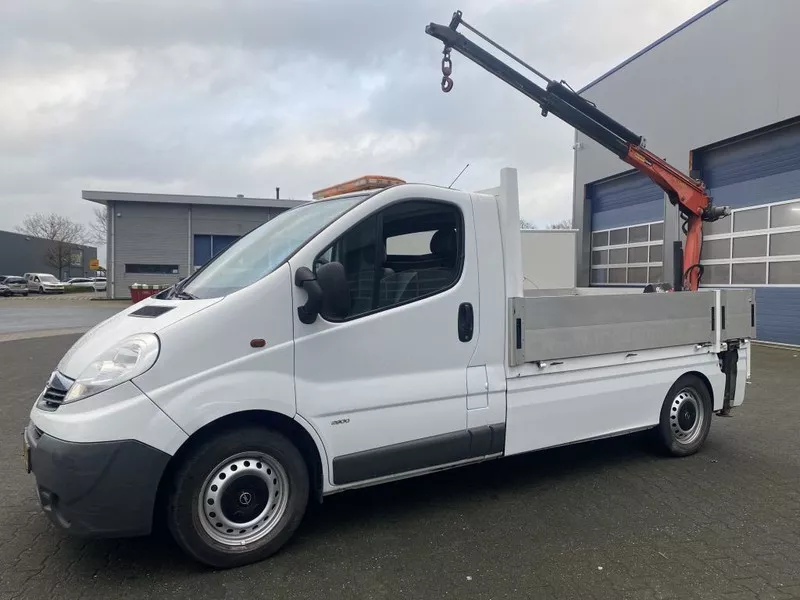
The first-generation Opel Vivaro was released in September 2001. It is equivalent to the second-generation Renault Trafic. It was sold throughout Europe, and in the United Kingdom, it was marketed as the Vauxhall Vivaro. Manufacturing, however, was carried out by General Motors at GM Manufacturing Luton (also for the Renault versions), in England. It was also manufactured in Barcelona at Nissan's facilities, where the Nissan Primastar was also produced. It had panel van, minibus, bus/van, and cab versions. It underwent several redesigns and had a very long first generation, introducing hybridization in a concept presented in 2010.
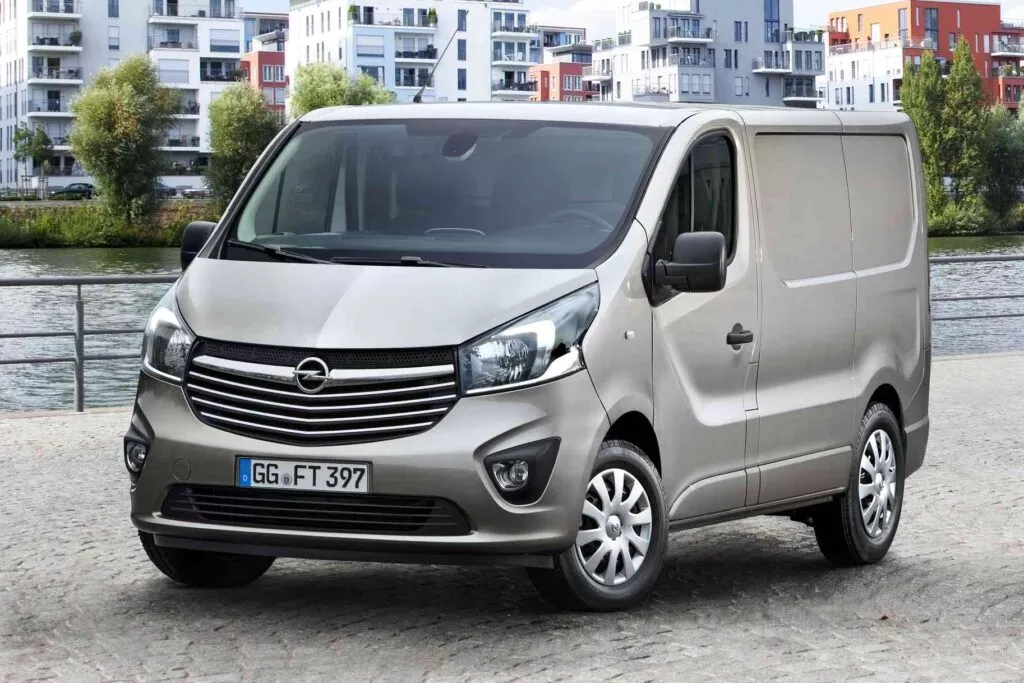
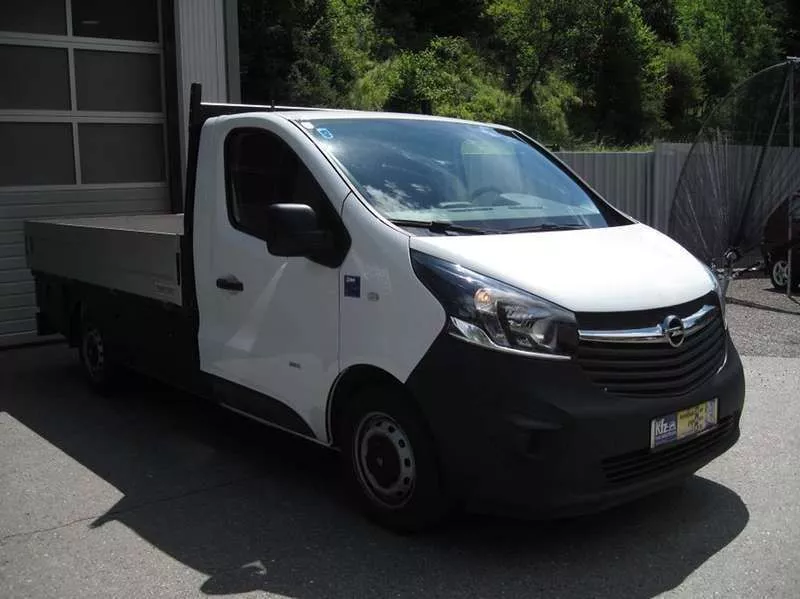
The second generation, or Opel Vivaro B, came out in 2014. It continued to be manufactured at the same locations except for the larger versions, which were produced in Sandouville, directly at the Renault factories. This generation ended in 2018 following the move in which PSA ended up acquiring Opel.
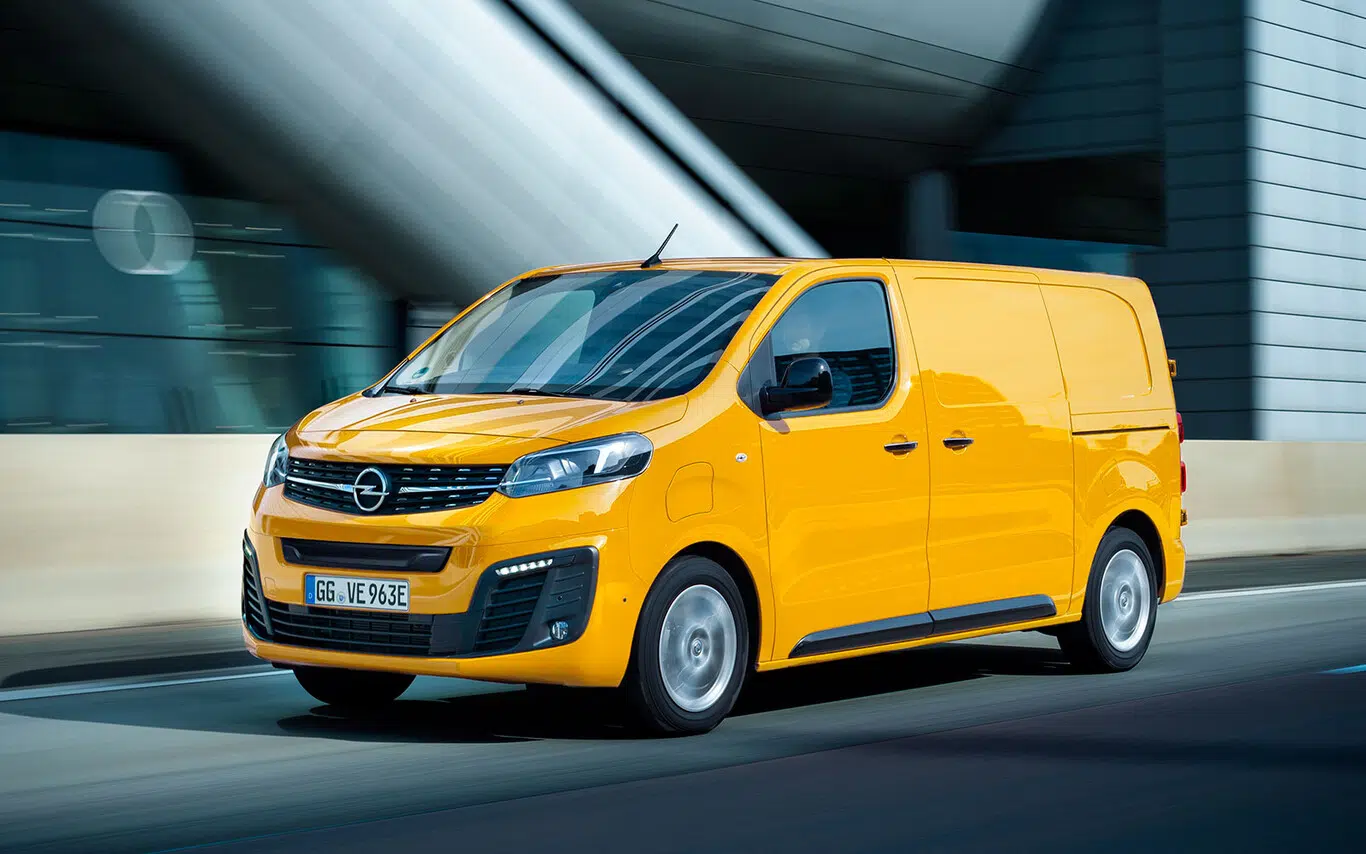
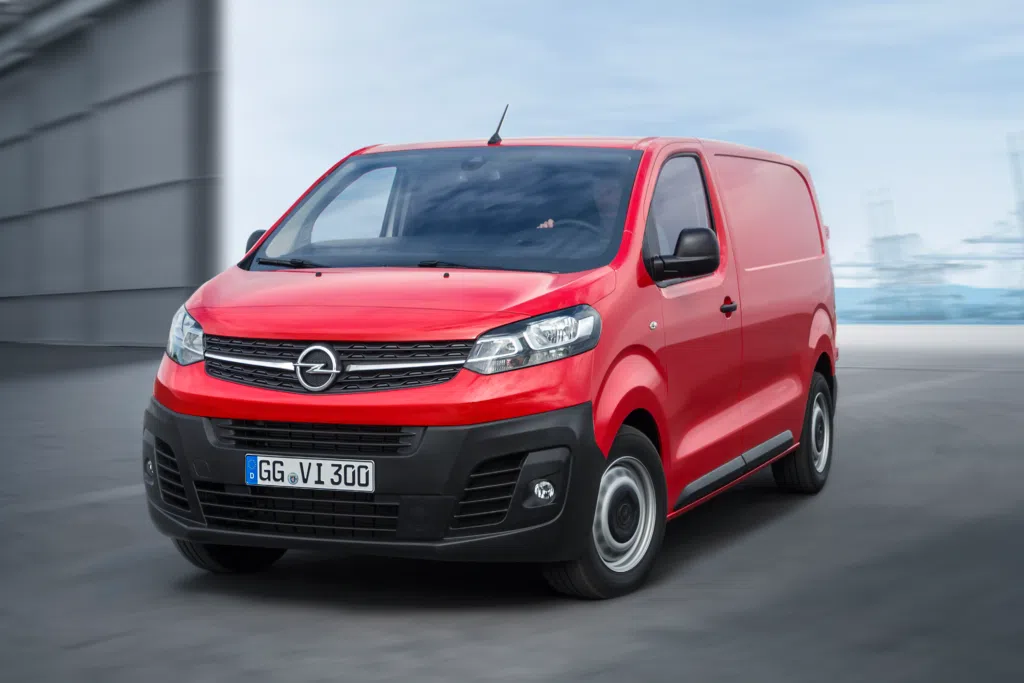
The third generation of the Opel Vivaro is handled by PSA, using the base of the Citroën Jumpy, that is, the Sevel medium vans. One of the smartest moves by PSA (now Stellantis after the merger with FCA) was to separate the commercial versions of their vans from the passenger ones, naming them with a new surname. Since 2019, the Opel Vivaro has remained the cargo version, while the Opel Zafira Life was born as its minibus or MPV equivalent. The same thing happened with the rest of the Vivaro's platform partners, such as the Peugeot Expert / Traveller, Citroën Jumpy / SpaceTourer, and finally the Toyota ProAce / ProAce Verso.
Jump to a generation:
#1OPEL VIVARO - Generation I(2001)X83
Van (Furgón)X83
CombiX83
Camión de PlataformaX83
#2OPEL VIVARO - Generation II(2014)X82
CombiX82


Furgón (Van)X82
Chasis / Camión de PlataformaX82
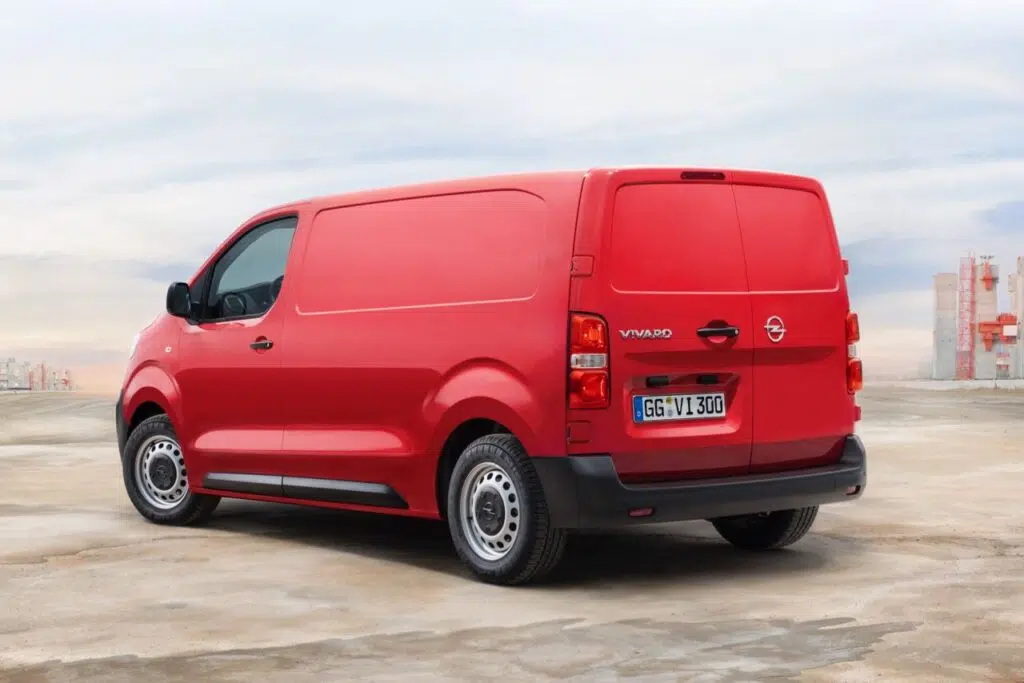
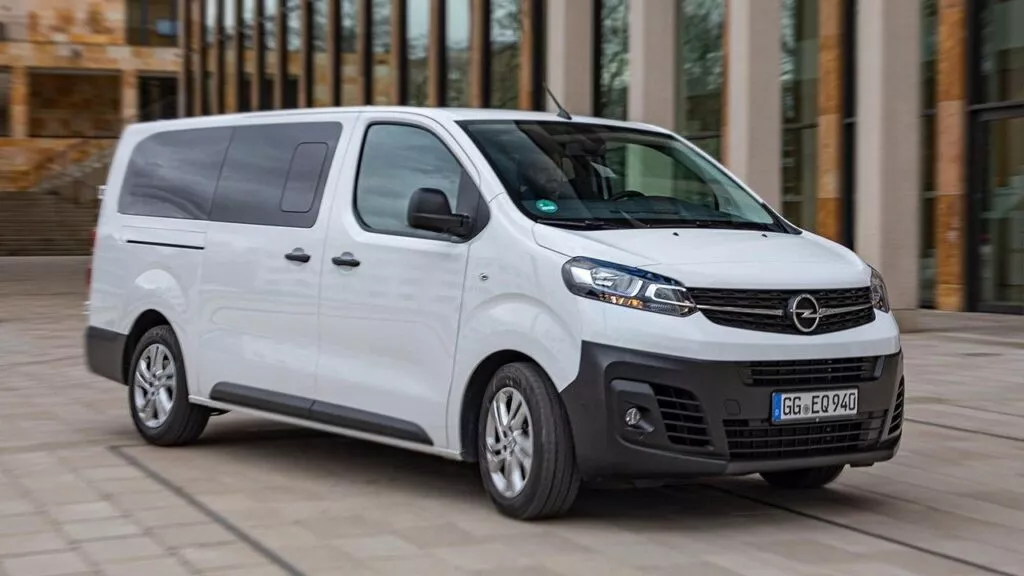
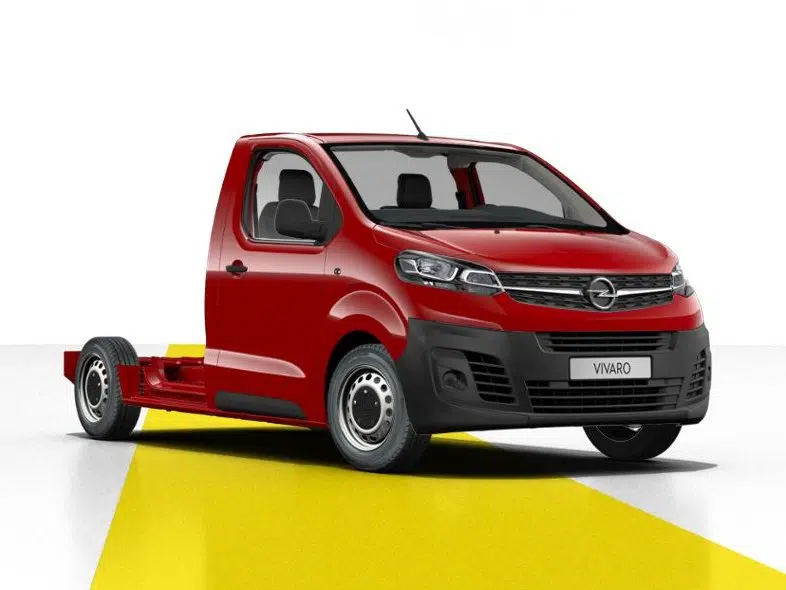
#3OPEL VIVARO - Generation III(2019)K0
FurgónK0
CombiK0
Camión de Plataforma / ChasisK0
View more models from OPEL
 OPEL
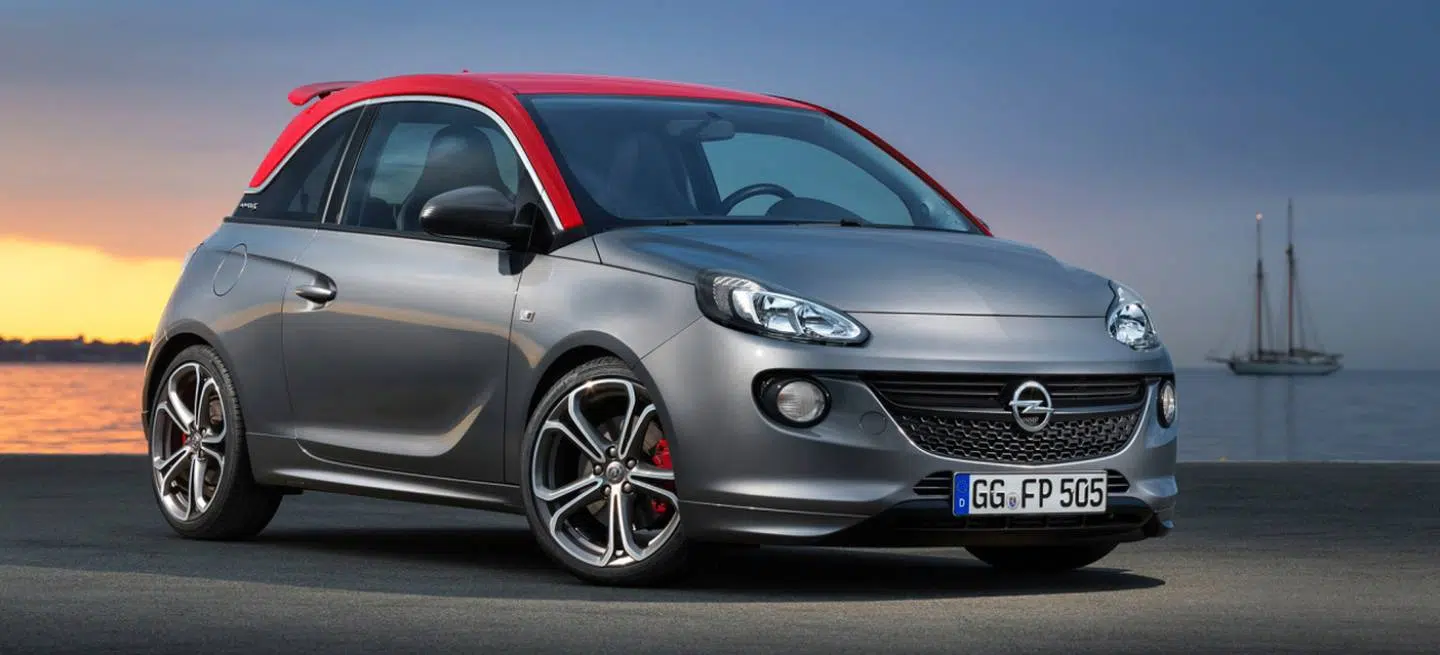
ADAM
View model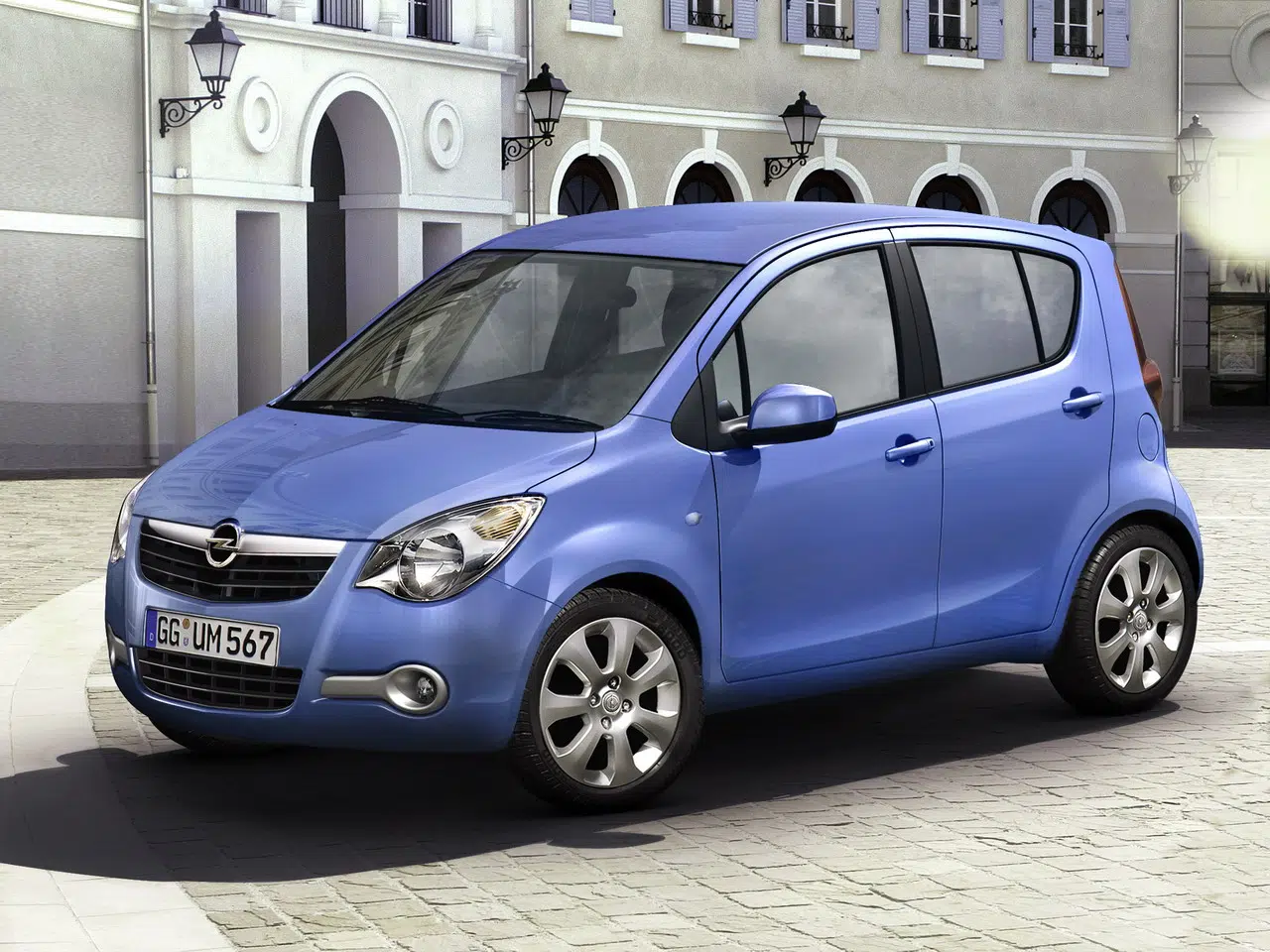 OPEL
AGILA
View model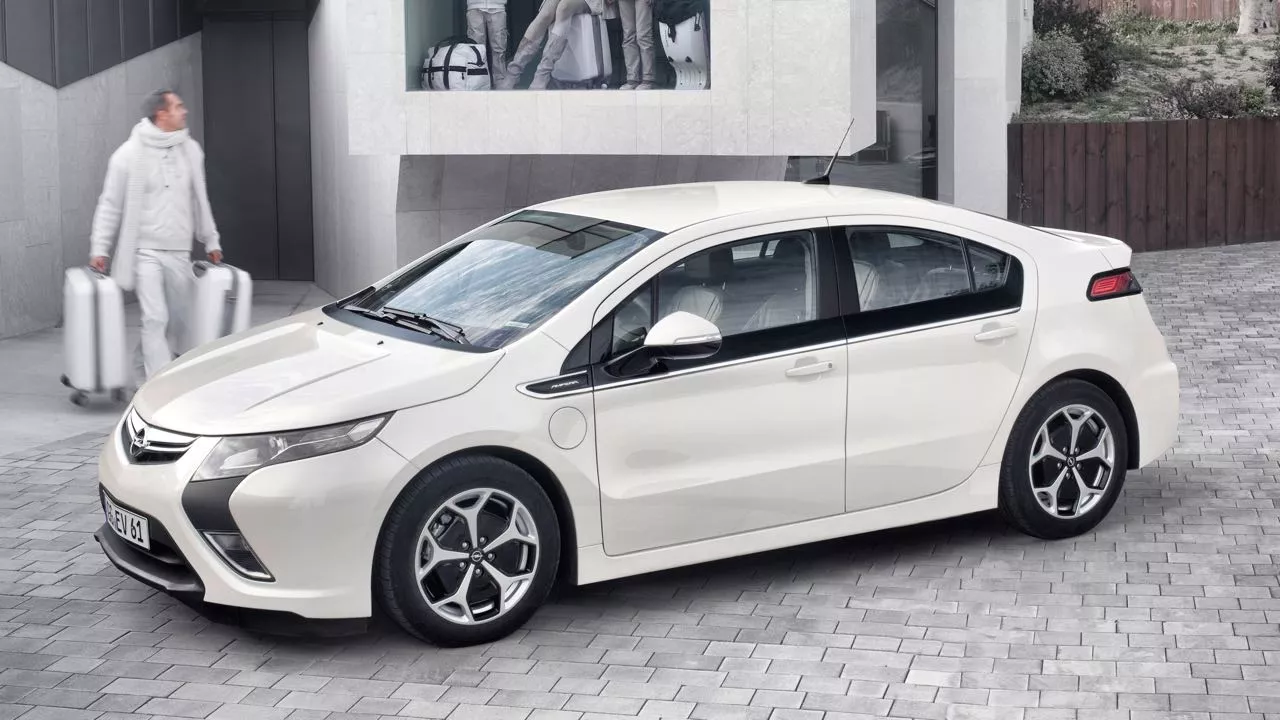 OPEL
AMPERA
View model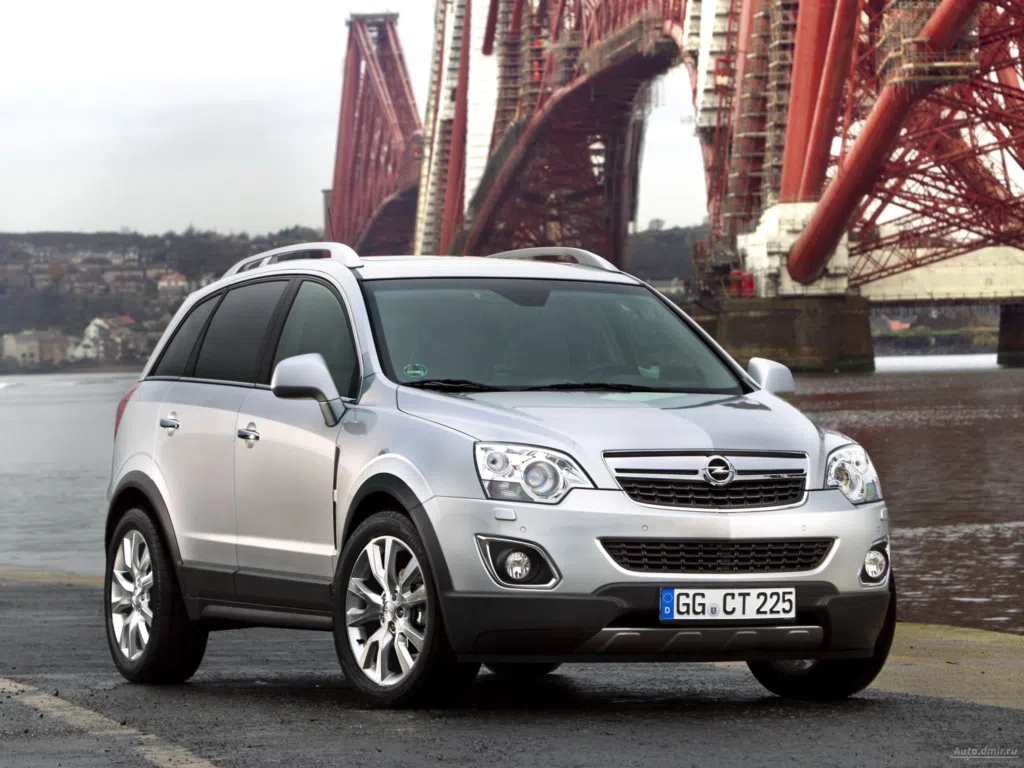 OPEL
ANTARA
View model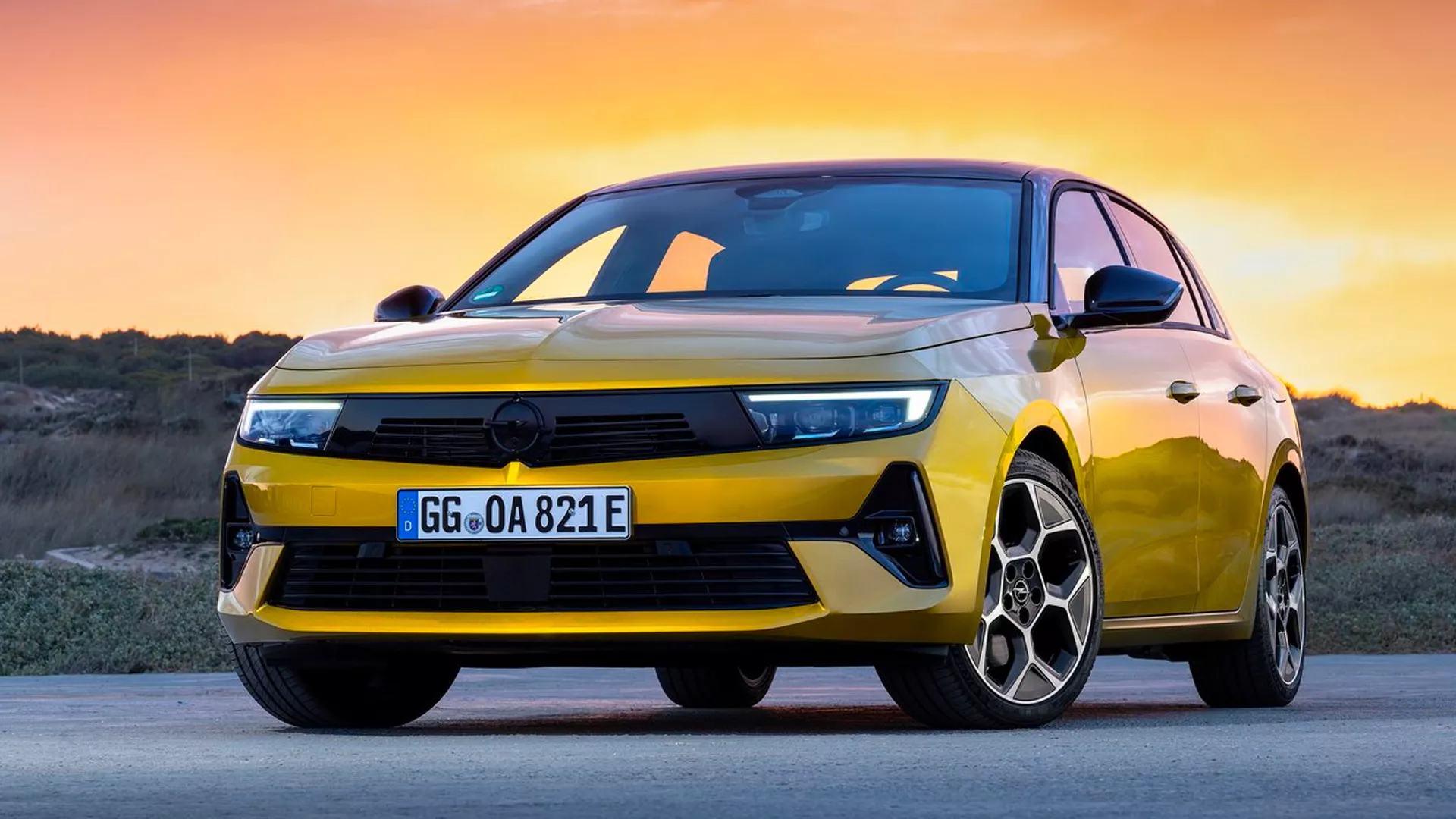 OPEL
ASTRA
View model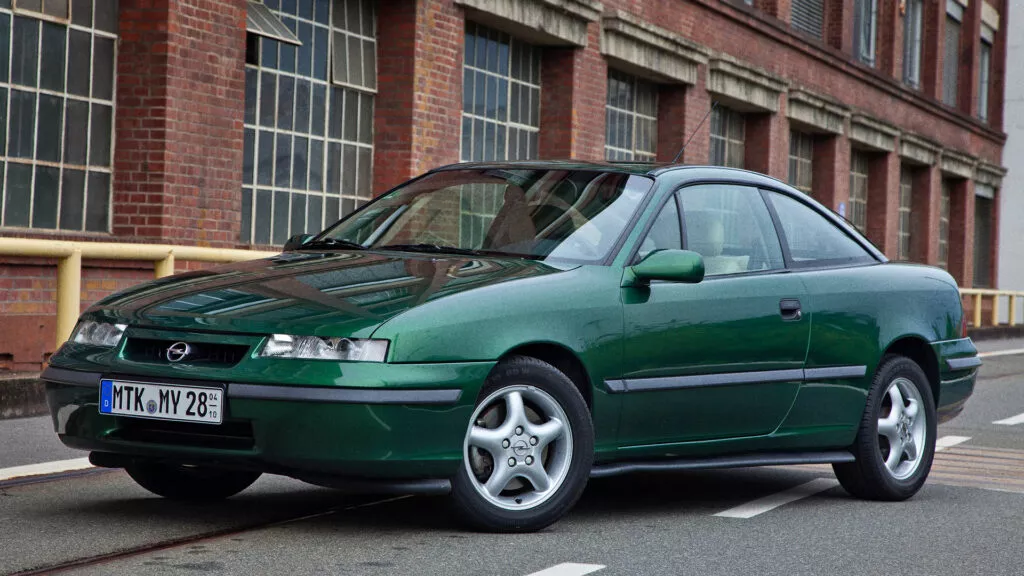 OPEL
CALIBRA
View model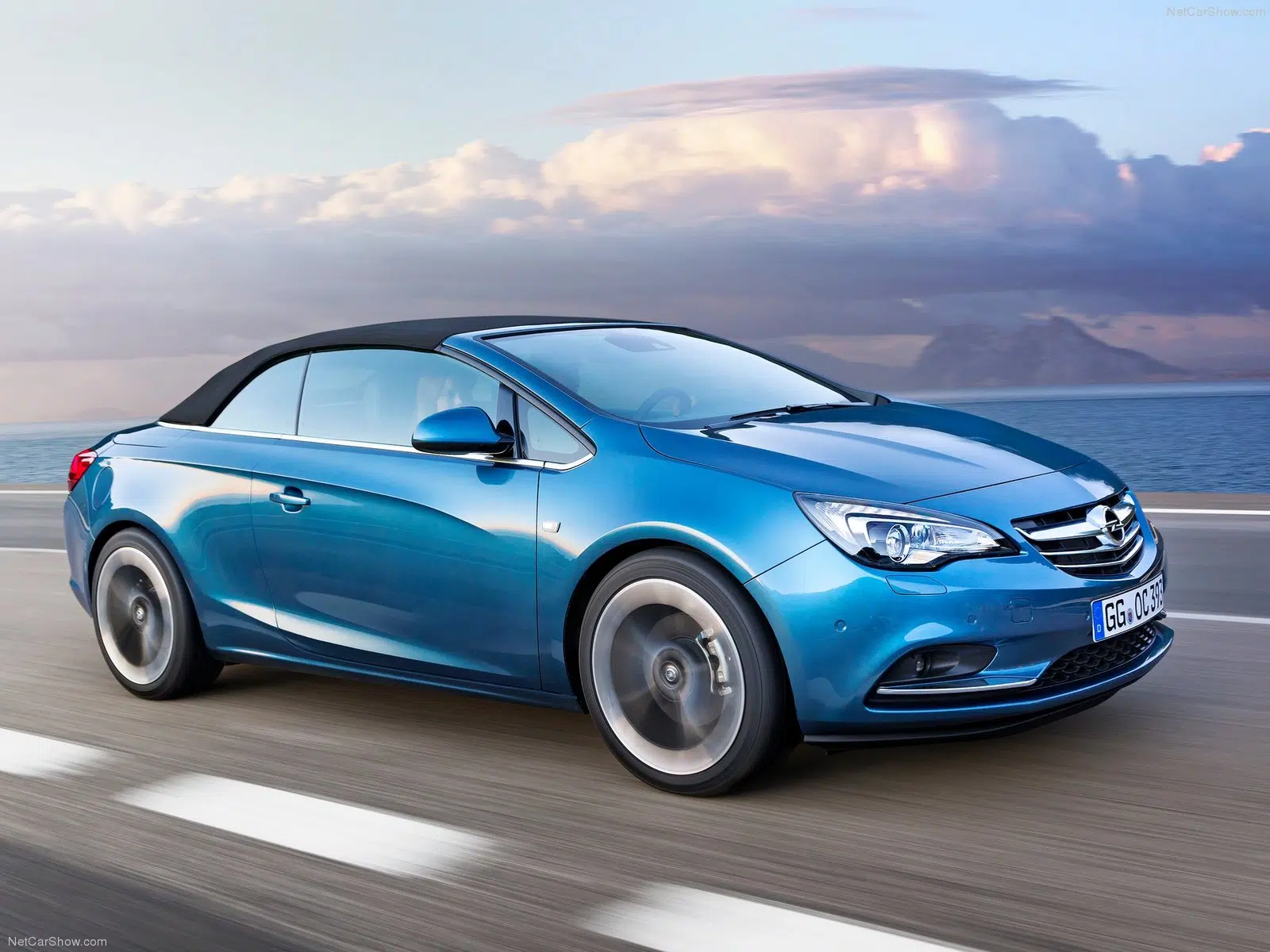 OPEL
CASCADA / CABRIO
View model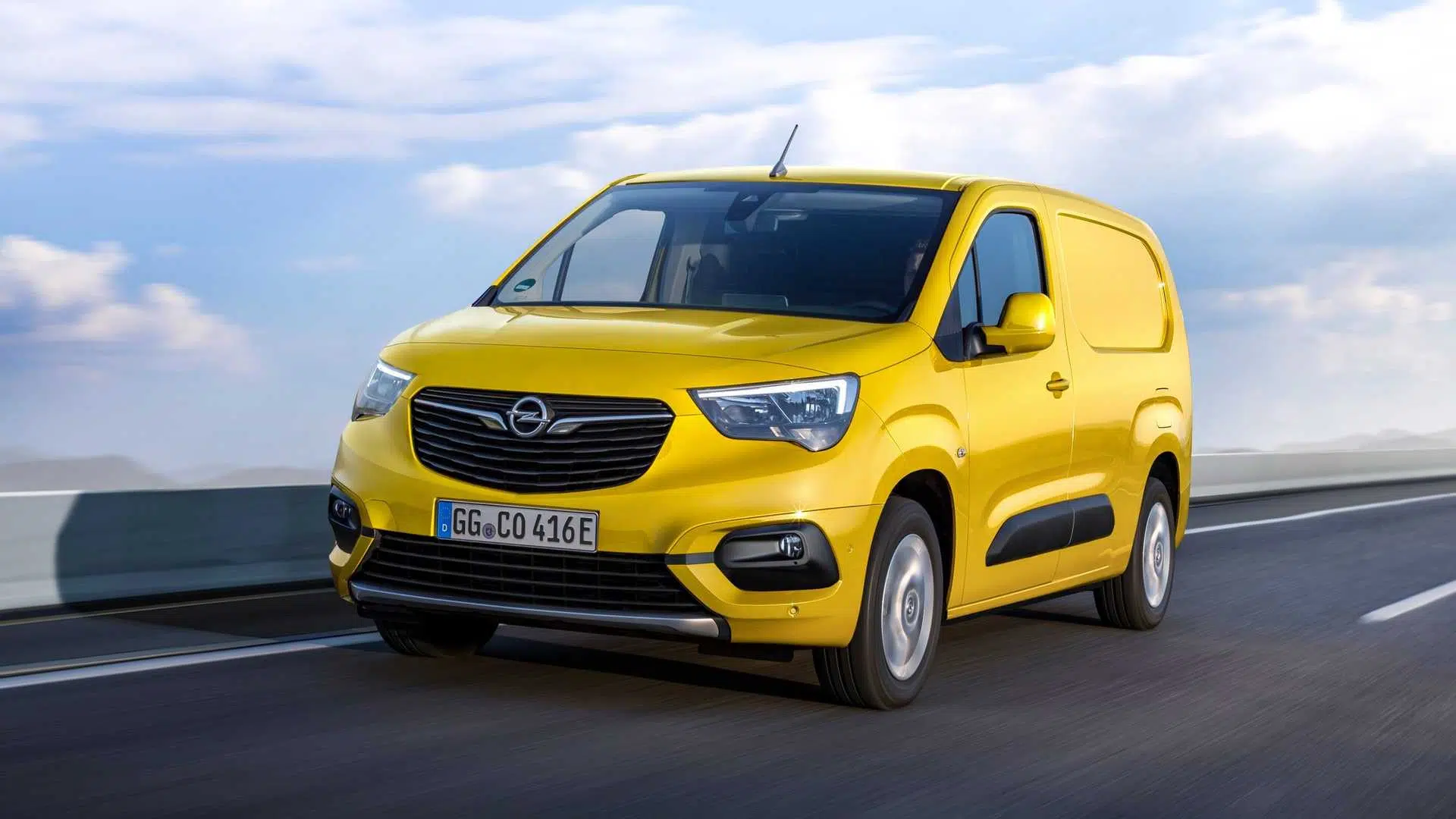 OPEL
COMBO
View model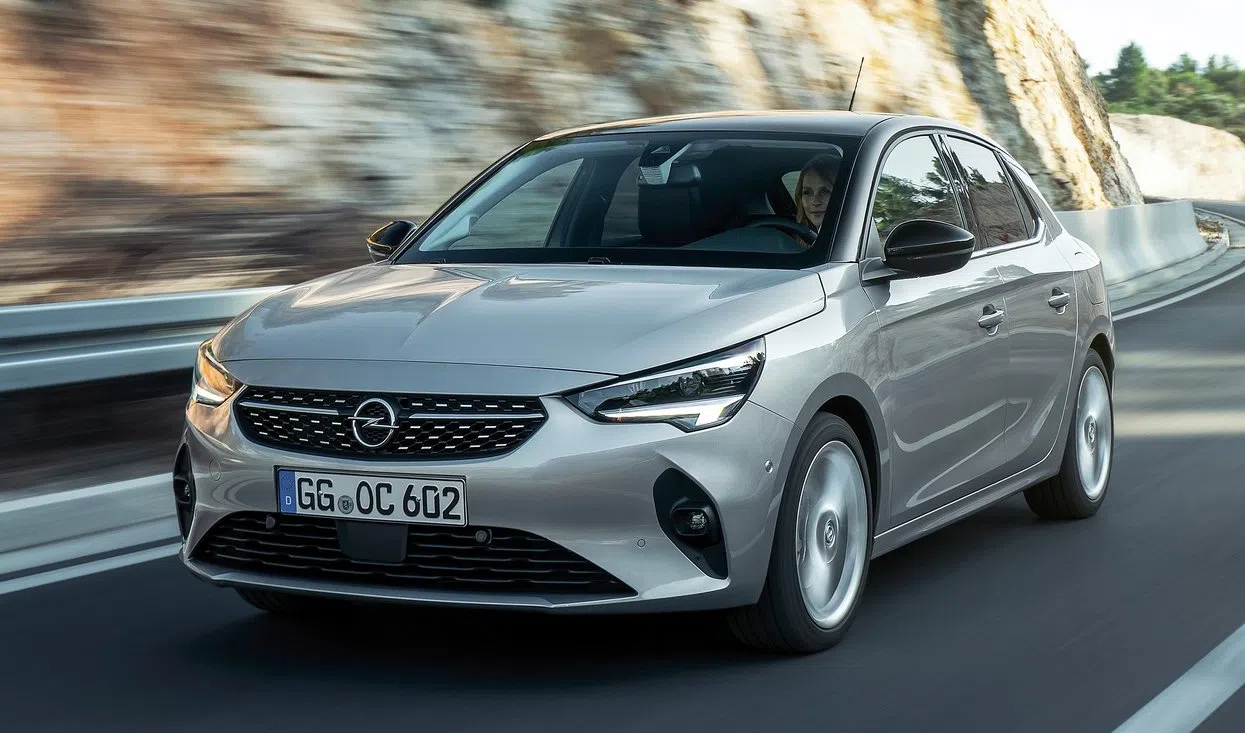 OPEL
CORSA
View model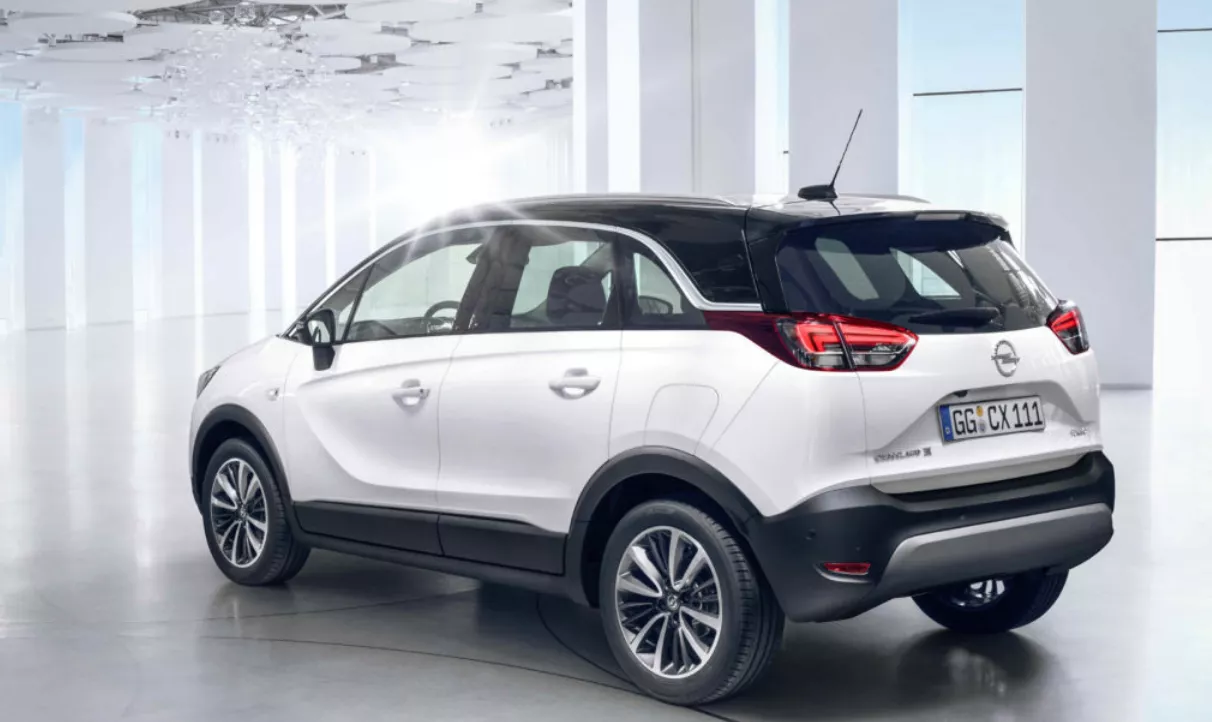 OPEL
CROSSLAND
View model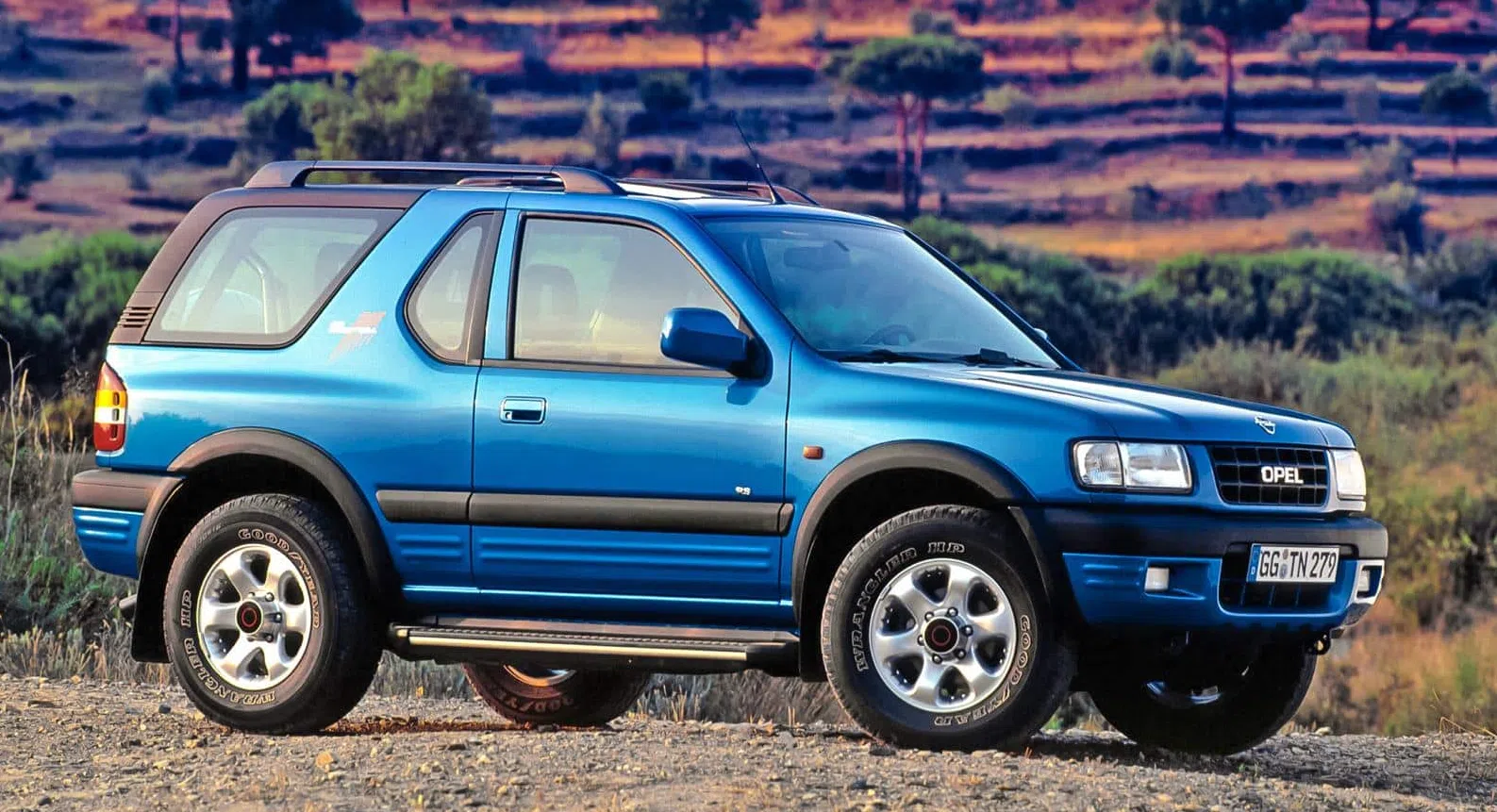 OPEL
FRONTERA
View model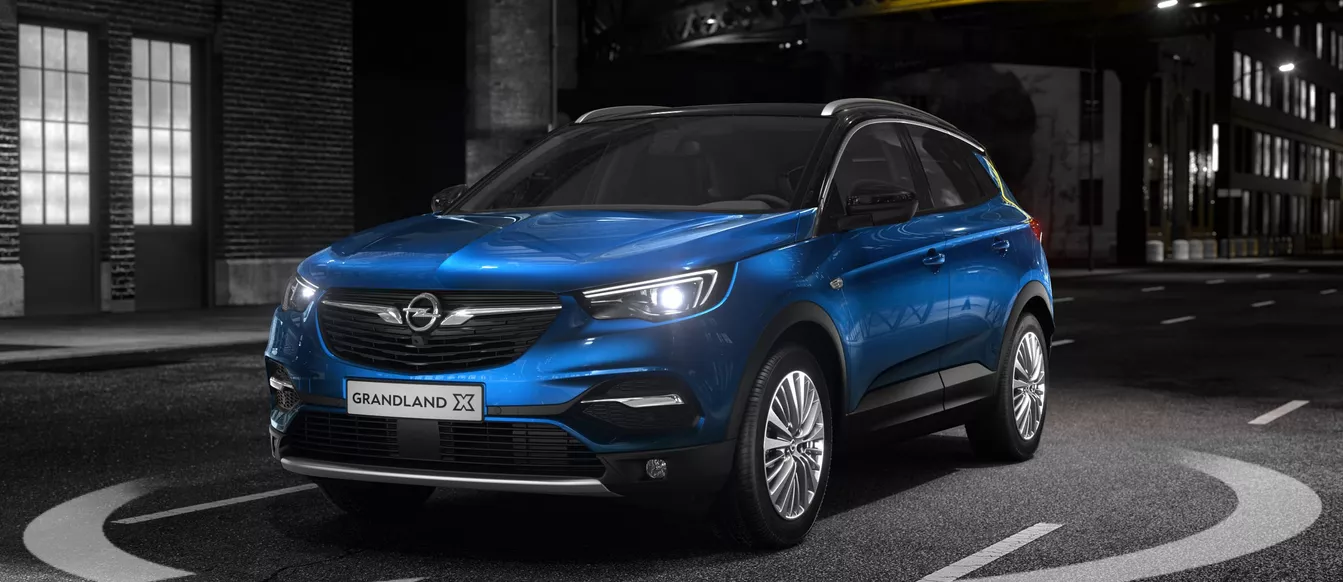 OPEL
GRANDLAND X
View model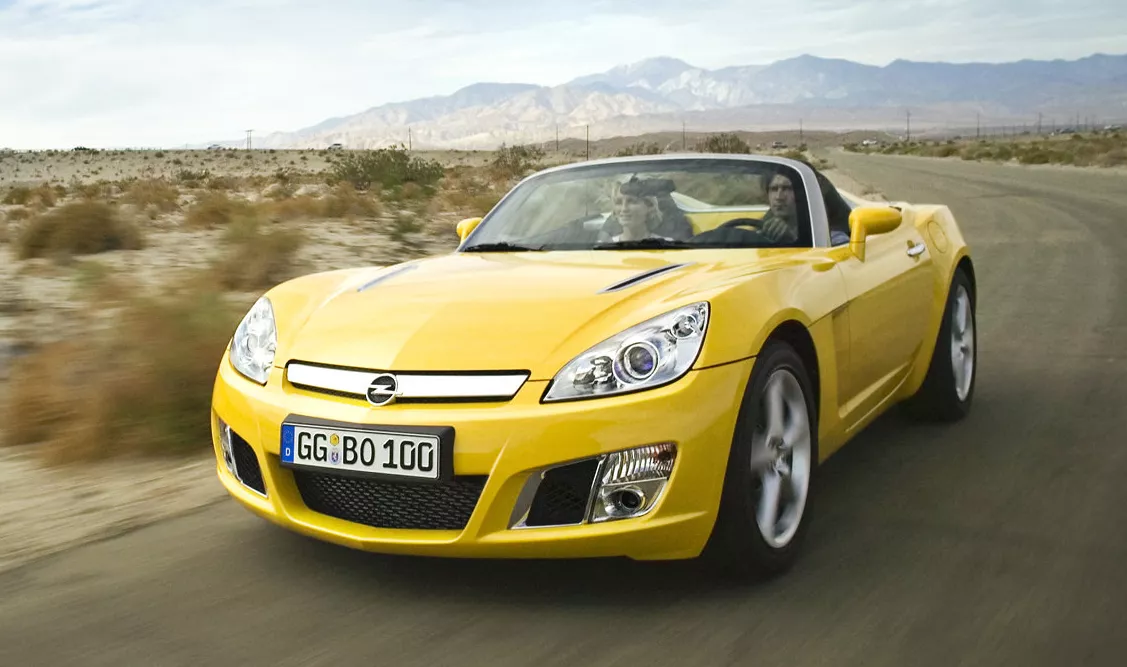 OPEL
GT
View model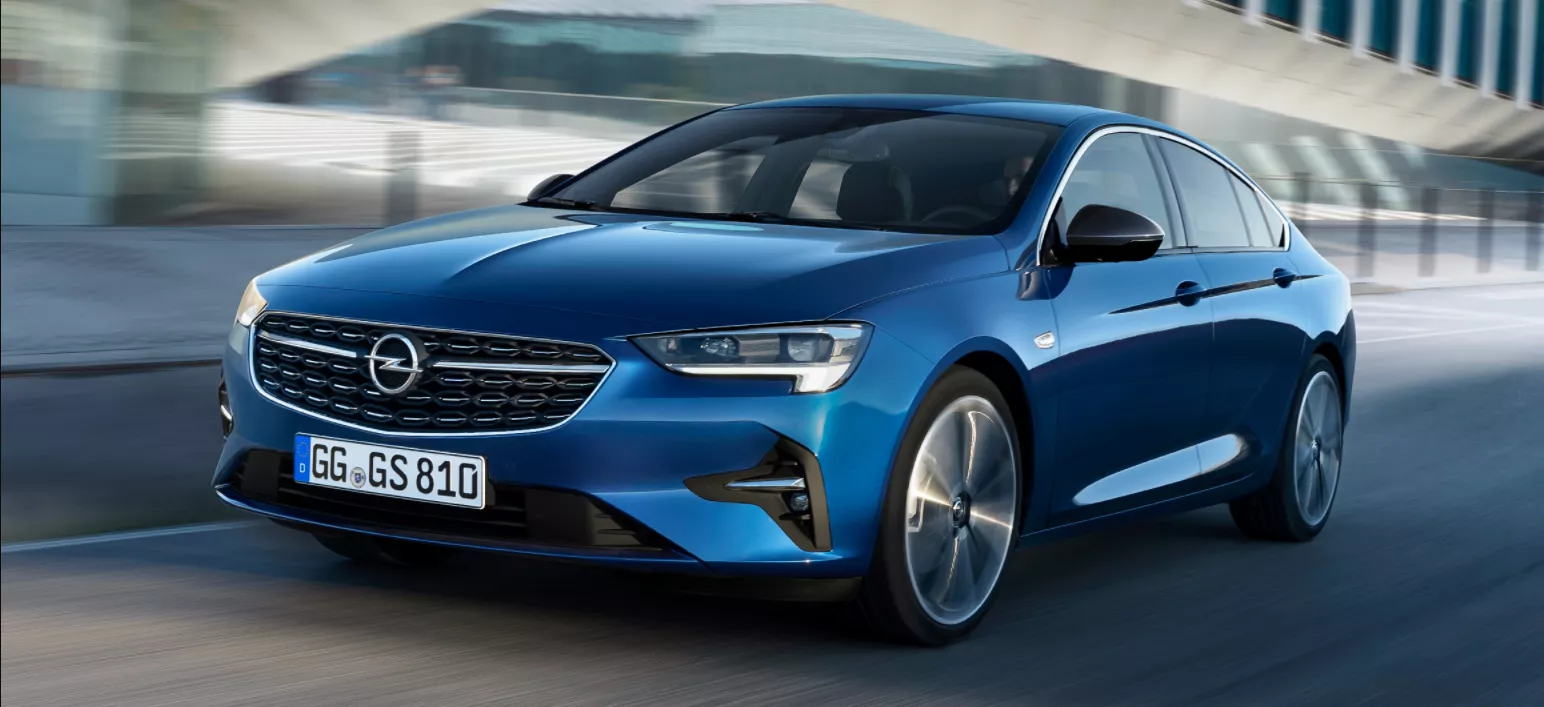 OPEL
Insignia
View model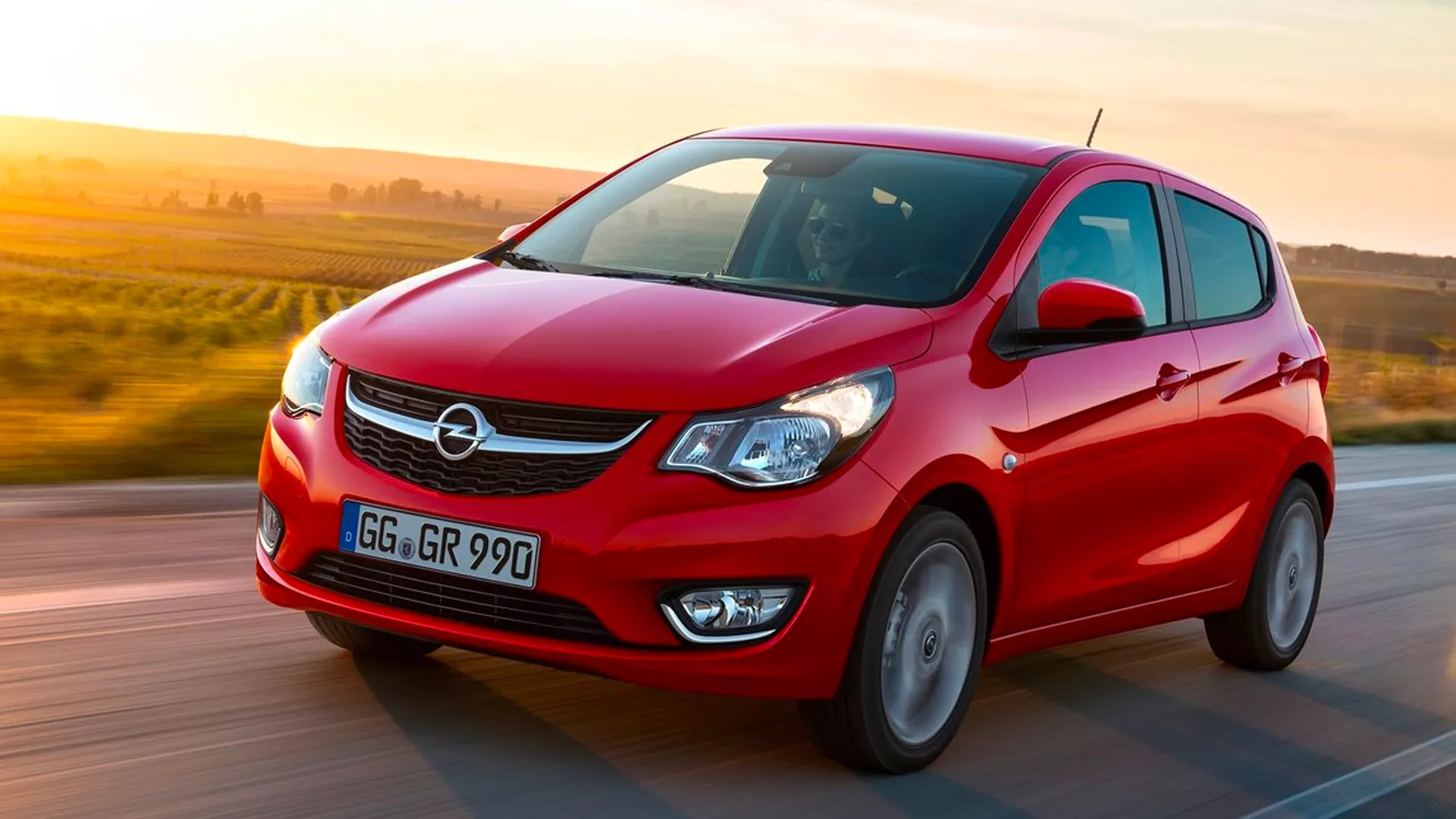 OPEL
KARL
View model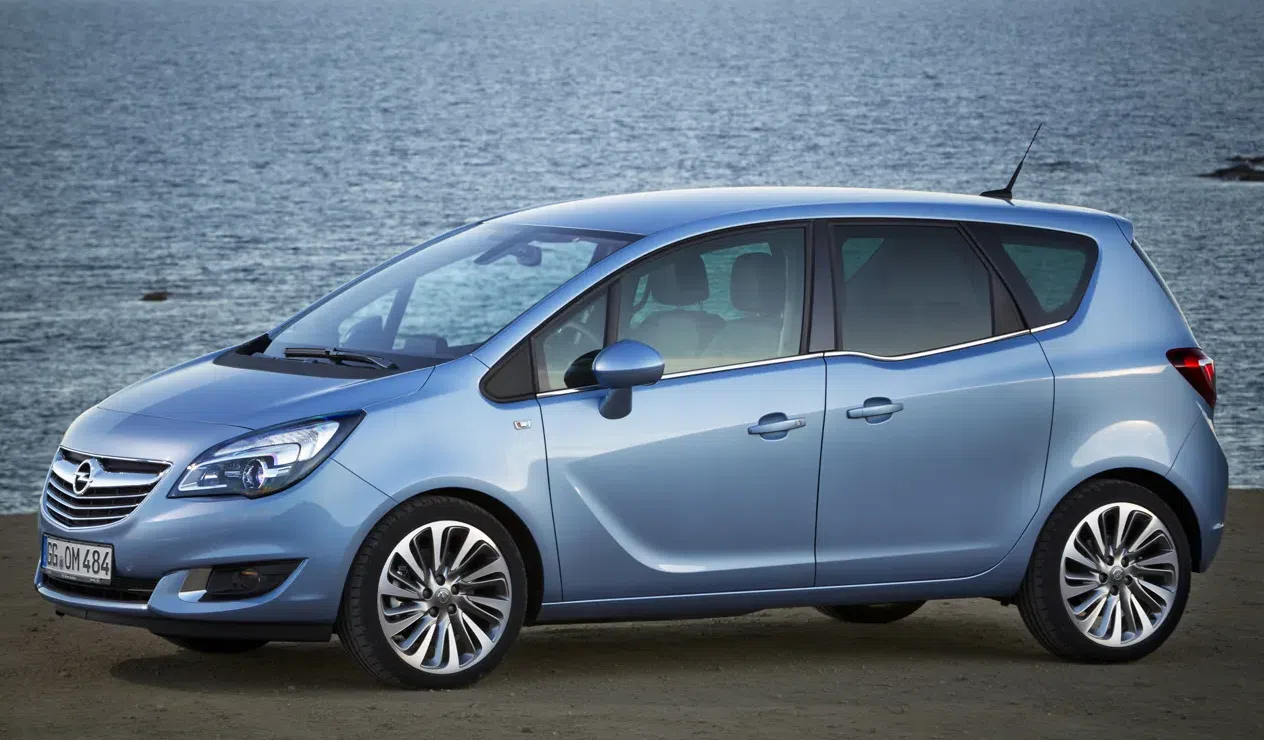 OPEL
MERIVA
View model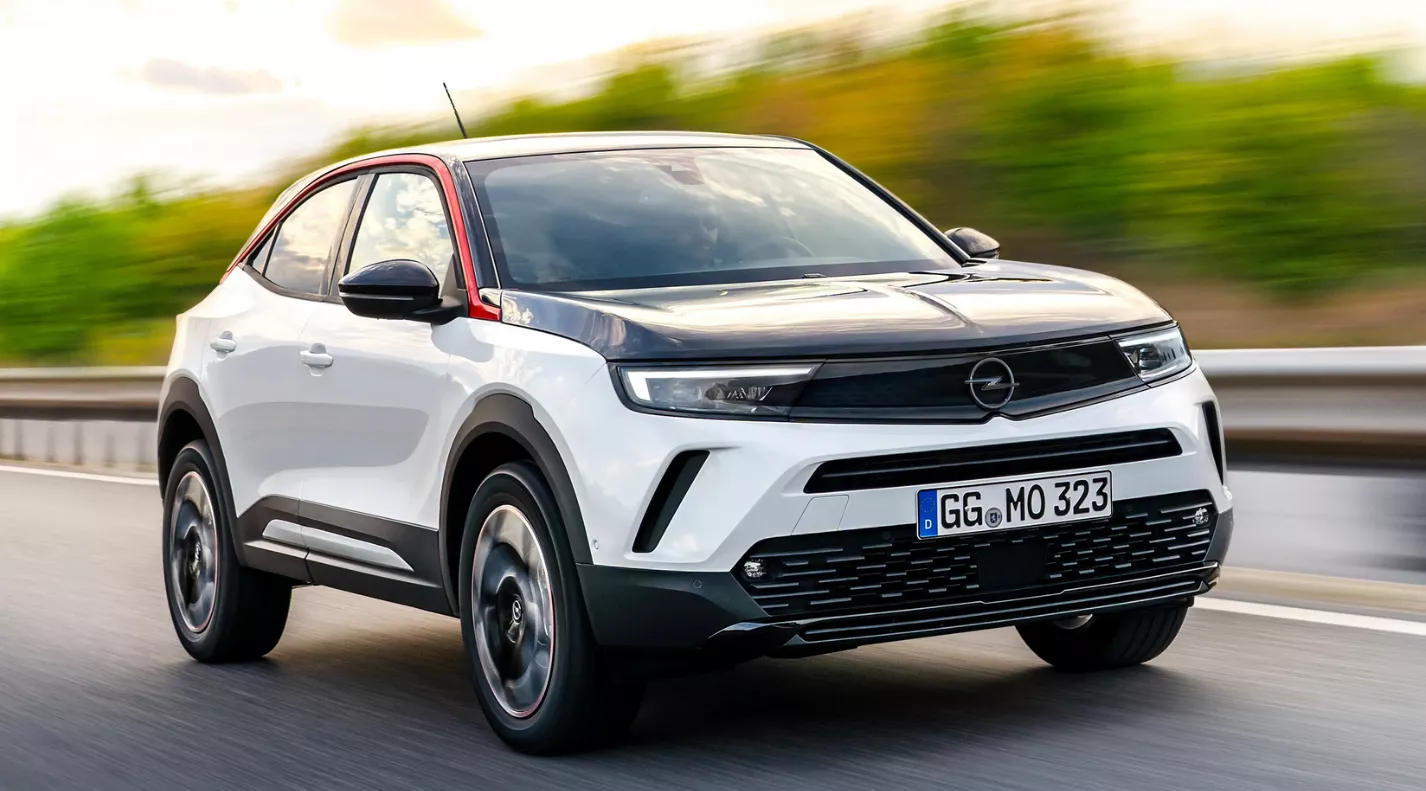 OPEL
MOKKA
View model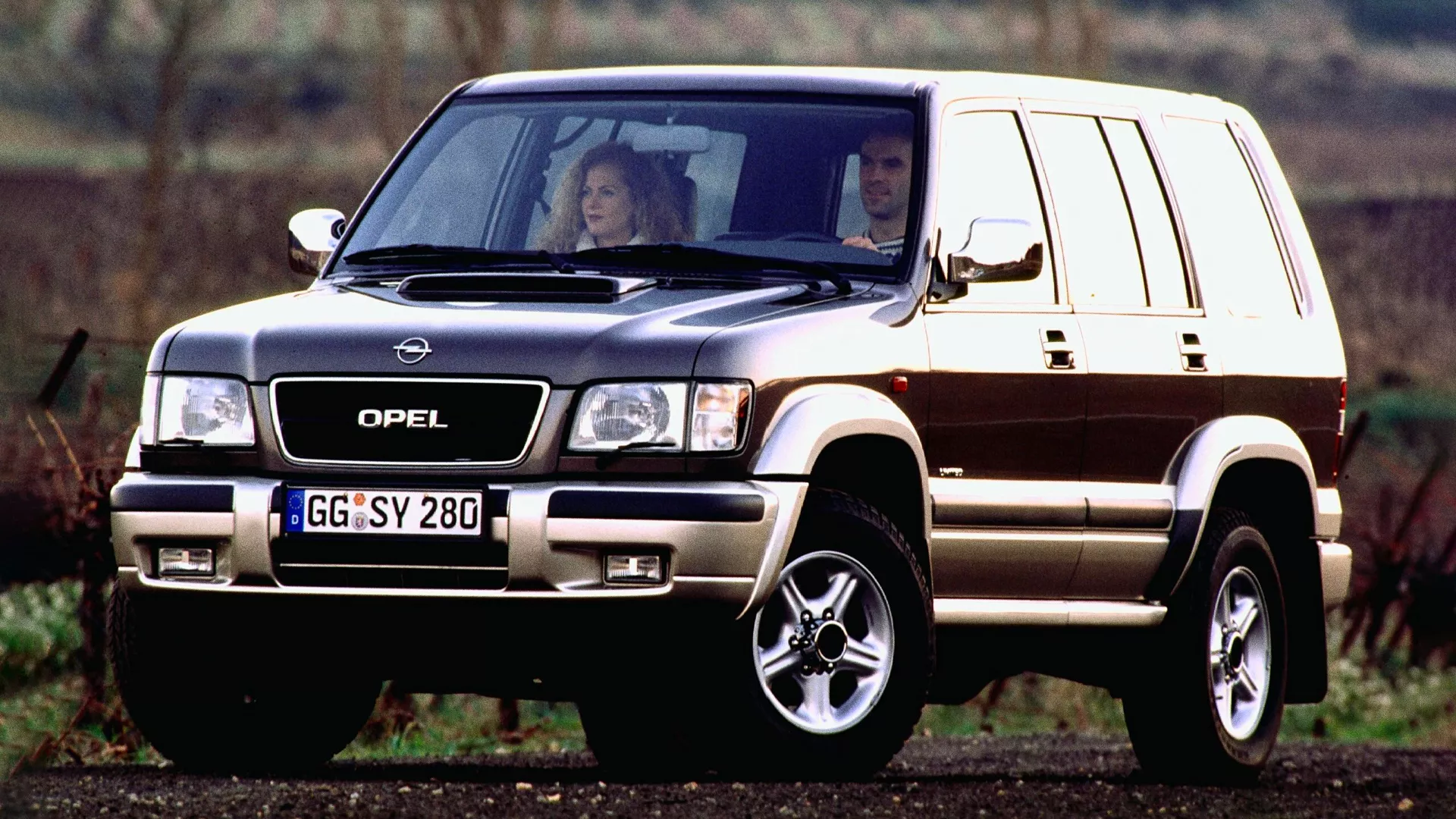 OPEL
MONTEREY
View model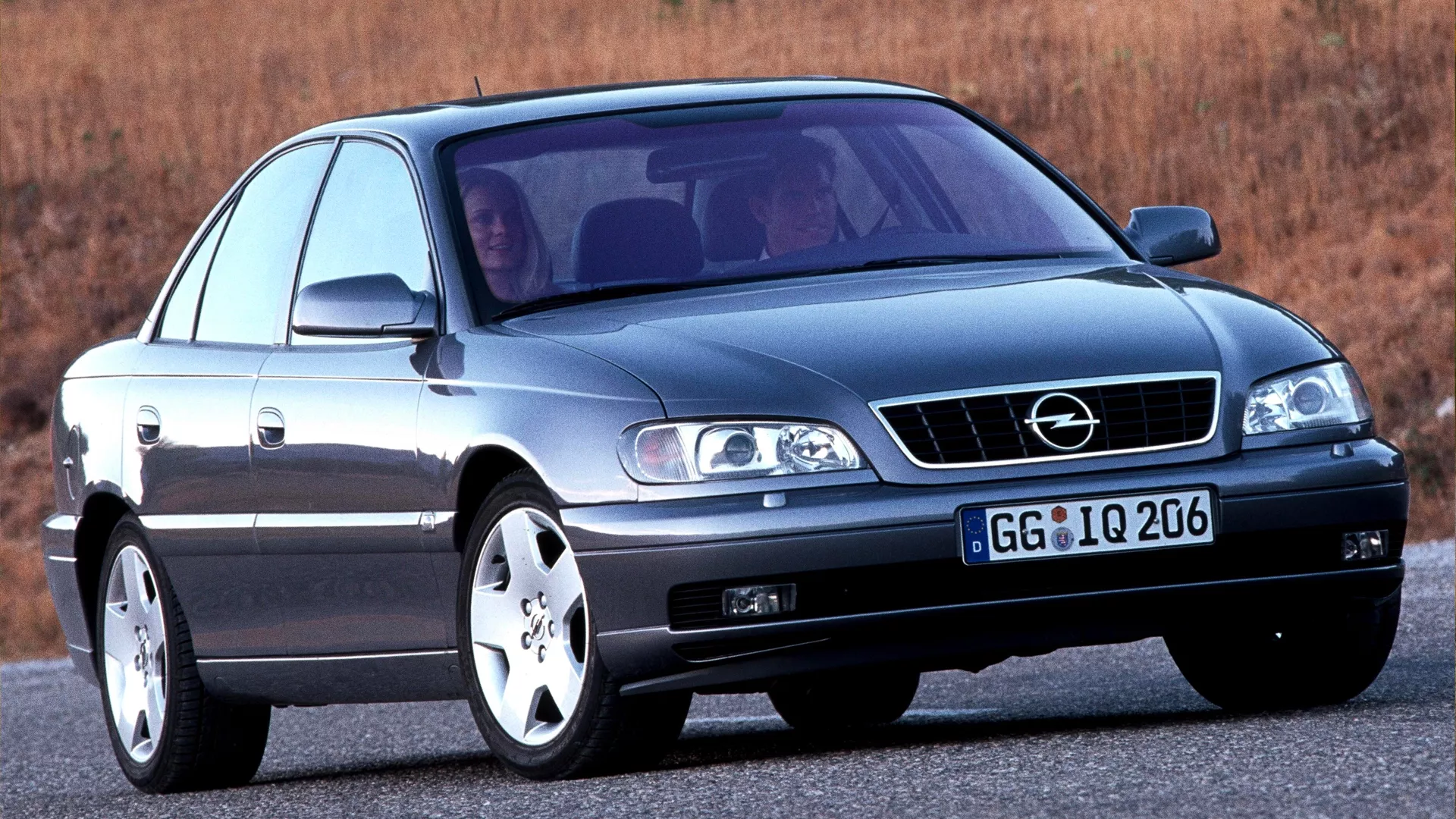 OPEL
OMEGA
View model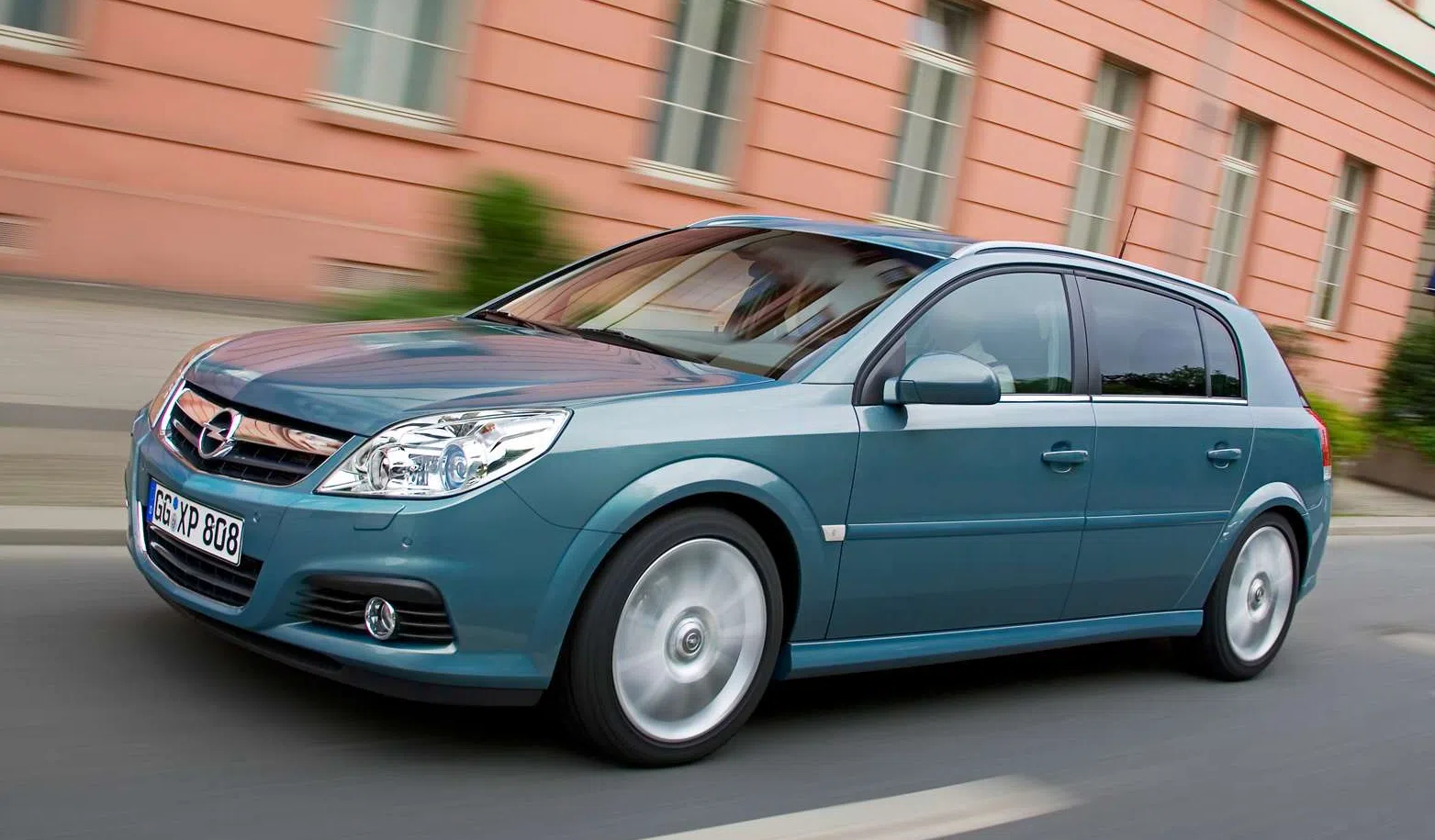 OPEL
SIGNUM
View model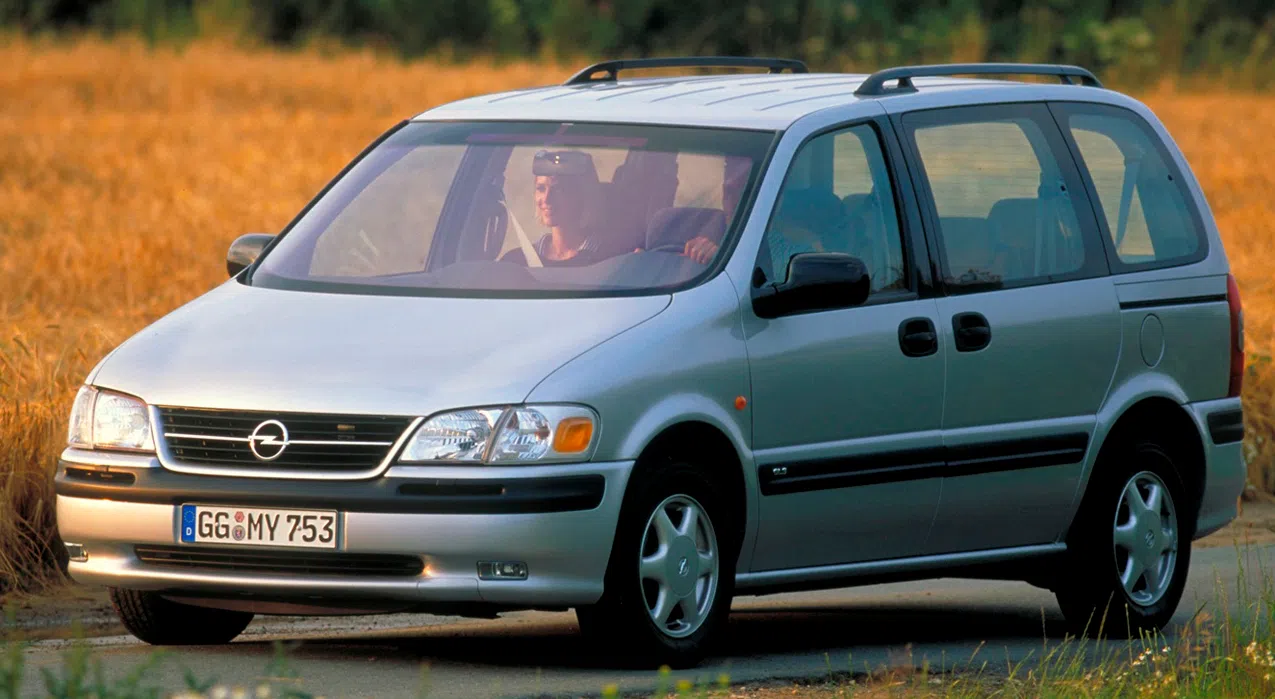 OPEL
SINTRA
View model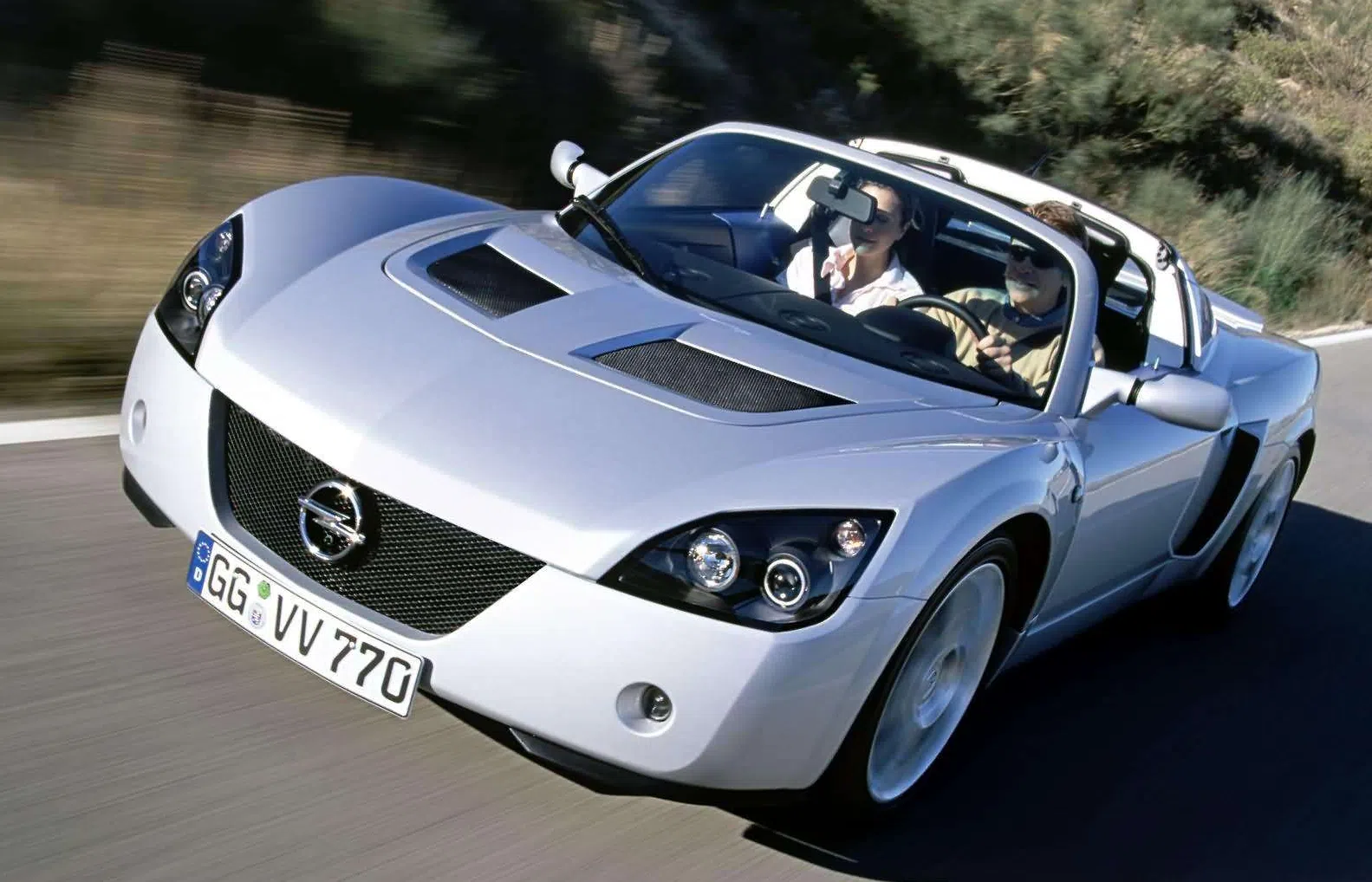 OPEL
SPEEDSTER
View model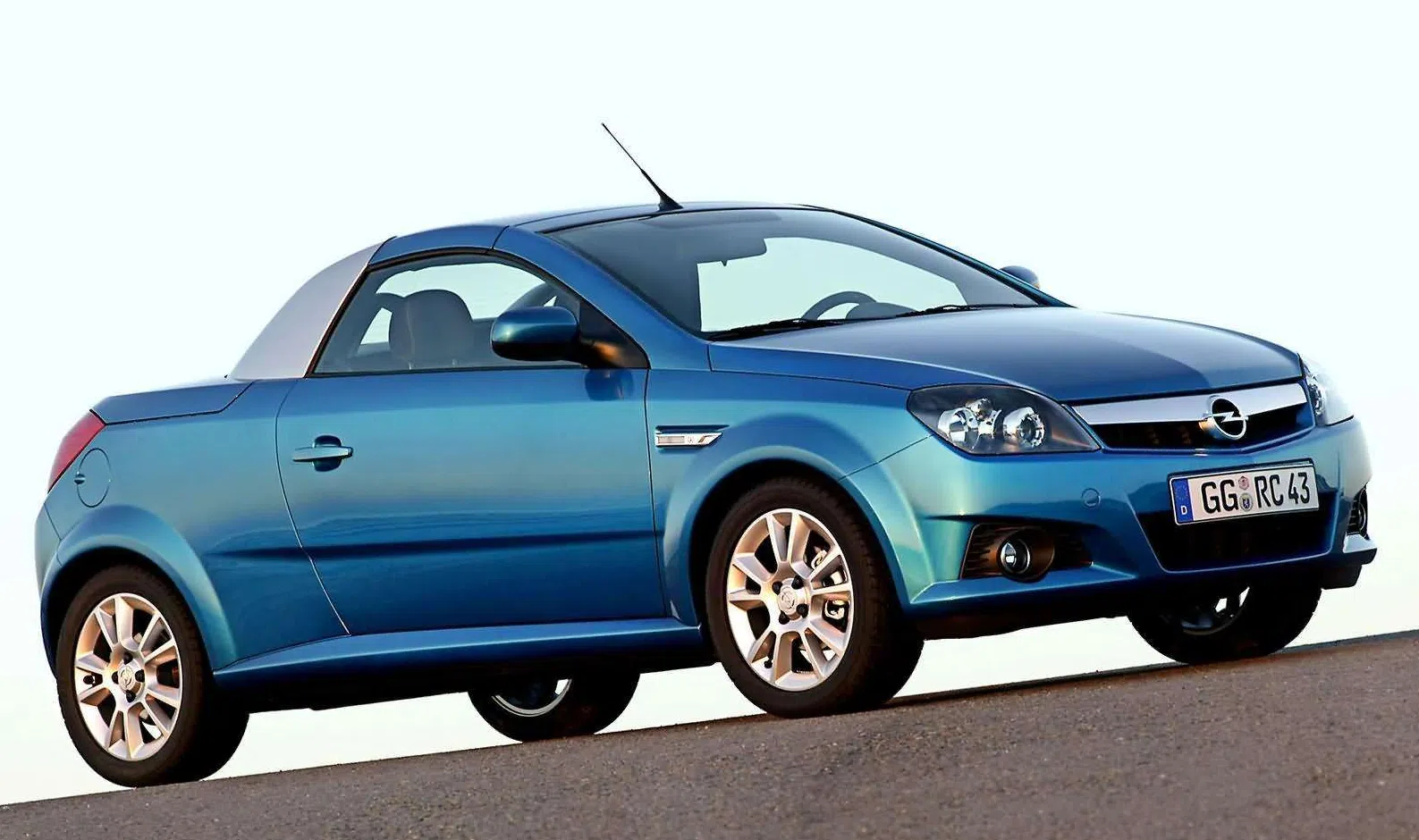 OPEL
TIGRA
View model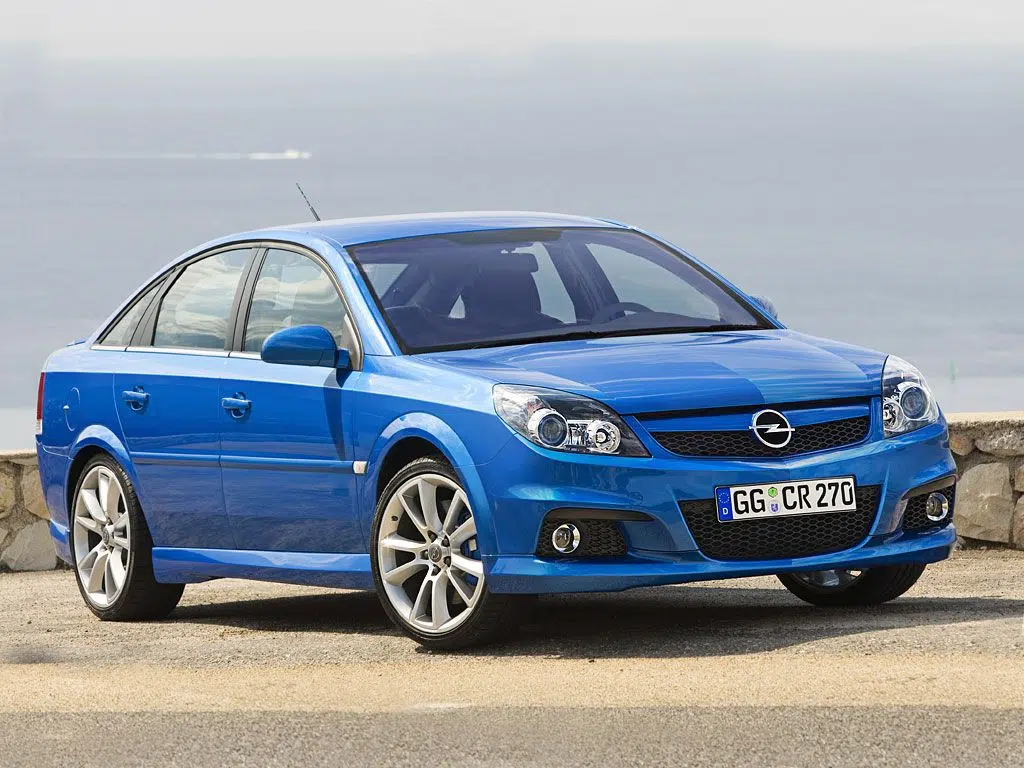 OPEL
VECTRA
View model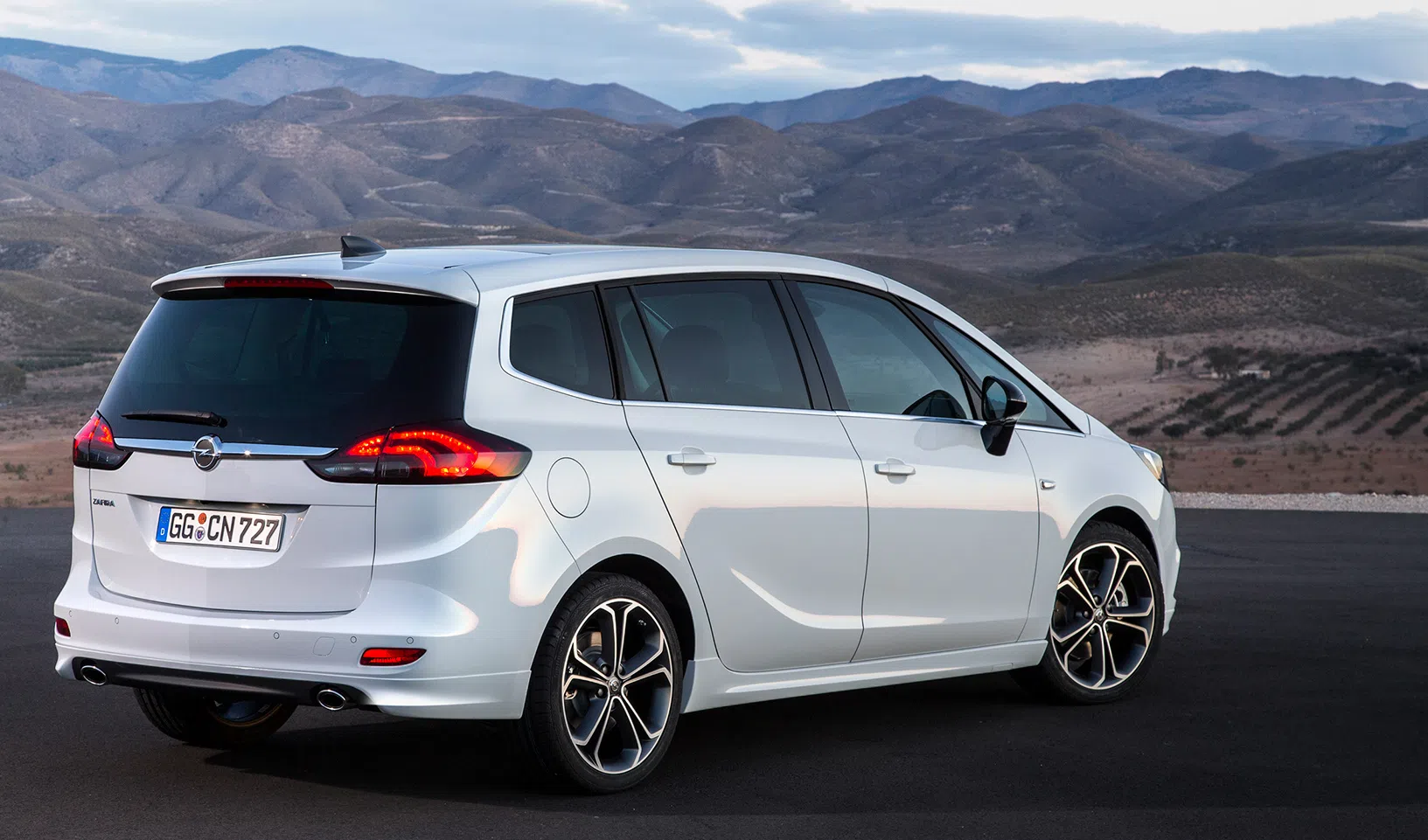 OPEL
ZAFIRA
View model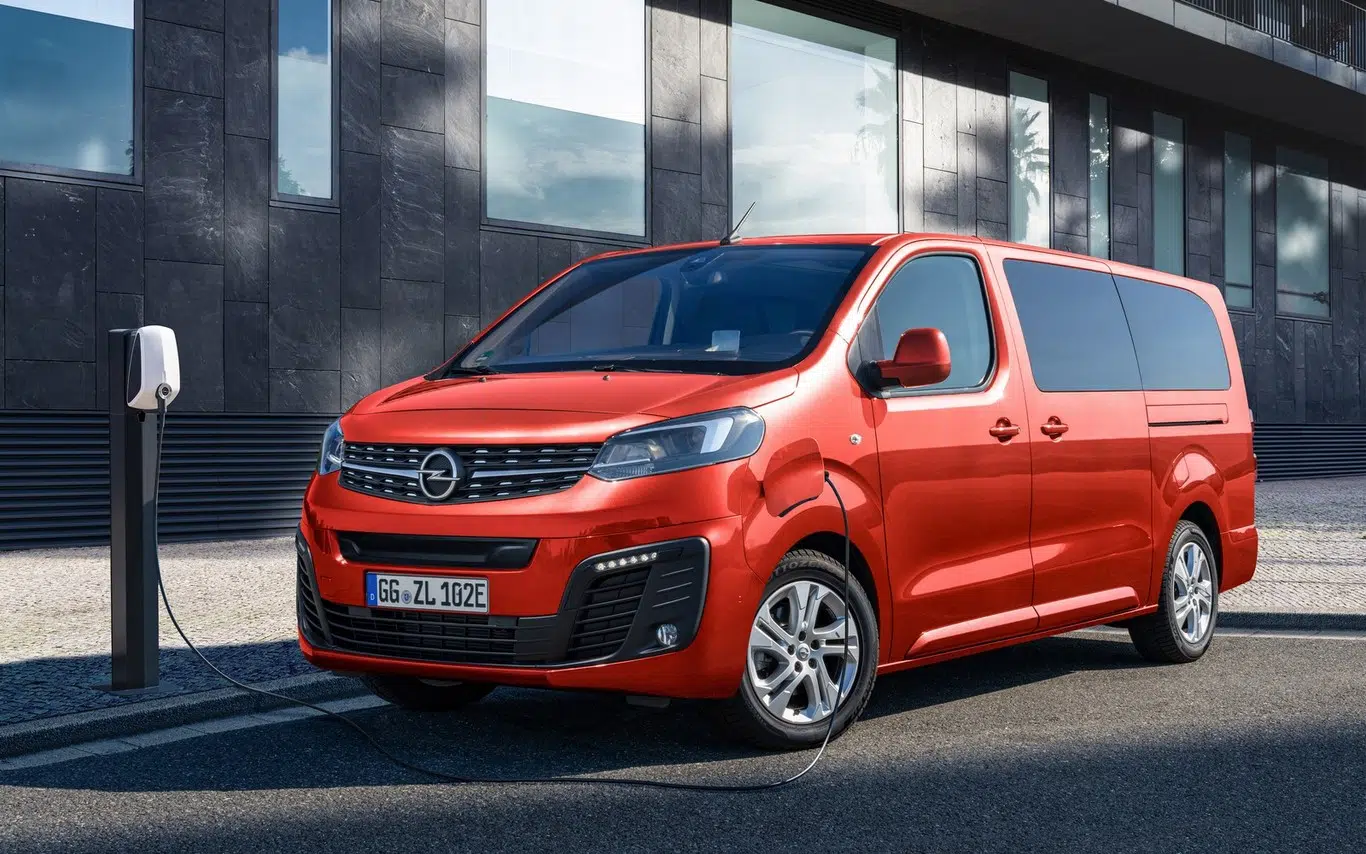 OPEL
ZAFIRA LIFE
View model- OPEL
View all models