
OPEL ASTRATiming chain or Belt?
About OPEL ASTRA
The Opel Astra is a C-segment compact car manufactured by the German automaker Opel. Historically, the Astra has also been sold under different brands and names by General Motors. Some of these names are Vauxhall Astra (United Kingdom), Holden Astra (Australia and New Zealand), Chevrolet Astra (South America), Chevrolet Viva, Chevrolet Vectra, Opel Optima (Indonesia), Buick Excelle XT (China), Buick Verano, and Saturn Astra (United States and Canada). It replaces the Opel Kadett and adopts the names of its succession line. This is why the first version of the Astra is called "Astra F".
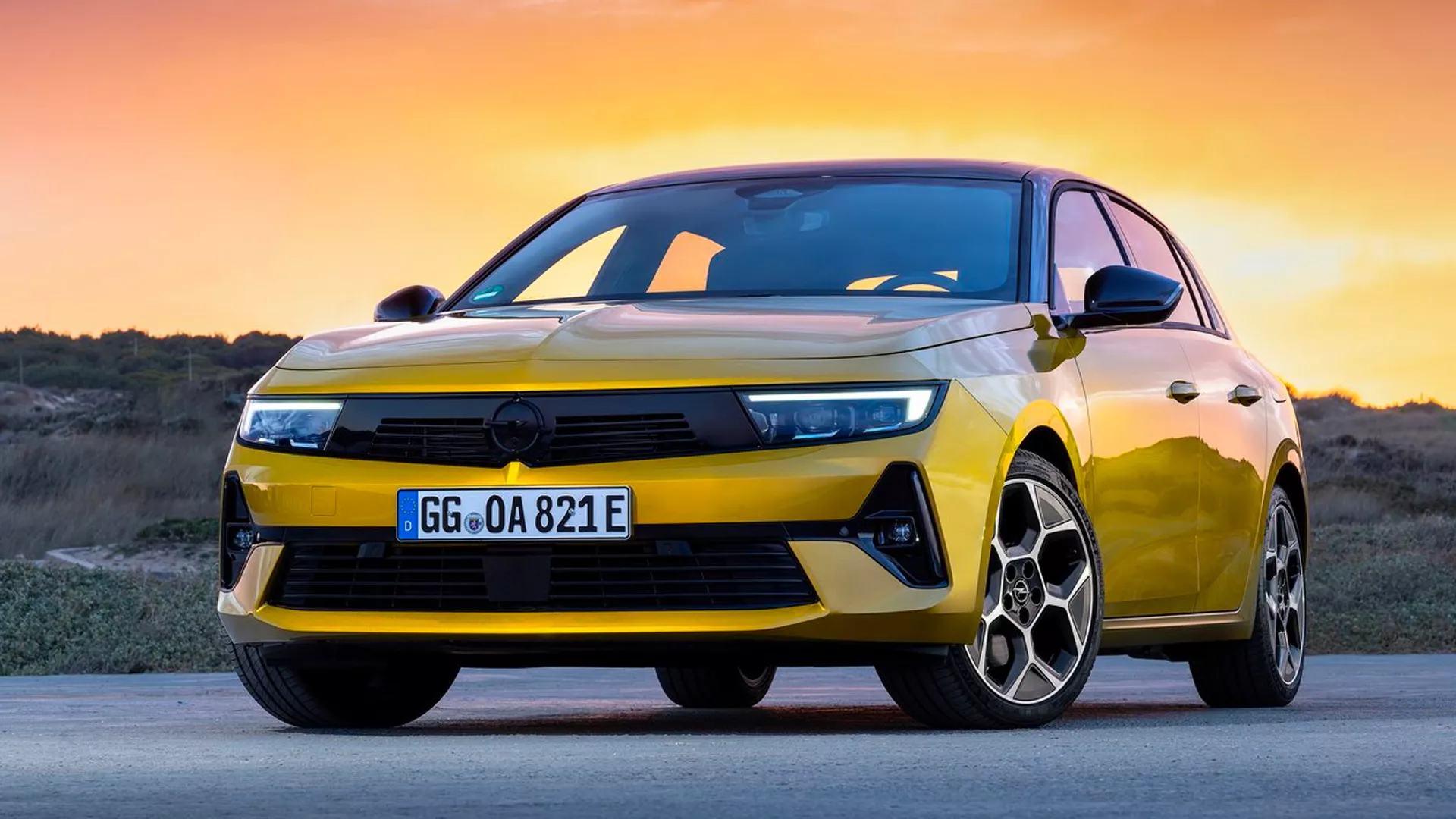
The current generation of the Opel Astra is the Opel Astra L, a vehicle built on the PSA (now Stellantis) EMP2 platform. The car shares a multitude of elements with the third-generation Peugeot 308 and also with the Peugeot 408, the coupe SUV of the brand with the lion emblem.
There have been a total of 6 generations of the Astra, which first saw the light in 1991. Some of its competitors are the Renault Mégane, Honda Civic, Toyota Corolla, Ford Focus, and Volkswagen Golf.
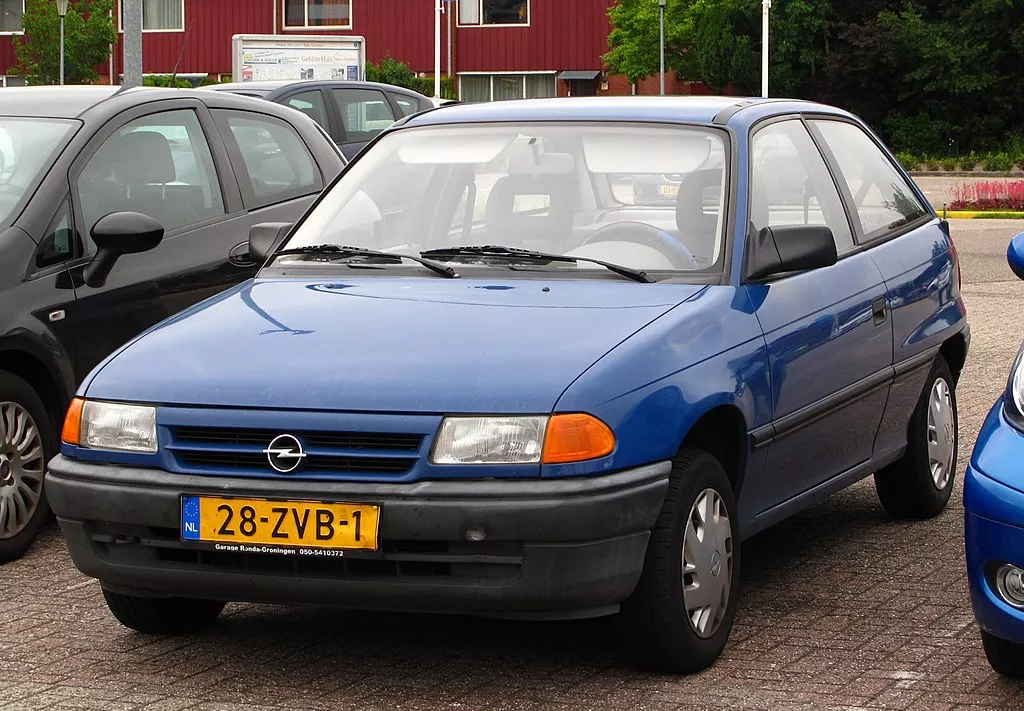
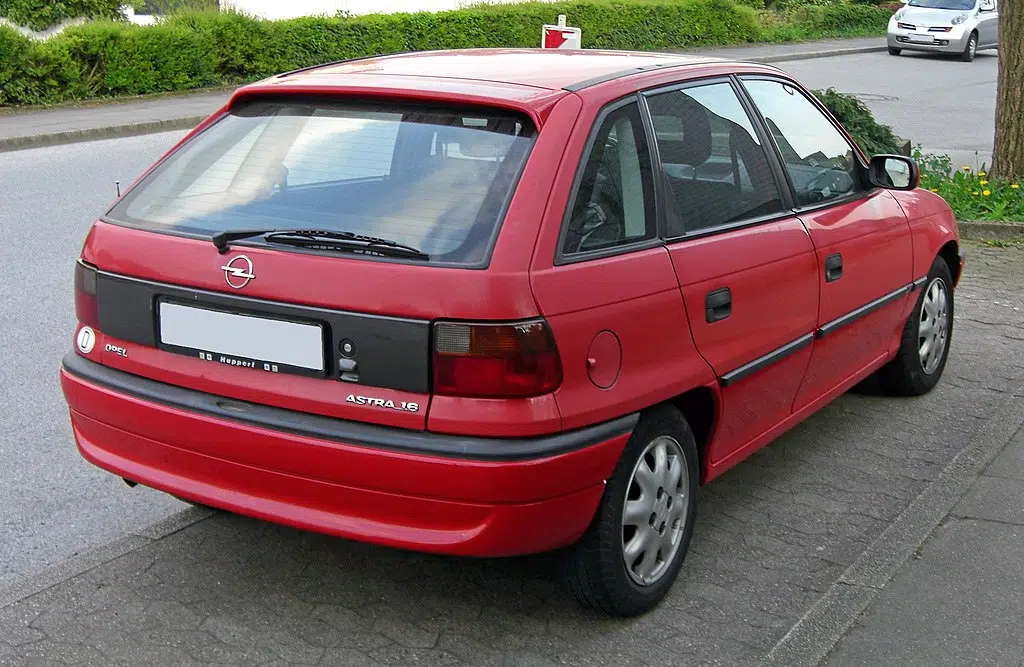
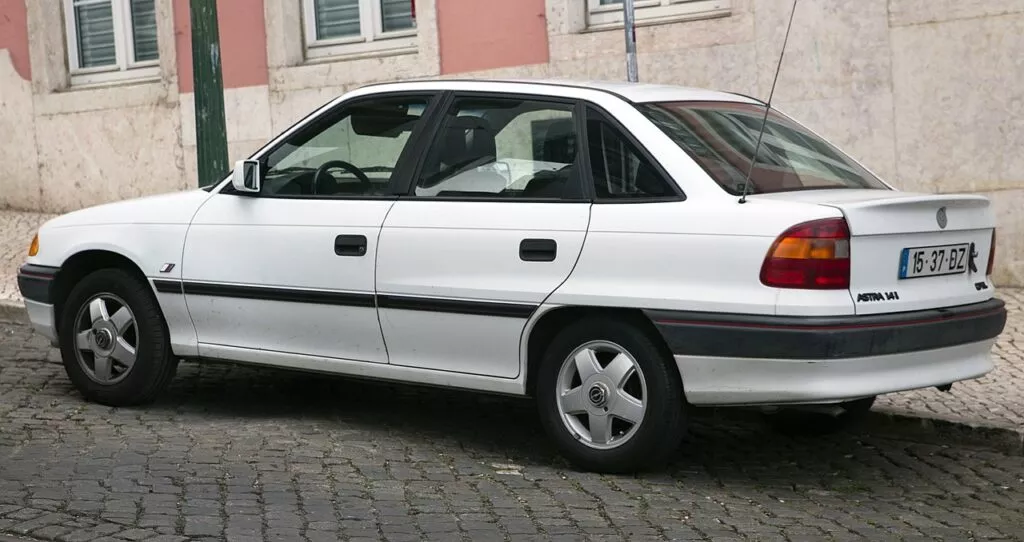
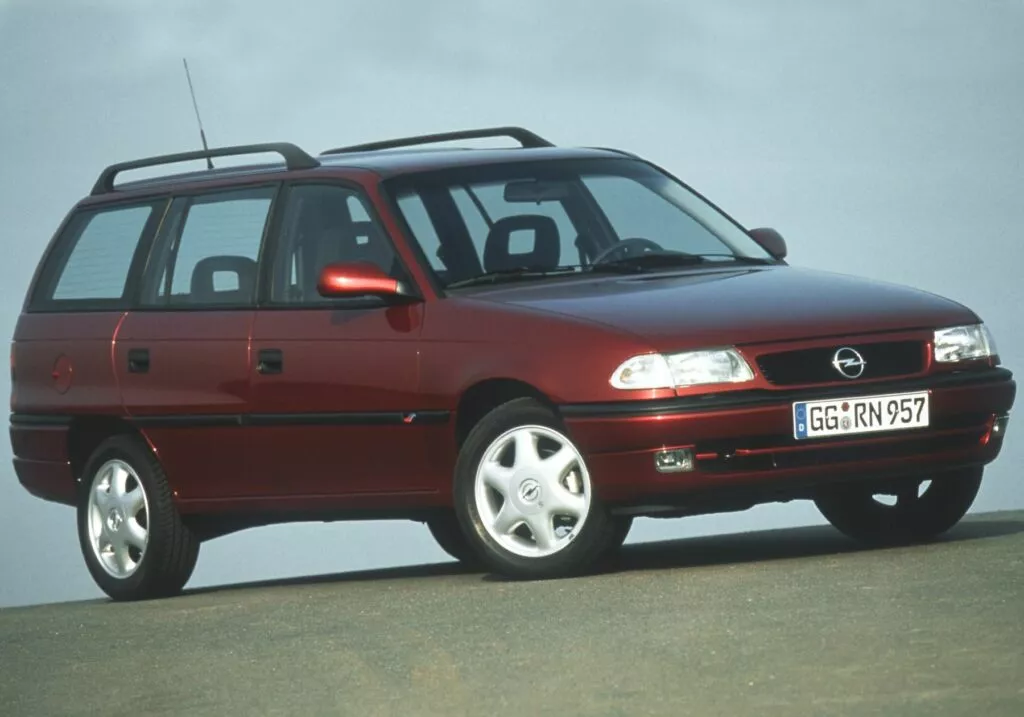
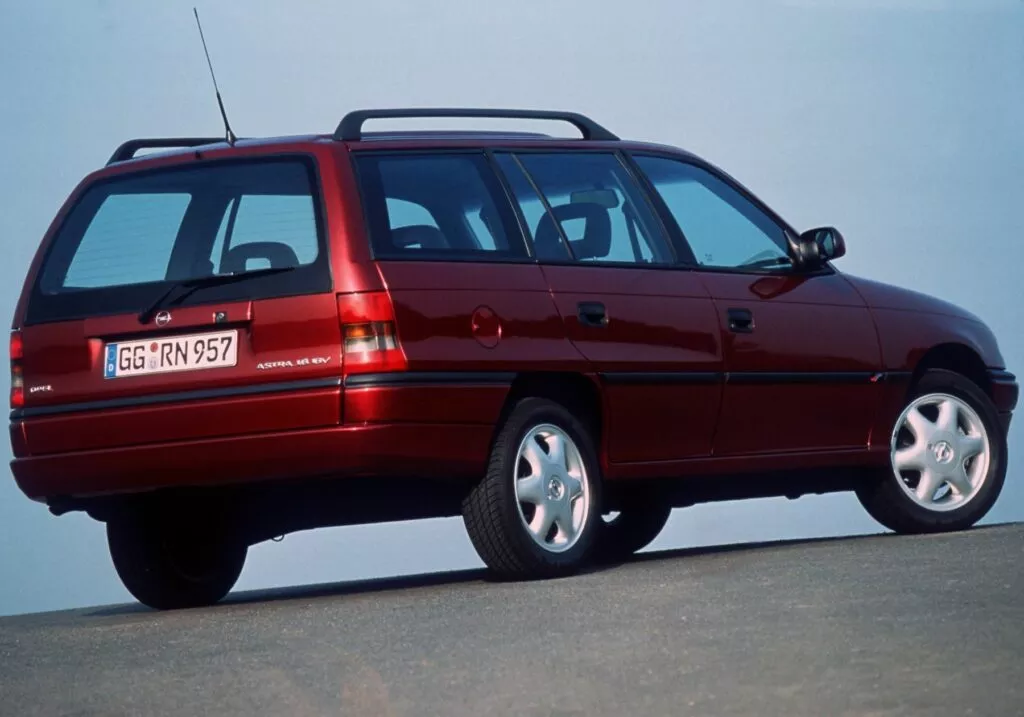
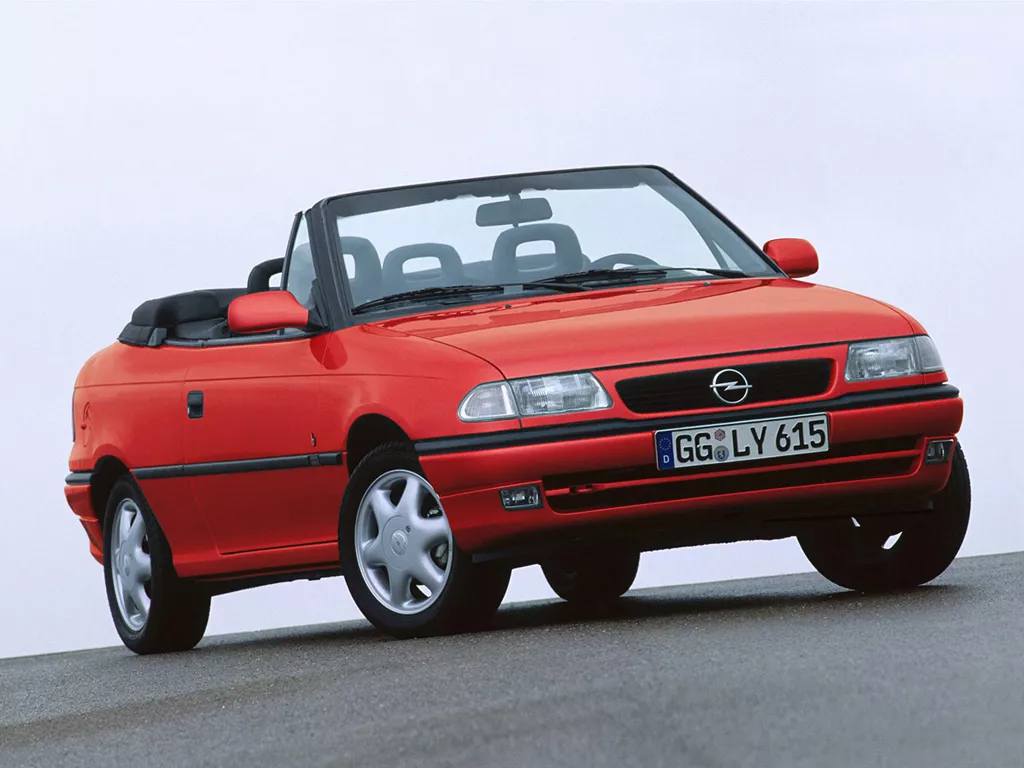
The first generation of the Opel Astra succeeded the Opel Kadett E. It also inherited its successor's nomenclature. This model had 3-door and 5-door hatchback versions, a sedan version, an estate (station wagon) version, and a convertible. It used General Motors' T-body platform.
Featuring a much more modern design than its predecessor, the second-generation Opel Astra (Opel Astra G) was introduced in 1998.
Mechanically, this Astra is equipped with modern 4-cylinder gasoline engines ranging from 1.4 to 2.2 liters and 1.7-liter diesel engines. Power outputs range from 90 hp in the entry-level models to 204 hp in the sporty GSI variant. Its advanced chassis, developed in collaboration with Lotus, stands out and gives rise to the Opel Zafira compact MPV, another best-seller.
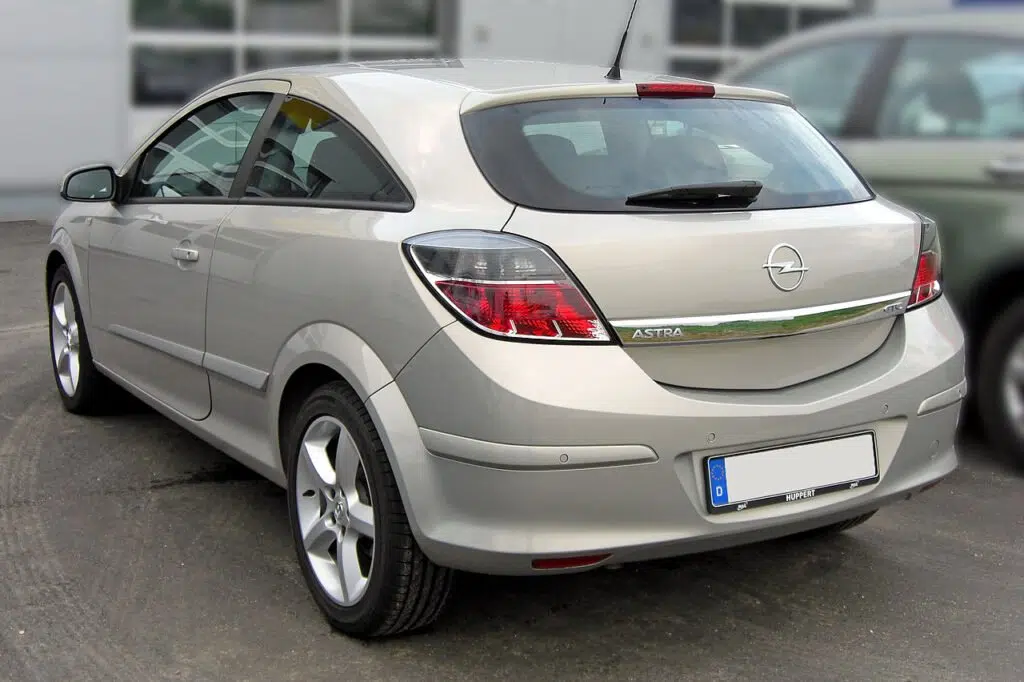
The Opel Astra H is the third generation of this compact car. It was introduced in 2004 and took a leap forward in design, featuring sportier and more dynamic lines. The Astra TwinTop stood out in particular, a retractable hardtop convertible variant thanks to the innovative TwinTop technology developed by Opel.
Mechanically, the Astra H also evolved, offering modern and efficient gasoline engines from 1.4 to 2.0 liters and diesel engines from 1.3 to 1.9 liters, with power outputs ranging from 90 to 240 hp. The diesel engines stood out for their low fuel consumption and emissions, while the GSi and OPC variants provided high sporty performance.
The Astra H achieved great commercial success, being manufactured in various European plants until 2014. It was sold globally under the Opel, Vauxhall, and Chevrolet brands, and even competed in the Deutsche Tourenwagen Masters (DTM) between 2005 and 2009.
The fourth-generation Opel Astra, or Opel Astra J, was introduced in 2009, although its GTC and sedan variants appeared in 2012.
This generation substantially improved upon its predecessor, featuring a sportier and more dynamic design as well as significant technological advancements. Its lightness stood out, thanks to the use of high-strength steels that allowed weight to be reduced by up to 200 kg.
Mechanically, the Astra J carries 1.0, 1.4, and 1.6-liter Turbo gasoline engines with up to 200 hp, and 1.3, 1.6, and 2.0 CDTI diesel engines with up to 195 hp. All of them comply with Euro 6 emission standards. In terms of safety, the Astra J earned 5 EuroNCAP stars thanks to features such as 6 airbags, stability control, driver fatigue detector, and adaptive headlights.
In 2016, the Opel Astra K arrived, representing the fifth generation of the compact car. It had a continuation-style design, though with a more modern aesthetic.
It offers a wide range of efficient, latest-generation gasoline and diesel engines. The gasoline powerplants range from a small 1.0-liter turbo with 105 hp, to powerful 1.4 and 1.6-liter turbo options with up to 200 hp. Among the diesels, the 1.6 CDTI ranging from 95 to 136 hp stands out.
Regarding technology, the Astra K is up to date, featuring connectivity, infotainment, and driving assistance systems typical of higher categories. It features traffic sign recognition, lane keep assist, automatic emergency braking, and Matrix LED adaptive headlights, among others. It earned 5 EuroNCAP stars and achieved very strong sales.
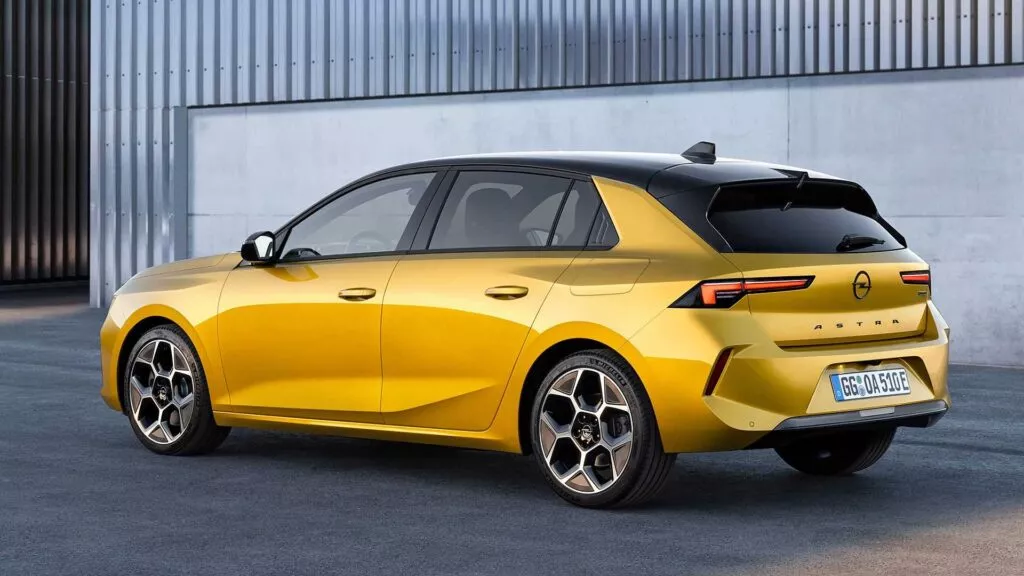
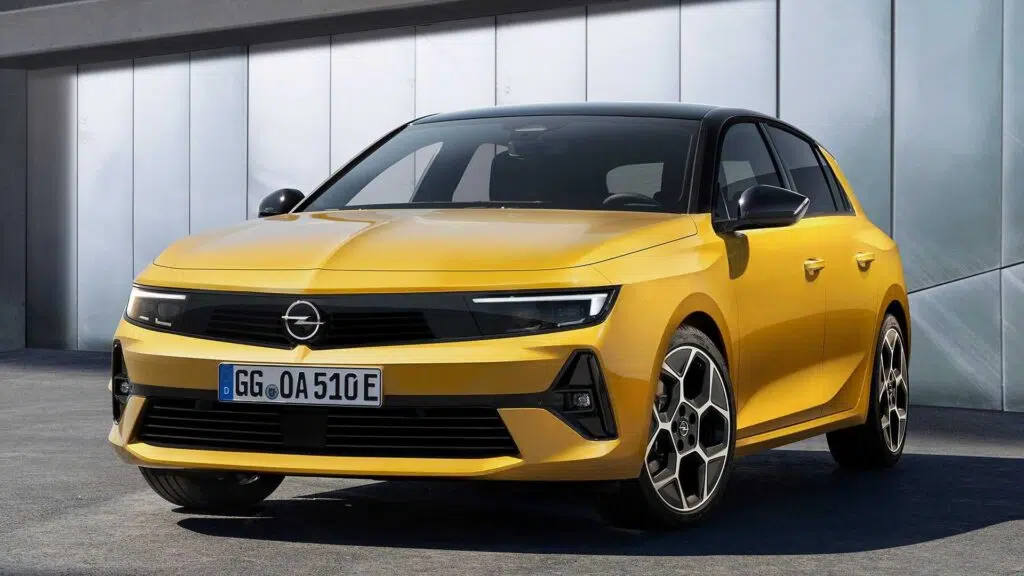
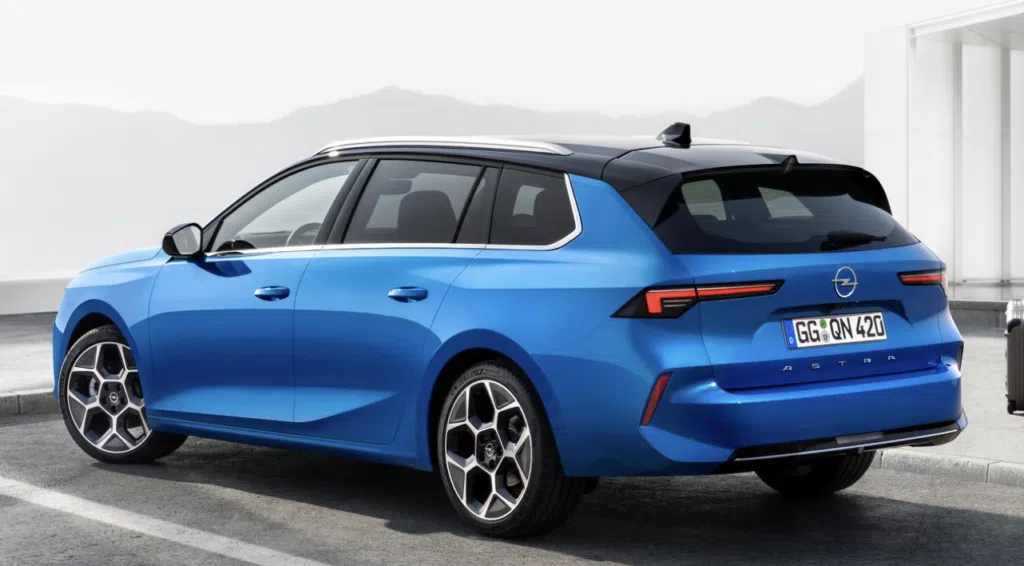
Now converted into a vehicle of the PSA family, the Opel Astra L was built on the same platform as the Peugeot 308 (EMP2 platform). Despite this, it has a design very much in line with Opel, featuring an avant-garde and highly attractive line.
In this sixth generation, Stellantis has chosen to minimize the offering of diesel variants, providing a large number of gasoline-powered variants and even plug-in hybrids reaching up to 180 hp of power. But the big novelty is the incorporation of the 100% electric Astra-e variant, with a range of over 400 km thanks to a 54 kWh battery.
#1OPEL ASTRA - Generation I(1992)T92
HatchbackT92
SedánT92
Caravan / FamiliarT92
Cabriolet / ConvertibleT92
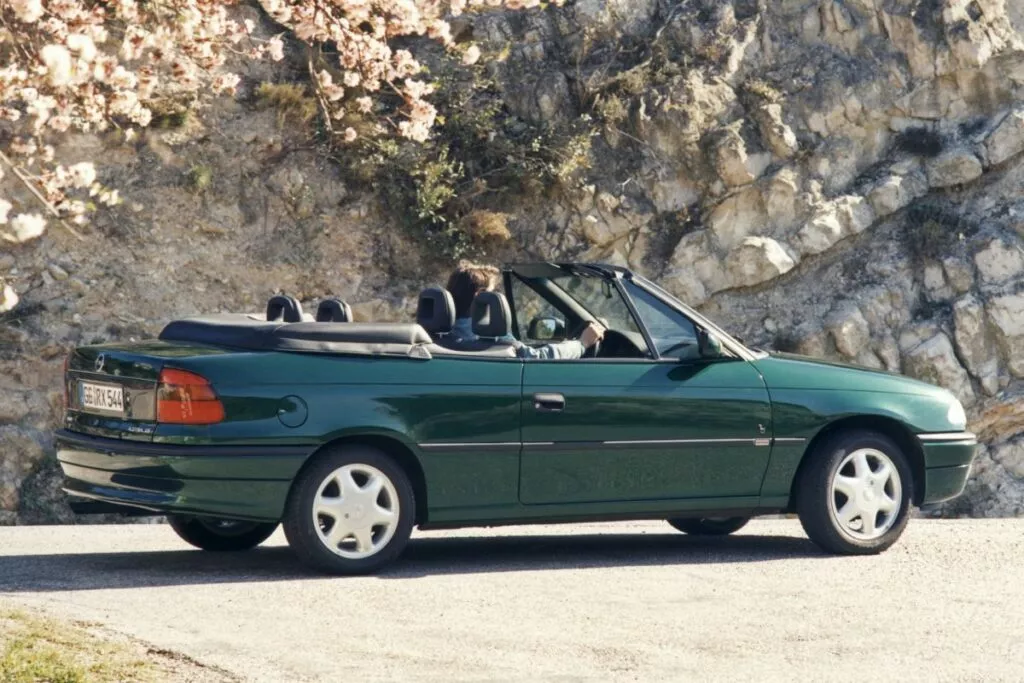
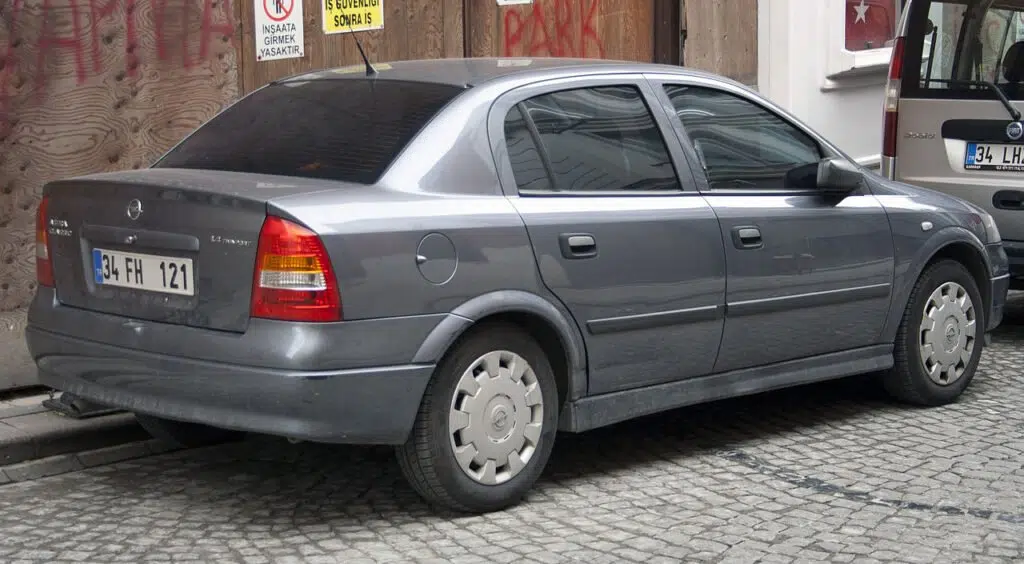
#2OPEL ASTRA - Generation II(1998)T98
Hatchback / CoupéT98
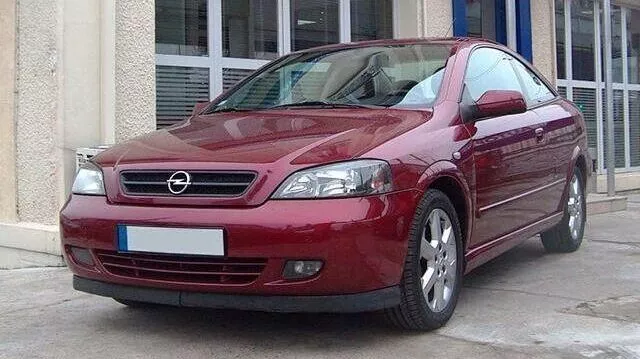
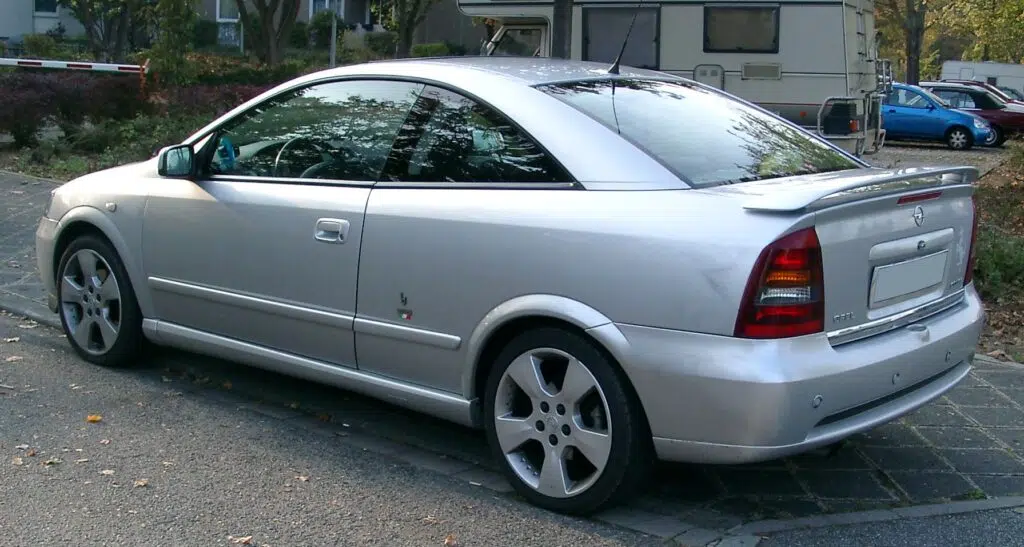
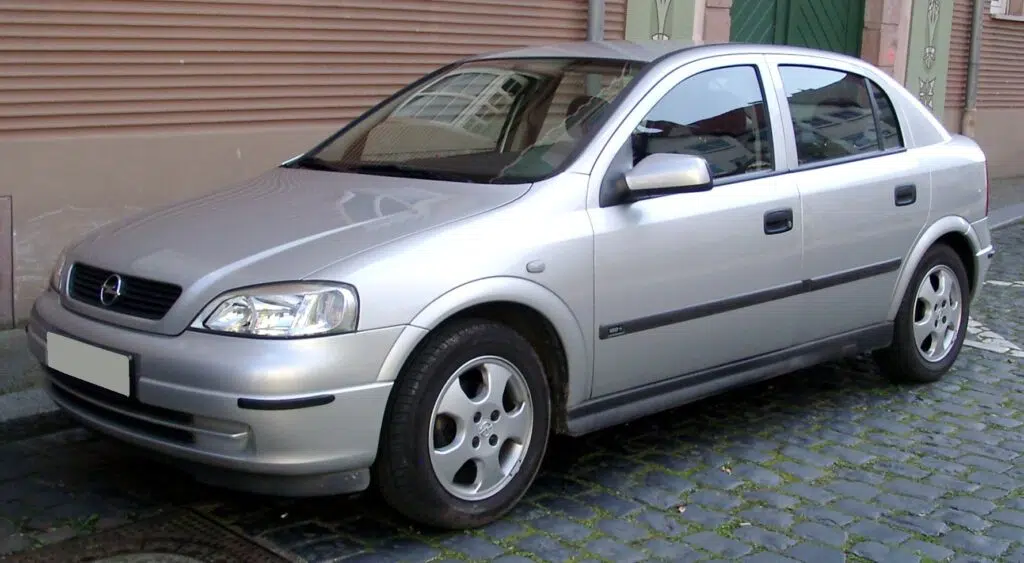

Sedán / BerlinaT98
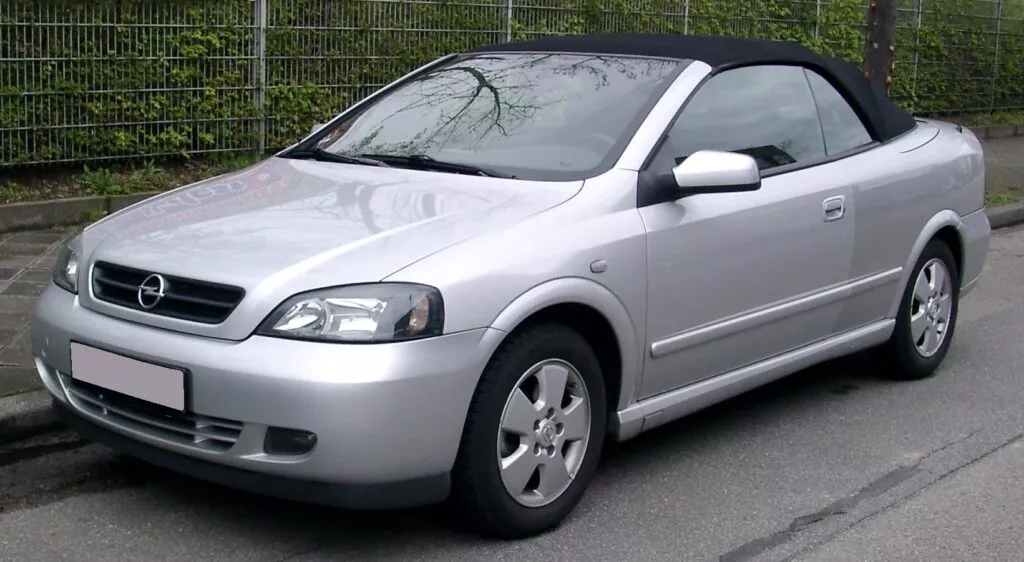
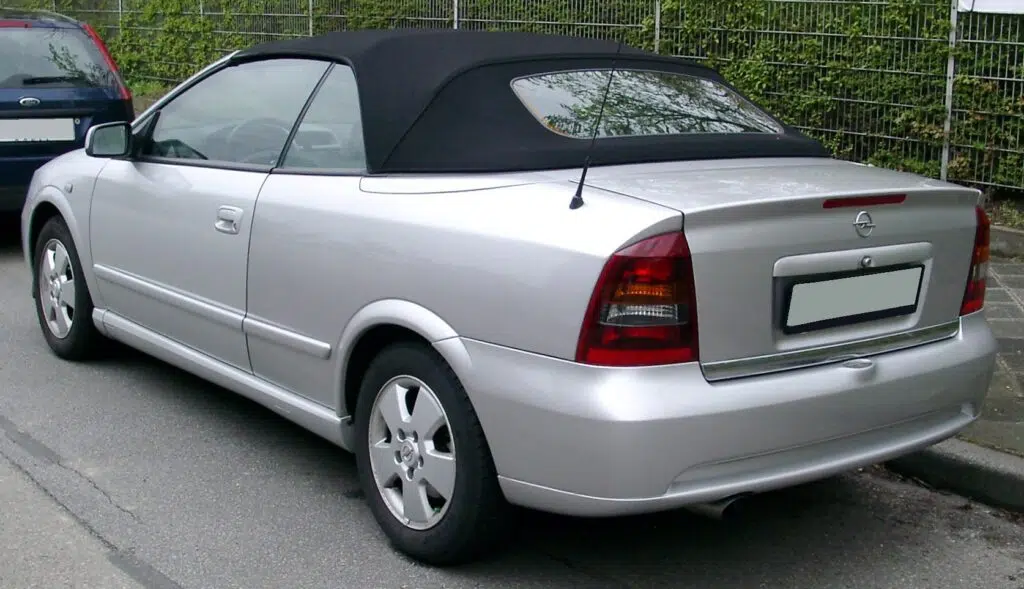
Cabrio (Descapotable)F67
Caravan / FamiliarT98


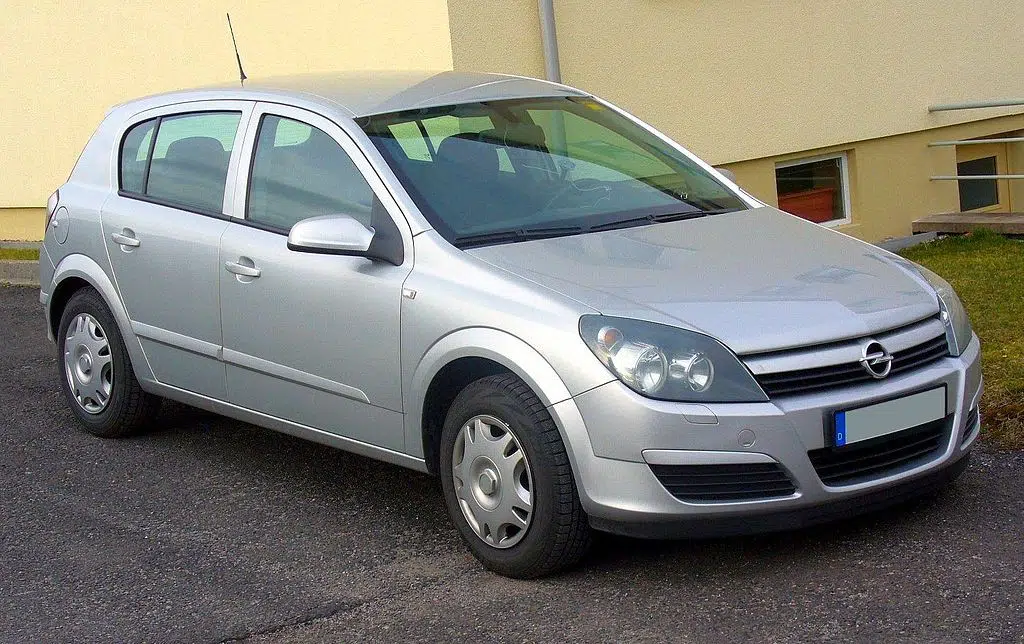
#3OPEL ASTRA - Generation III(2004)A04
HatchbackA04
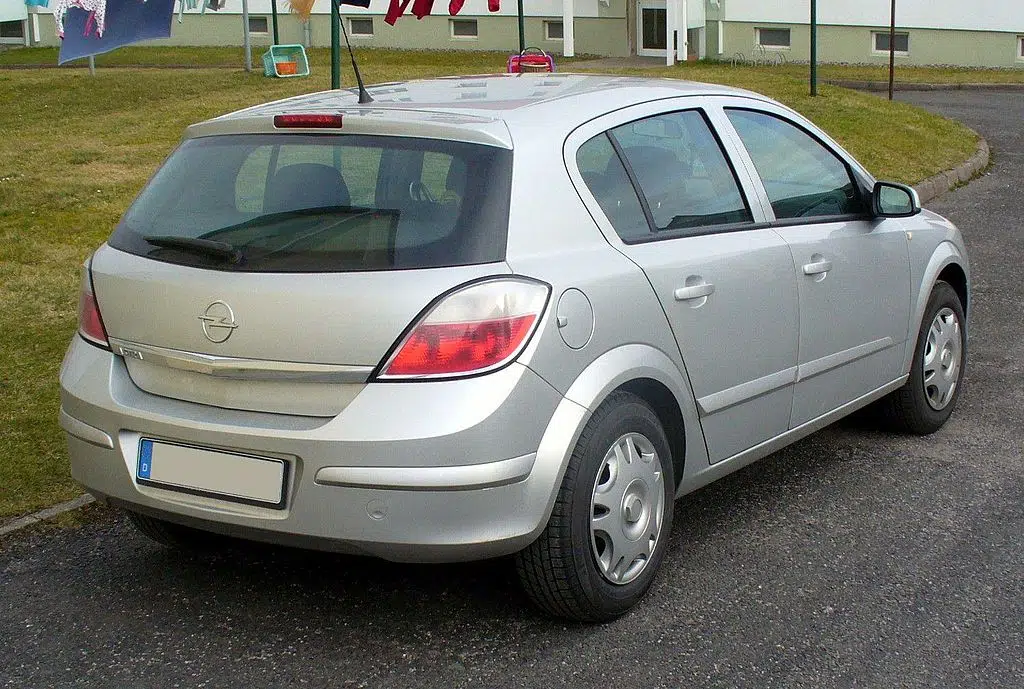
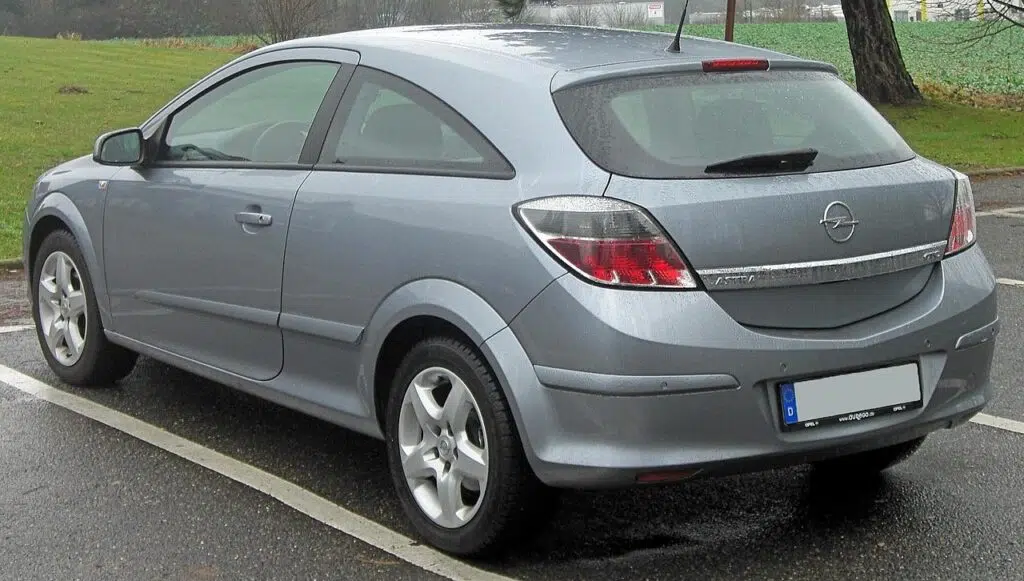
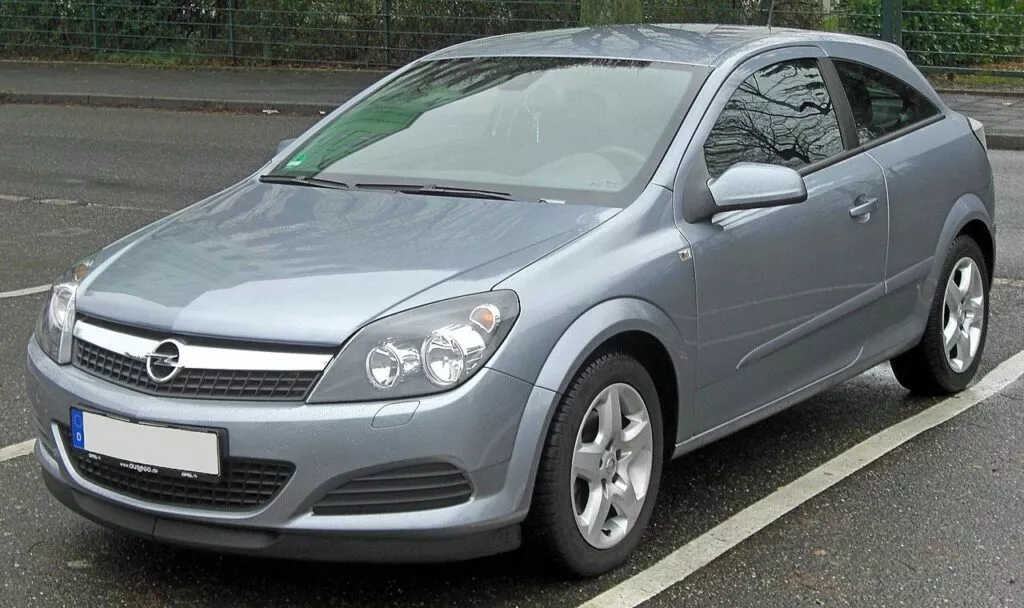
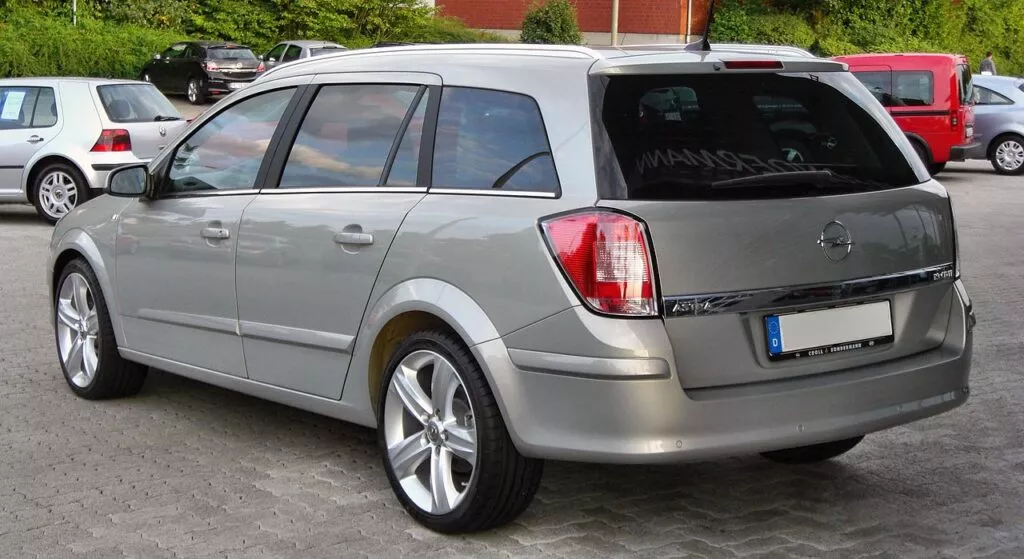
Caravan / Classic CaravanA04/F35
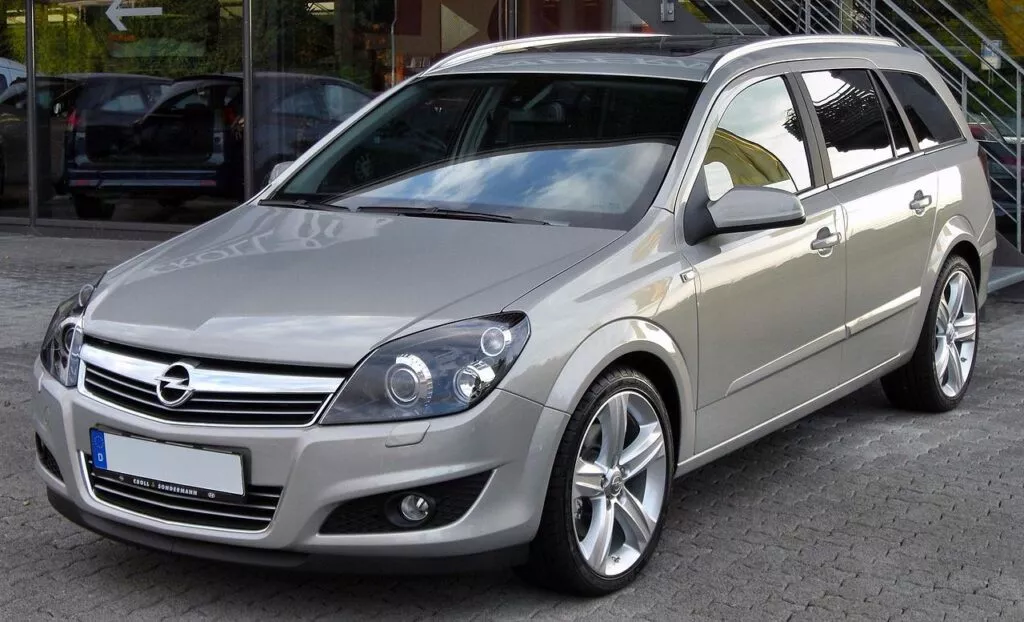
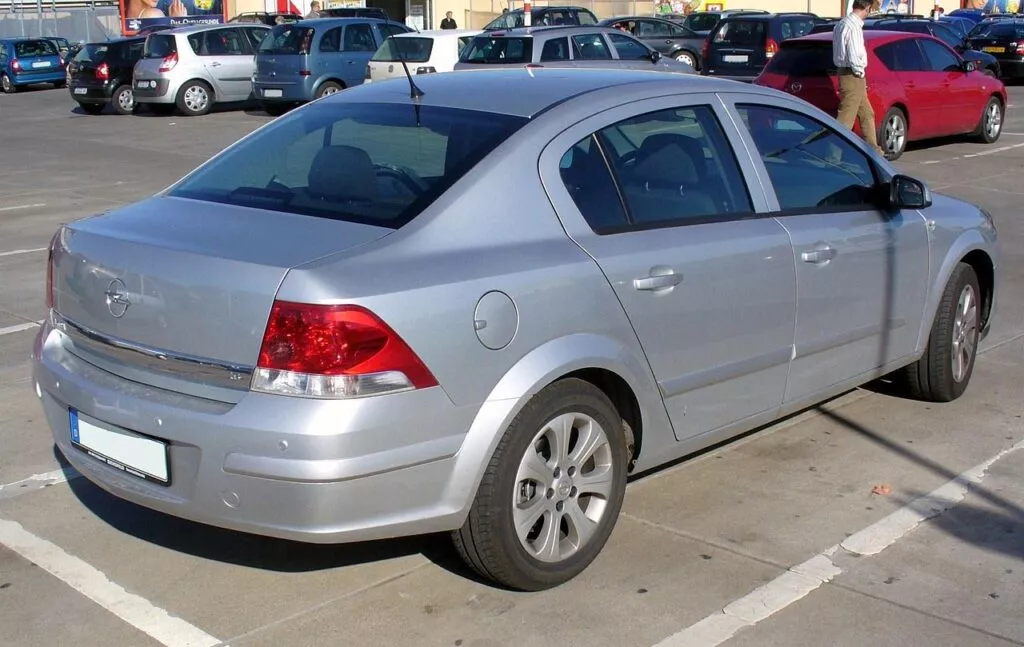
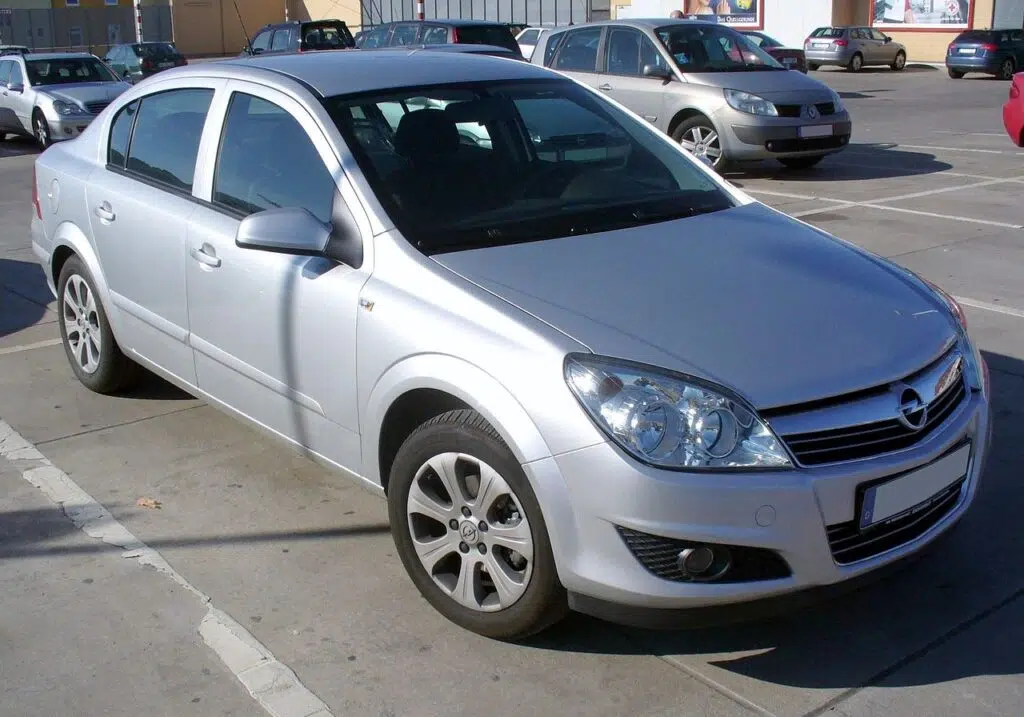
Sedán / BerlinaA04
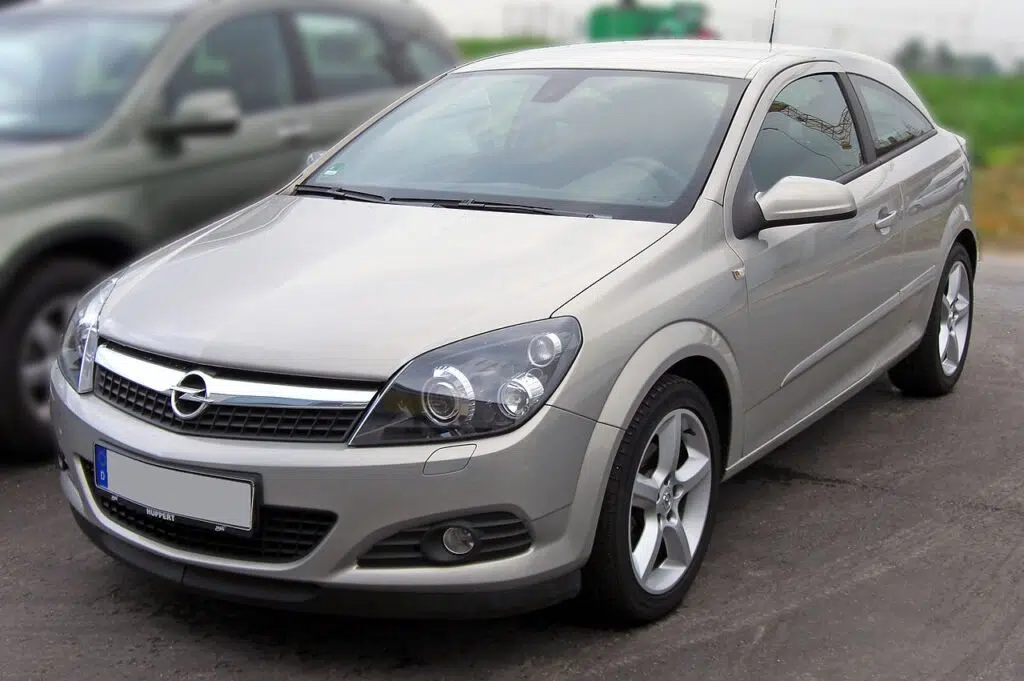
GTCA04
TwinTopA04


#4OPEL ASTRA - Generation IV(2009)P10
HatchbackP10


SedánP10


Sports Tourer / FamiliarP10


VanP10
#5OPEL ASTRA - Generation V(2015)B16
HatchbackB16


Familiar / Sports TourerB16


#6OPEL ASTRA - Generation VI(2022)C02
HatchbackC02
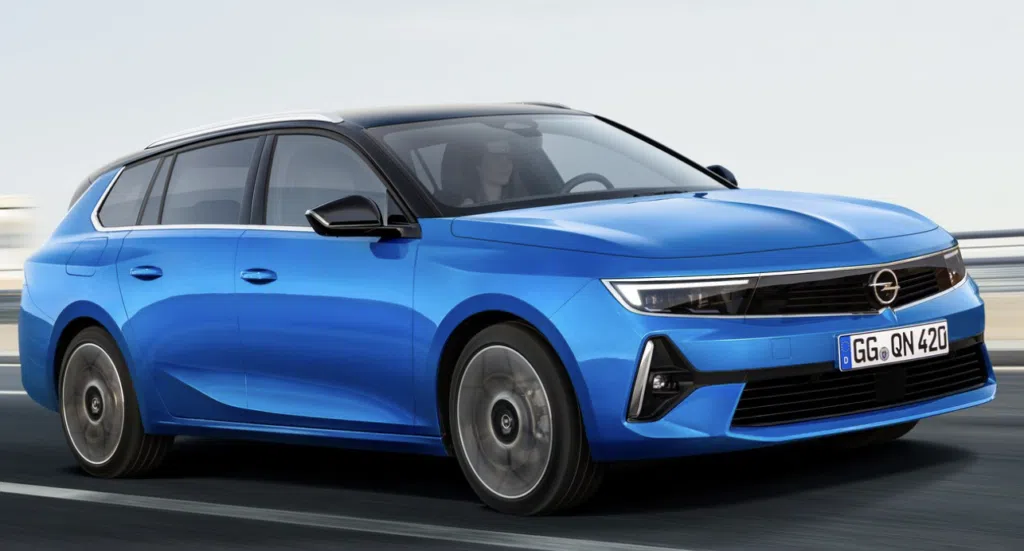
Sports TourerFamiliar
View more models from OPEL
 OPEL
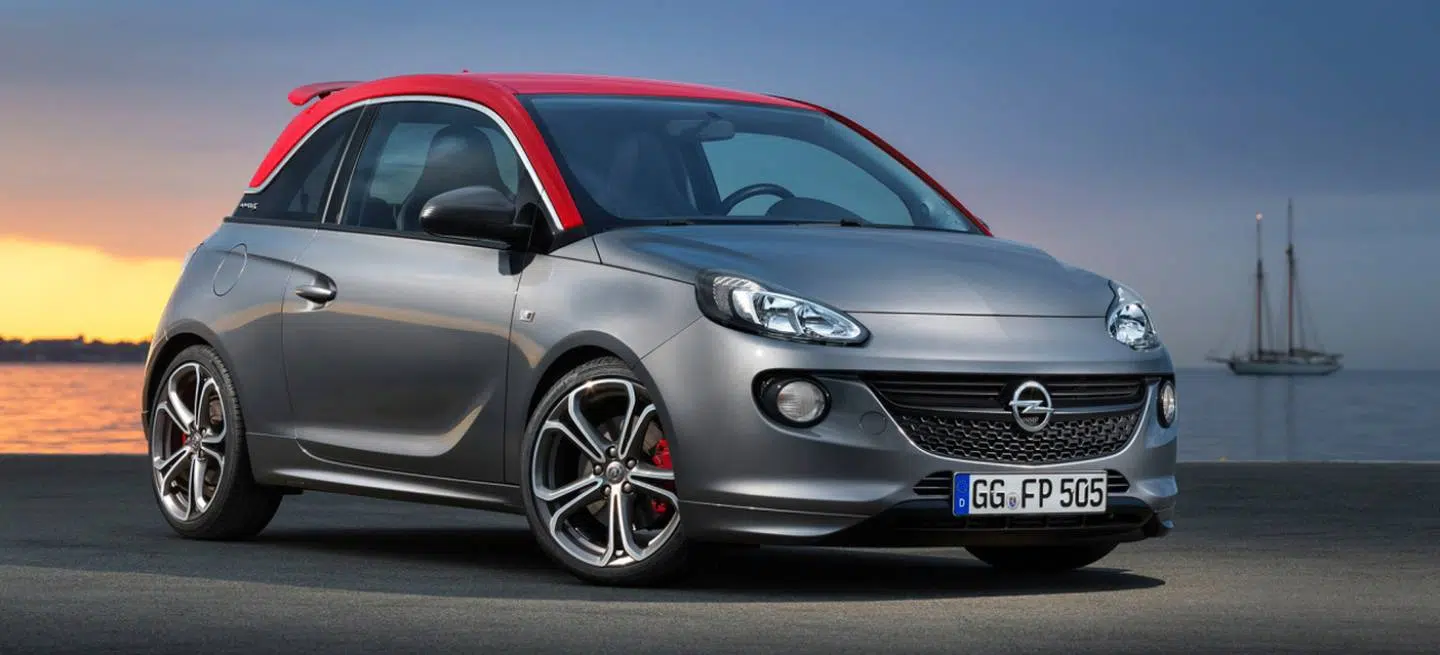
ADAM
View model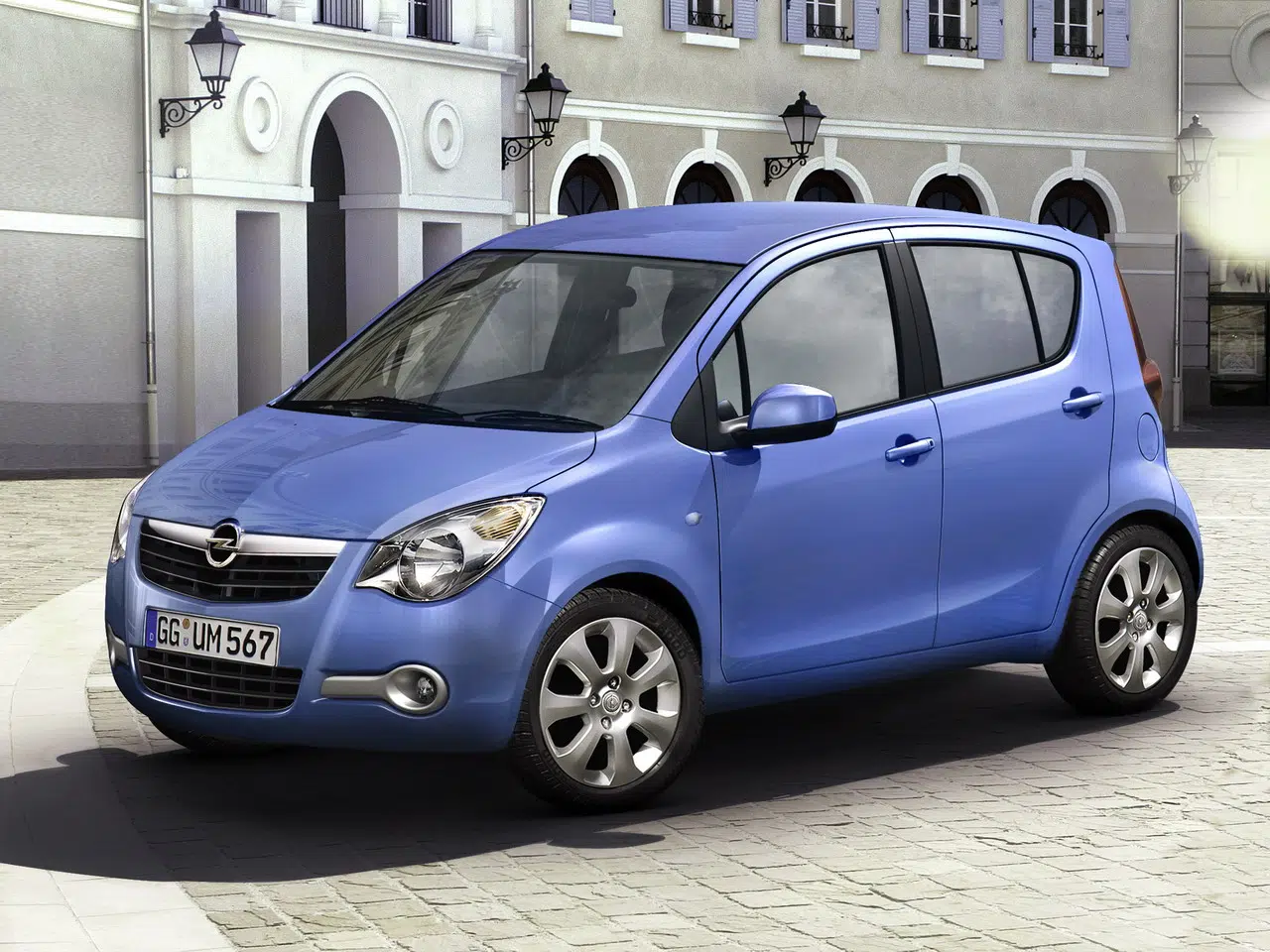 OPEL
AGILA
View model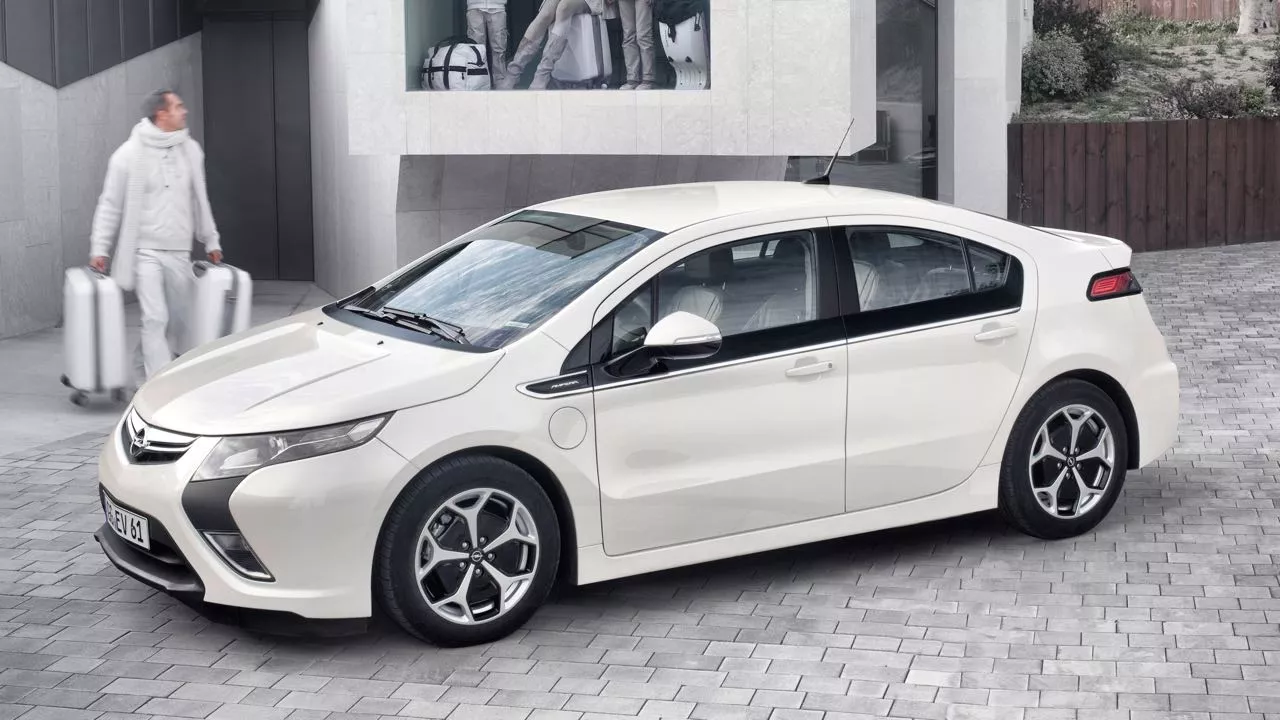 OPEL
AMPERA
View model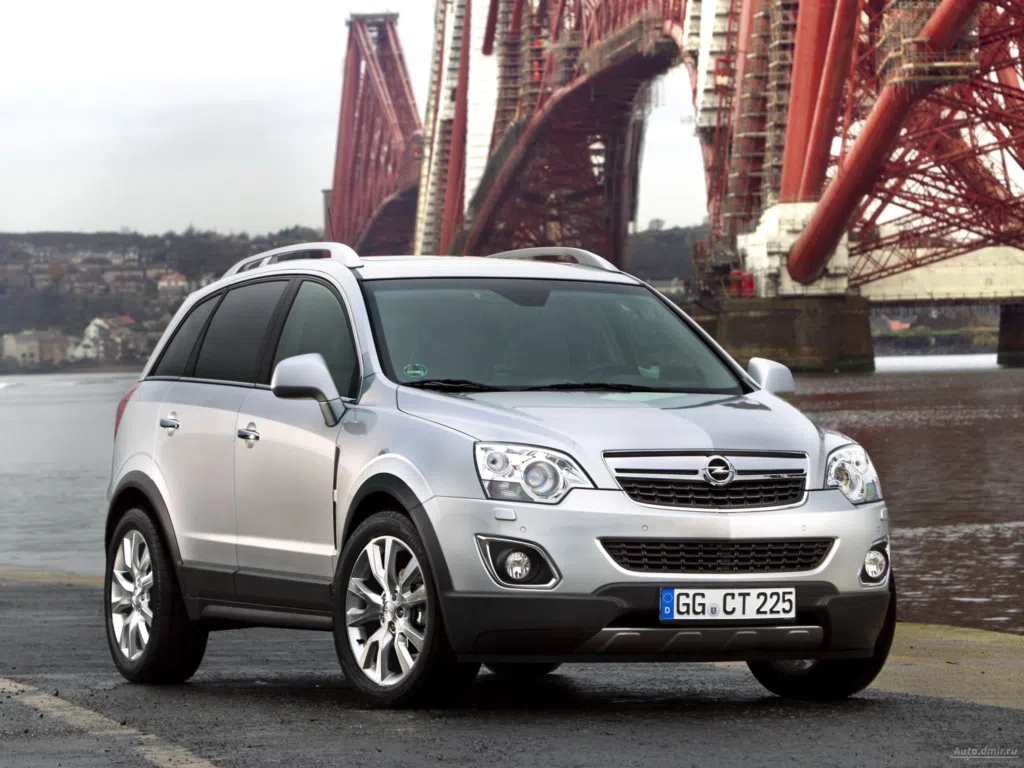 OPEL
ANTARA
View model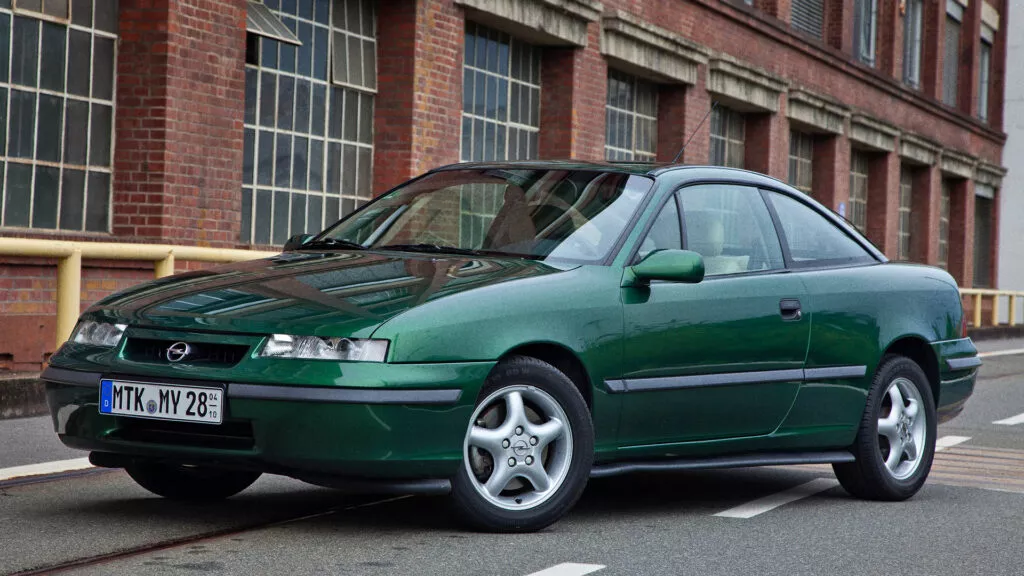 OPEL
CALIBRA
View model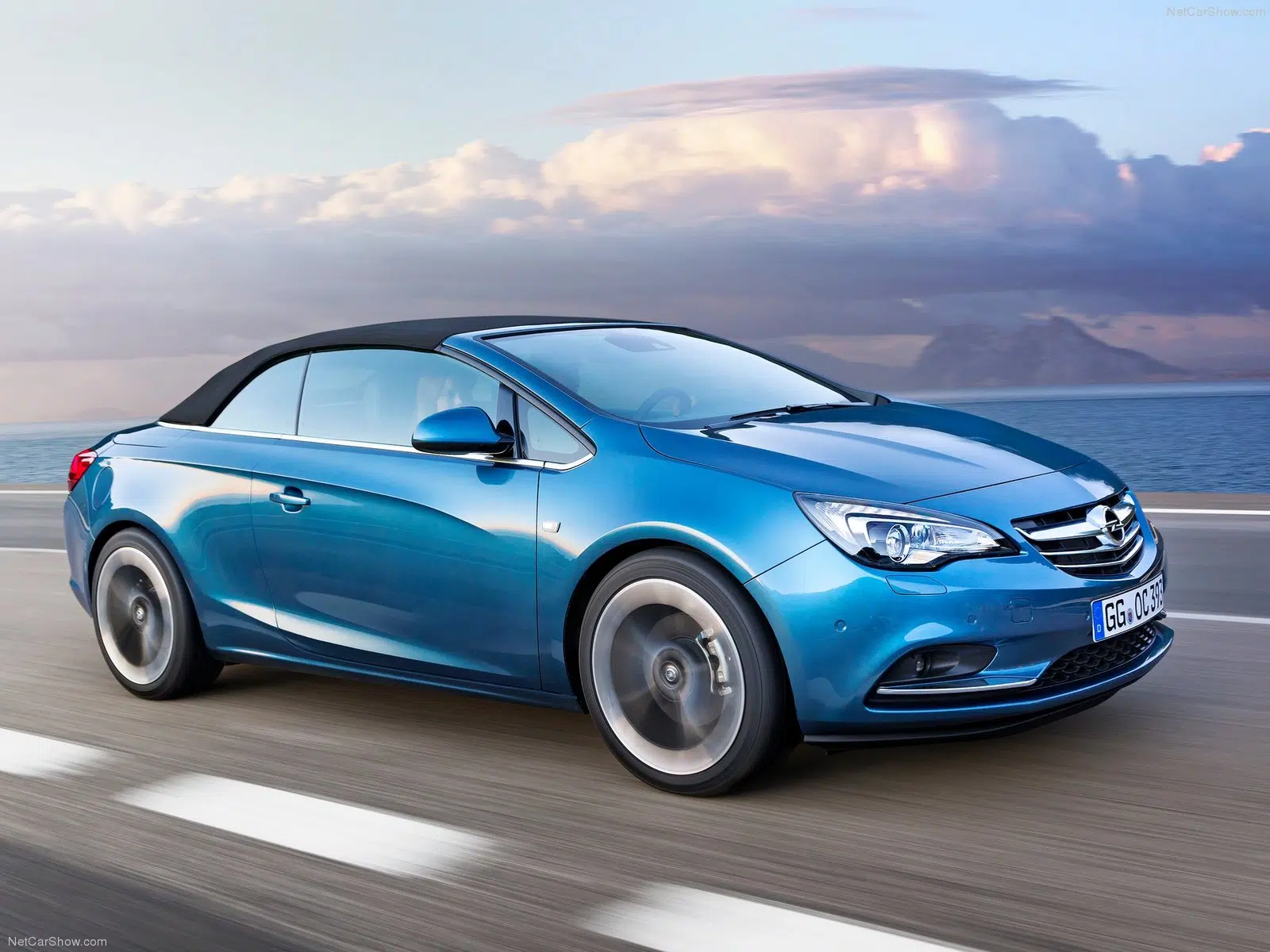 OPEL
CASCADA / CABRIO
View model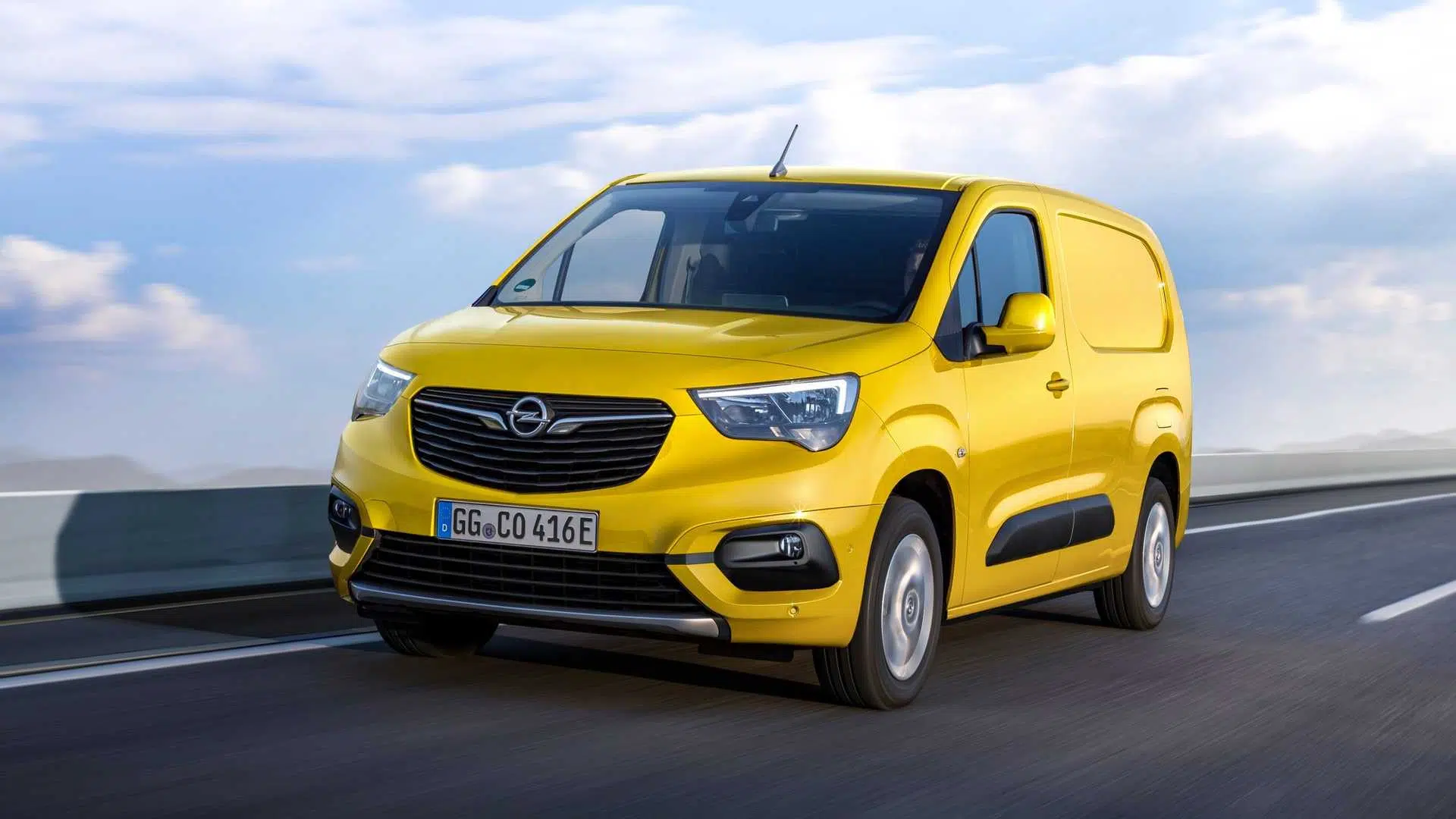 OPEL
COMBO
View model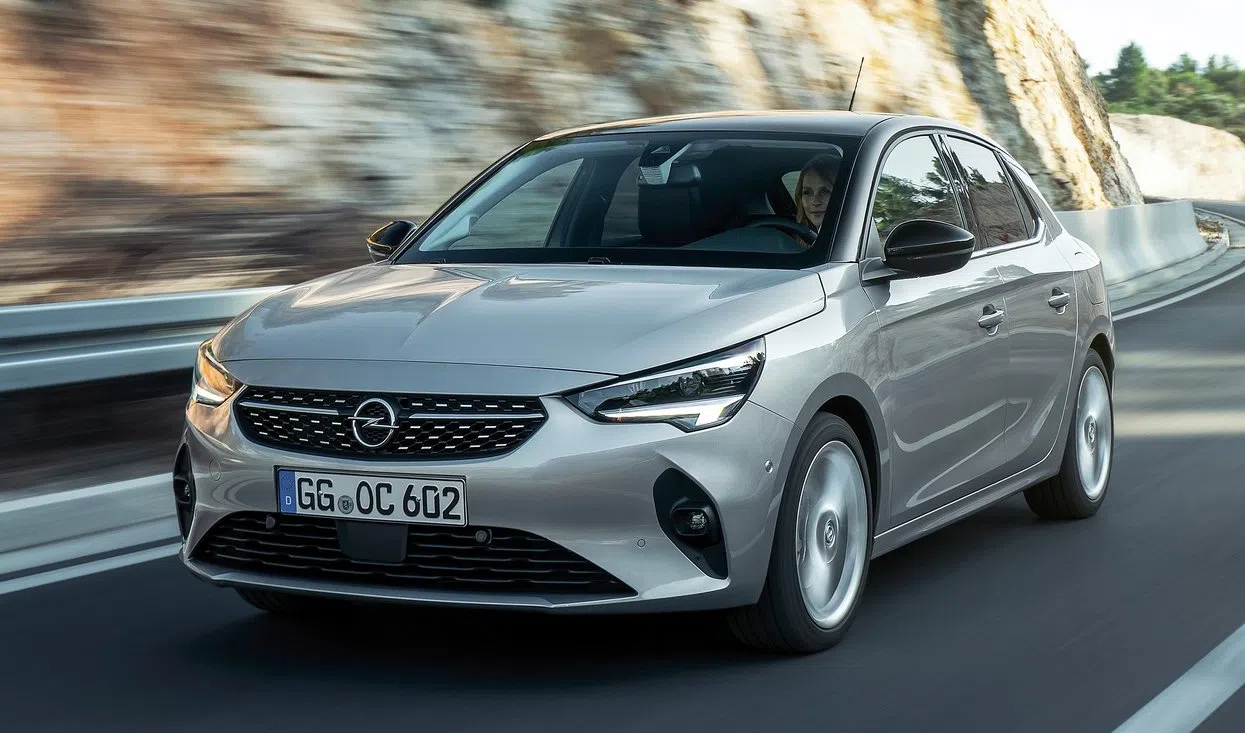 OPEL
CORSA
View model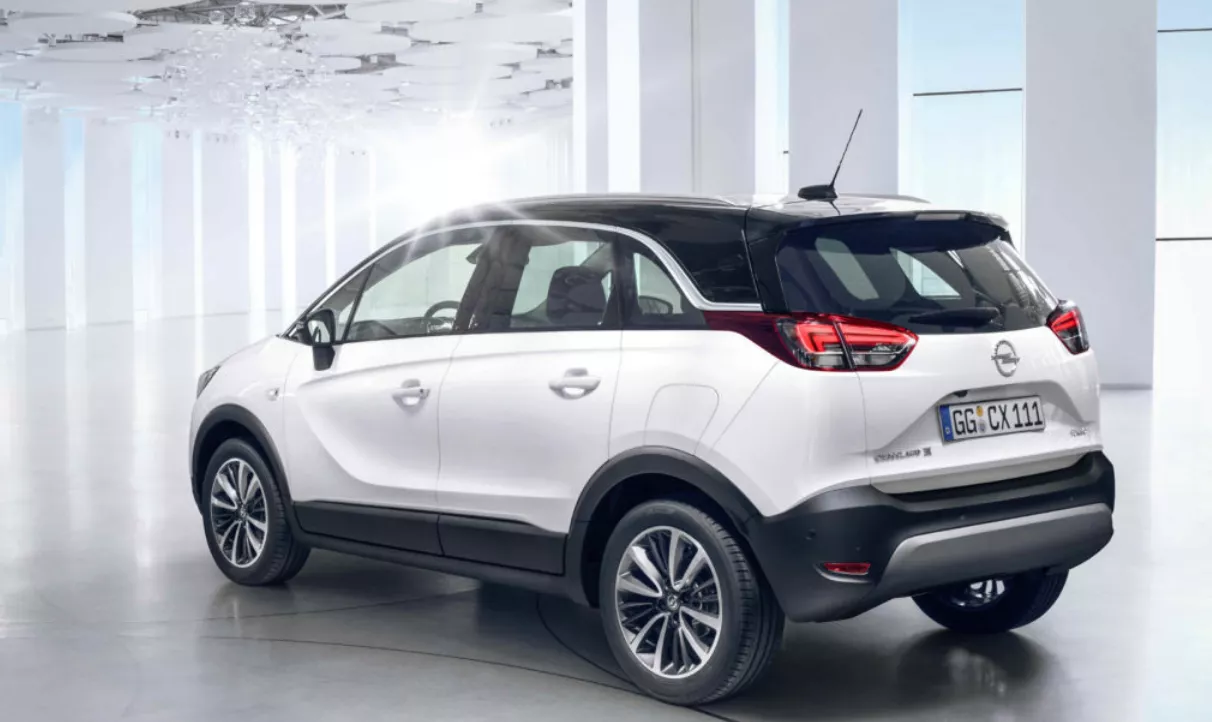 OPEL
CROSSLAND
View model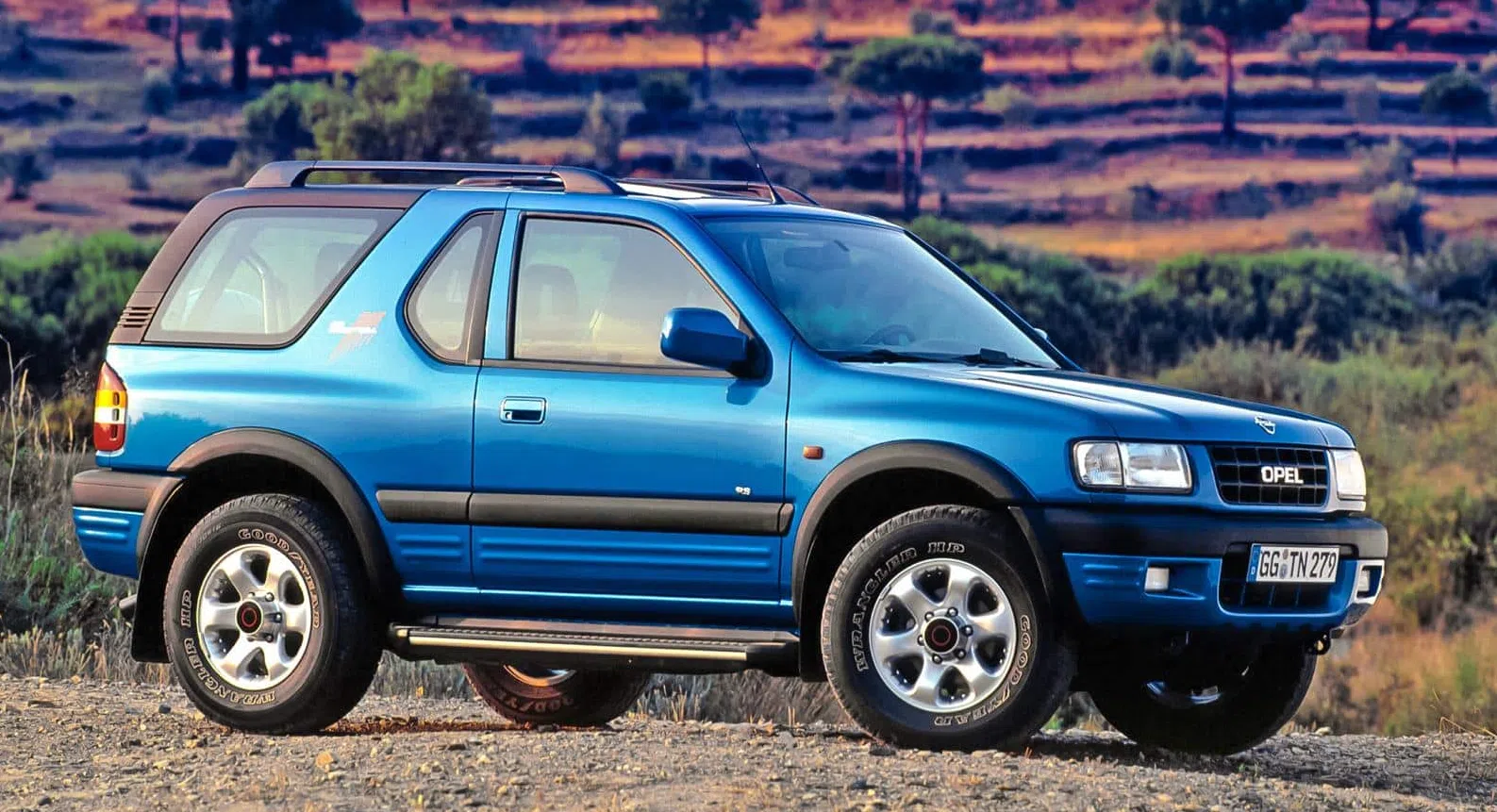 OPEL
FRONTERA
View model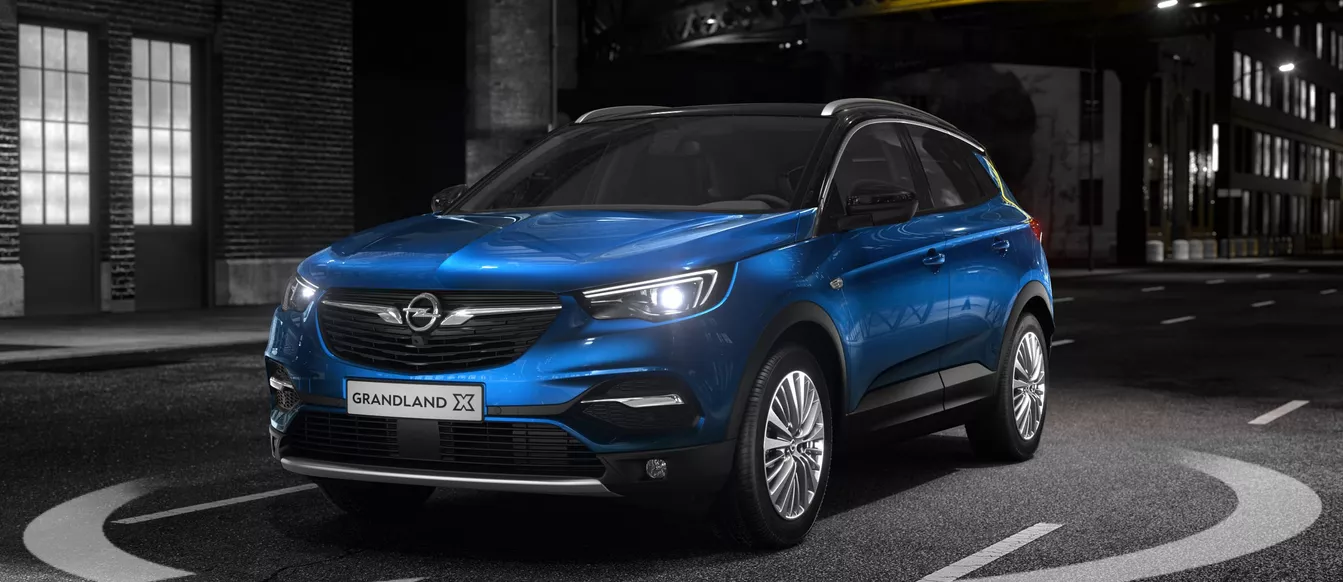 OPEL
GRANDLAND X
View model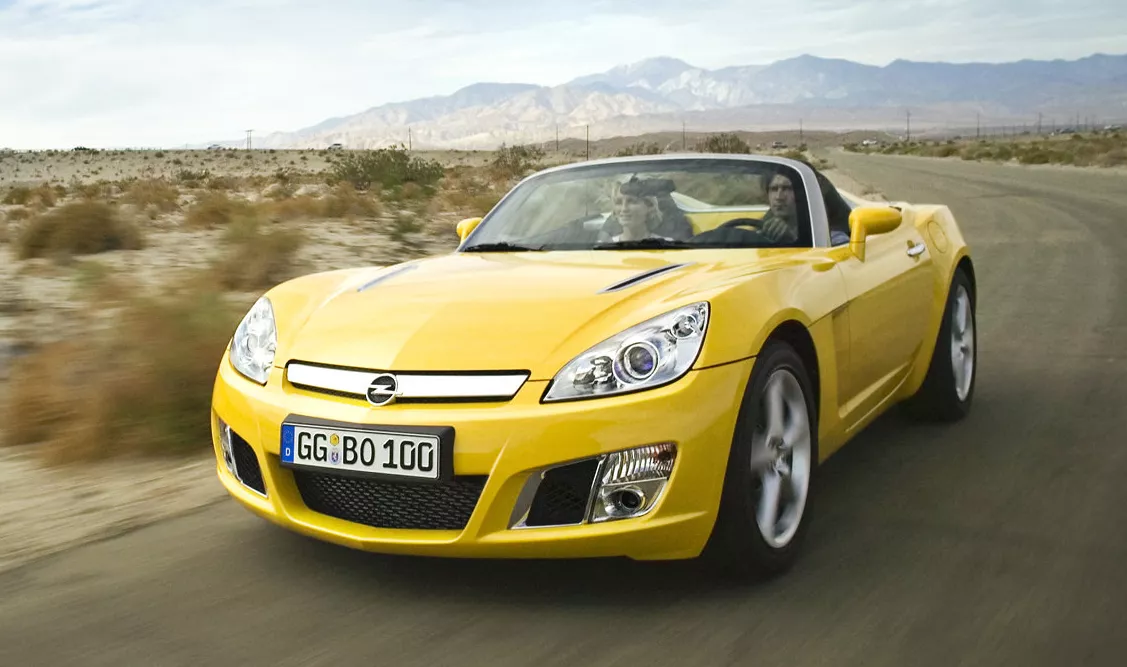 OPEL
GT
View model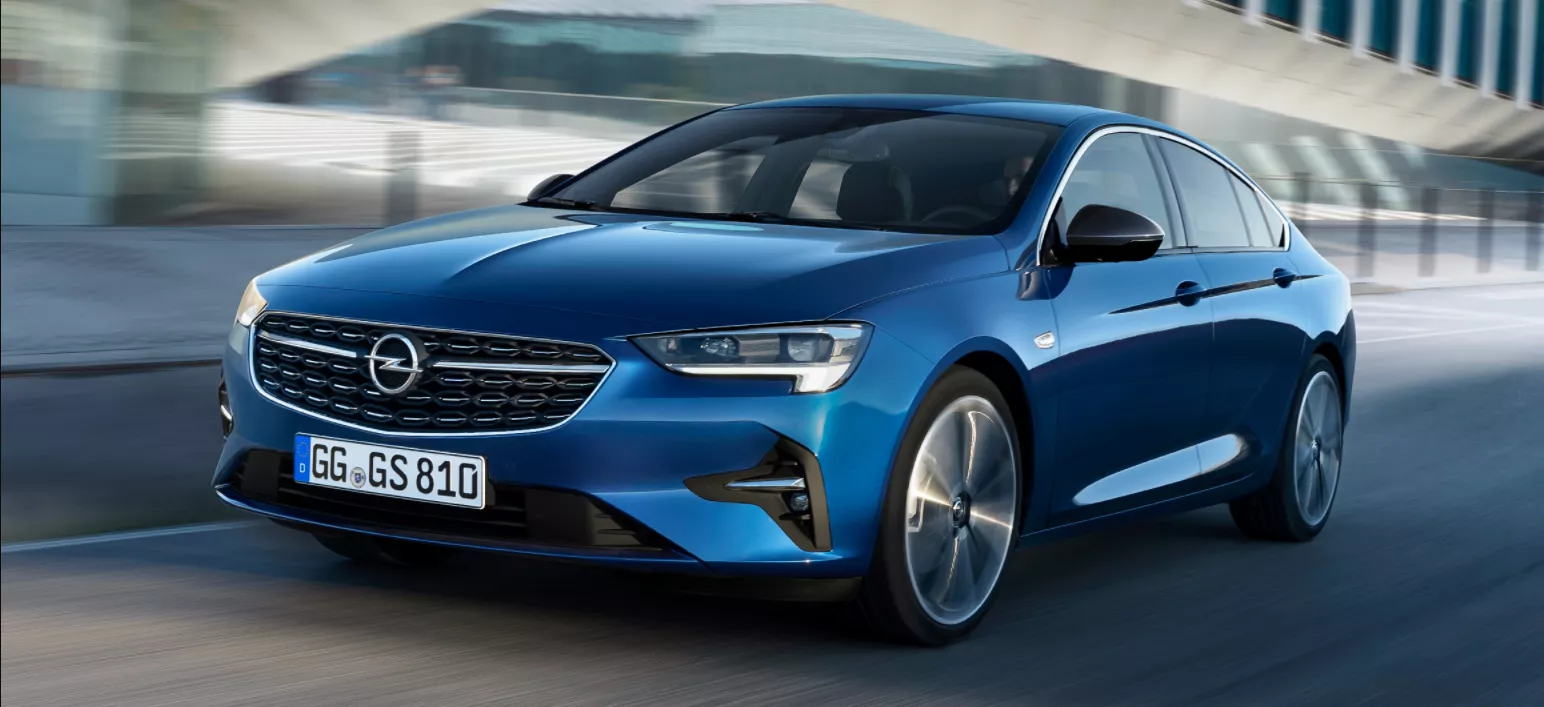 OPEL
Insignia
View model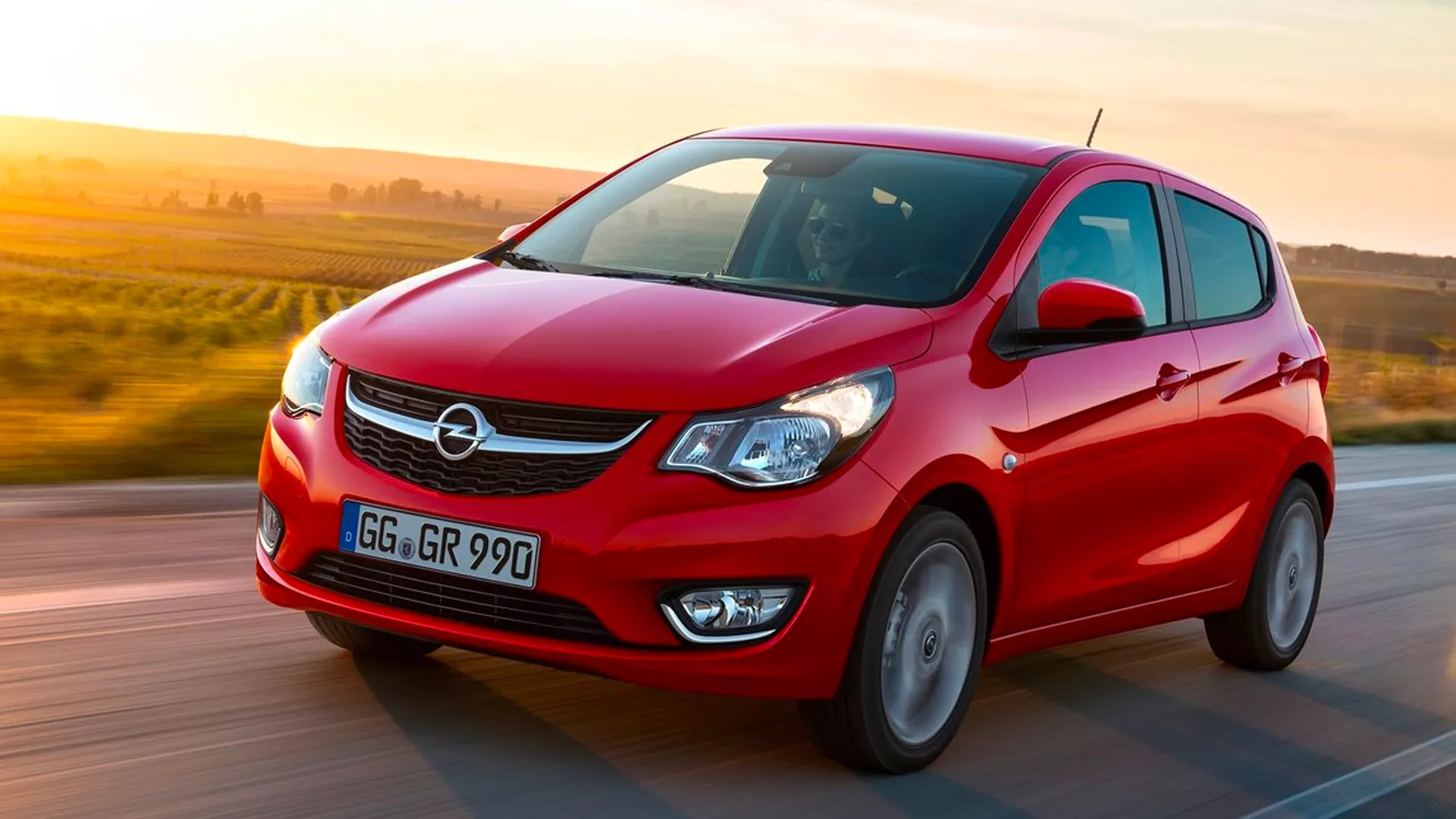 OPEL
KARL
View model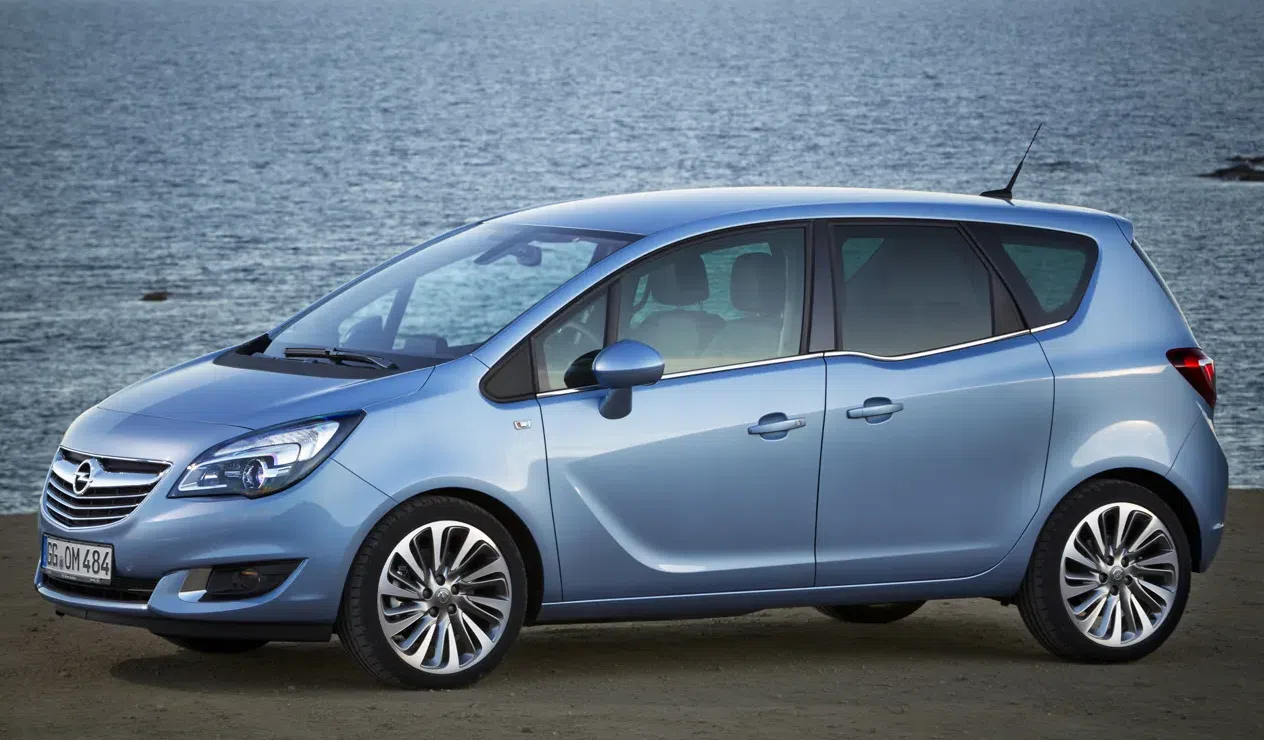 OPEL
MERIVA
View model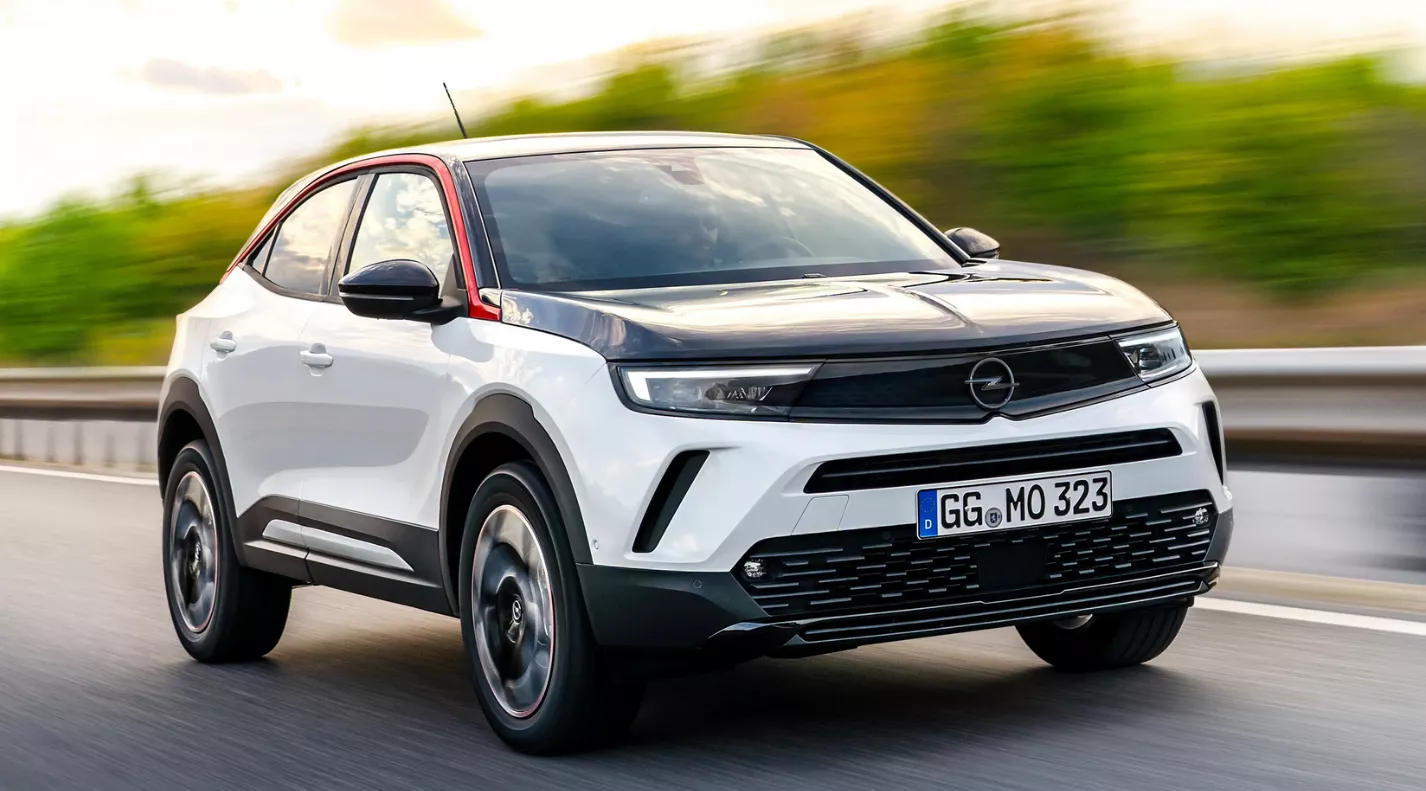 OPEL
MOKKA
View model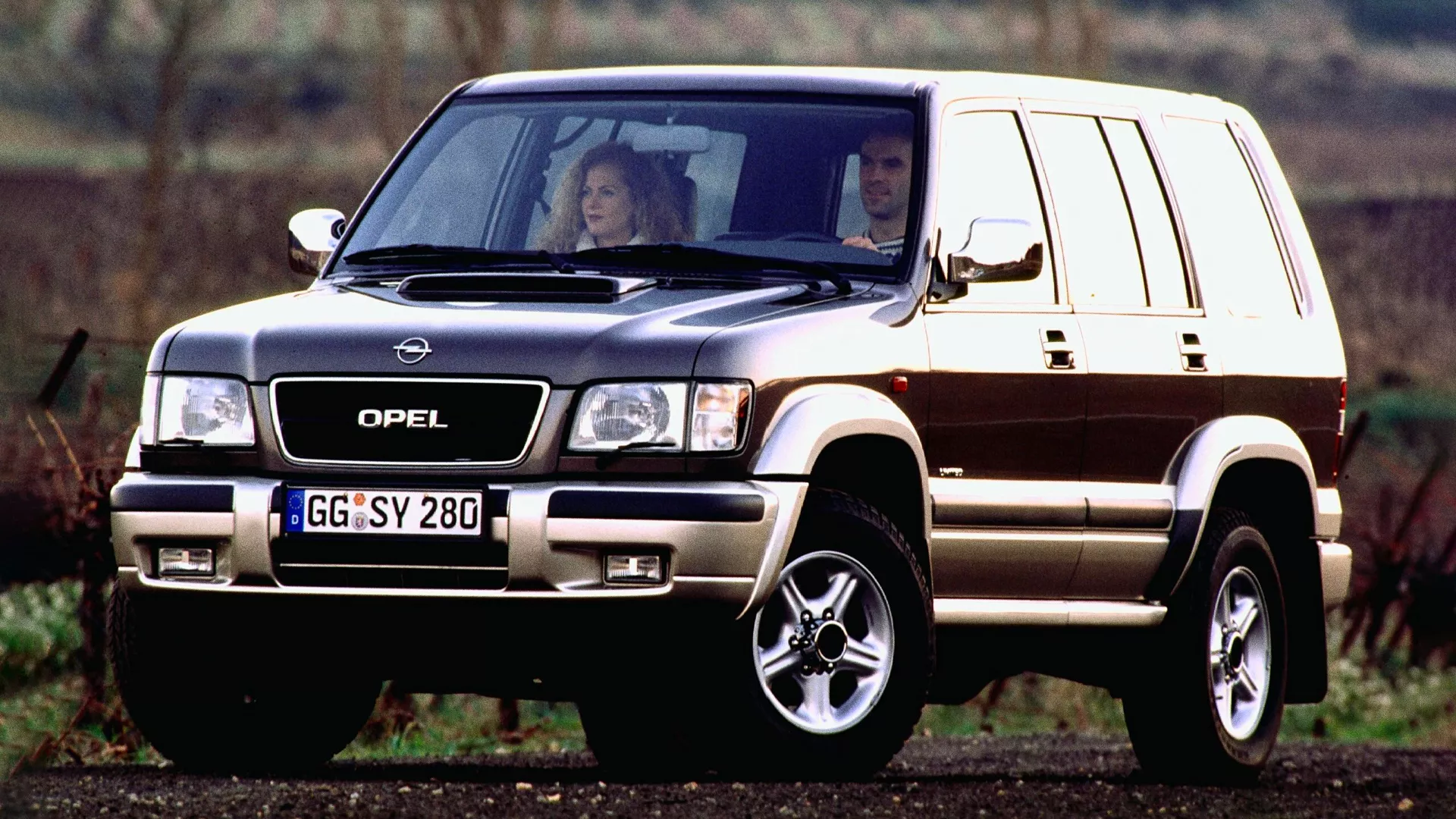 OPEL
MONTEREY
View model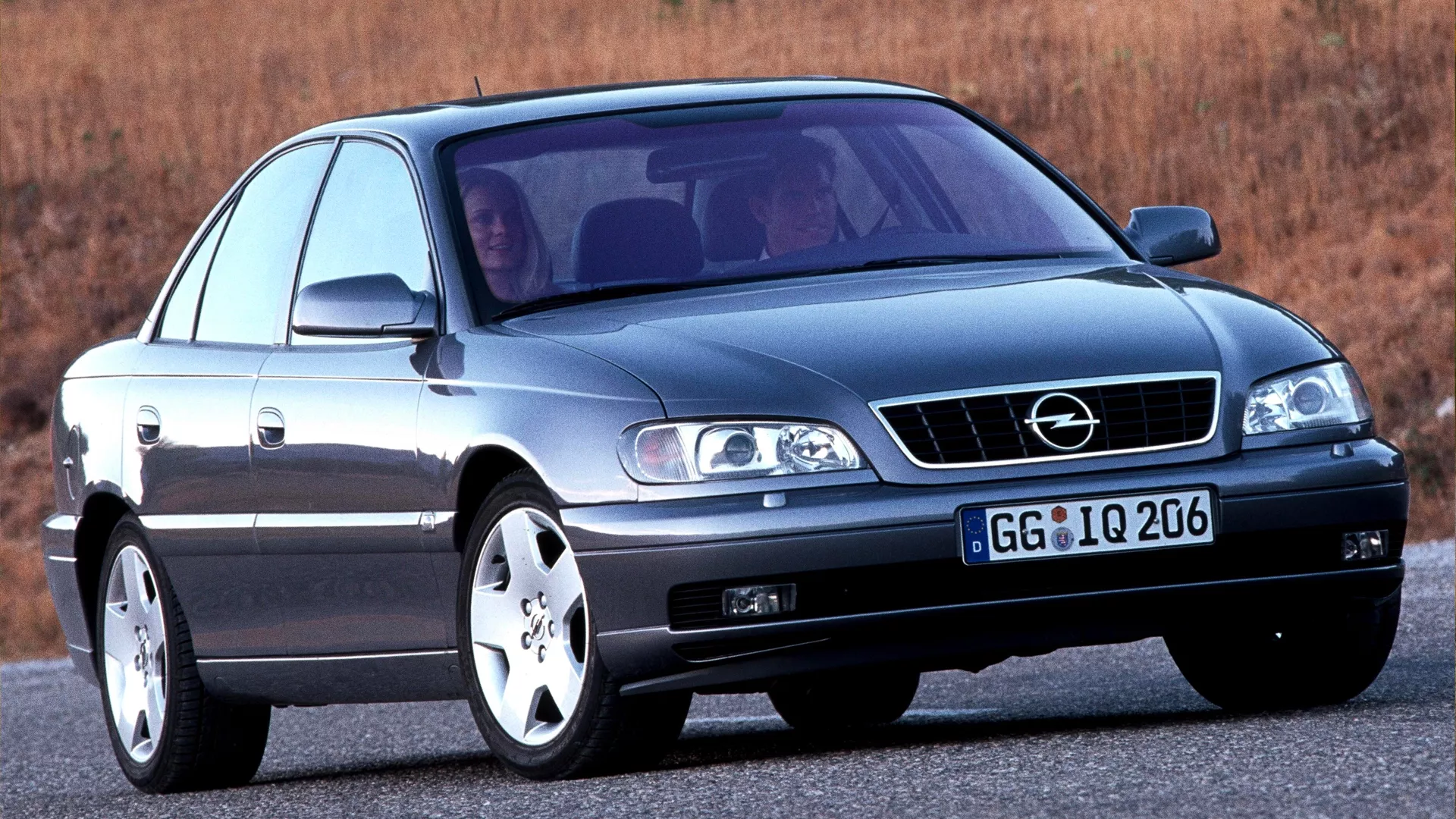 OPEL
OMEGA
View model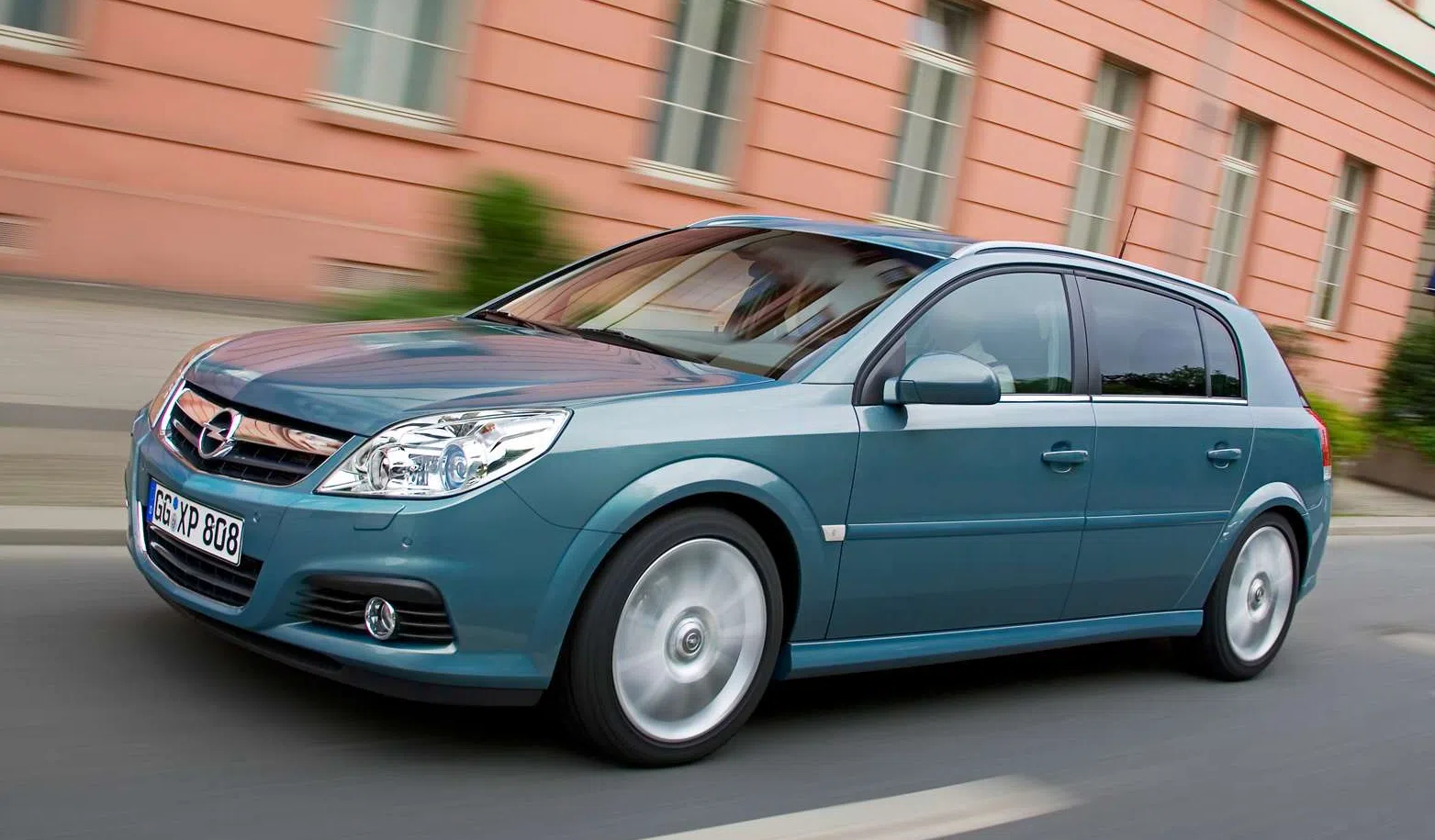 OPEL
SIGNUM
View model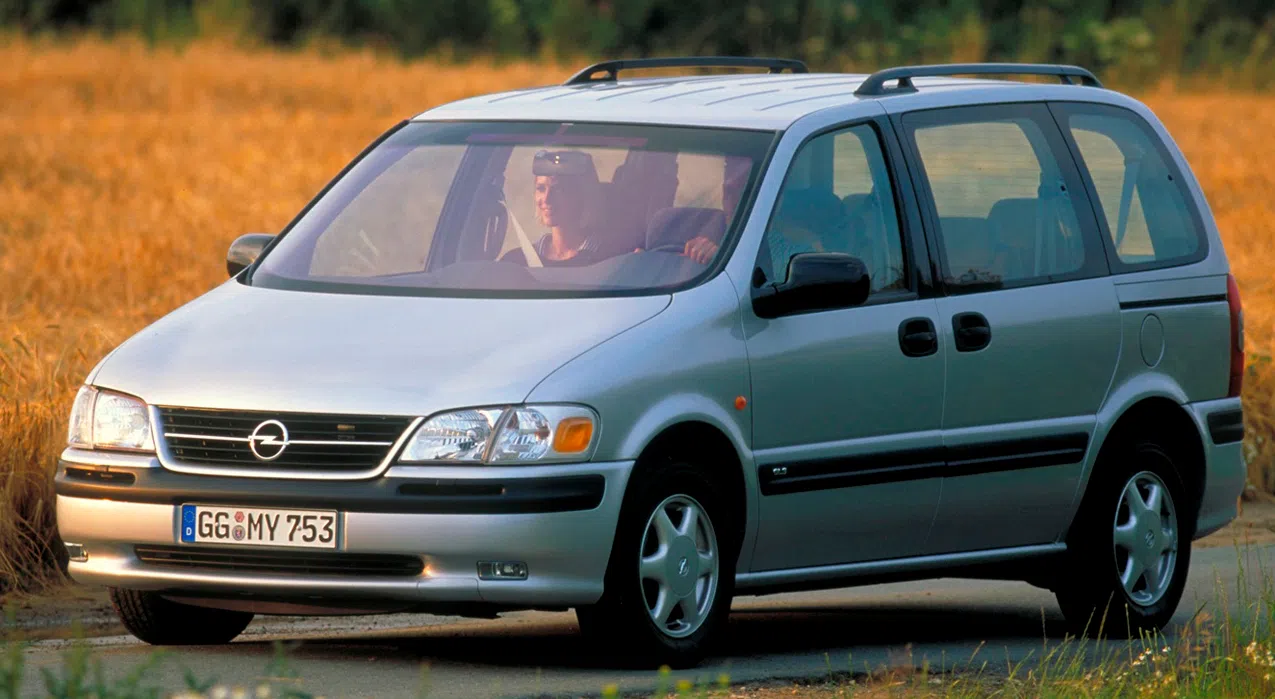 OPEL
SINTRA
View model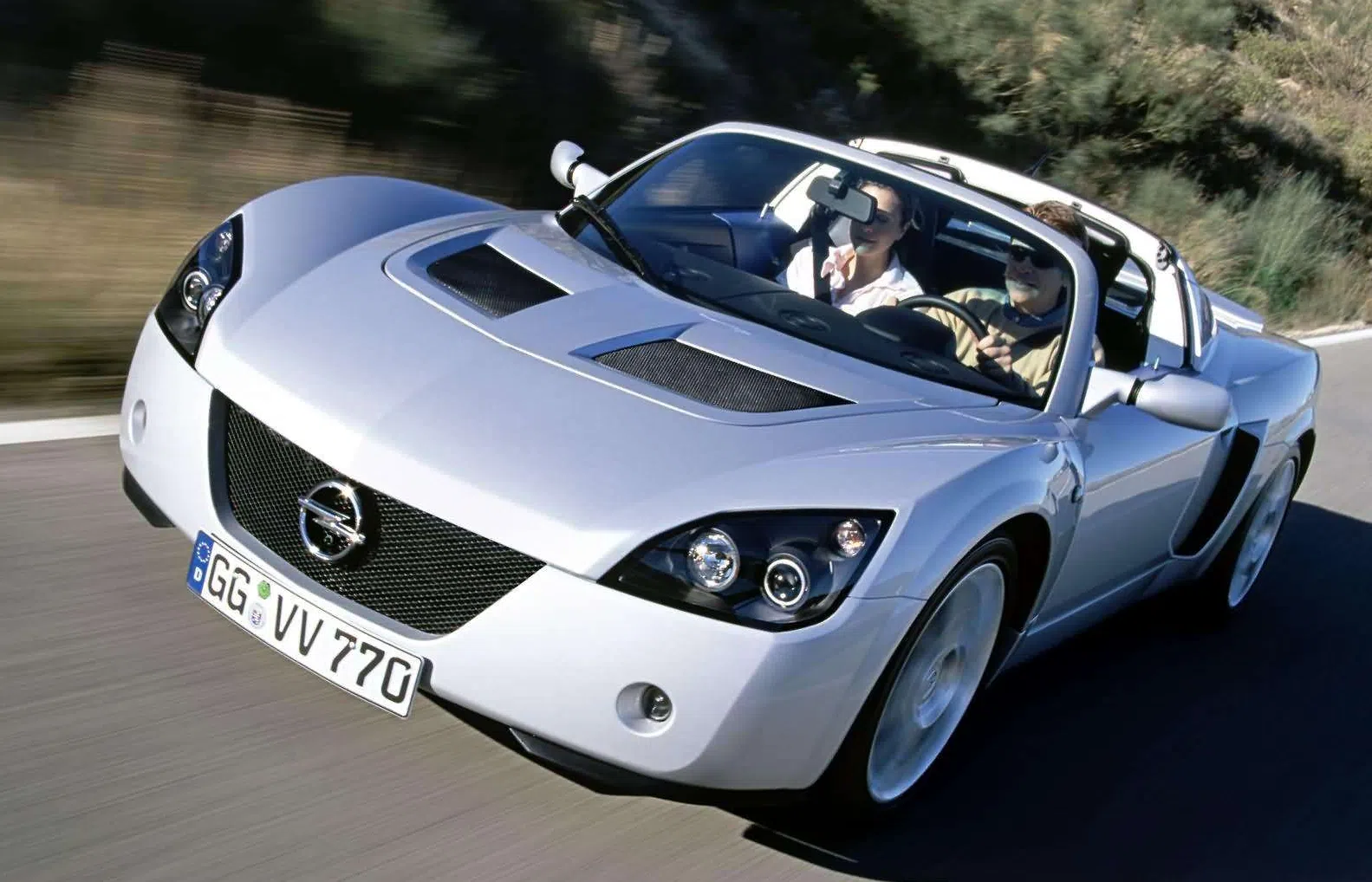 OPEL
SPEEDSTER
View model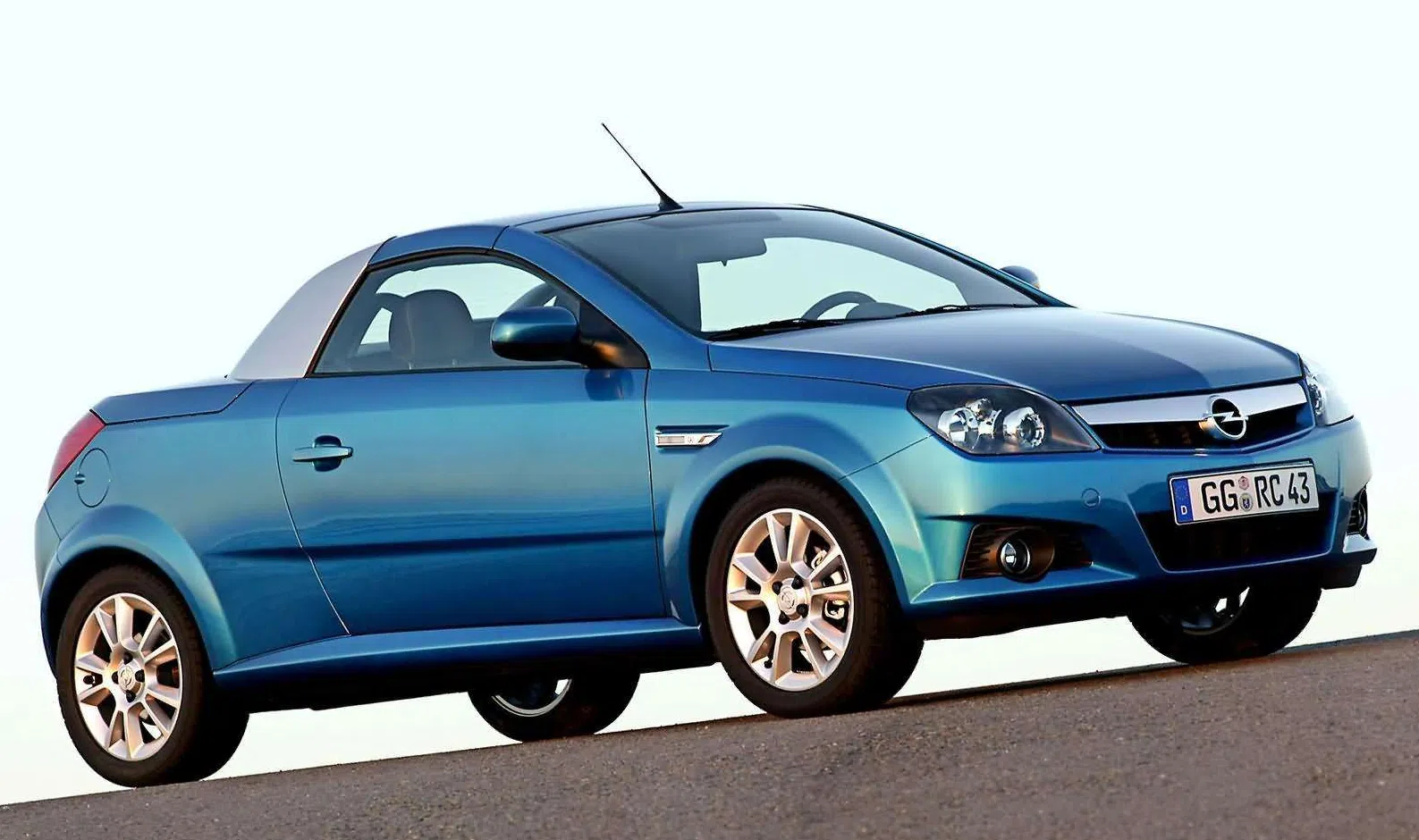 OPEL
TIGRA
View model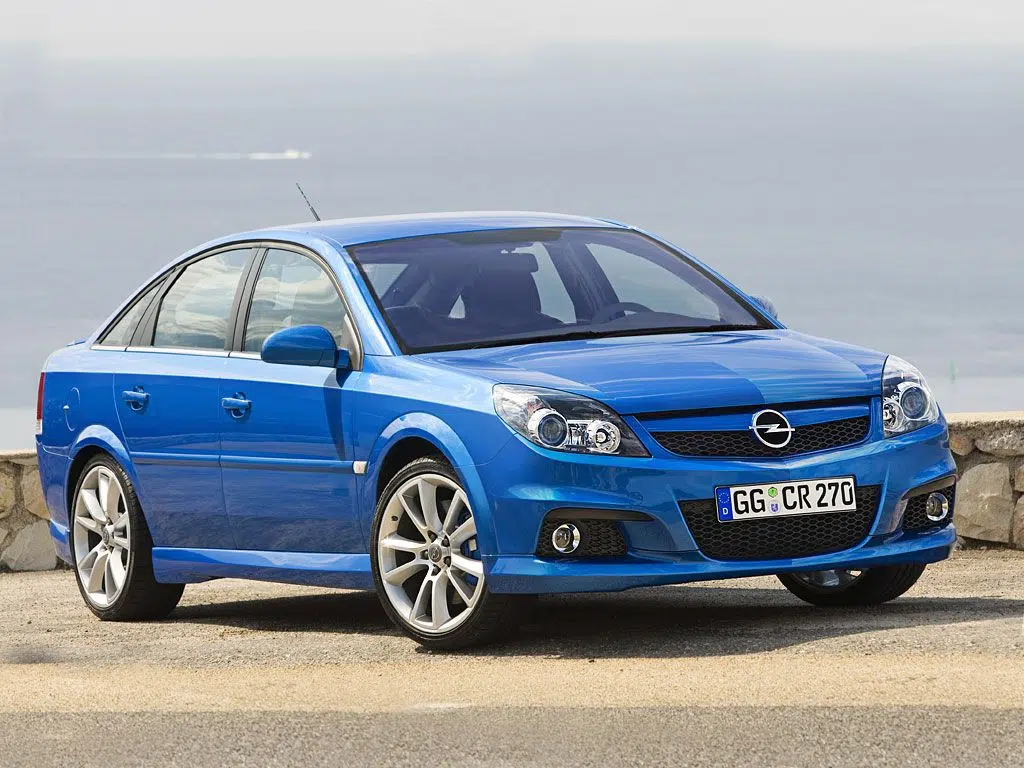 OPEL
VECTRA
View model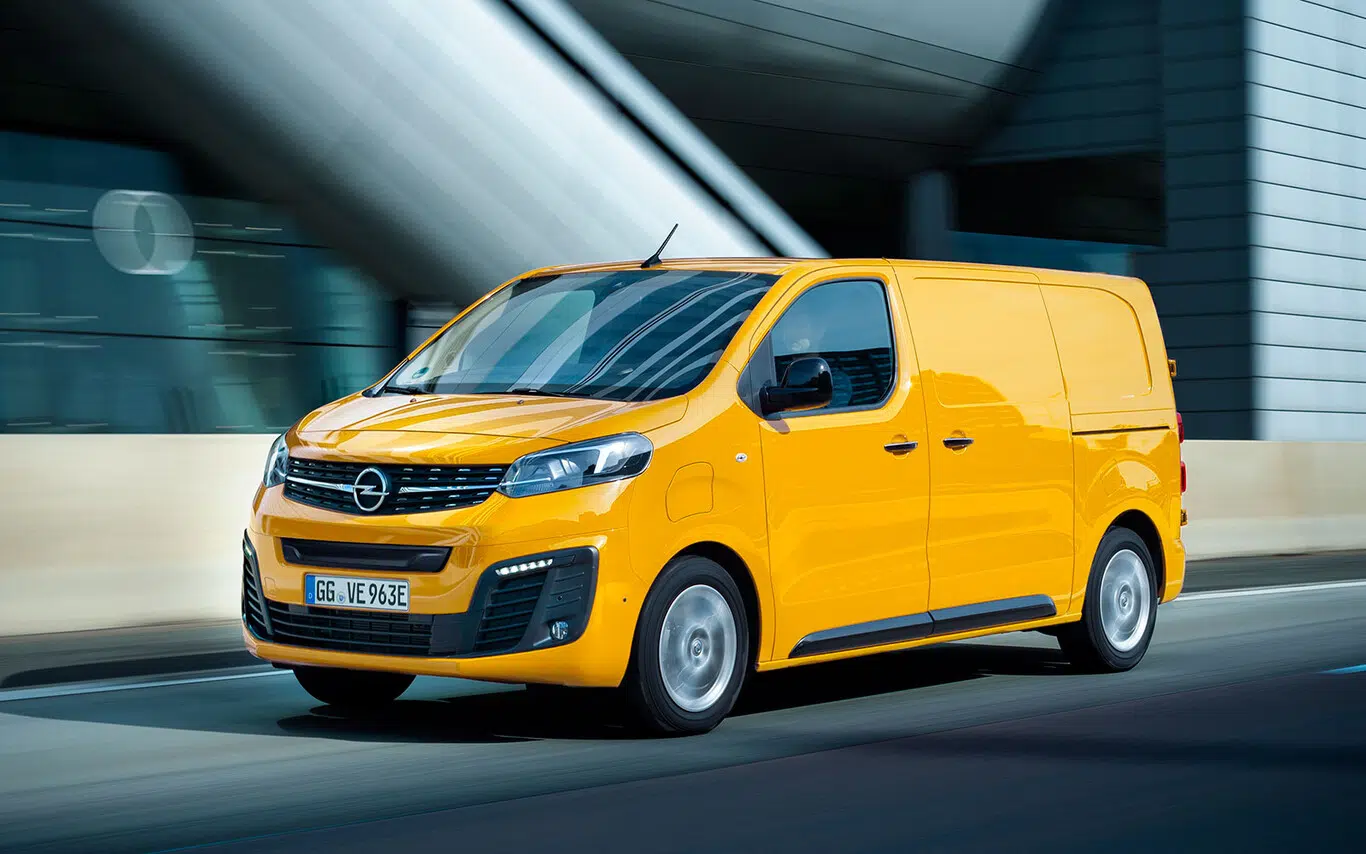 OPEL
VIVARO
View model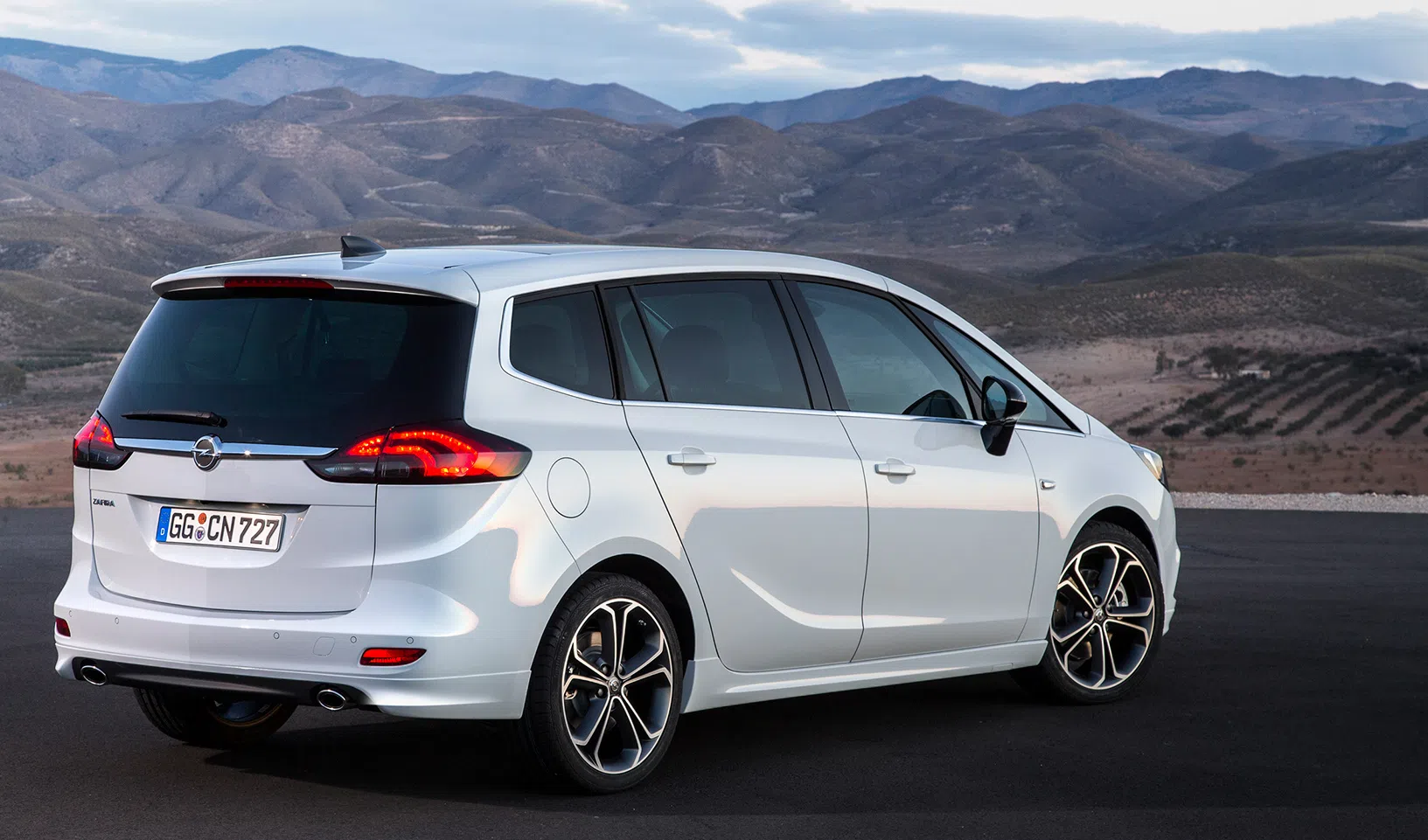 OPEL
ZAFIRA
View model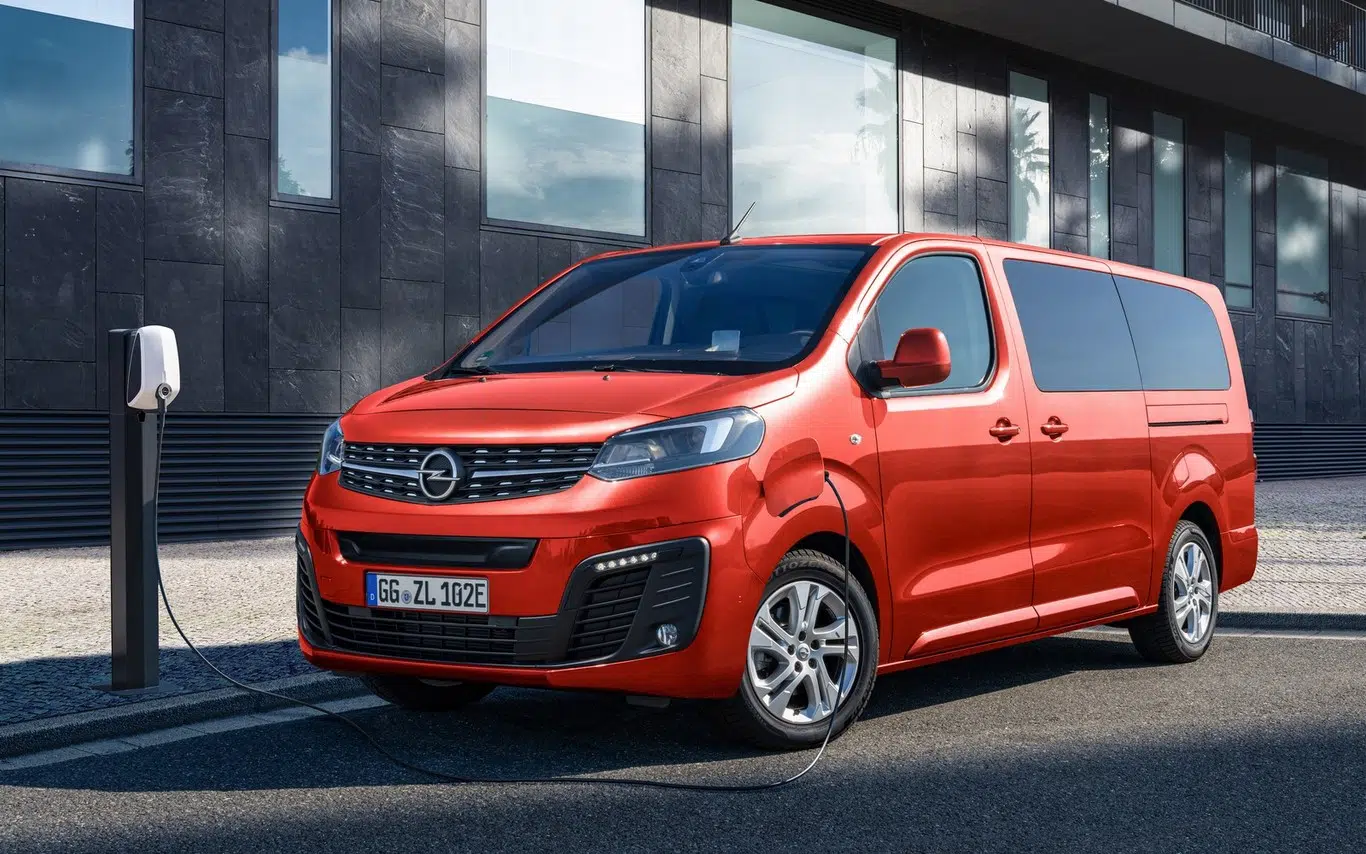 OPEL
ZAFIRA LIFE
View model- OPEL
View all models