

MAZDA MX-30Timing chain or Belt?
About MAZDA MX-30
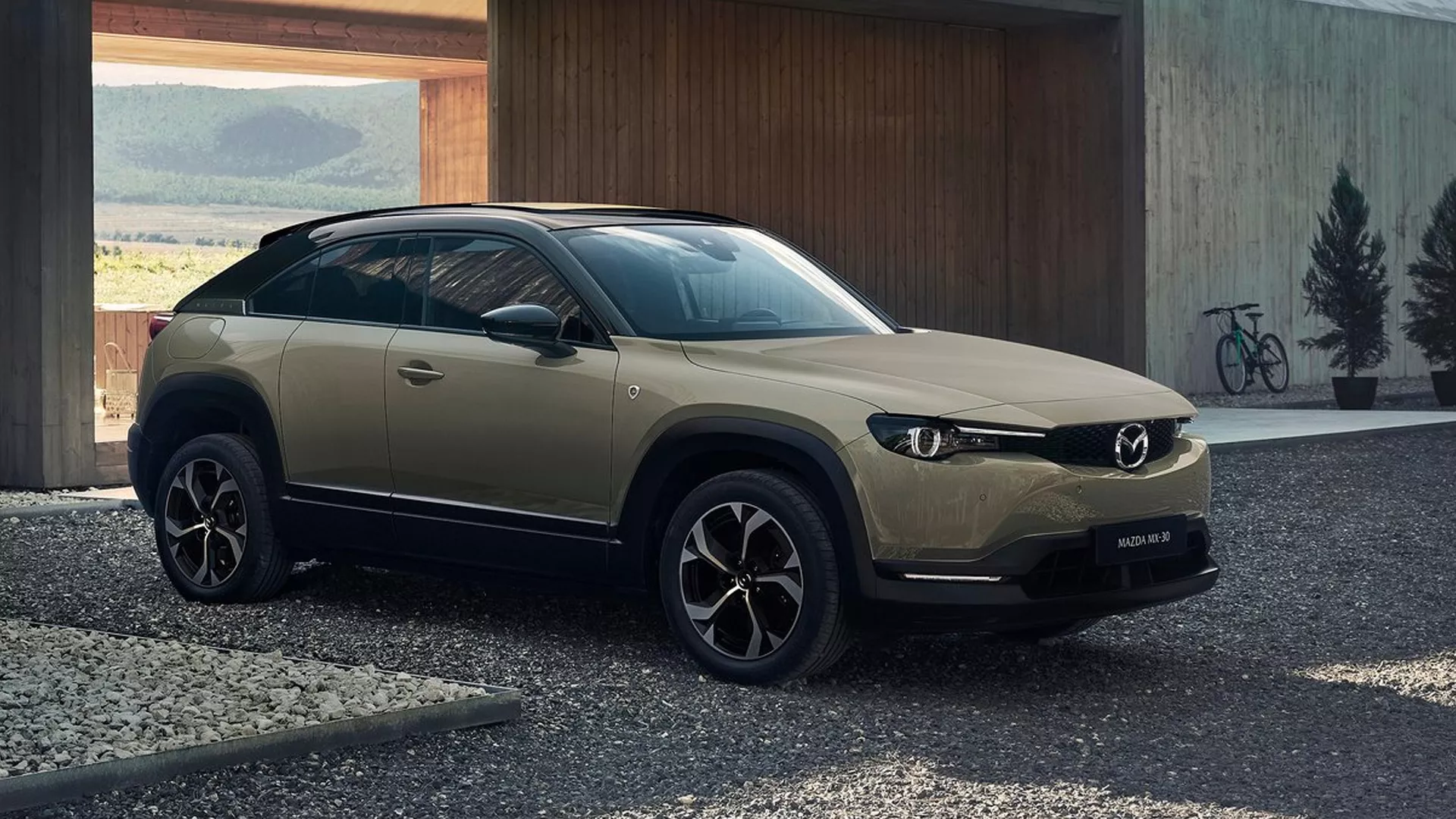
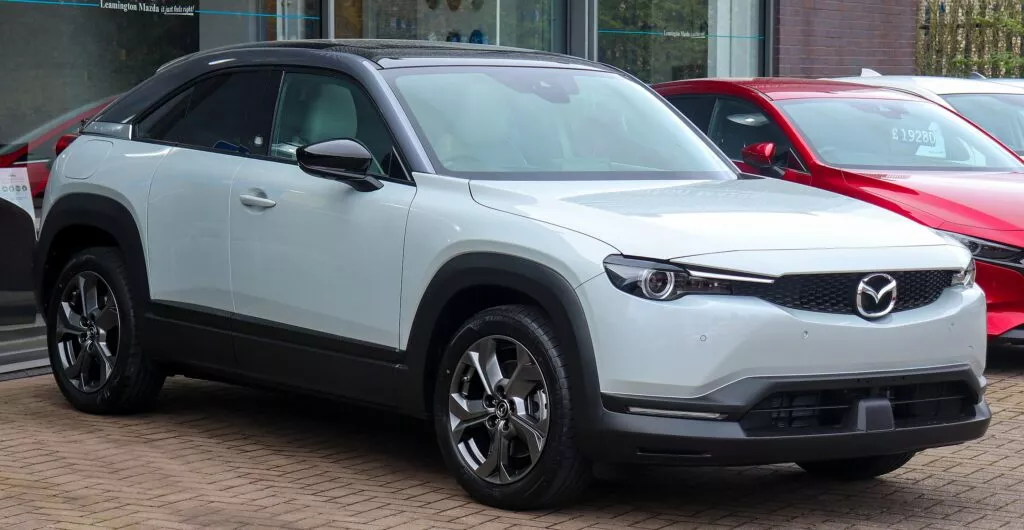
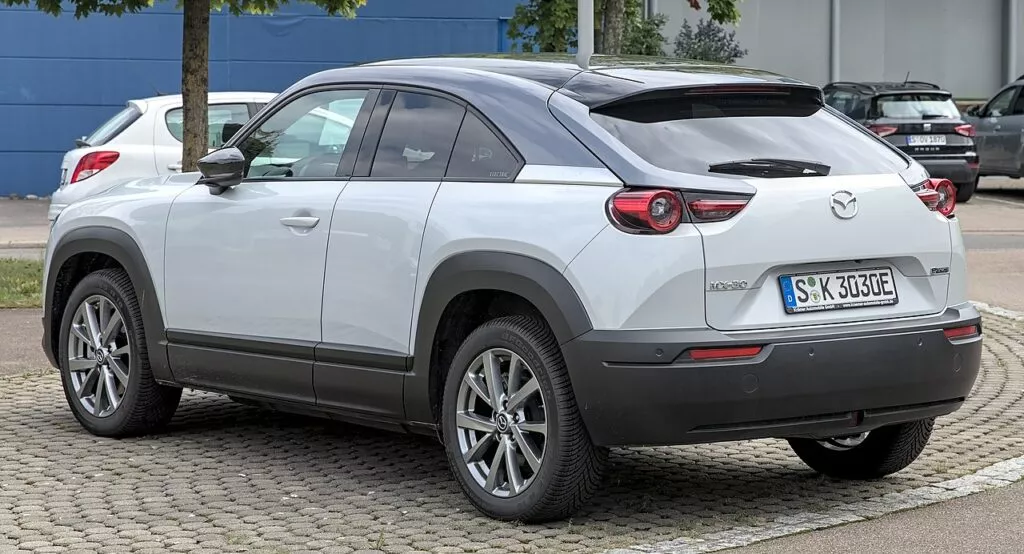
The Mazda MX-30 is a B-segment subcompact SUV produced by the Japanese manufacturer Mazda. It is the Japanese brand's first mass-produced electric vehicle. It was unveiled at the 2019 Tokyo Motor Show and its production began in May 2020 at the Hiroshima plant. It does not have a direct predecessor model, although it shares a platform with the internal combustion CX-30.
The MX-30 was initially launched as a battery electric vehicle (BEV) with a range of 209 km according to the WLTP cycle. It is equipped with a 105 kW (143 hp) and 264 Nm electric motor coupled to a 35.5 kWh lithium-ion battery. Later, in 2023, a plug-in hybrid (PHEV) variant was introduced, which uses an 830 cc and 55 kW (75 hp) Wankel rotary engine as a generator to extend the range. The combined power output is 170 hp. There is also a gasoline mild hybrid (MHEV) version with all-wheel drive that uses the 2-liter e-Skyactiv-G engine with 145 hp. All MX-30 variants are built on Mazda's e-Skyactiv platform.
The MX-30 stands out for its freestyle-style doors that open backward, reminiscent of the Mazda RX-8. It also achieved 5 EuroNCAP stars in 2020, becoming the first vehicle to achieve the maximum score under the new protocol. Sales have been mainly concentrated in Europe, with just over 27,500 units between 2020 and 2022. In other markets such as the United States, it had a modest reception, partly due to its limited range.
Among the alternatives to the Mazda MX-30 are models such as the Hyundai Kona Electric, the Kia Niro EV, or the Nissan Leaf. All of them offer greater range at a similar or lower price. Other alternatives in the segment are the Peugeot e-2008, the Opel Mokka-e, the electric Jeep Avenger, and the DS 3 Crossback E-Tense.
Jump to a generation:
#1MAZDA MX-30 - Generation I(2020)DR
SUVDR
View more models from MAZDA
 MAZDA
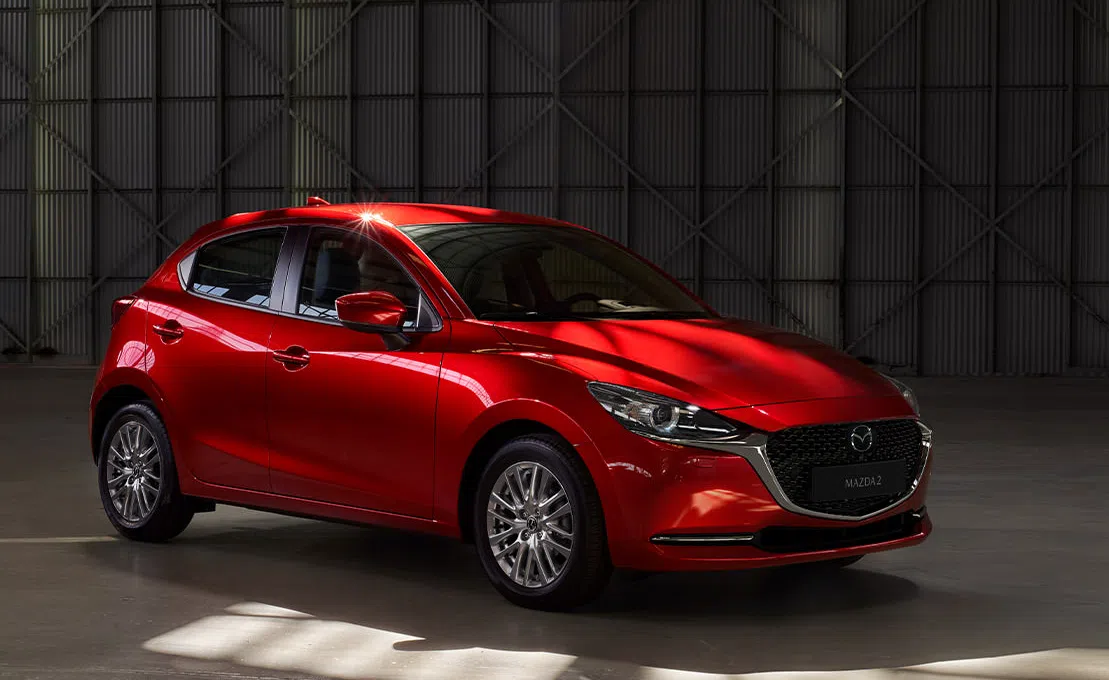
2 / DEMIO
View model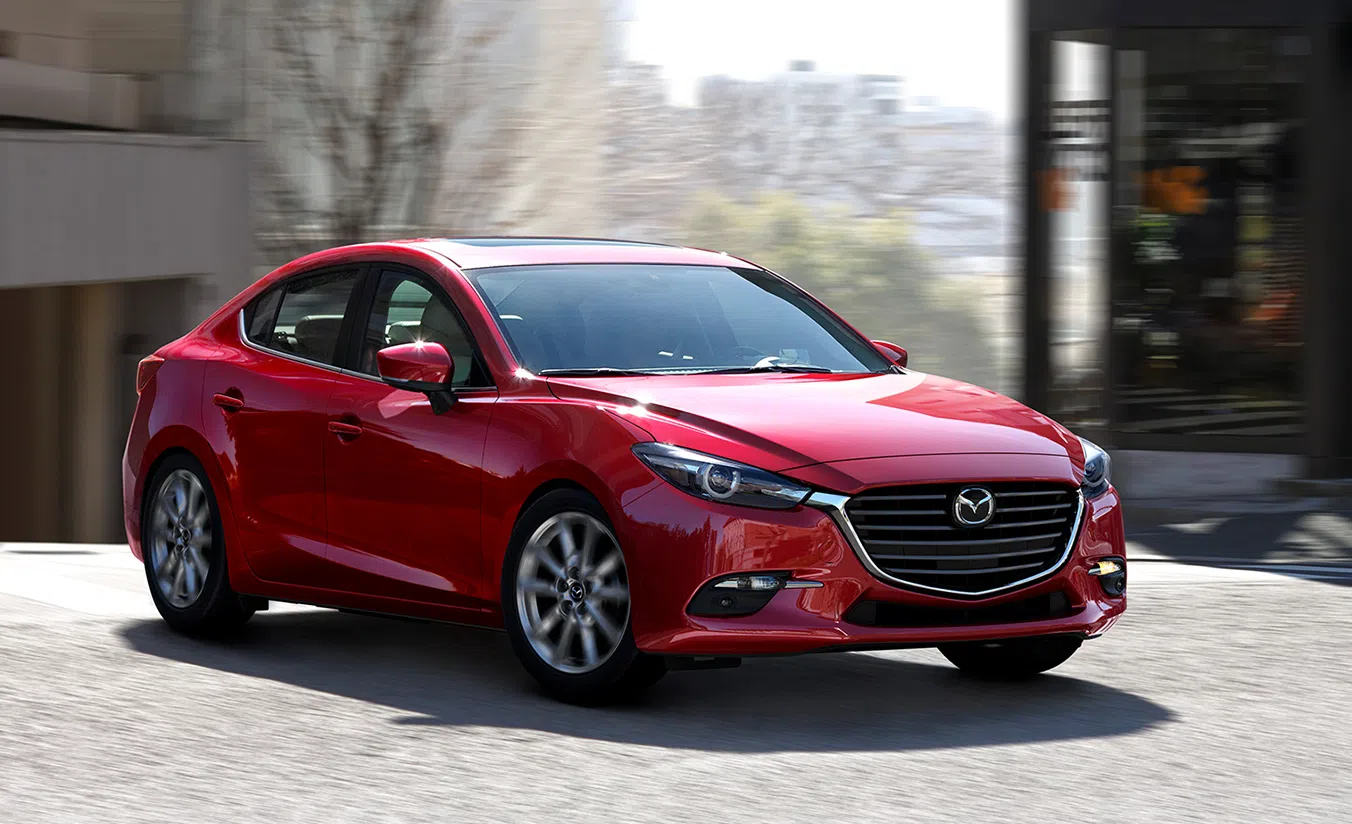 MAZDA
3
View model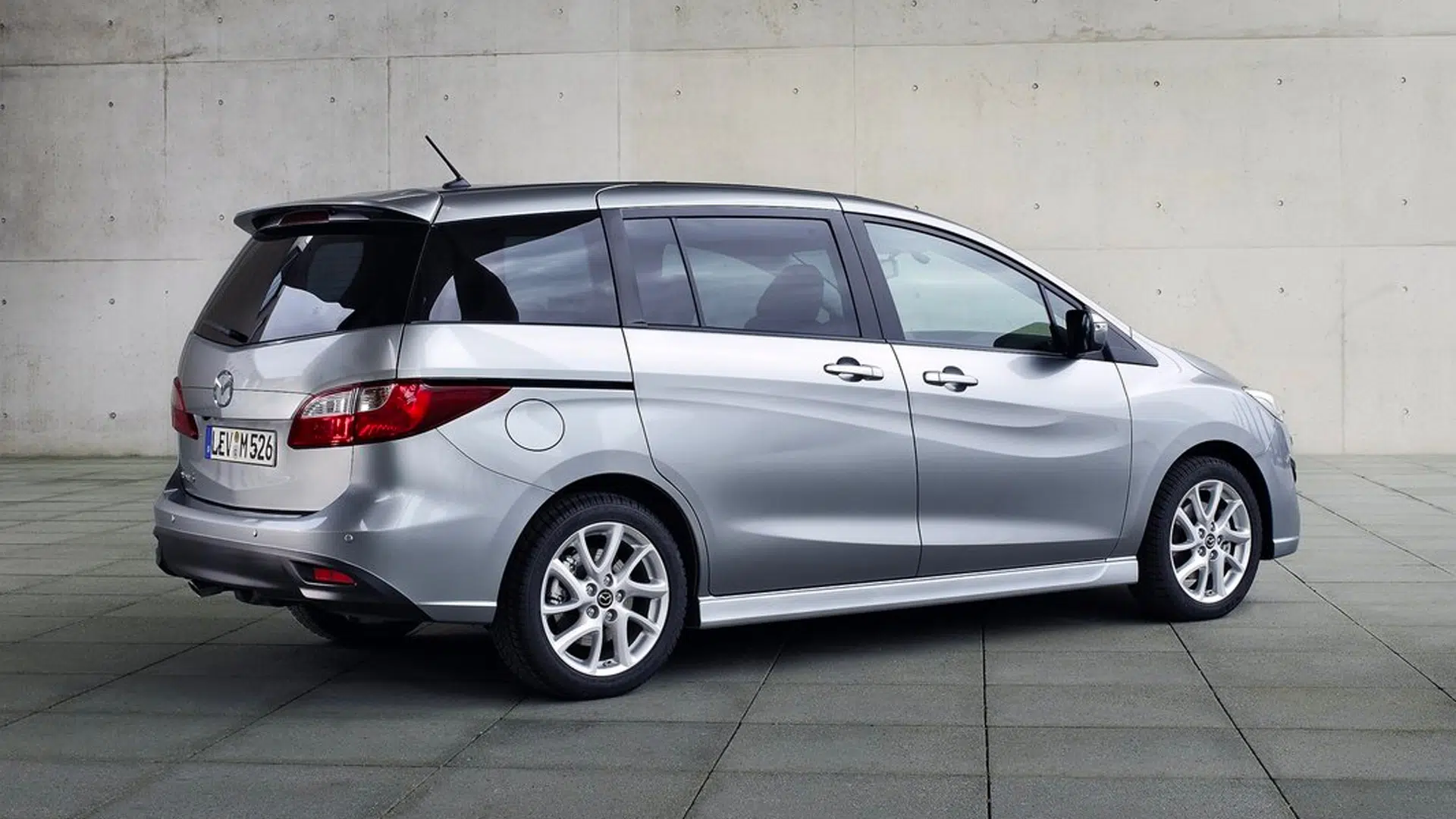 MAZDA
5 / PREMACY
View model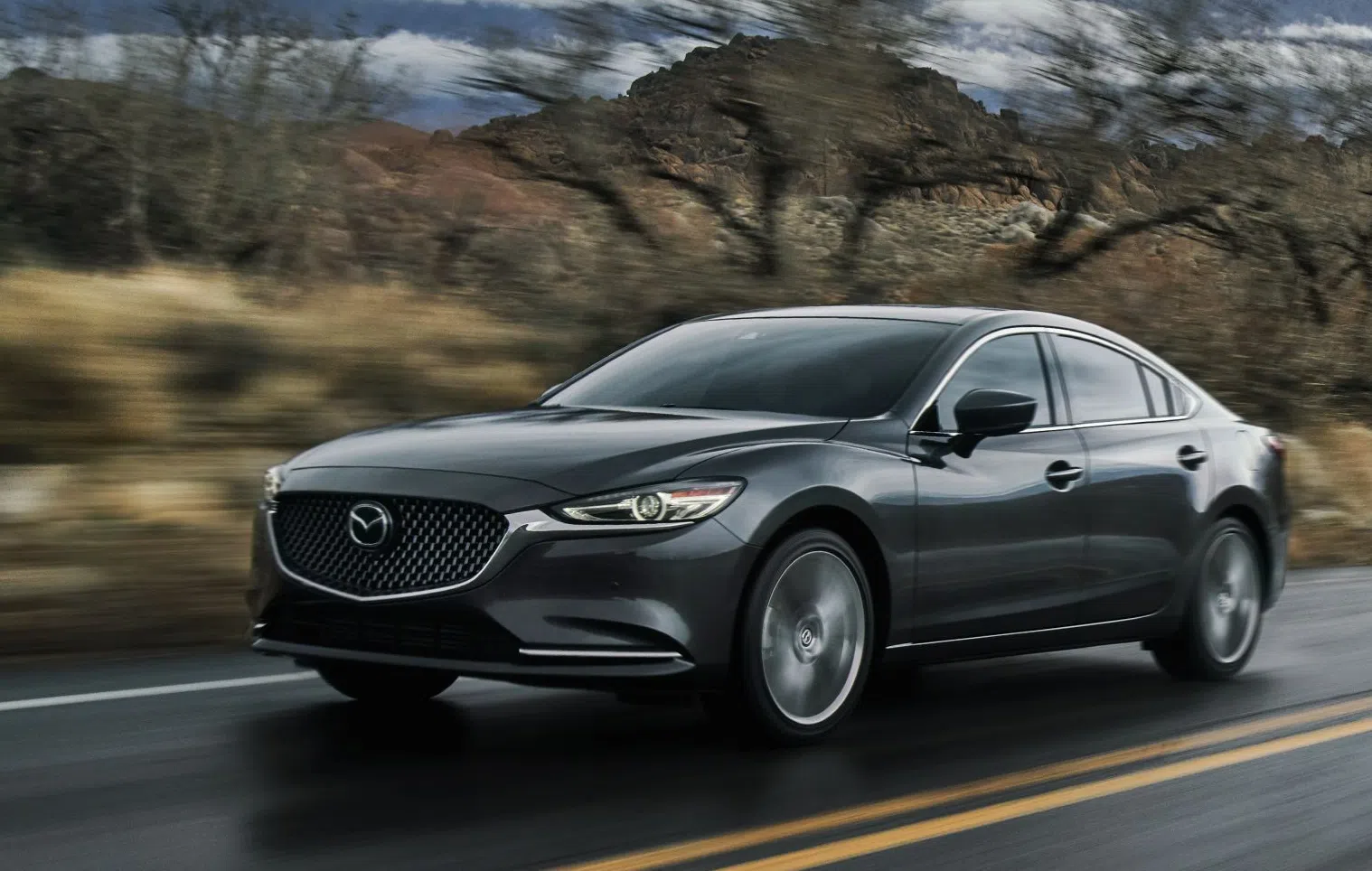 MAZDA
6
View model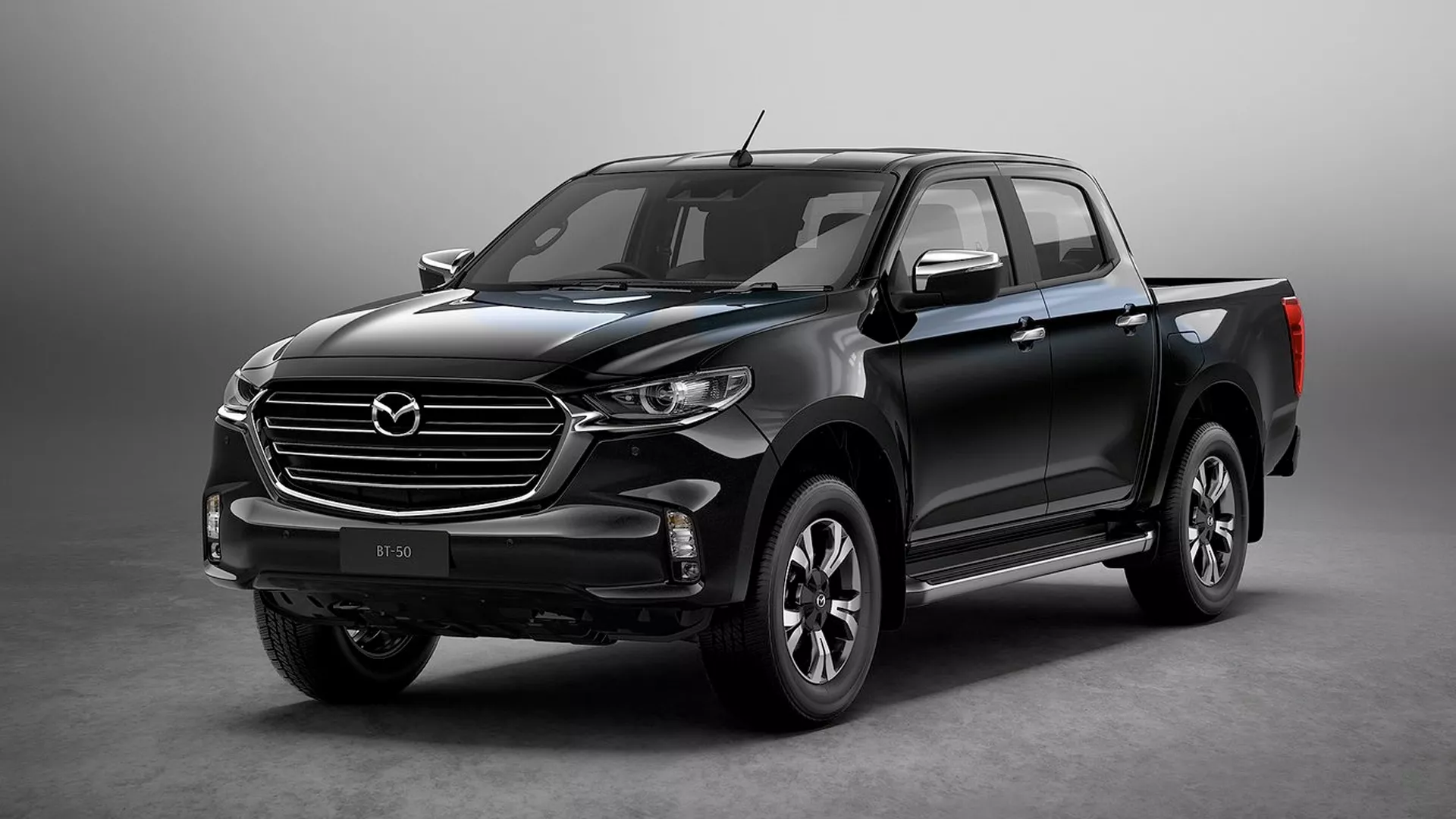 MAZDA
BT-50
View model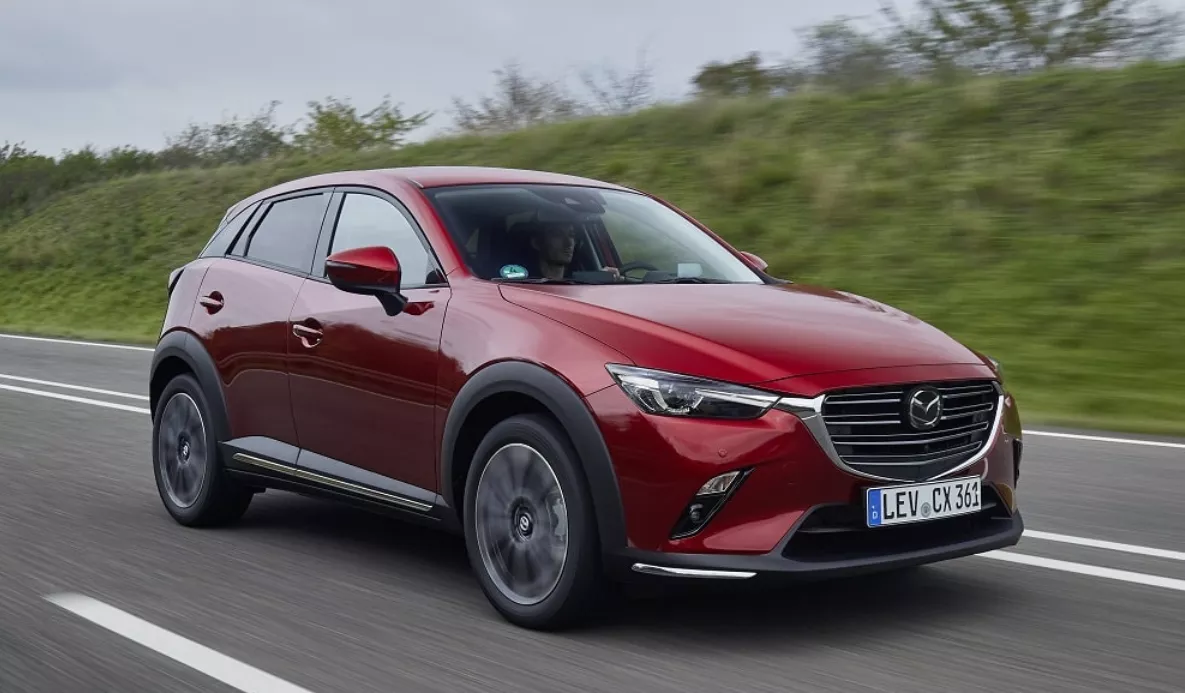 MAZDA
CX-3
View model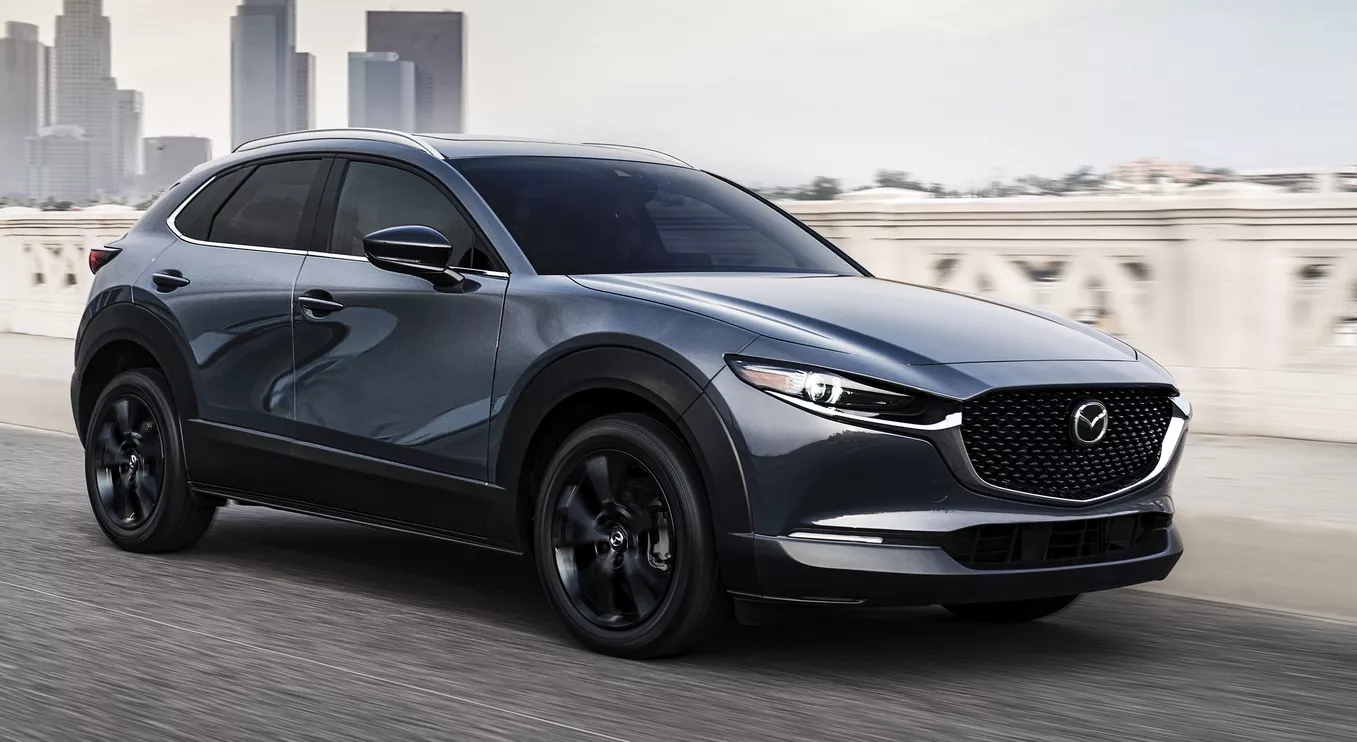 MAZDA
CX-30
View model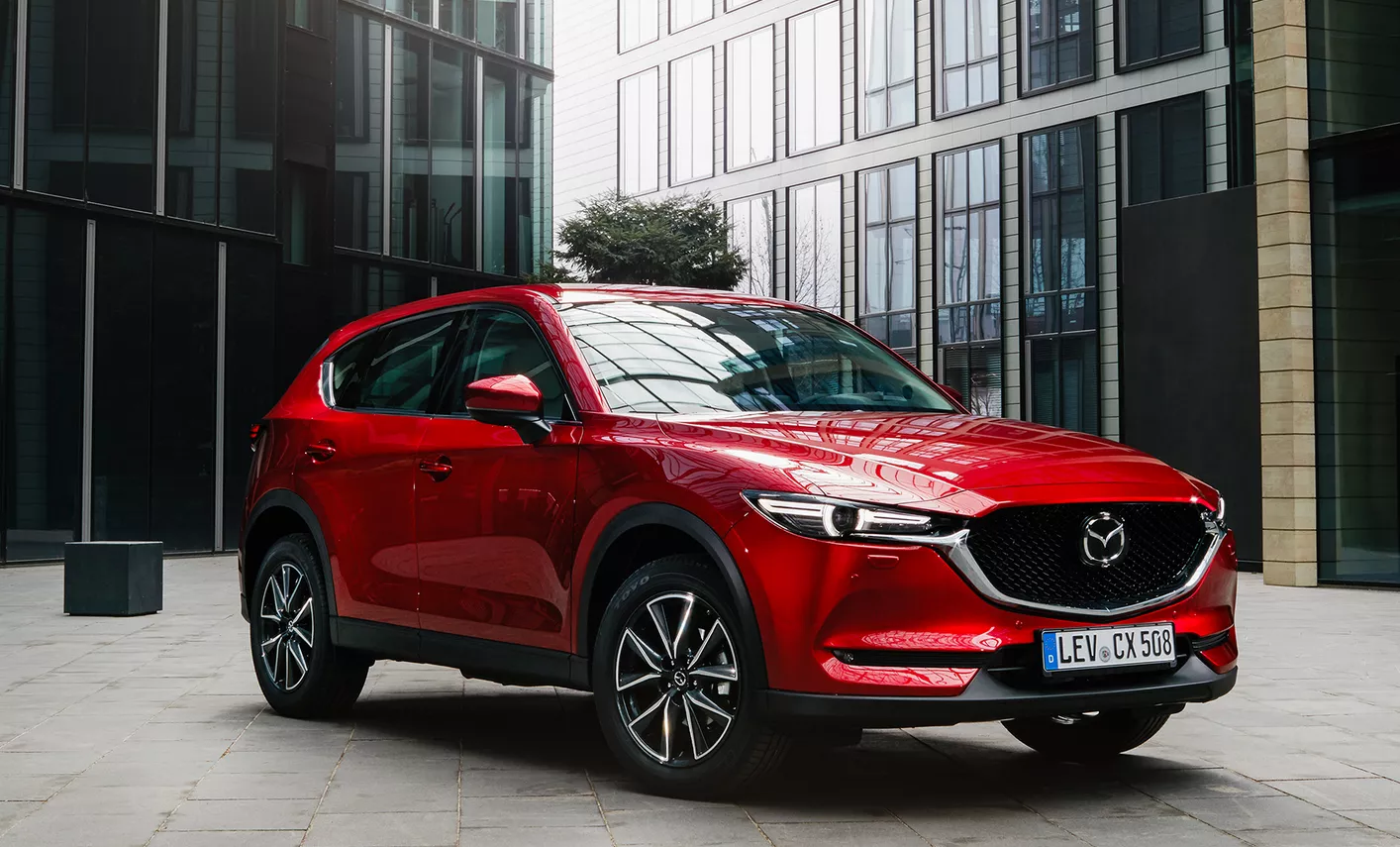 MAZDA
CX-5
View model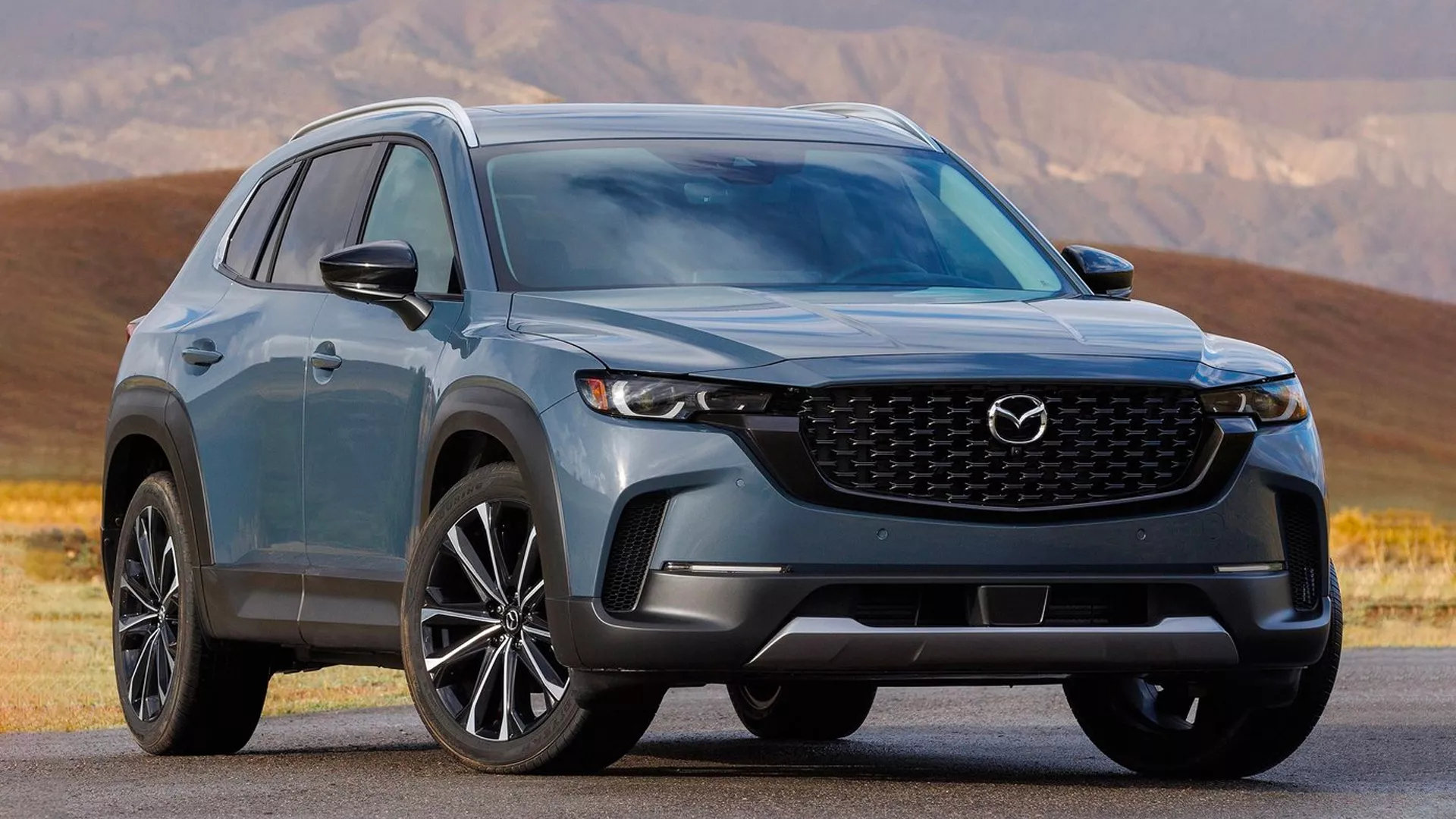 MAZDA
CX-50
View model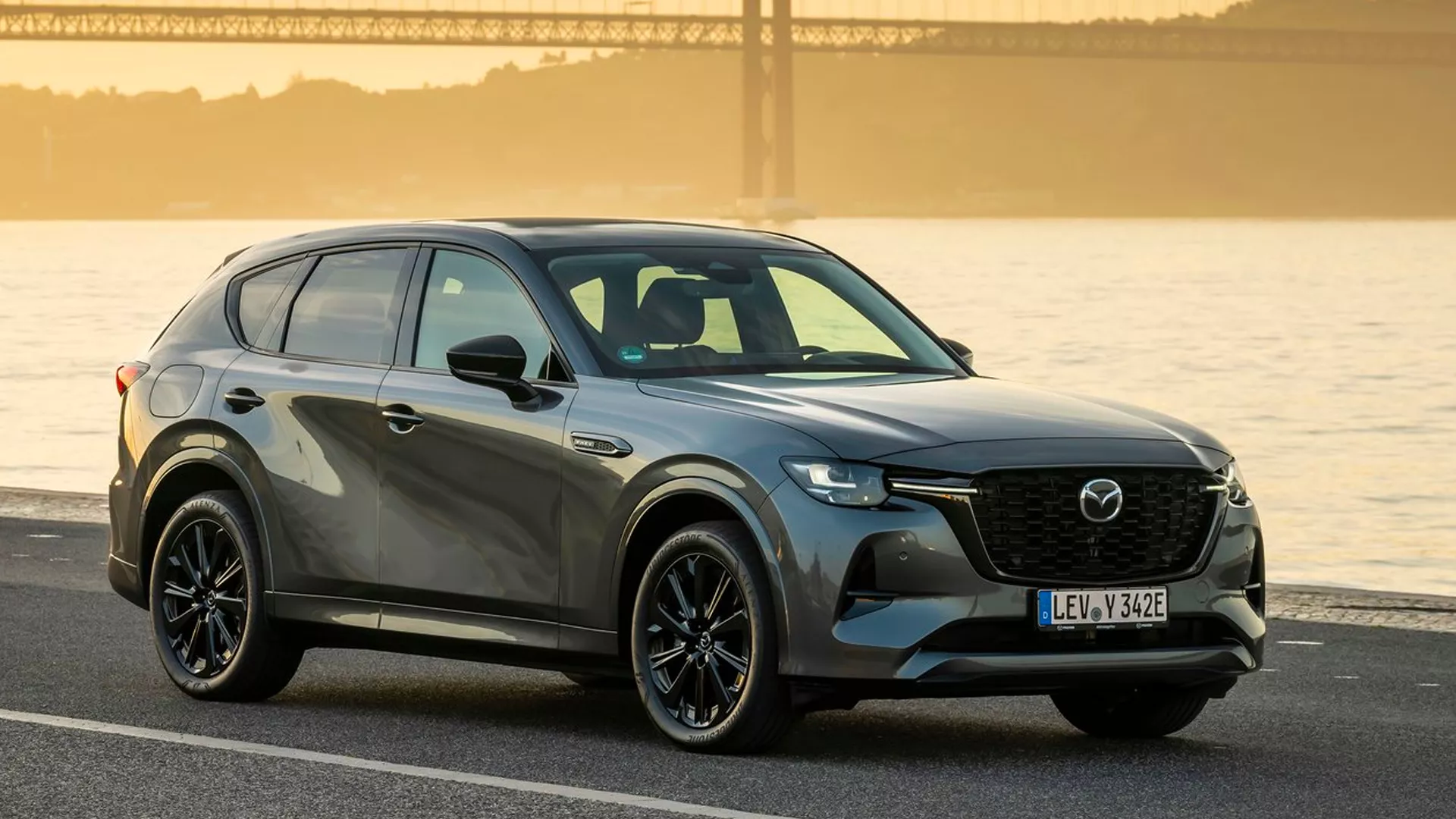 MAZDA
CX-60
View model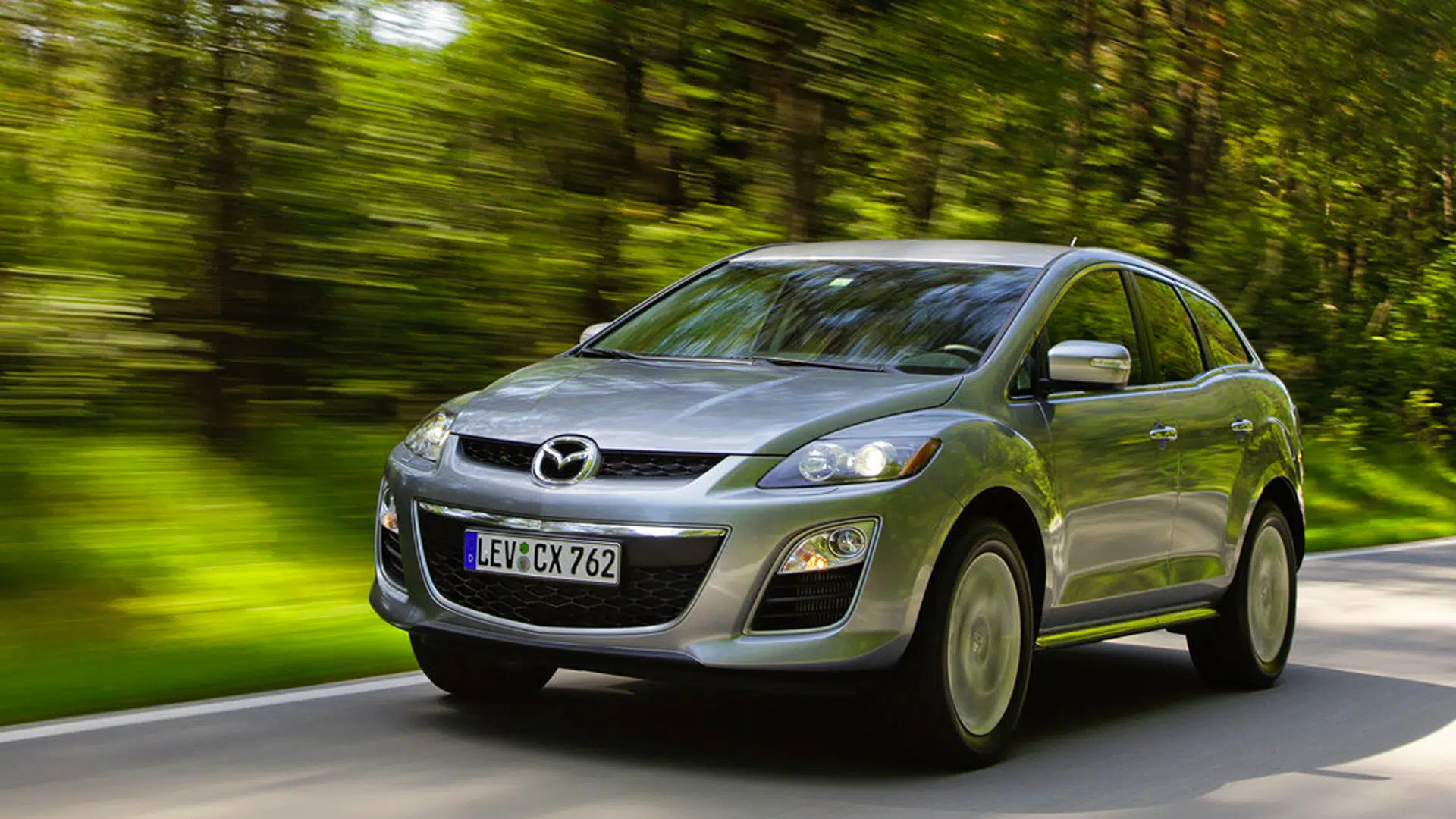 MAZDA
CX-7
View model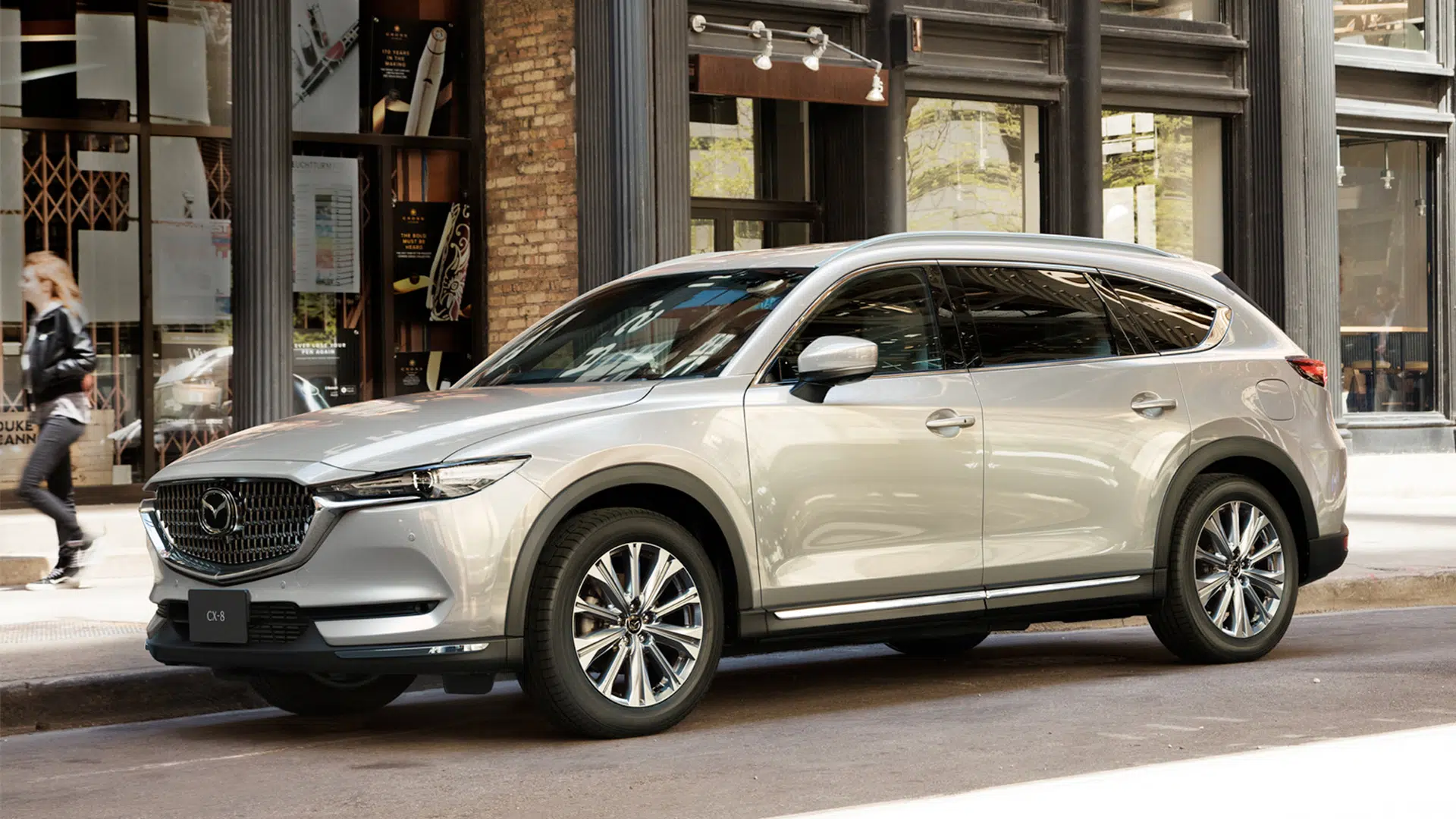 MAZDA
CX-8
View model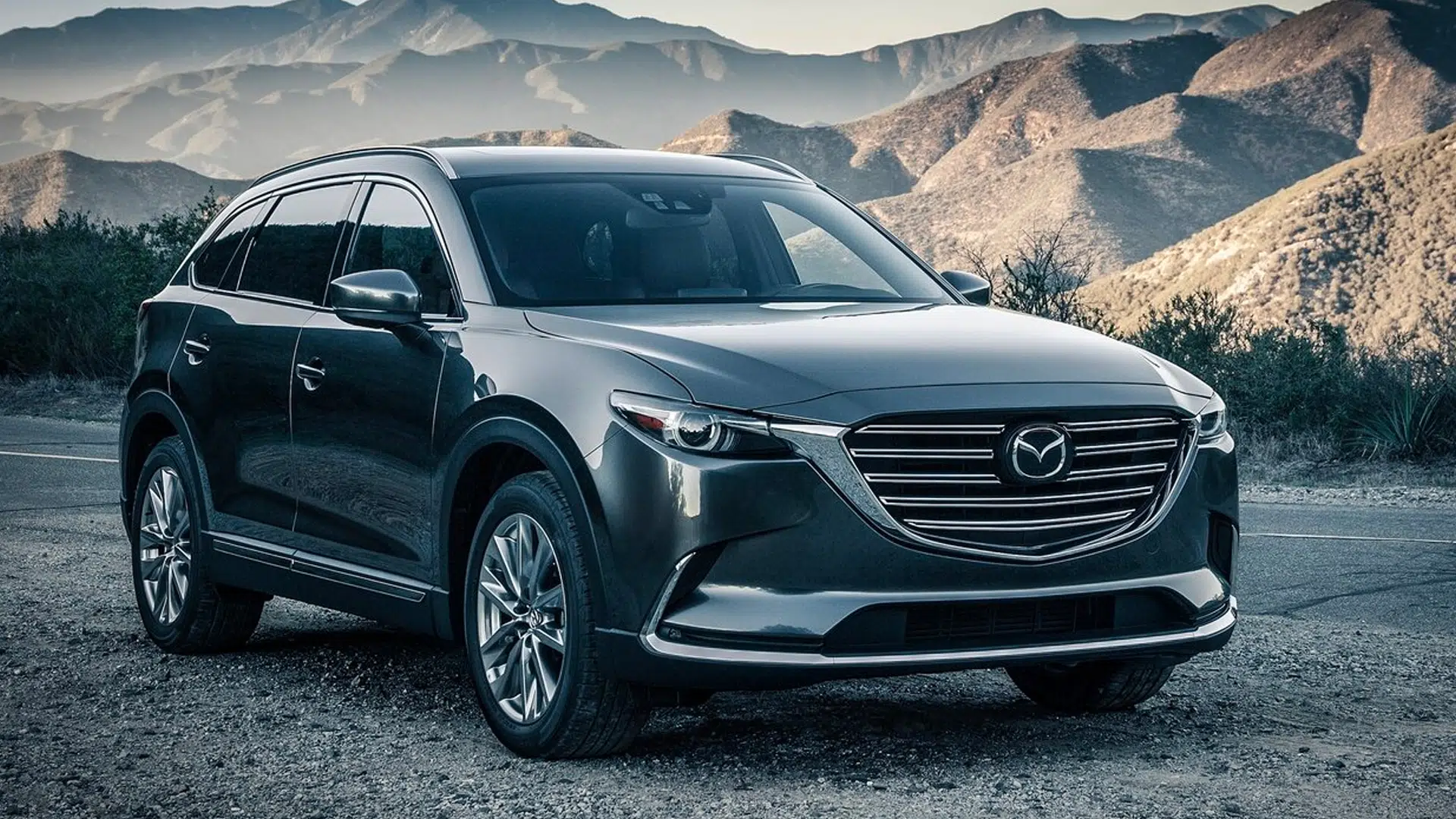 MAZDA
CX-9
View model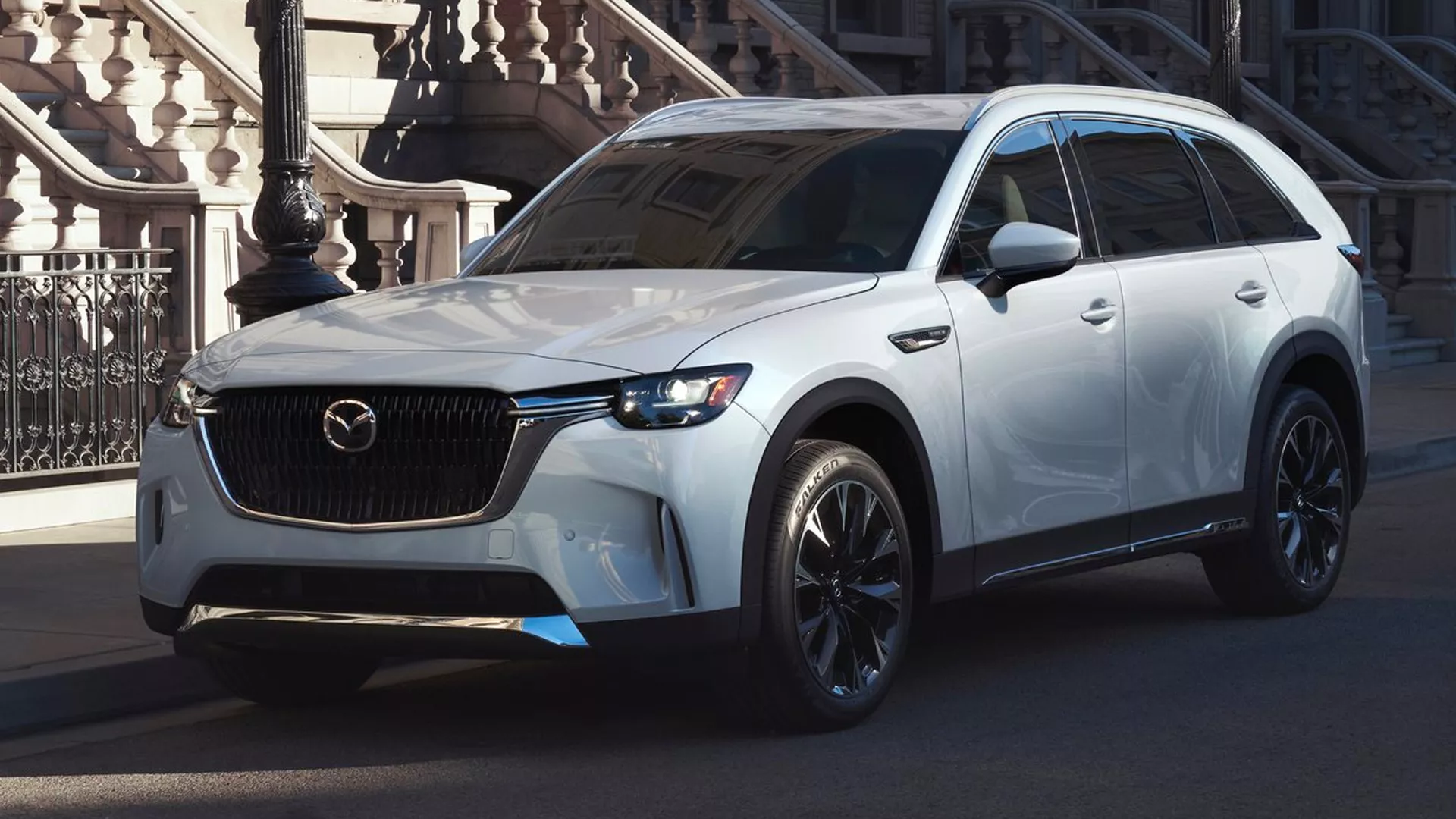 MAZDA
CX-90
View model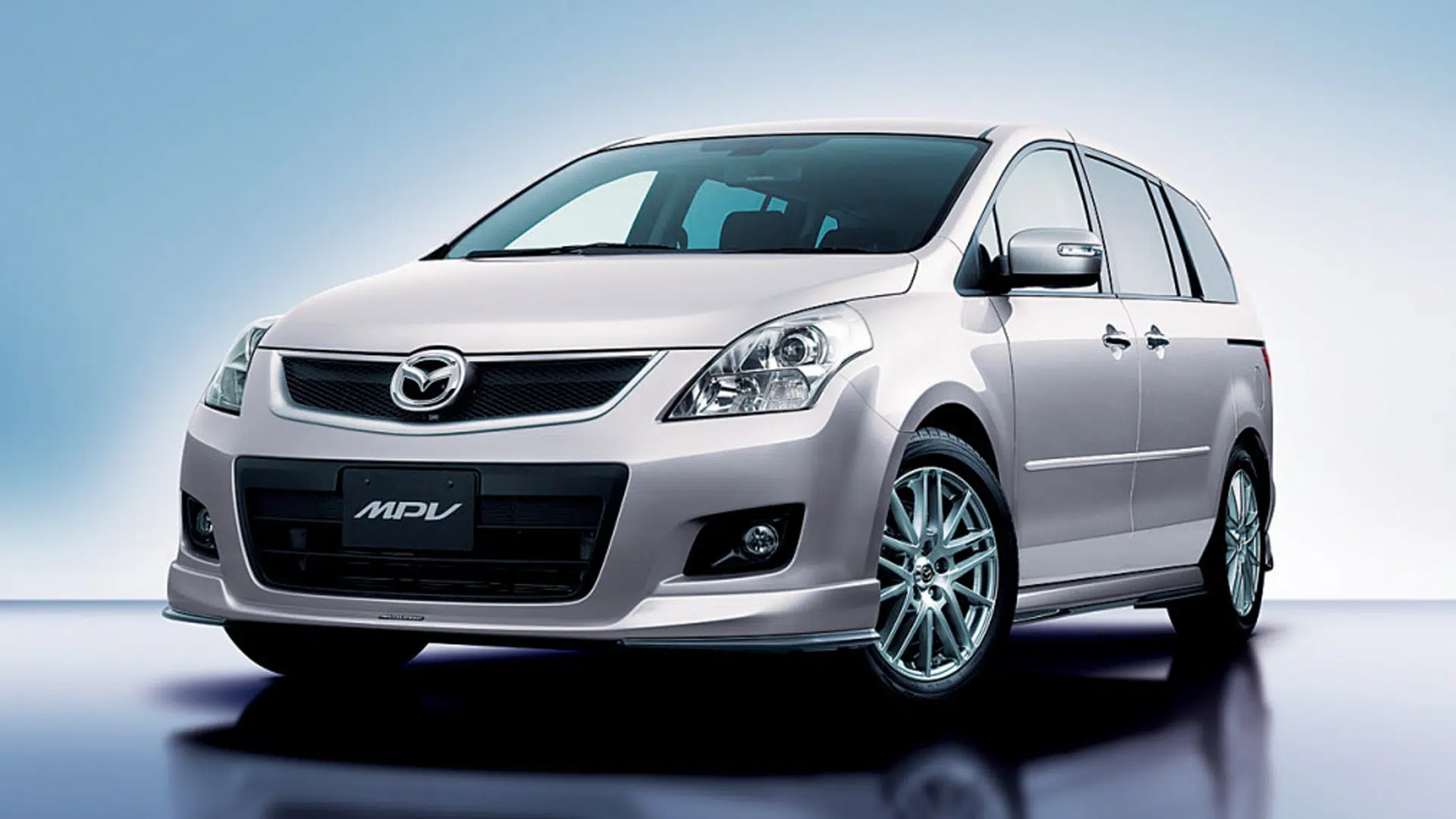 MAZDA
MPV
View model- MAZDA
MX-3
View model 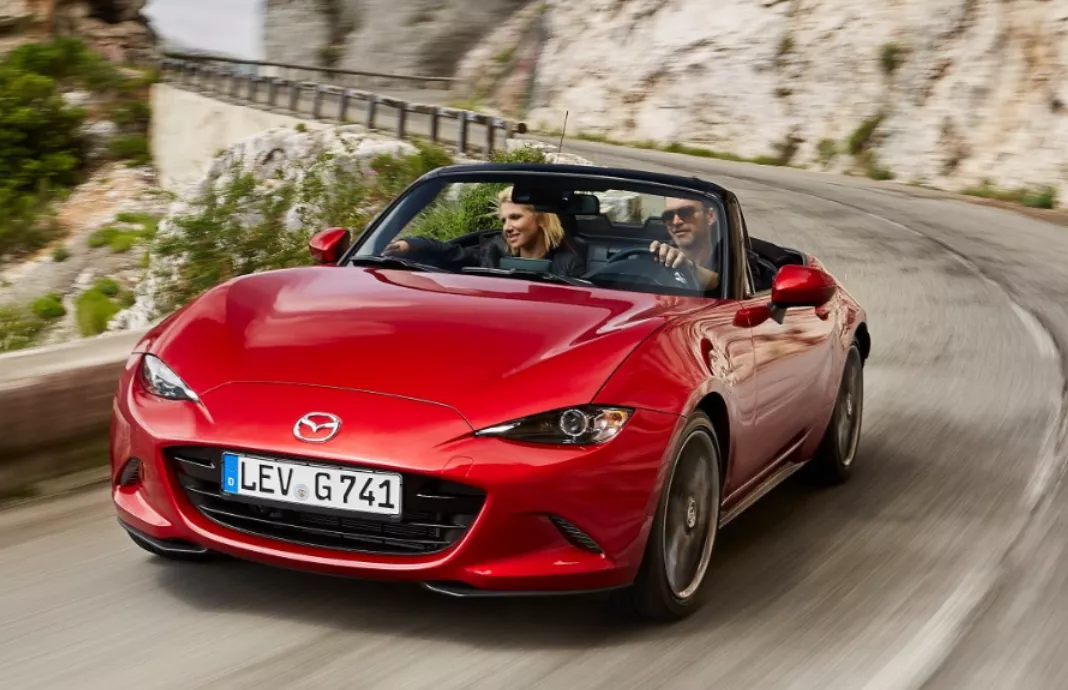 MAZDA
MX-5
View model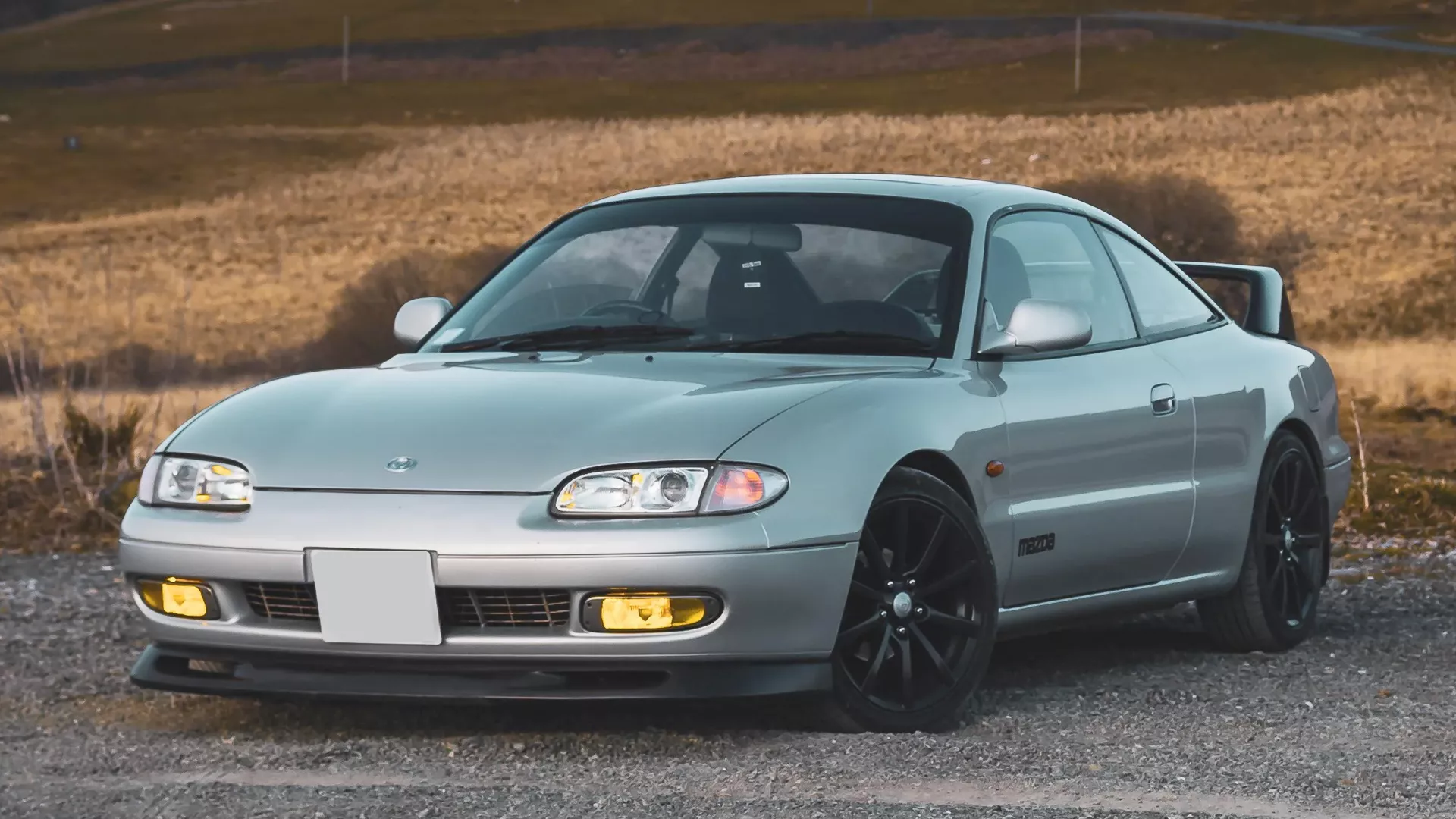 MAZDA
MX-6
View model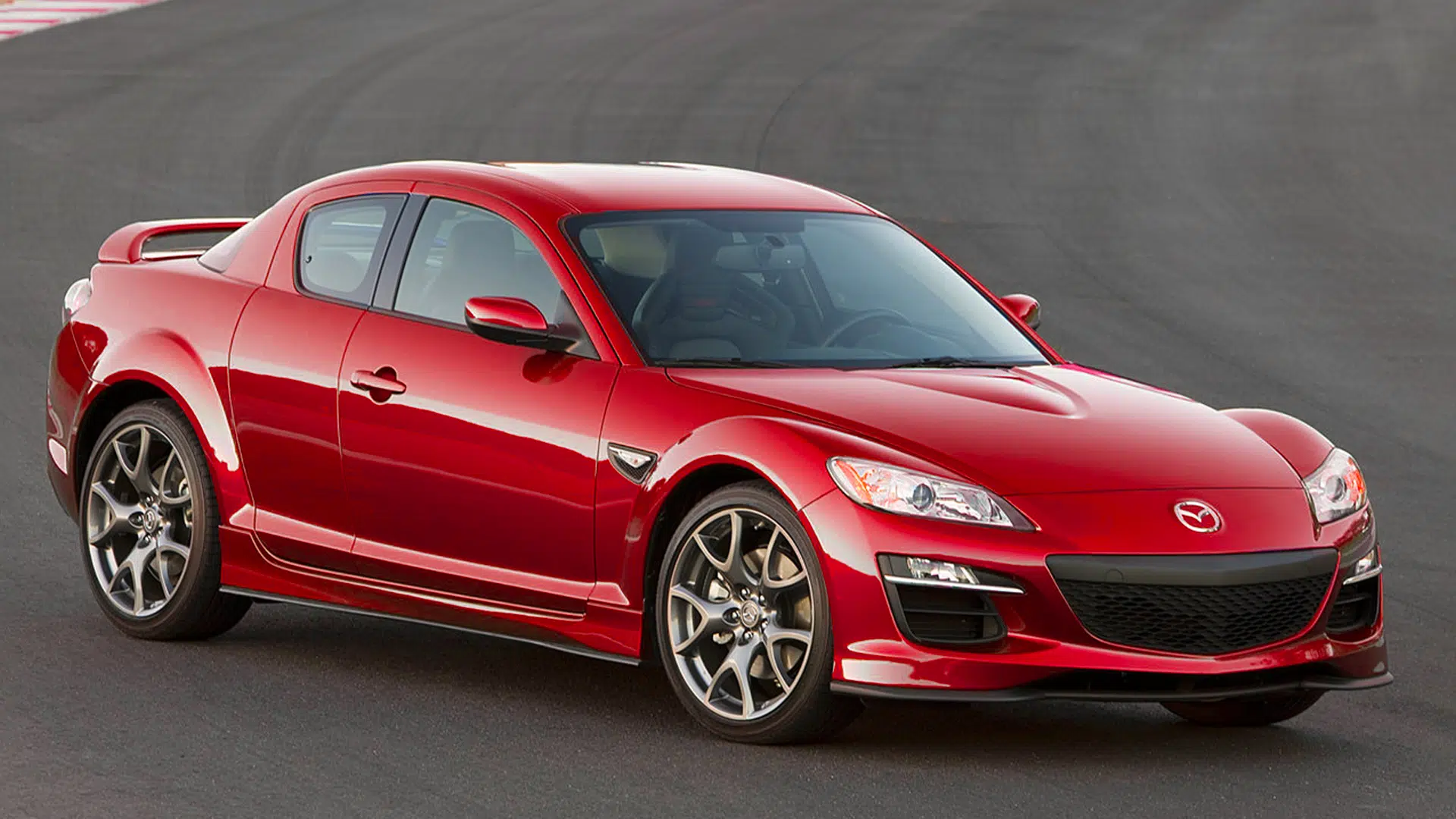 MAZDA
RX-8
View model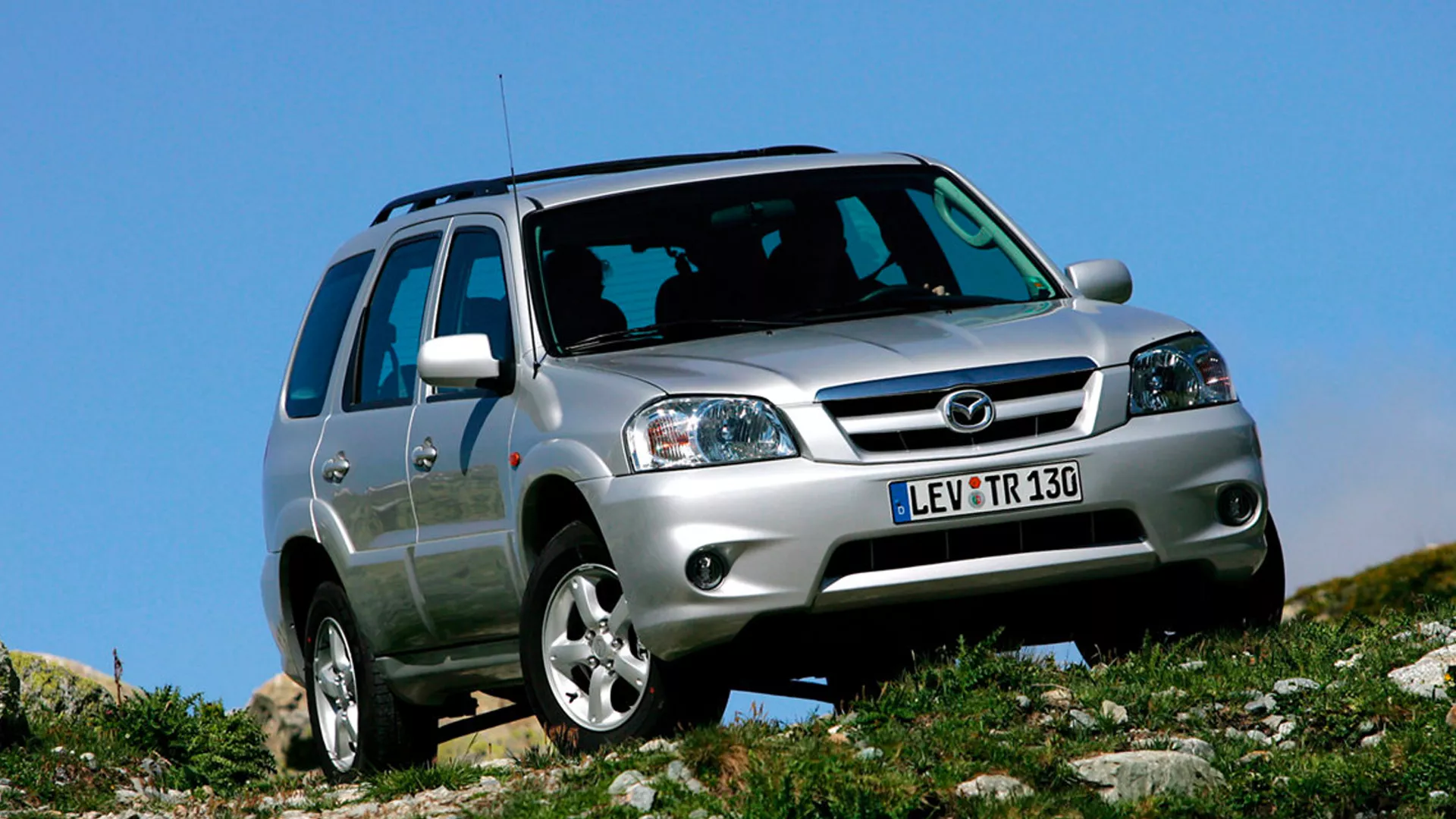 MAZDA
TRIBUTE
View model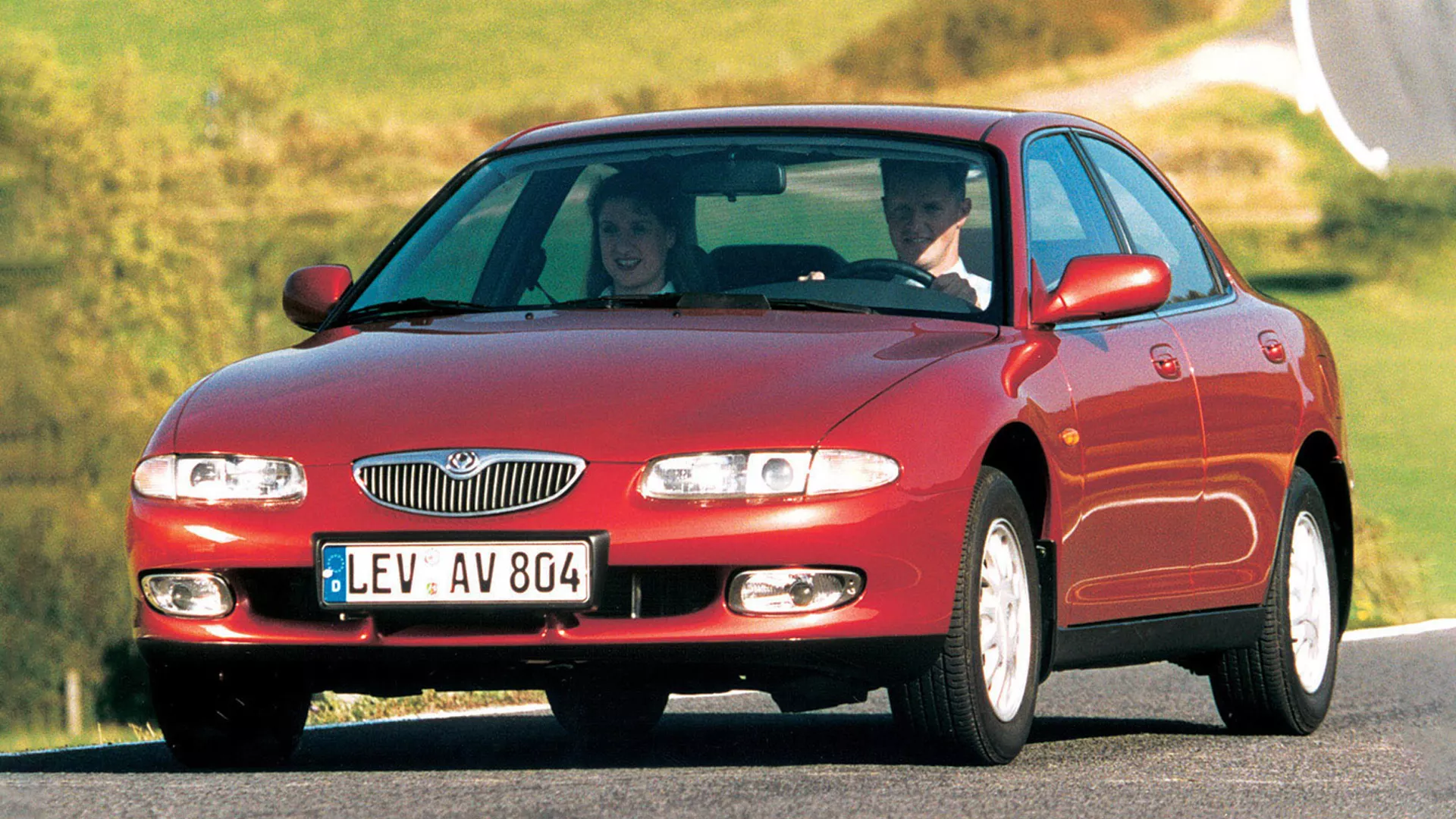 MAZDA
XEDOS 6
View model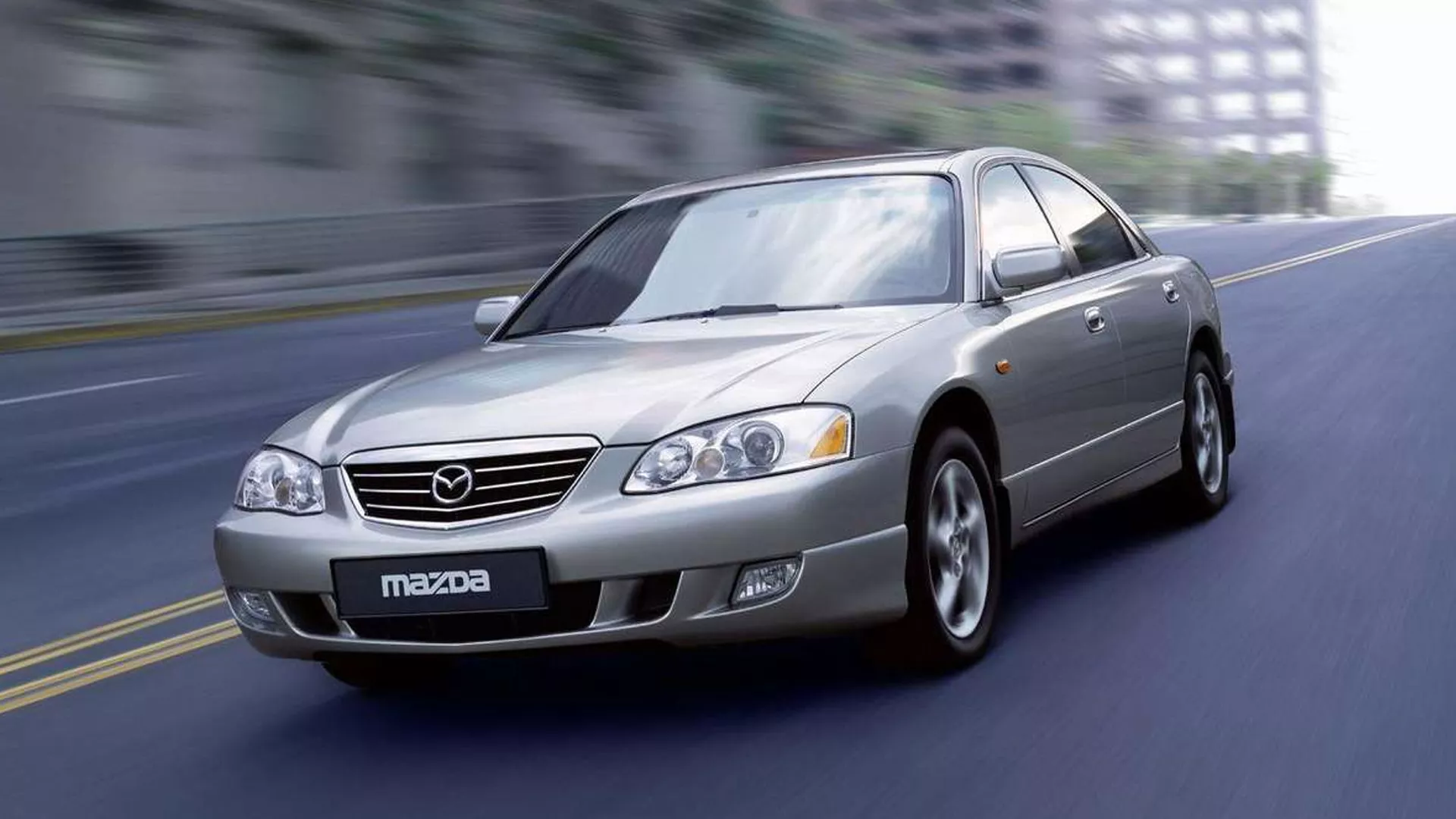 MAZDA
XEDOS 9
View model- MAZDA
View all models