
CITROEN AXTiming chain or Belt?
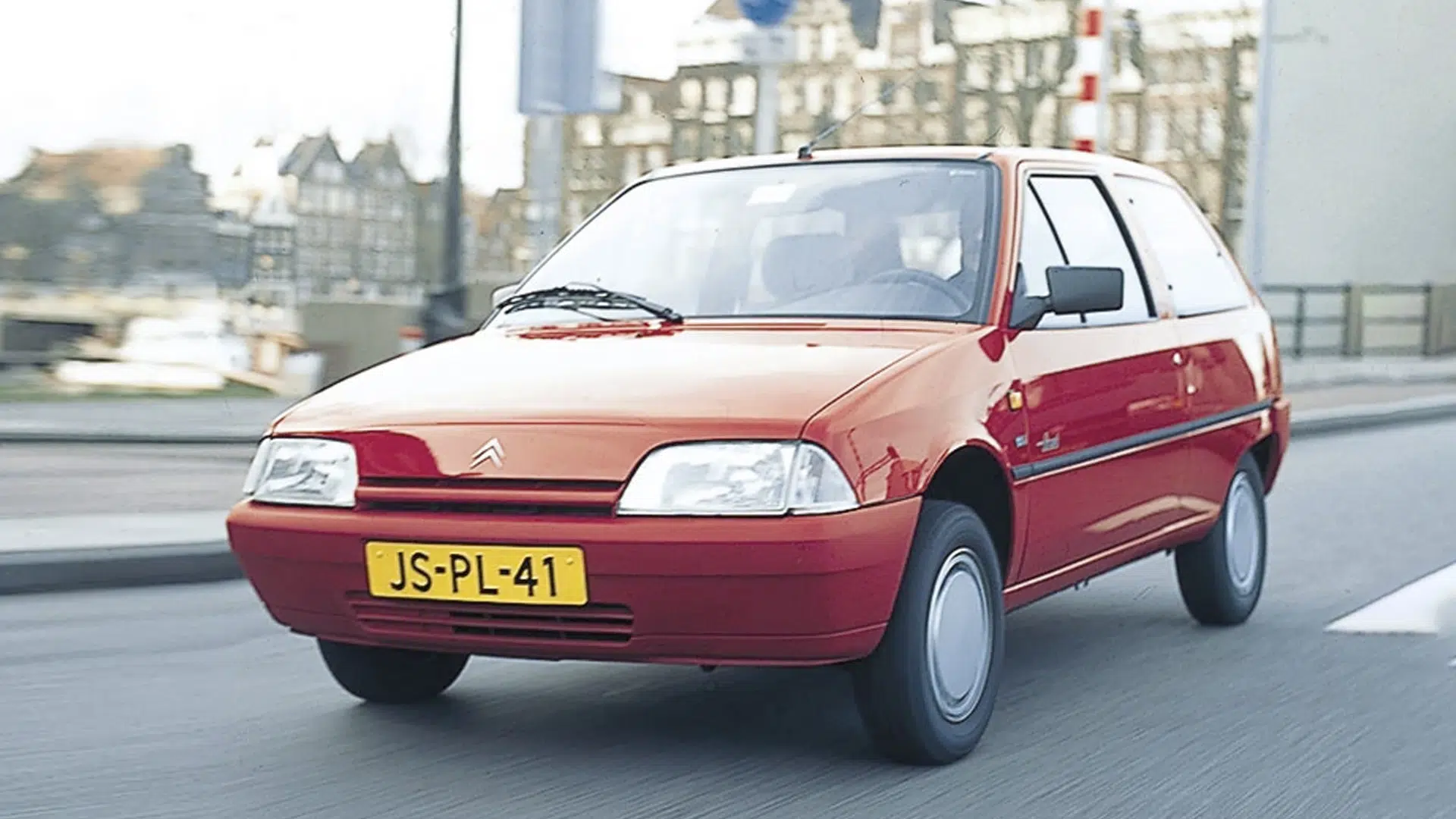
About CITROEN AX
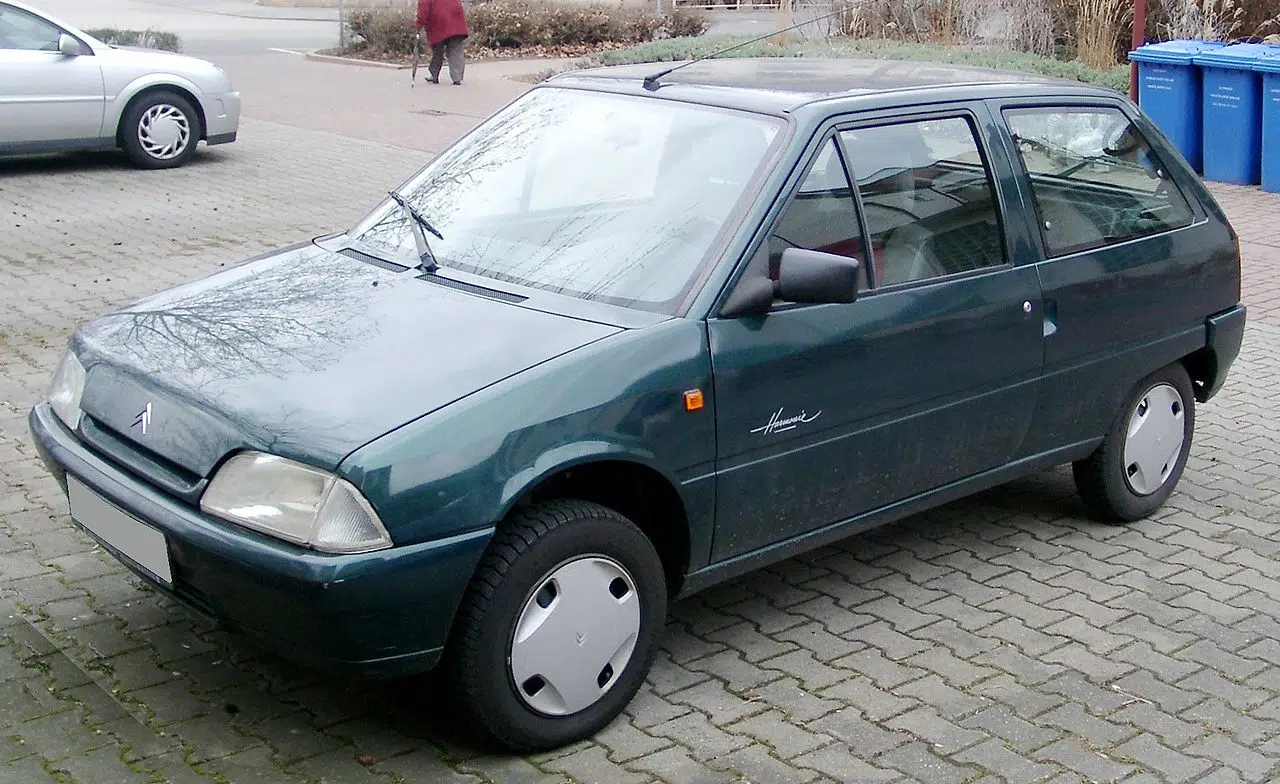
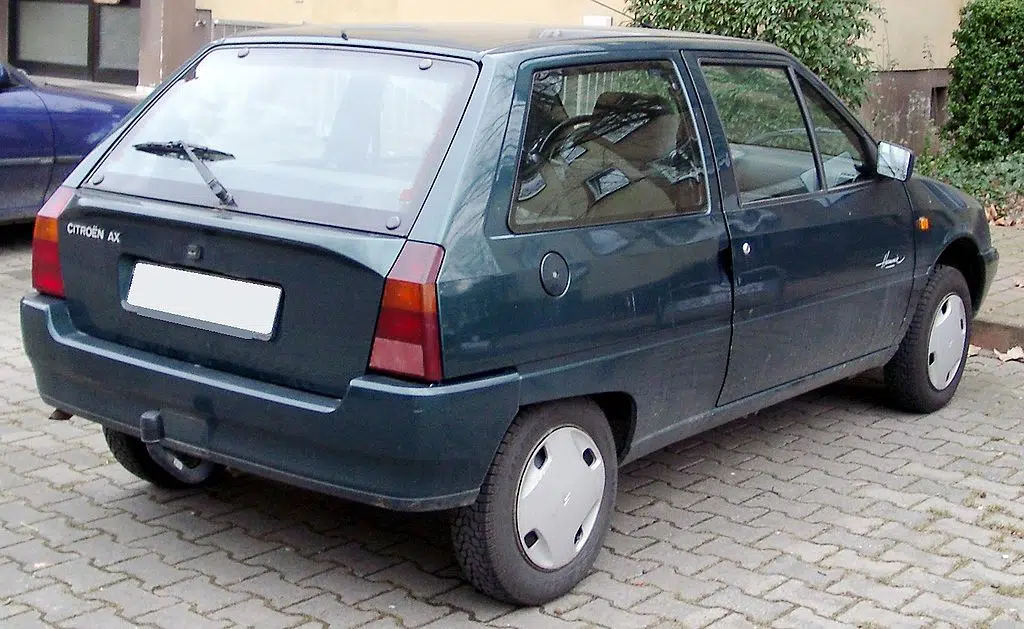
The Citroën AX is a subcompact utility car in the B-segment from the French manufacturer PSA (currently Stellantis) — today, we would consider it an A-segment vehicle. It was produced from 1986 to 1996. The AX was launched as a replacement for the Citroën Visa and the LNA. PSA's idea was to use this model's base to launch a Talbot. However, the success of the Peugeot 205, coupled with Talbot's growing obscurity, forced the group to focus on this model.
This model was marketed with 3- and 5-door hatchback bodies, with gasoline engines and some naturally aspirated diesel versions. The 5-door version arrived somewhat later, in 1997, and was considered the replacement for the Citroën Visa. Furthermore, since the French manufacturer had already stopped producing the 2CV, the AX became the smallest model in the Citroën lineup.
In 1989, a naturally aspirated diesel AX, featuring the 1.3-liter TUD engine, achieved a figure of 2.7 liters per 100 kilometers traveling over 1,000 miles (1,609 km) from Dover to Barcelona. This was the longest distance ever traveled on 45.5 liters of fuel and earned it a place in the Guinness Book of World Records. The AX was also available in a 4×4 variant, but with limited success compared to its rival, the Fiat Panda 4×4. The AX 4×4 was only available with five doors and was sold in very specific markets.
In 1991, the AX underwent a redesign, which significantly changed the vehicle's interior, as well as introducing a few exterior aesthetic changes. That same year, the GTi version was sold, the most powerful model launched for the vehicle. Finally, the model was replaced by the Citroën Saxo. In some countries, the Citroën AX continued to be manufactured as the Proton Tiata.
There was only one generation of the Citroën AX. Its notable competitors included the Seat Ibiza, the Volkswagen Polo, and the Renault Supercinco.
Jump to a generation:
#1CITROEN AX - Generation I(1986)I
HatchbackI
View more models from CITROEN
 CITROEN
BERLINGO
View model CITROEN
BX
View model CITROEN
C-CROSSER
View model CITROEN
C-ELYSEE
View model CITROEN
C1
View model CITROEN
C15
View model CITROEN
C2
View model CITROEN
C3
View model CITROEN
C3 AIRCROSS
View model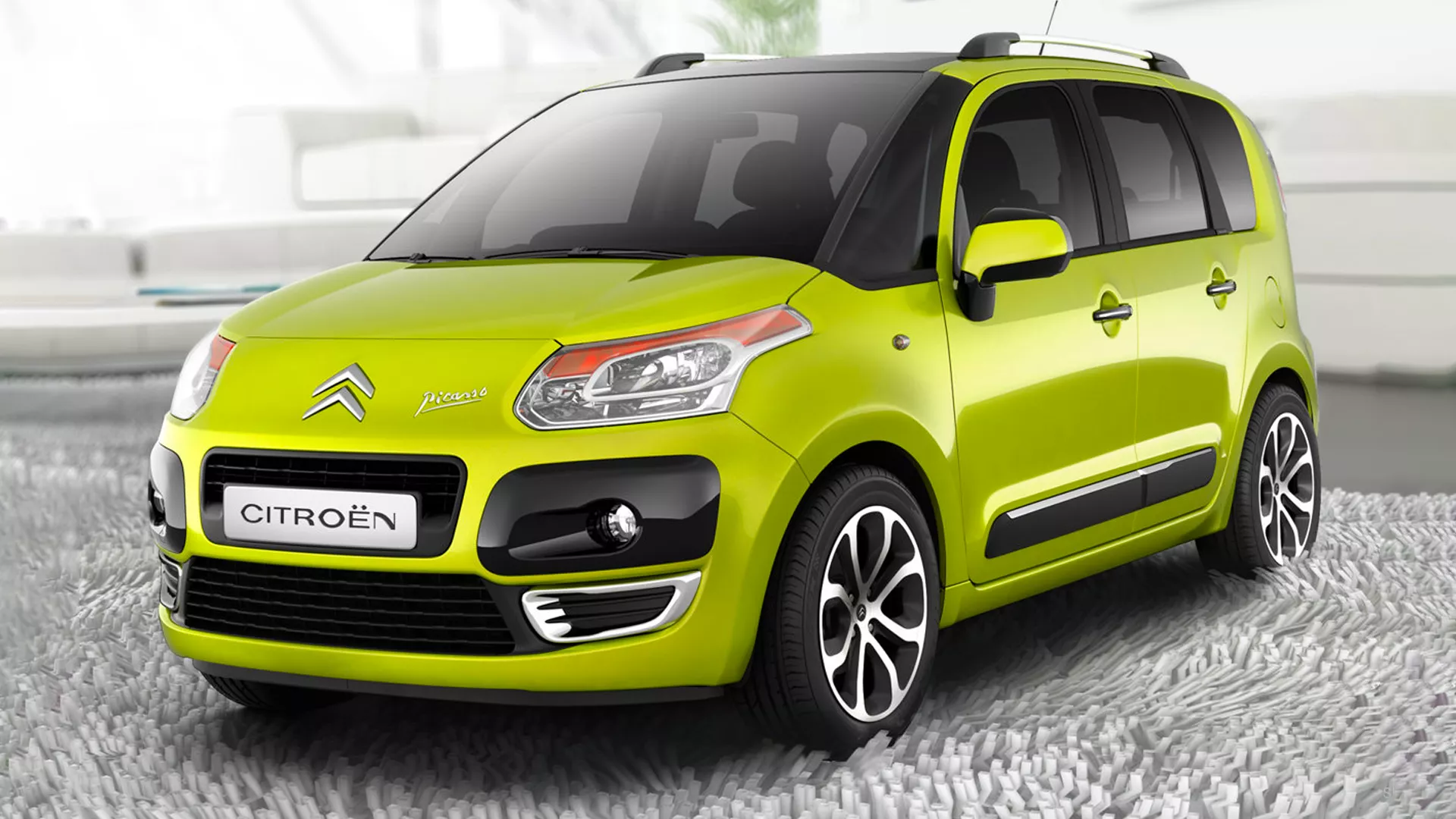 CITROEN
C3 PICASSO
View model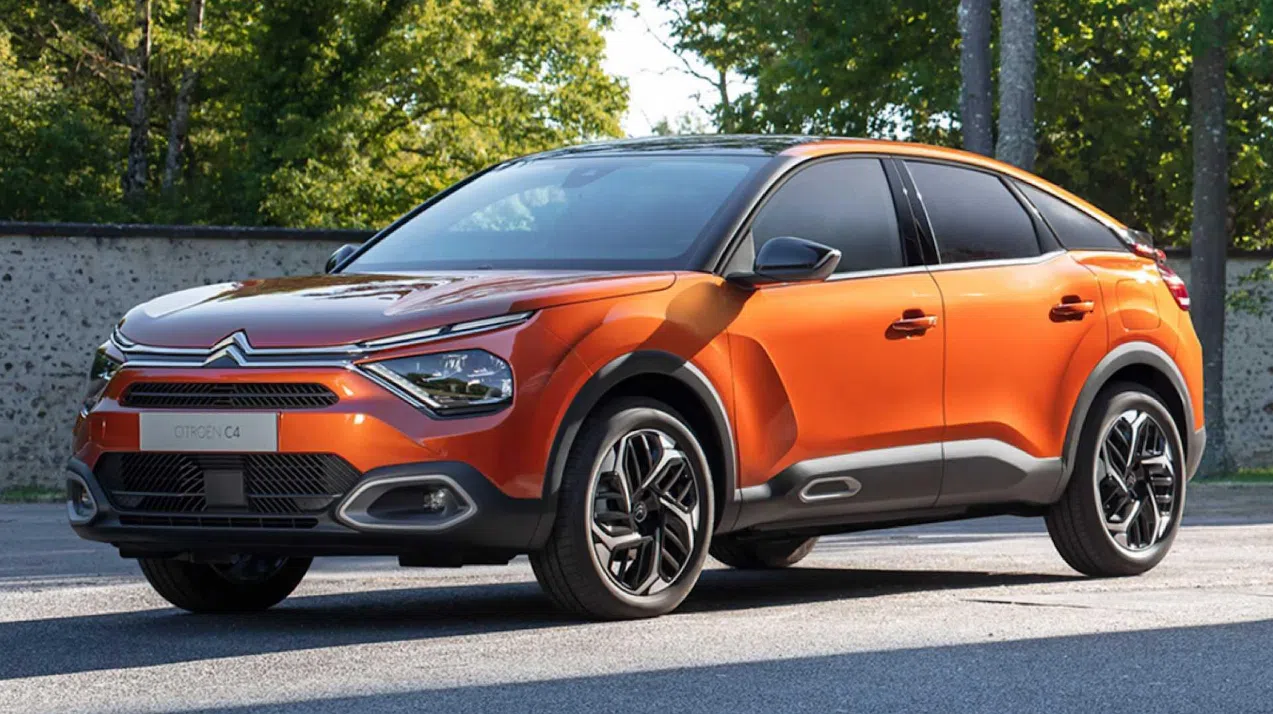 CITROEN
C4
View model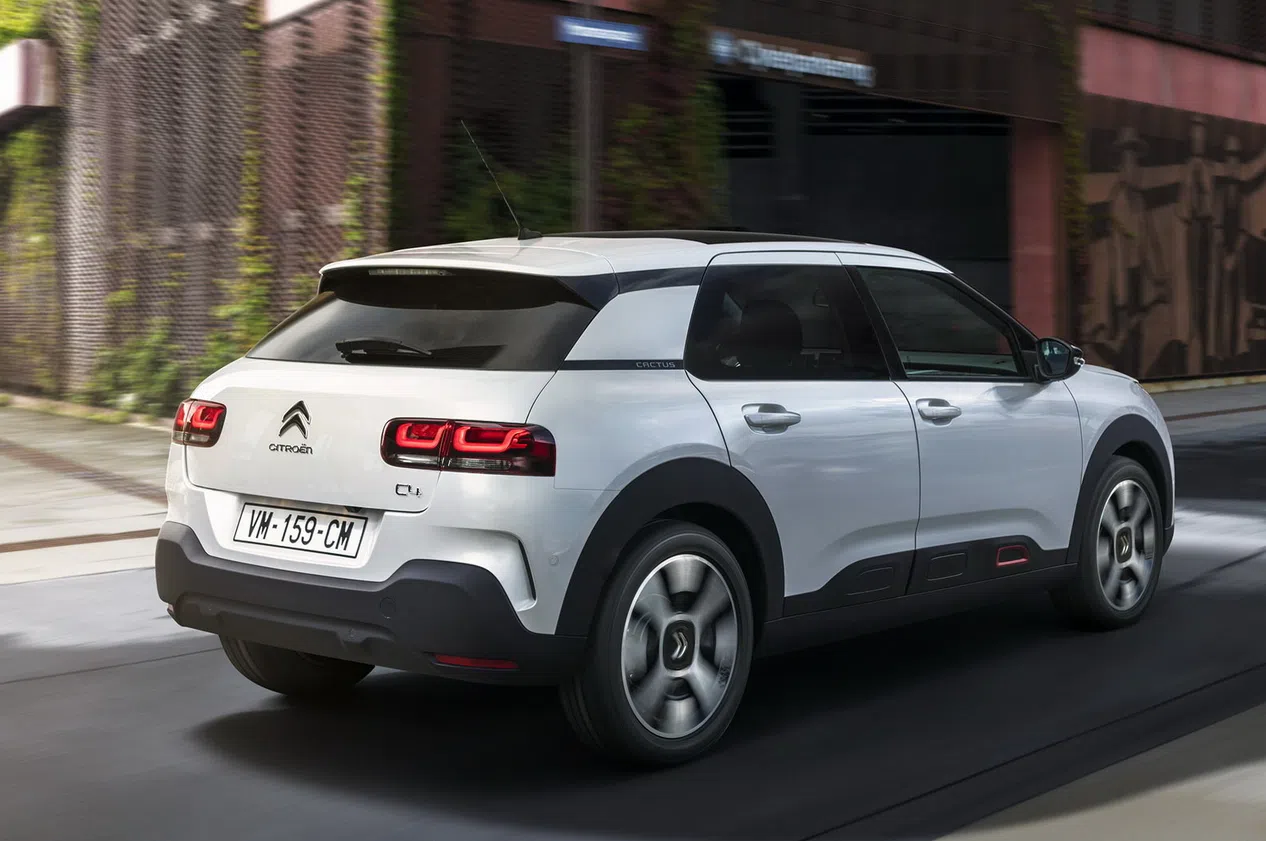 CITROEN
C4 CACTUS
View model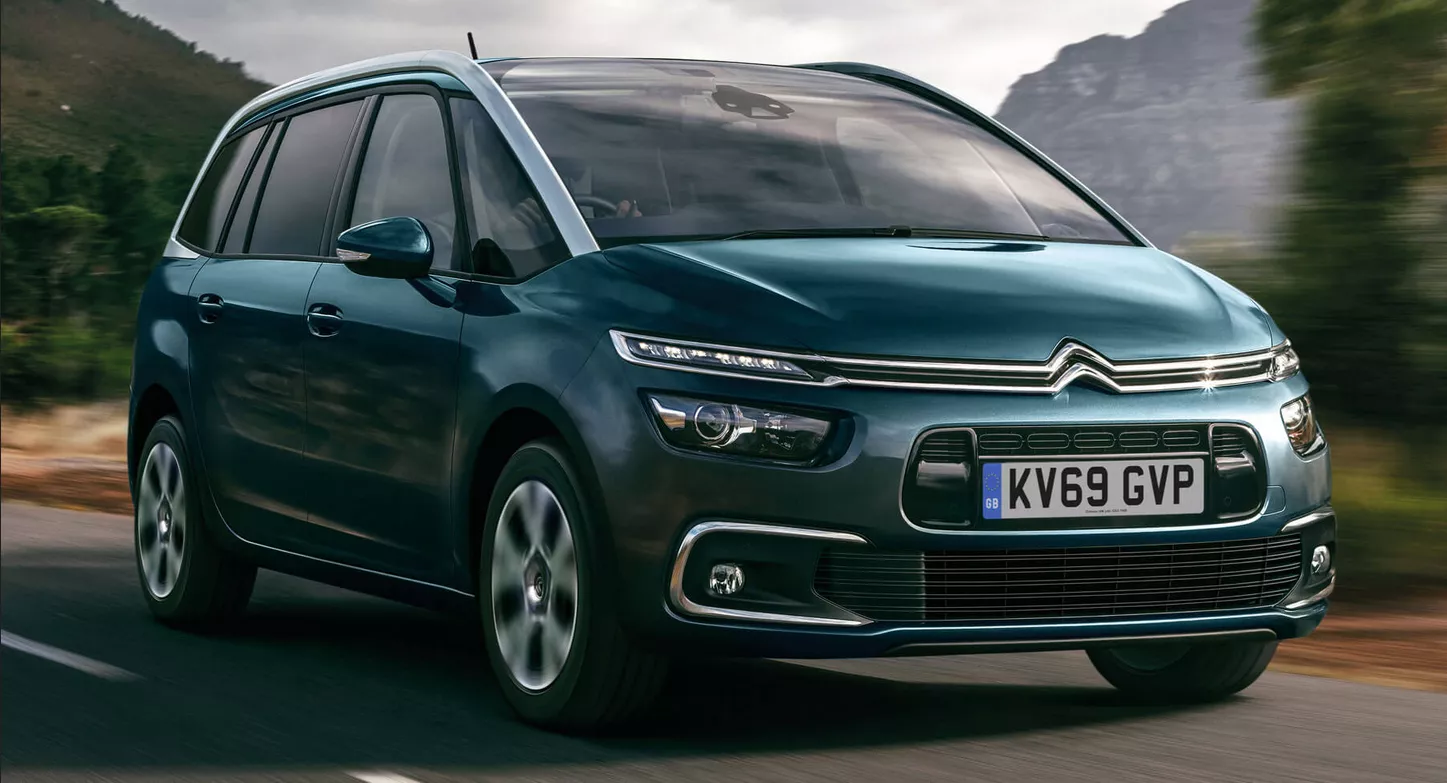 CITROEN
C4 PICASSO / SPACETOURER
View model CITROEN
C5
View model CITROEN
C5 AIRCROSS
View model CITROEN
C6
View model CITROEN
C8
View model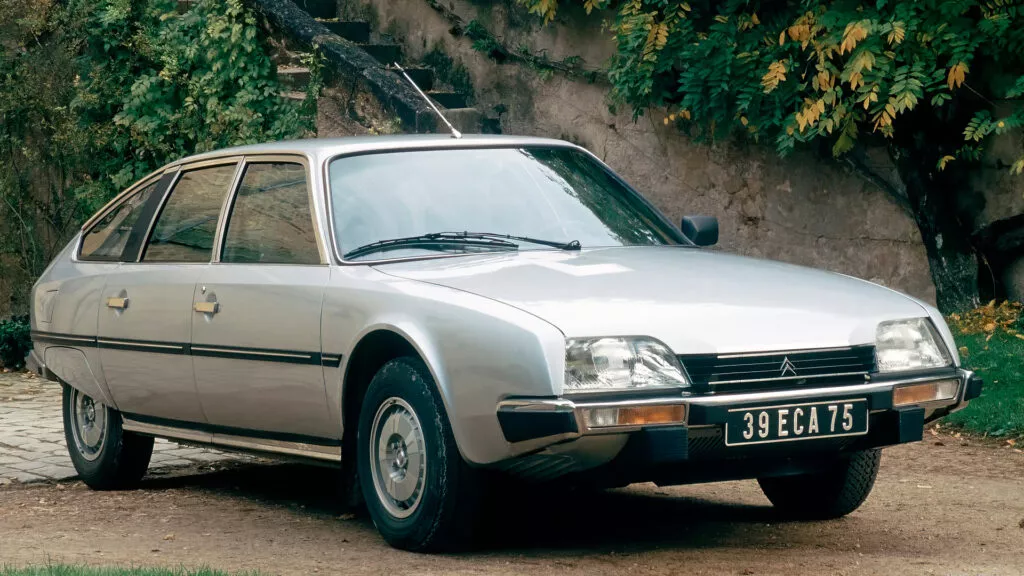 CITROEN
CX
View model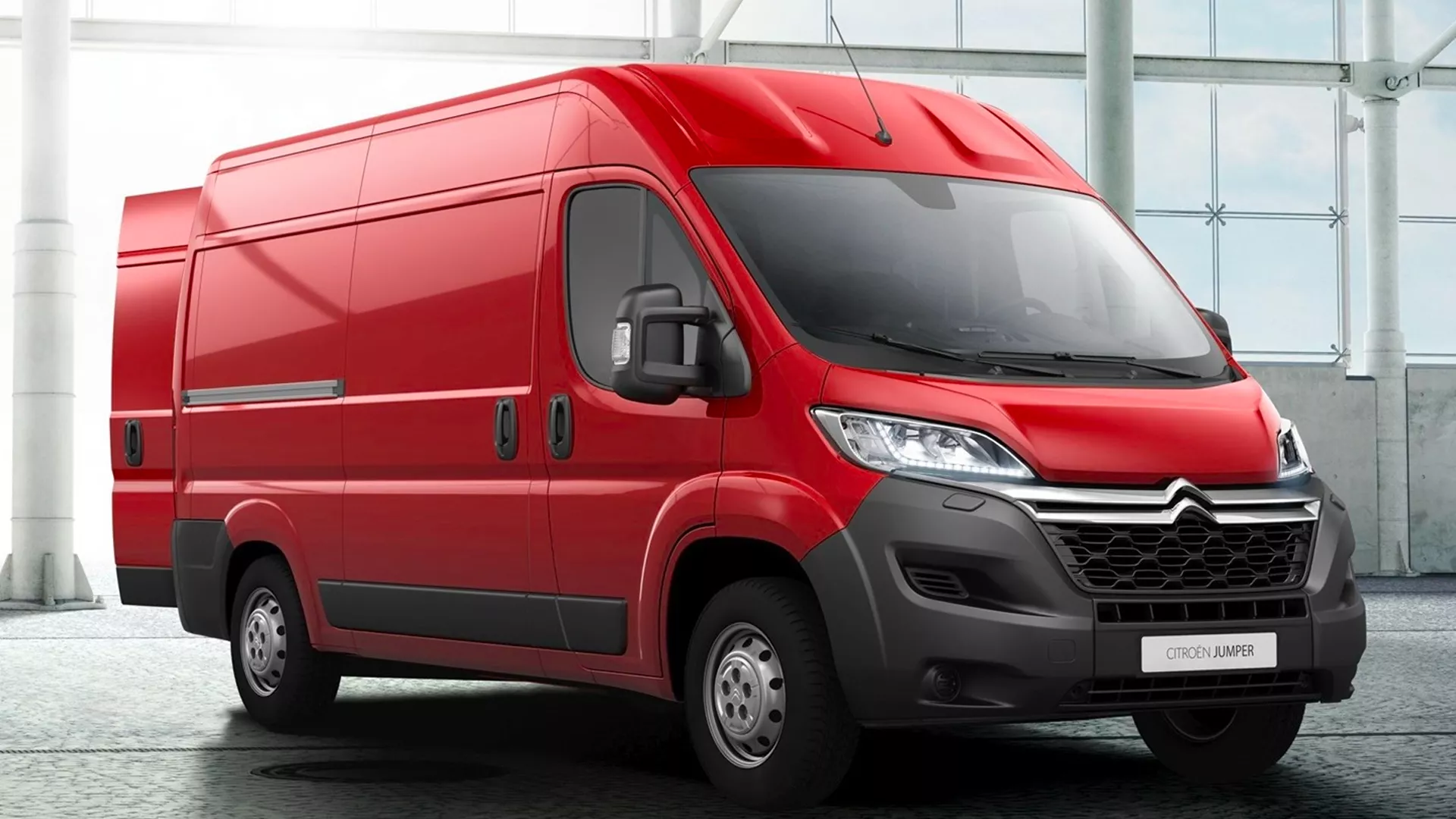 CITROEN
JUMPER
View model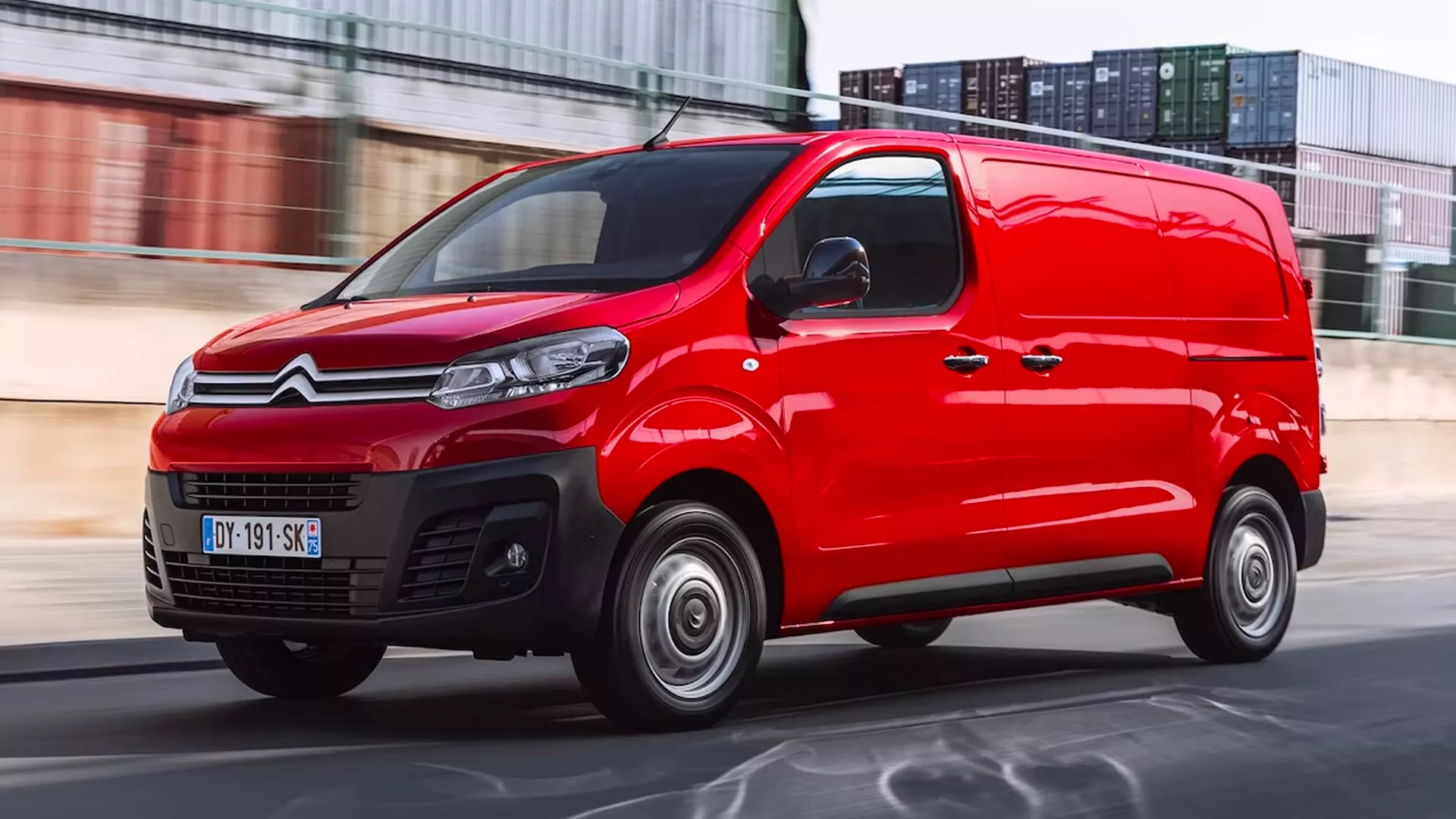 CITROEN
JUMPY
View model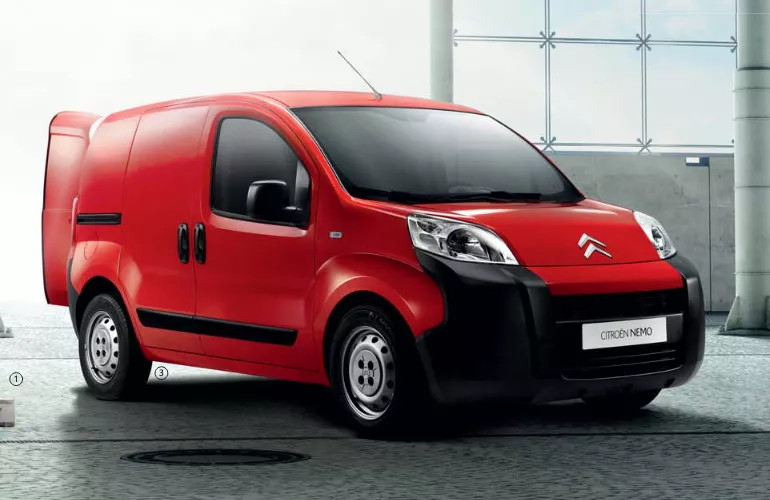 CITROEN
NEMO
View model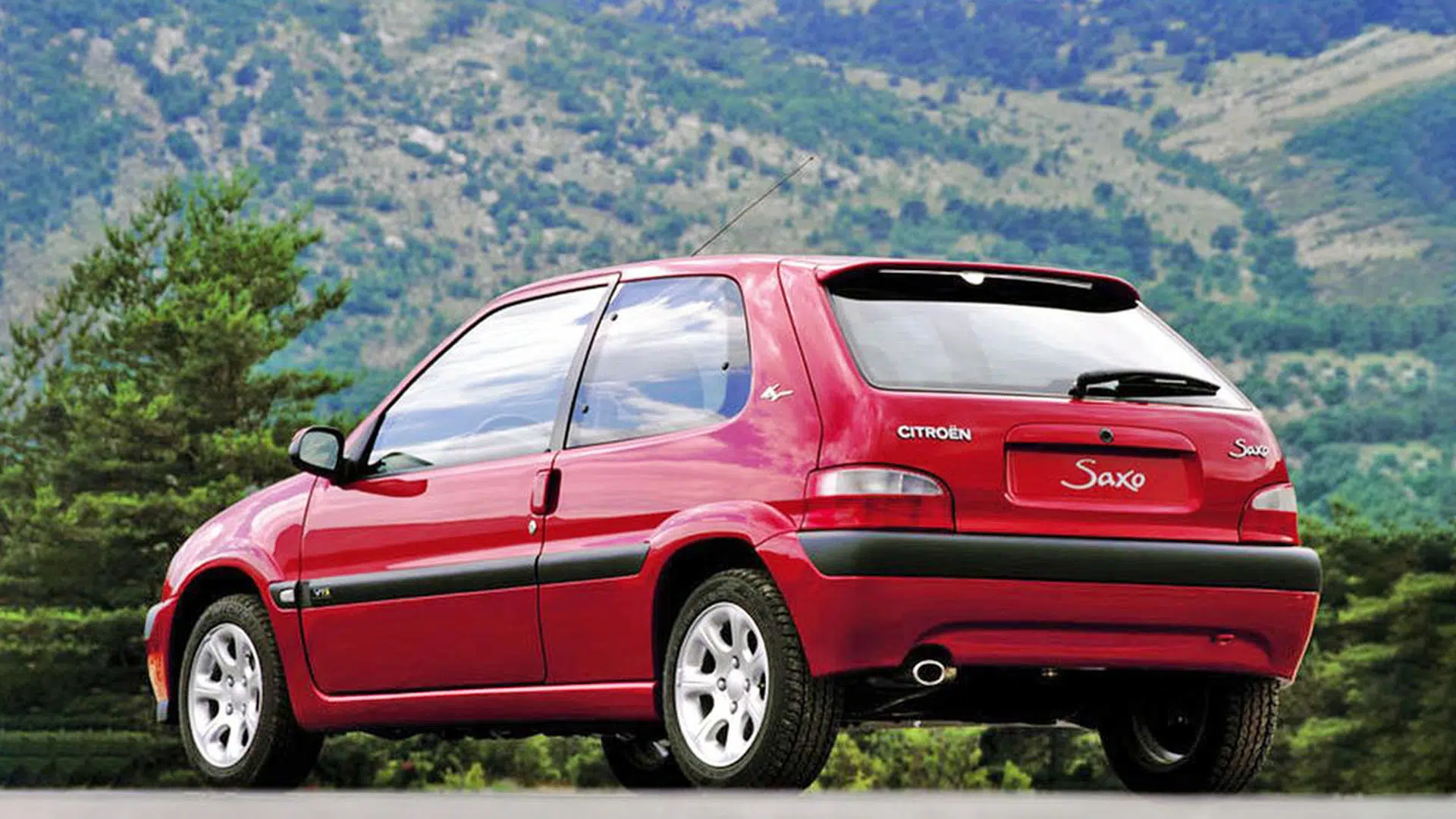 CITROEN
SAXO
View model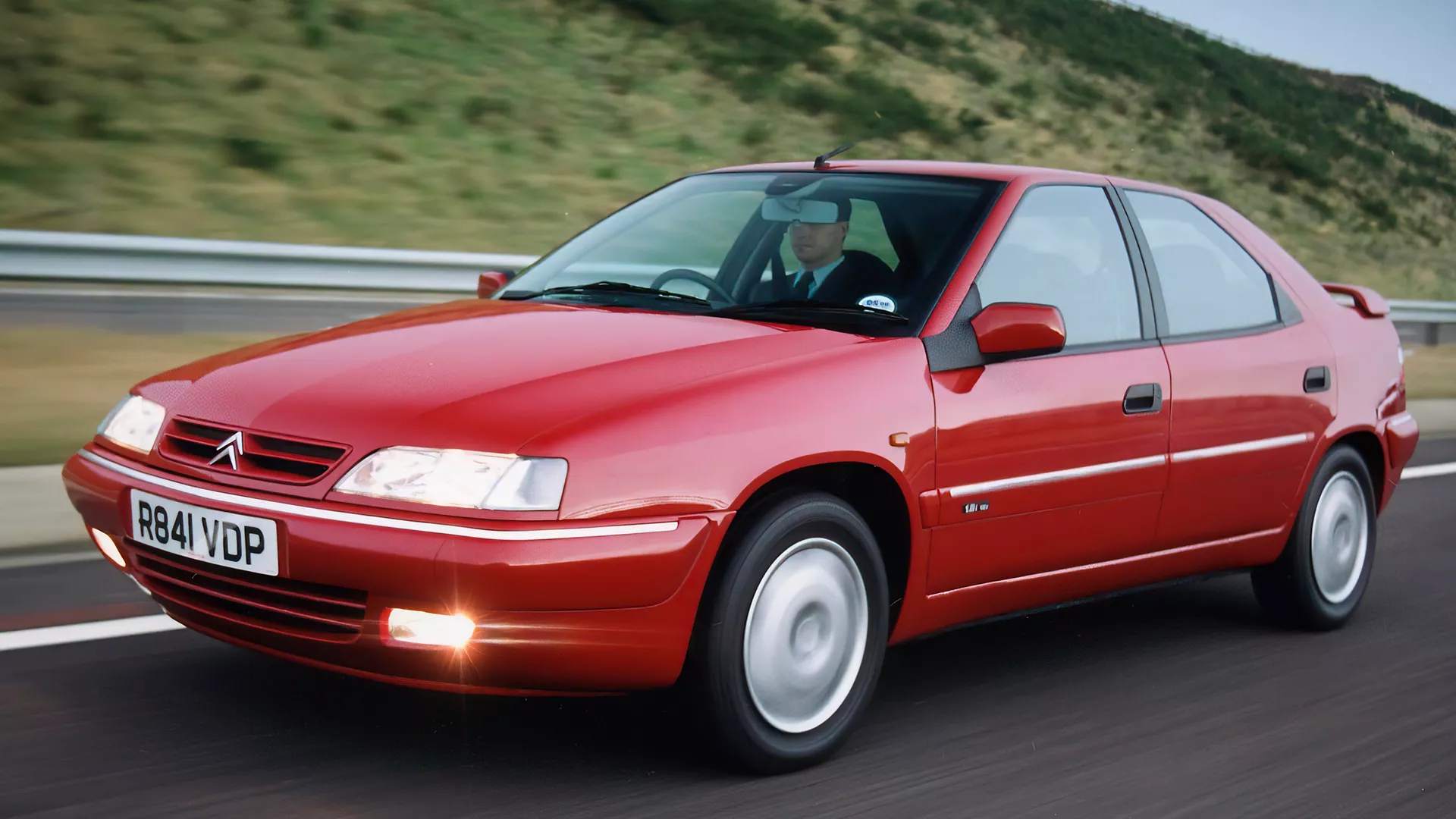 CITROEN
XANTIA
View model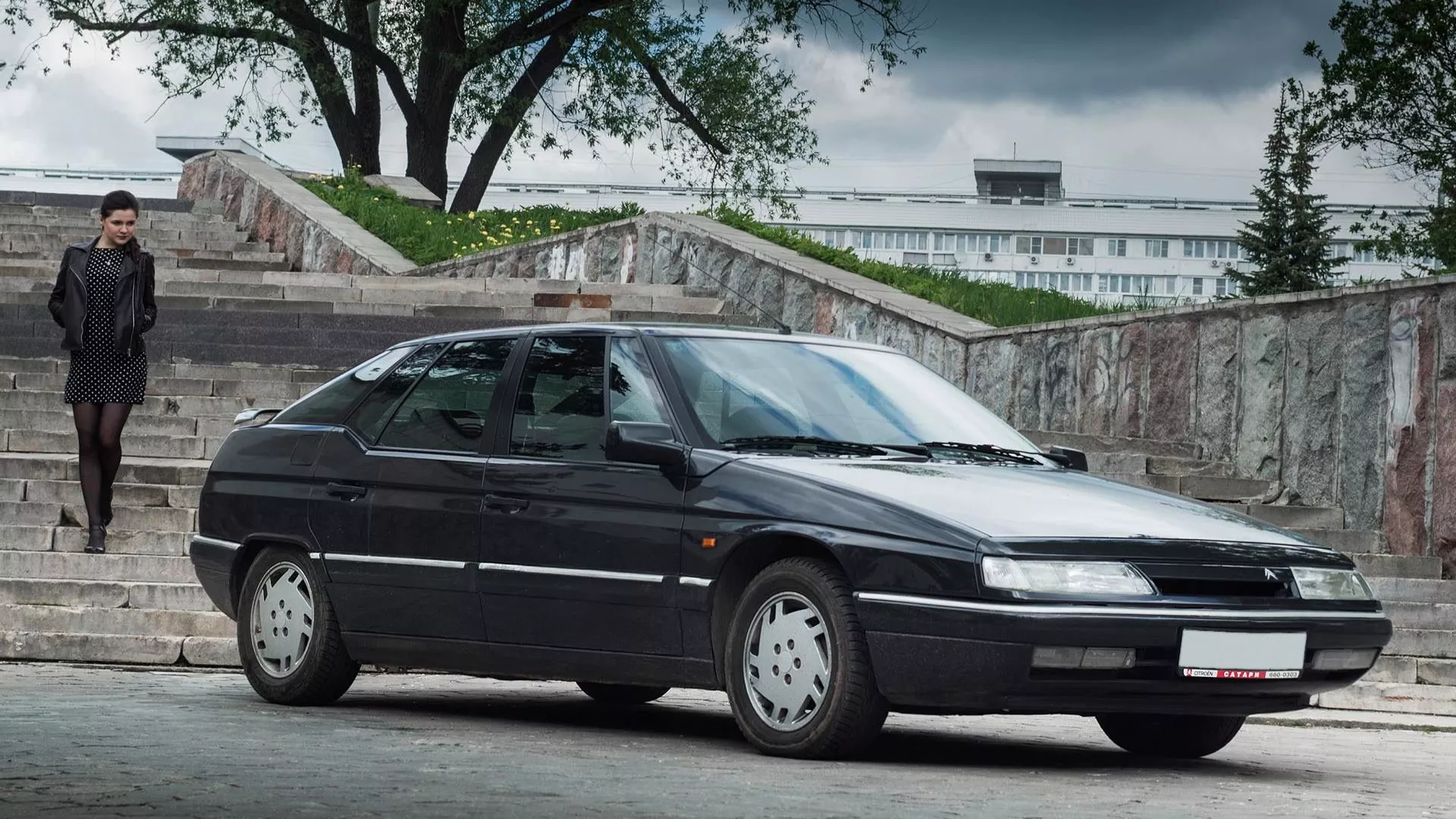 CITROEN
XM
View model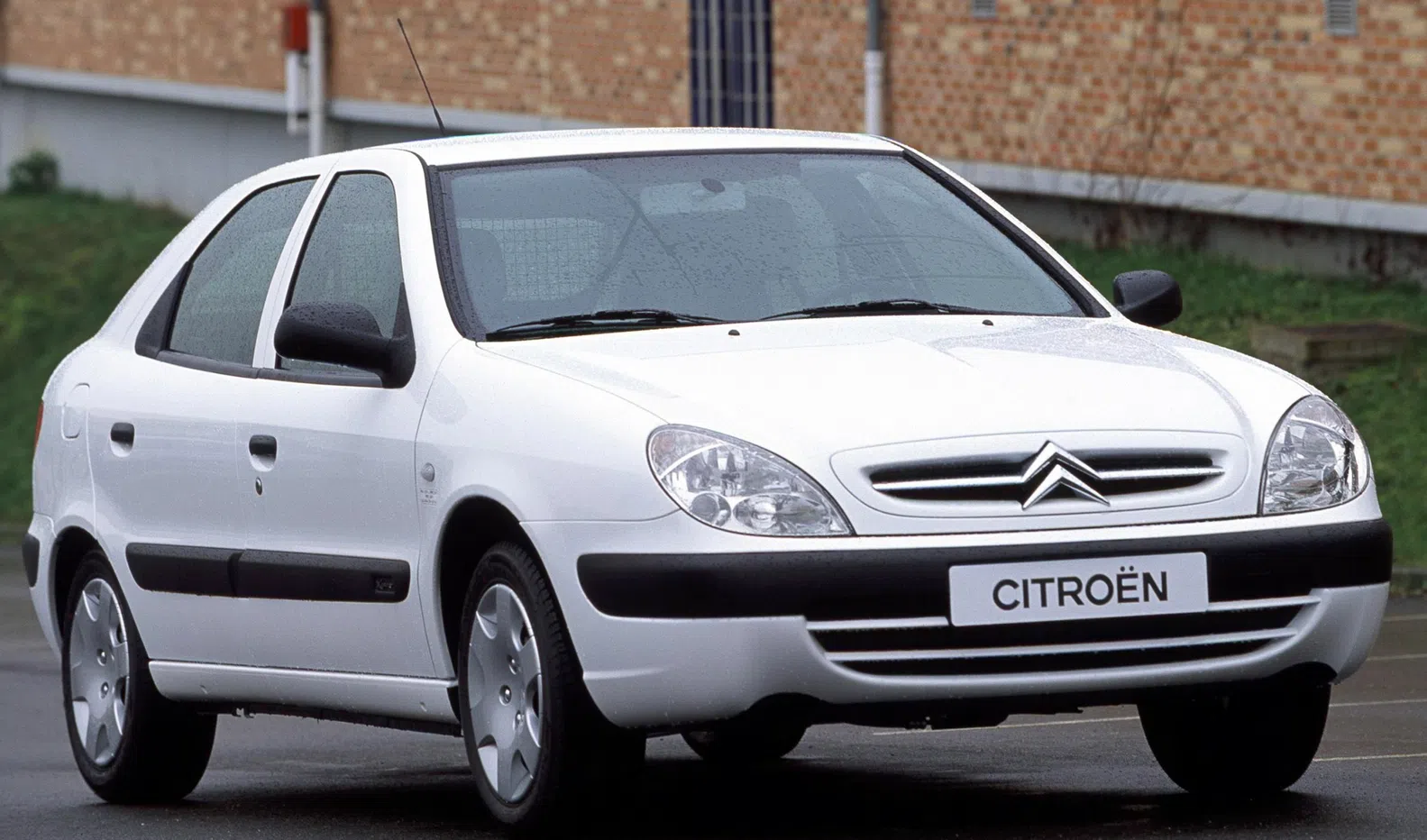 CITROEN
XSARA
View model CITROEN
XSARA PICASSO
View model CITROEN
ZX
View model- CITROEN
View all models