
CITROEN XANTIATiming chain or Belt?
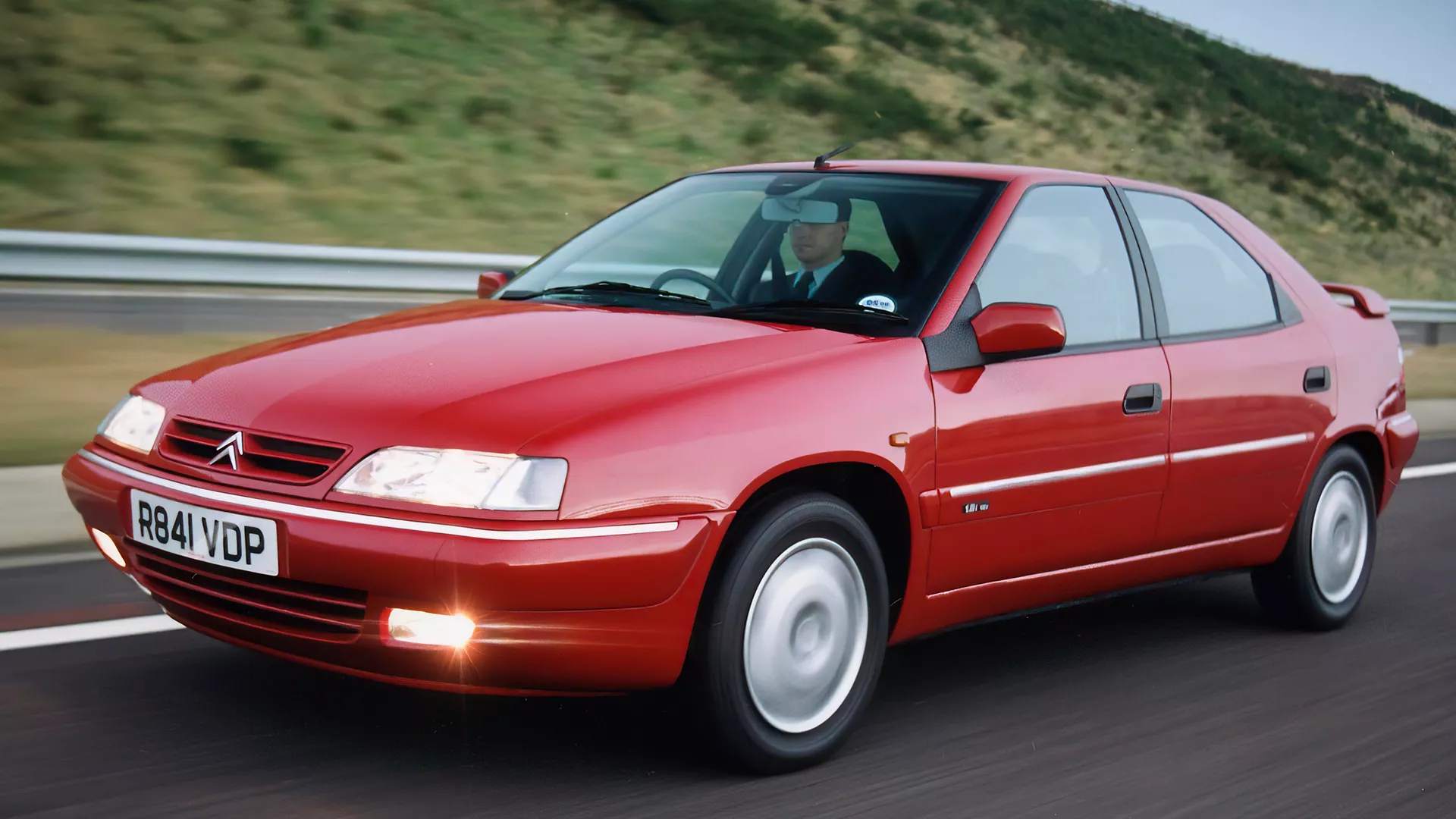
About CITROEN XANTIA
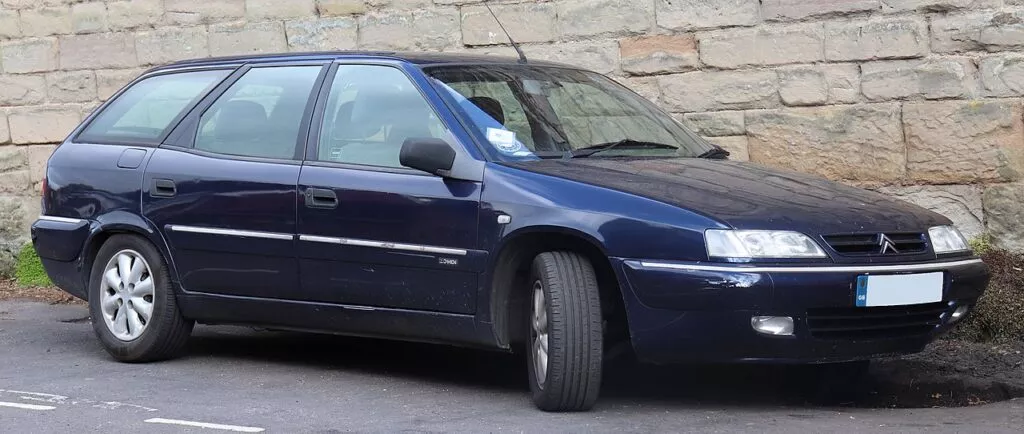
The Citroën Xantia is a D-segment car manufactured by the French firm Citroën, within the PSA Group. It was produced between March 1993 and March 2001. Designed by Bertone, the Xantia replaced the Citroën BX and was successively replaced by the Citroën C5.
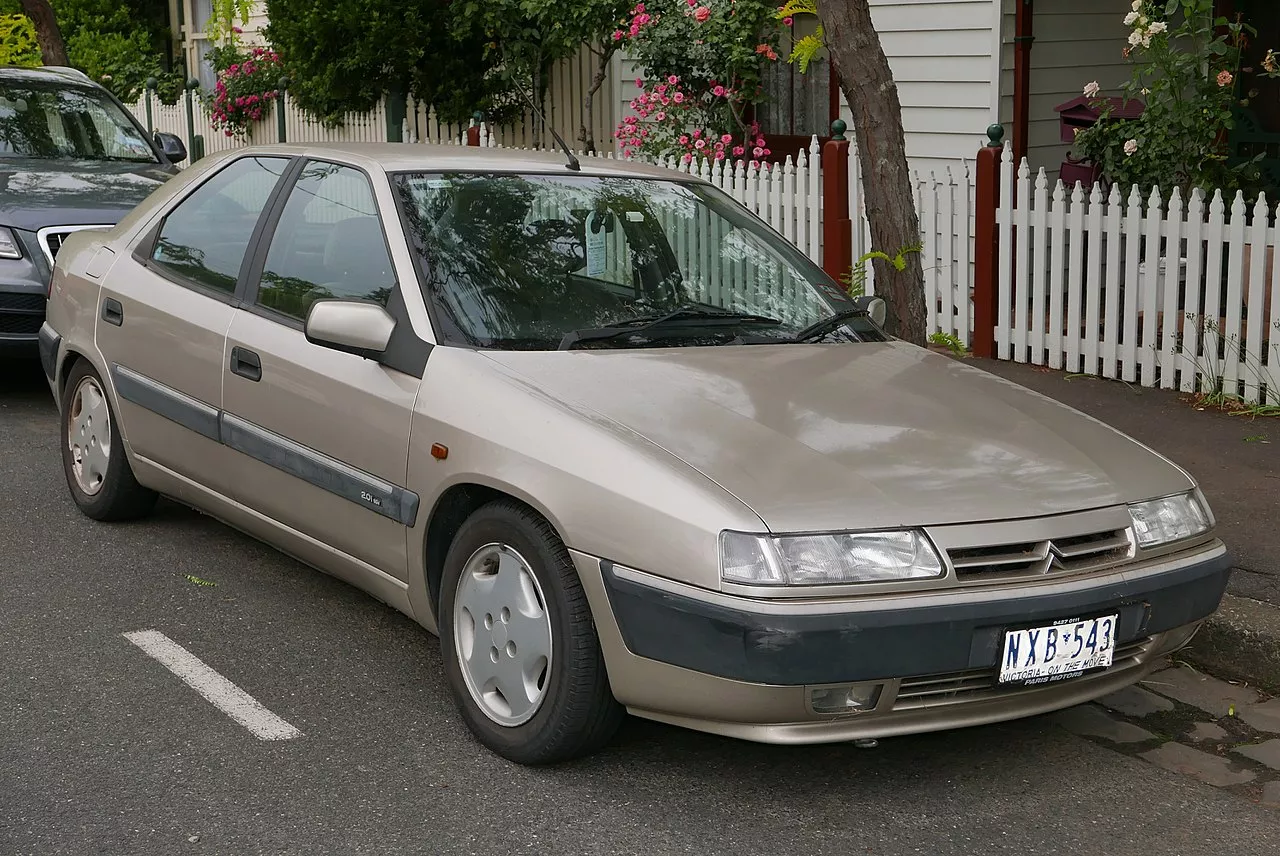
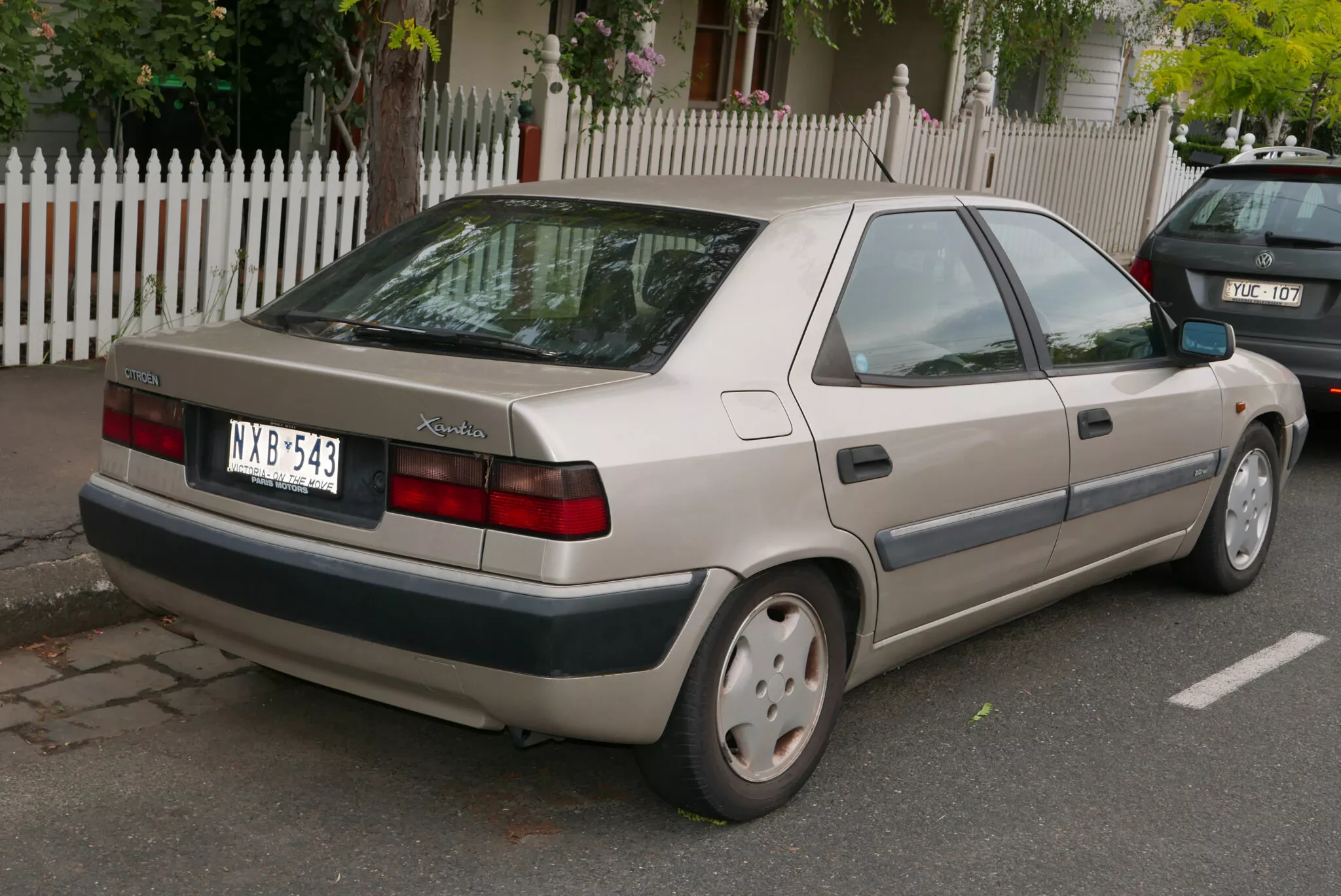
The design of the Xantia sought a balance between personal aesthetics and a less risky commercial appearance. Bertone's choice resulted in a sedan with personal lines, especially in the resolution of its rear end.
The Xantia stood out for its handling and ride comfort. It incorporated a self-steering rear axle and hydropneumatic suspension, making it extremely stable with exceptional cornering grip. The basic models incorporated a hydropneumatic circuit for the suspension and brakes similar to that of the BX. The higher versions included Hydractive II, which allowed the suspension behavior to be modified between sport and comfort.
The Xantia offered a variety of both gasoline and diesel engines, with displacements ranging from 1.6 to 3 liters, and power outputs from 69 hp to 190 hp in gasoline and 68 hp to 109 hp in diesel.
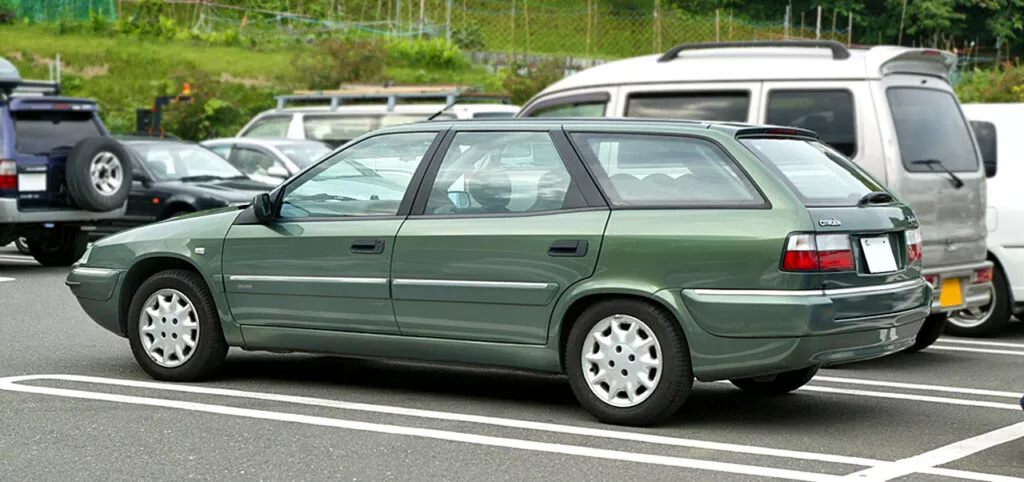
The Citroën Xantia only had one generation, although it did have two phases. In addition, it was sold in both sedan and station wagon body styles. The Xantia restyling in 1998 brought advancements in passive and active safety, exterior redesign, and engine changes, especially in the diesel versions.
Among the alternatives to the Citroën Xantia were the Ford Mondeo, the Renault Laguna, the Opel Vectra, and the Nissan Primera, among many others.
Jump to a generation:
#1CITROEN XANTIA - Generation I(1993)X1X2
LiftbackX1X2
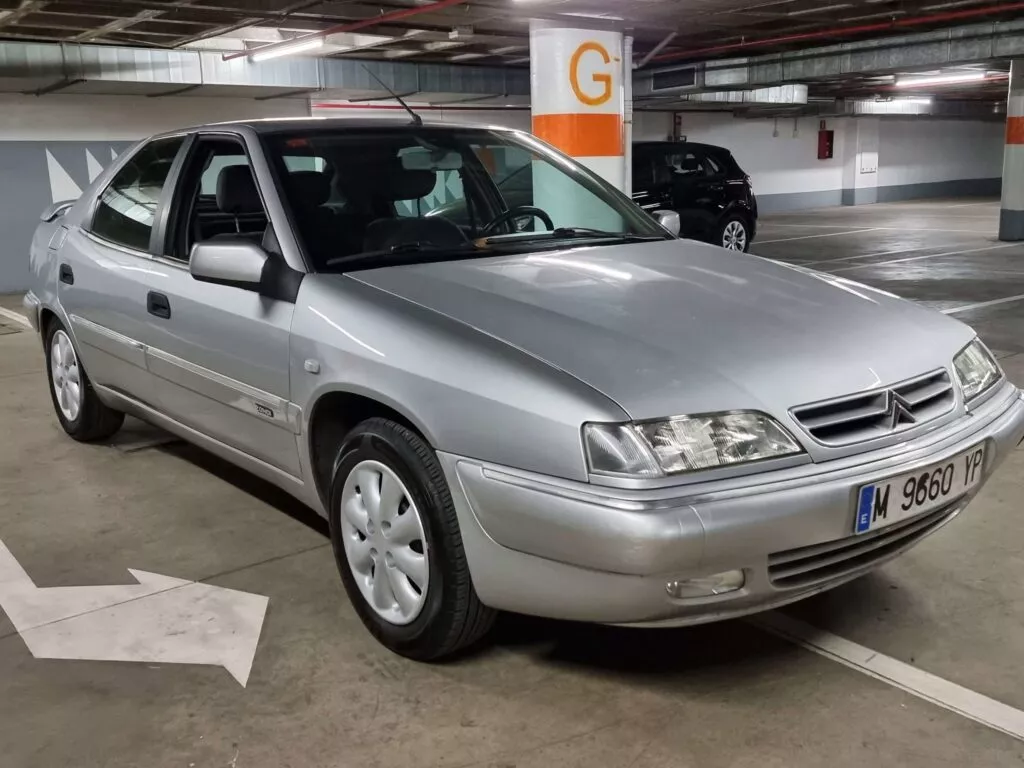
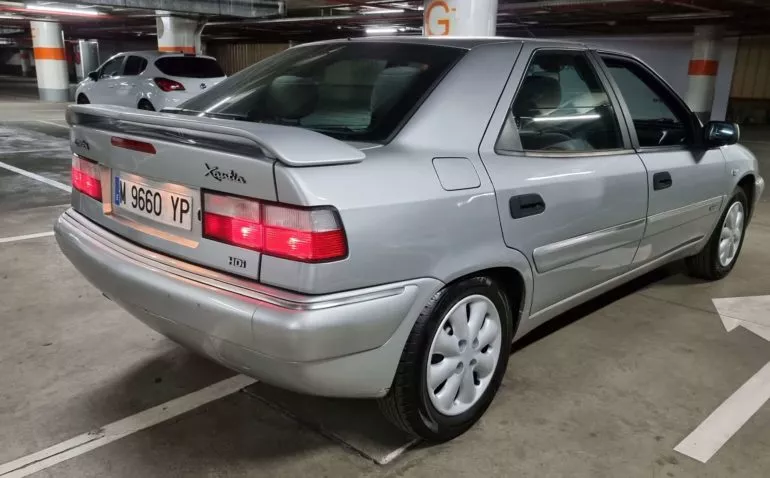
Familiar / BreakX1X2
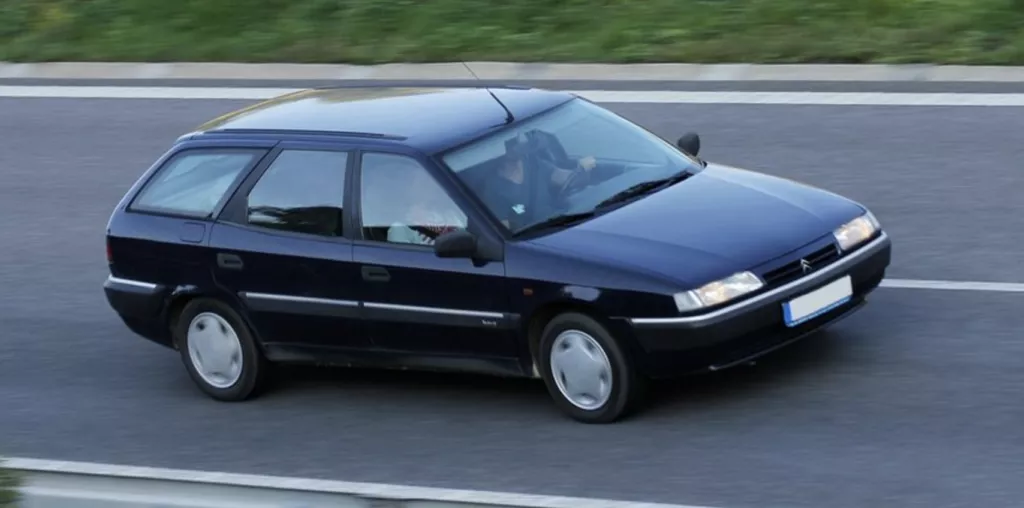
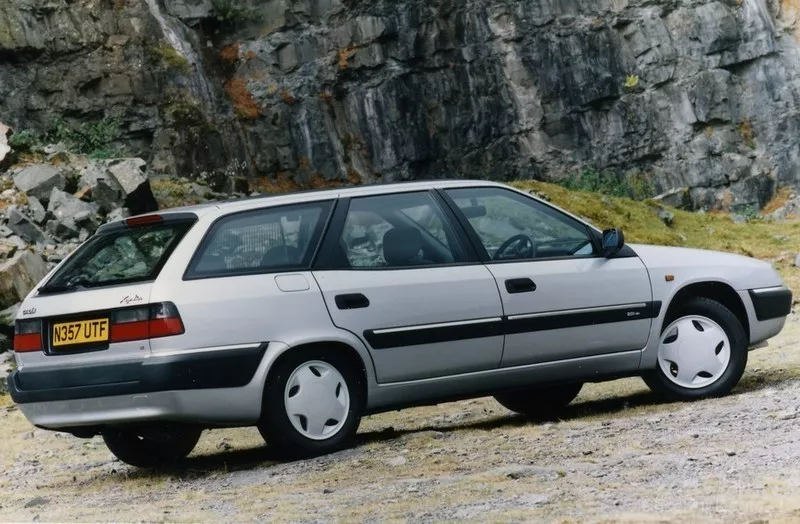
View more models from CITROEN
 CITROEN
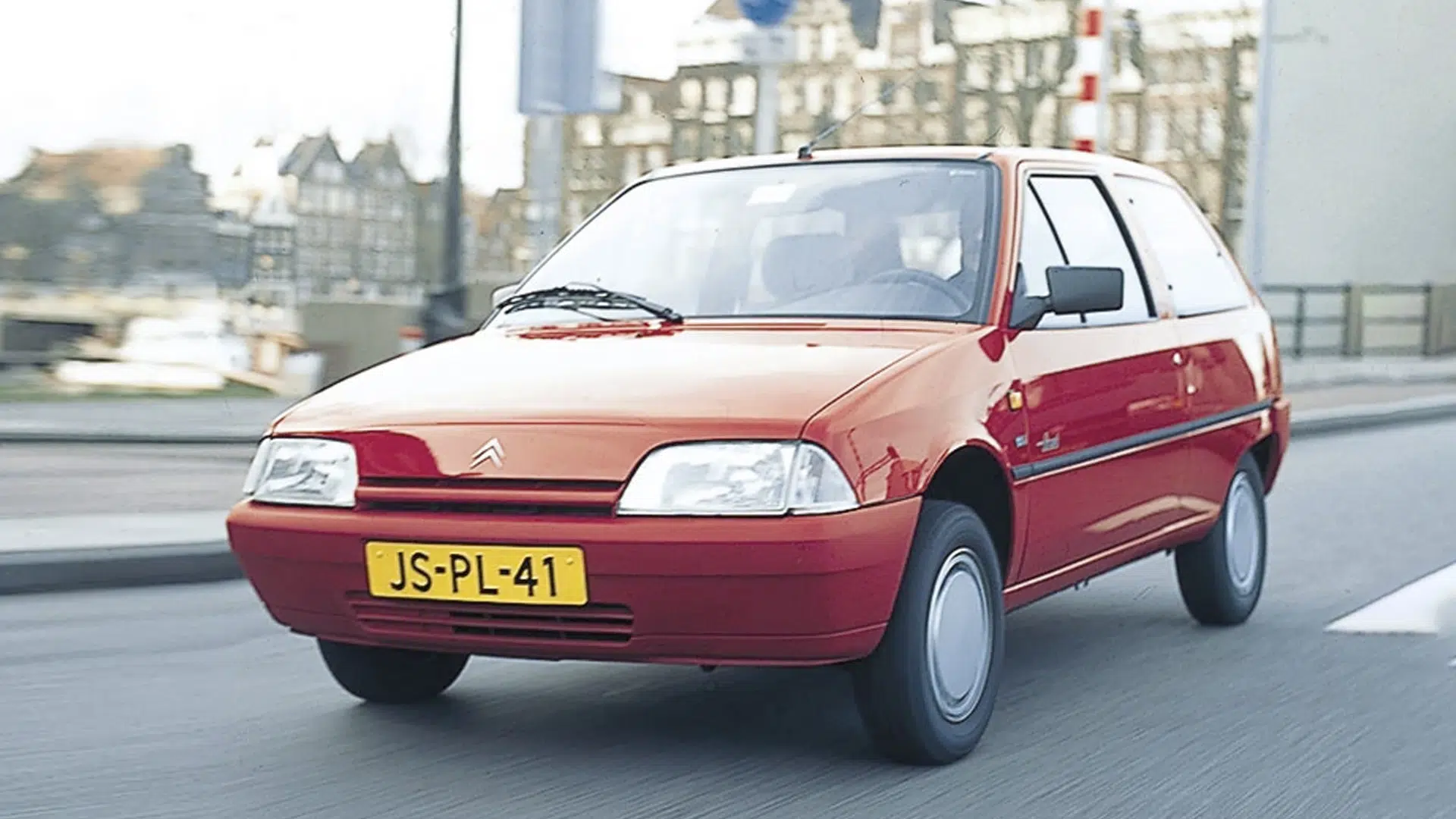
AX
View model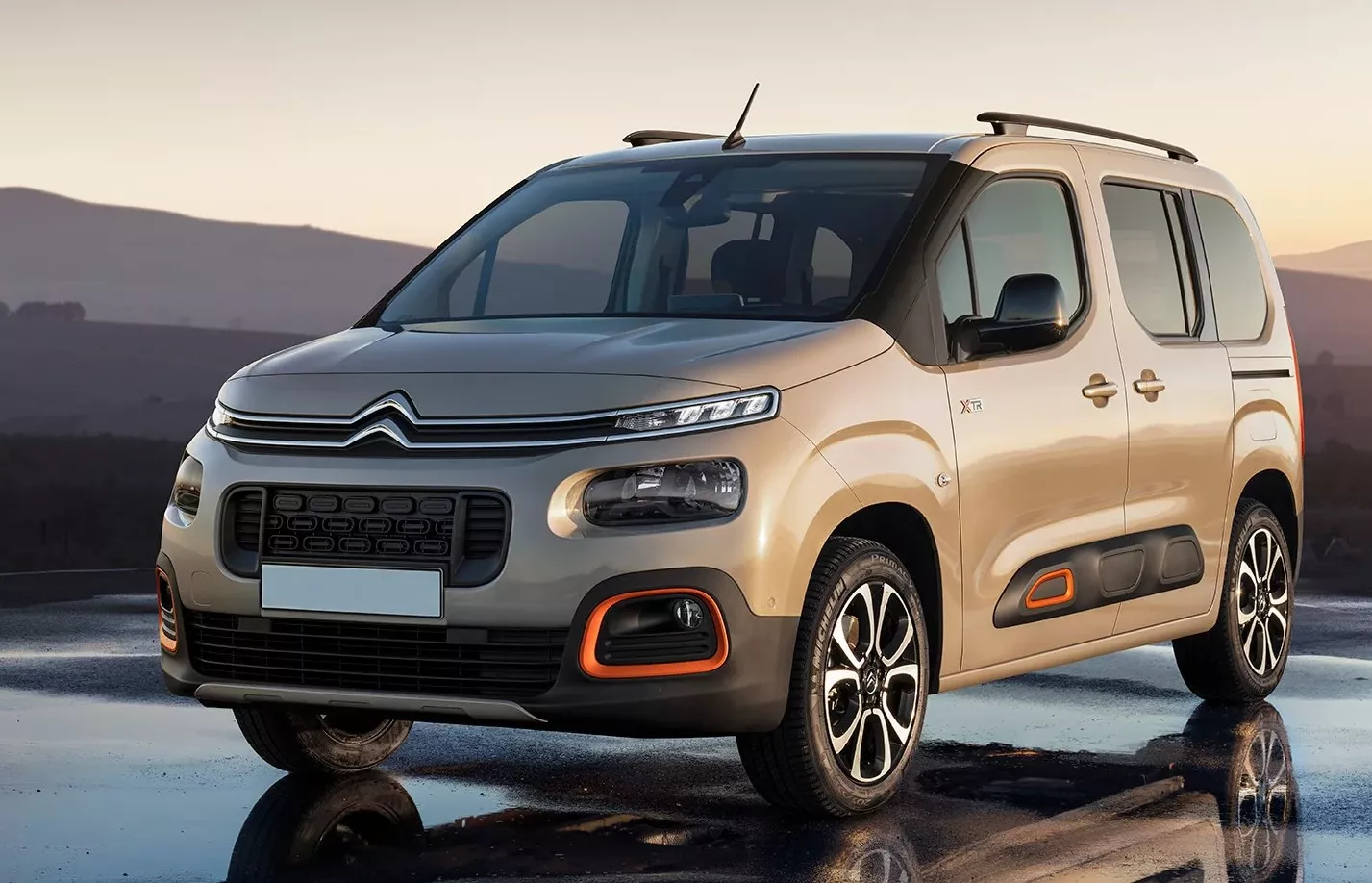 CITROEN
BERLINGO
View model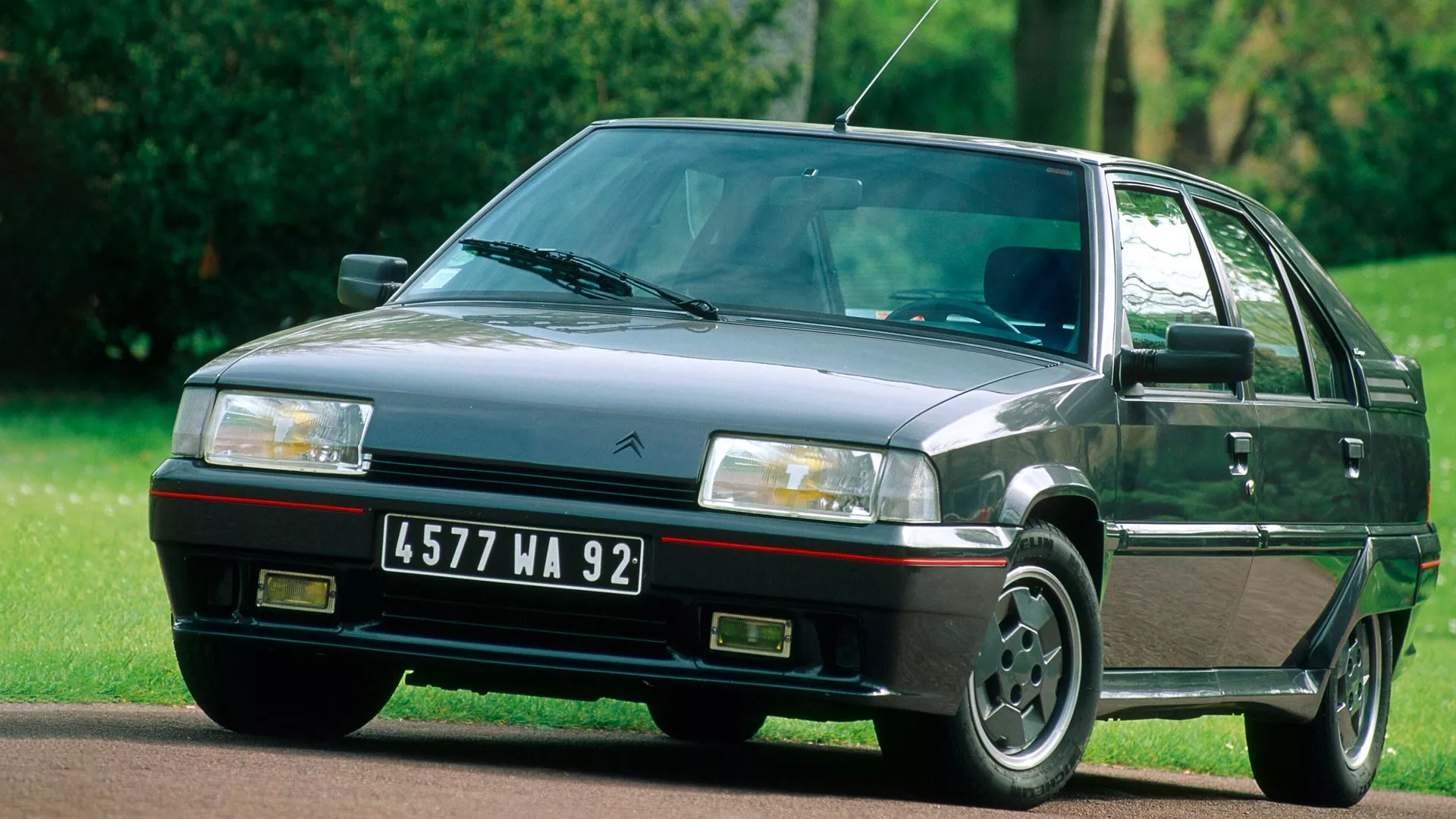 CITROEN
BX
View model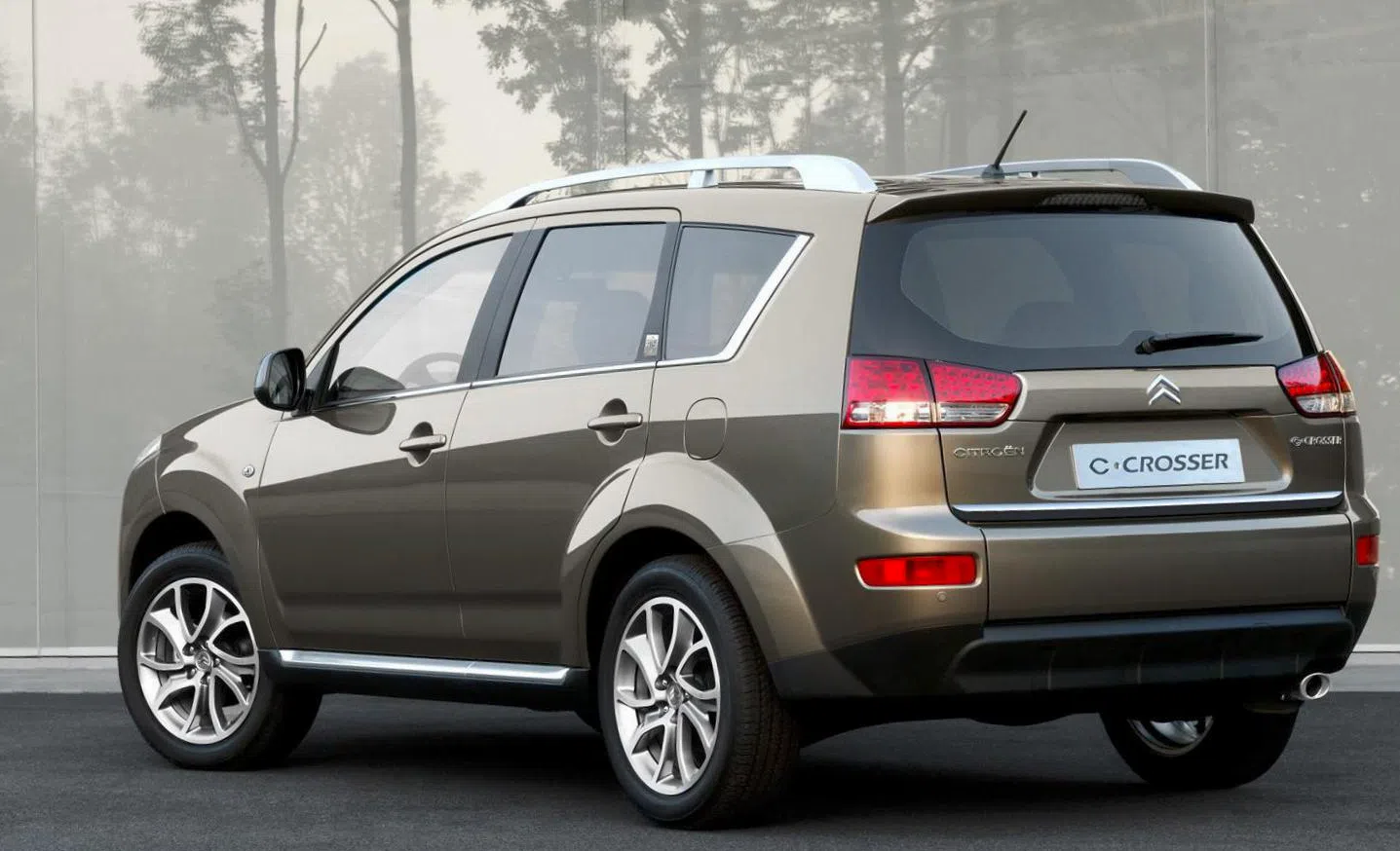 CITROEN
C-CROSSER
View model CITROEN
C-ELYSEE
View model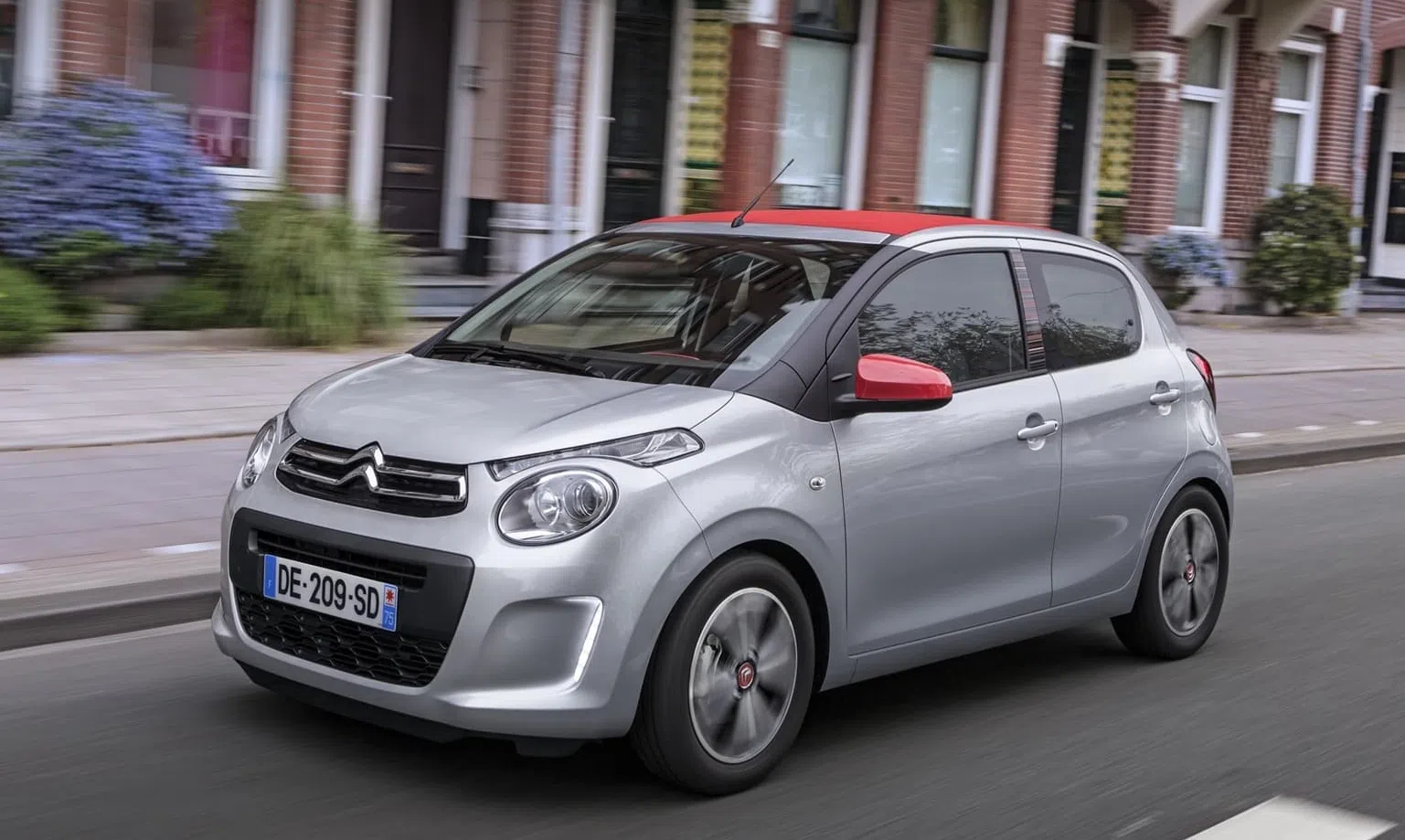 CITROEN
C1
View model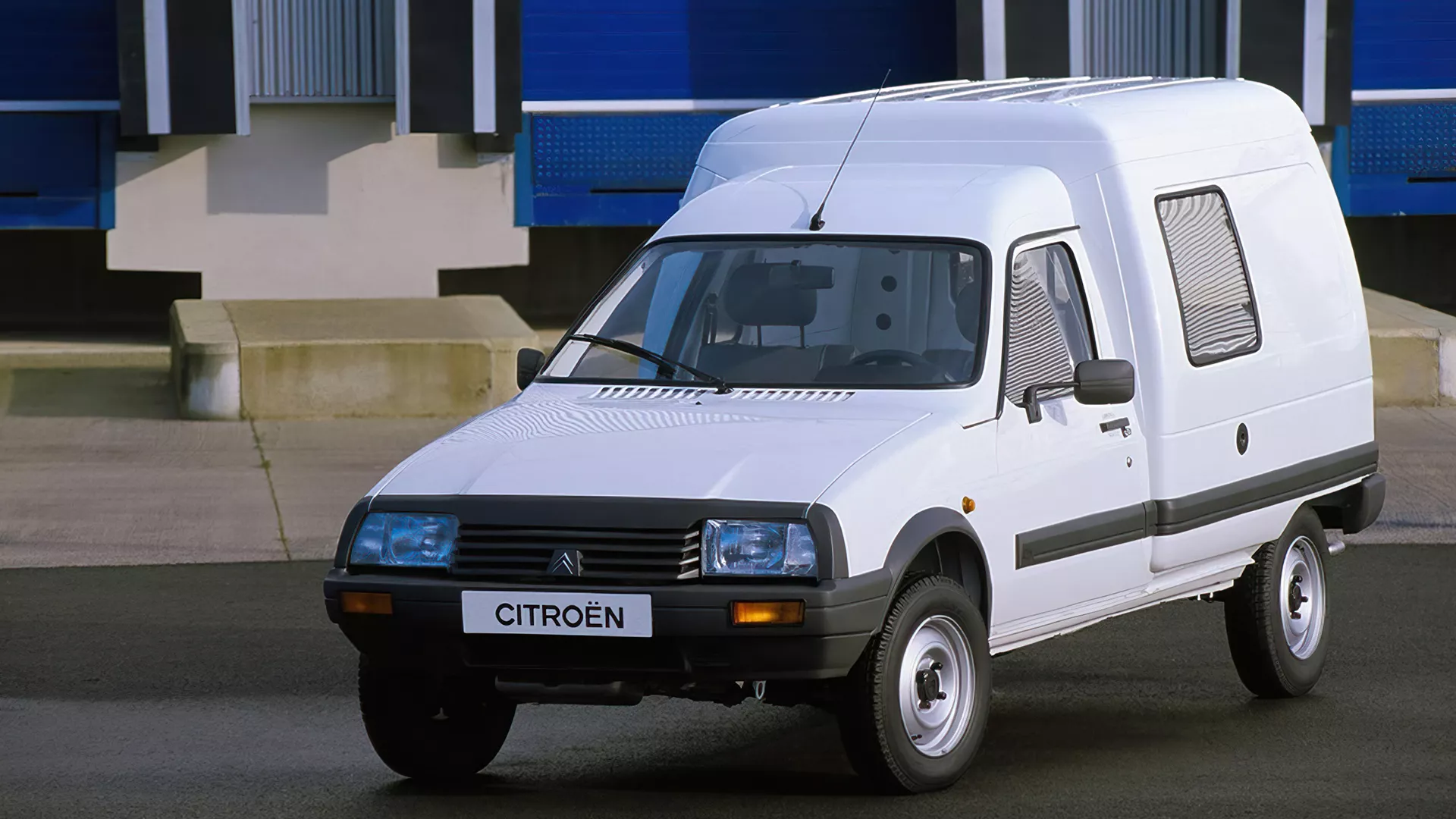 CITROEN
C15
View model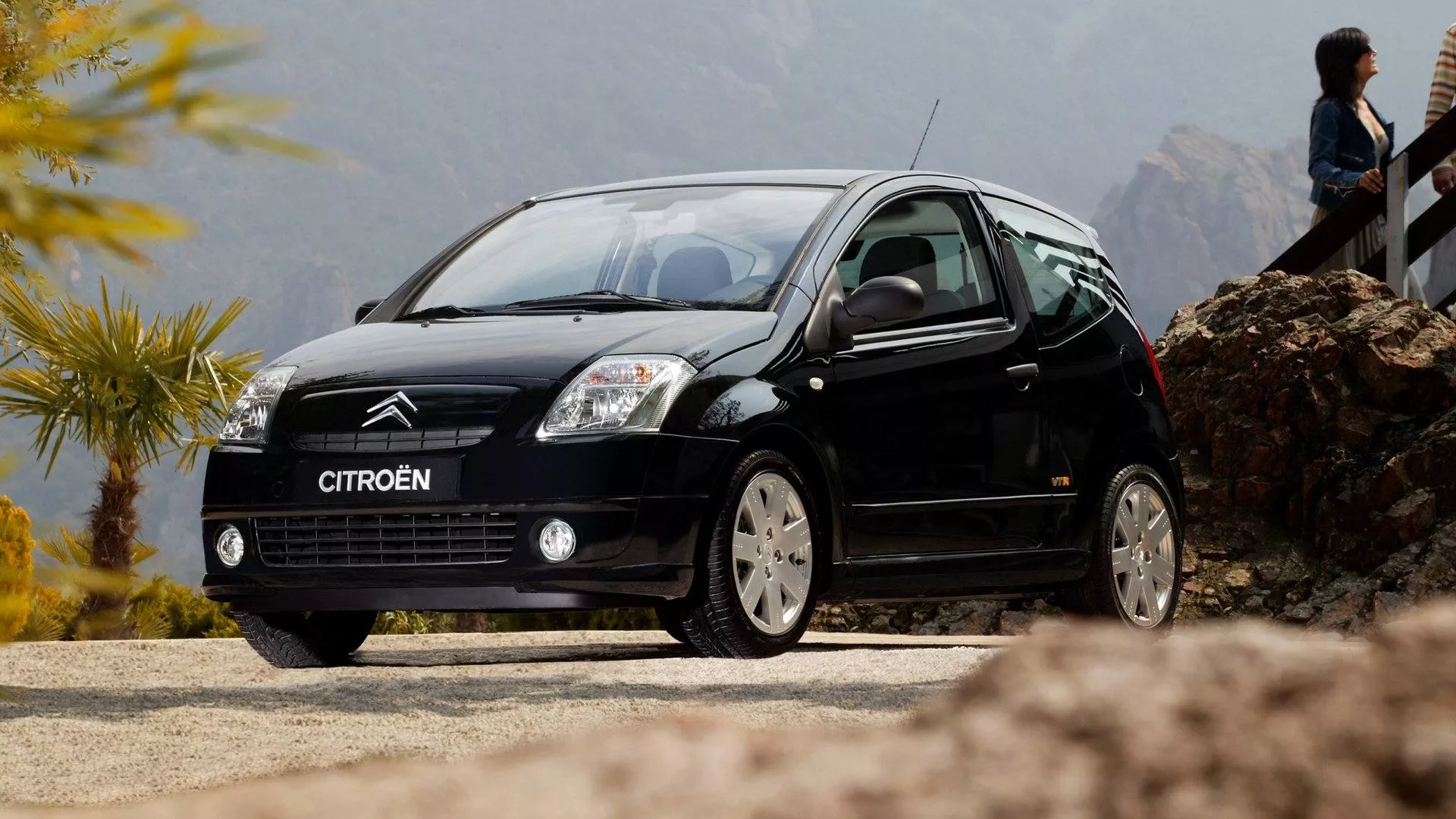 CITROEN
C2
View model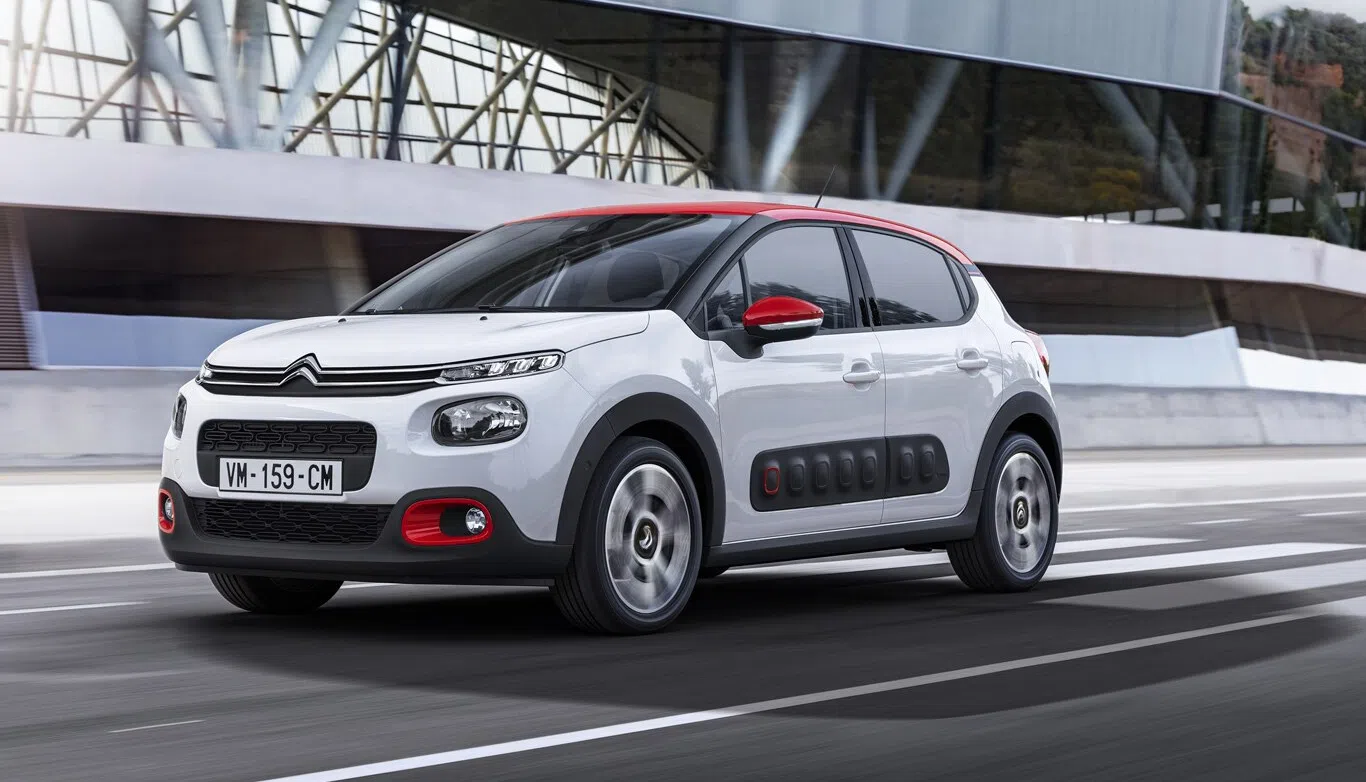 CITROEN
C3
View model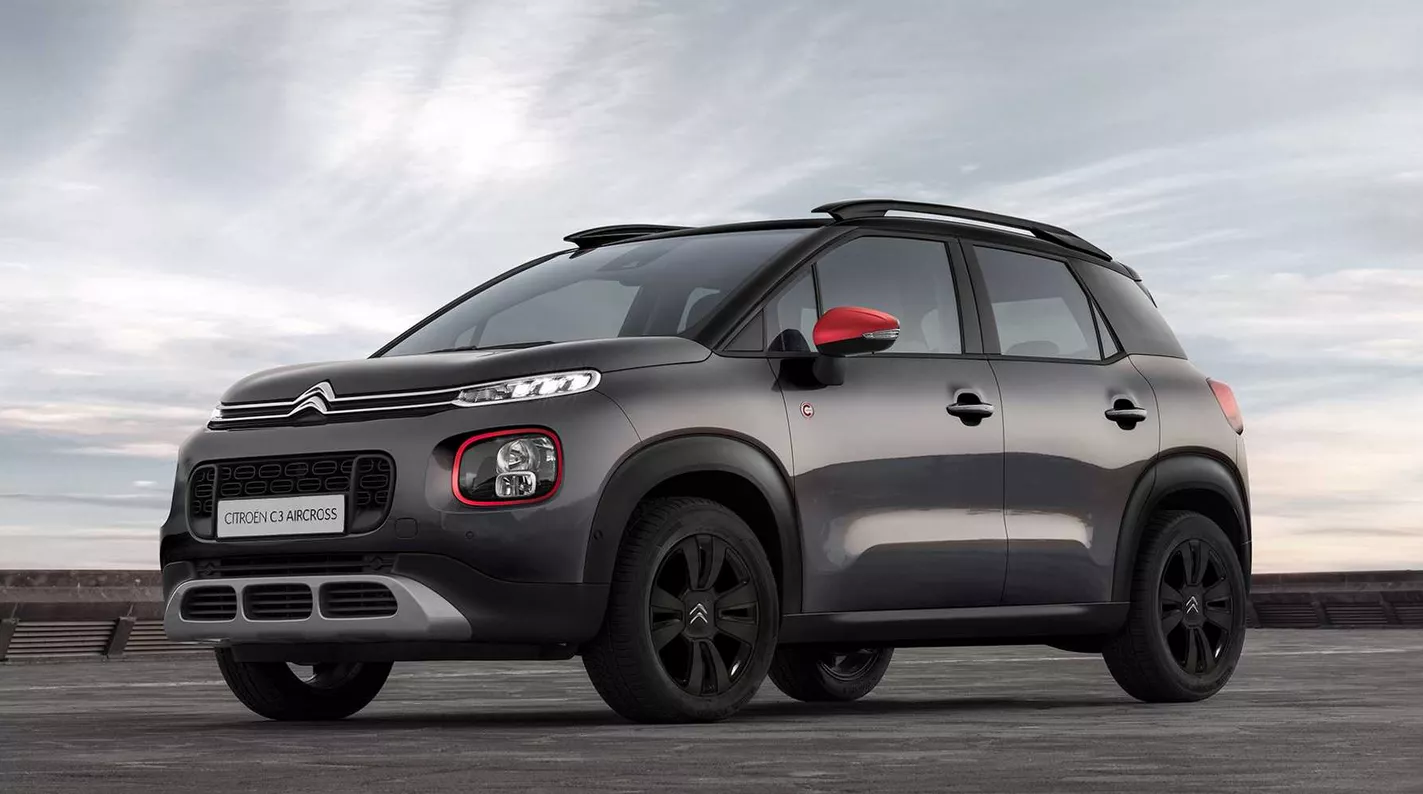 CITROEN
C3 AIRCROSS
View model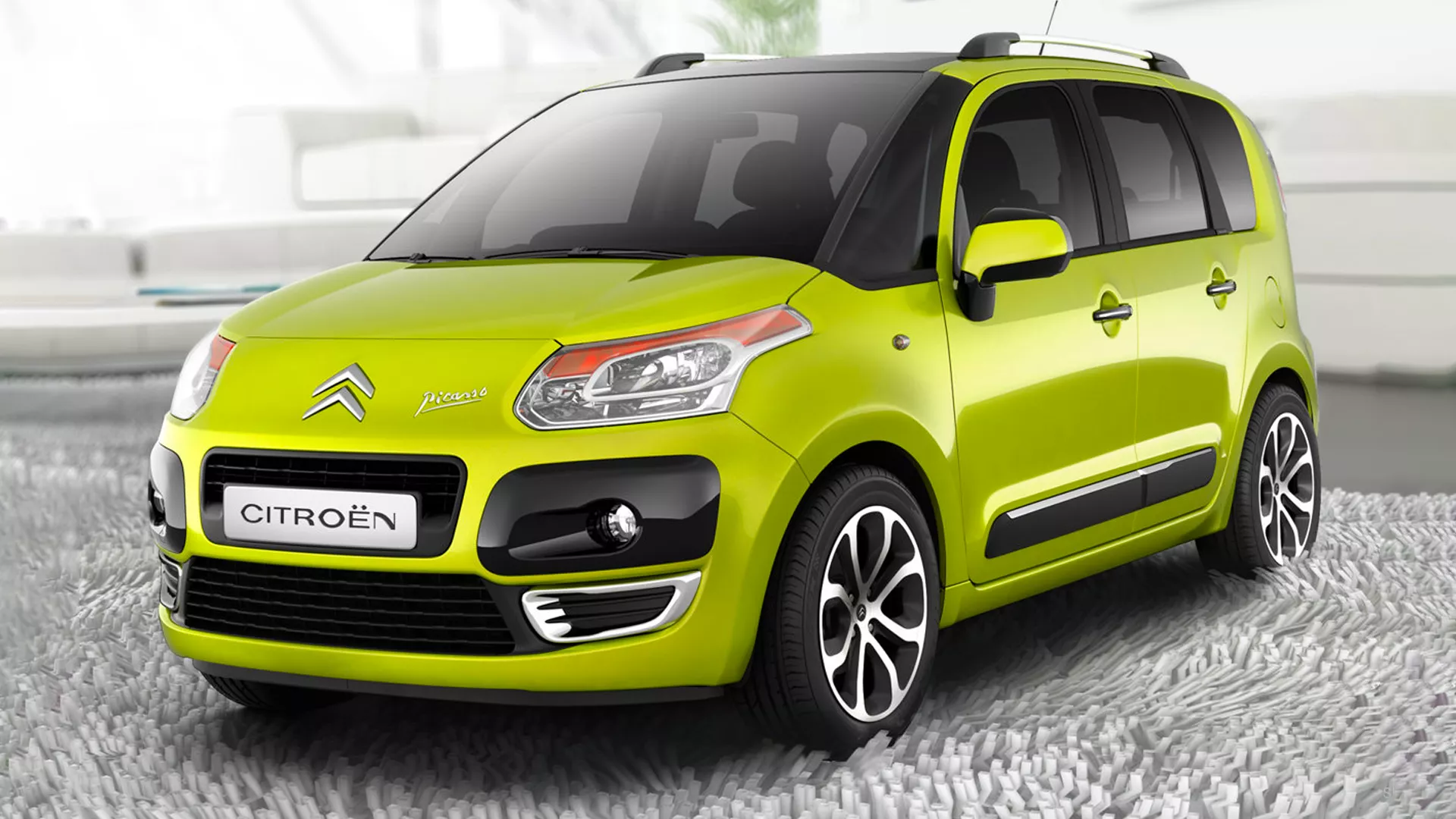 CITROEN
C3 PICASSO
View model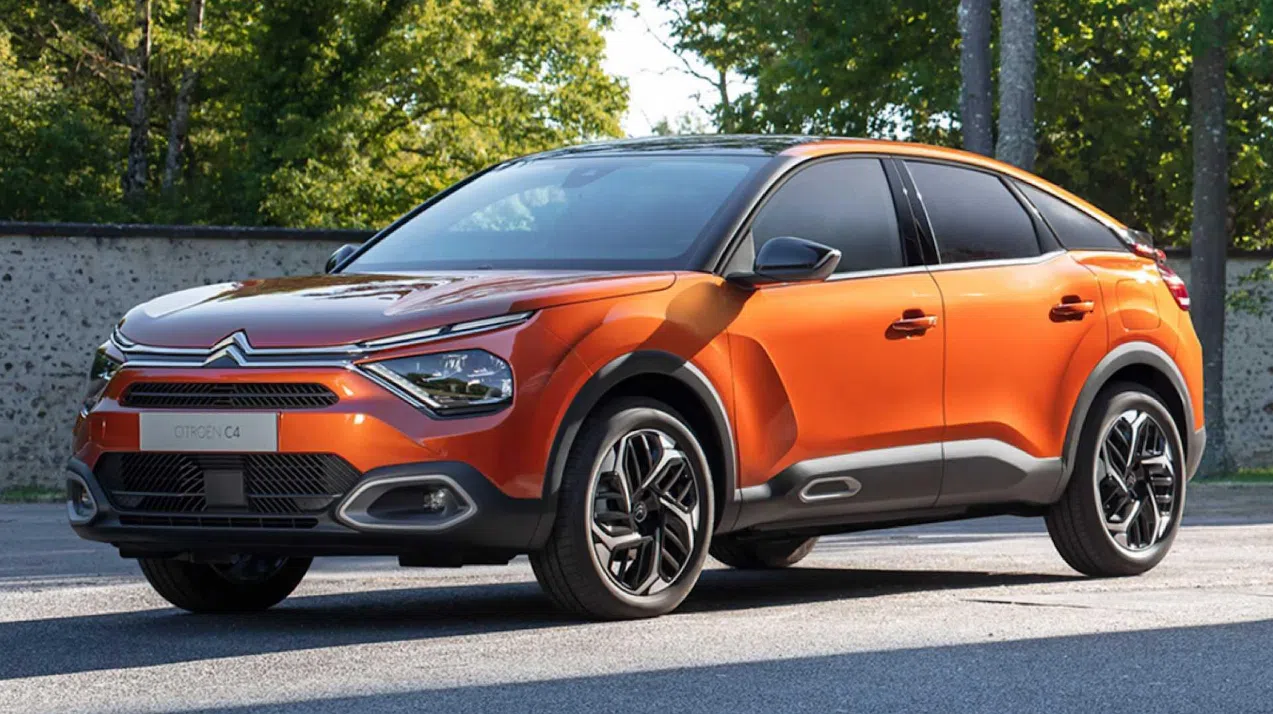 CITROEN
C4
View model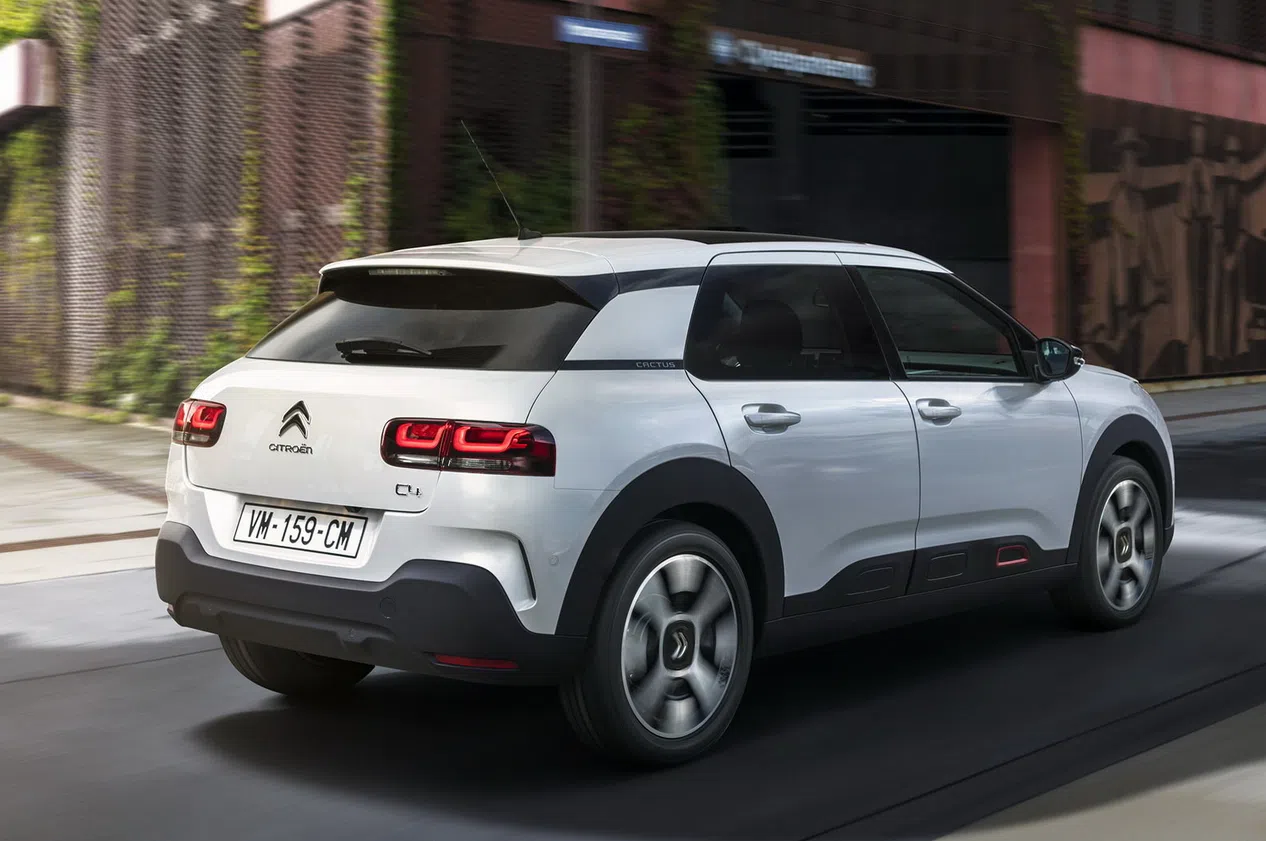 CITROEN
C4 CACTUS
View model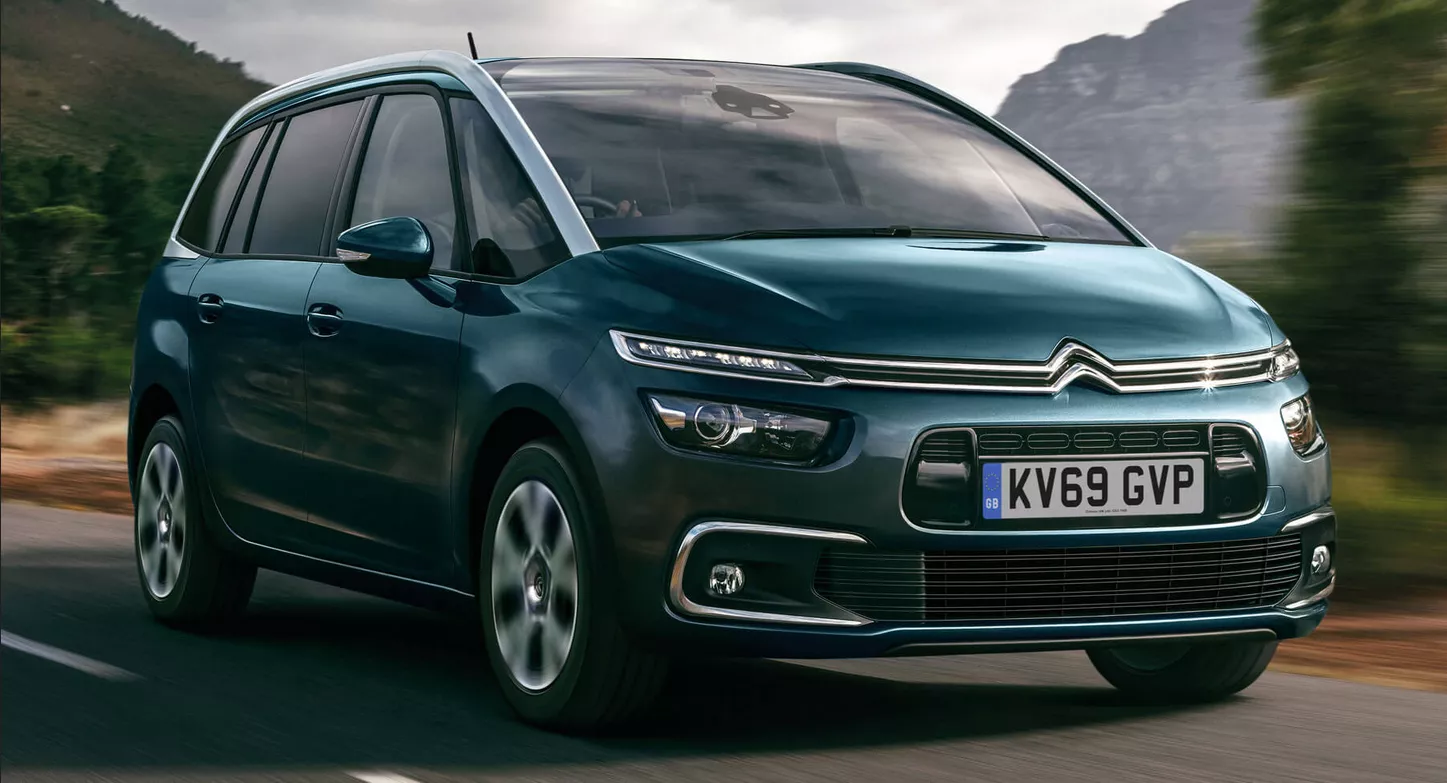 CITROEN
C4 PICASSO / SPACETOURER
View model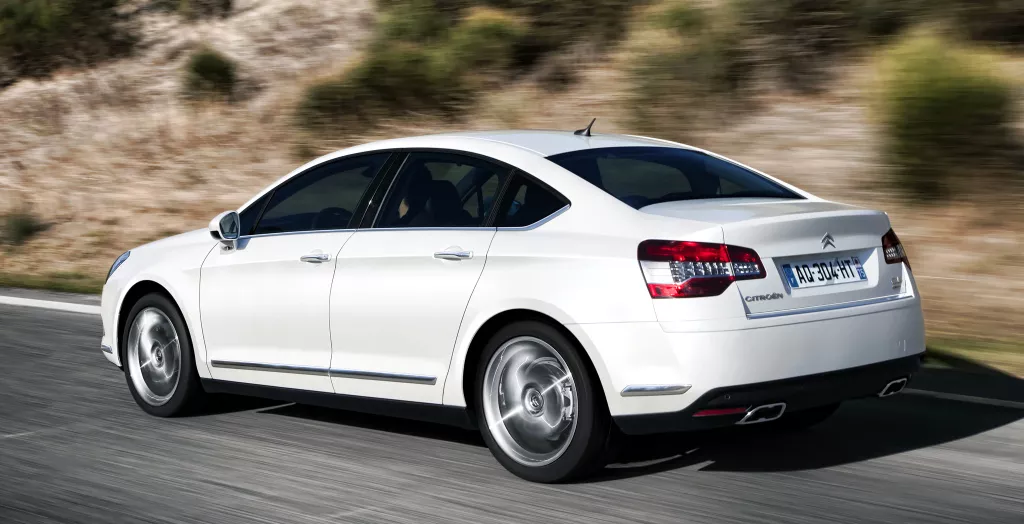 CITROEN
C5
View model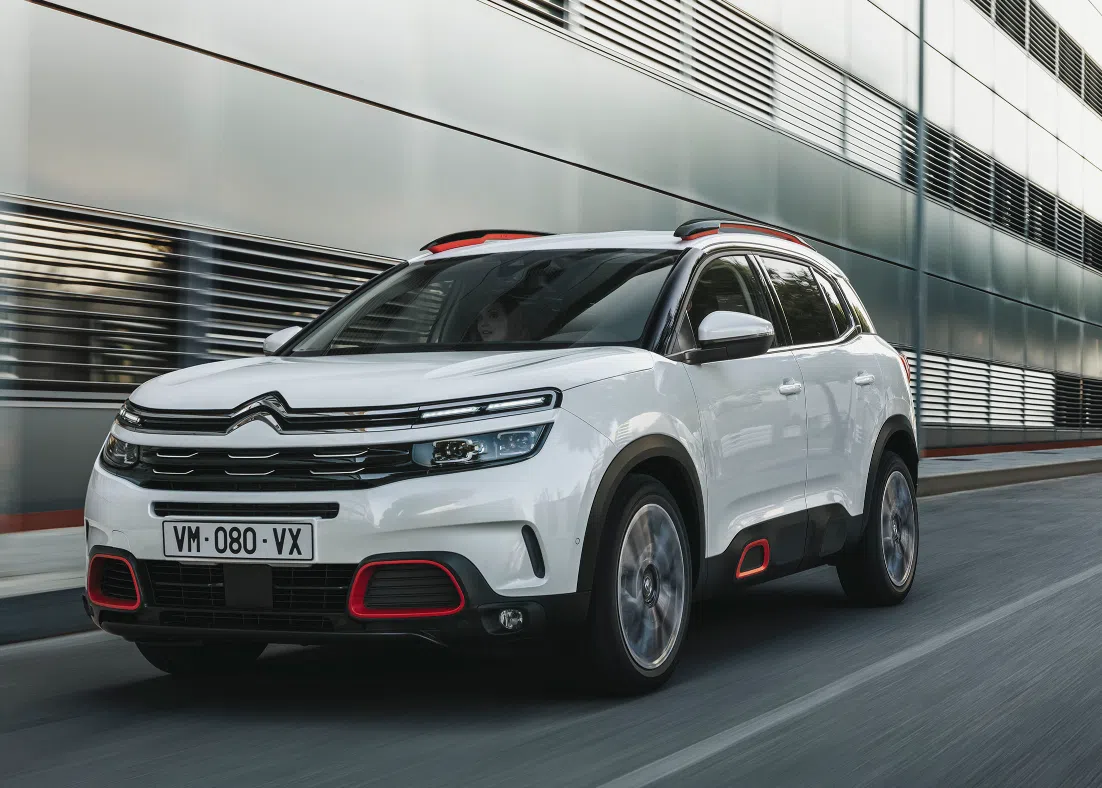 CITROEN
C5 AIRCROSS
View model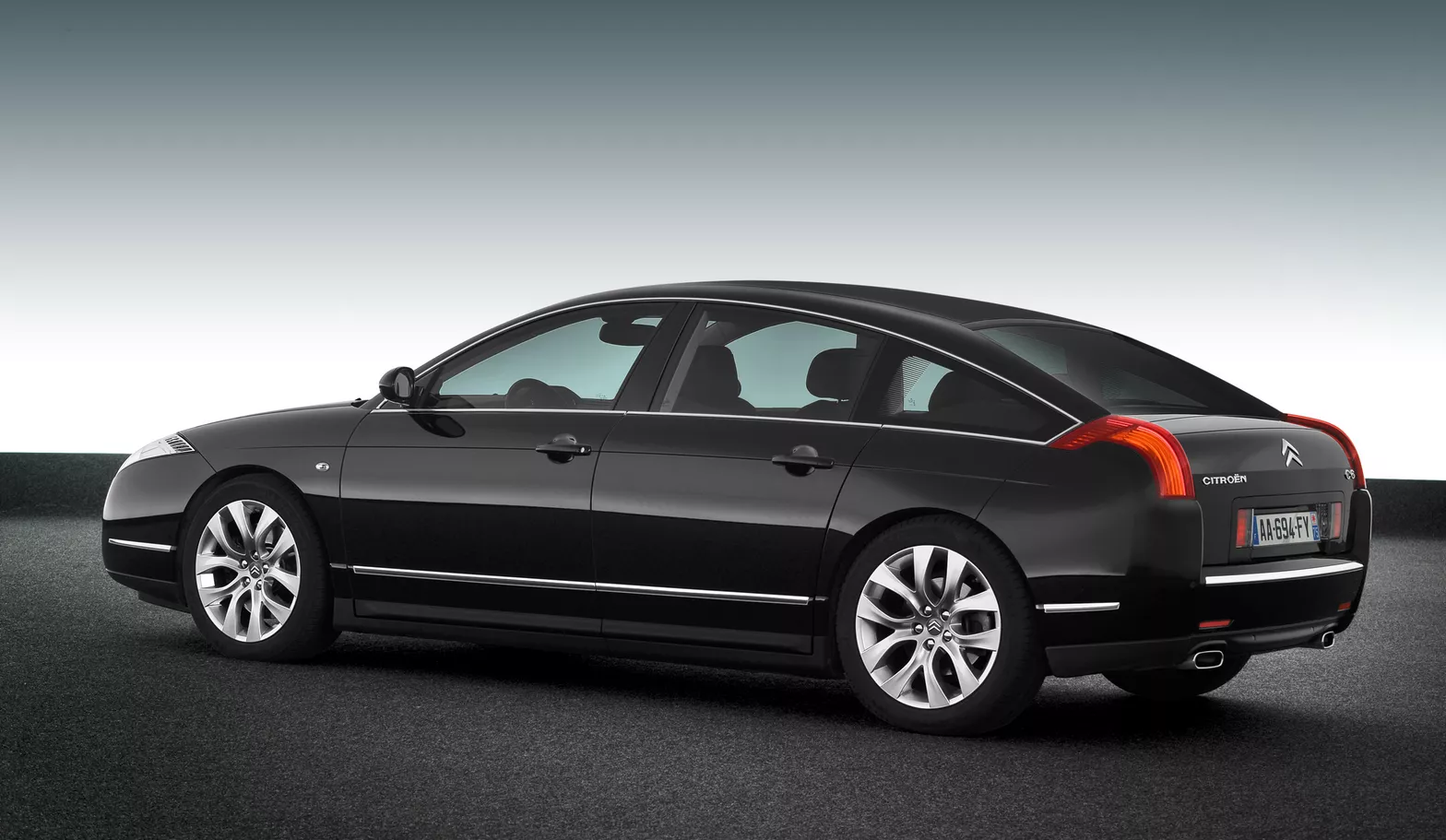 CITROEN
C6
View model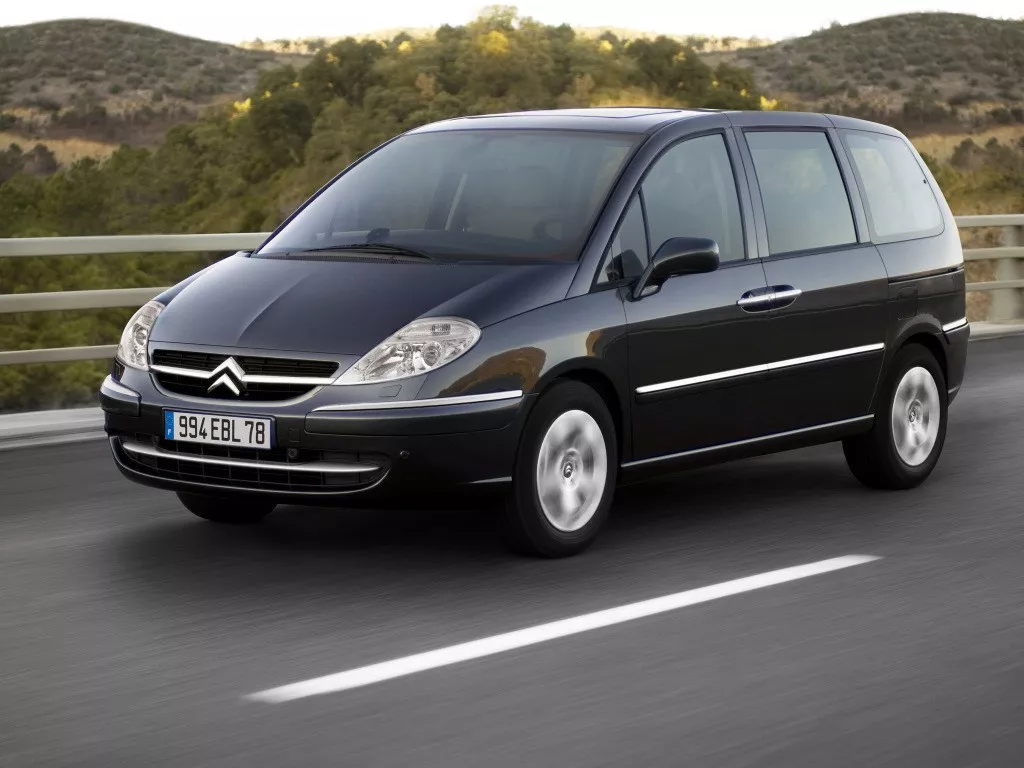 CITROEN
C8
View model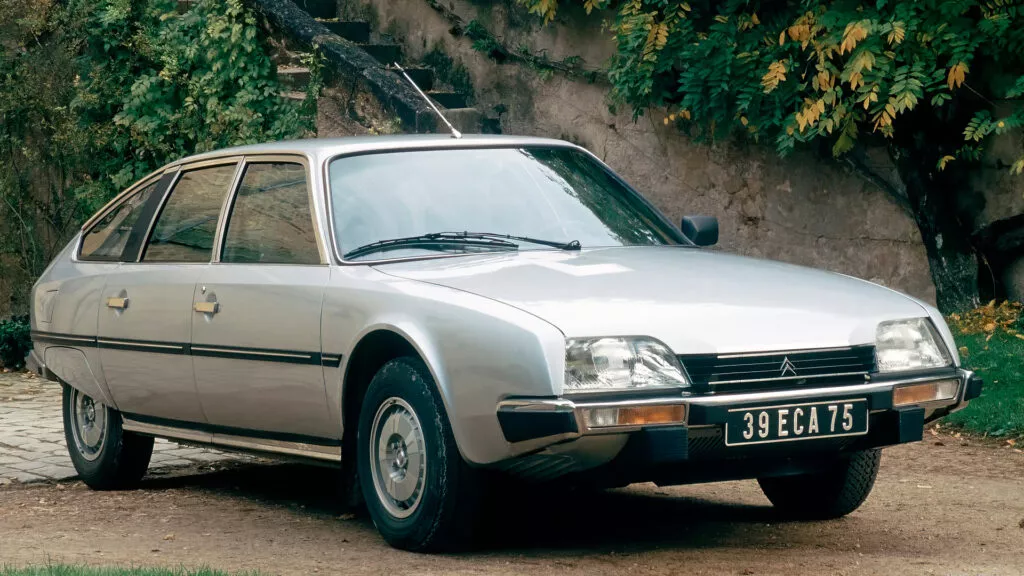 CITROEN
CX
View model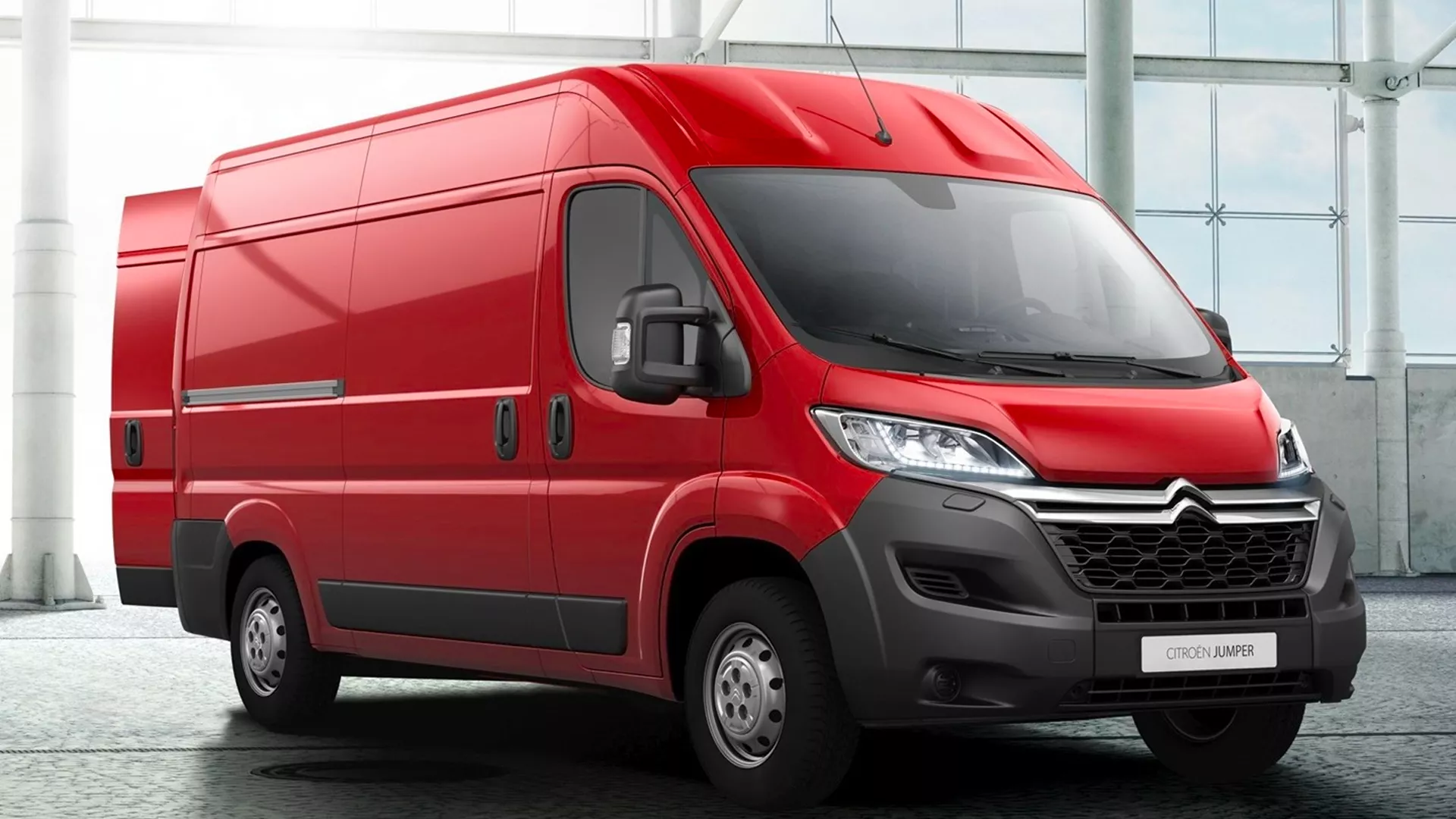 CITROEN
JUMPER
View model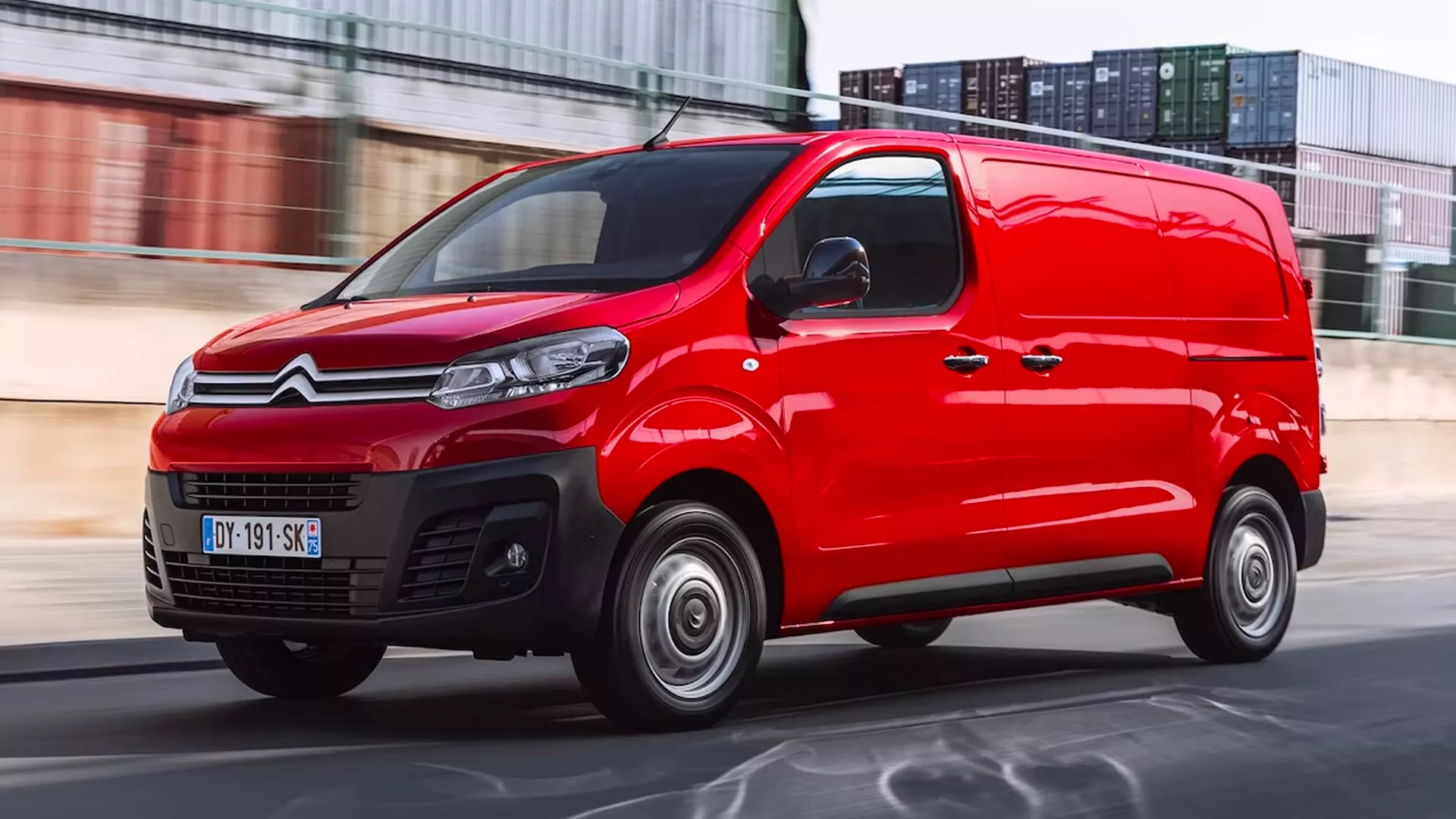 CITROEN
JUMPY
View model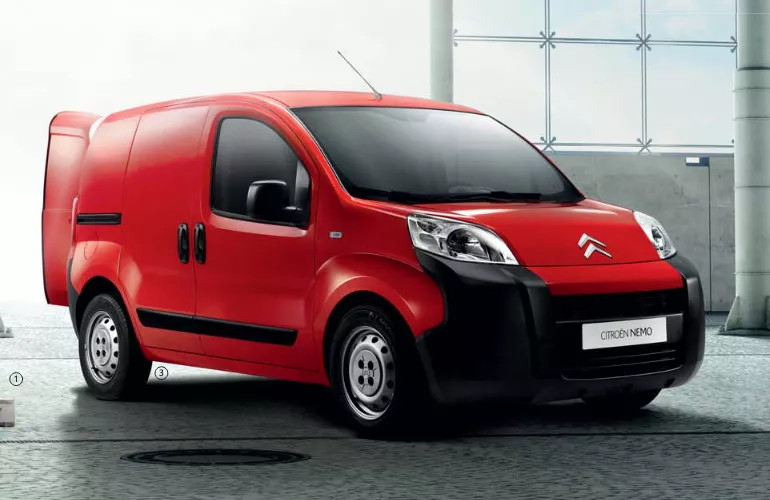 CITROEN
NEMO
View model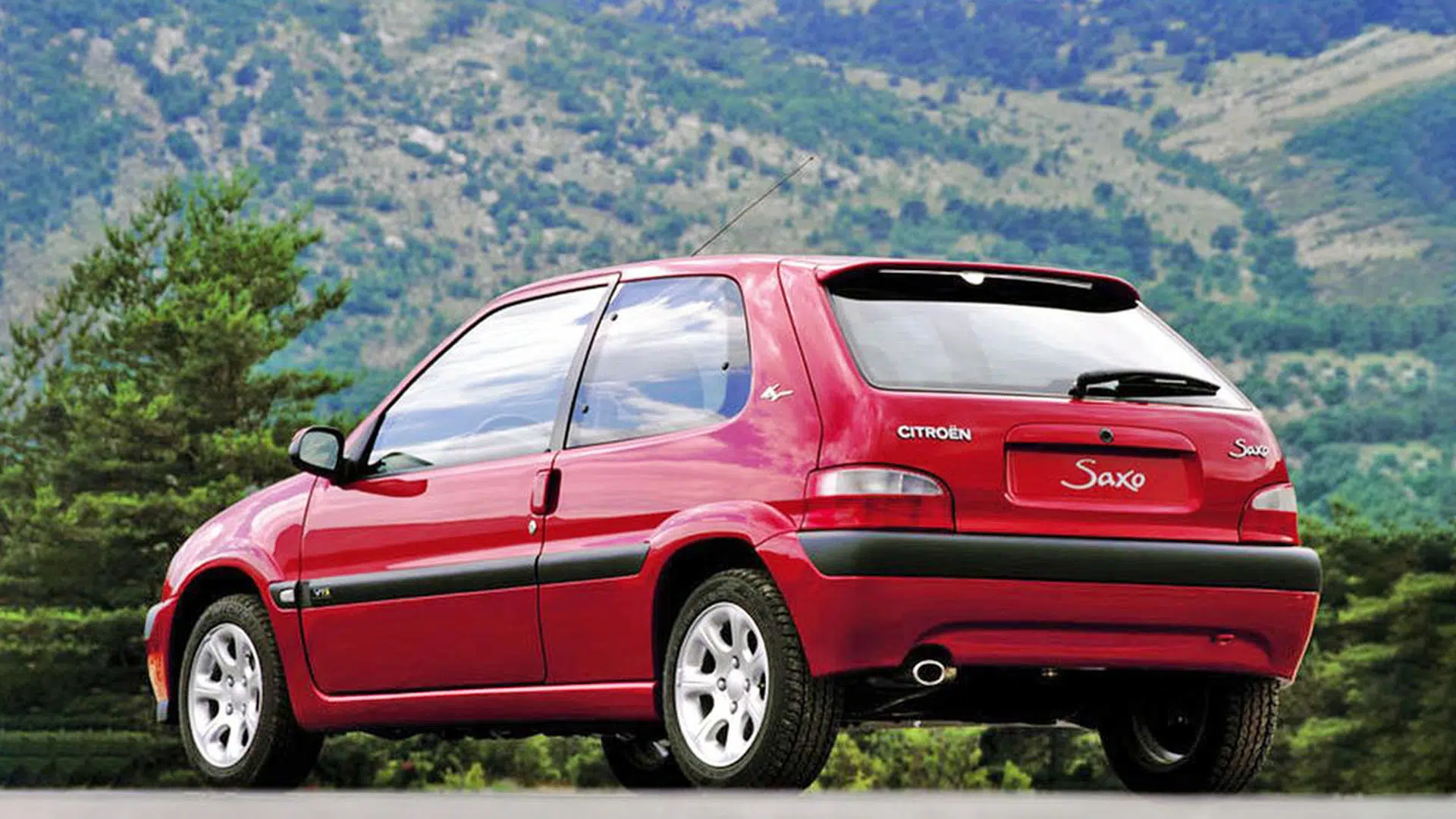 CITROEN
SAXO
View model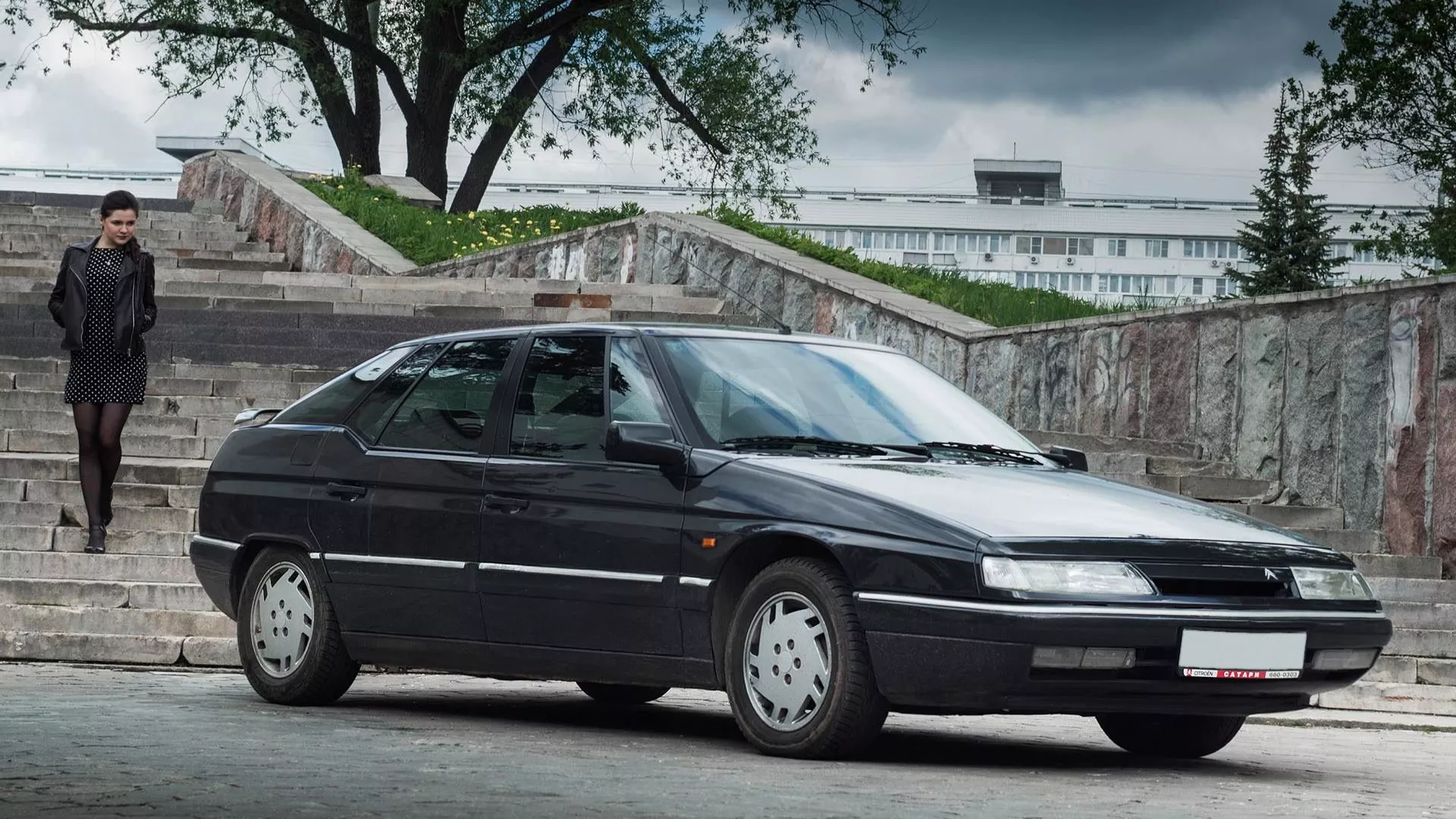 CITROEN
XM
View model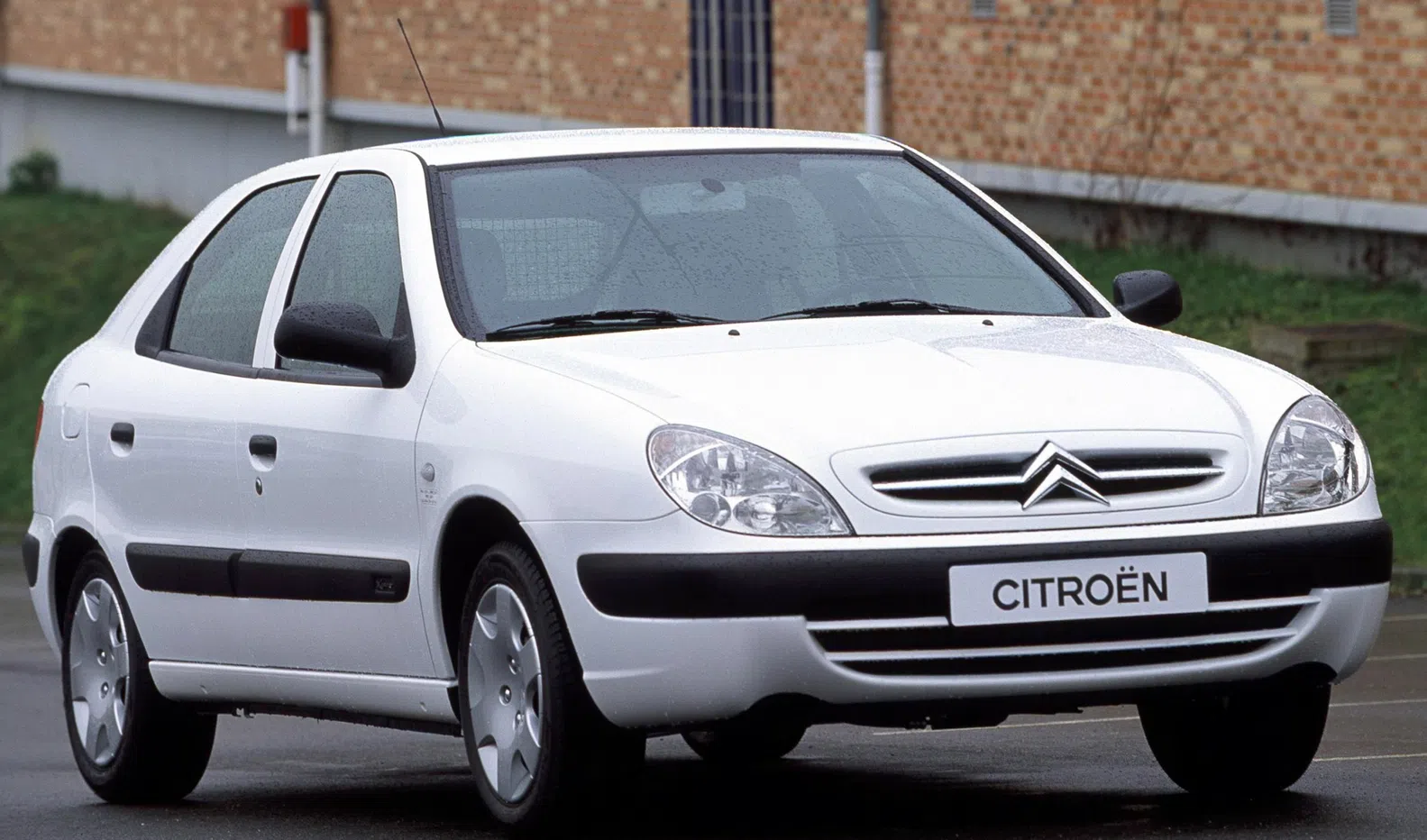 CITROEN
XSARA
View model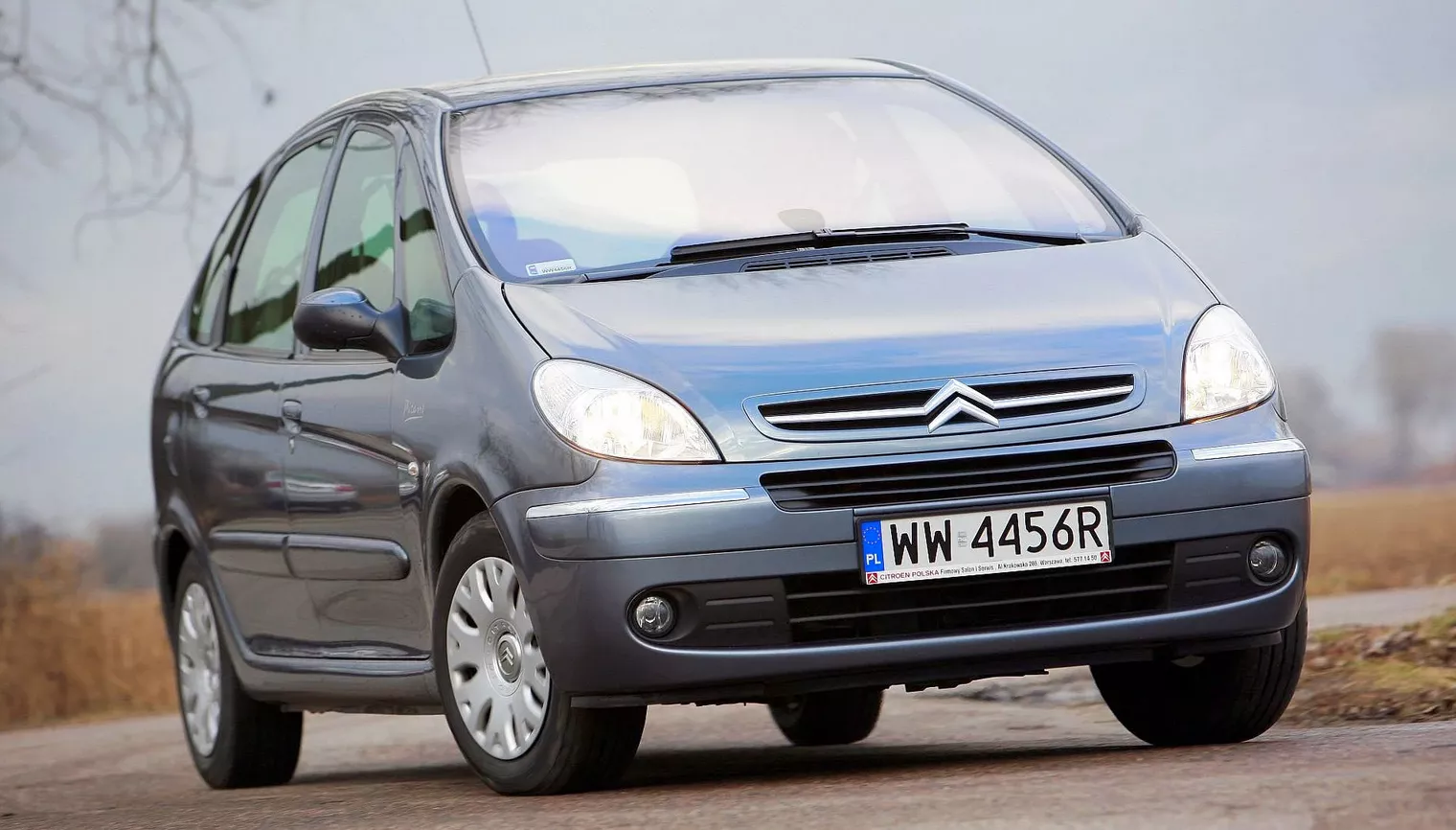 CITROEN
XSARA PICASSO
View model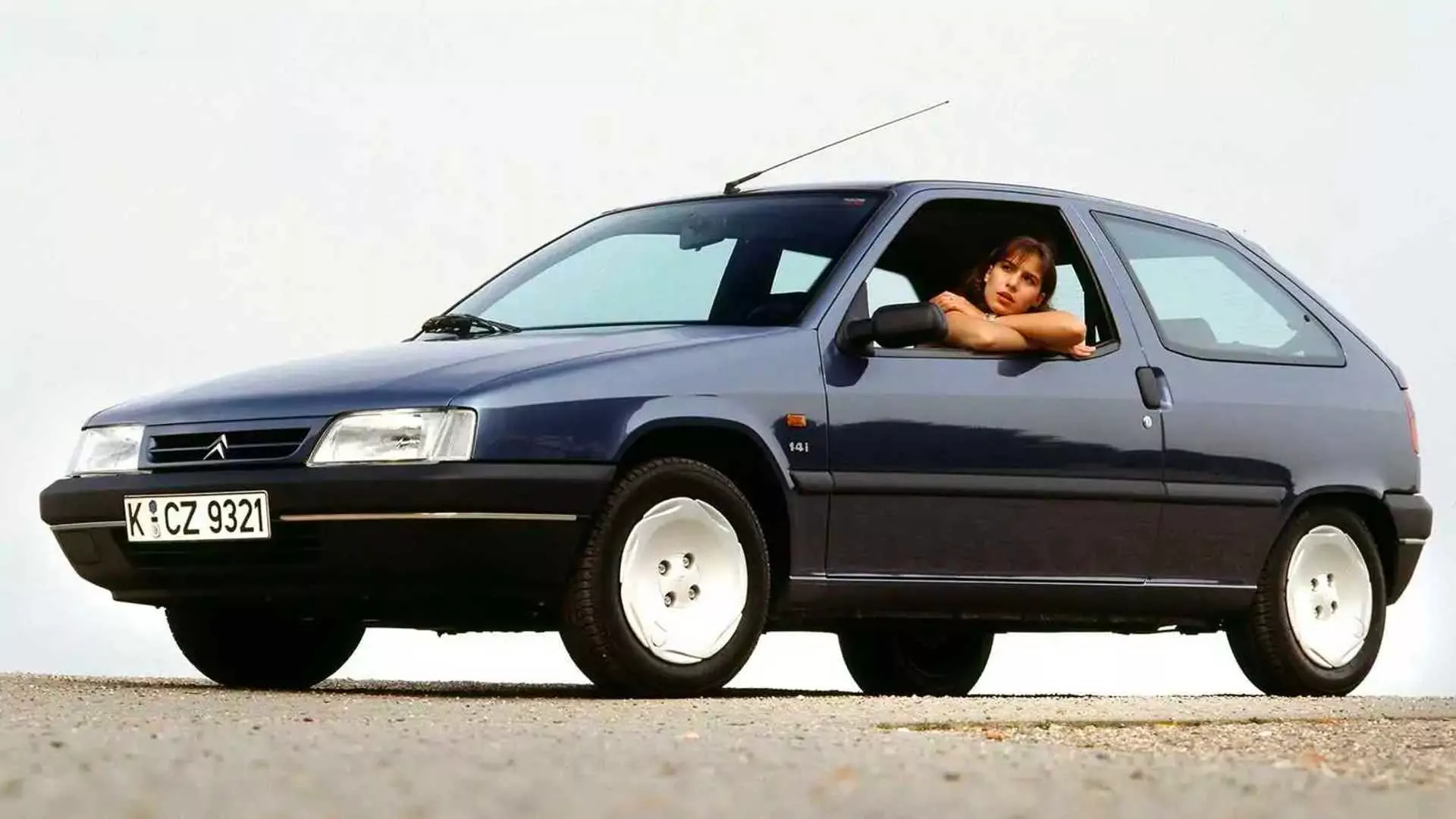 CITROEN
ZX
View model- CITROEN
View all models