

Peugeot 106Timing chain or Belt?
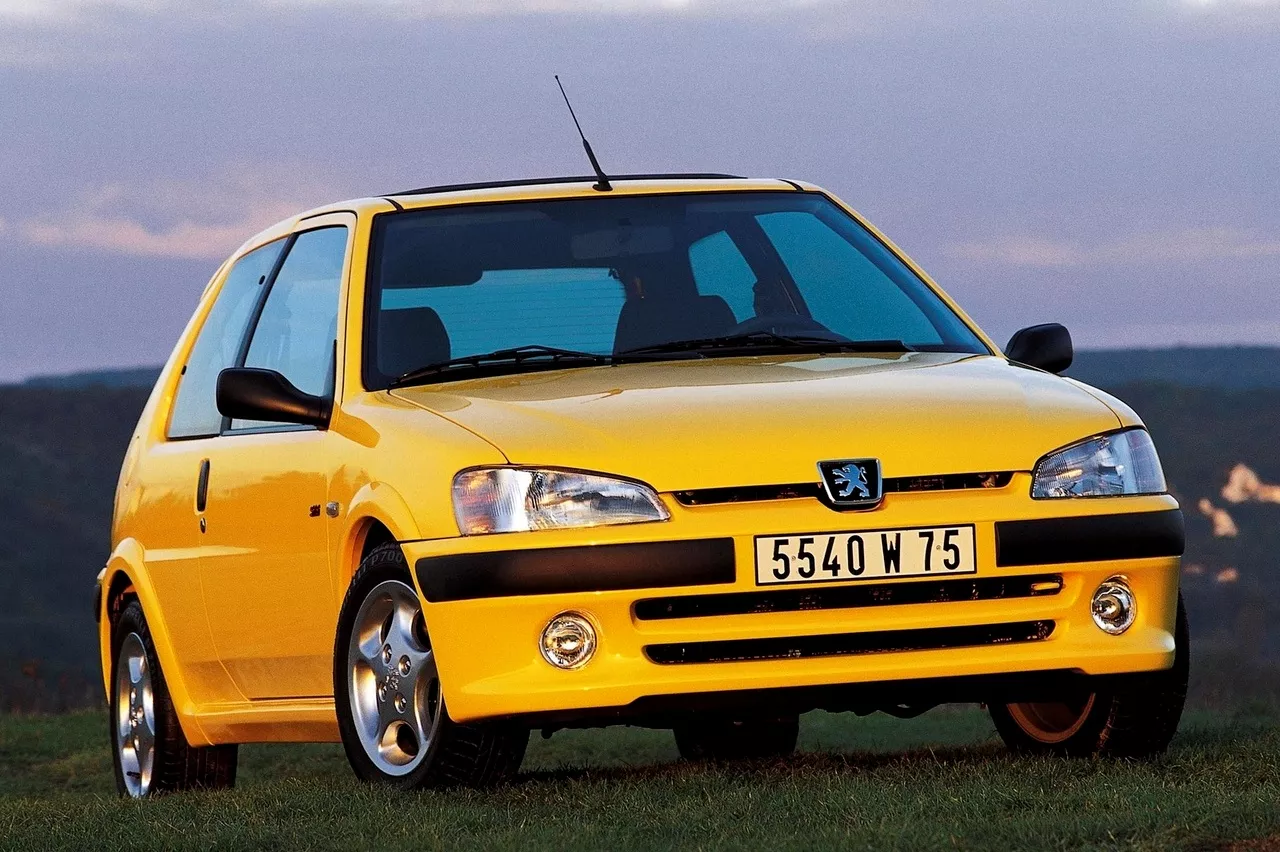
About Peugeot 106
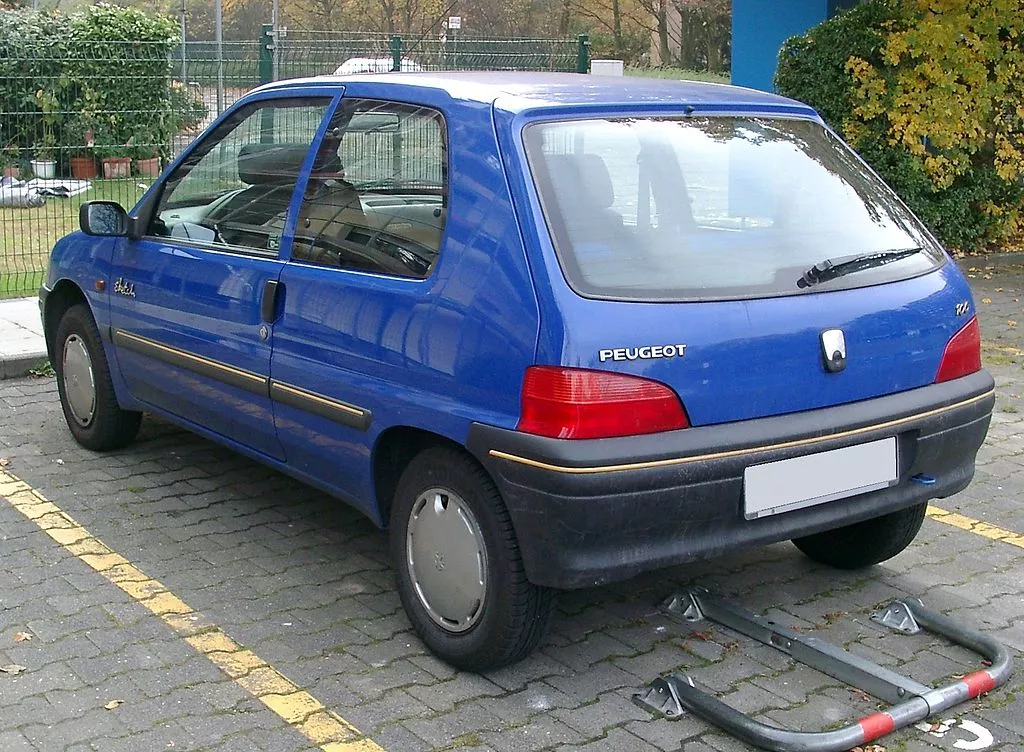
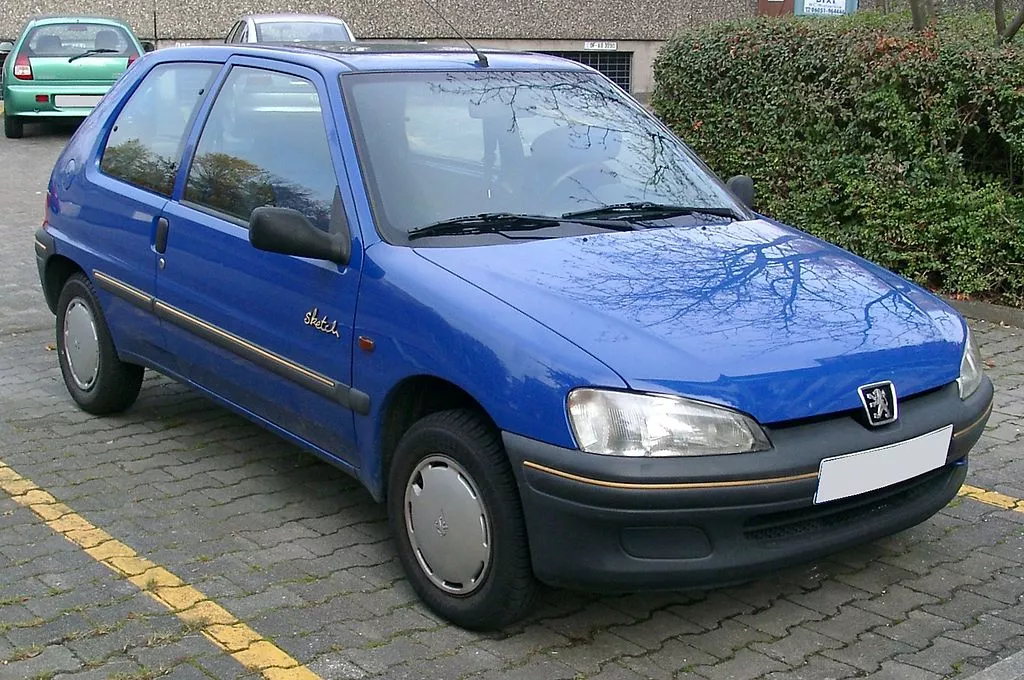
The Peugeot 106 is a subcompact vehicle or city car from segment A by the French manufacturer PSA (currently known as the Stellantis group). It was born in 1991 to replace the Peugeot 104. It was marketed until 2003, when it was replaced by the Peugeot 107. The Peugeot 106 had 2 phases, an initial one until 1996 and a second one until the end of its commercial lifecycle.
Despite being a small urban car, PSA's idea with the 106 was to gradually replace the Peugeot 205, from a higher segment. This was because segments gradually grew in size over the years, so the 106 would become the entry-level vehicle for the lion brand both in terms of specifications and vehicle dimensions.
The Peugeot 106 featured TU gasoline and TUD diesel engines, all manufactured by PSA. It also had an electric version called SA13. Its engines were front-mounted with a transverse layout and front-wheel drive. The 106 body style was exclusively a hatchback. During the early years of phase 1, it was only sold in a 3-door version, with the 5-door variant arriving a few years later.
The 106 featured a multitude of series. Phase 1 had XN, XND, XR, XRD, XR, XTD, XAD, and XS versions, among many other limited editions. It also had a sporty version launched in 1992 called the Peugeot 106 XSI, as well as a rally version called the 106 Rallye phase 1, which inherited the 1.3 engine from the Peugeot 205 Rallye.
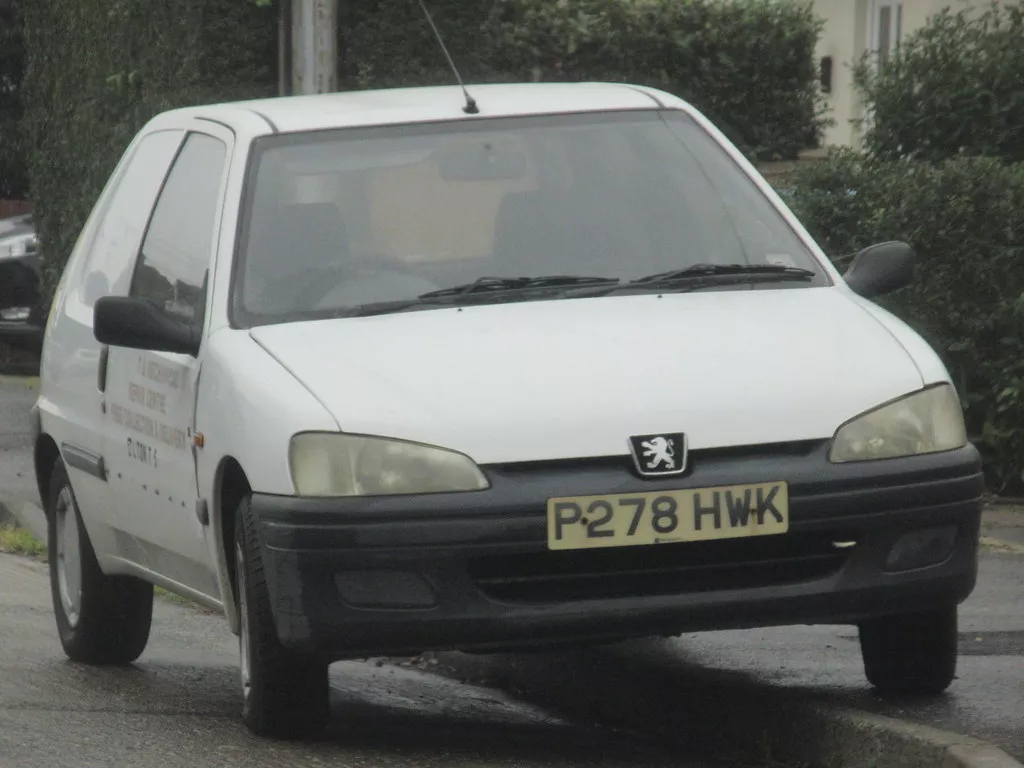
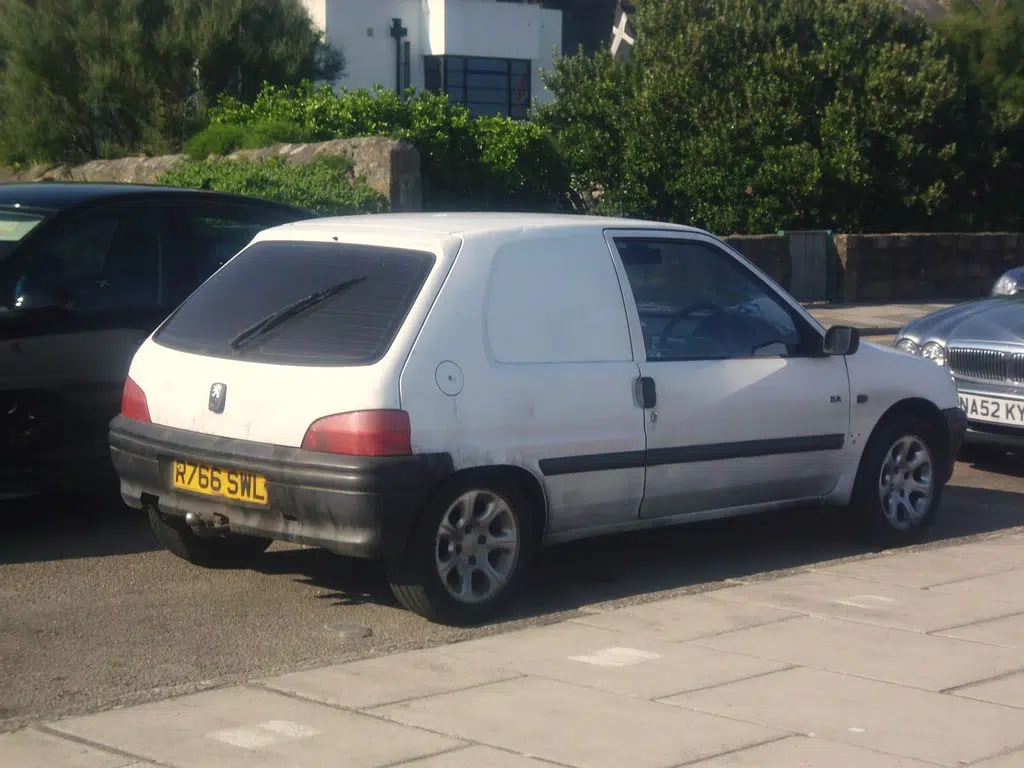
Phase 2 of the 106 shared a multitude of similarities with the Citroën Saxo. The 106 gained both aesthetically, as it looked like a much more modern car, as well as in safety and power. It acquired equipment such as ABS, power steering, and airbags.
Jump to a generation:
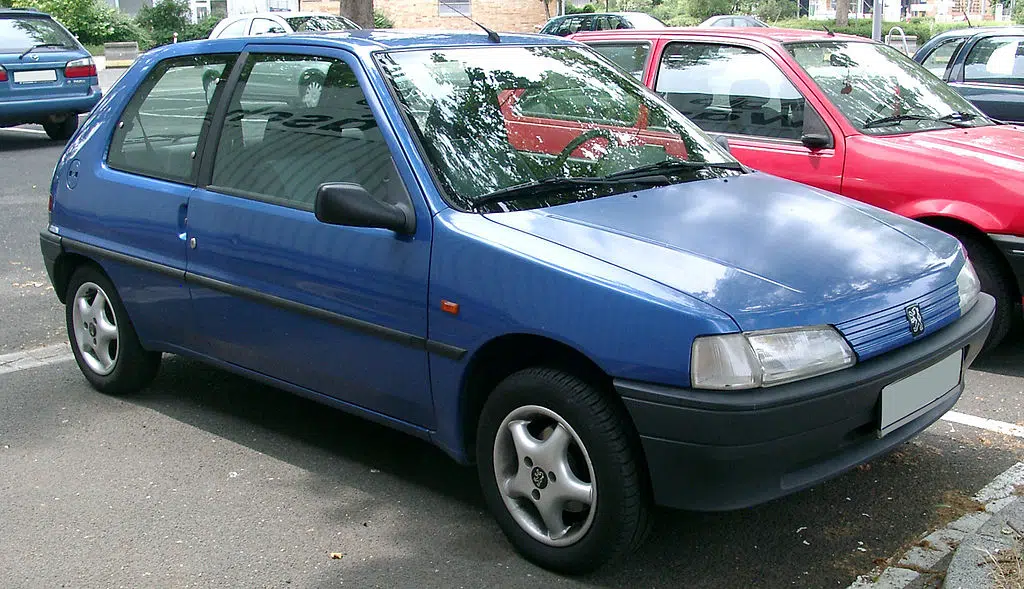
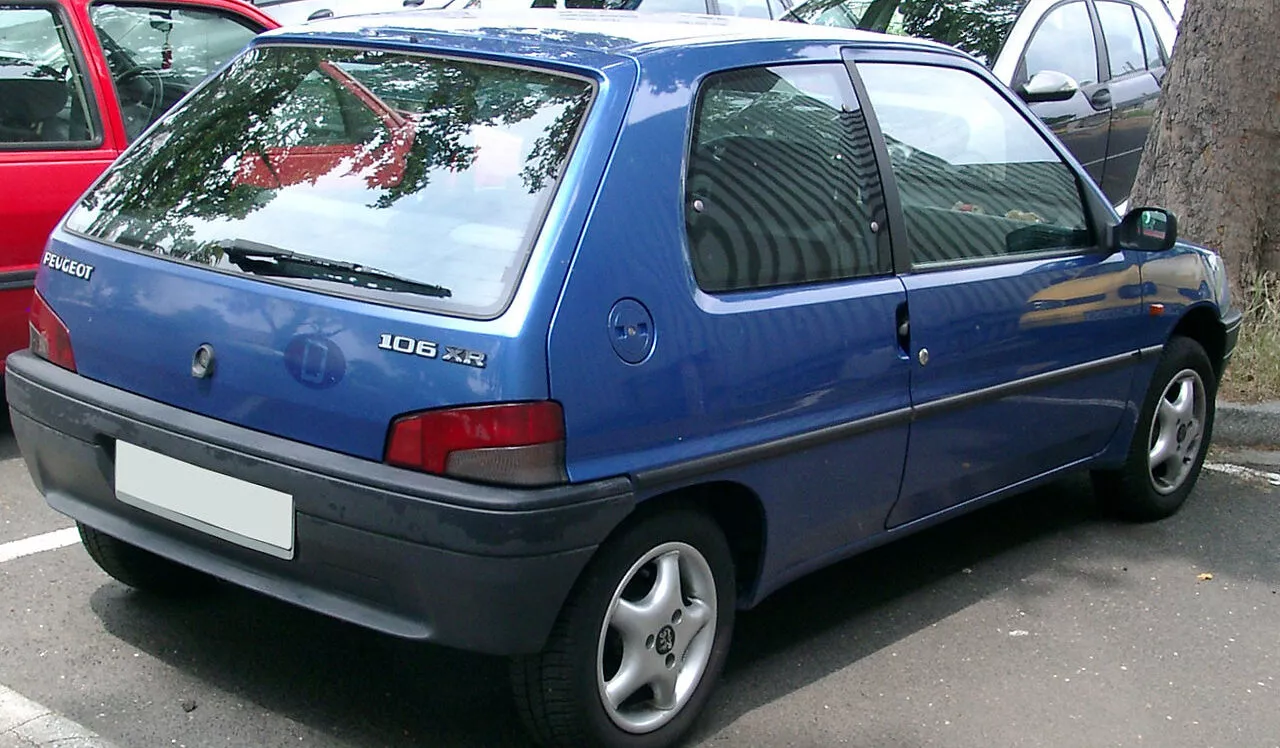
#1Peugeot 106 - Generation I(1991)1_
Hatchback1_
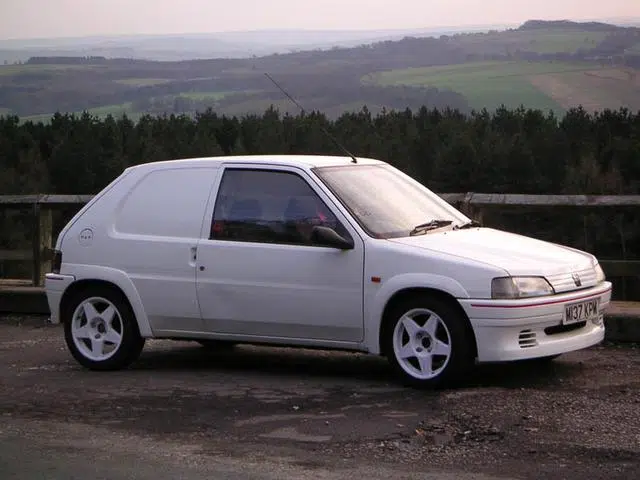
Van1S
#2Peugeot 106 - Generation II(1996)
Hatchback1A1C
Van1S
View more models from Peugeot
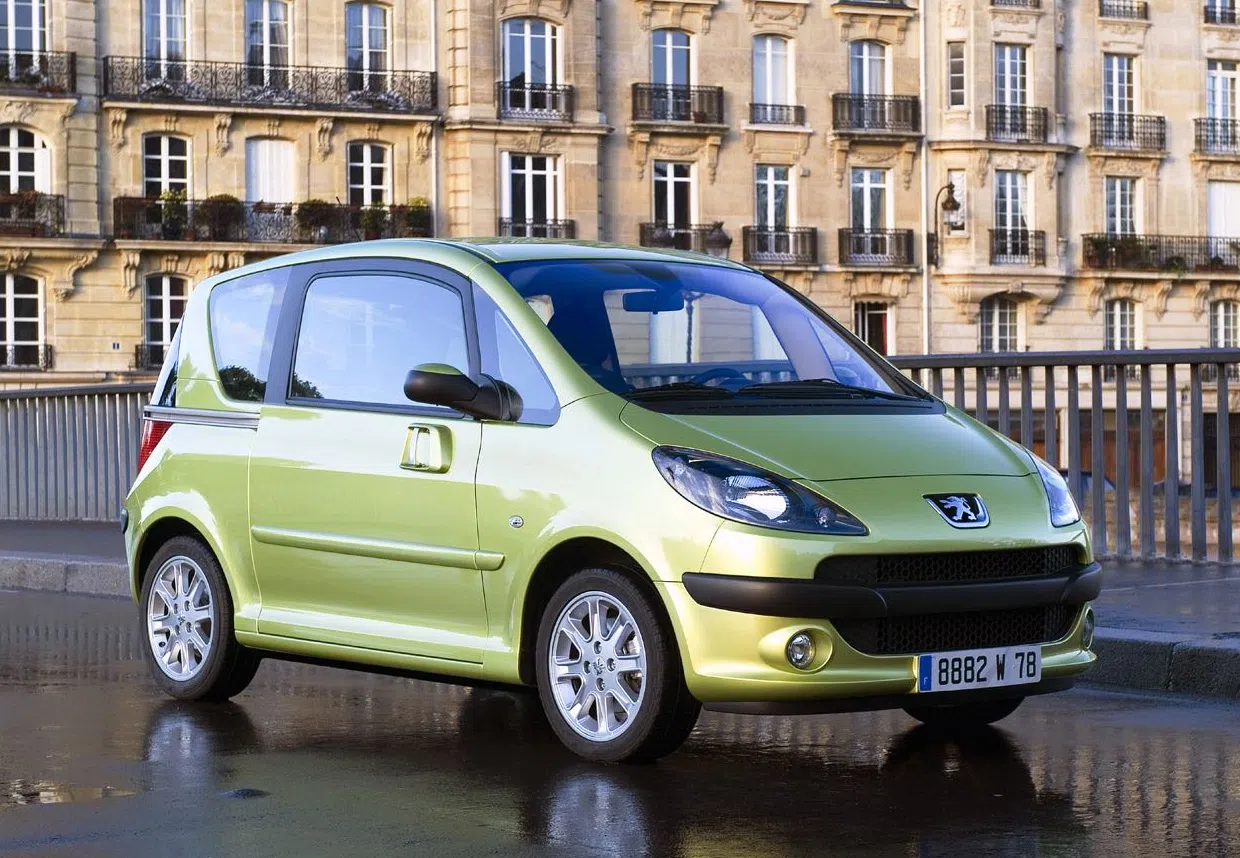 Peugeot
1007
View model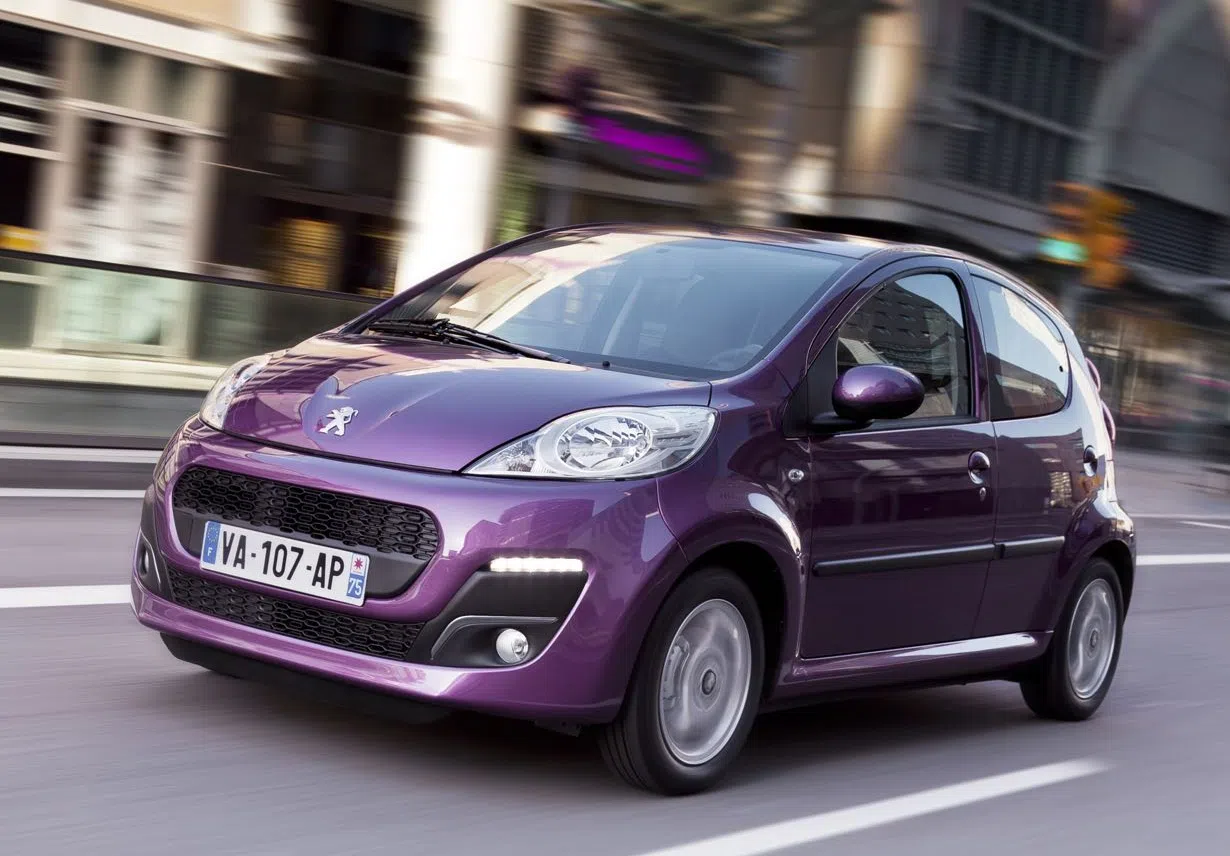 Peugeot
107
View model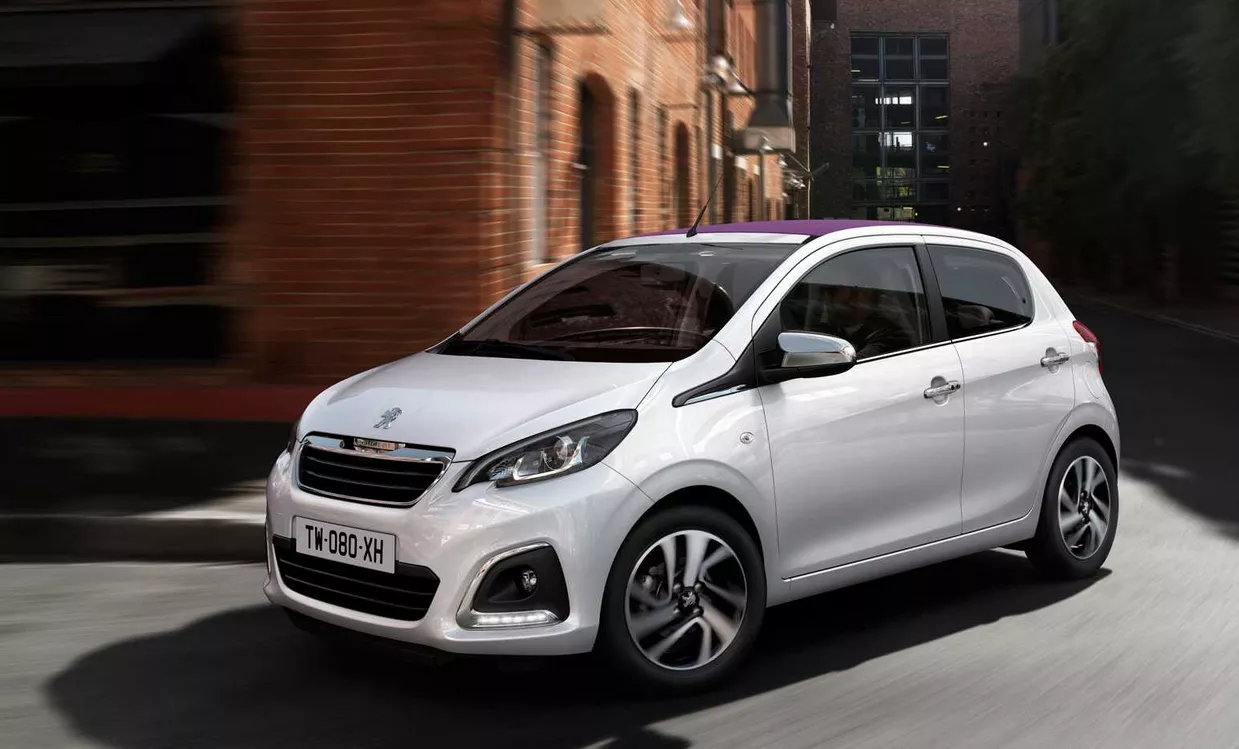 Peugeot
108
View model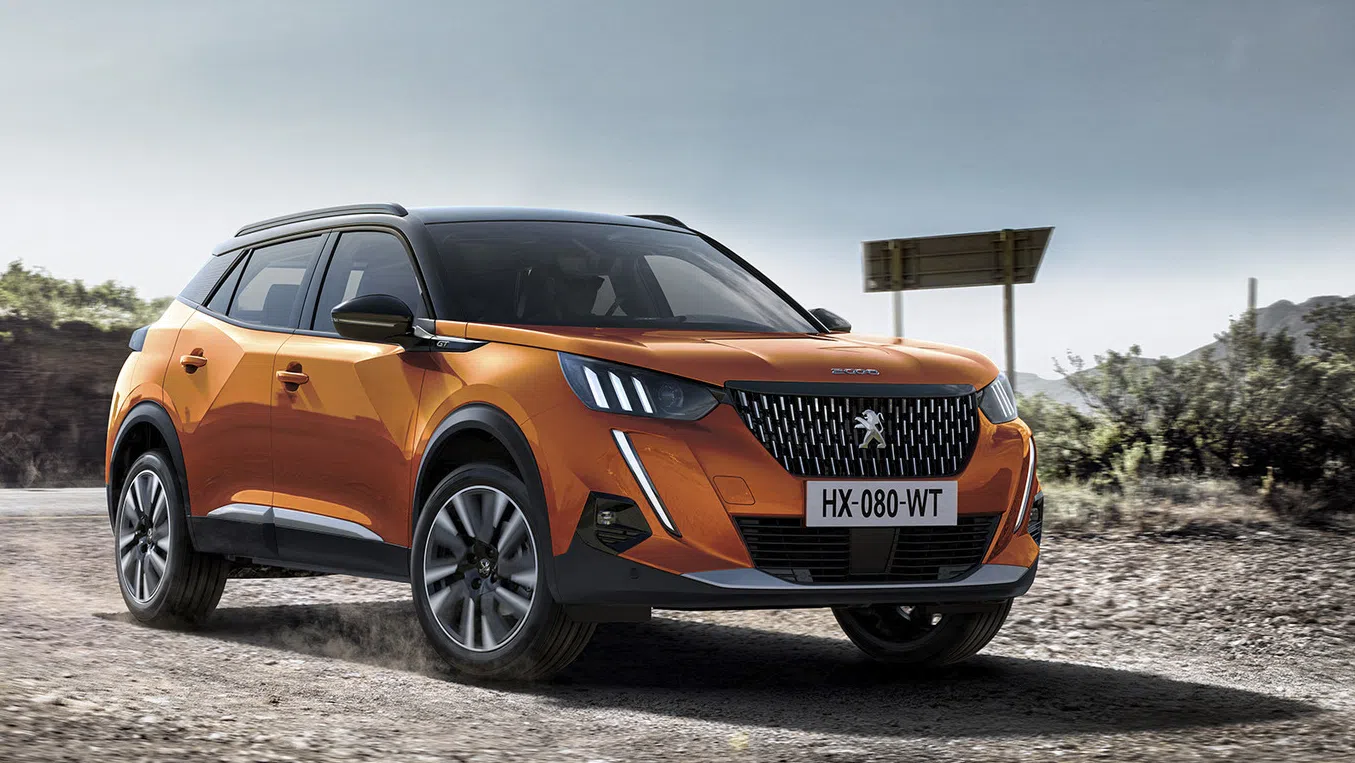 Peugeot
2008
View model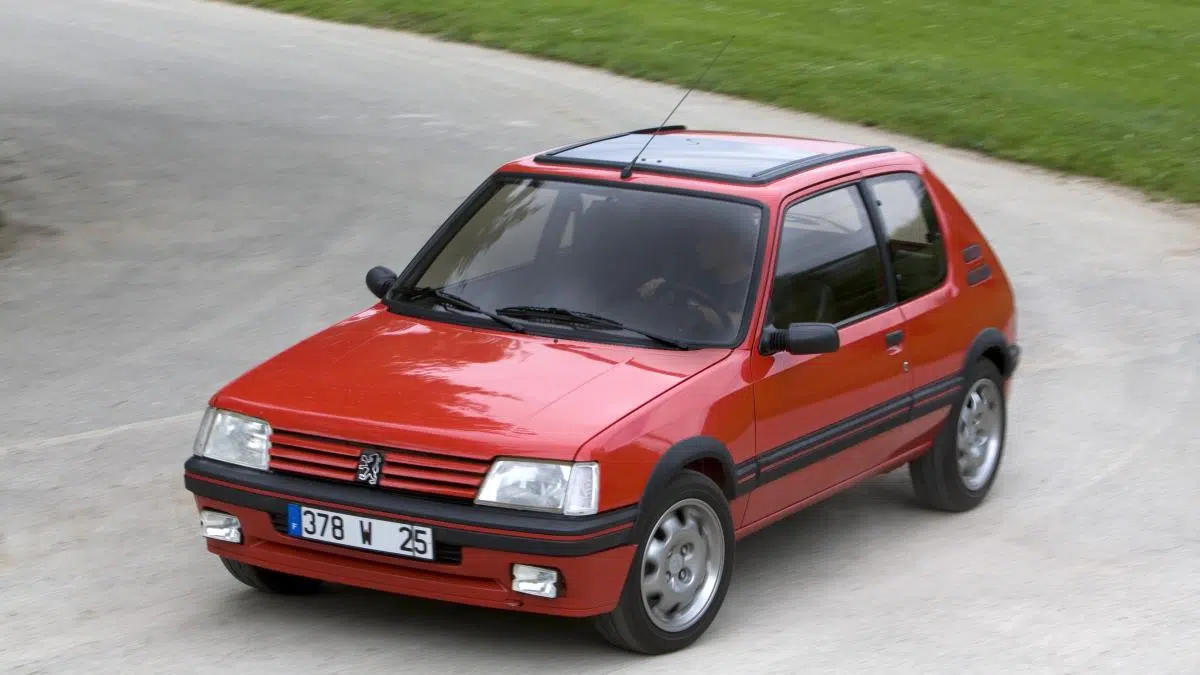 Peugeot
205
View model Peugeot
206
View model Peugeot
207
View model Peugeot
208
View model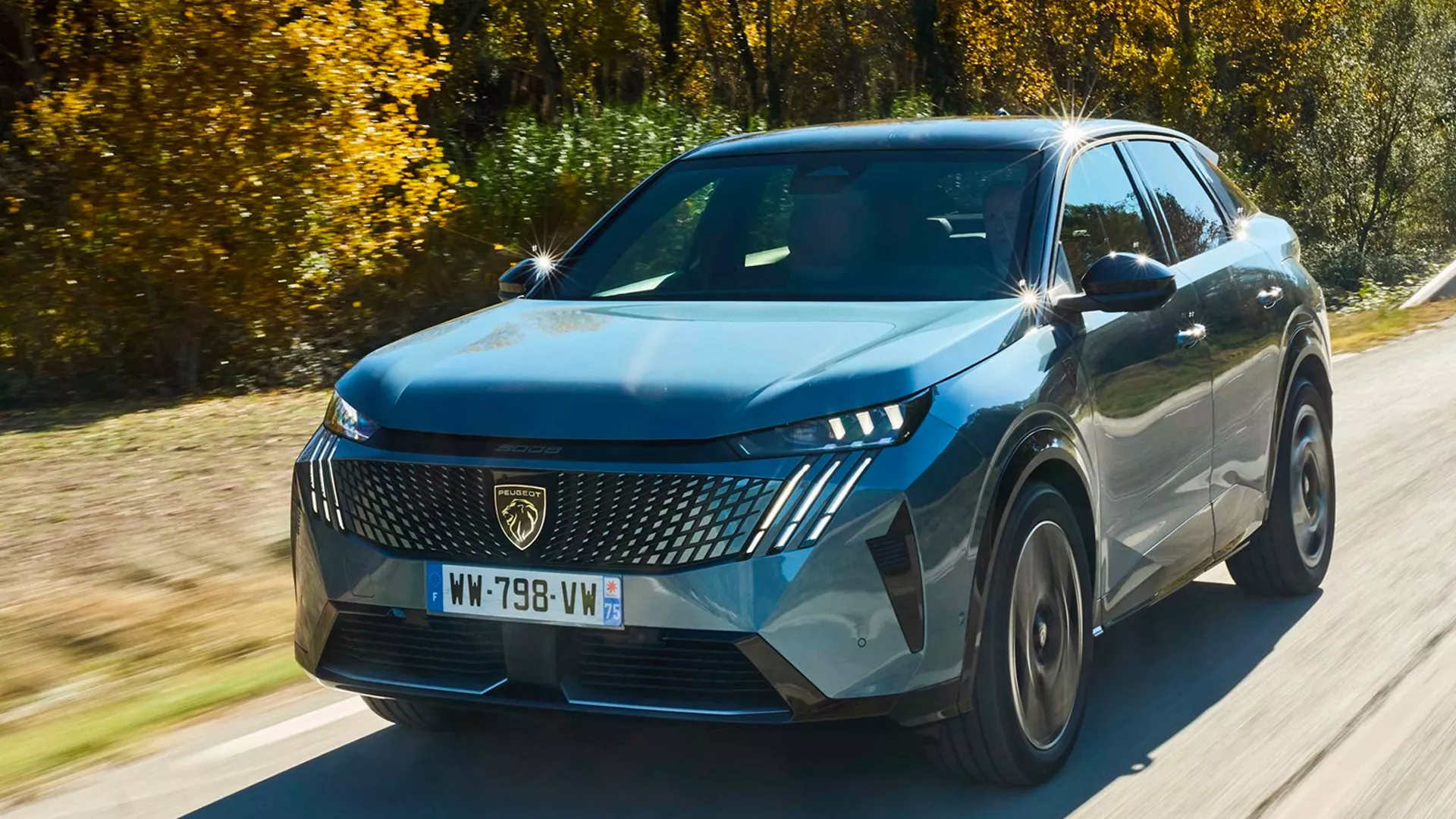 Peugeot
3008
View model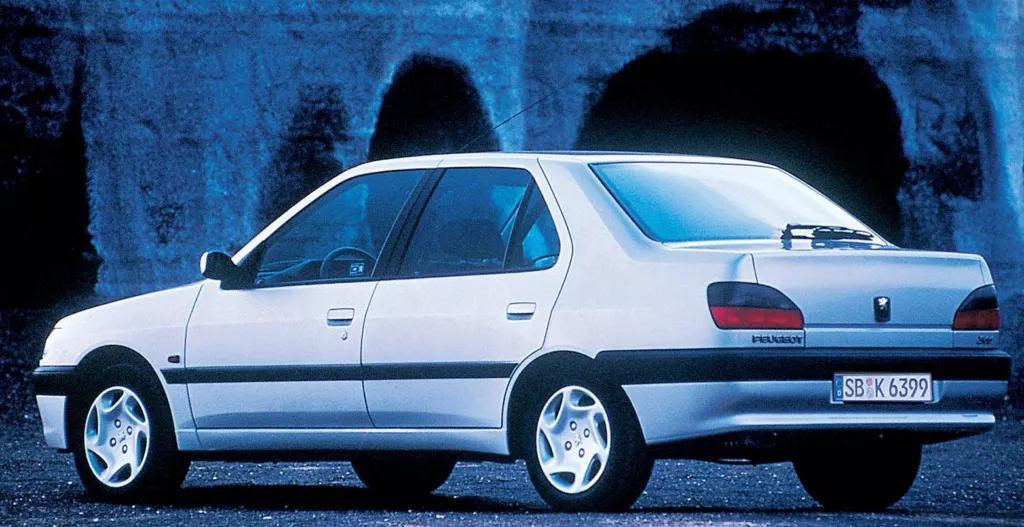 Peugeot
306
View model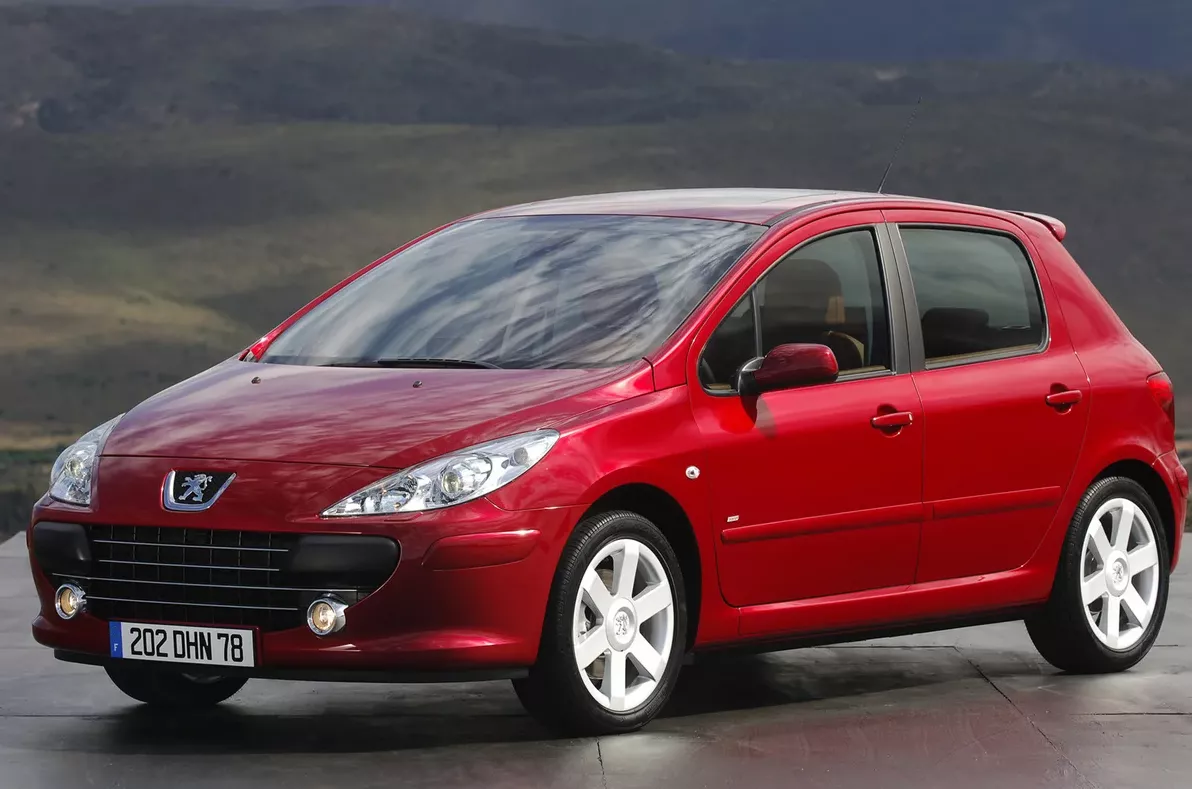 Peugeot
307
View model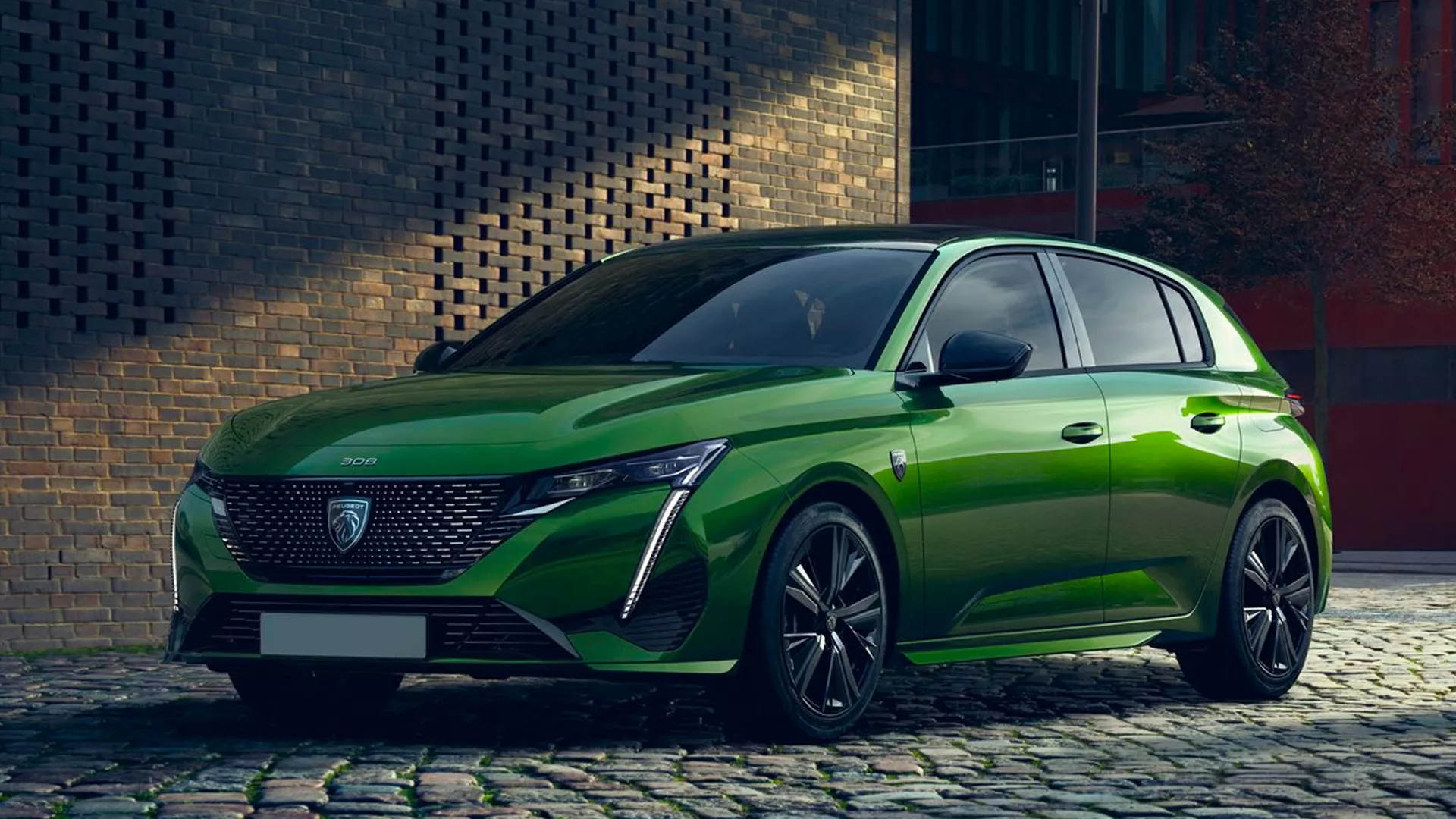 Peugeot
308
View model Peugeot
4007
View model Peugeot
4008
View model Peugeot
405
View model Peugeot
406
View model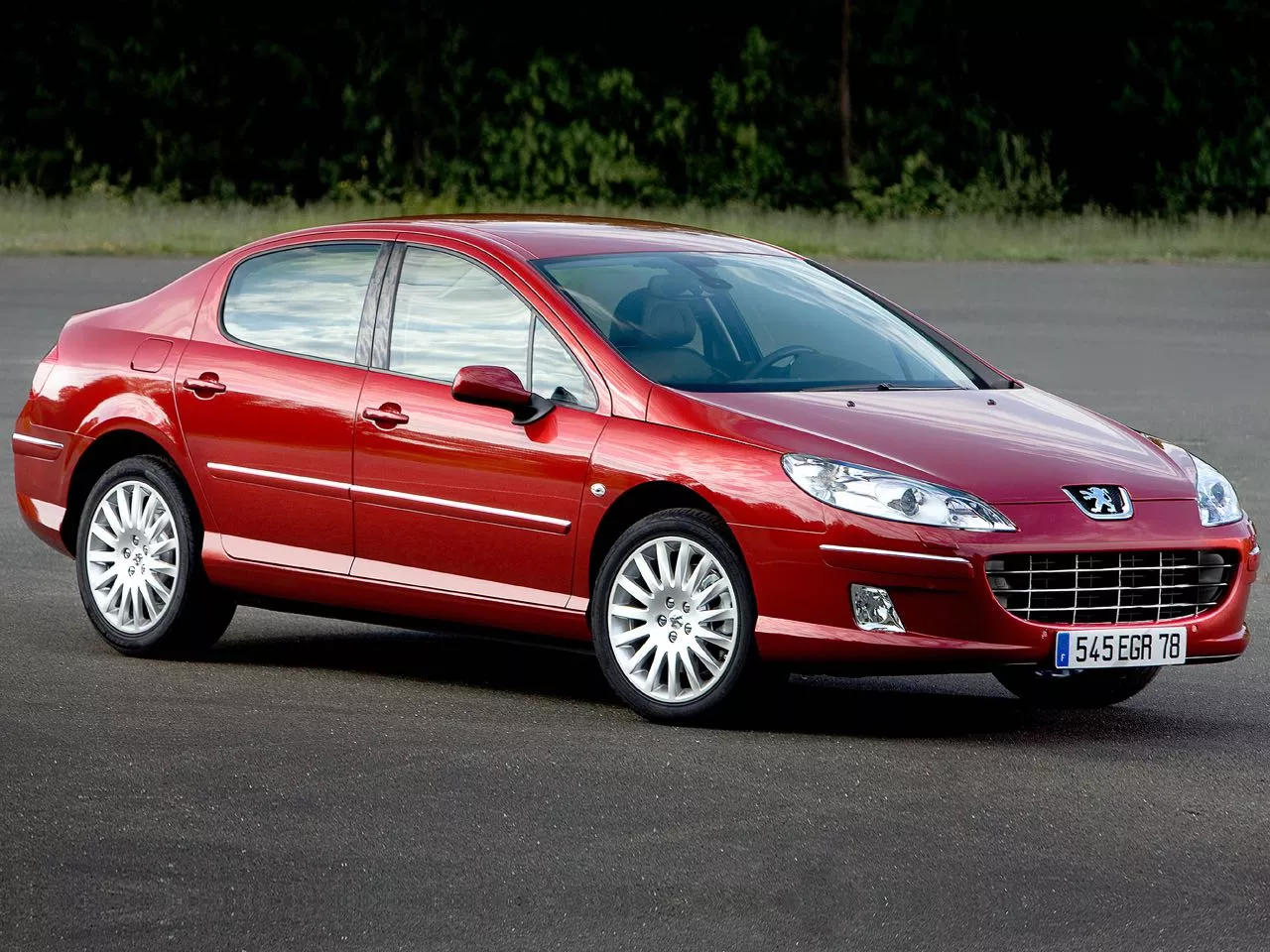 Peugeot
407
View model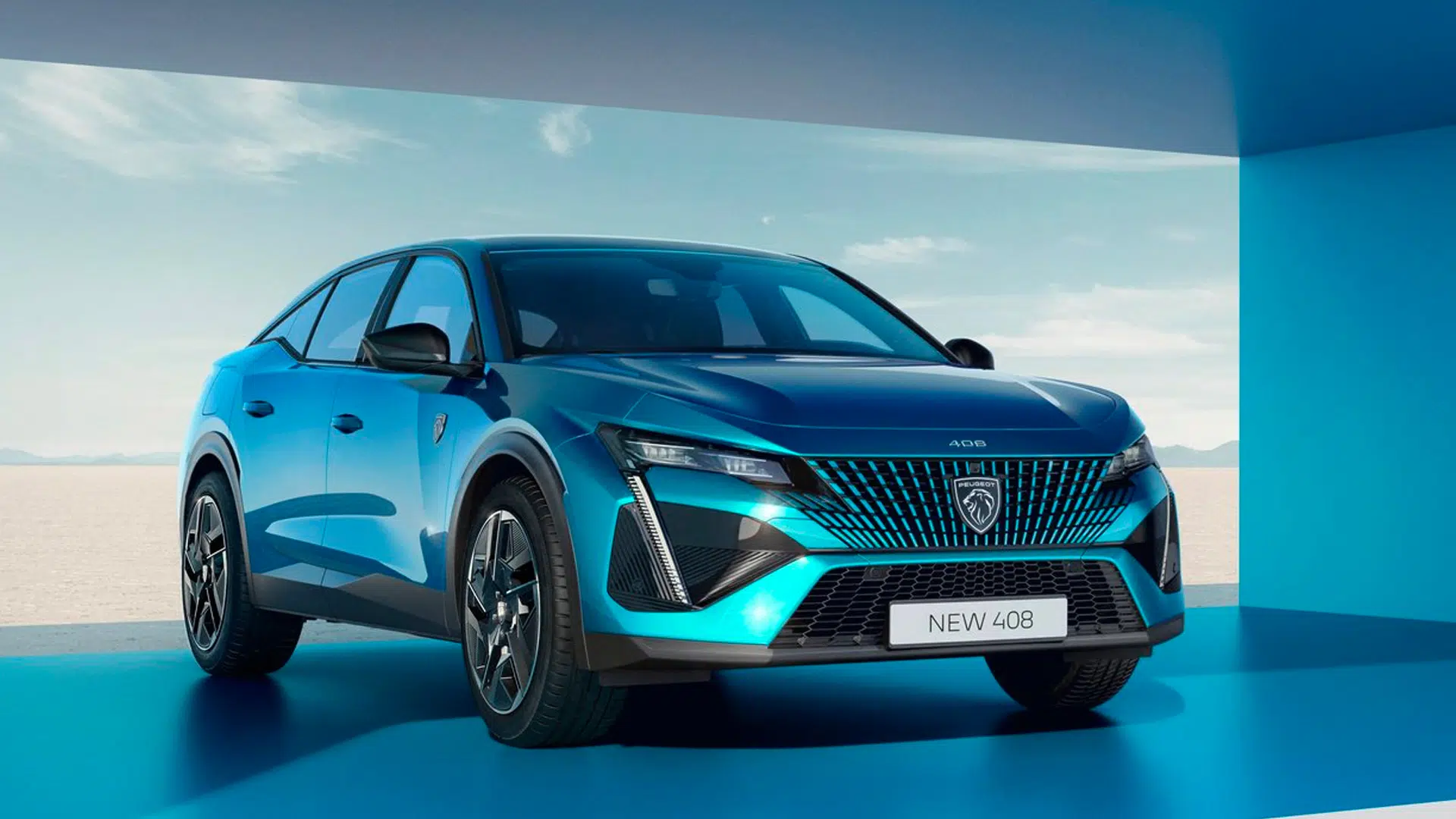 Peugeot
408
View model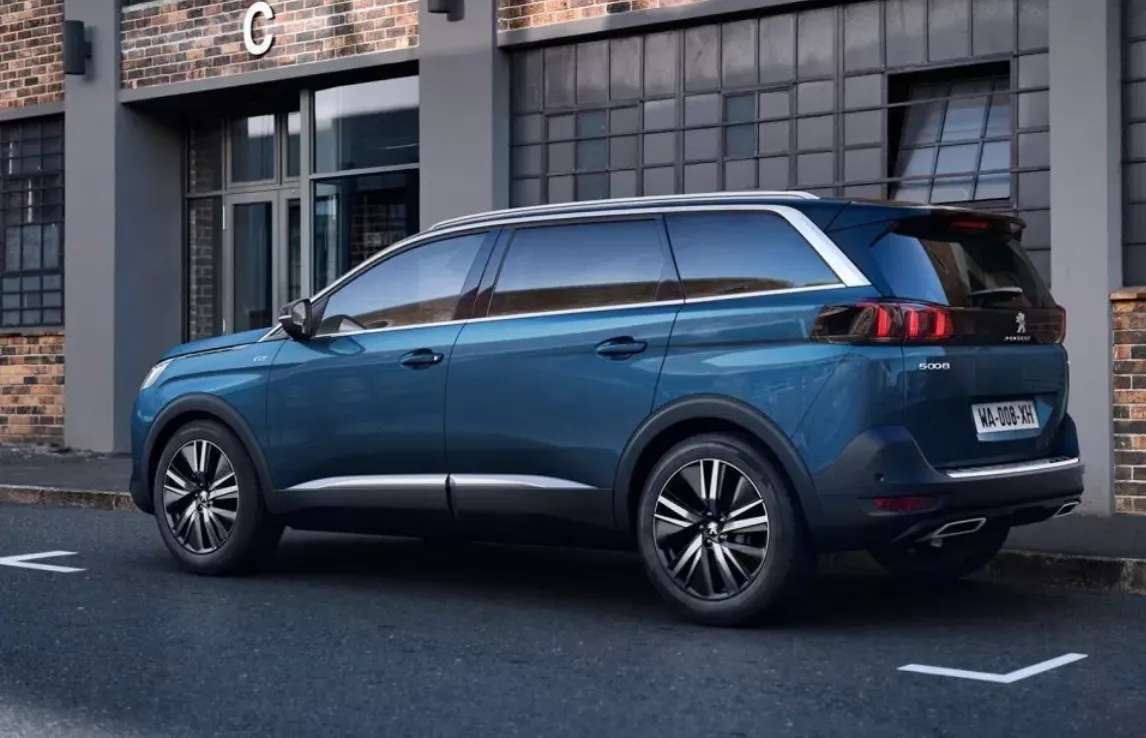 Peugeot
5008
View model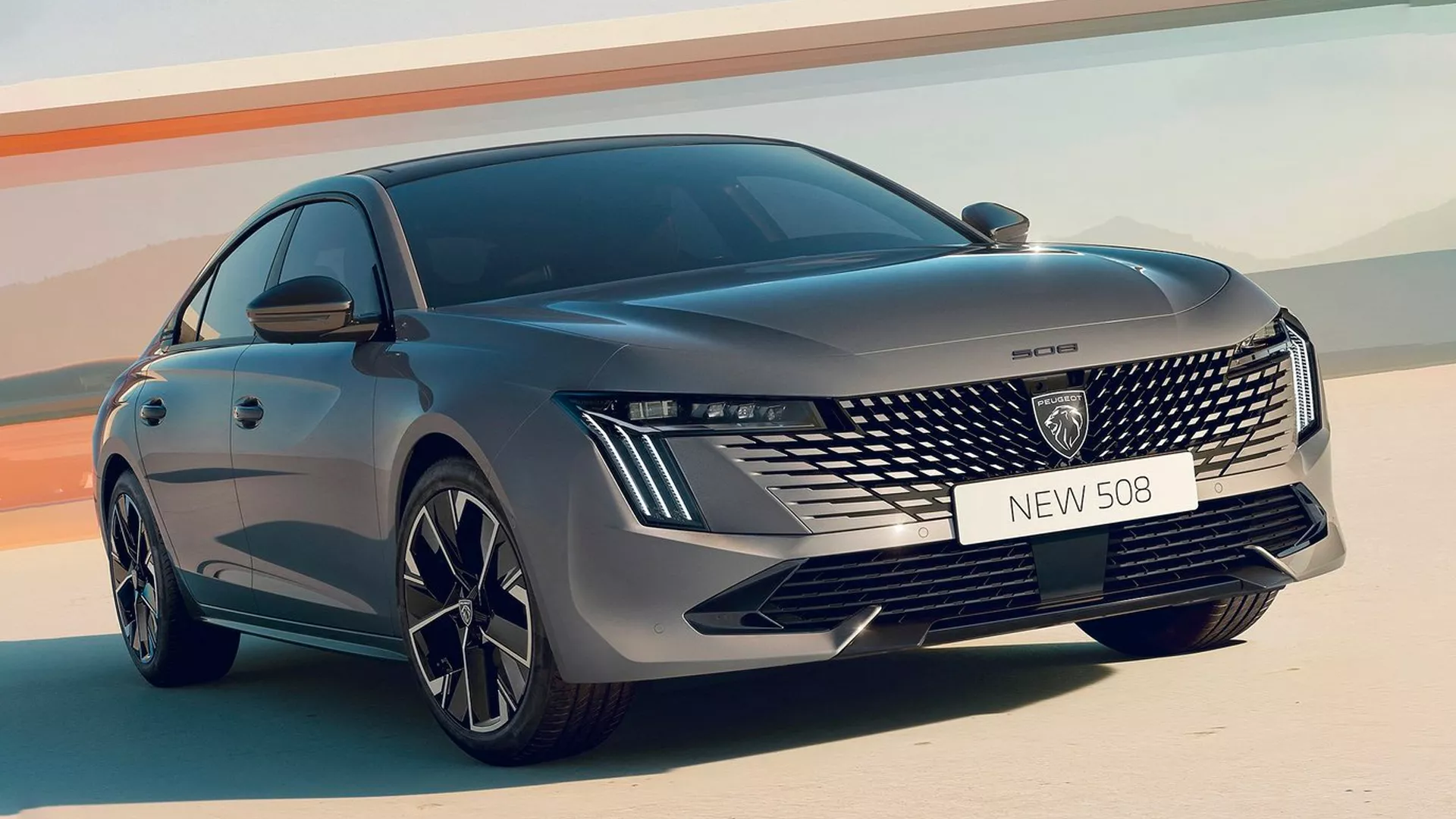 Peugeot
508
View model Peugeot
605
View model Peugeot
607
View model Peugeot
806
View model Peugeot
807
View model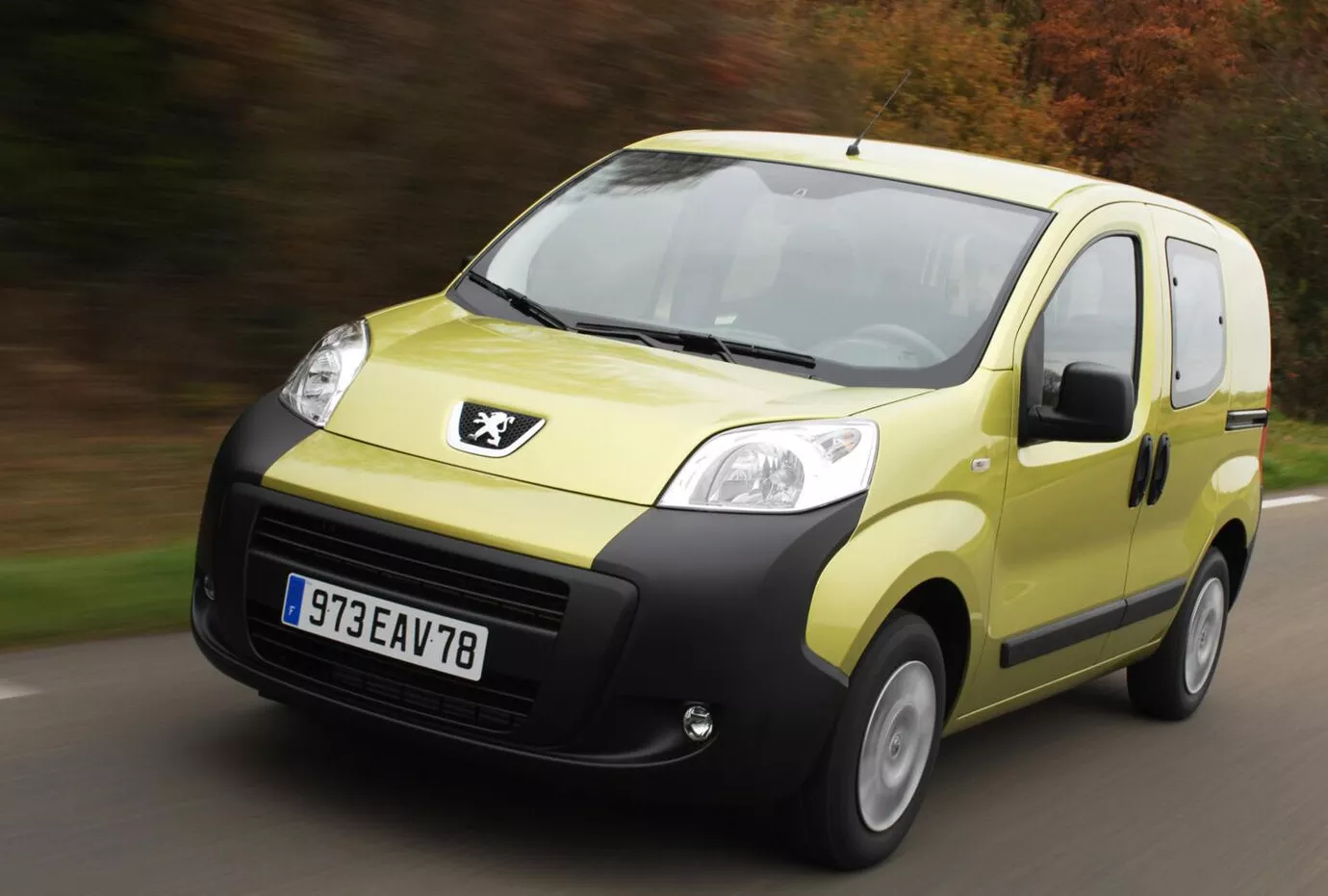 Peugeot
BIPPER
View model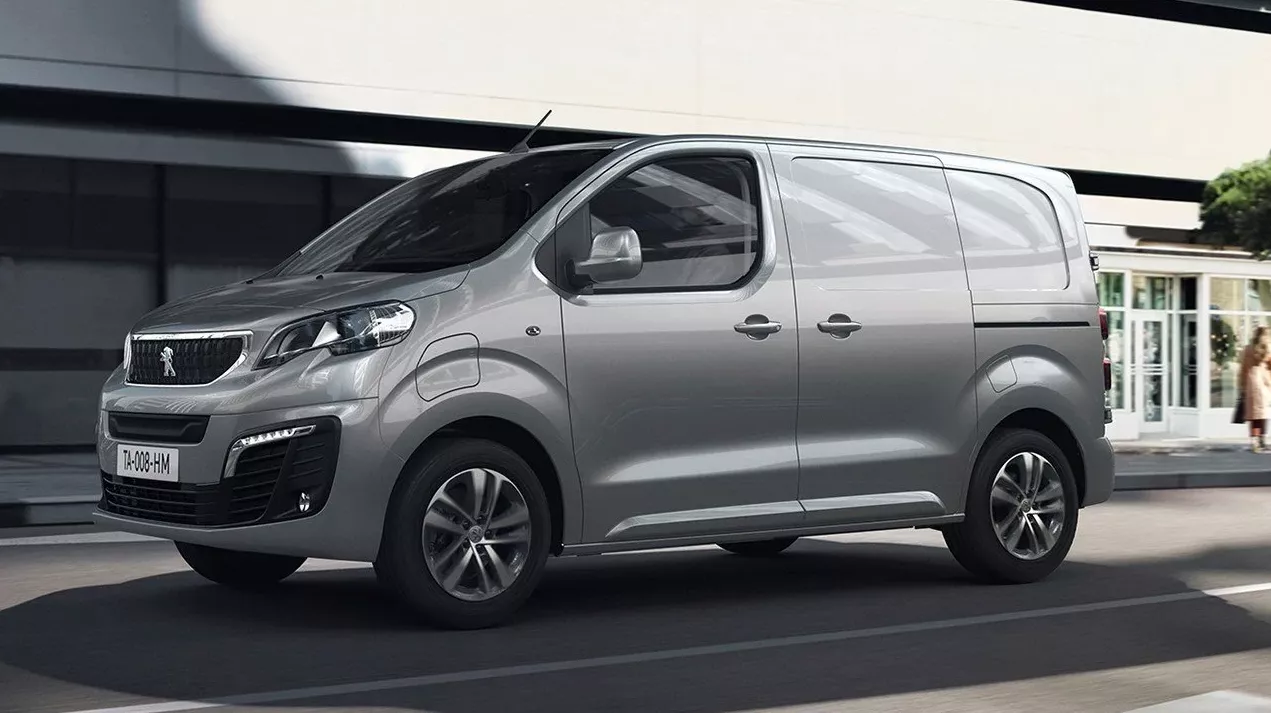 Peugeot
EXPERT
View model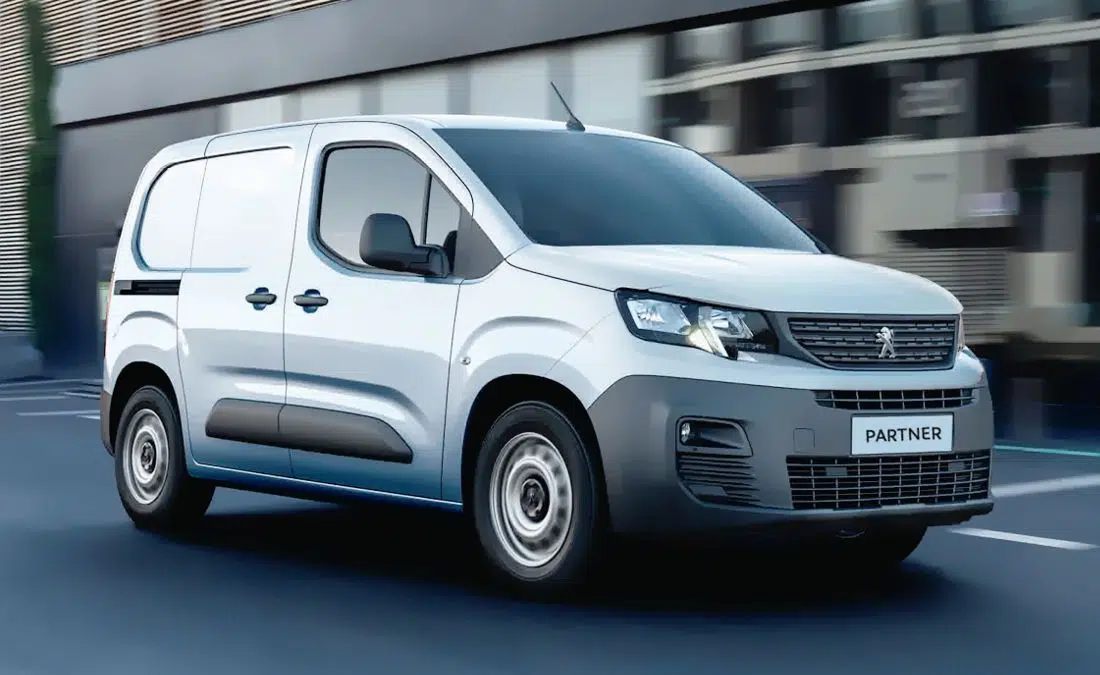 Peugeot
PARTNER
View model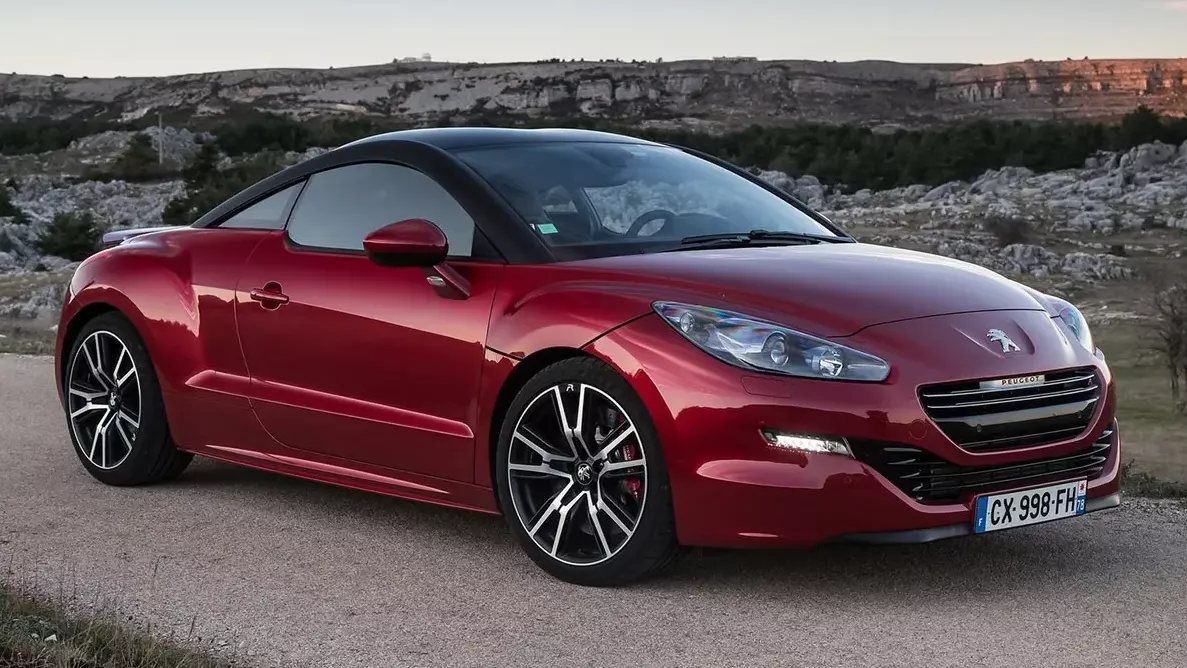 Peugeot
RCZ
View model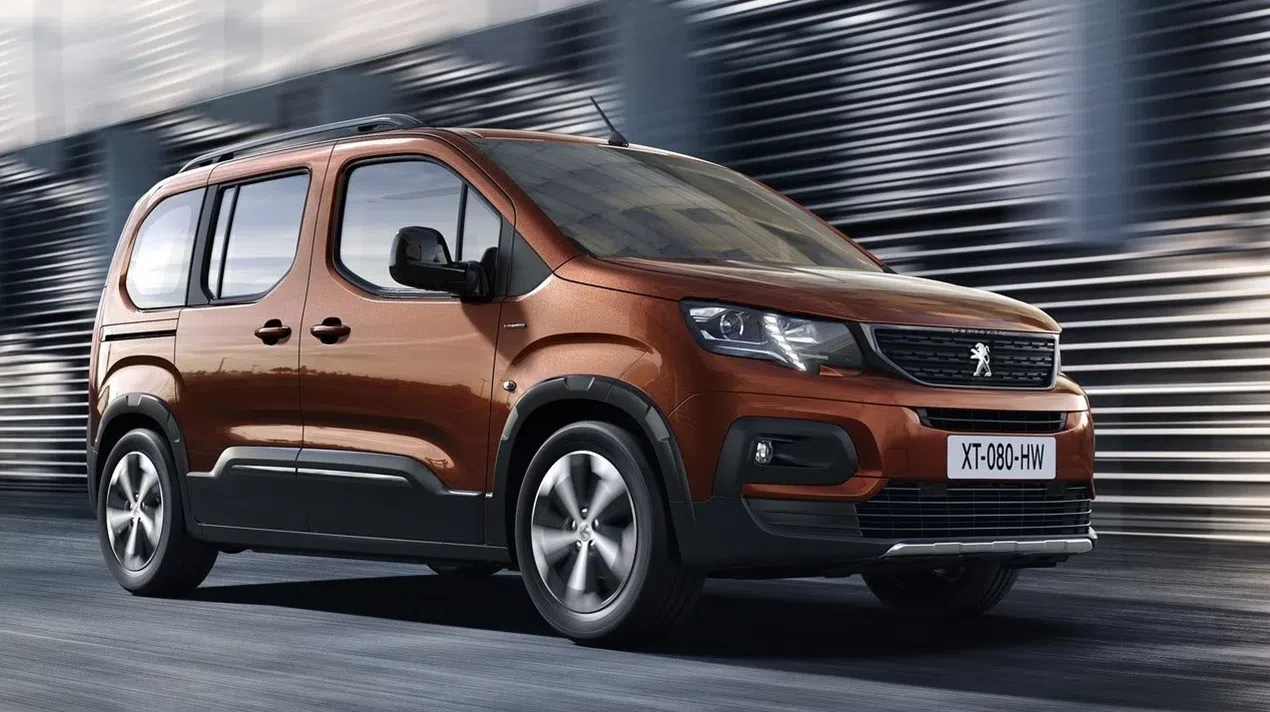 Peugeot
RIFTER
View model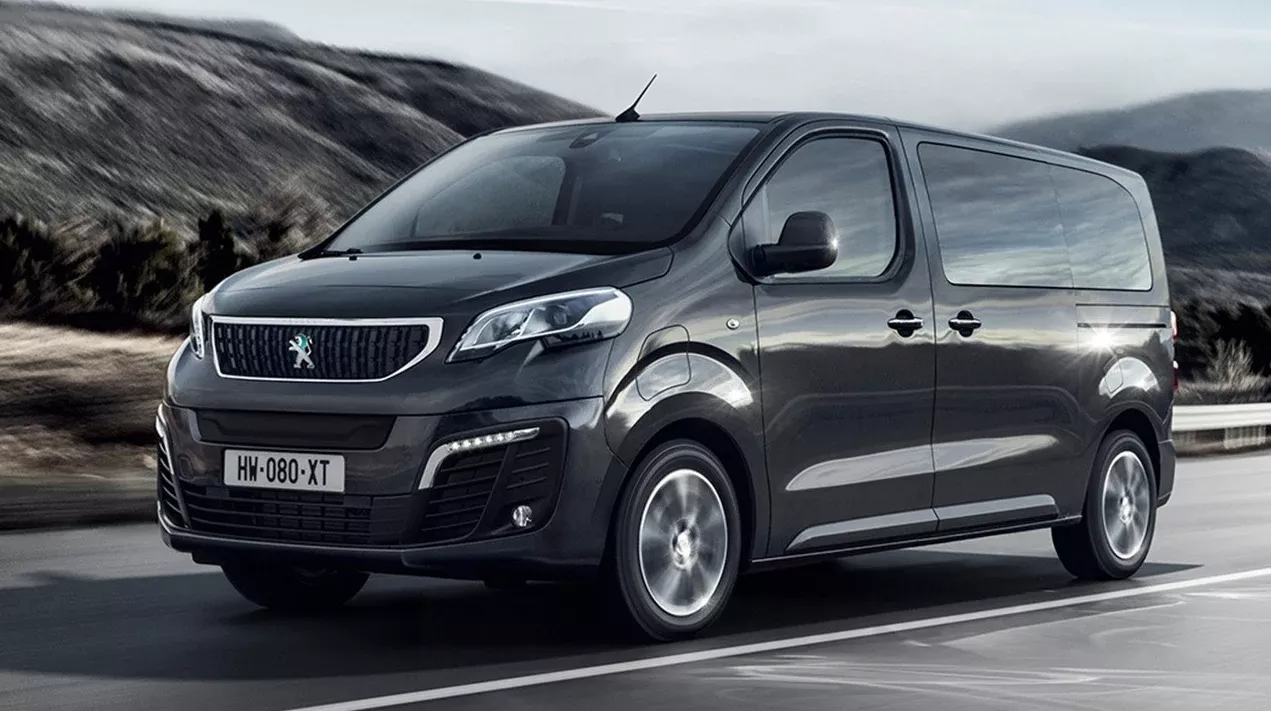 Peugeot
TRAVELLER
View model- Peugeot
View all models