

Peugeot 206Timing chain or Belt?
About Peugeot 206
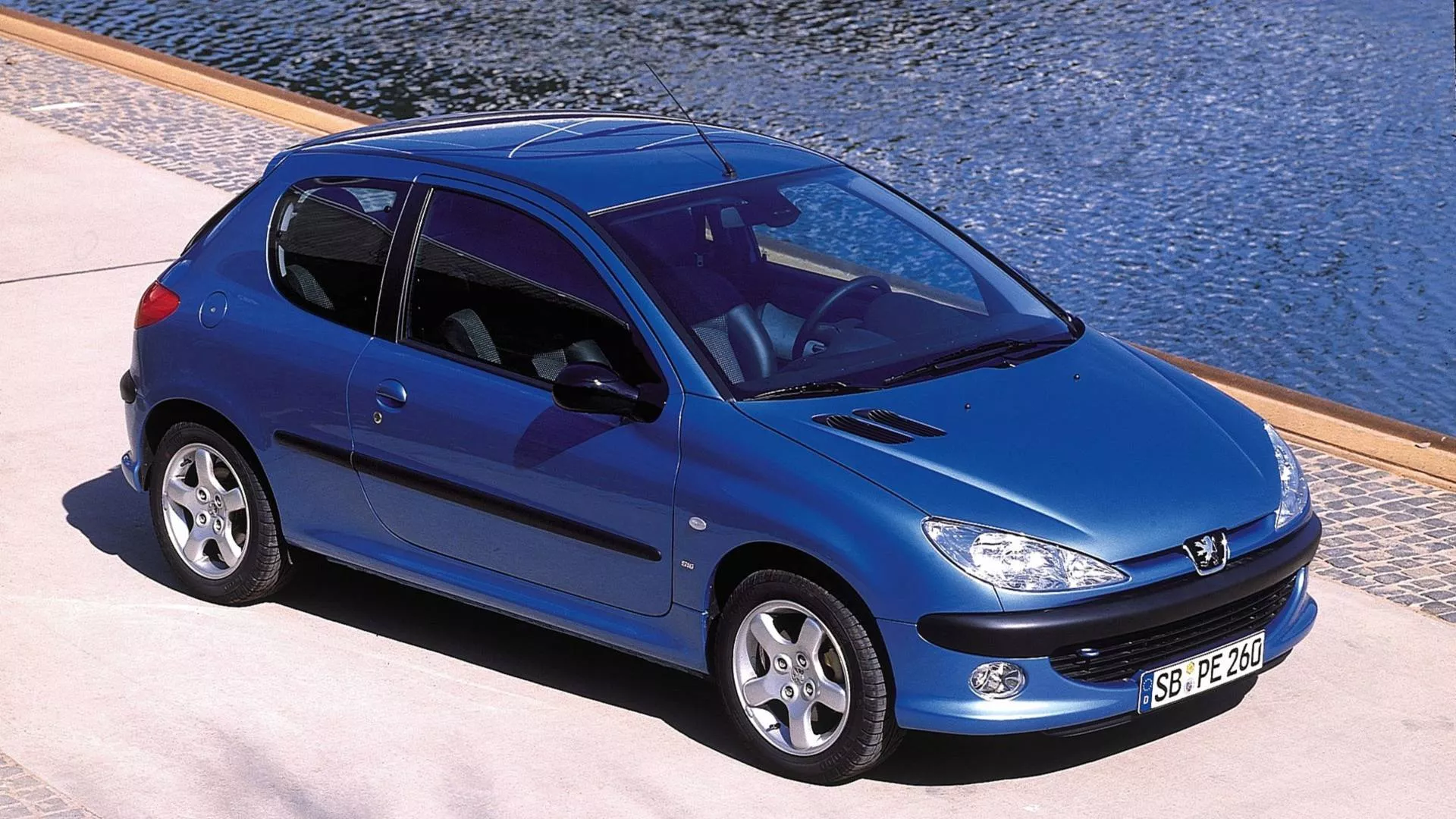
The Peugeot 206 is a B-segment compact utility car from the French manufacturer PSA (now known as Stellantis). It was the successor to the legendary Peugeot 205. Production began in 1998 and it was sold until 2013. It is the best-selling Peugeot in history. It mainly had 2 phases: phase 1 spanned the years 1998 to 2003 and phase 2, from 2003 to 2009. During the final stage of the 206's life cycle, Peugeot launched its successor in 2006, the Peugeot 207, but they decided to keep the 206 as an entry-level vehicle below the psychological price point of 10,000 euros. This affordable model was called the Peugeot 206+ and borrowed some elements from the Peugeot 207 to save costs, such as the front part of the body and the headlights.
Following the commercial success of the Peugeot 205, the mission of the 206 was to consolidate the multi-purpose utility segment by competing with Renault primarily in performance and costs. In this regard, the 206 was superior to the Renault Clio II.
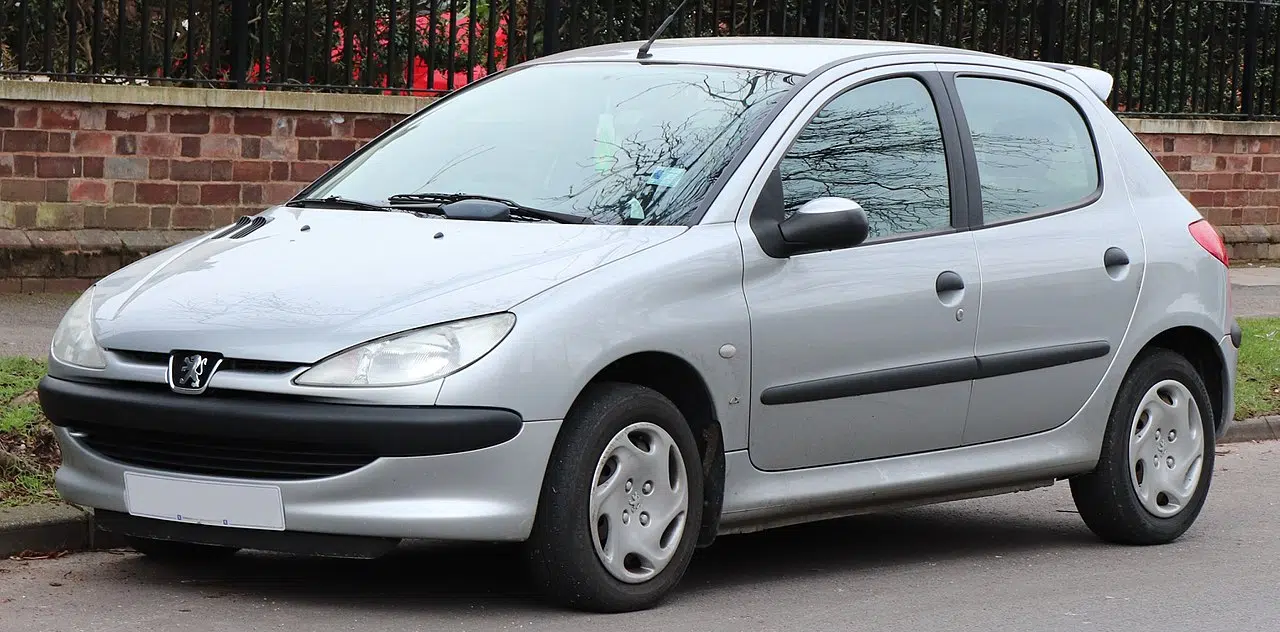
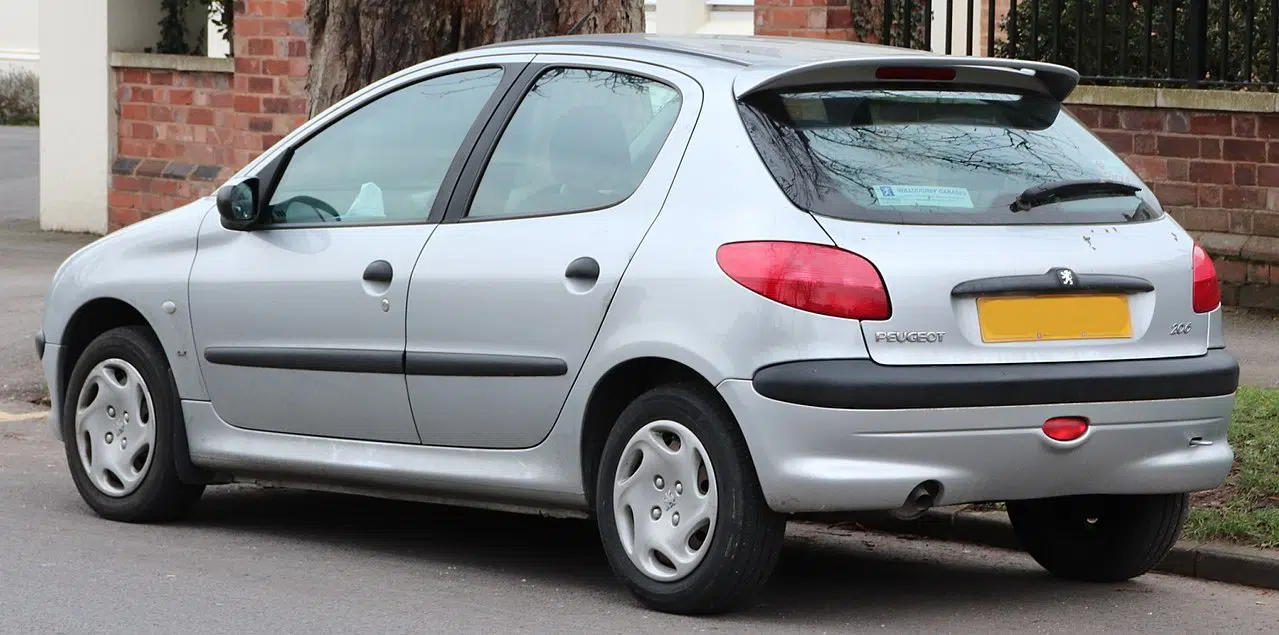
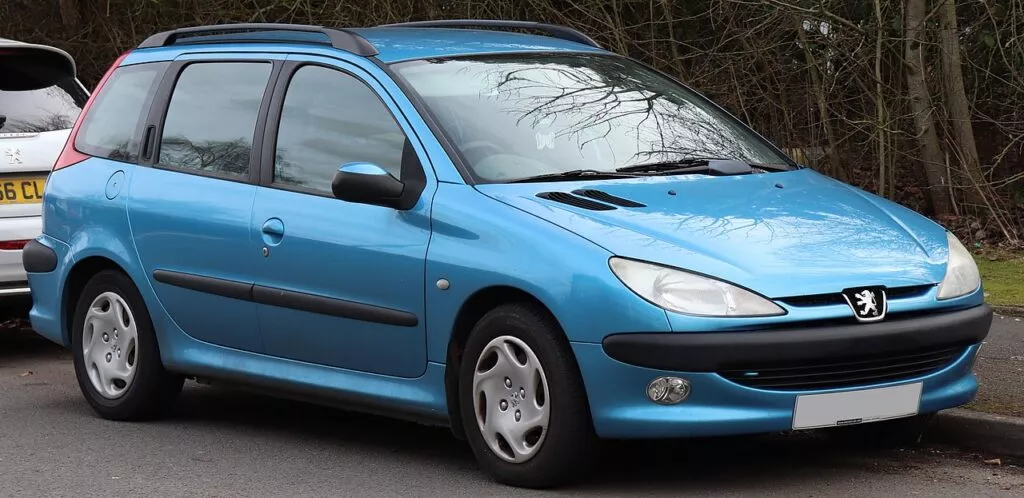
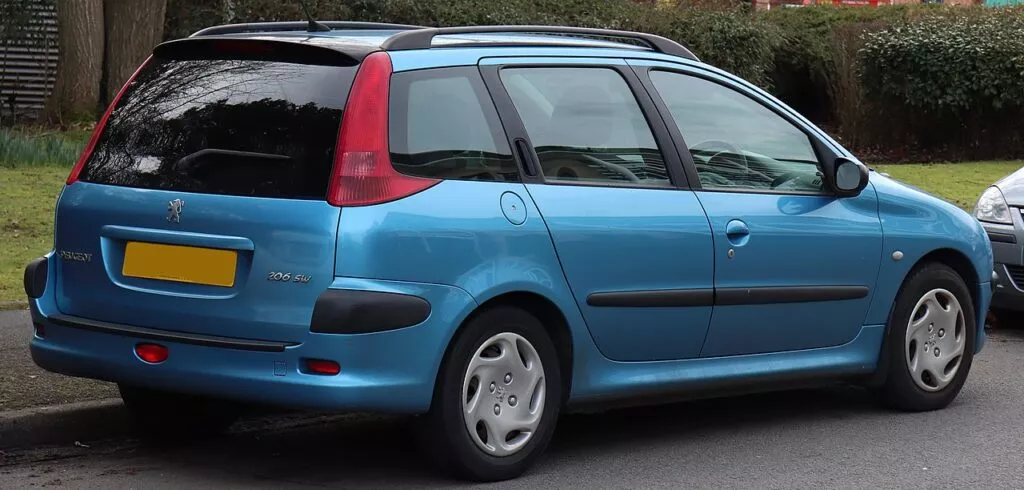
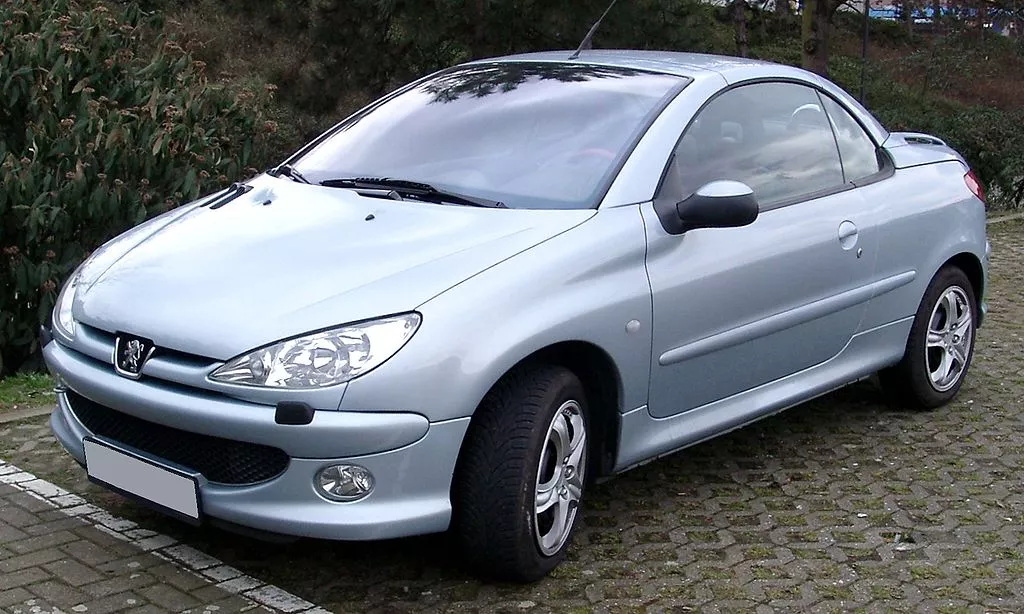
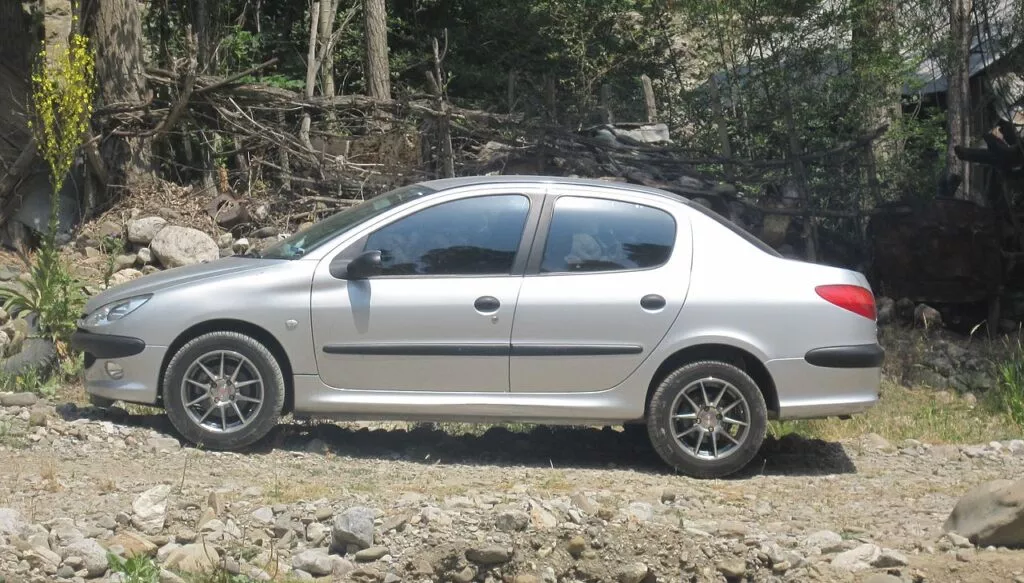
It was produced on the PSA PF1 platform, shared with vehicles such as the Citroen C3, the Peugeot 1007, or its successor, the 207. It was produced in 3 and 5-door hatchback, station wagon (206 SW), coupé / cabriolet, and 4-door sedan body styles (only available in some markets).
The 206 competed with the Renault Clio, the Volkswagen Polo, the Ford Fiesta, and the Toyota Yaris, among others. The 206+ competed mainly against the Renault Clio Campus, as Renault pulled the same move as PSA with its entry-level utility car.
Jump to a generation:
#1Peugeot 206 - Generation I(1998)2A2C
Hatchback2A2C
Station Wagon (206 SW) / Familiar2E2W
Coupé / Cabrio (206 CC)2D
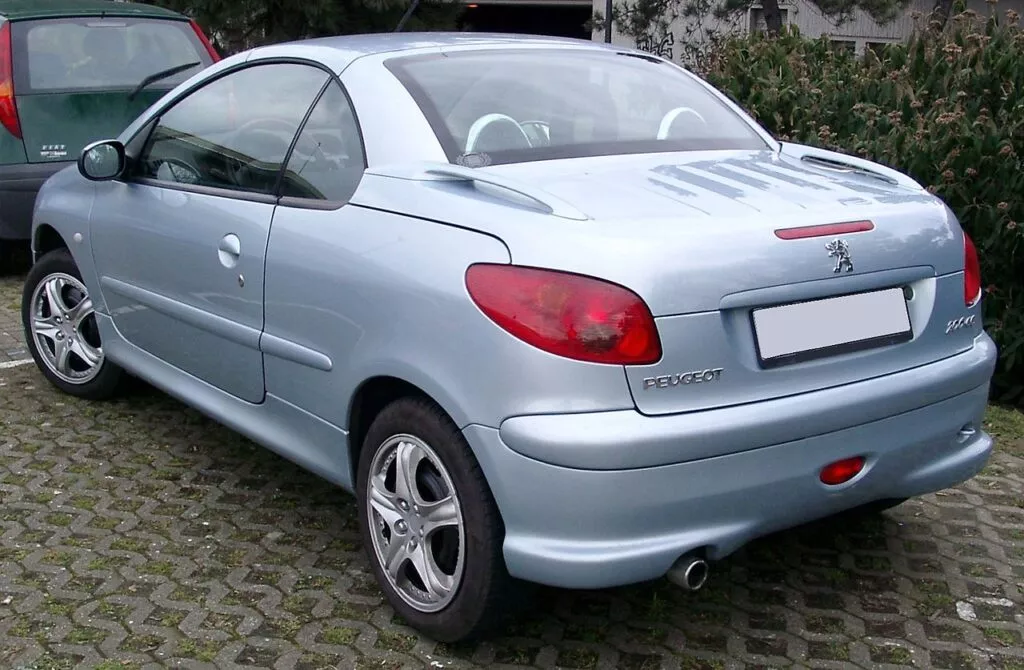
Sedán2A2C
Van2A2C
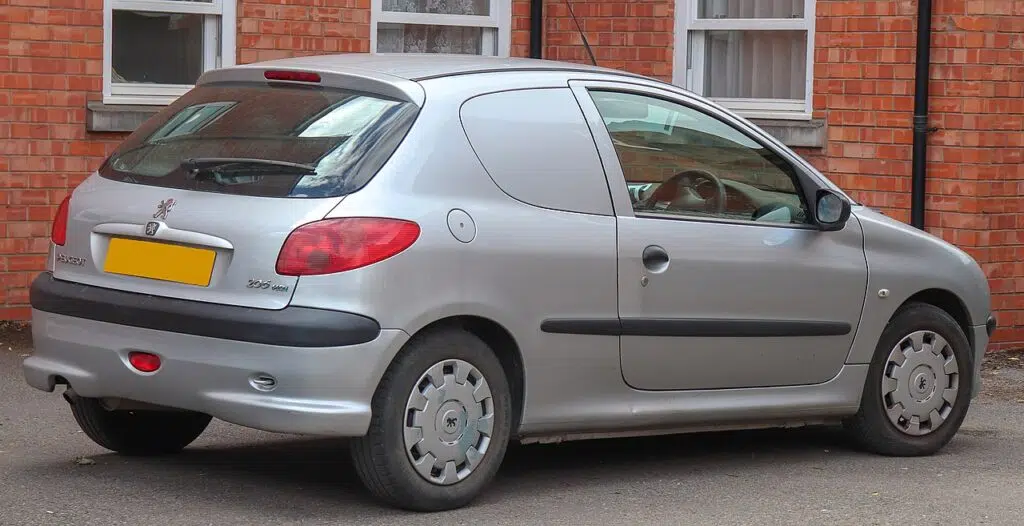
#2Peugeot 206 - Generation II(2009)2L2M
Hatchback2L2M
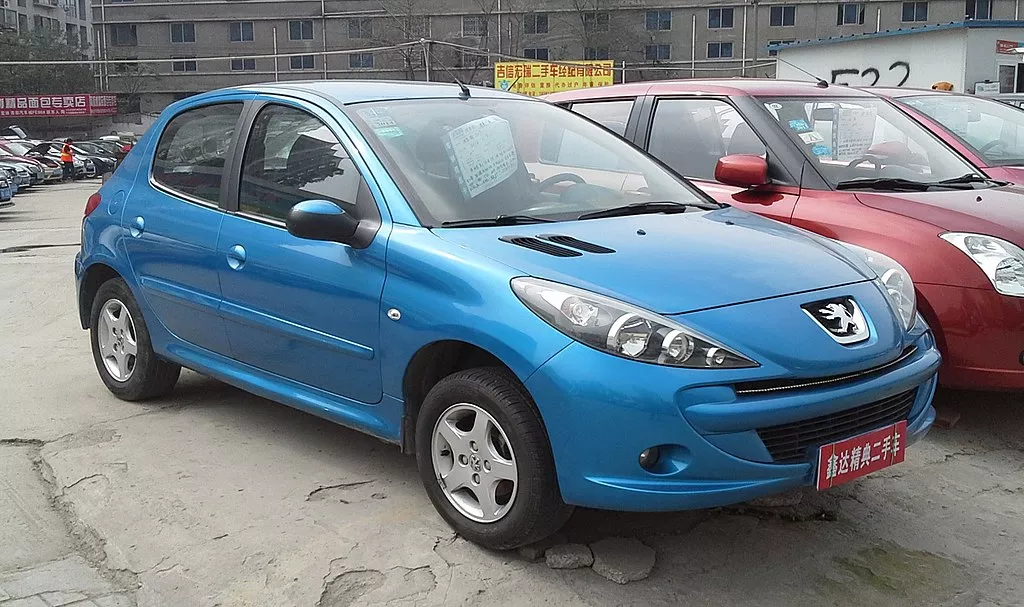
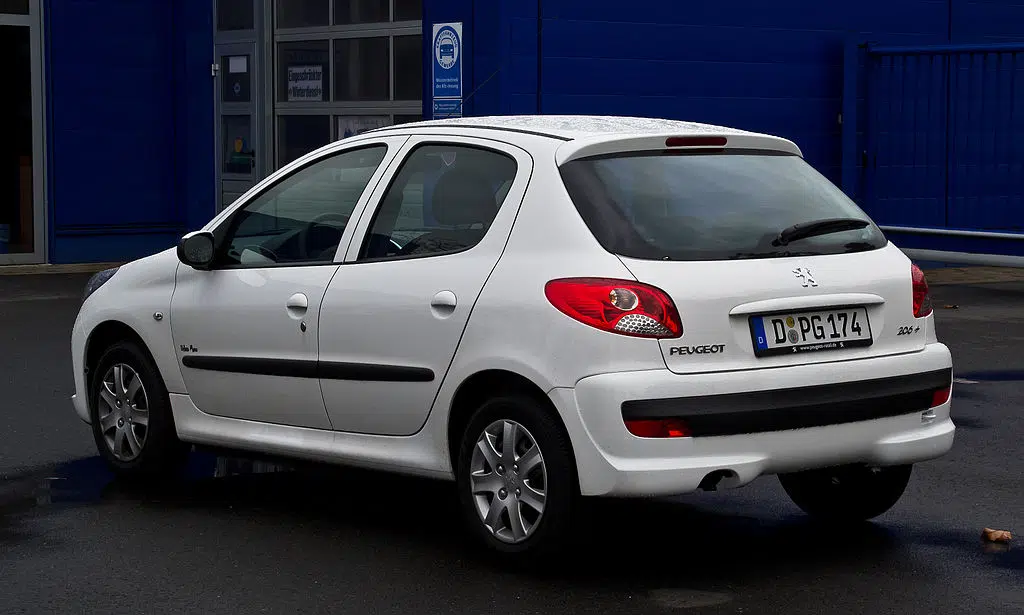
View more models from Peugeot
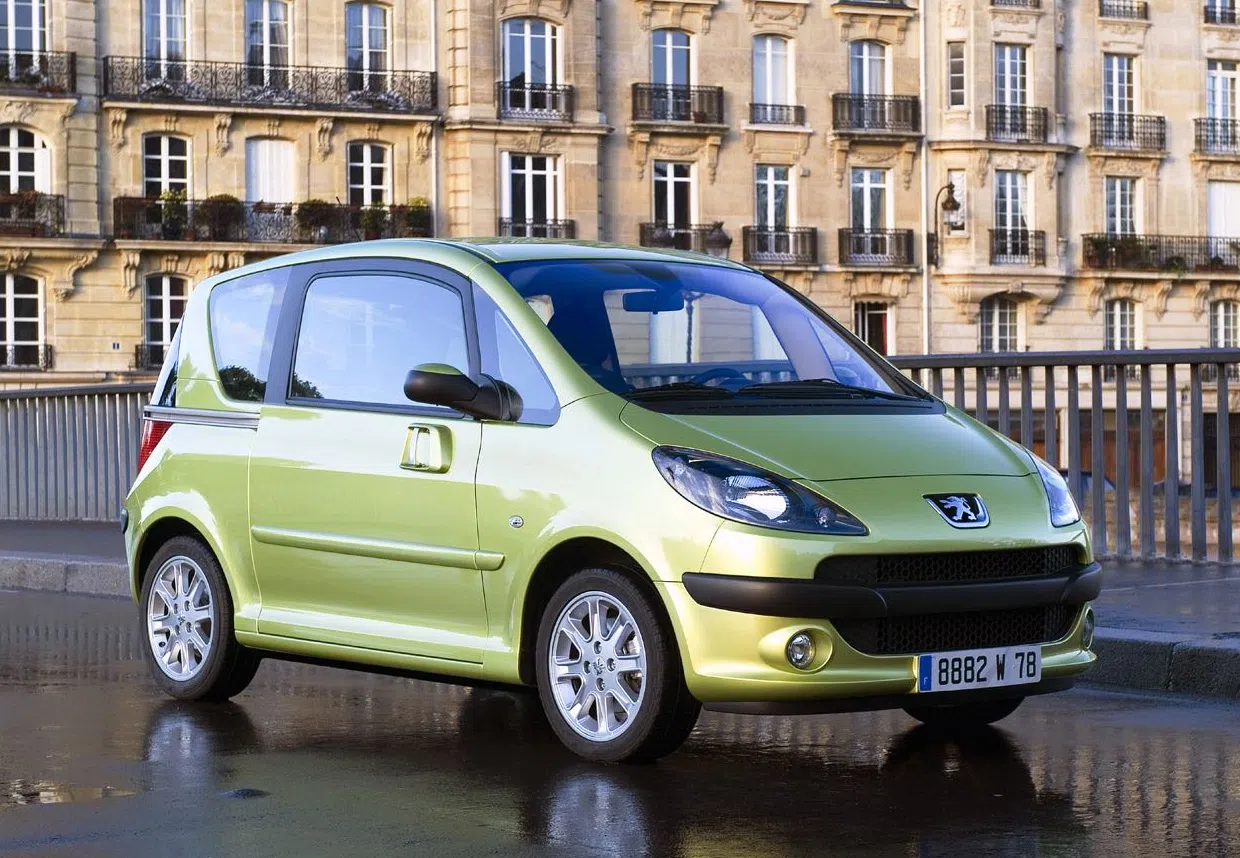 Peugeot
1007
View model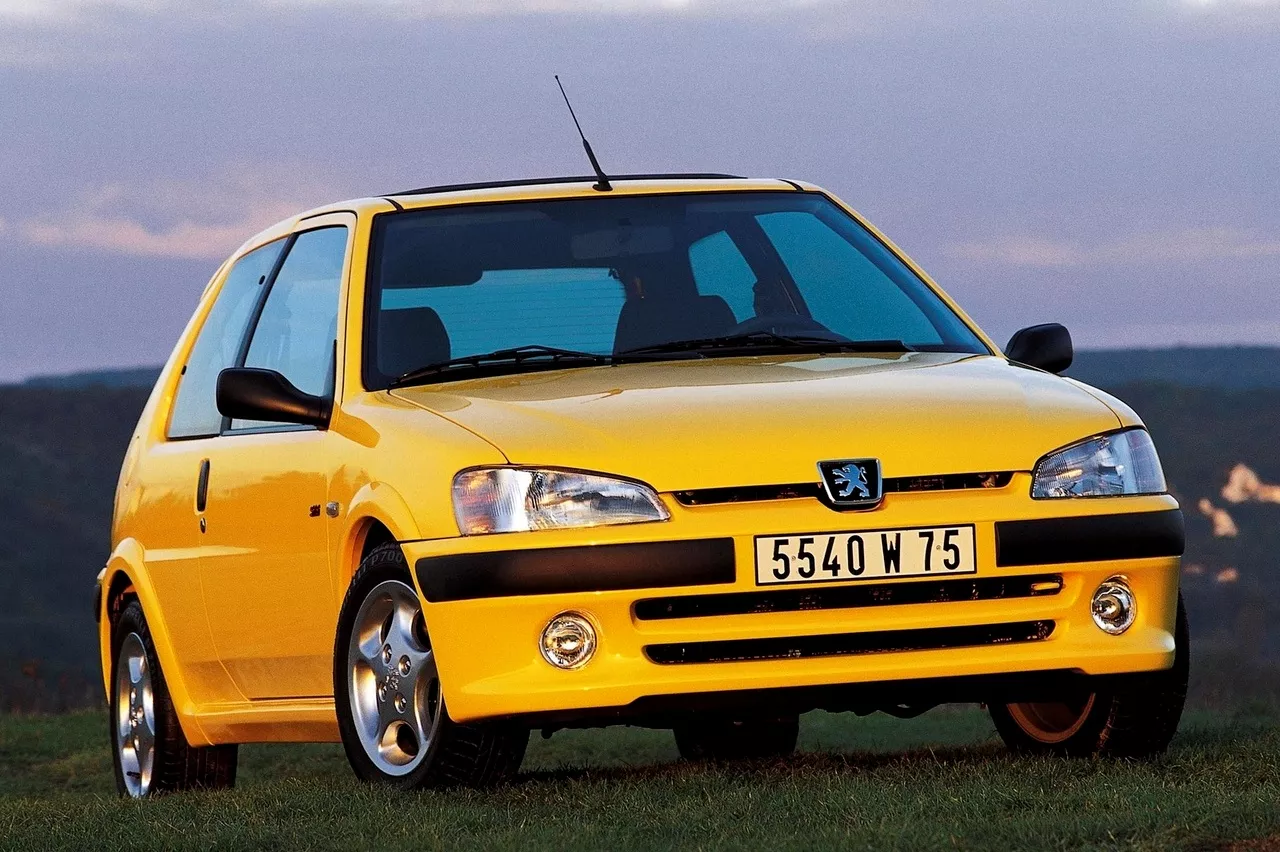 Peugeot
106
View model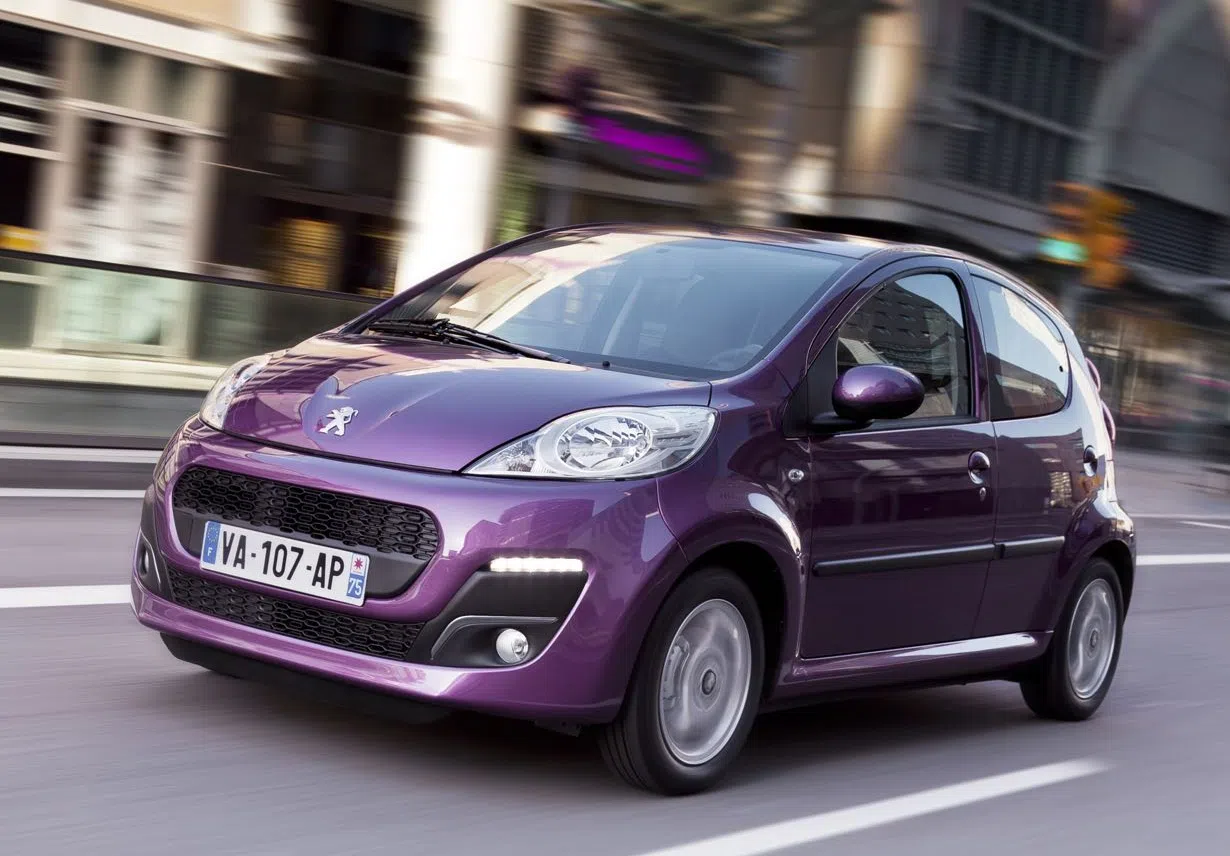 Peugeot
107
View model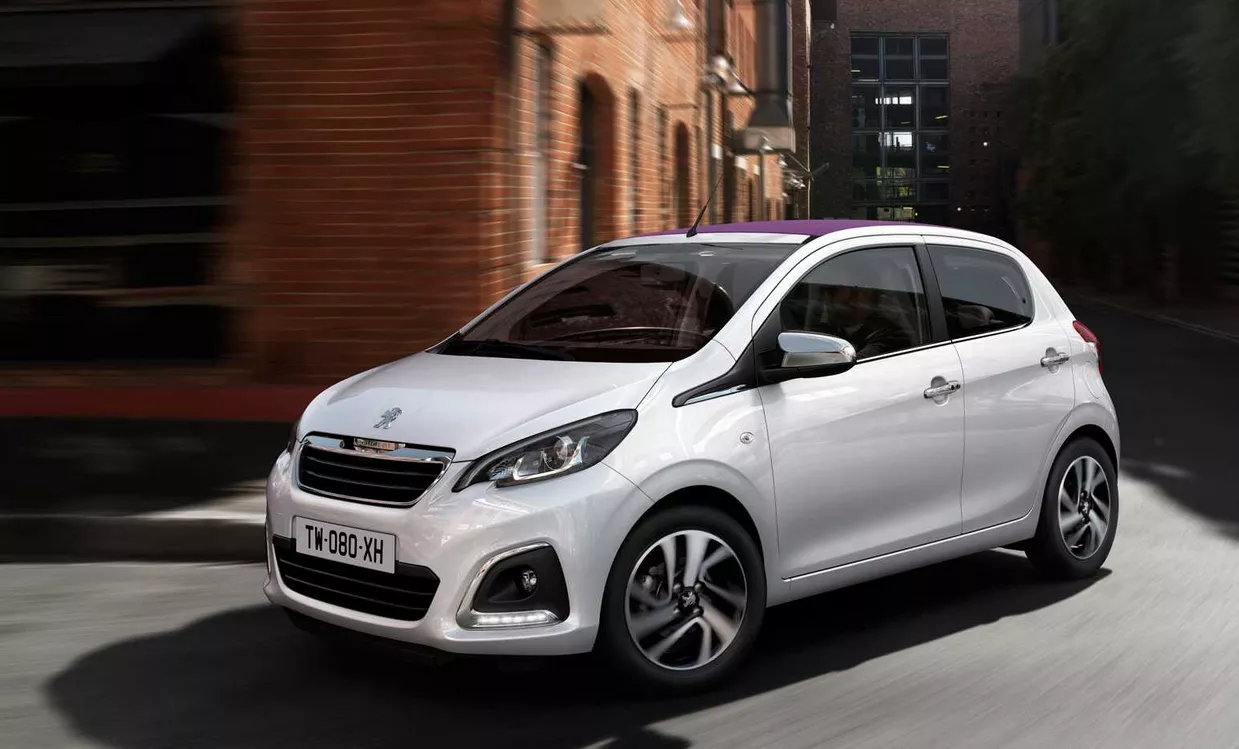 Peugeot
108
View model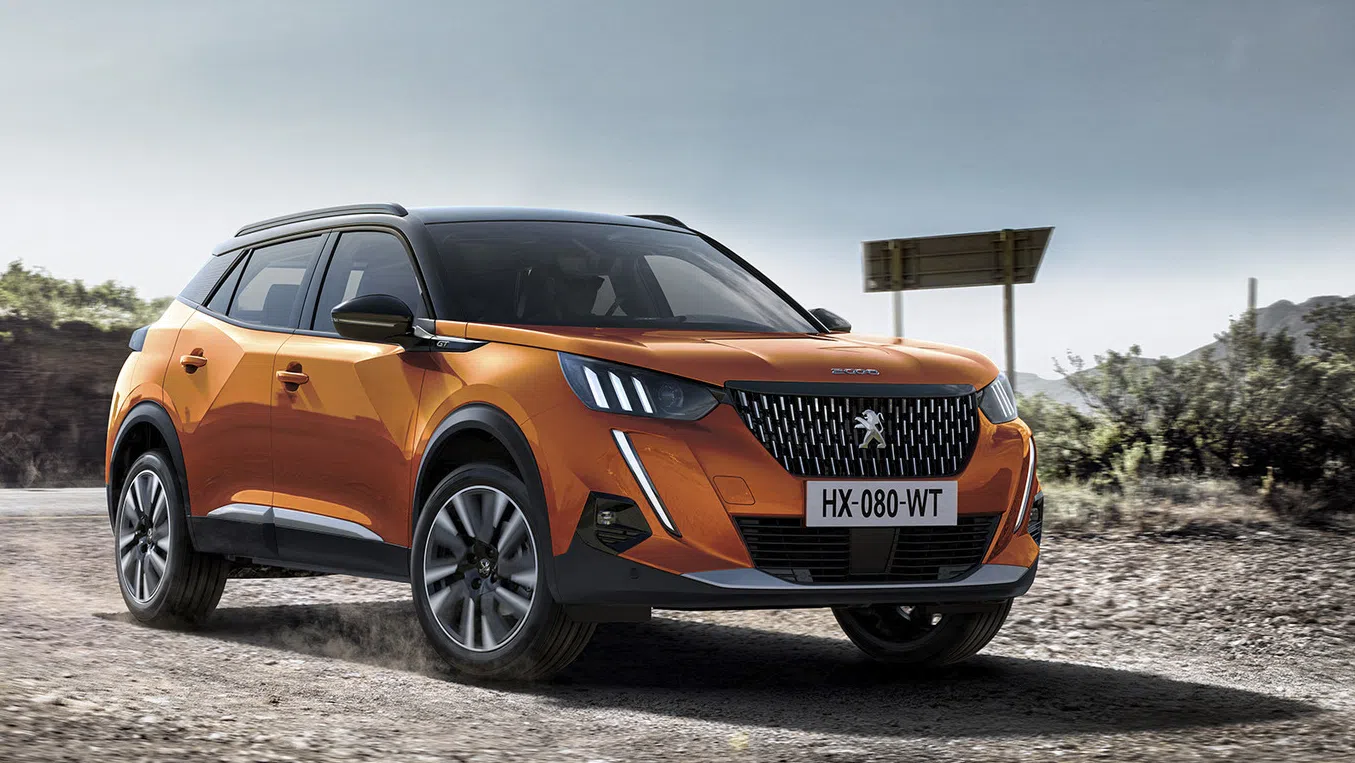 Peugeot
2008
View model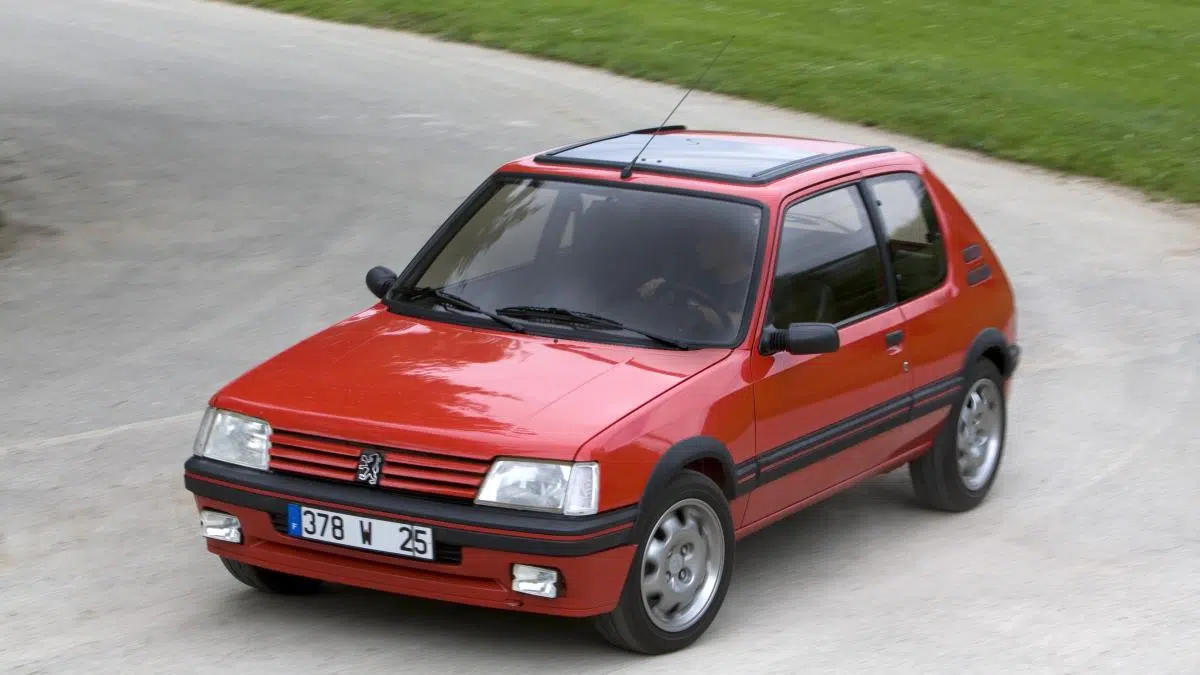 Peugeot
205
View model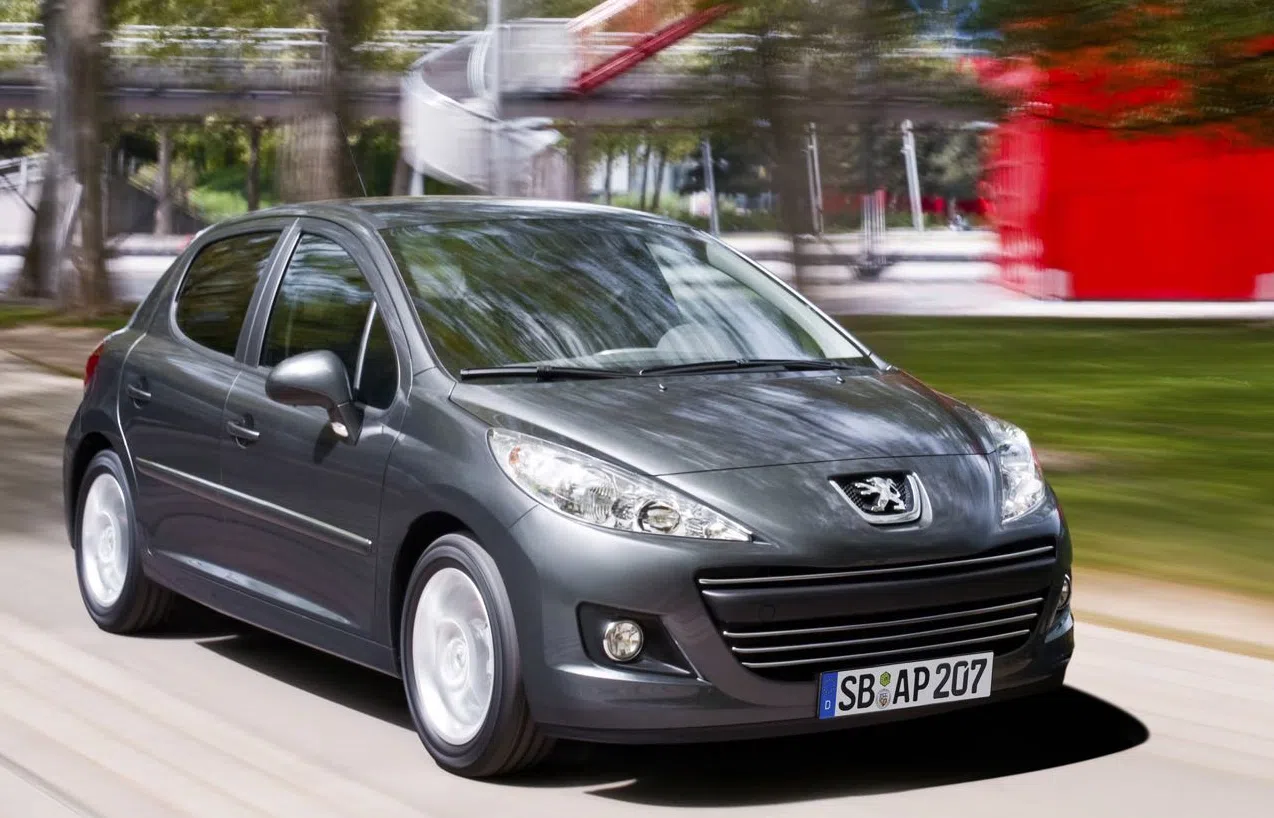 Peugeot
207
View model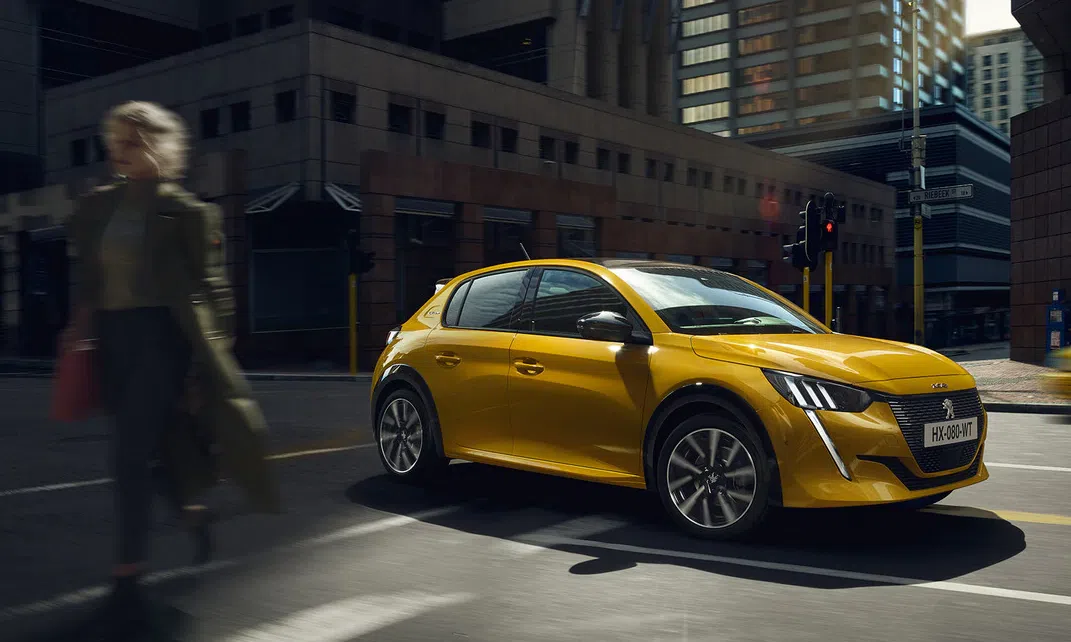 Peugeot
208
View model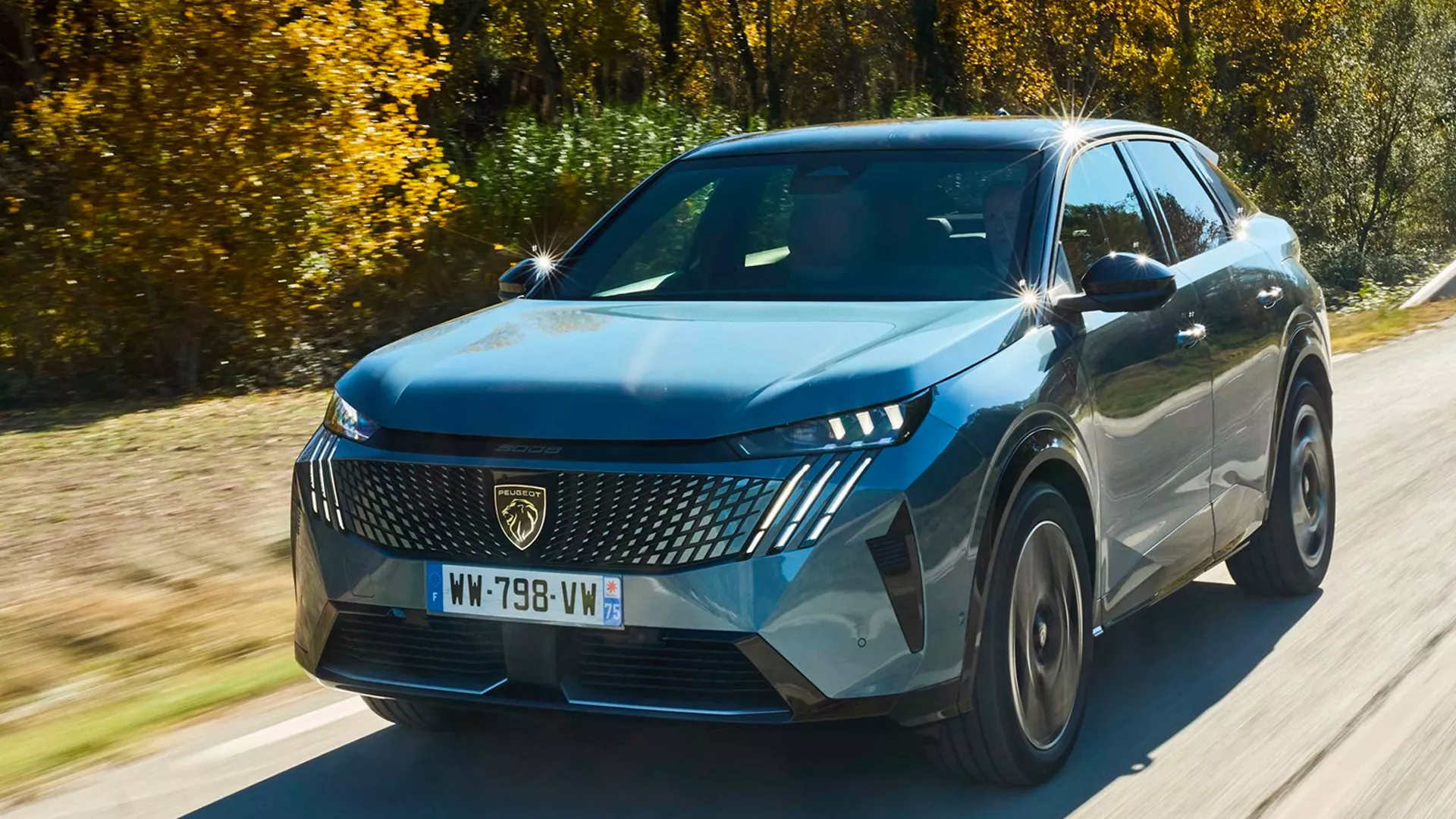 Peugeot
3008
View model Peugeot
306
View model Peugeot
307
View model Peugeot
308
View model Peugeot
4007
View model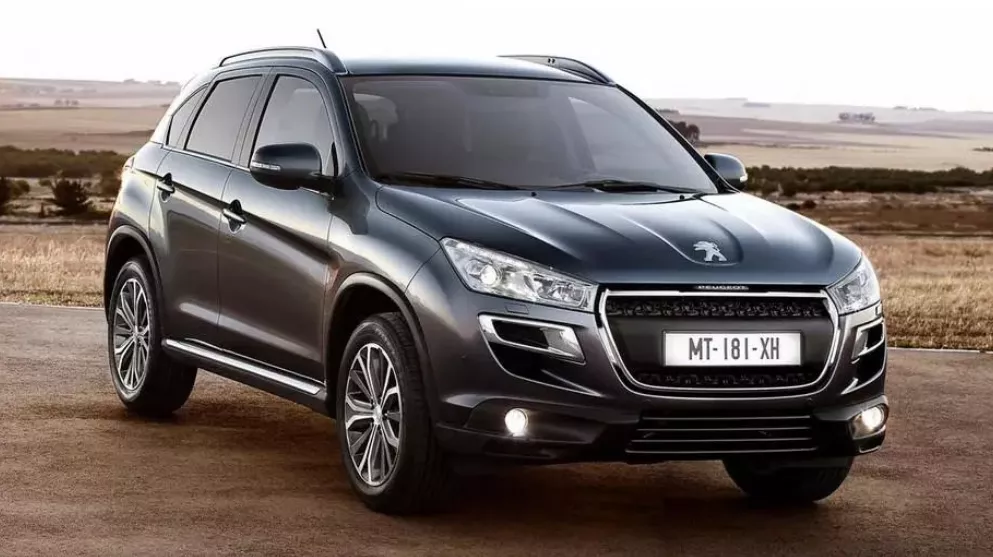 Peugeot
4008
View model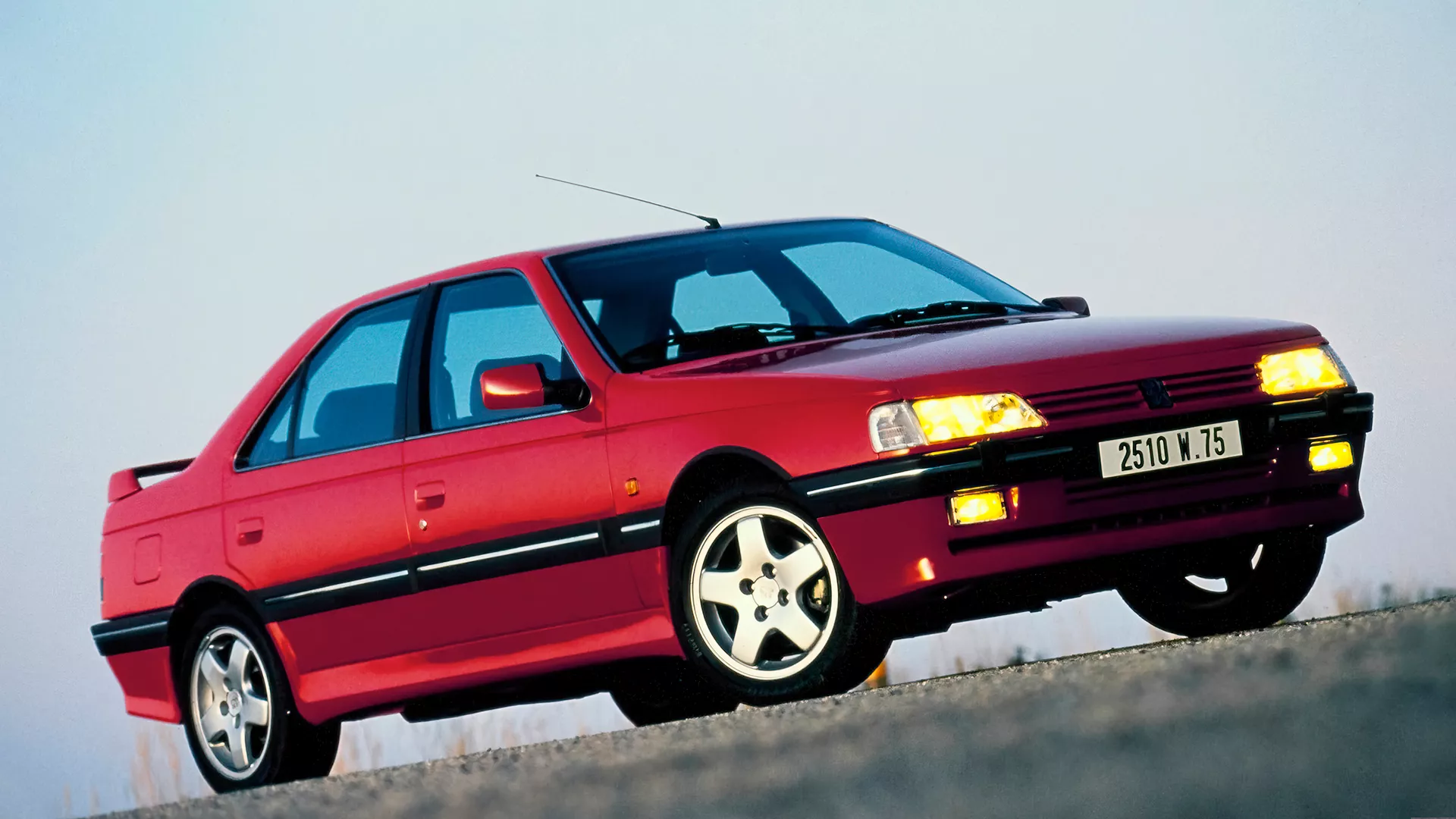 Peugeot
405
View model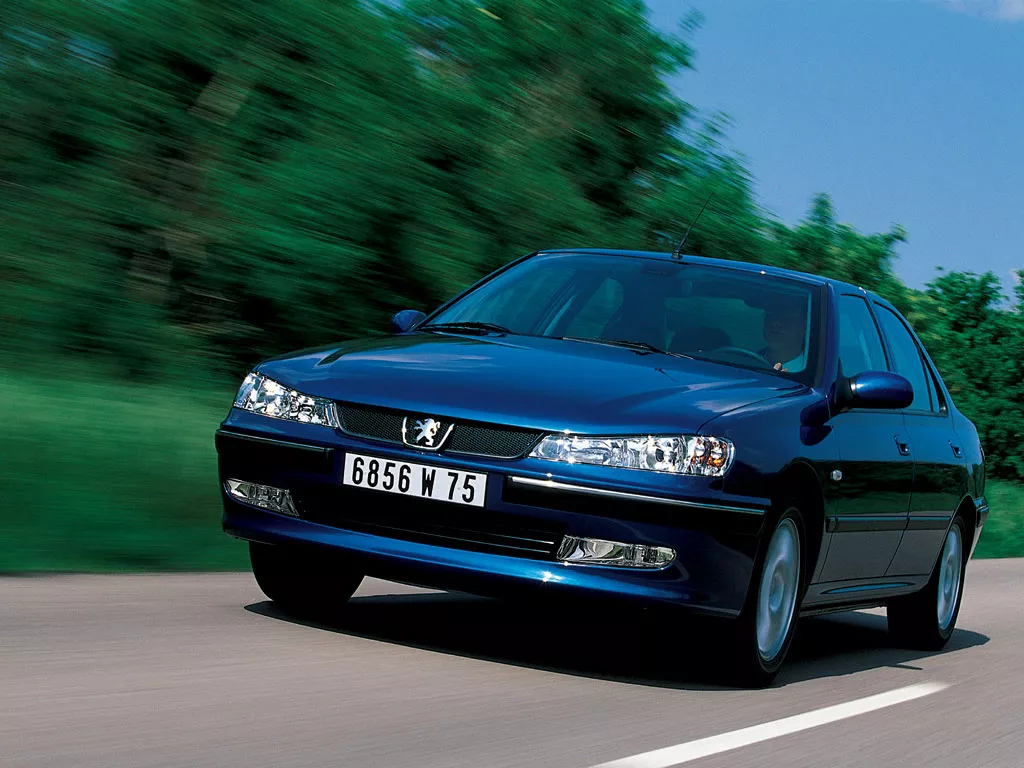 Peugeot
406
View model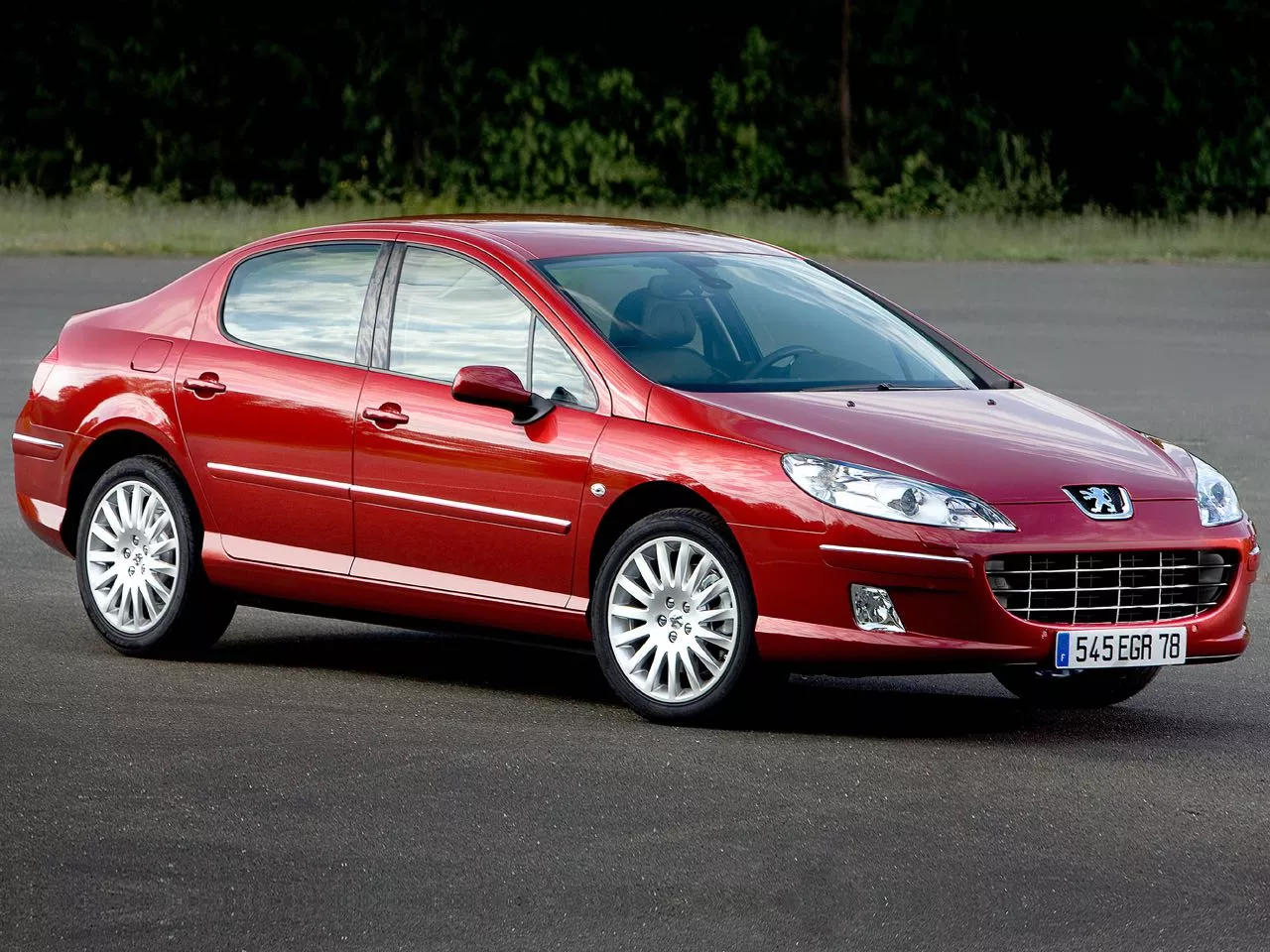 Peugeot
407
View model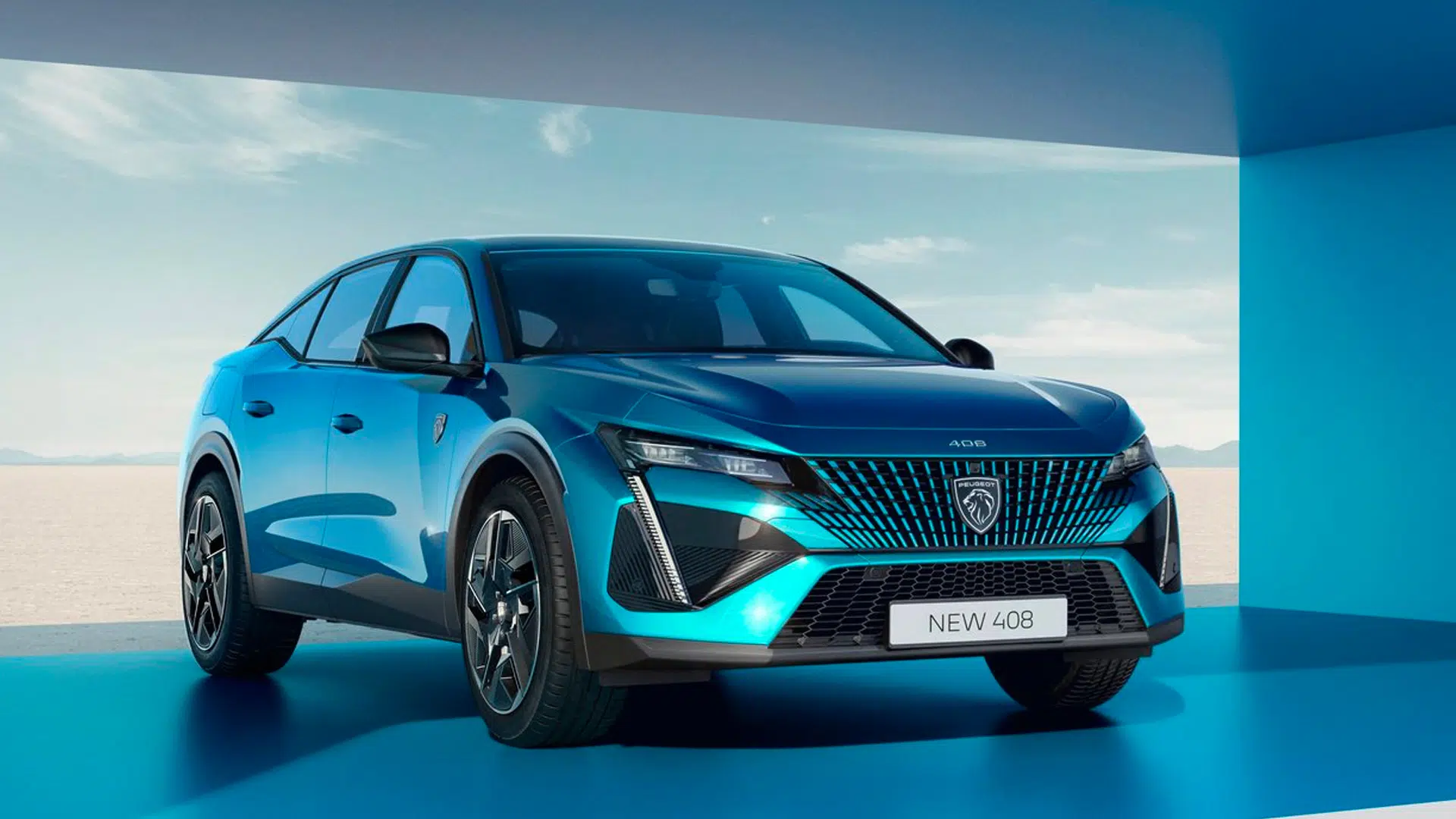 Peugeot
408
View model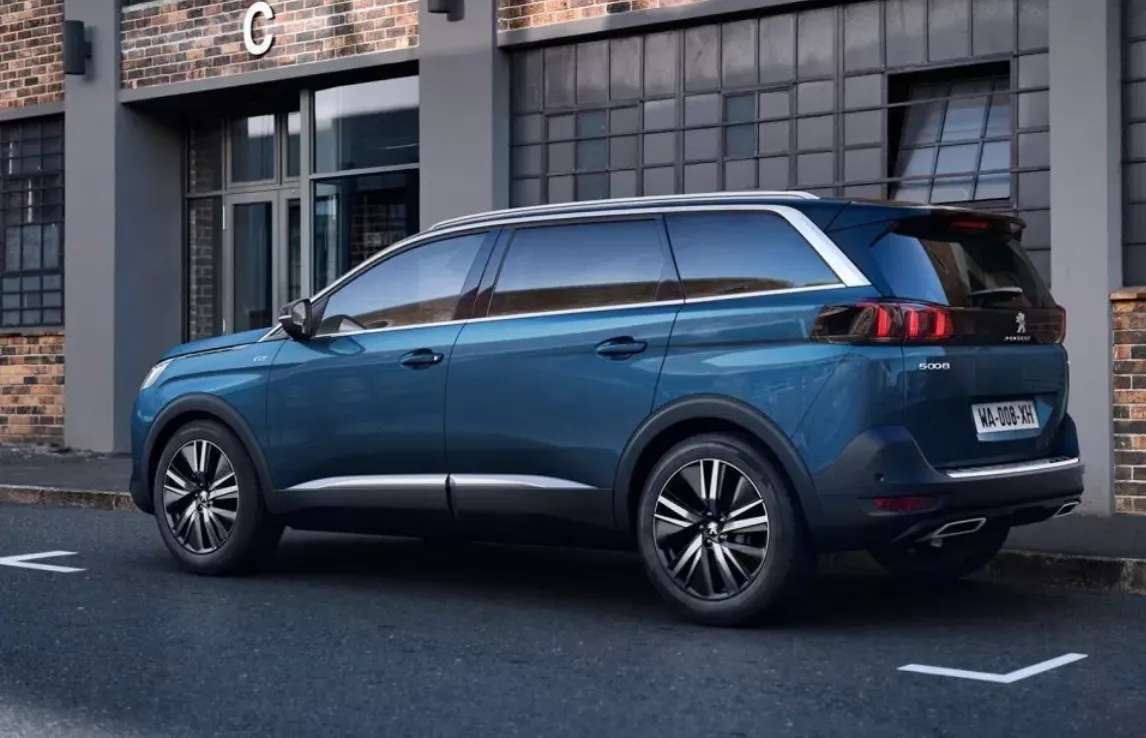 Peugeot
5008
View model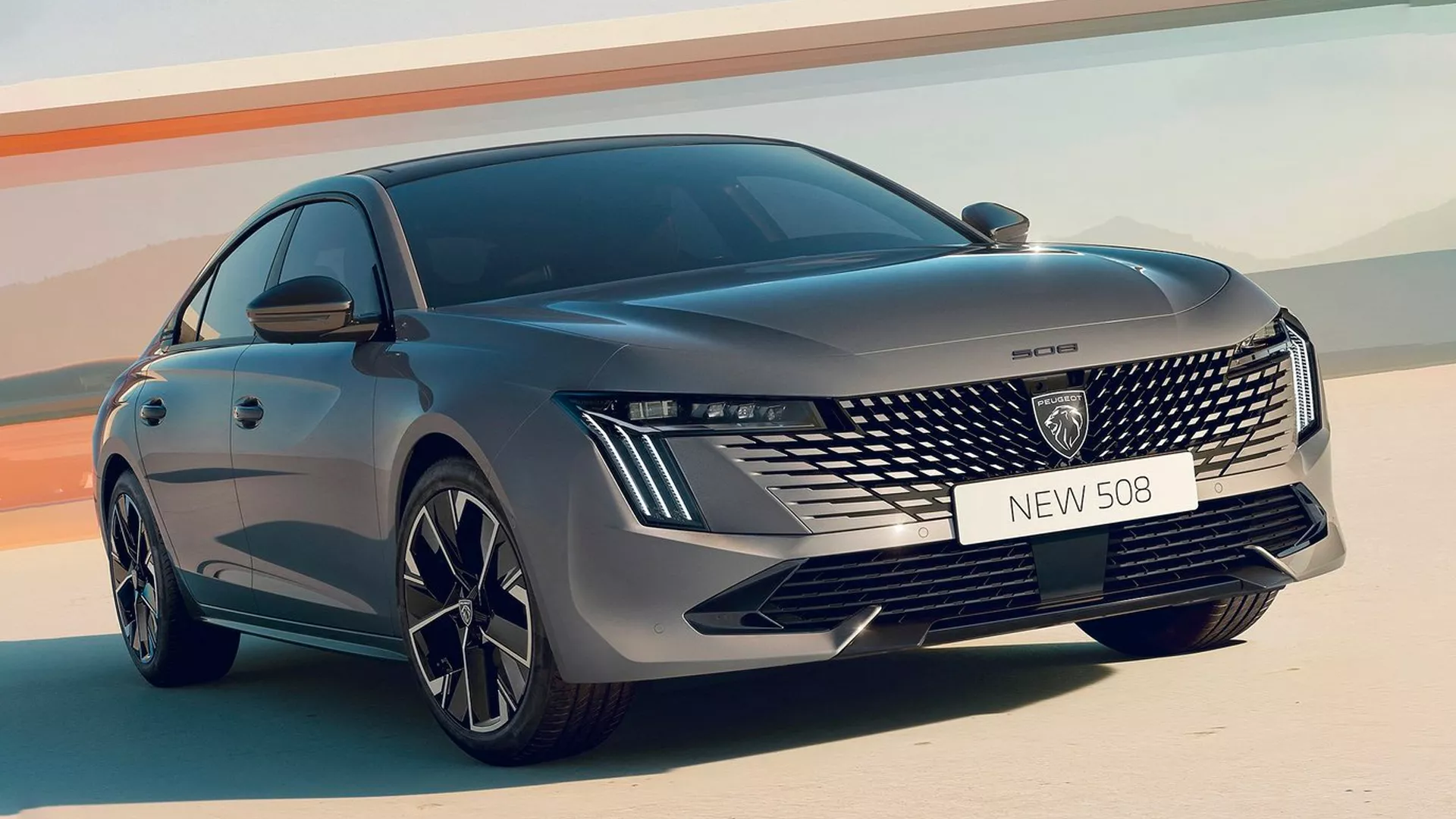 Peugeot
508
View model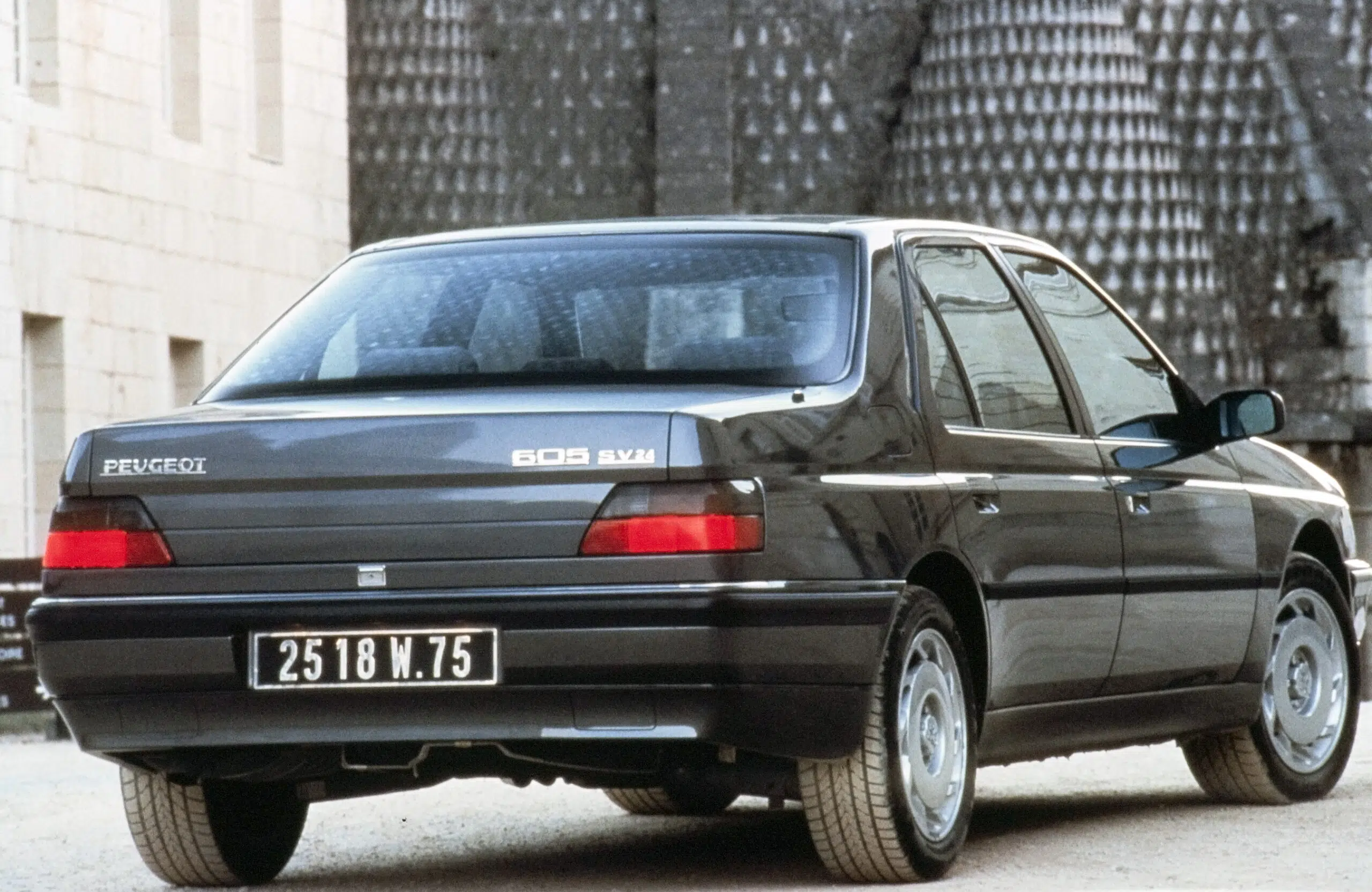 Peugeot
605
View model Peugeot
607
View model Peugeot
806
View model Peugeot
807
View model Peugeot
BIPPER
View model Peugeot
EXPERT
View model Peugeot
PARTNER
View model Peugeot
RCZ
View model Peugeot
RIFTER
View model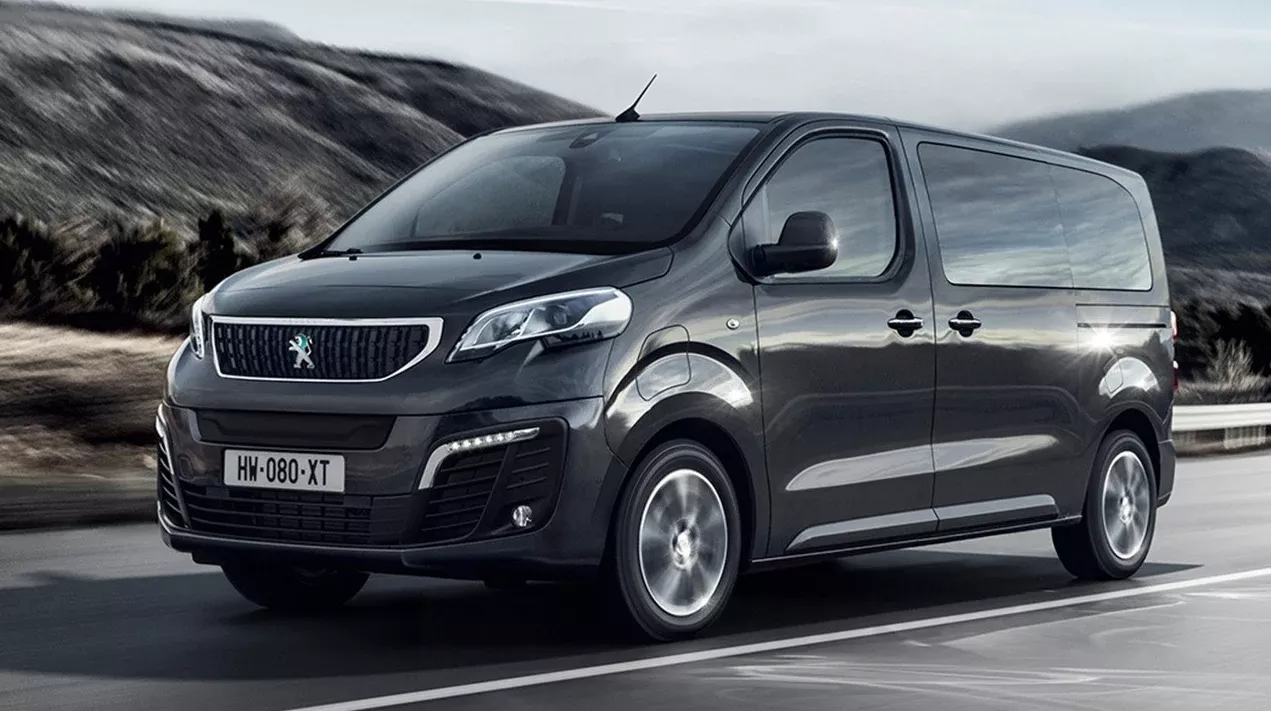 Peugeot
TRAVELLER
View model- Peugeot
View all models